
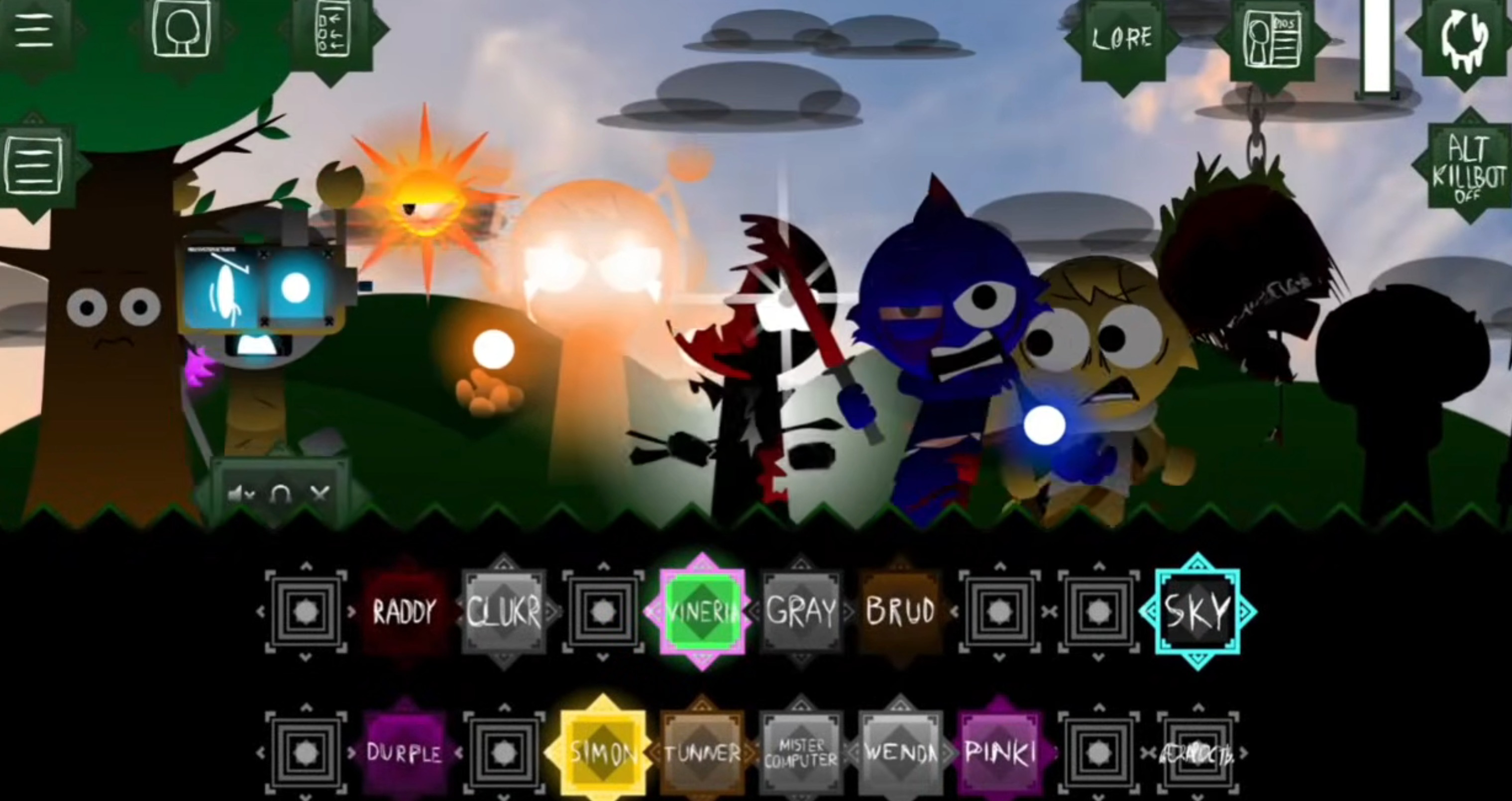

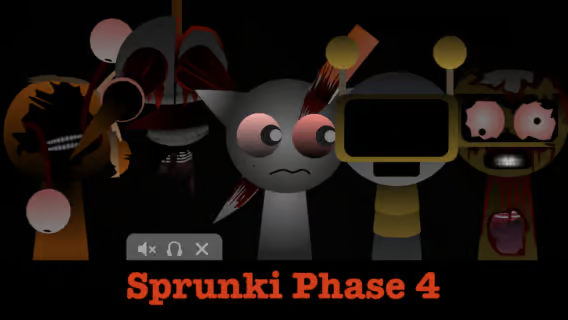
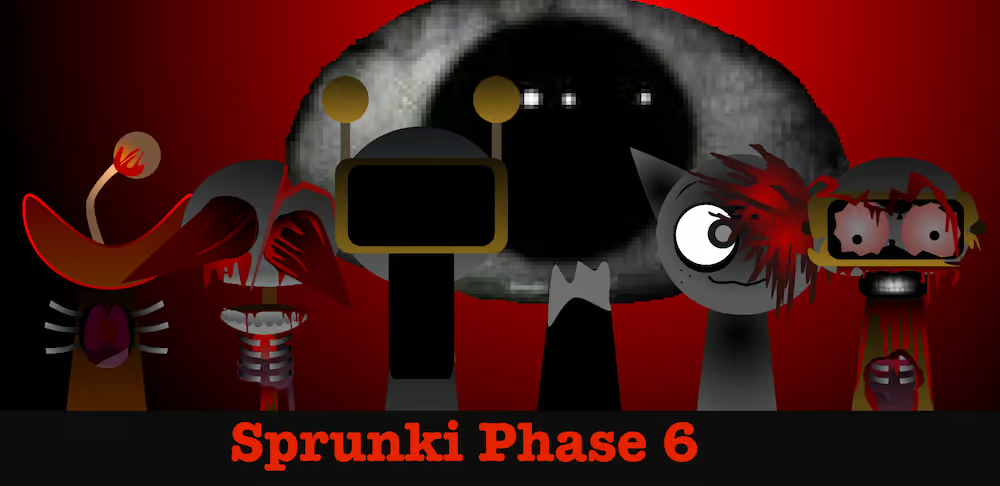
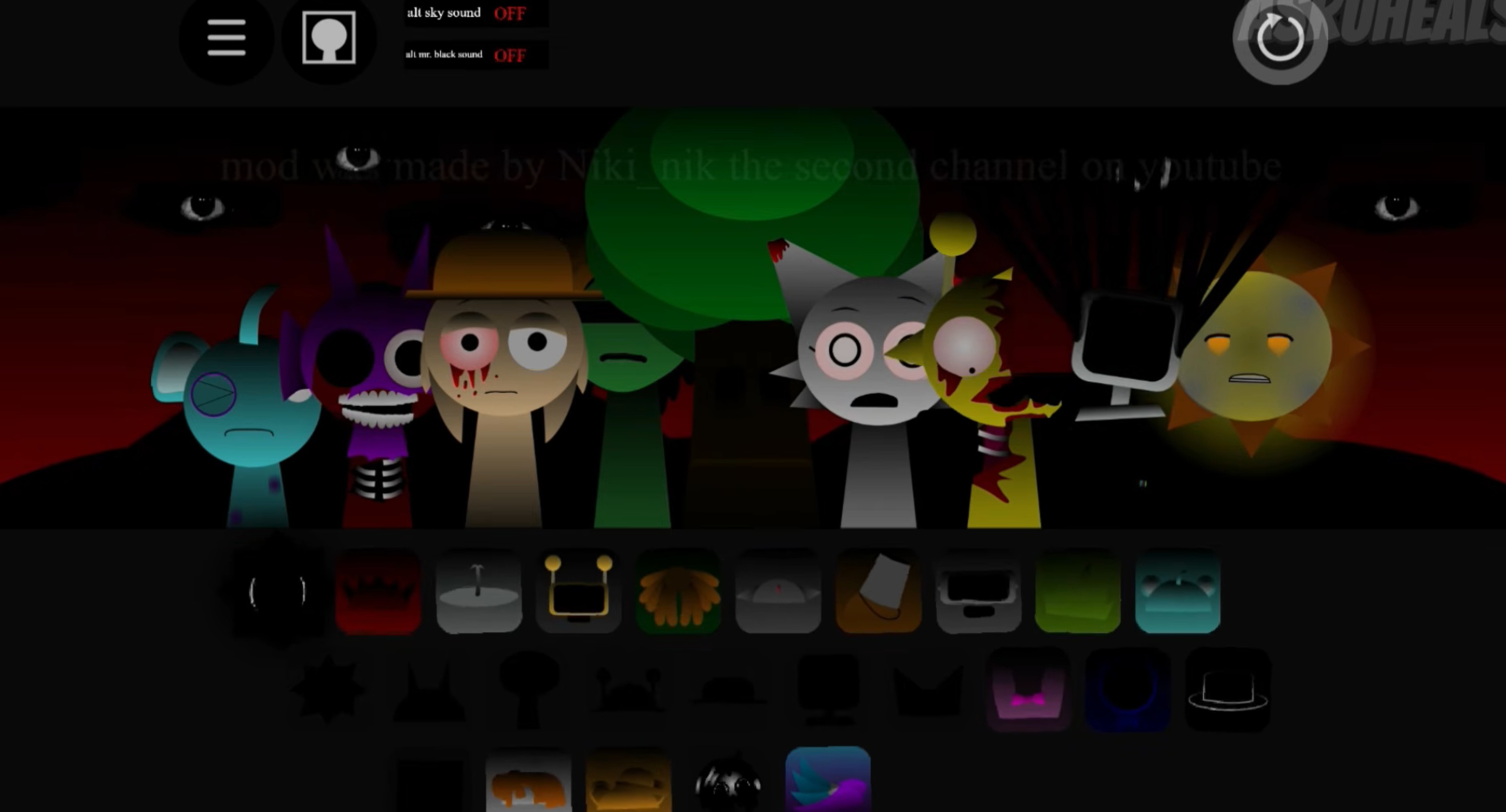
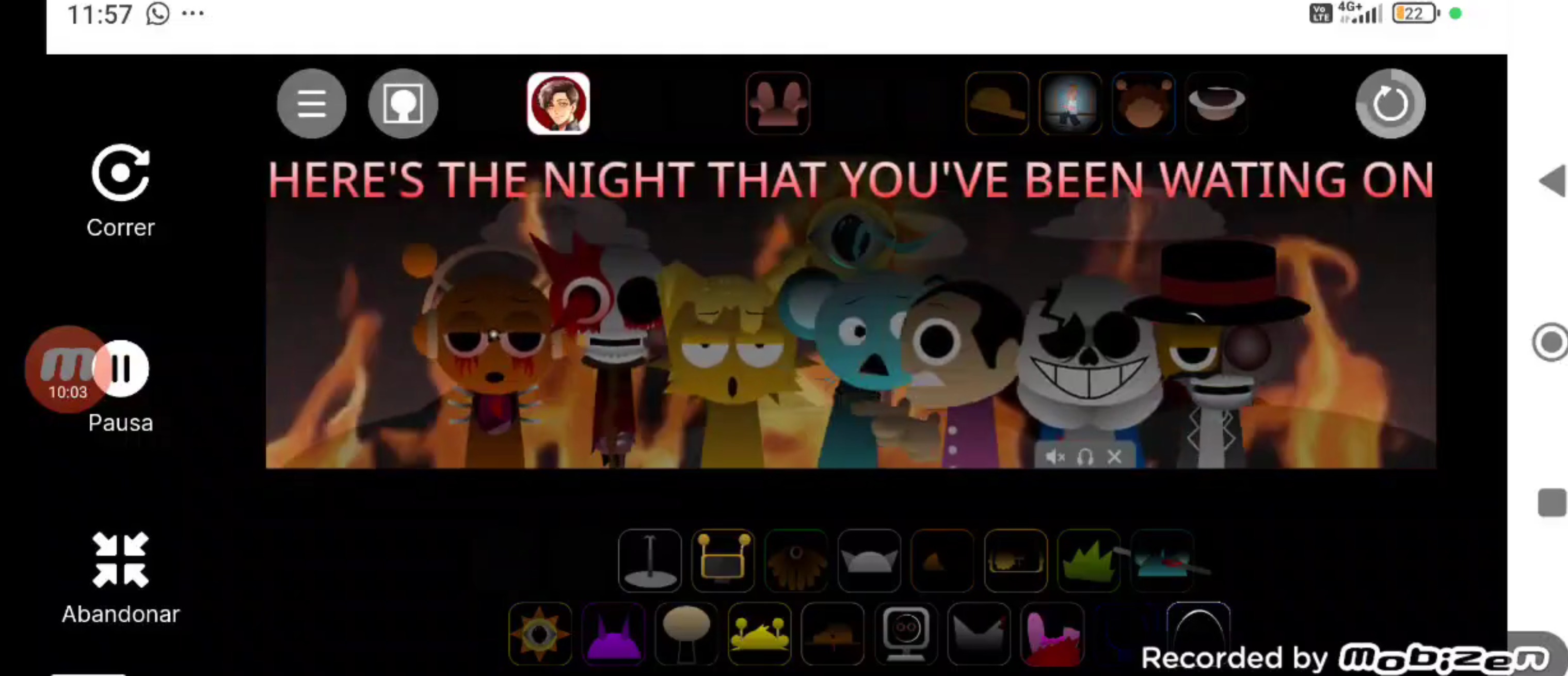
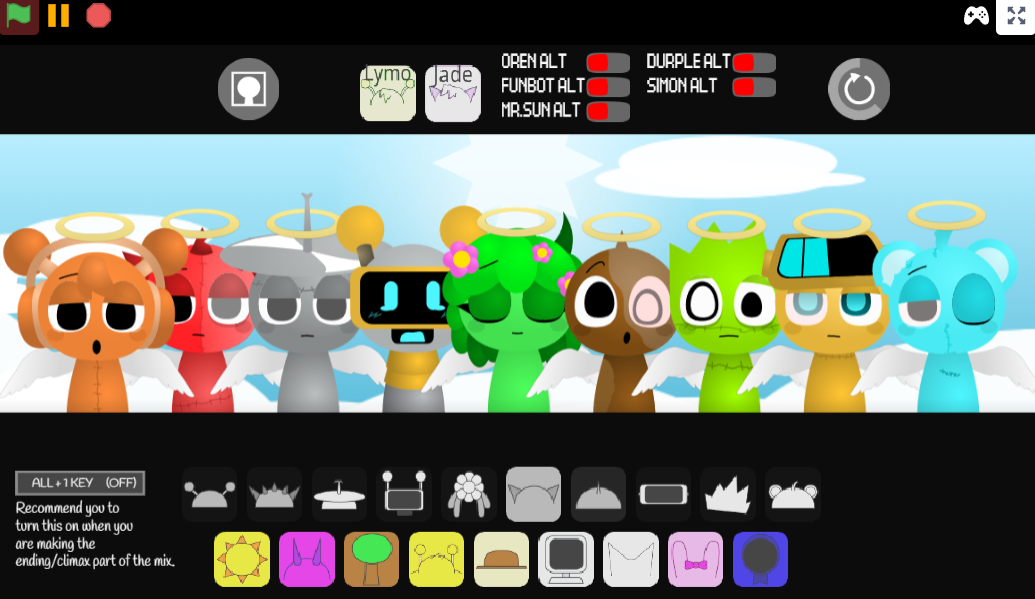
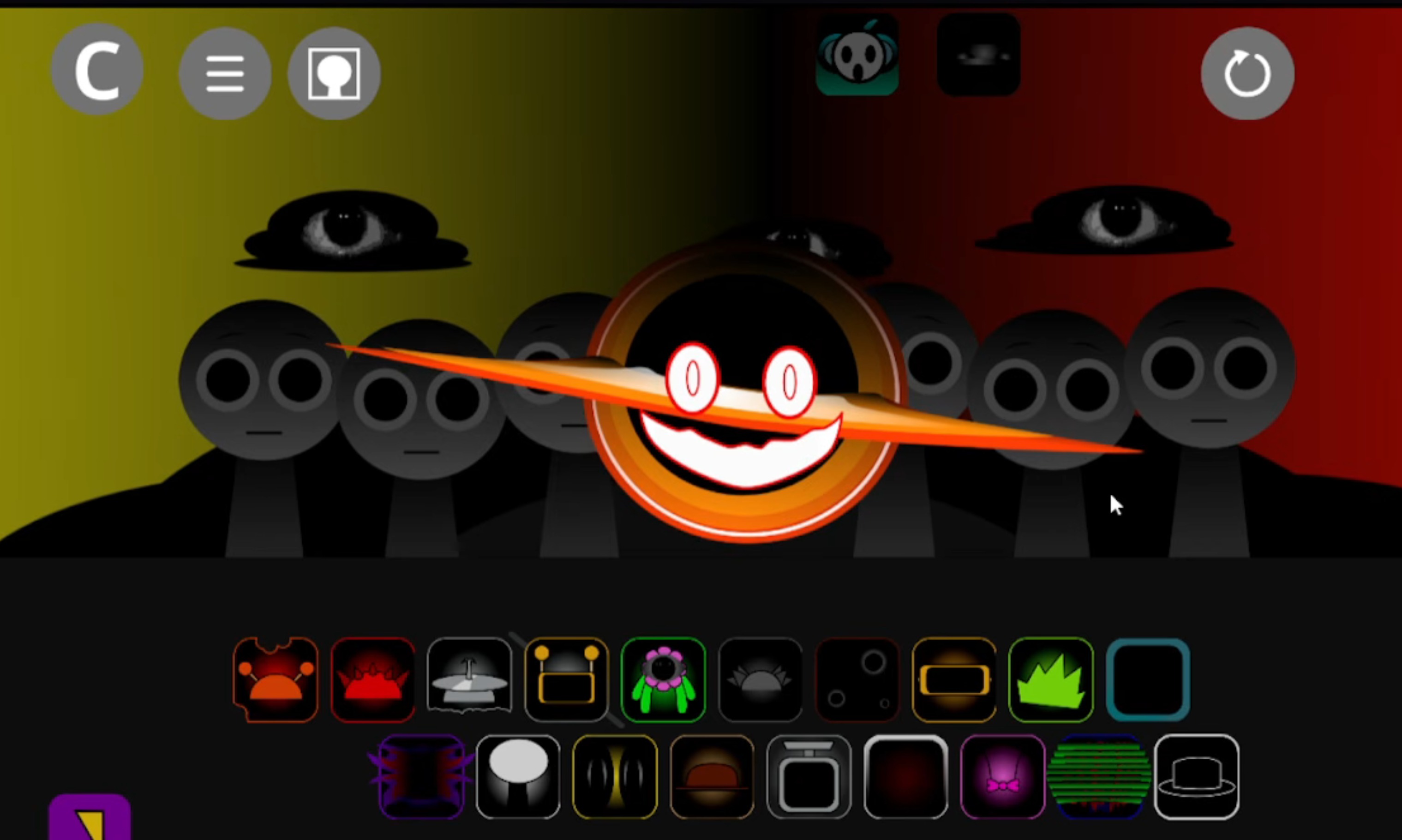
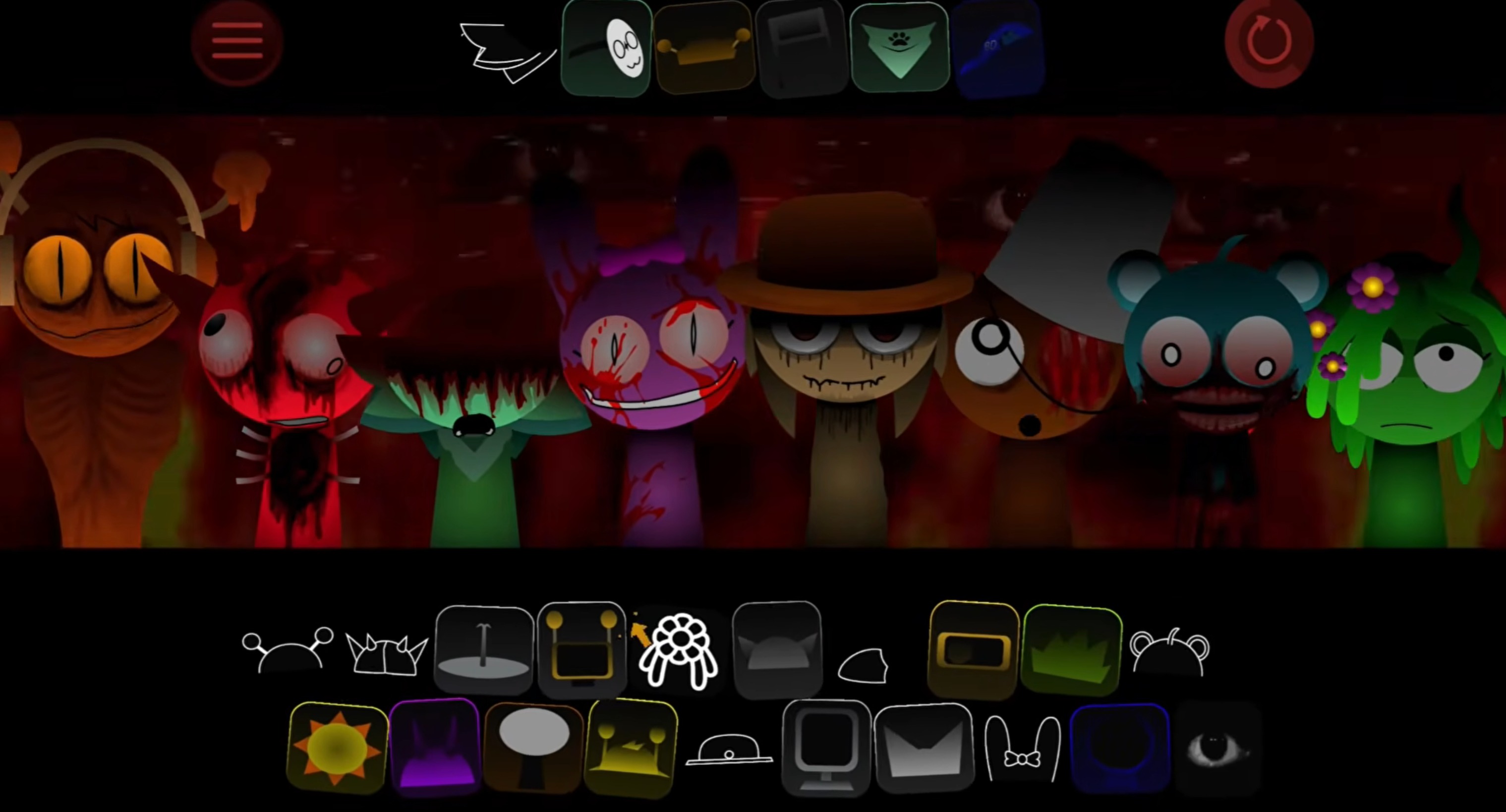
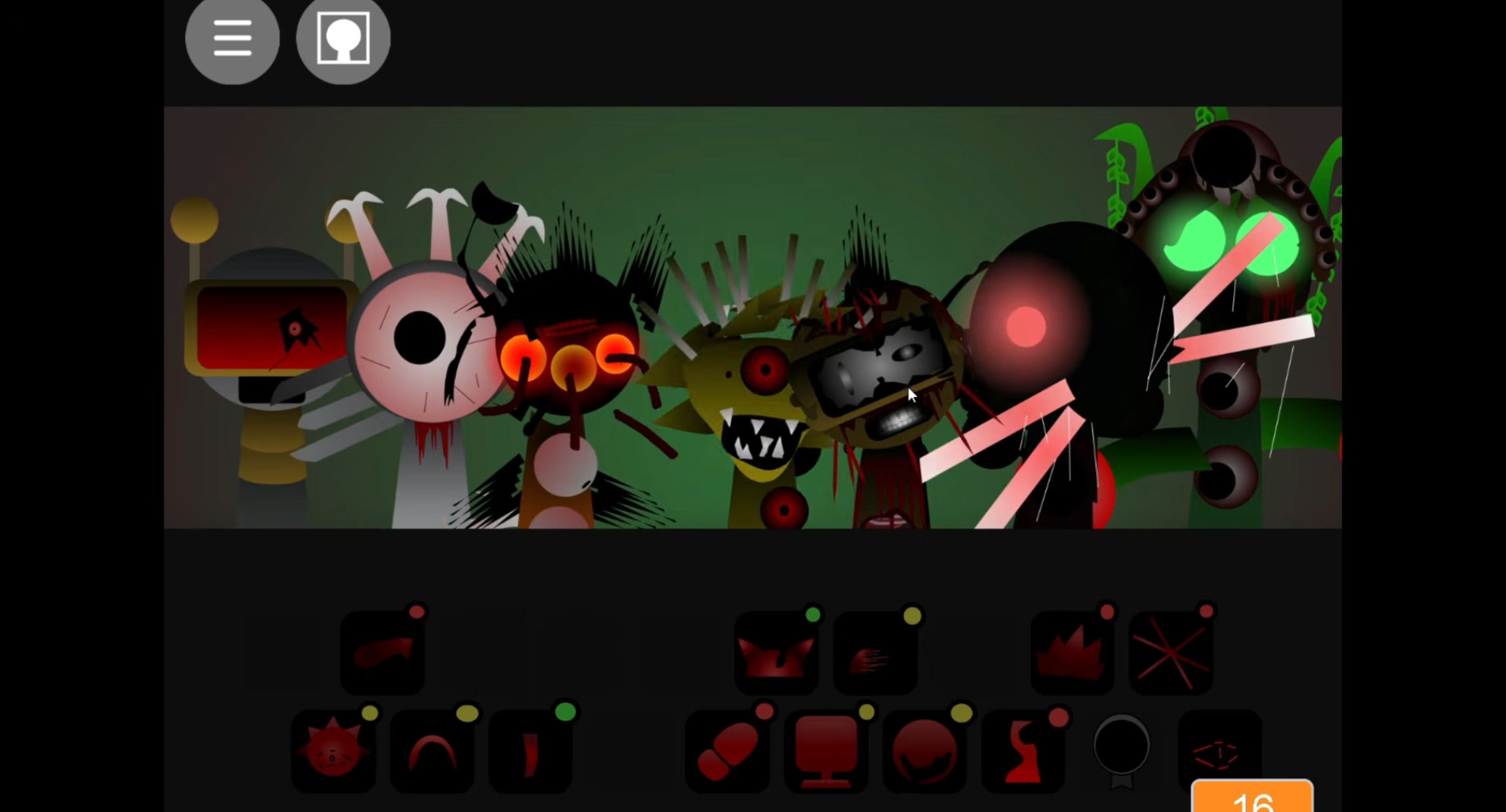
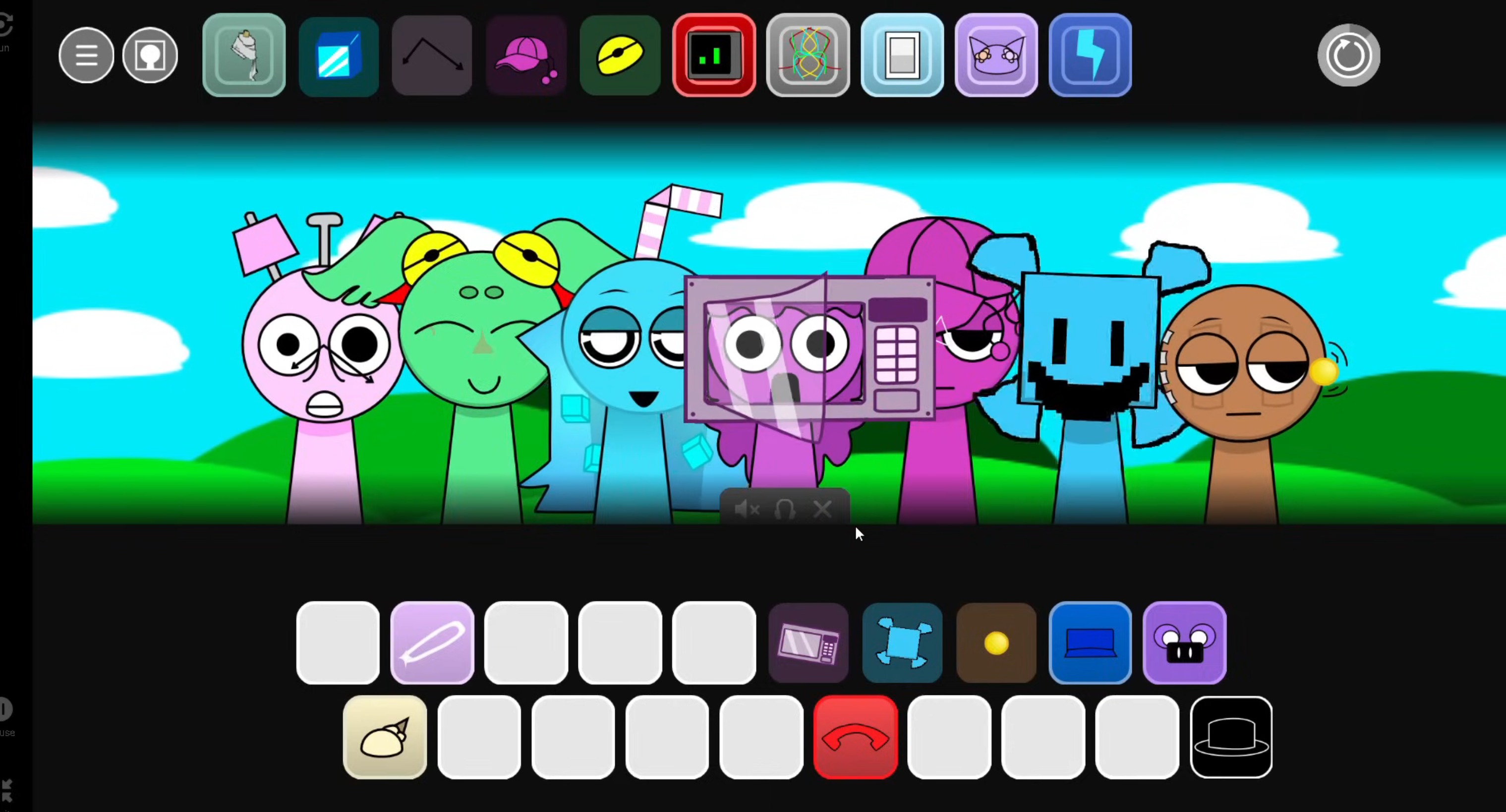
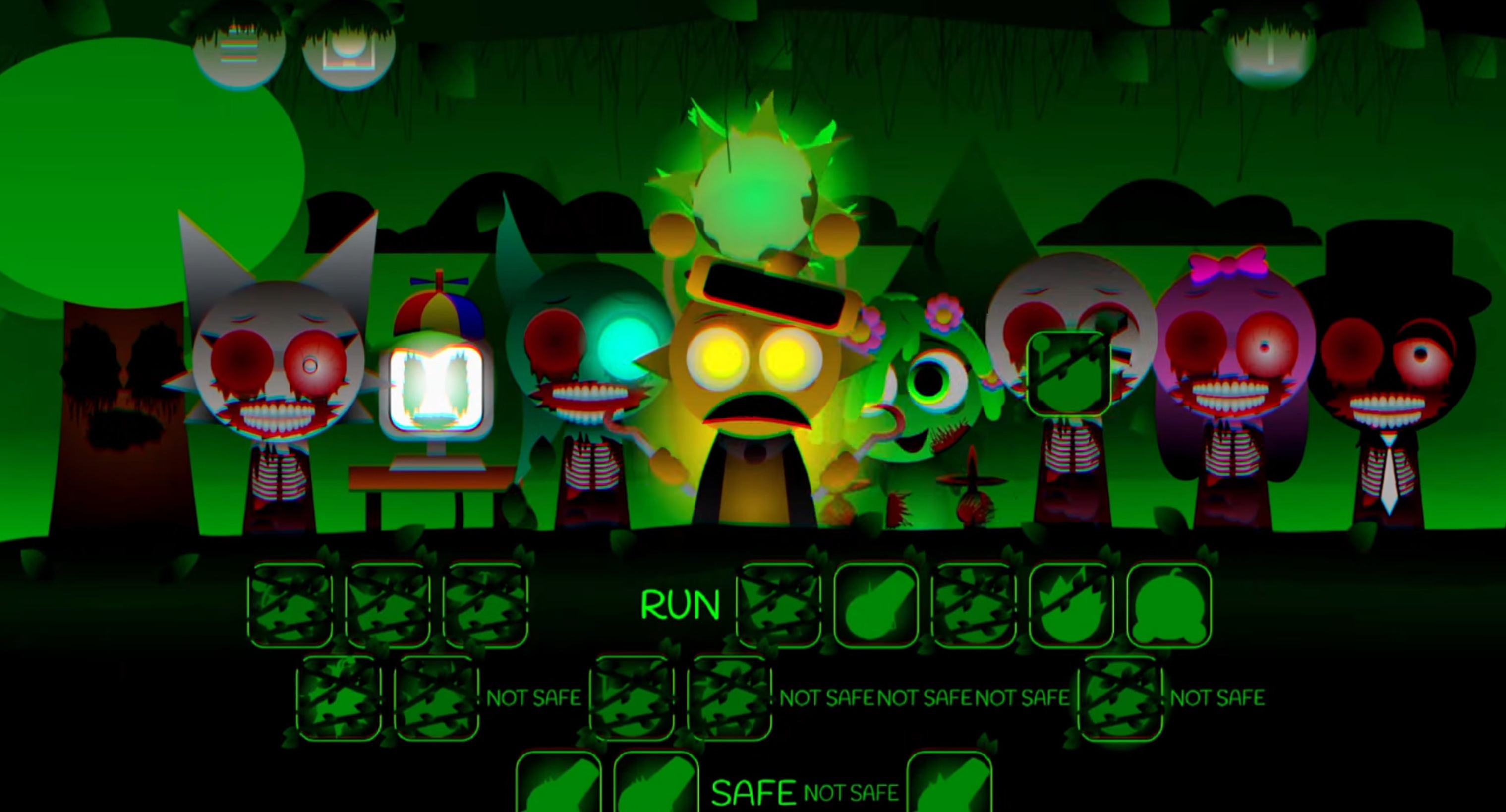
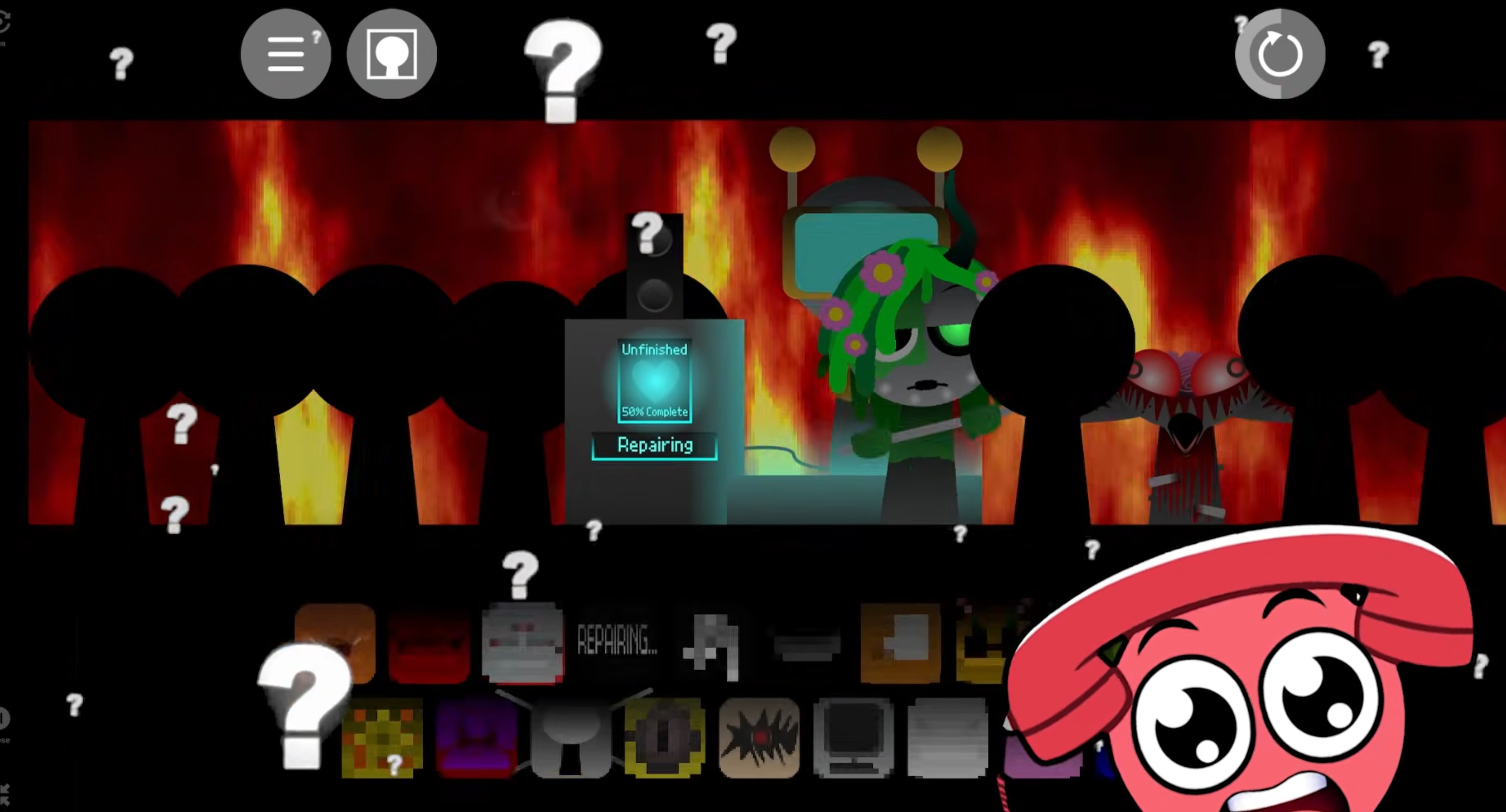
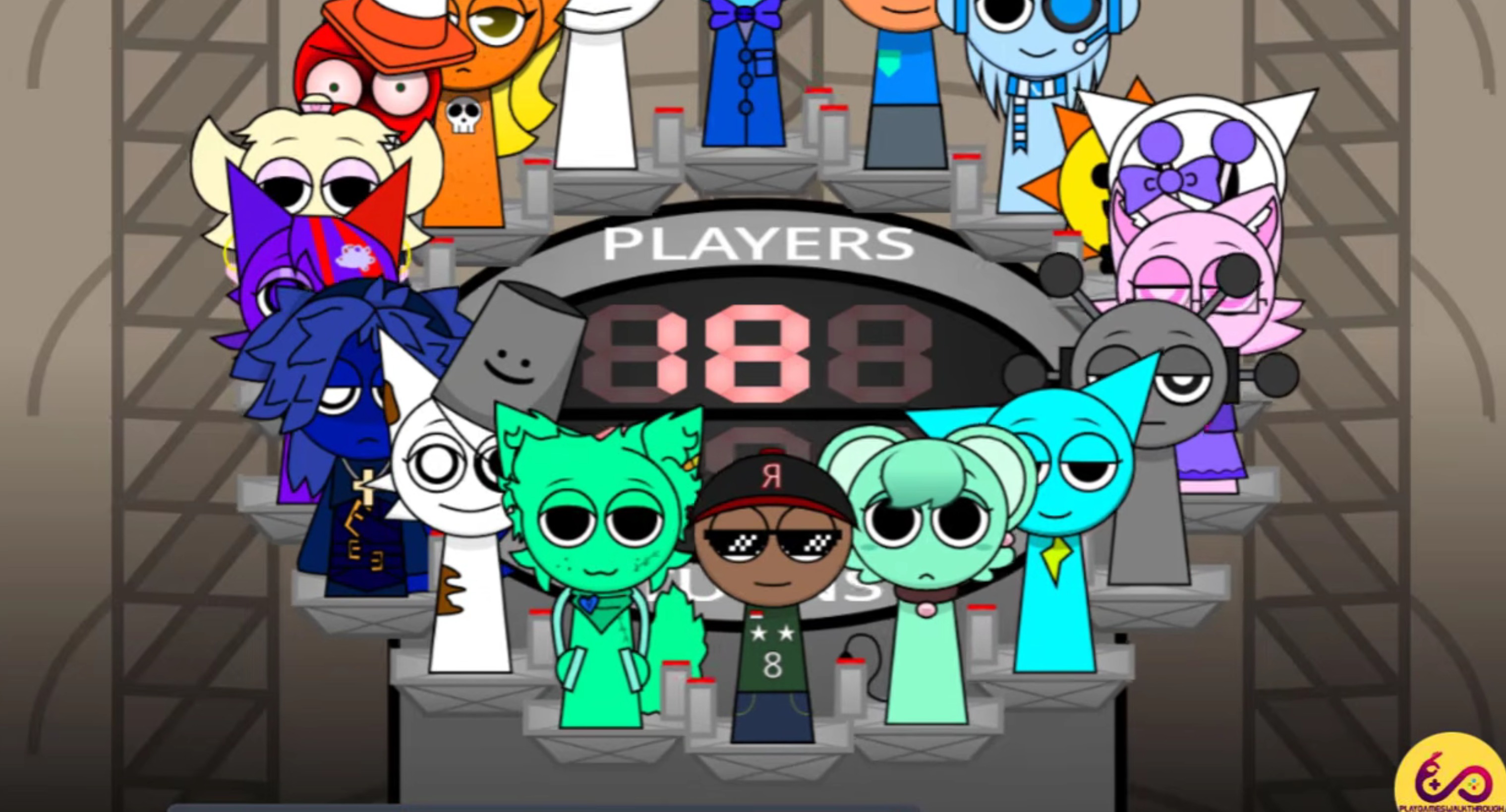
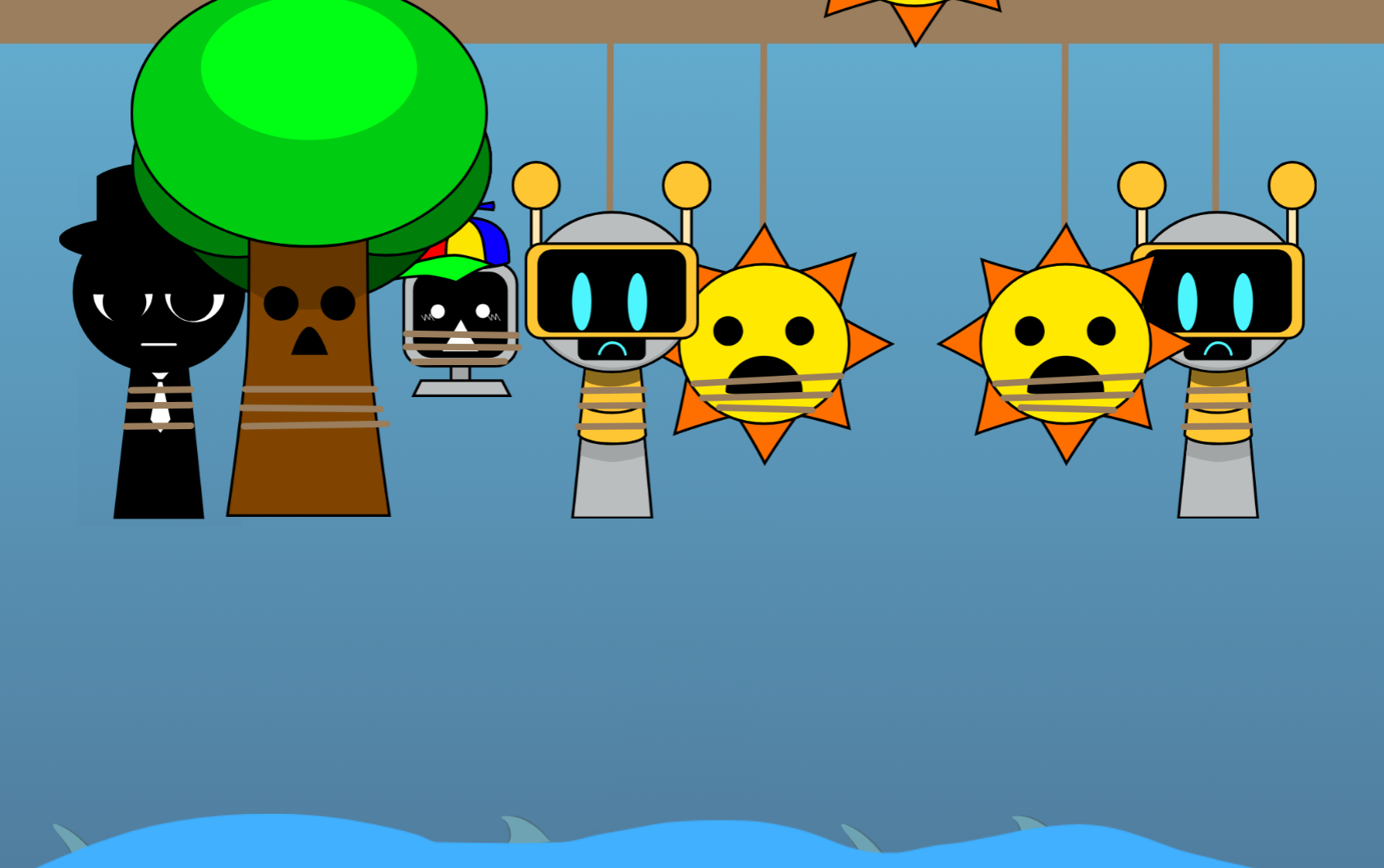
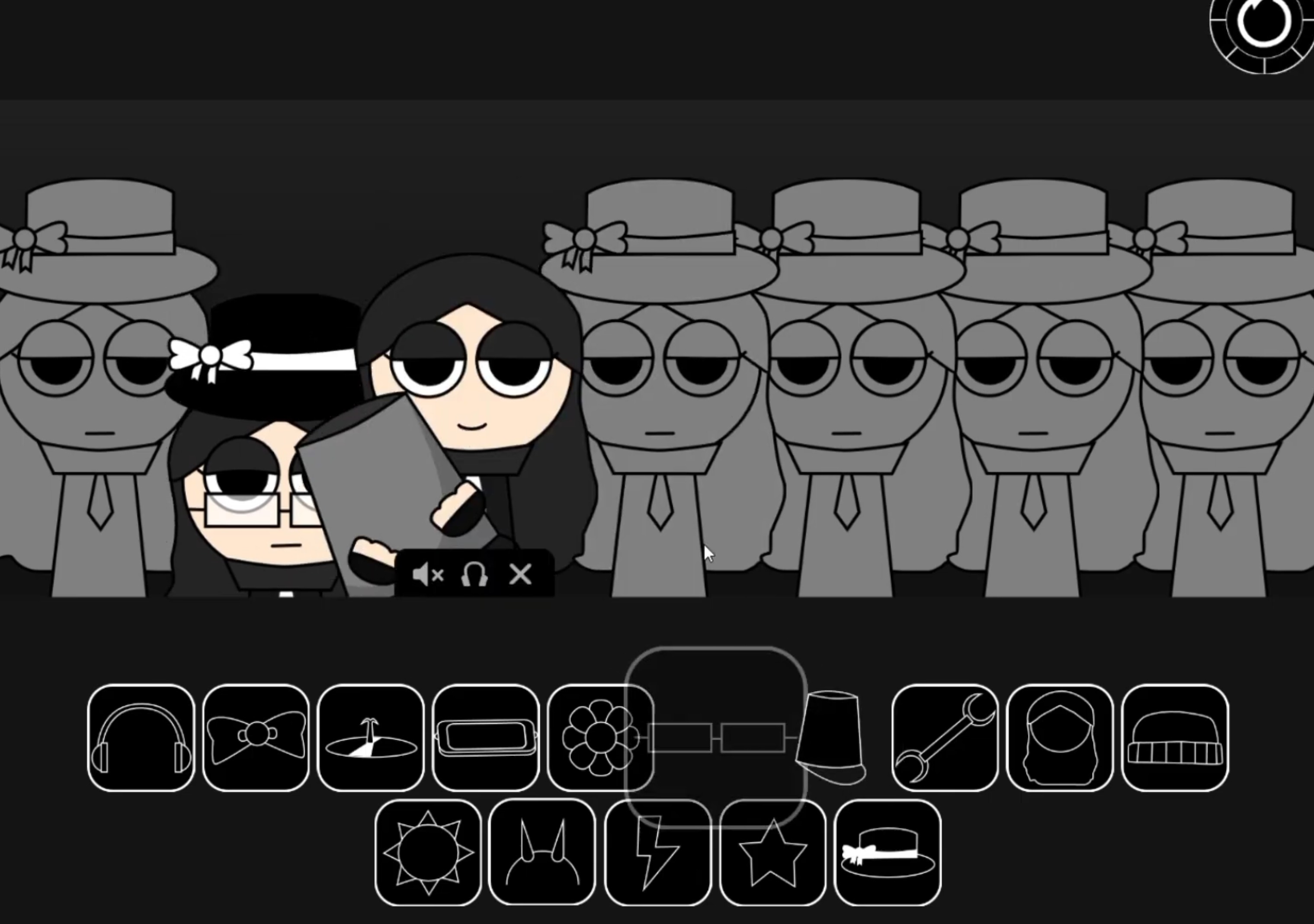
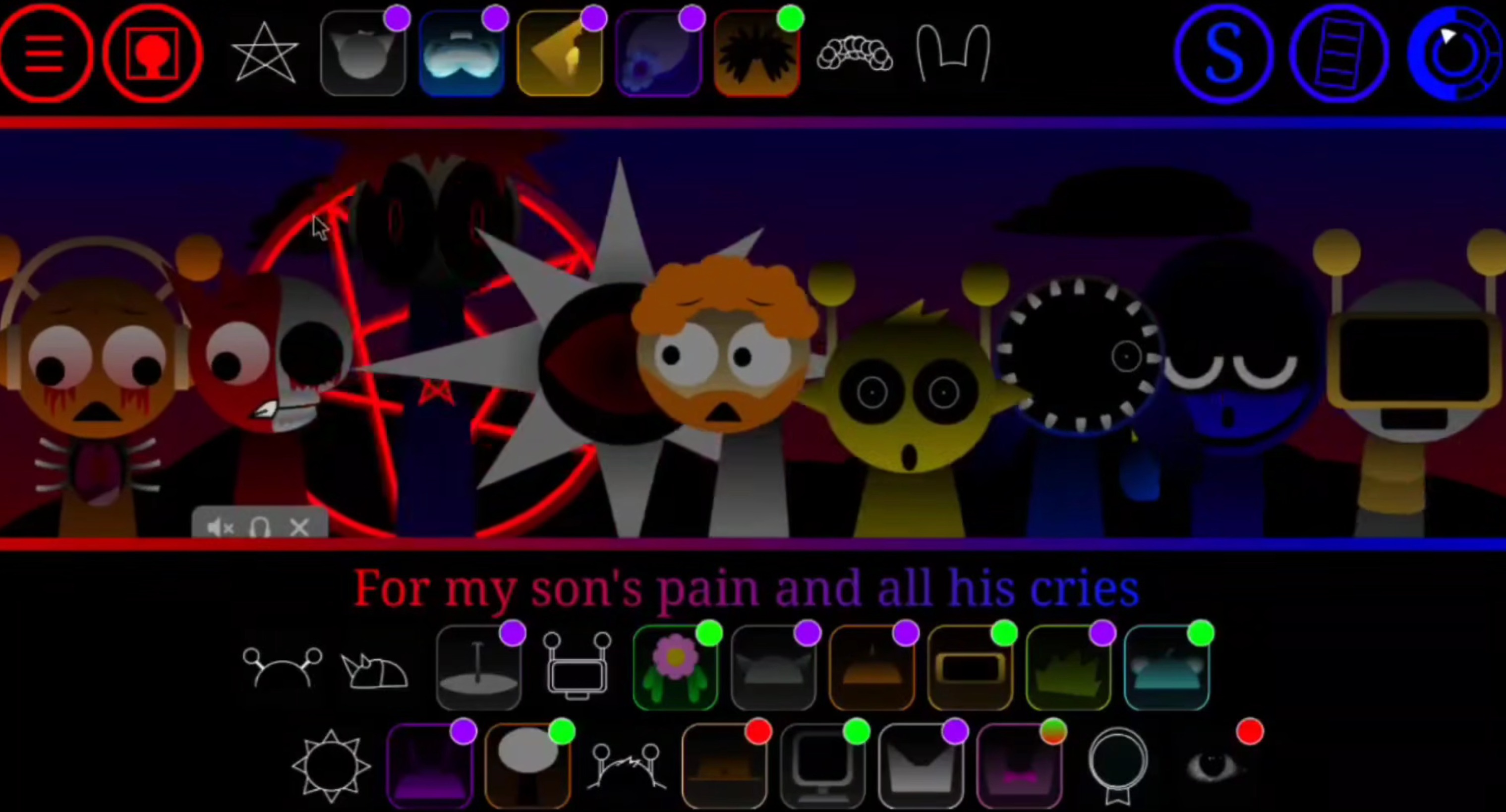

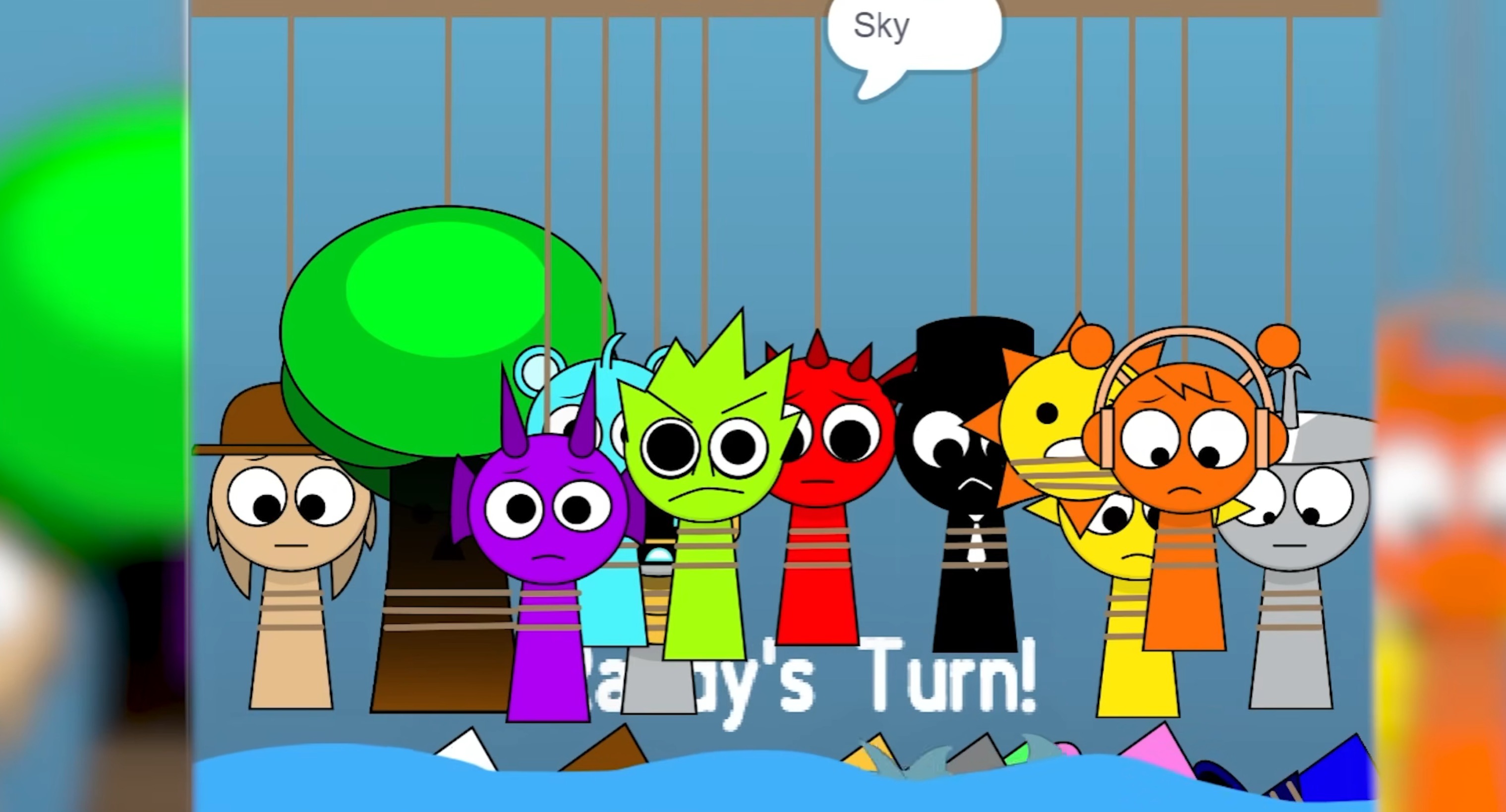
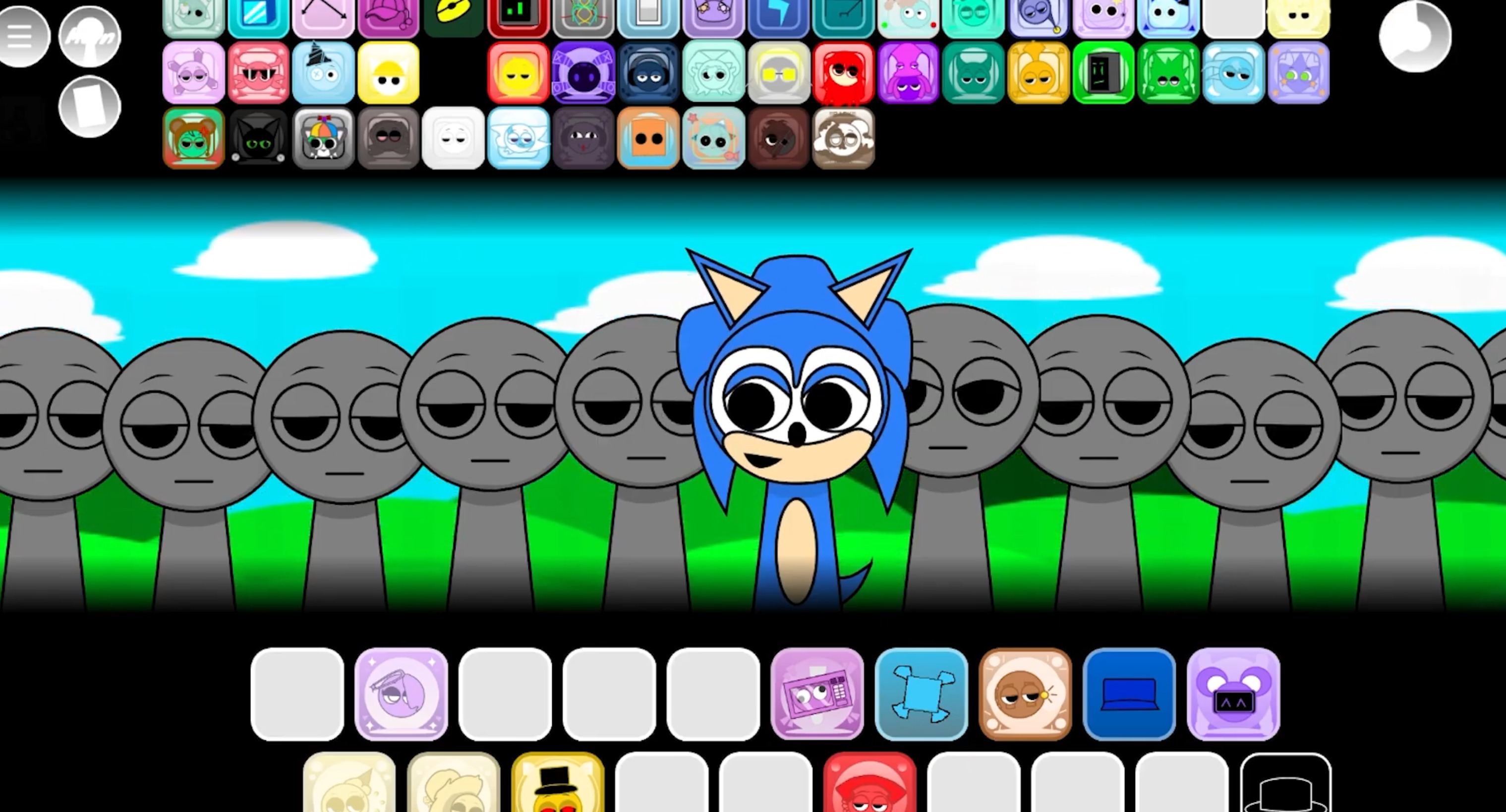

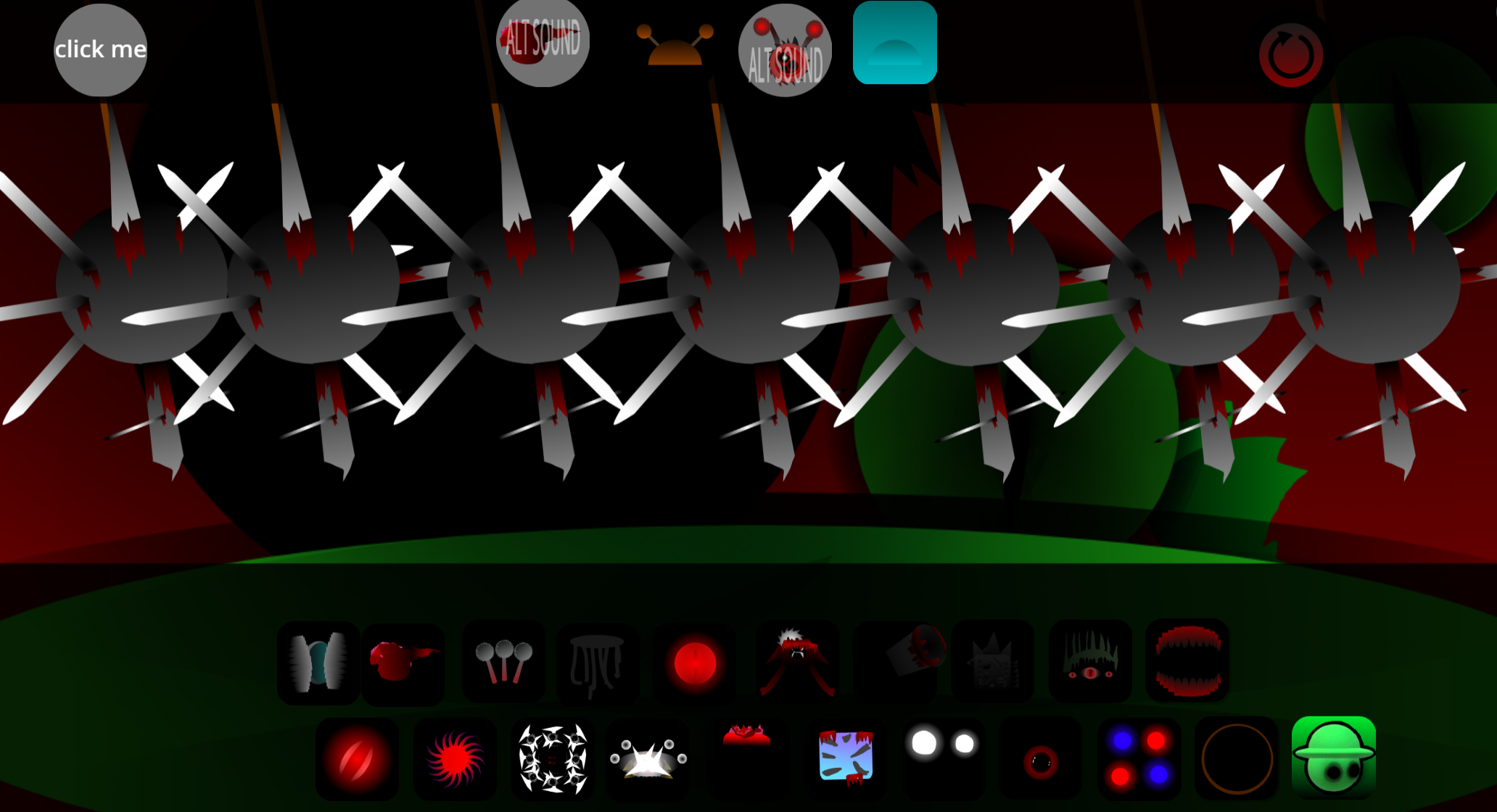
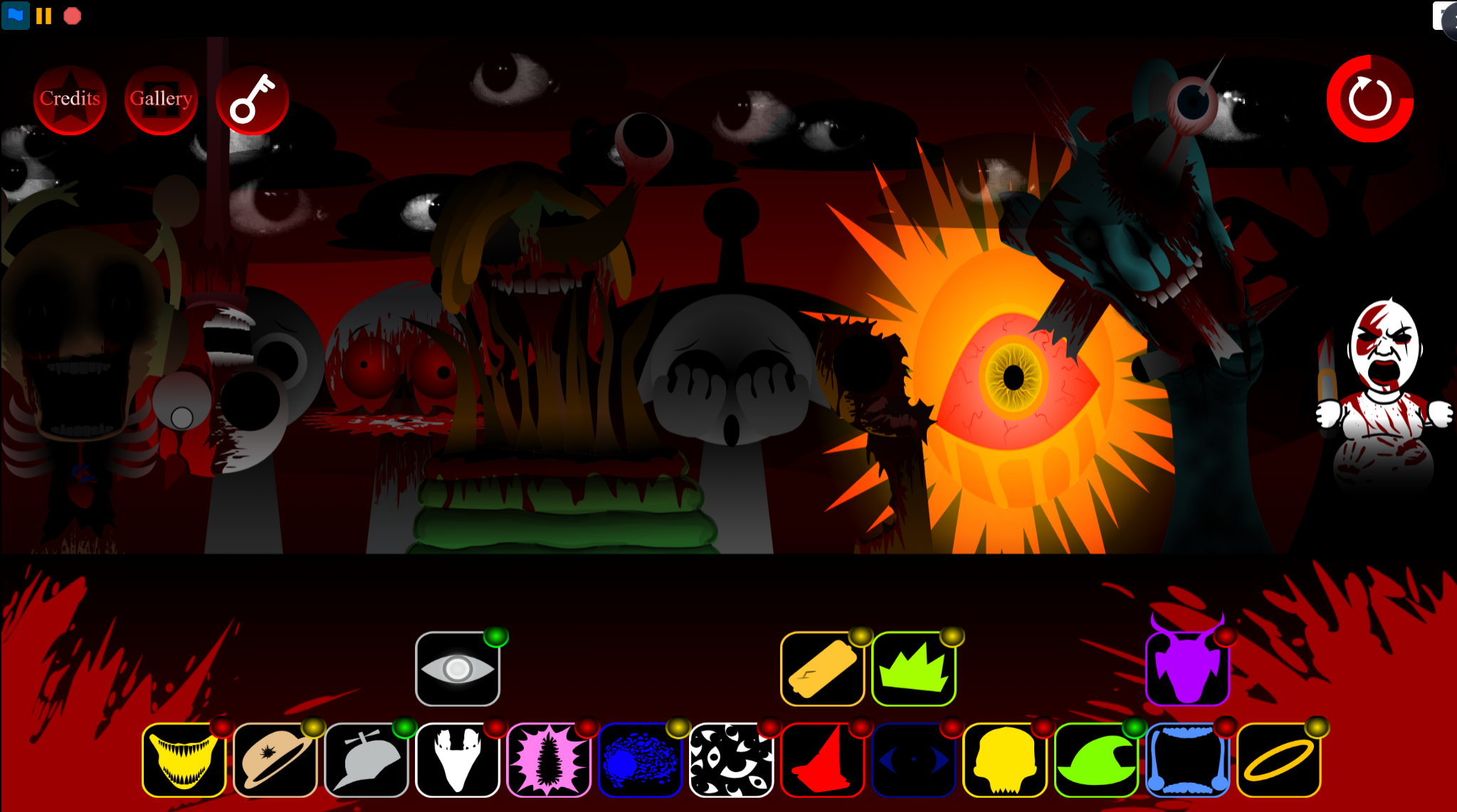
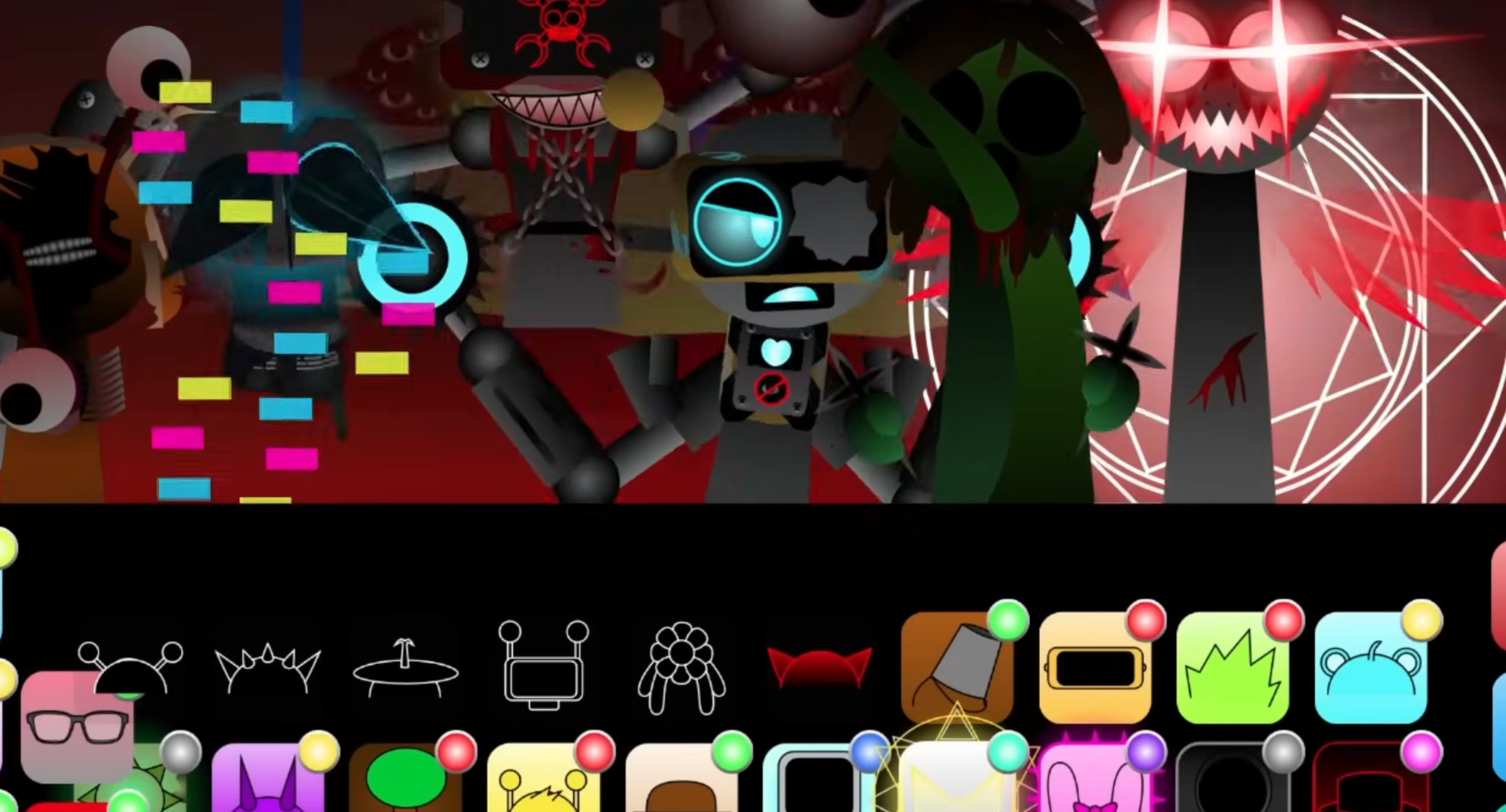

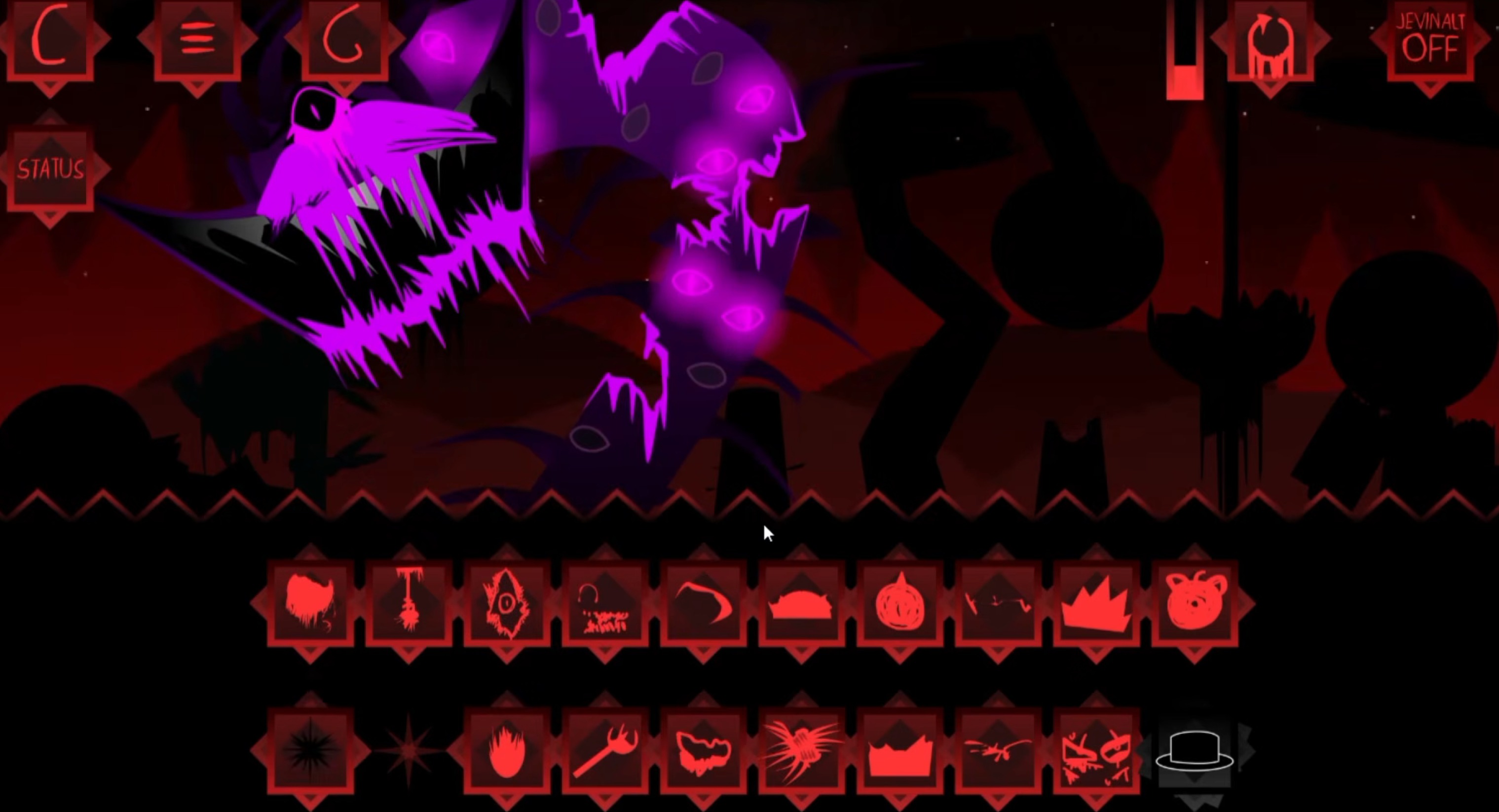
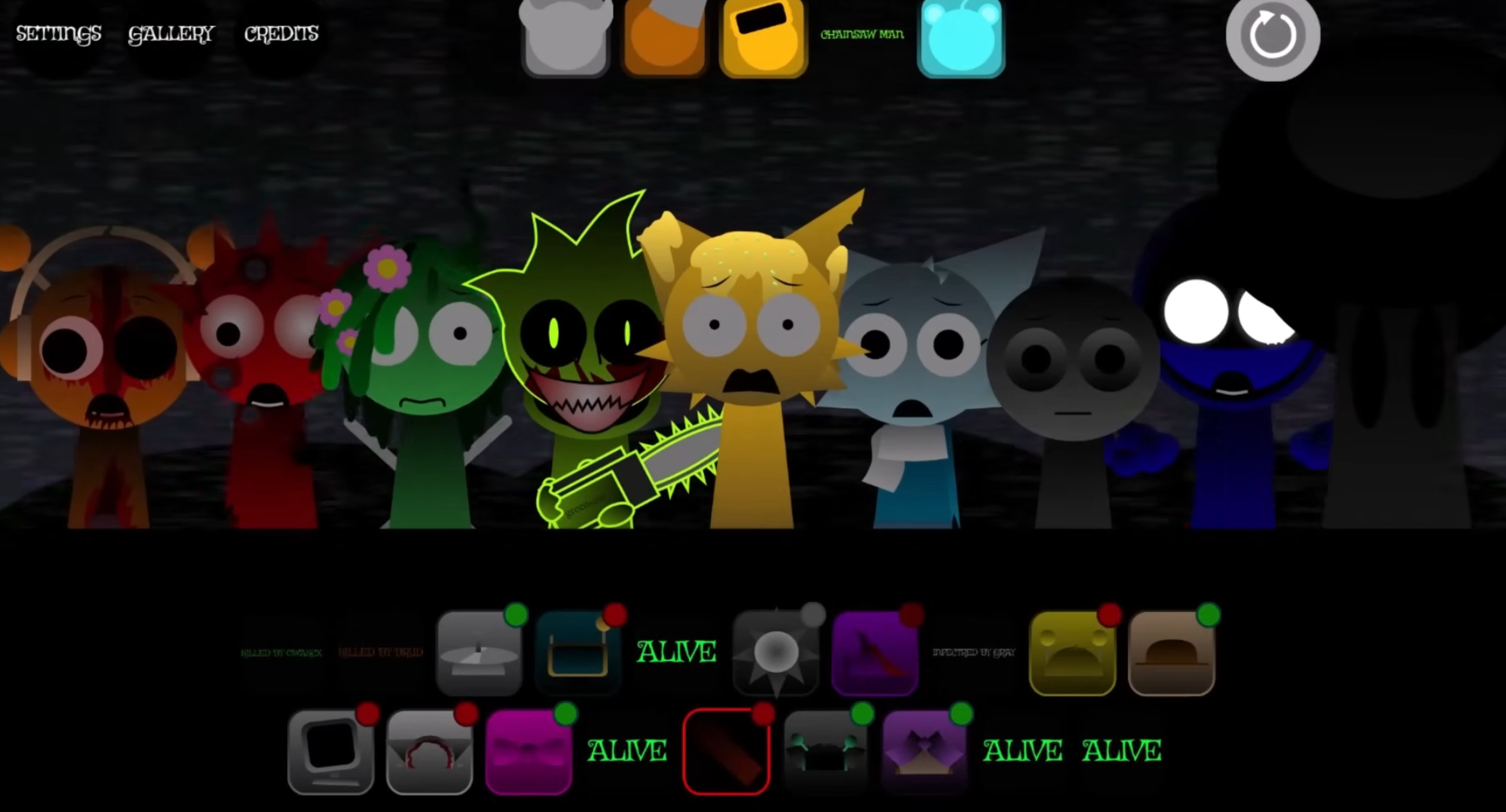
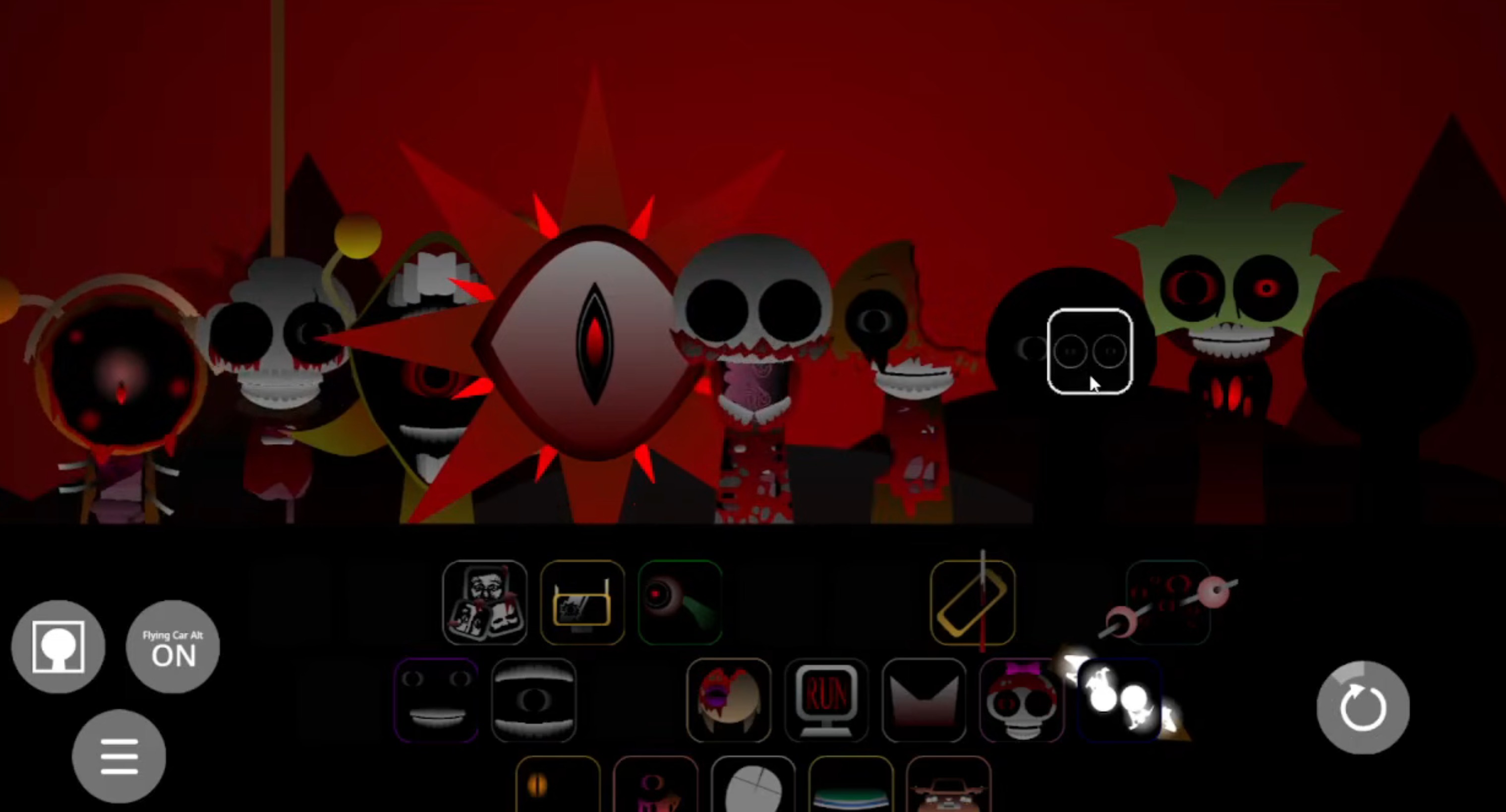
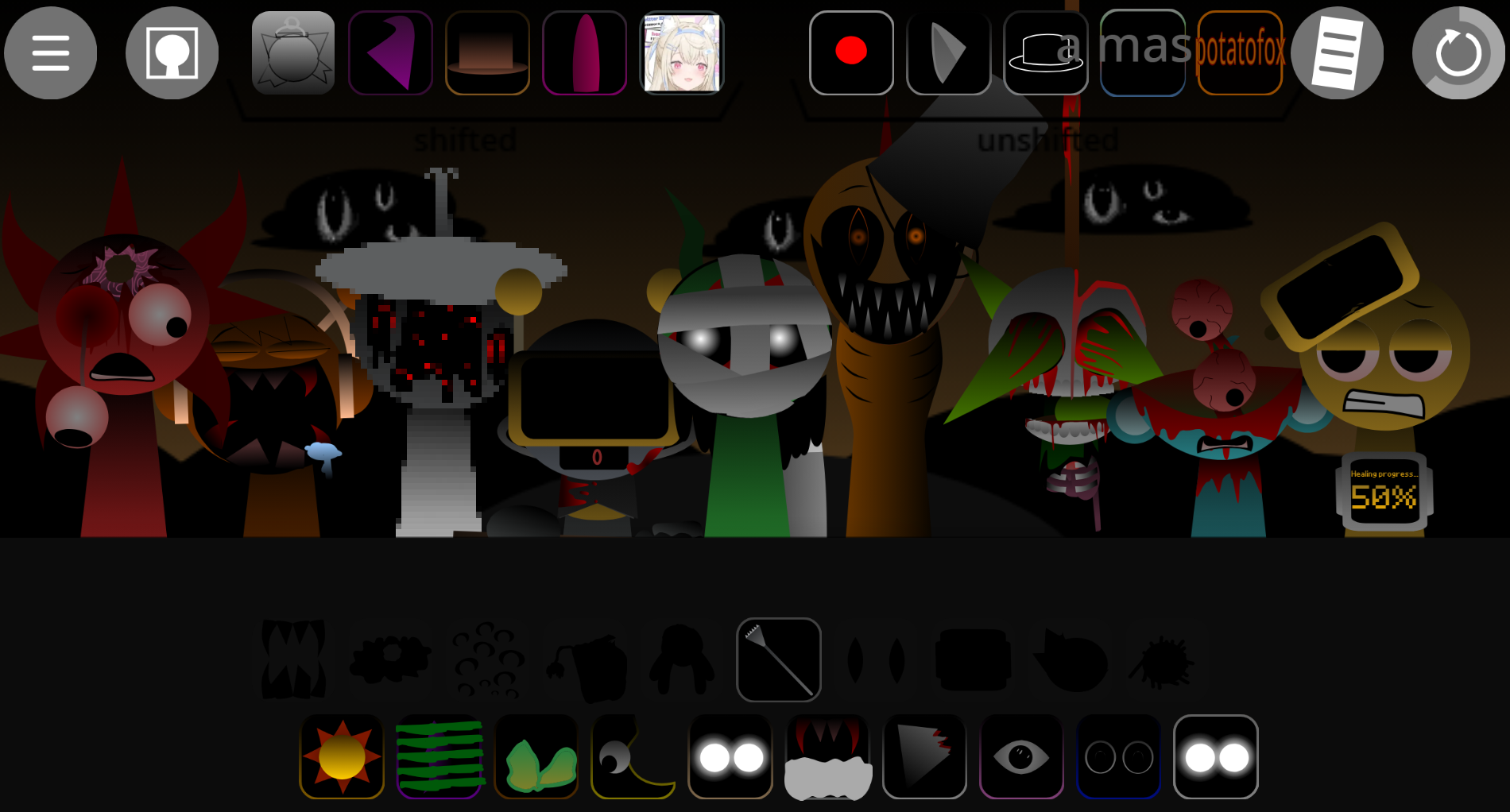
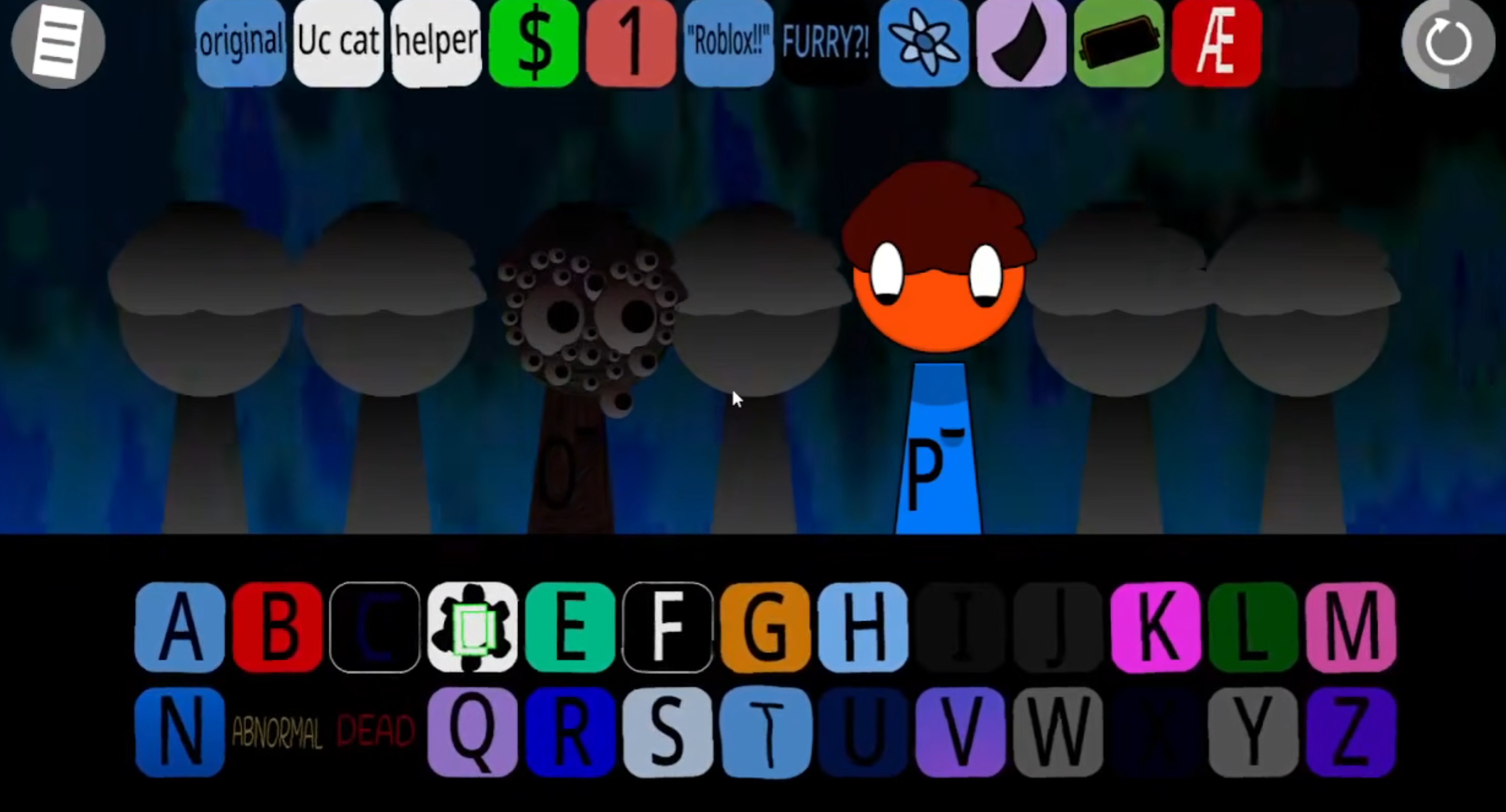
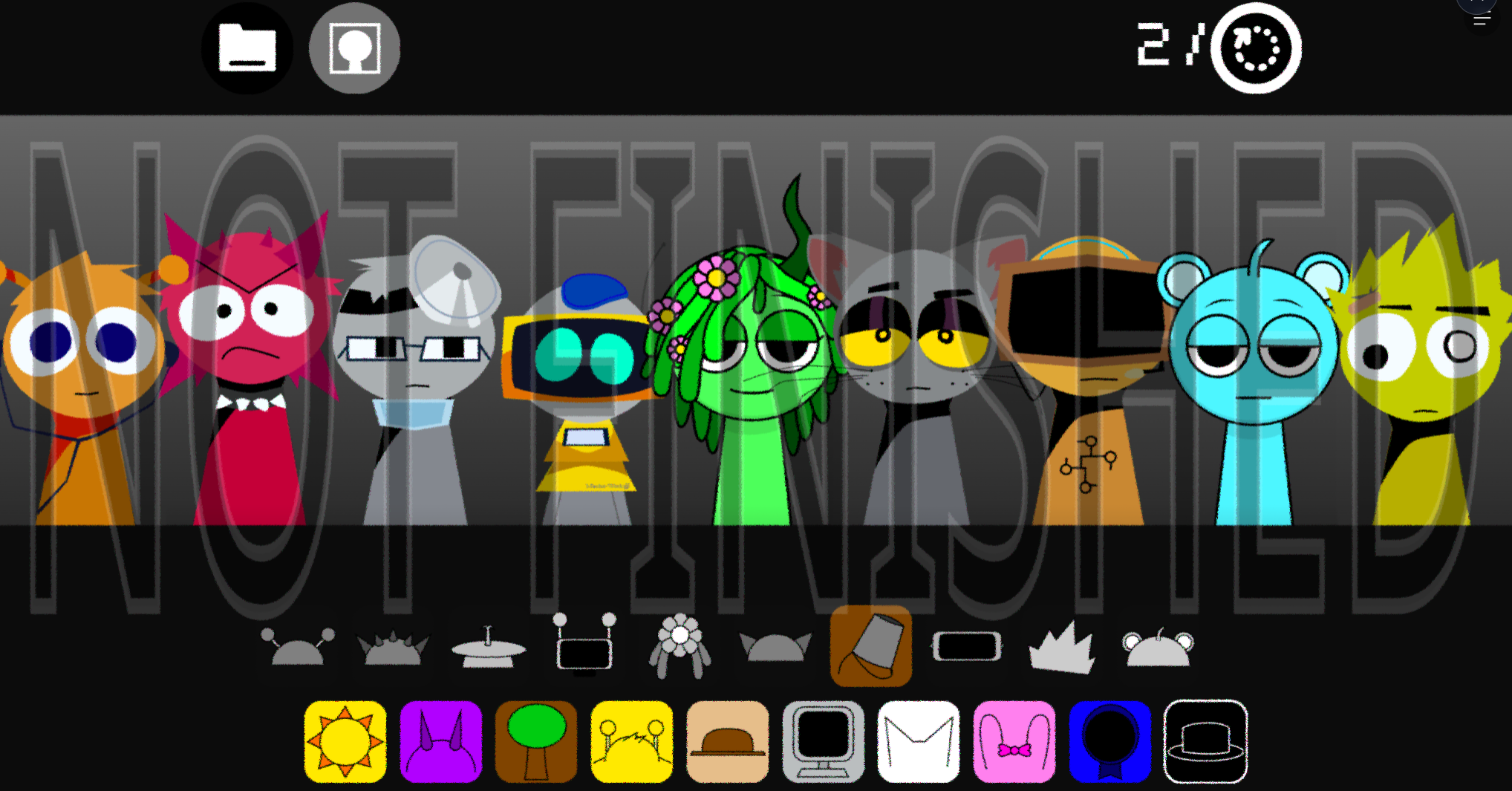
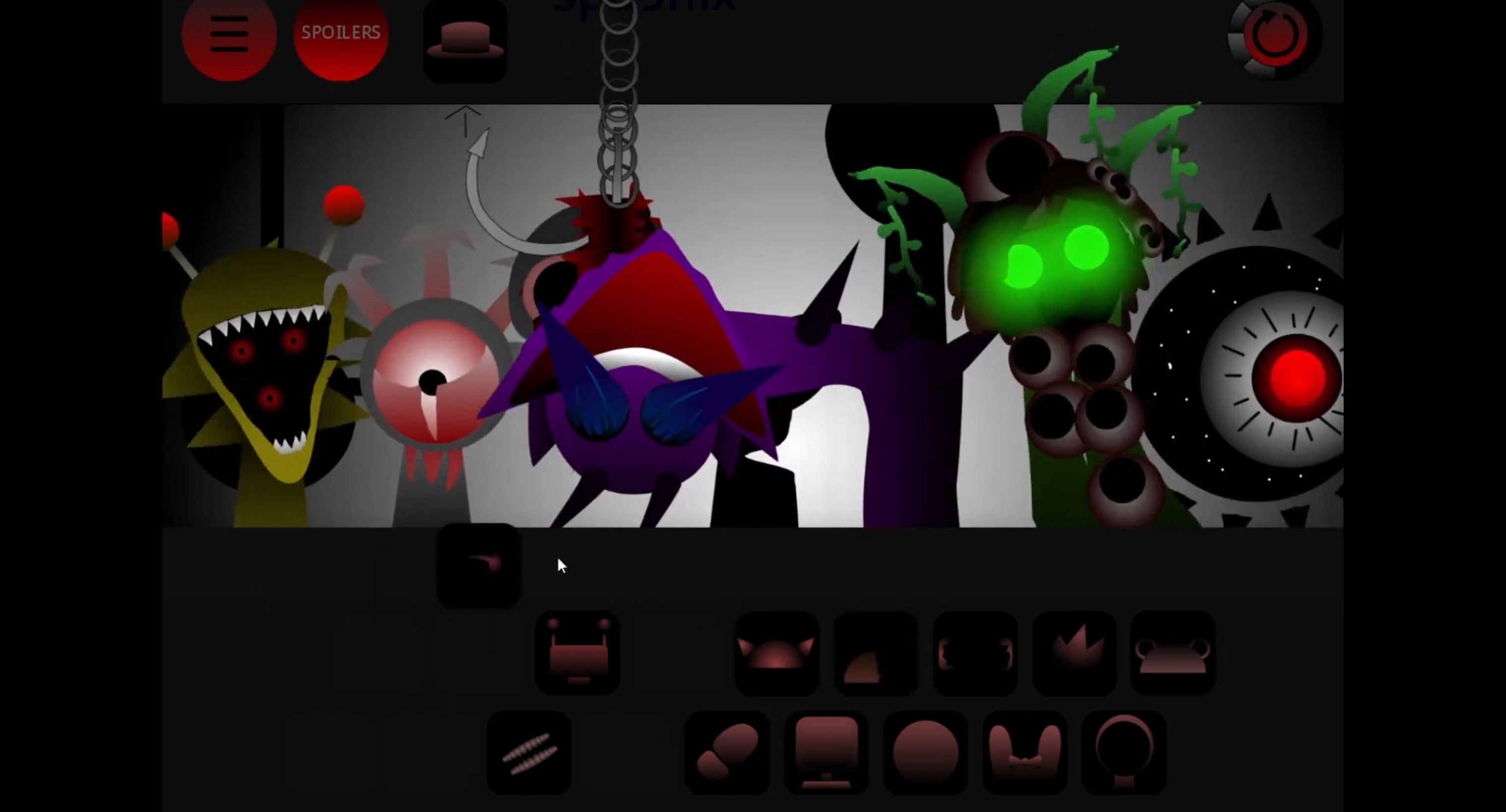
Sprunki The Definitive Phase 12 Survivors And Dieds** tracks which characters survive and which are eliminated in Phase 12, the final stage of the Definitive Sprunki mod series.
Phase 12 introduces the most extreme visual and audio transformations in the progression, and understanding who remains functional versus corrupted directly affects your sound design options. This article breaks down the exact survivor-to-died ratio, explains how Phase 12’s mechanics alter character behavior compared to earlier phases, and clarifies which sounds stay usable for clean mixes versus horror-focused compositions.
Because Sprunki The Definitive runs in-browser with no downloads or music theory requirements, beginers can experiment with Phase 12’s late-stage sound palette immediately.
Sprunki The Definitive Phase 12 Survivors And Dieds
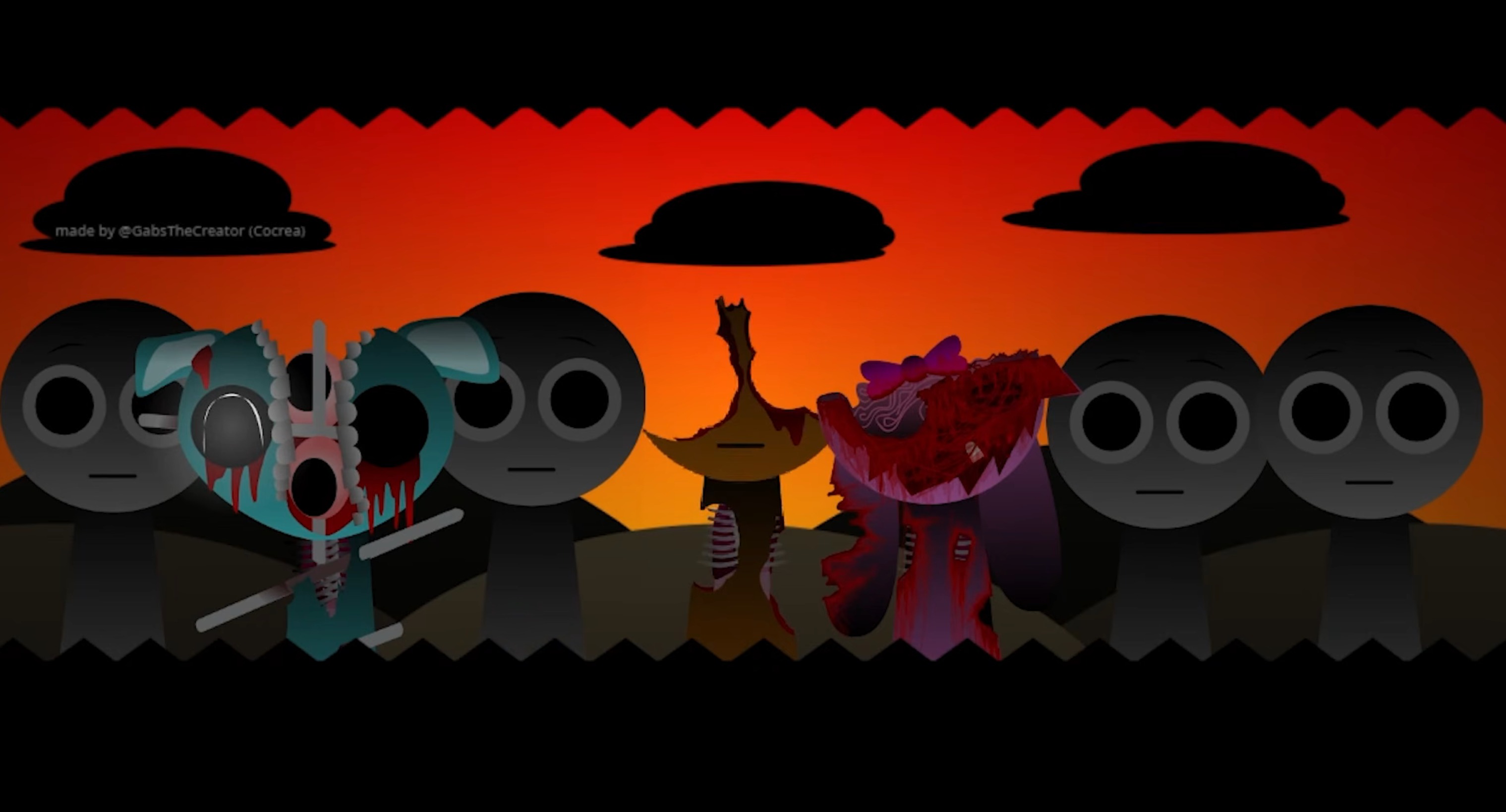
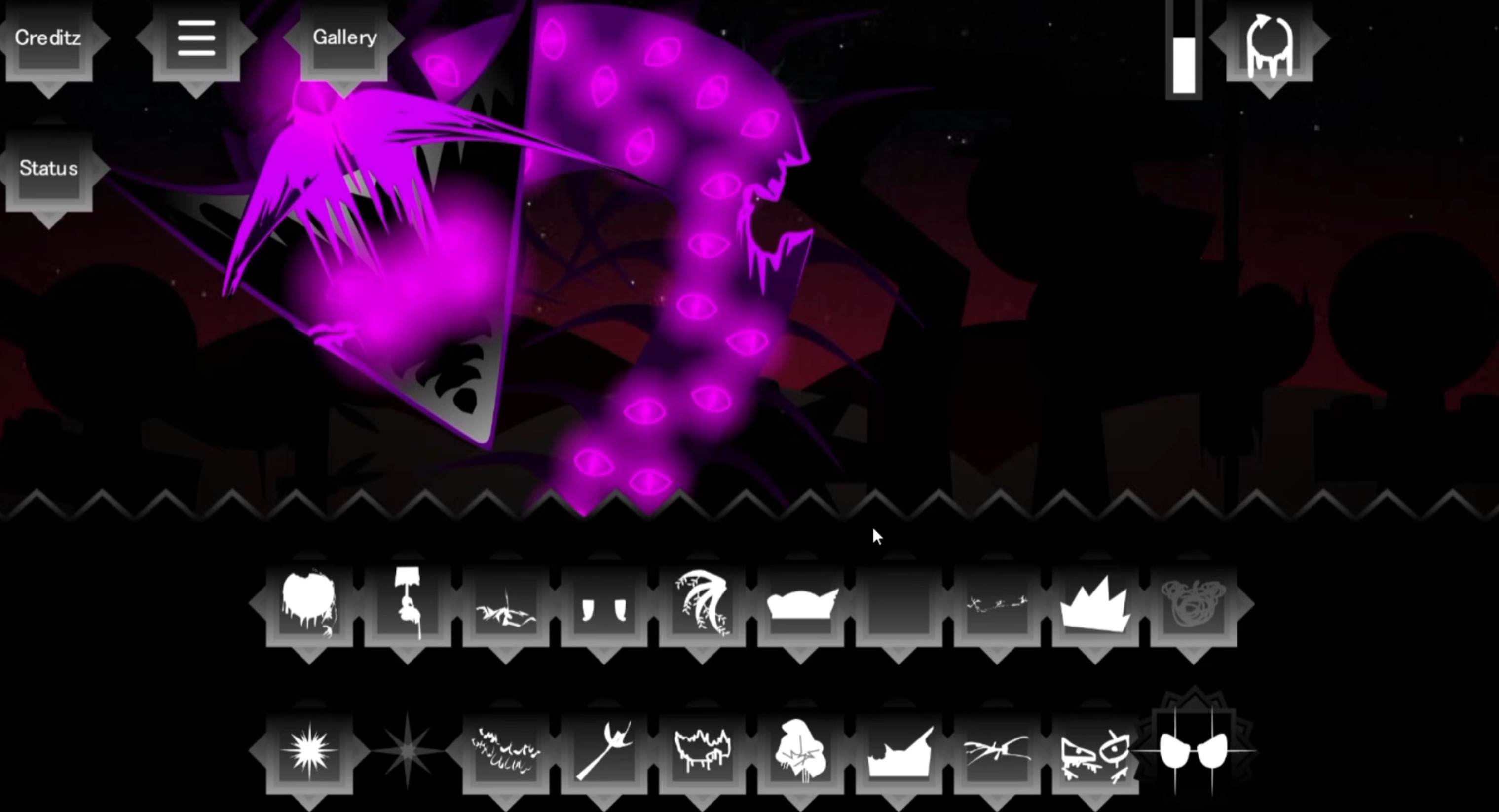
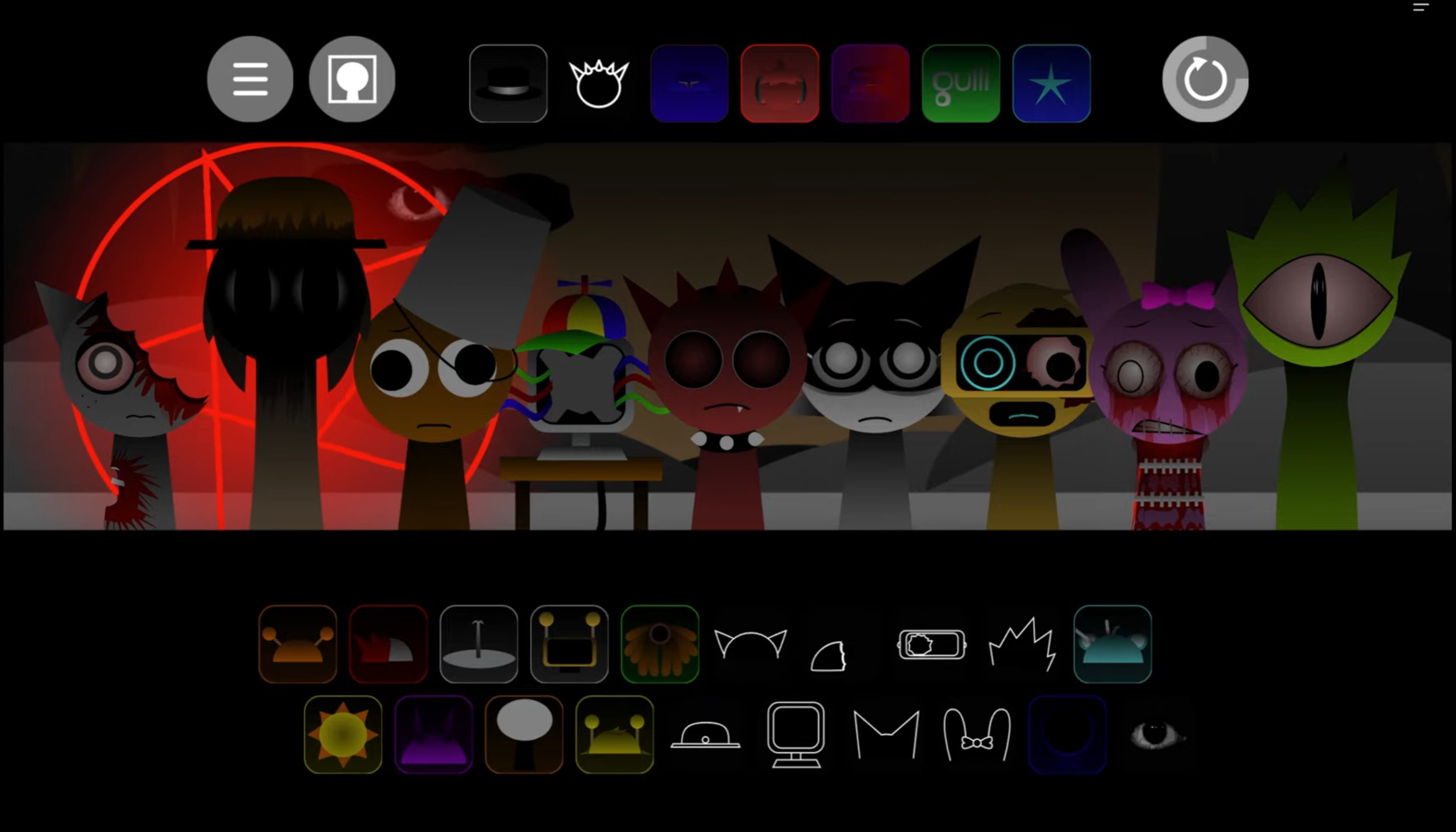
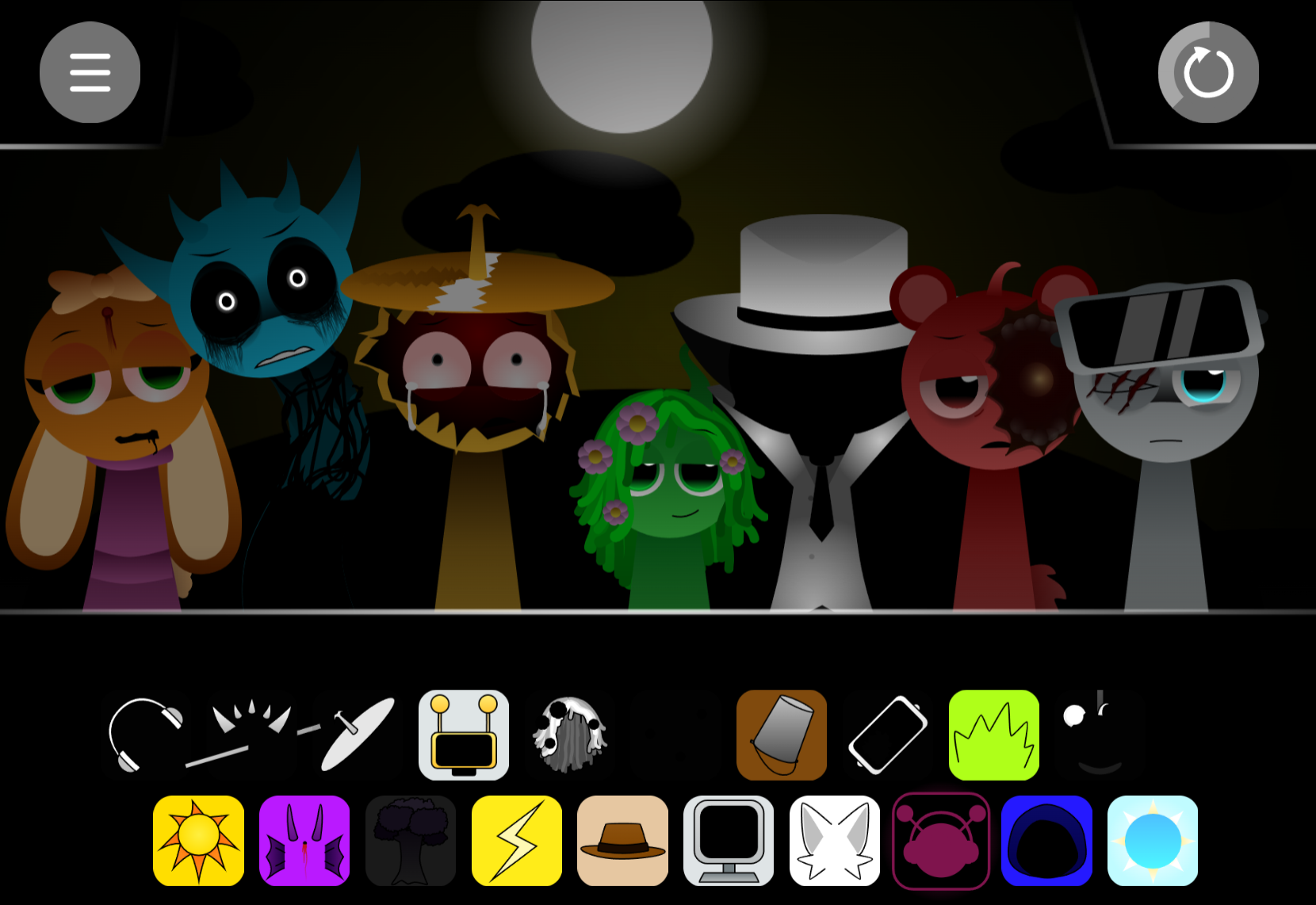
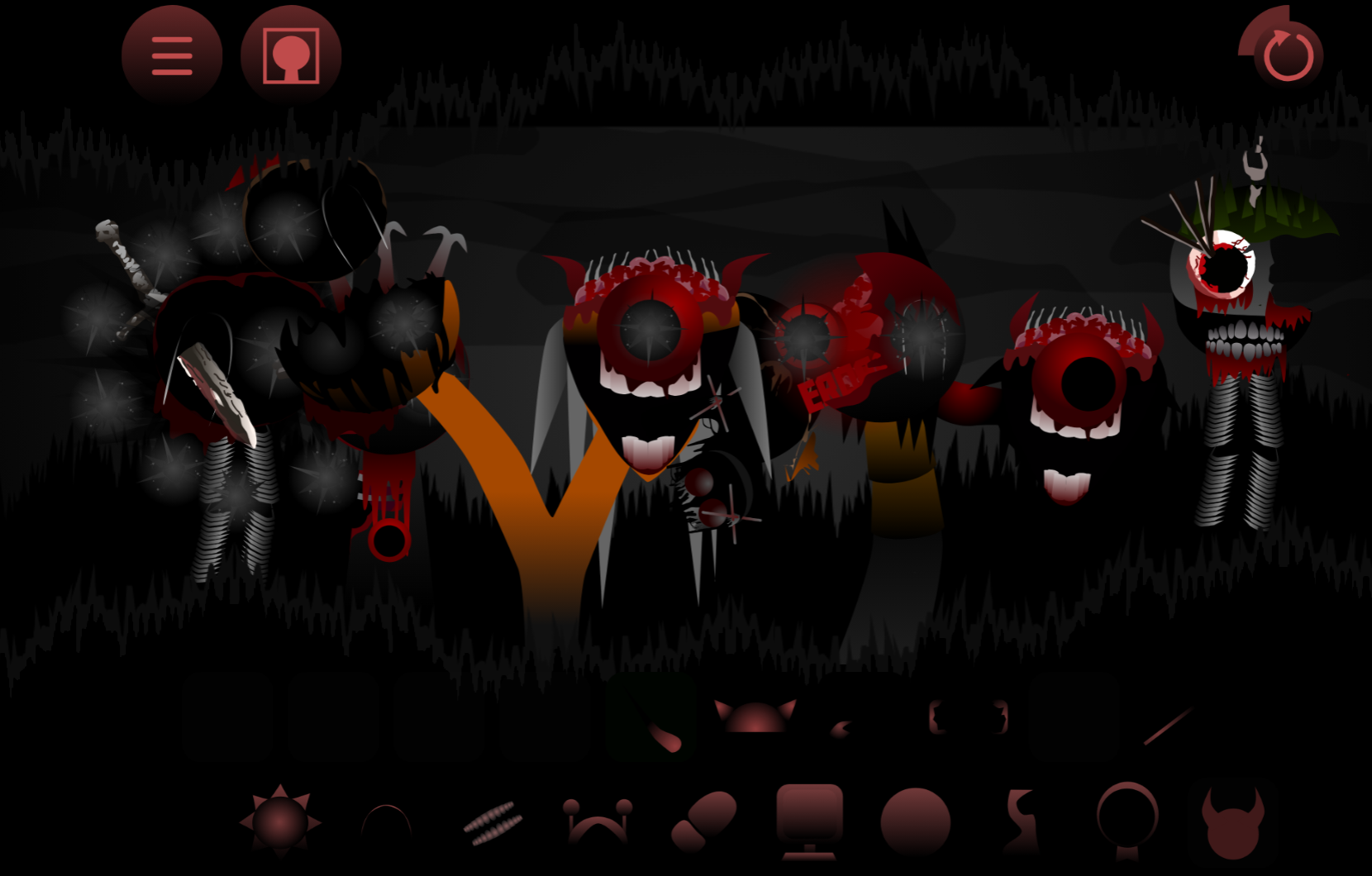
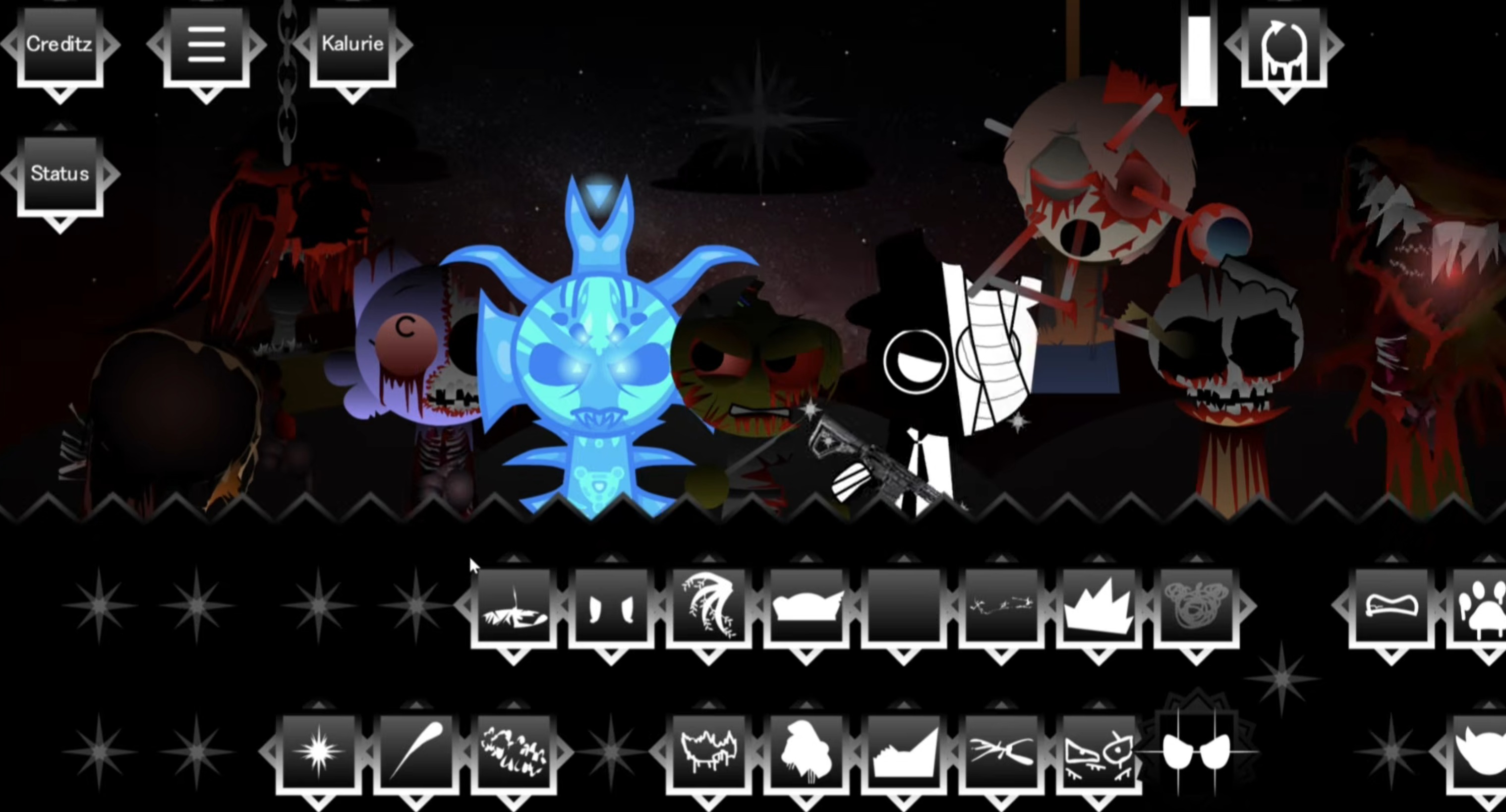
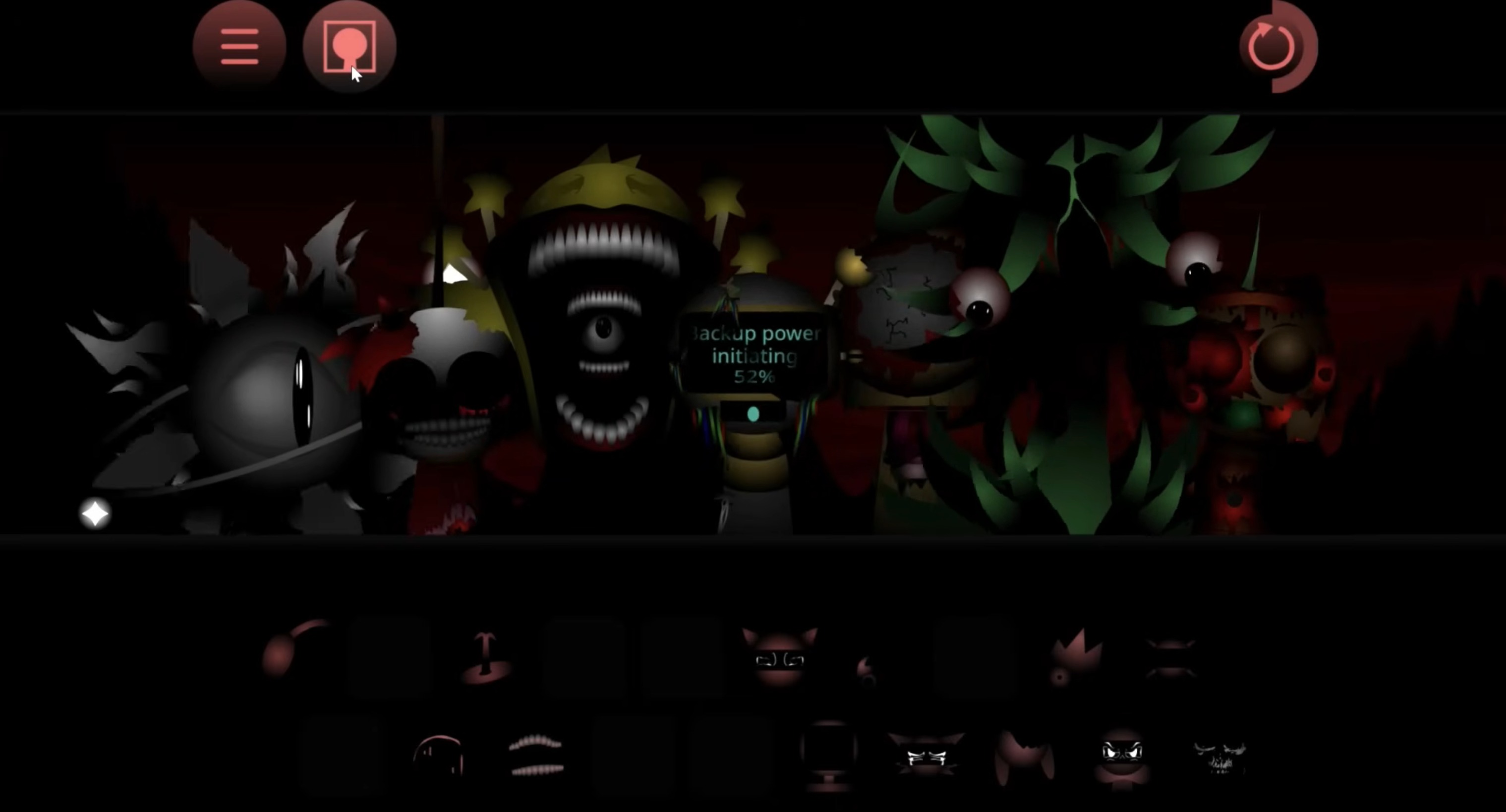
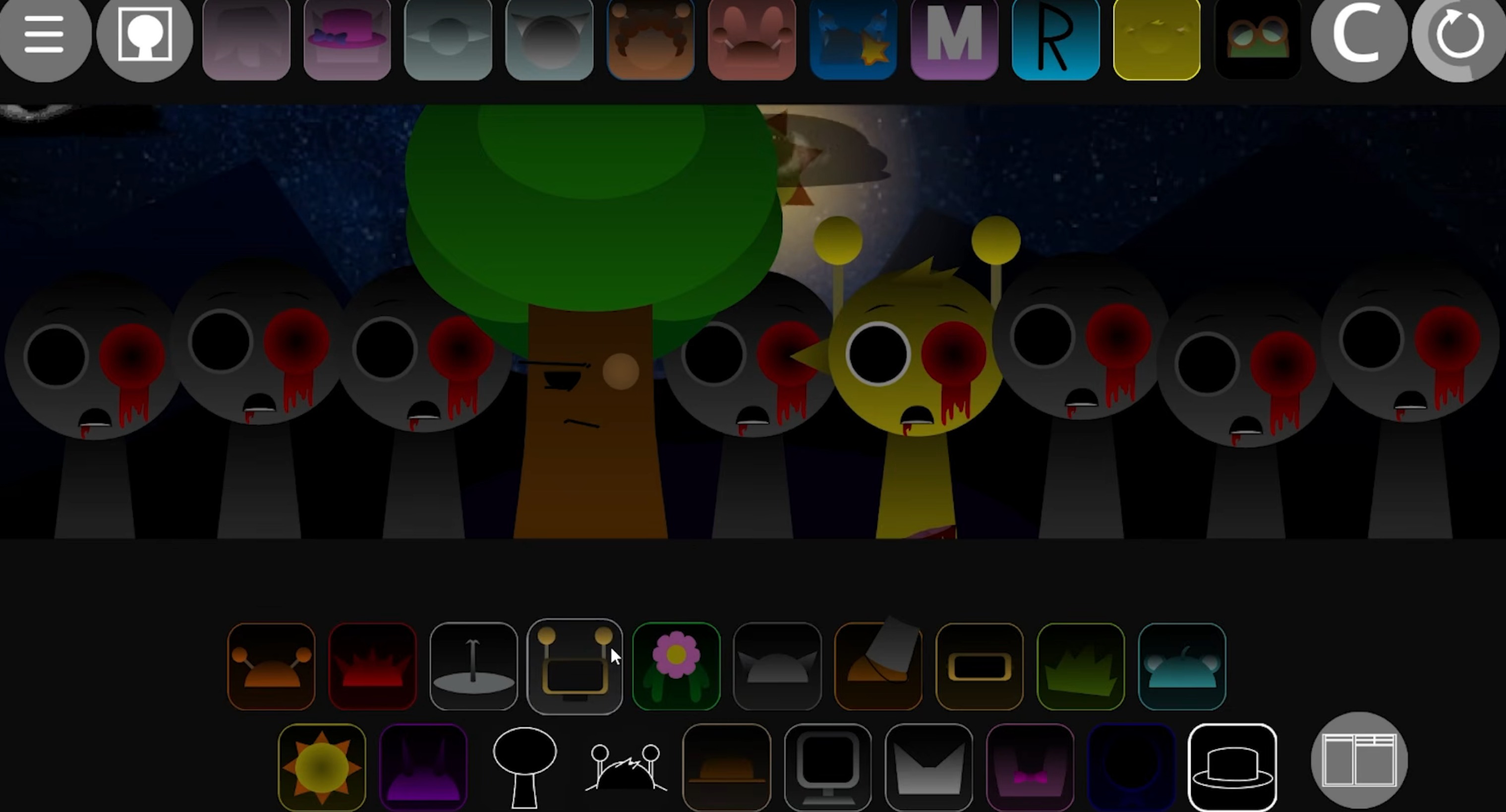
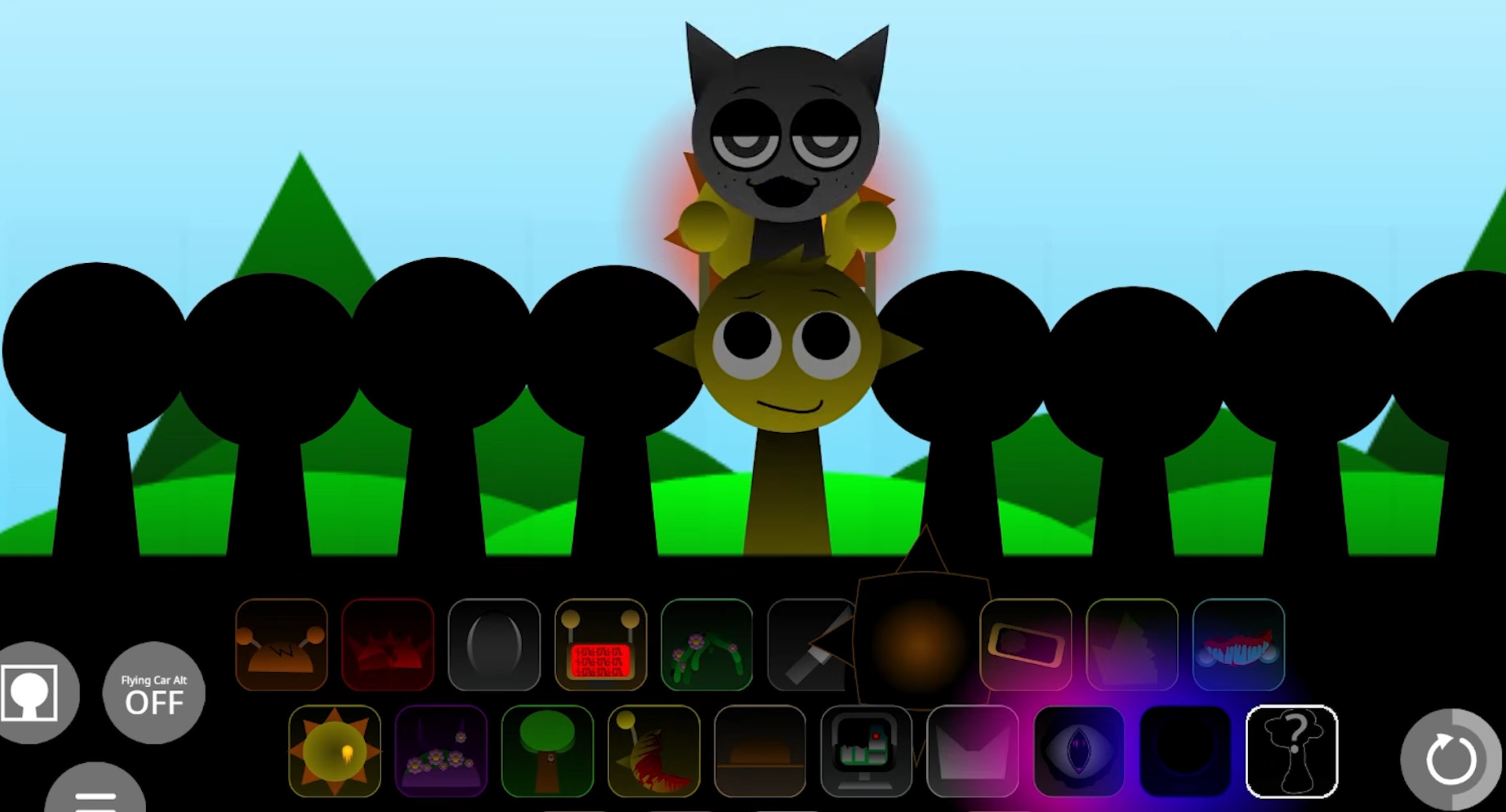
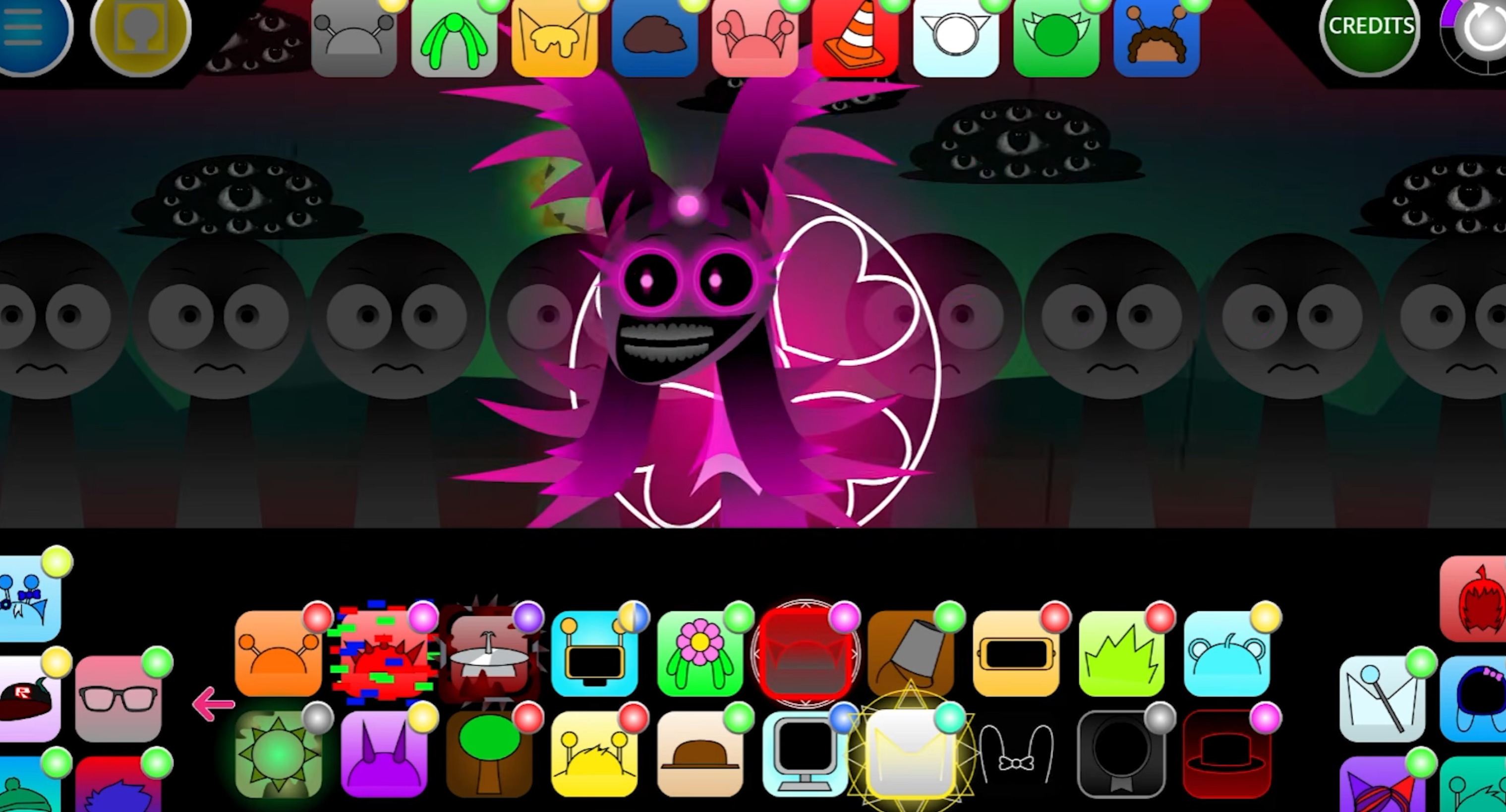
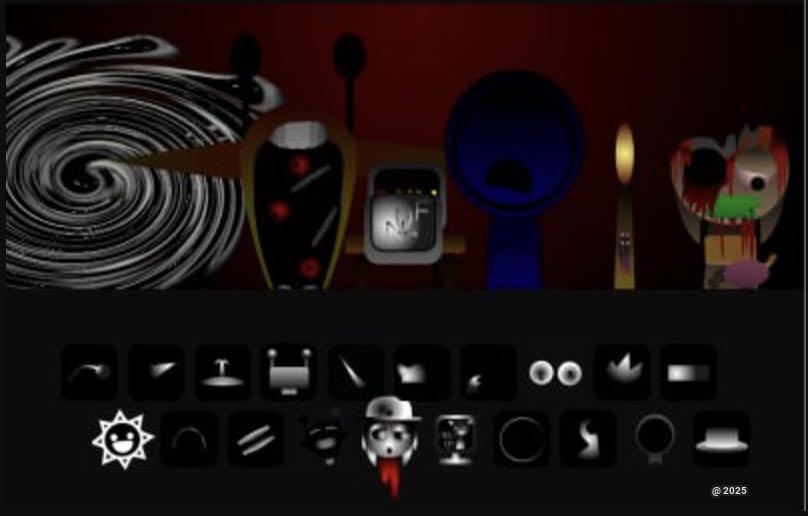
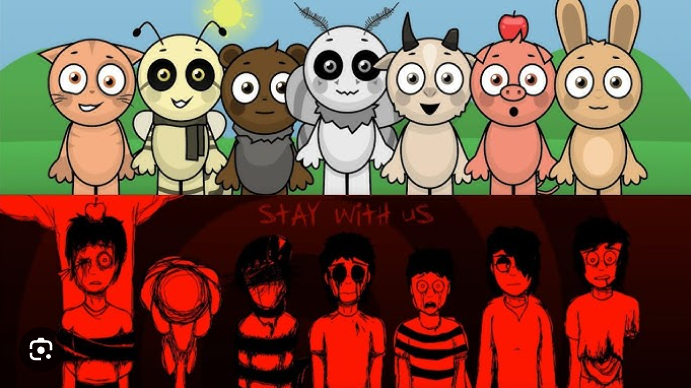
Sprunki The Definitive Phase 12 Survivors And Dieds splits the roster into two sound categories: survivors provide cleaner beats, vocals, and melodies, while dieds add distorted, eerie layers. You drag characters onto the stage to build real-time mixes, balancing rhythmic structure against horror atmosphere.
Start with a stable survivor rhythm, stack melodic or vocal layers, then introduce died elements for tension. The core loop is drag, listen, adjust, and layer until the track feels complete. Because it runs in-browser with no downloads, setup, or music theory requirements, it works well for beginners exploring late-phase Sprunki sound design.
The main difference from earlier phases is the clear roster split. Survivors anchor the composition with cleaner loops that define the beat and groove. Dieds twist the mood with warped voices, chaotic textures, and pressure. Placing too many dieds early can collapse the mix into noise; relying only on survivors may feel too safe for Phase 12. A practical beginner approach: start with one rhythm or bass character, add a survivor vocal or melody once the loop runs cleanly, then test one died layer and listen for how it shifts the mood. This makes it easier to identify which sounds carry the beat and which create atmosphere.
How to Play Sprunki The Definitive Phase 12 Survivors And Dieds
You play by building a real-time mix from character loops. Each placed character changes the track immediately, so the main skill is learning when to add, remove, swap, or rebalance layers.
Start with a stable foundation.
Place a bass, drum, or rhythm-focused character first. This gives the rest of the composition something to lock onto and keeps the mix readable before darker effects arrive.
Layer survivors before the darker sounds.
Add survivor vocals, melodies, or cleaner loops after the foundation. Survivors help define the groove and make the track easier to follow, especially if you are still learning how the Phase 12 roster behaves.
Bring in the dieds for tension.
Once the beat makes sense, add died characters gradually. Their distorted, eerie, and broken sounds give the track its late-phase identity, but they work best when pushing against a clear rhythm instead of replacing it.
Use phase shifts after your main layers are set.
Phase shifts feel strongest when the track already has structure. Trigger them after the survivor base and died tension are in place so the transition intensifies the composition rather than making it feel random.
Swap before you stack.
If a layer sounds wrong, replace it before adding more characters. Beginners often try to fix a muddy mix by filling every slot, but the cleaner method is to identify the weak sound and change it.
Beginner Tips for the Hell Yeah Beat Drop
The Hell Yeah beat drop works best when built in small, controlled layers. Do not fill the stage immediately. Start with one steady beat, add a matching effect or melody, then introduce extra characters only when the rhythm still feels clean.
Lock in a simple base first.
Choose a loop with a clear pulse. The Hell Yeah section becomes intense quickly, so if the first beat already feels messy, every added character will make the drop harder to read.
Add characters by sound role, not appearance.
Think in terms of beat, bass, melody, vocal, effect, and distortion. A visually cool character may not fit the drop if its loop fights the rhythm.
Pair clean rhythm with controlled distortion.
The strongest beginner drop usually comes from one stable survivor rhythm and one died layer that adds weight or horror. Add melody only after that pairing works.
Test combinations before committing.
Move characters around, remove clashing loops, and listen for setups where the drop feels heavier without losing timing.
Fine-tune after the drop lands.
Once the Hell Yeah moment works, adjust volume and effects if the version supports them. Lower harsh layers if they bury the beat, and let the most important rhythm stay clear.
If the drop still feels off, save the mix and revisit it later. Hearing it with fresh ears makes weak layers, timing clashes, and overloaded effects easier to spot.
Key Features of the Phase 12 Overhaul
The Phase 12 Overhaul keeps Sprunki easy to play while giving you more control over how a track develops. It refines the character-based formula around layering, contrast, and polish without turning the mod into a complicated production tool.
Character-based sound building:
Each character contributes a distinct loop—beat, vocal, melody, bass part, effect, or distorted texture. Every swap changes the rhythm, tone, or mood of the track.
Survivor and died structure:
The roster split gives the Phase a clearer gameplay identity. Survivors provide cleaner musical structure; dieds add unsettling pressure and chaotic detail.
Flexible composition:
There is no single correct setup. You can build a basic rhythm first, then test stranger effects, melodic parts, and darker layers once the track has a stable core.
Track polishing tools:
Volume adjustment and effect support, when available, help keep chaotic Sprunki compositions from becoming muddy. These tools make the loudest or harshest layers support the mix instead of burying it.
Save-and-share support:
Saving creations makes it easier to revisit ideas, share mixes, collect feedback, and remix other players’ arrangements.
Custom visuals and themes:
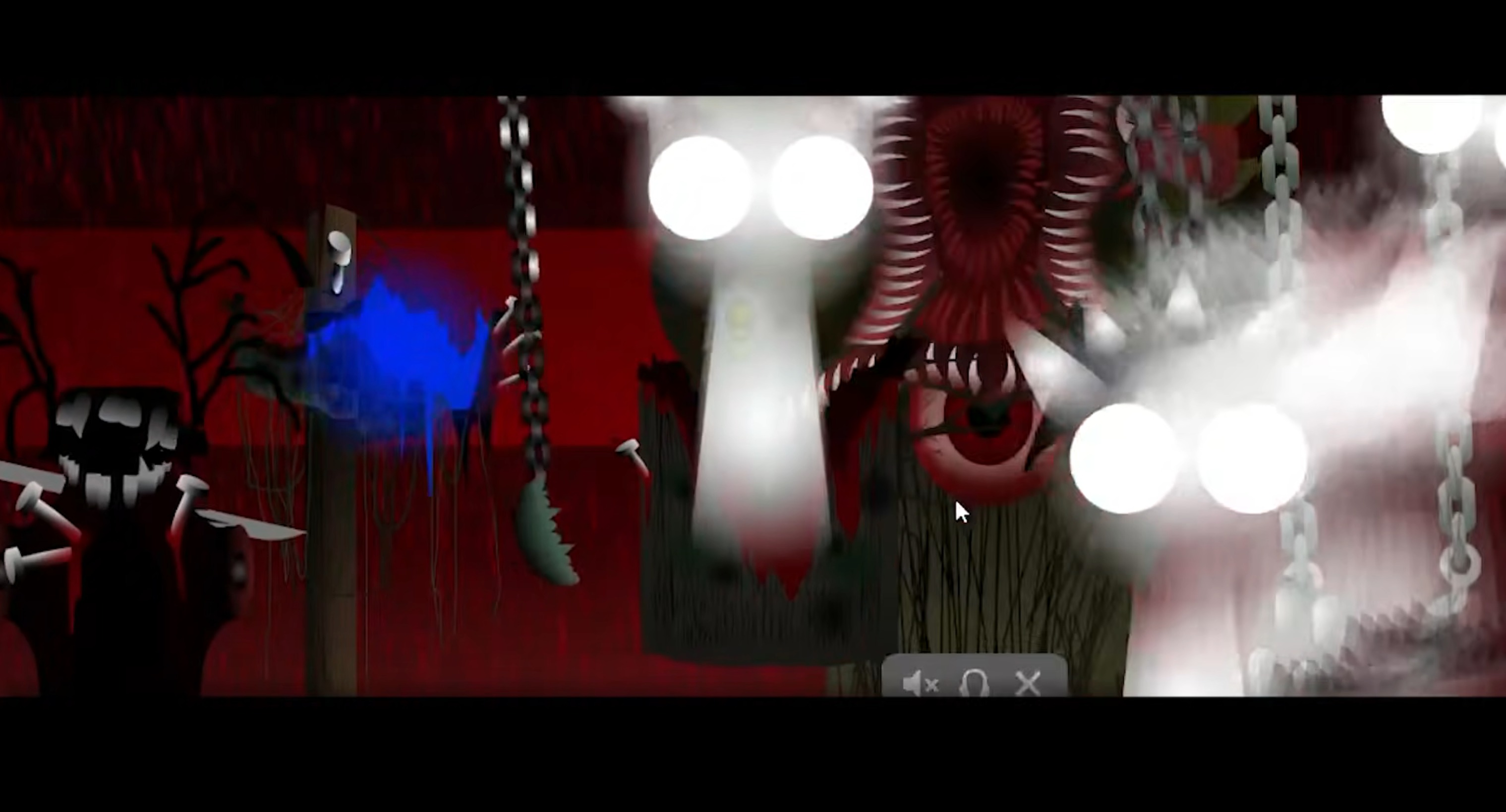
The darker presentation helps Phase 12 feel distinct, matching the survivor/died concept with a more intense visual identity.
Mastering the Survivor and Died Audio Layers
Mastering the survivor and died audio layers means treating them as opposing but connected roles. Survivors carry the pulse; dieds twist the mood. The best mixes usually come from contrast, not from making every slot loud.
Start with a rhythm-focused survivor or another stable loop. This gives your track a readable center. From there, add a vocal, melody, or bass layer that supports the groove. Only after the core is clear should you introduce died vocals, distorted textures, or eerie effects.
A useful method is to test in pairs:
- one survivor beat with one died voice
- one survivor melody with one died texture
- one clean bass loop with one warped effect
- one survivor vocal with one darker background layer
Listen to how each pairing changes the track. If the died layer adds tension without destroying the timing, keep it. If it overwhelms the mix, remove it or lower its role before adding anything else.
Phase-shift moments become stronger when this balance is already in place. A solid survivor base makes the shift feel grounded, while controlled died layers make the transition feel dangerous and intentional. That is where The Definitive Phase 12 style works best: clean enough to follow, dark enough to feel like a true late-phase Sprunki composition.
Practical Build Order for Cleaner Phase 12 Mixes
For a reliable build, use this order before experimenting with more chaotic setups:
- Rhythm or bass first — establishes timing.
- Survivor vocal or melody second — gives the track identity.
- Light effect third — adds movement without overloading the mix.
- One died layer fourth — introduces horror tension.
- Second died or phase-shift element last — pushes the track into its darker Phase 12 form.
This order keeps the track playable while still leaving room for heavy drops, eerie vocals, and distorted late-phase energy. Once you understand how each layer behaves, you can break the order intentionally and create stranger, more aggressive mixes.
Related Games
- Sprunki The Definitive Phase 12 Alexruby Take — This is the closest follow-up because it offers another creator’s version of Phase 12, letting players compare how the same late-phase lore, visuals, and heavy sound layers are reinterpreted.
- Sprunki Phase 11 Definitive New Update — This works as the natural gameplay prequel for players who want to understand the Phase 11 sound structure before moving into Phase 12’s survivor-versus-died roster split.
- Sprunki DP7 Survivors And Dieds — This is a strong match for the same “Survivors and Dieds” concept, focusing on the contrast between living and fallen character variants as part of the mixing strategy.
Why This Version Stands Out
This version refines the cancelled Phase 12 concept originally planned by Catt, giving players a fully realized look at who made it out alive and who didn’t. The V2.0 release, created by @Sprunki-Gamer and inspired by Kjb (also known as ZeroTwoKirby), cleans up the confusing layout from older builds so new players can immediately tell which characters are survivors and which ones are dieds. The massive overhaul of the character select screen and the introduction of the intense Hell Yeah beat drop are the first things you notice when boting up this revamped fan project.
Dragging these distinct character variants onto the stage completely changes how you layer tracks compared to Sprunki The Definitive Phase 11 Survivors And Dieds. Since this mod splits the roster into two clear thematic groups, mixing revolves around balancing erie, distorted vocals of the fallen characters with cleaner, more rhythmic loops of the survivors. If you are just starting out on gosprunki.com, drop a heavy bass loop first, then slowly stack survivor vocals on top before triggering the chaotic phase shifts.
The community created this specific take because the original official Phase 12 storyline was too mesy to follow. Players have responded with comments like “Peak animation!” and “so peak vro.” By taking the unfinished pieces left behind after the original creator cancelled the project, the updated visuals and sound transitions form a cohesive, playable experience. It strips away the overly complicated mechanics of other late-game mods like Sprunki Phase 12, making it easier for beginners to jump in and start creating heavy beats without hidden menus.



Discuss Sprunki