
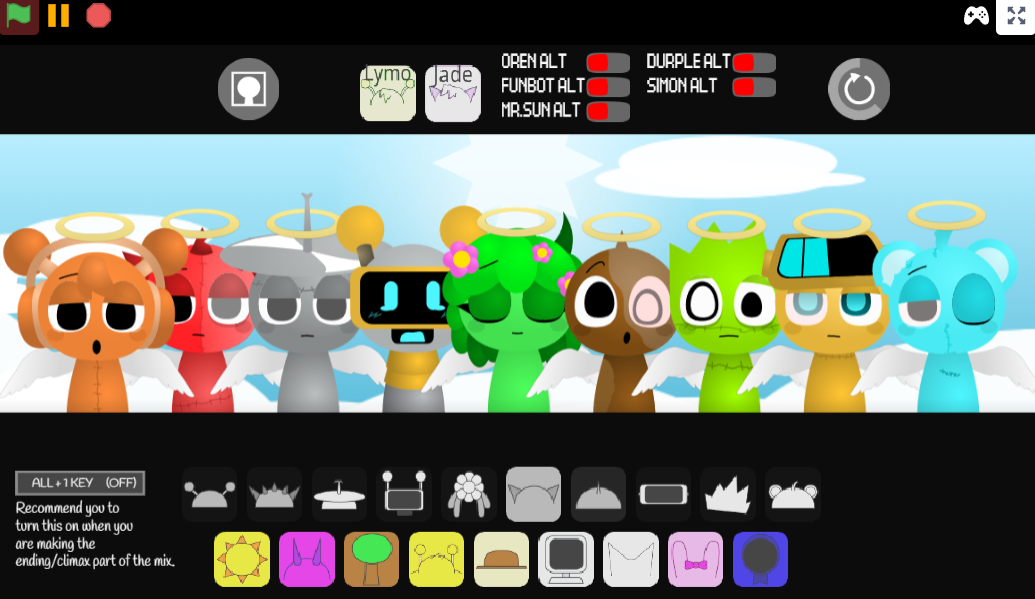
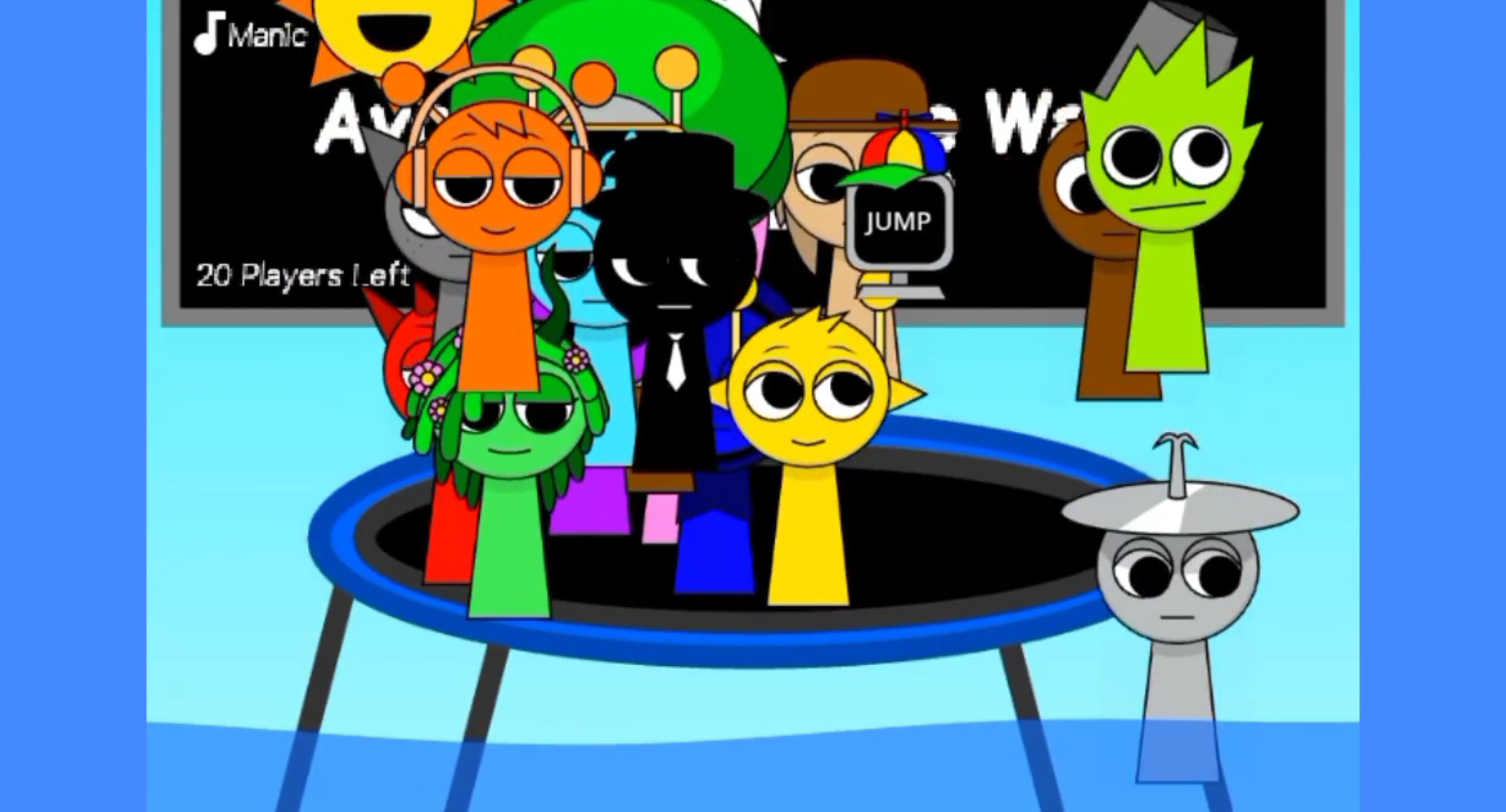
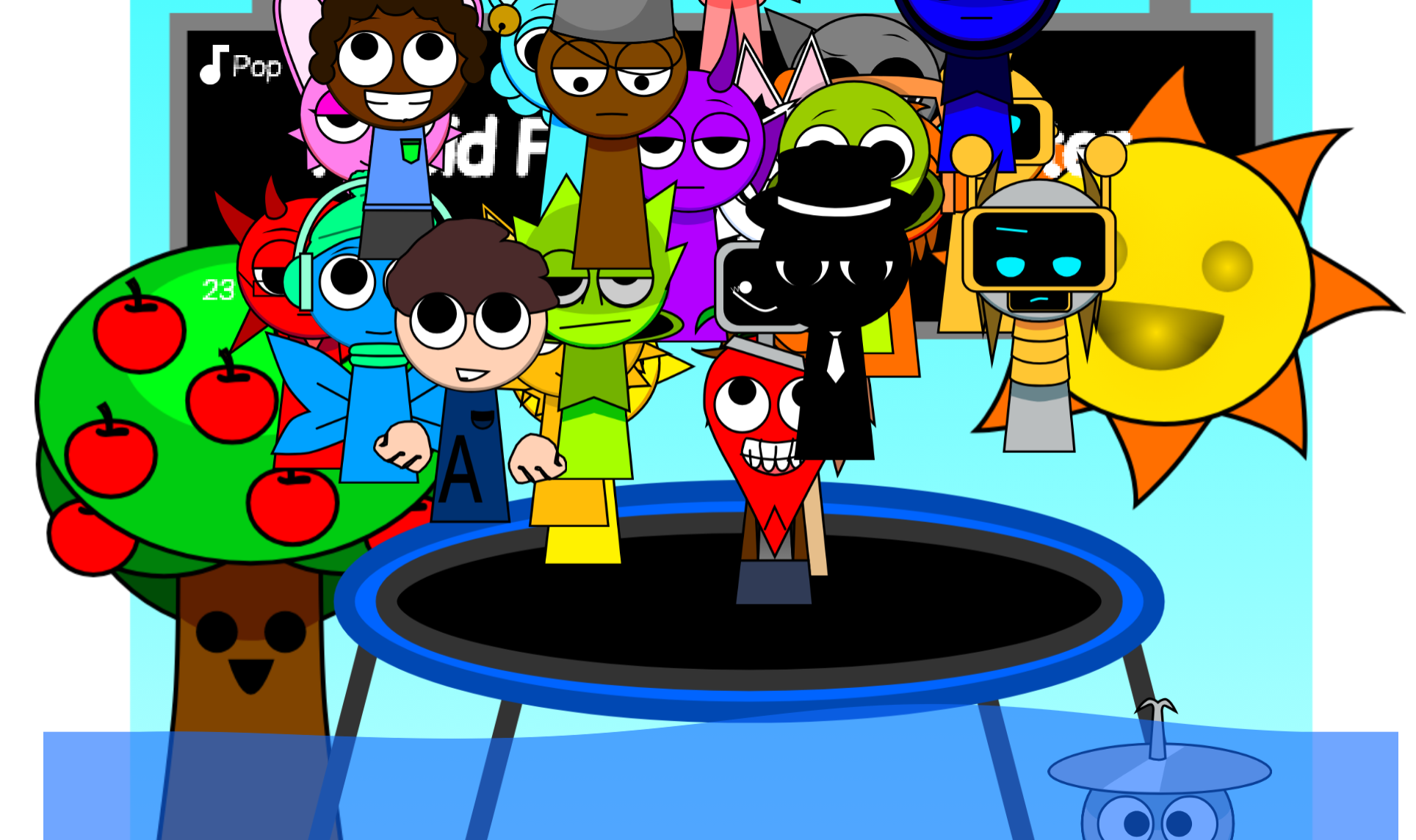
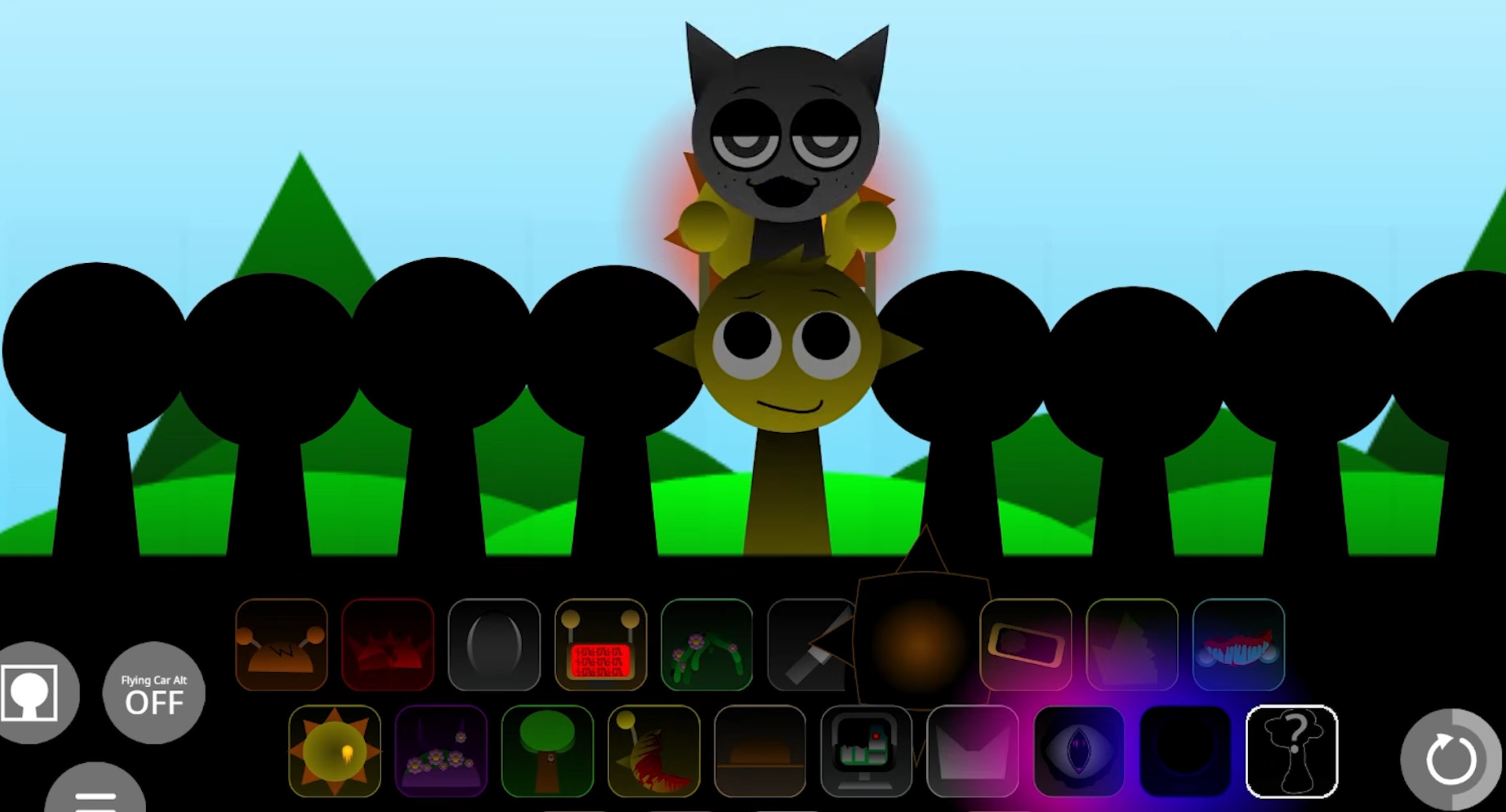
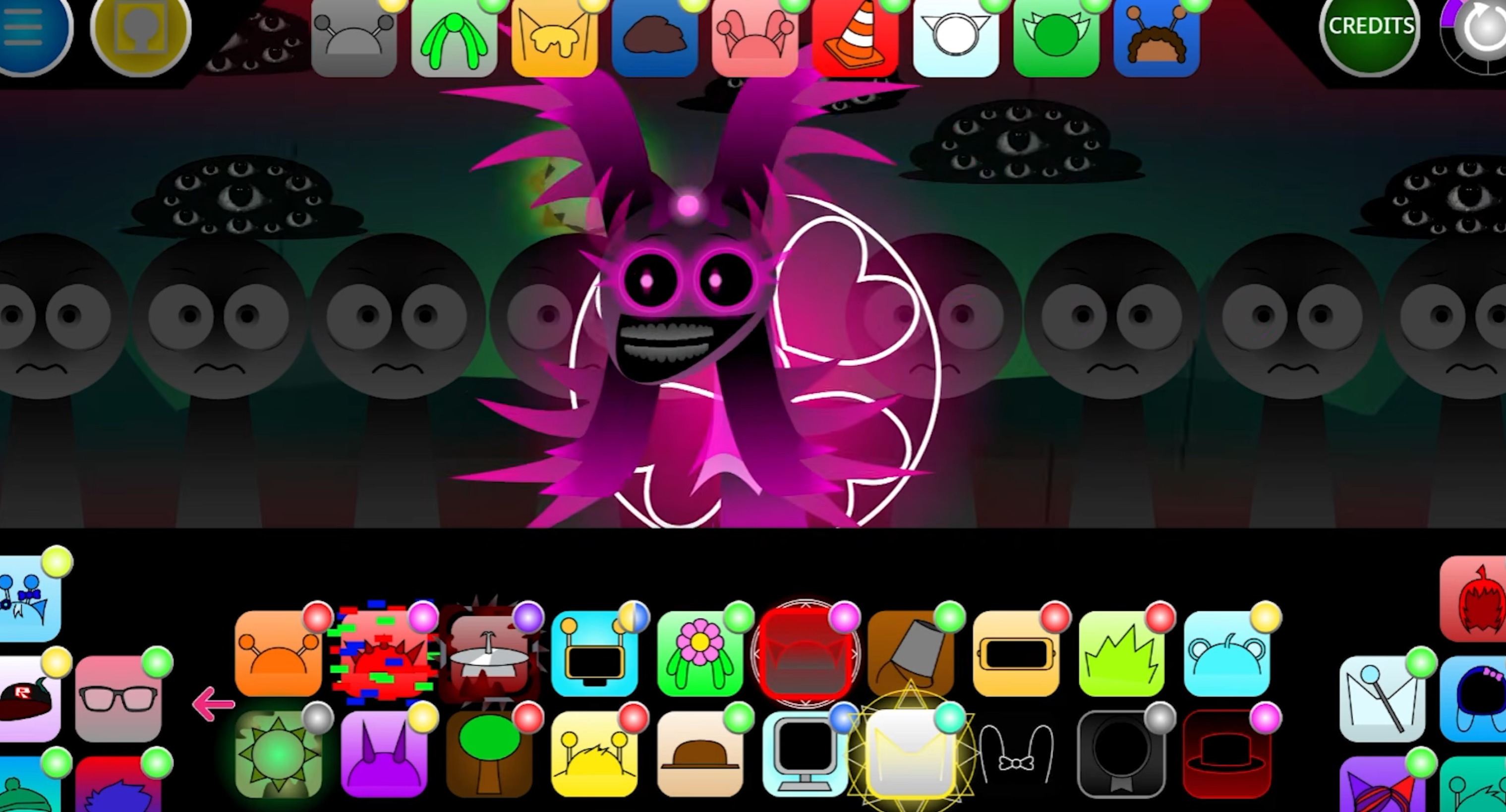
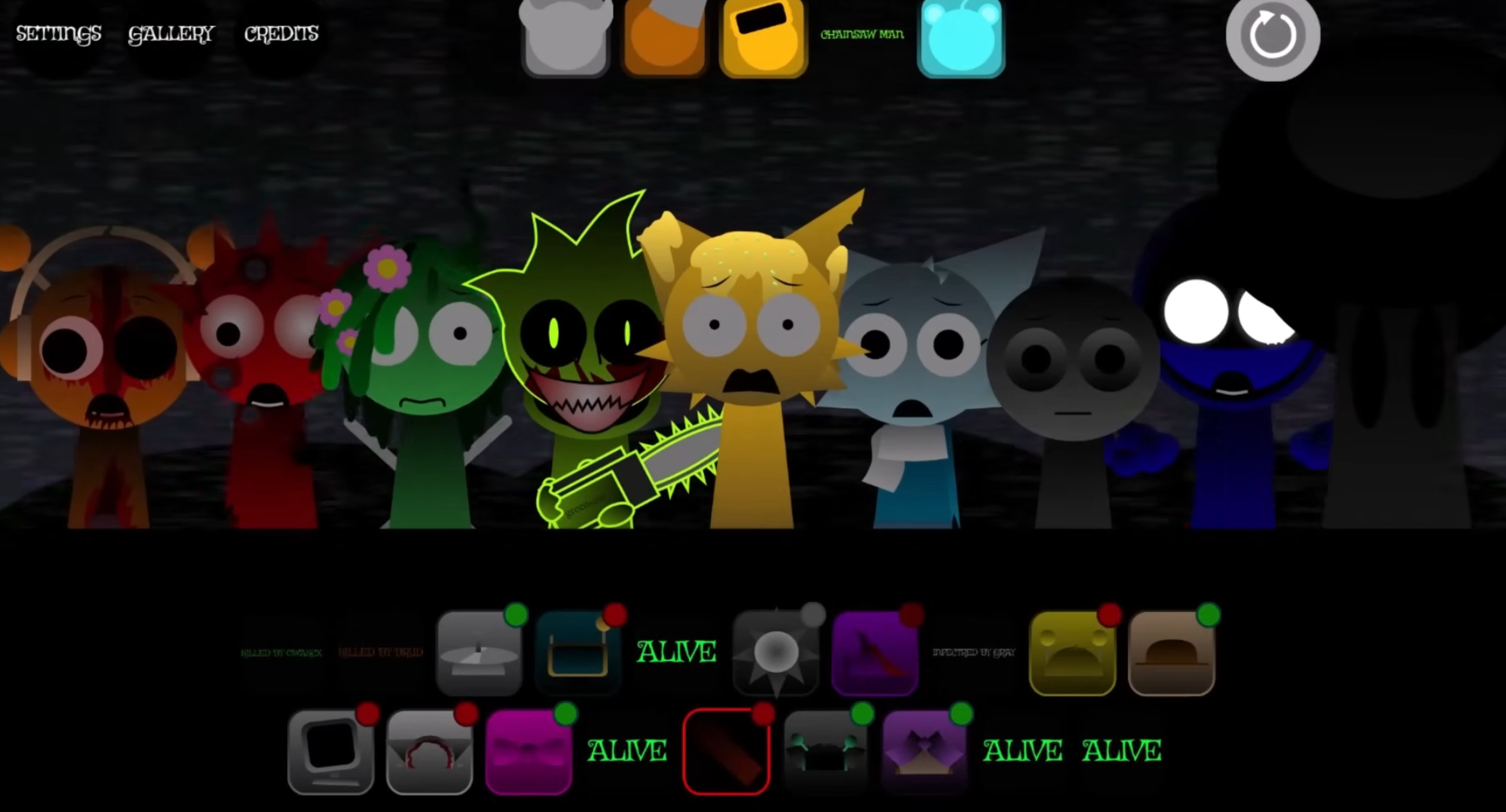
Sprunslat Phase 3 The Angels of Heaven is the mod’s redemption arc, where harmonious tracks built from harp plucks, chiming bells, and choral vocals replace the horror framework with a story about restoration.
This article walks through the concrete evidence—The, Lore, and Redemption—that ties these elements into one coherent narrative thread instead of leaving them as disconnected clues scattered across the stage. The focus here is on how The and Lore connect to Redemption as an actual chain of events, not a vague thematic gesture.
Players drag and drop sound layers across a bright, cloud-filled interface, but the mechanics unlock story beats that reverse the Ruin established in earlier phases.
Sprunslat Phase 3: The Angels of Heaven
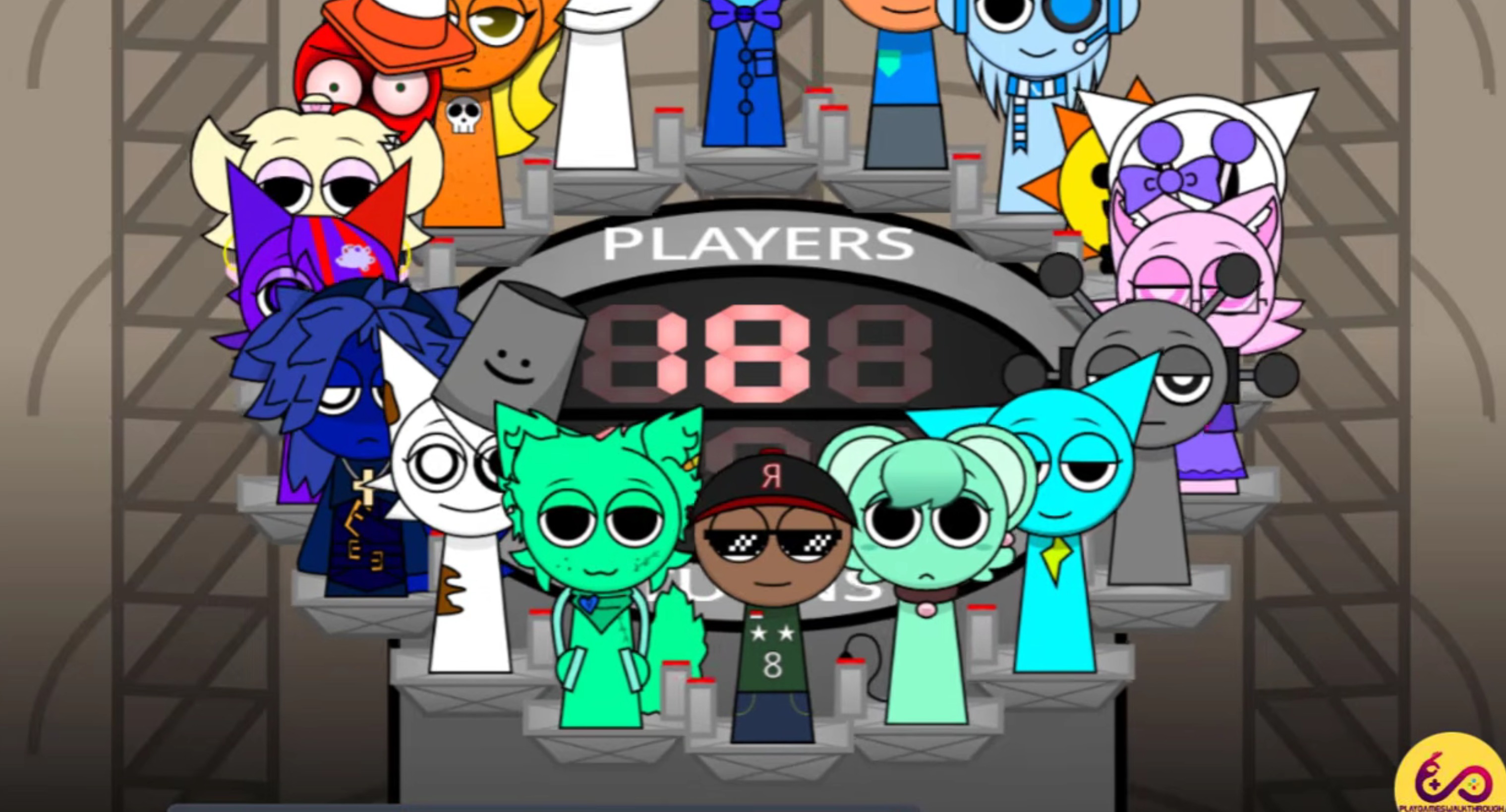
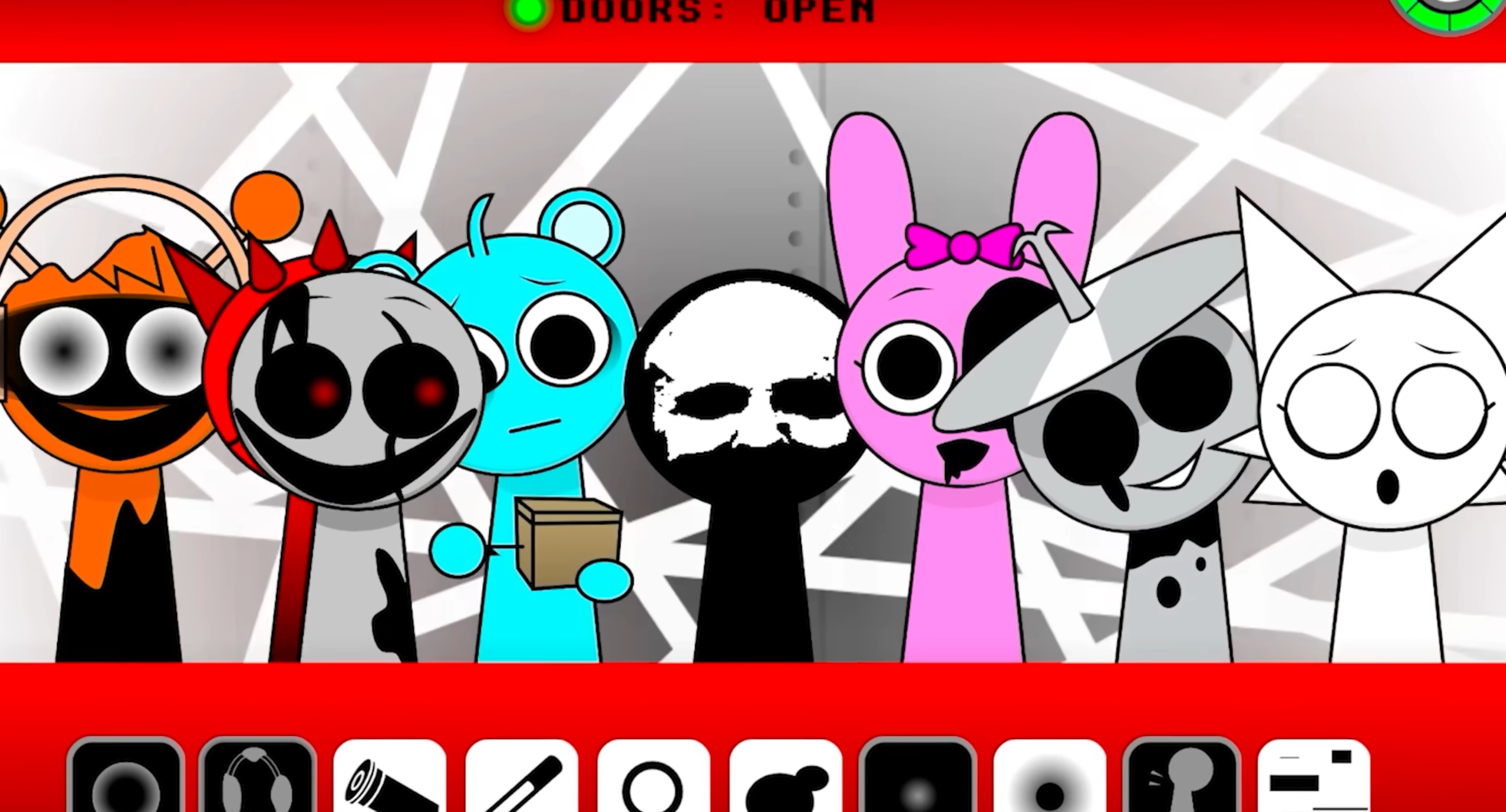
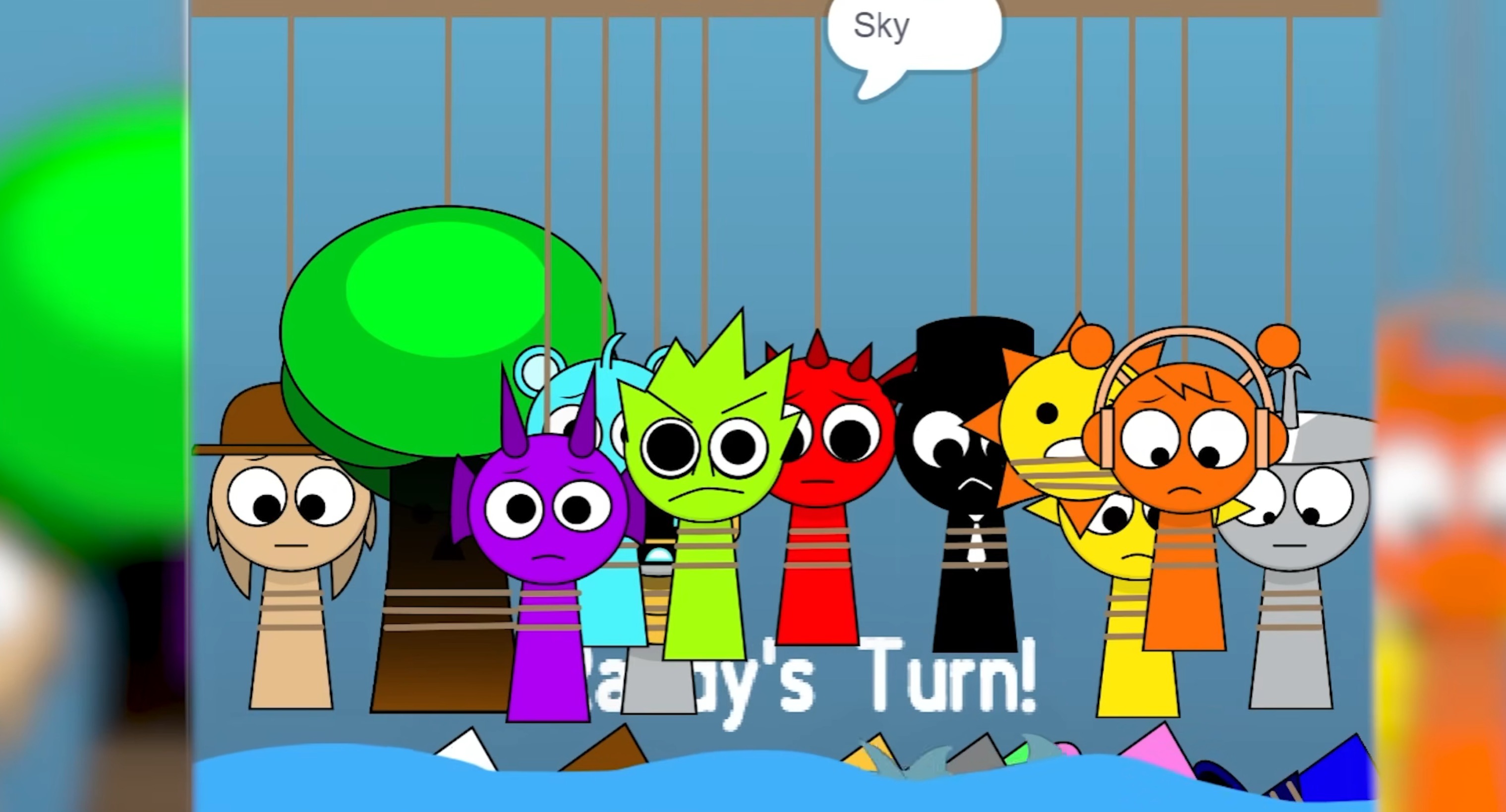
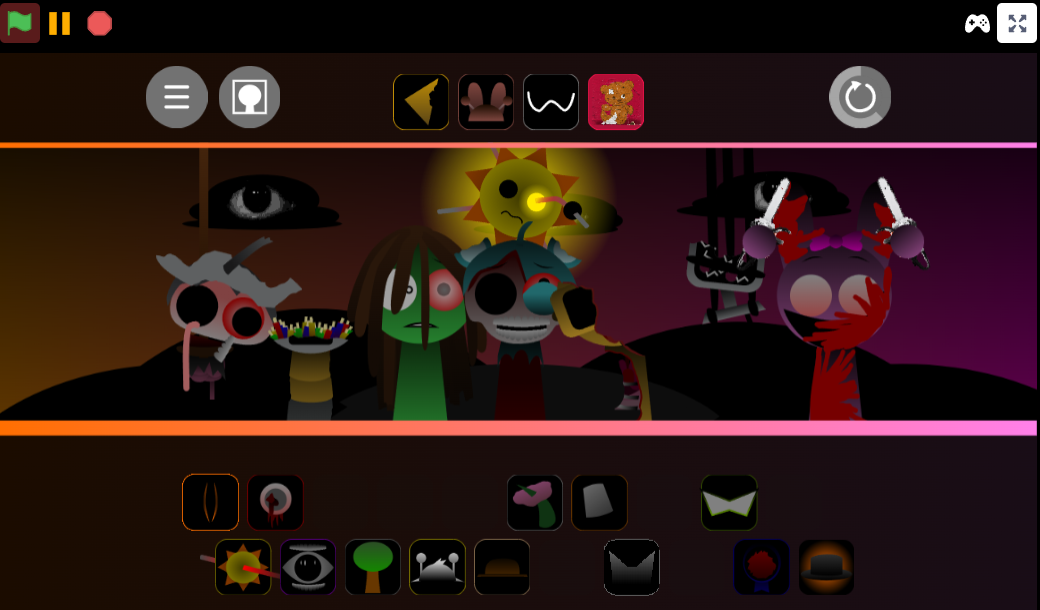
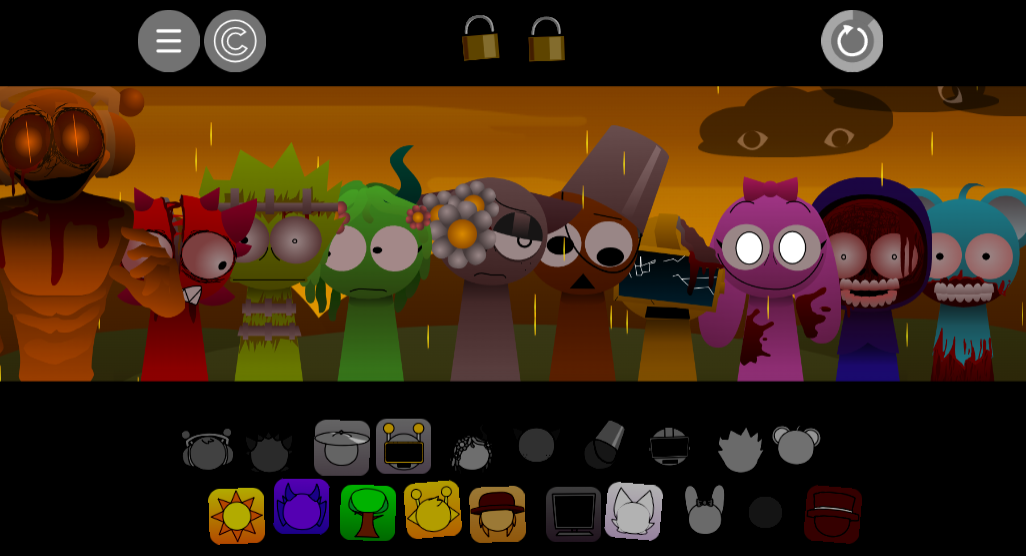
Sprunslat Phase 3: The Angels of Heaven is an Incredibox mod where corrupted Sprunslat characters are transformed into celestial angels—halos, white wings, peaceful expressions—in what appears to be divine redemption.
Players build harmonious tracks using drag-and-drop mechanics, layering harp plucks, chiming bells, and choral vocals across a bright, cloud-filled stage. The catch: the angelic presentation is fragile.
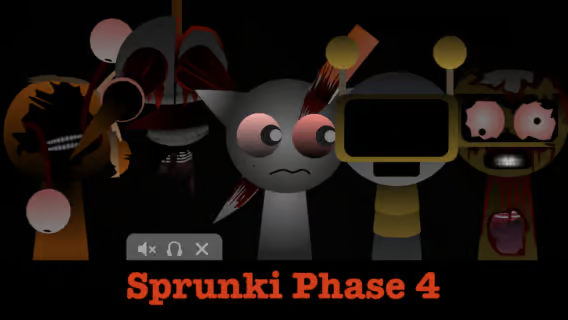
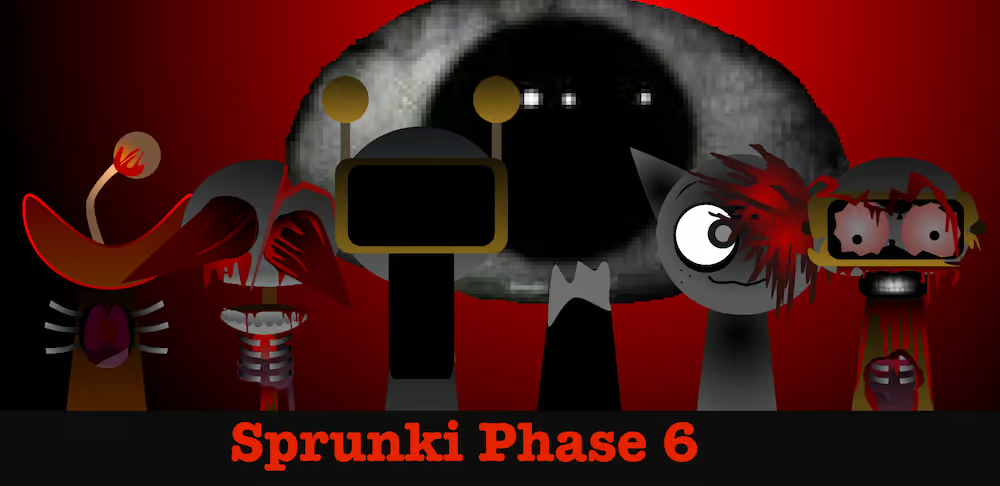
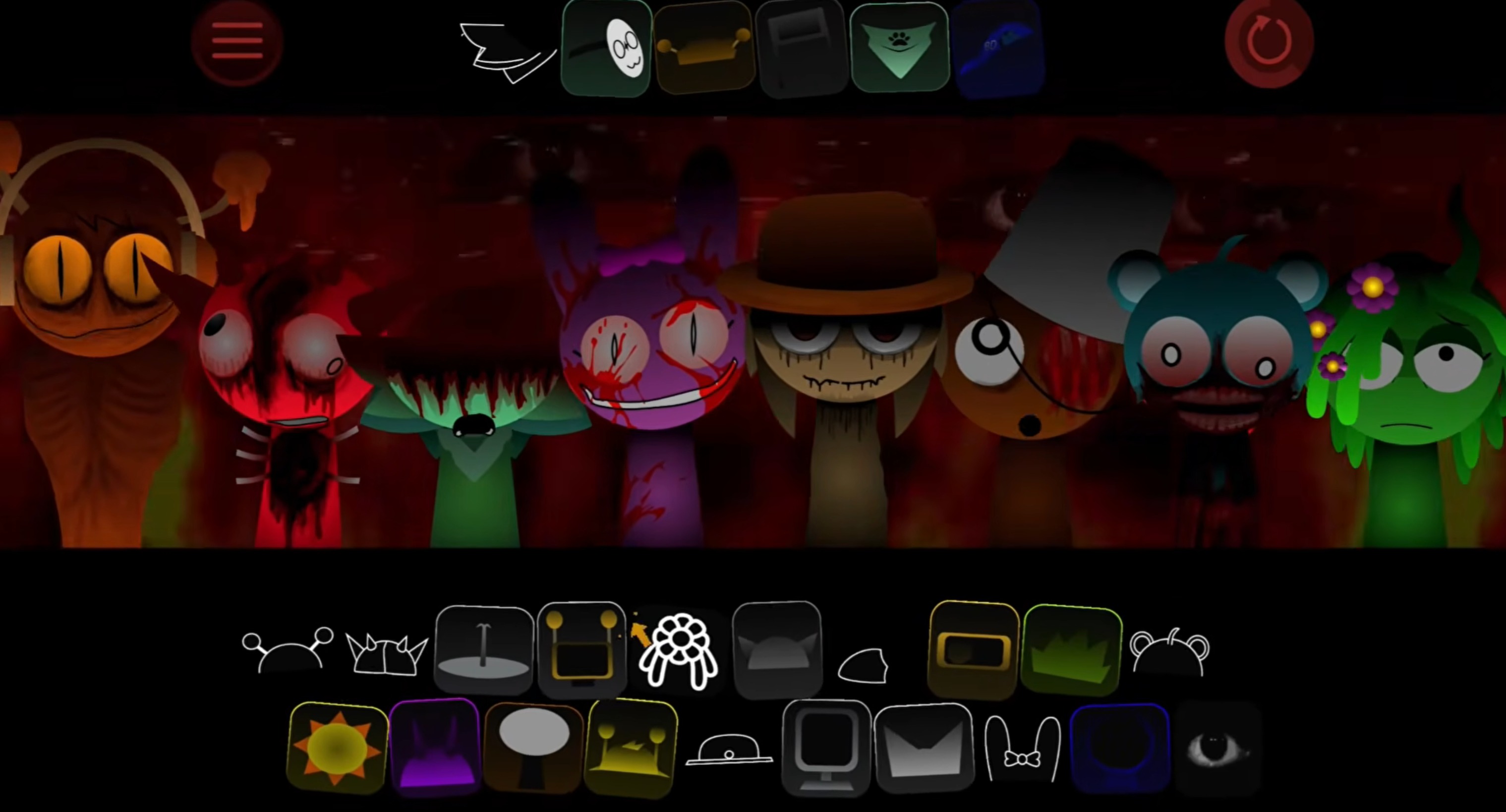
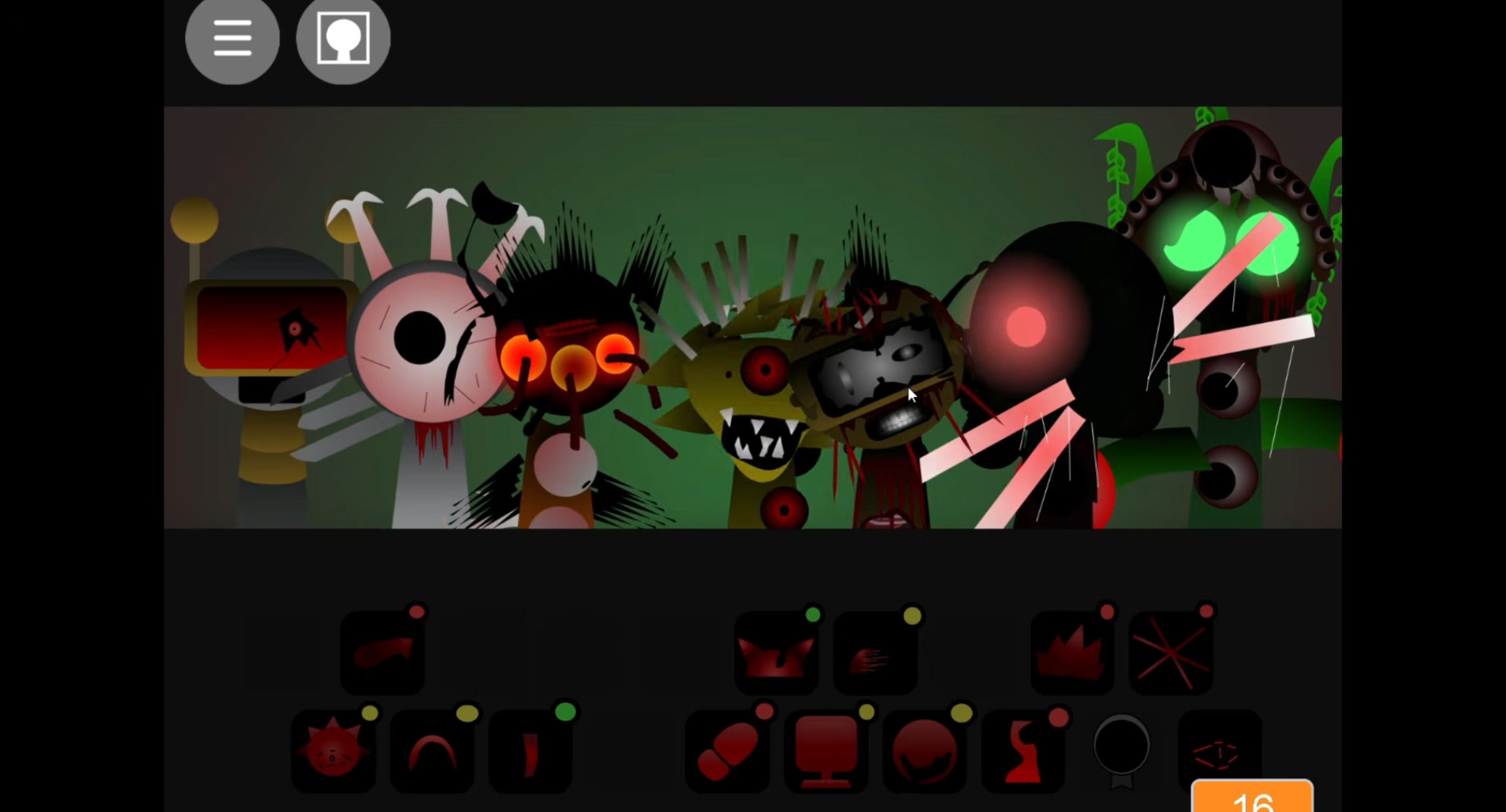
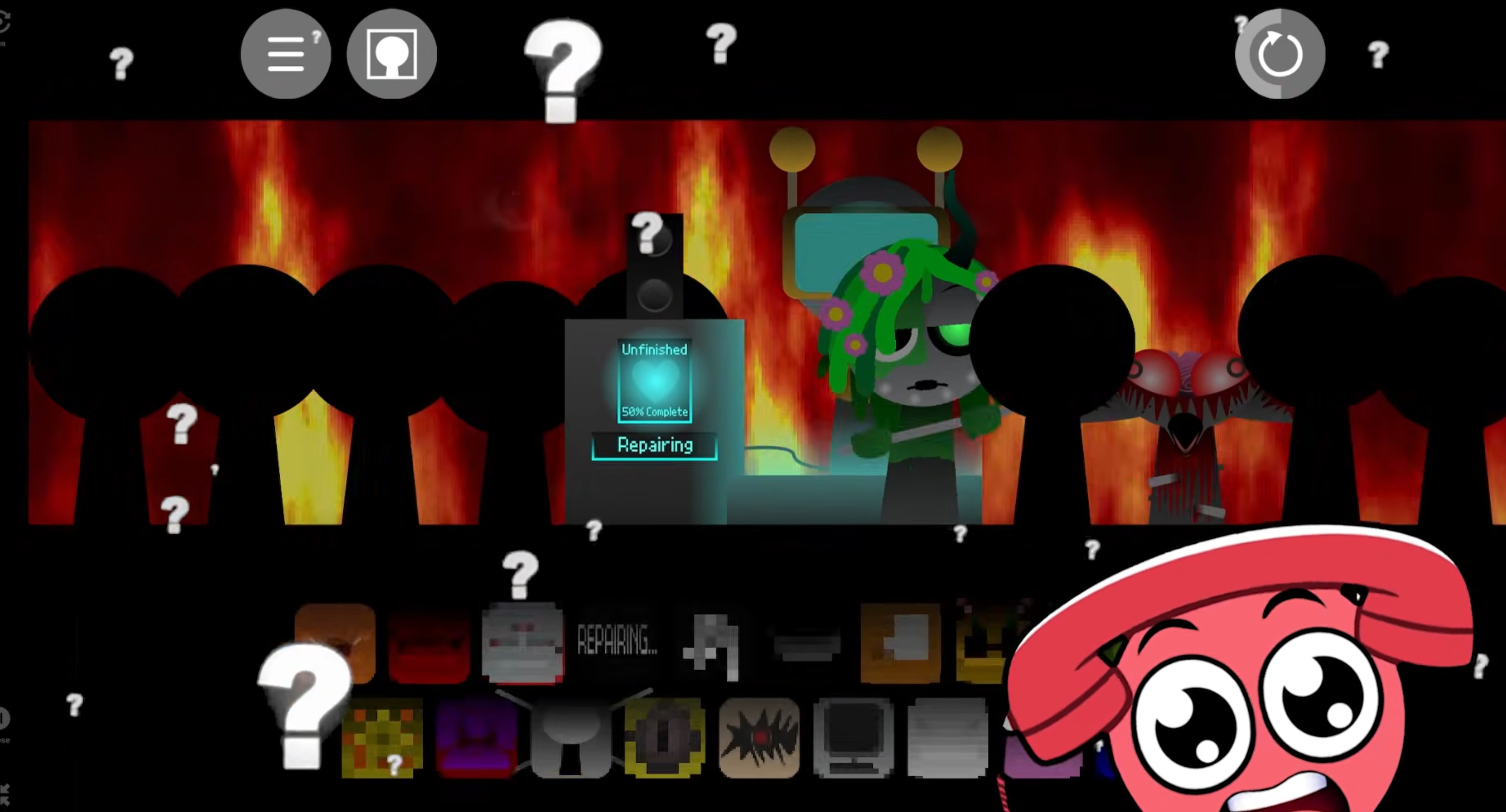
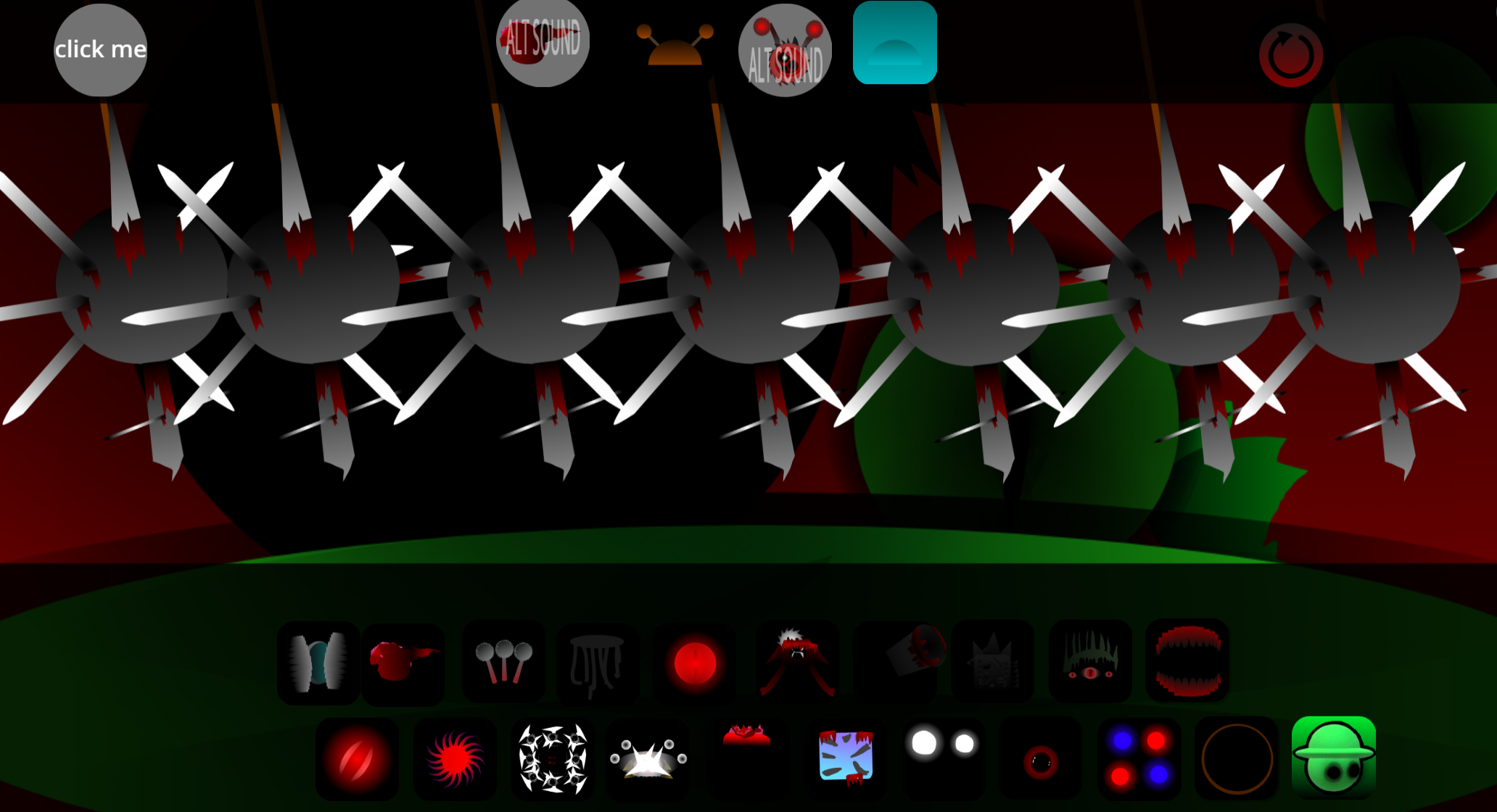
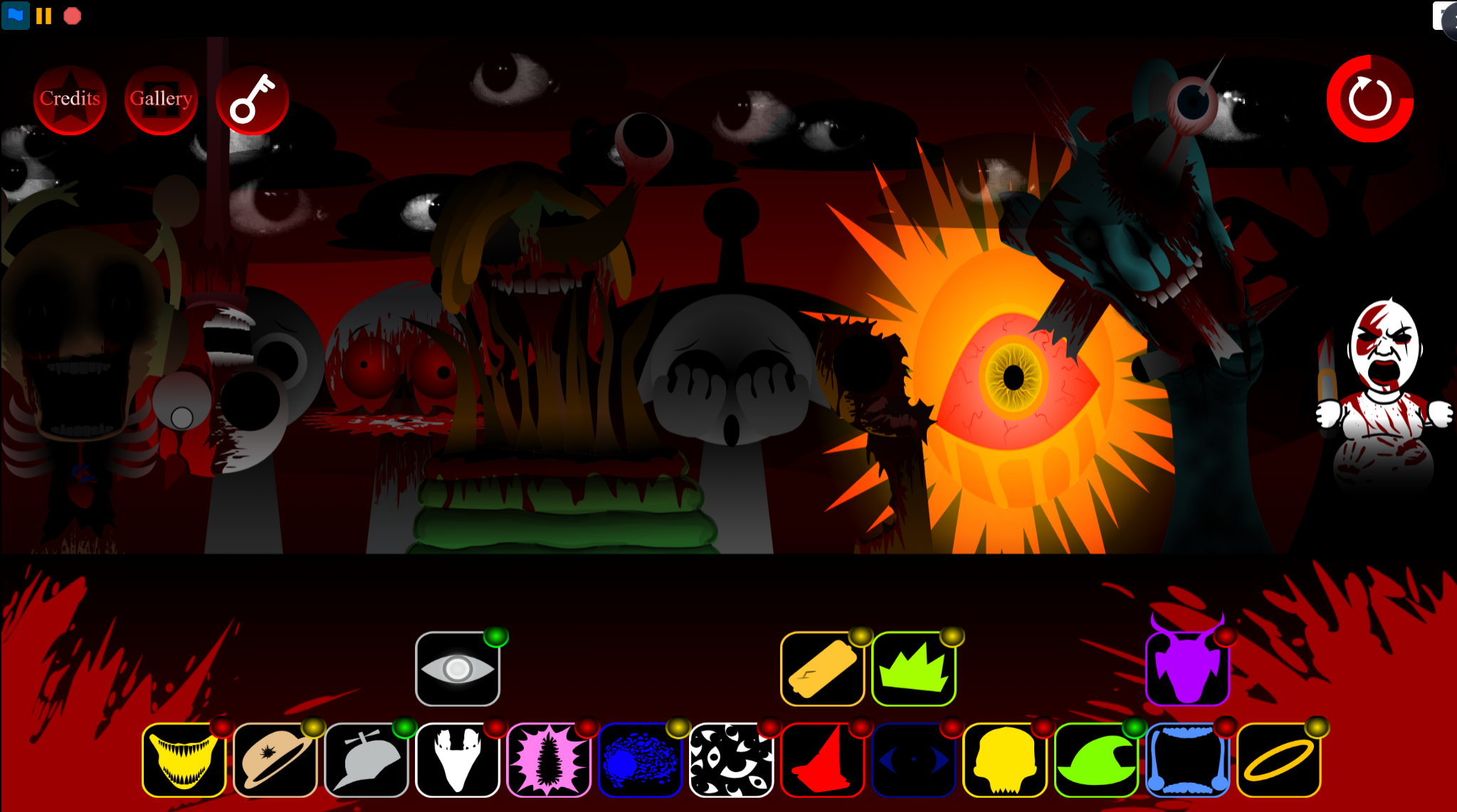
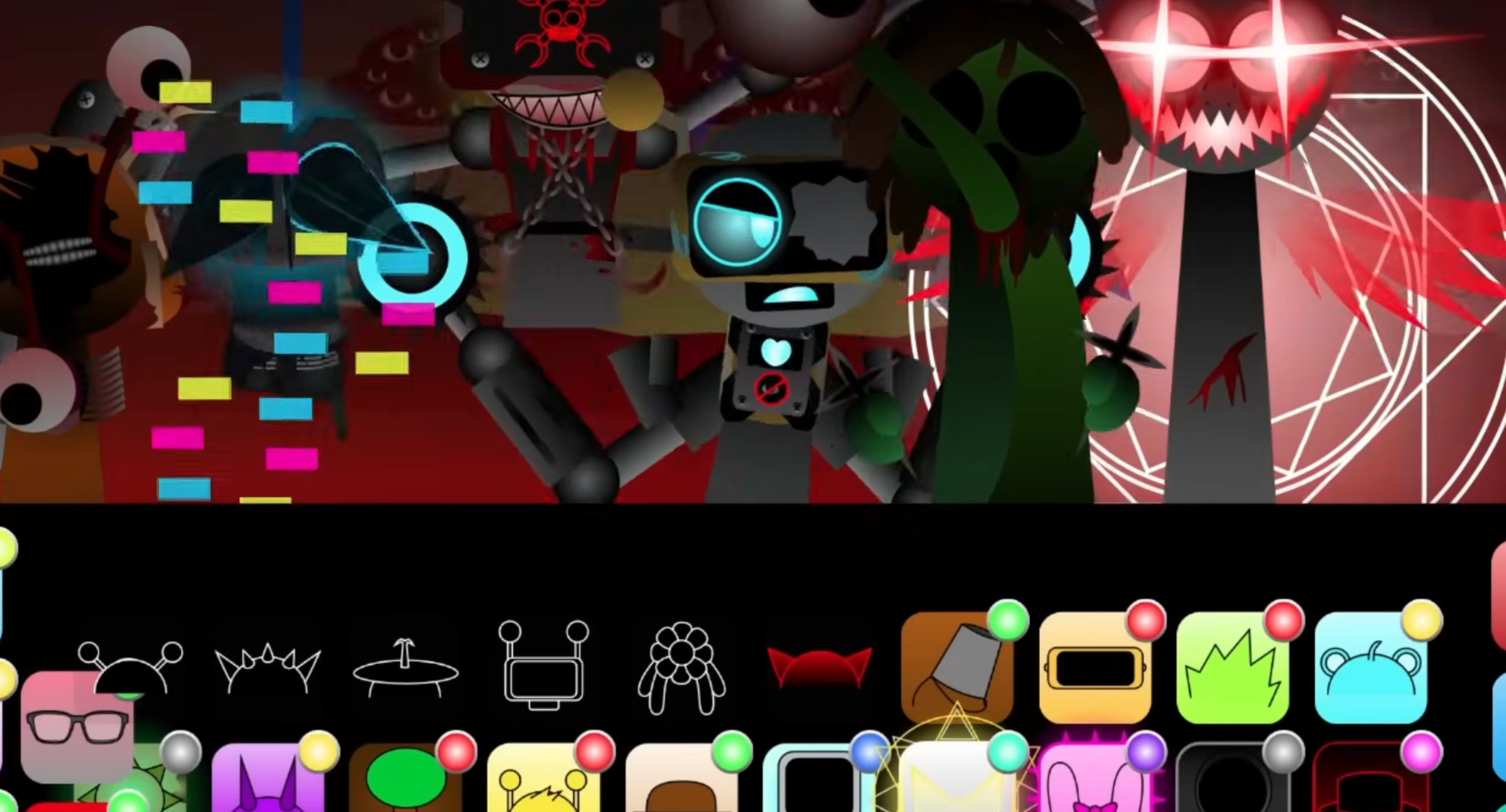
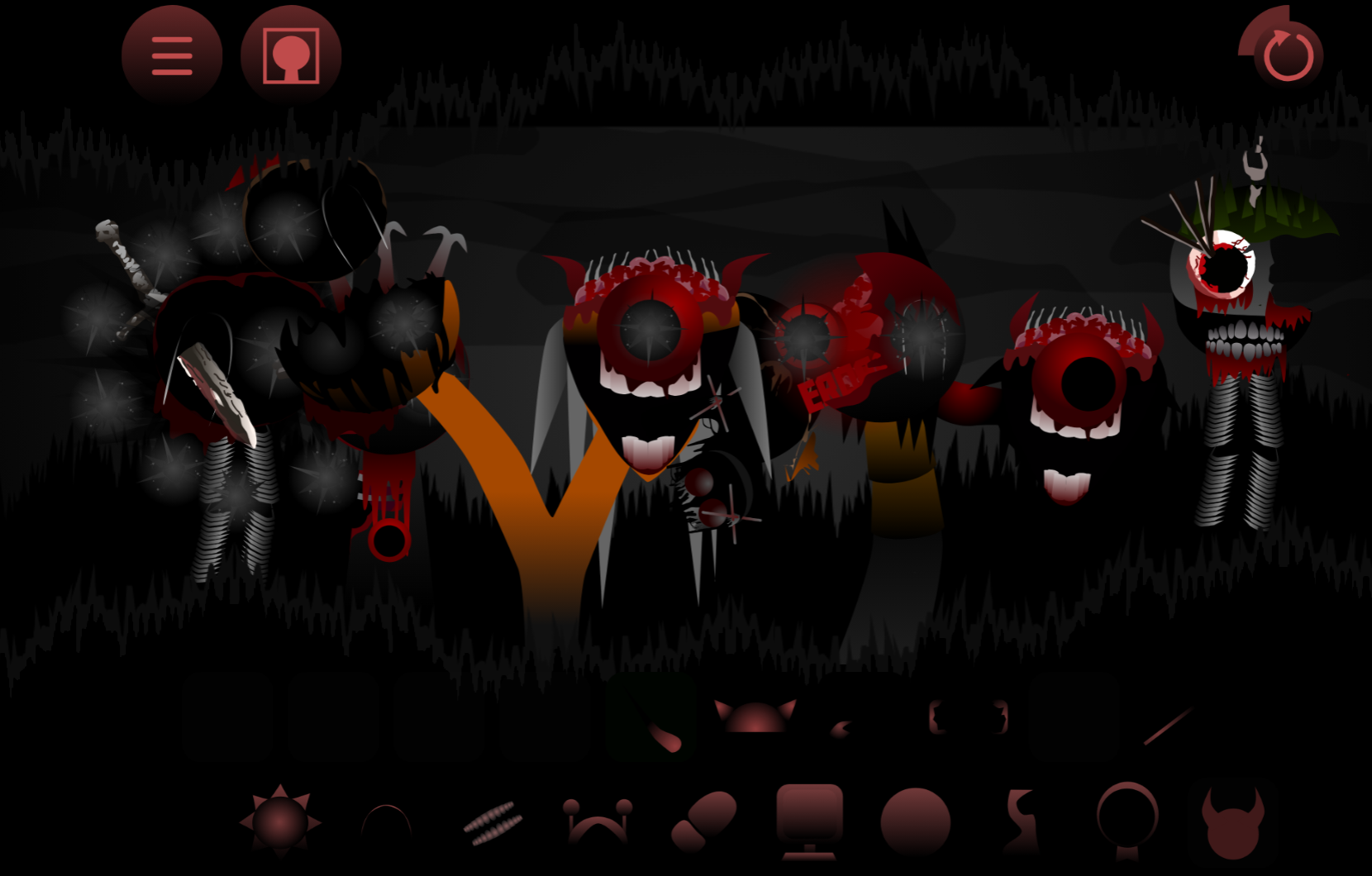
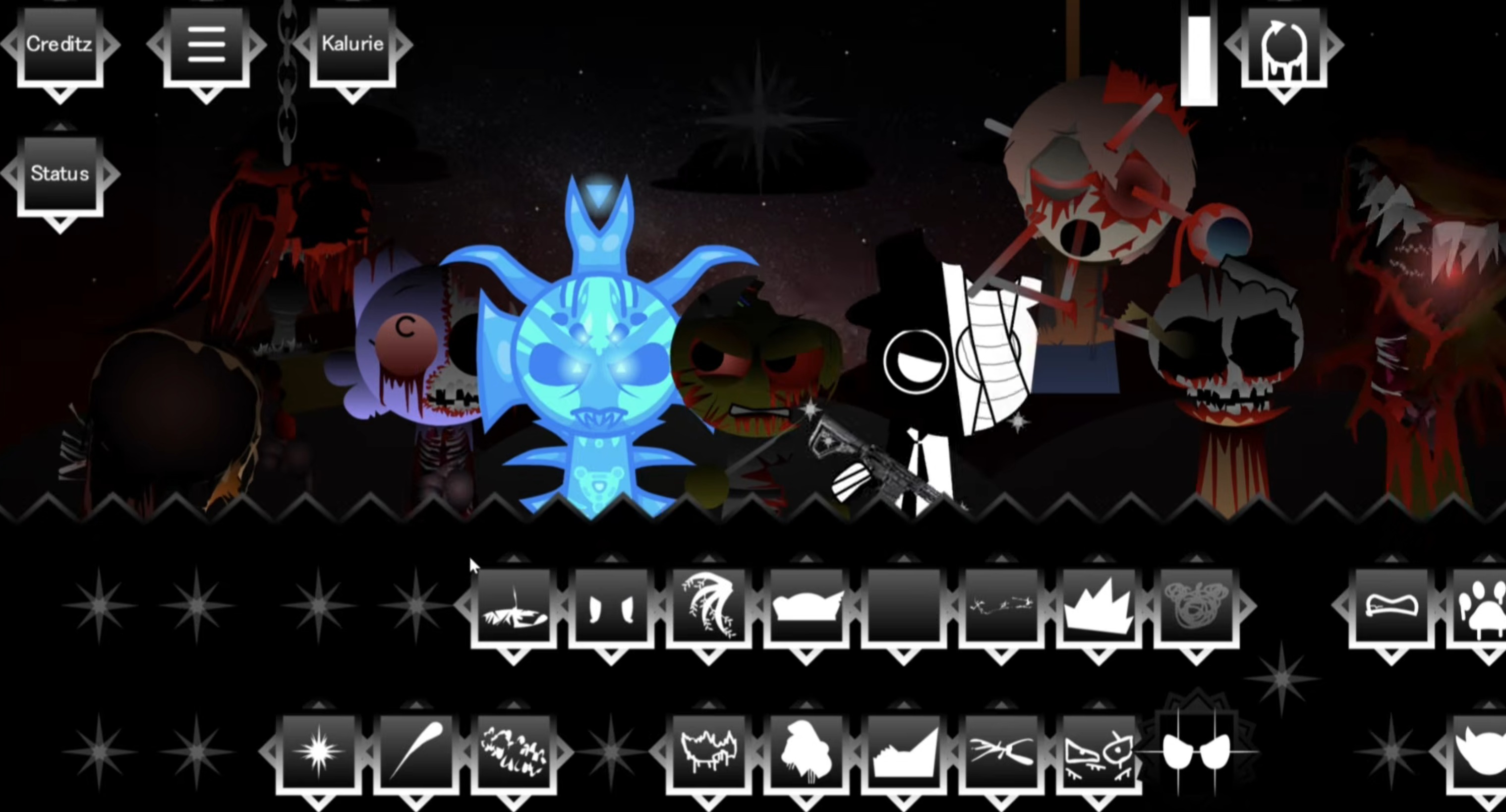
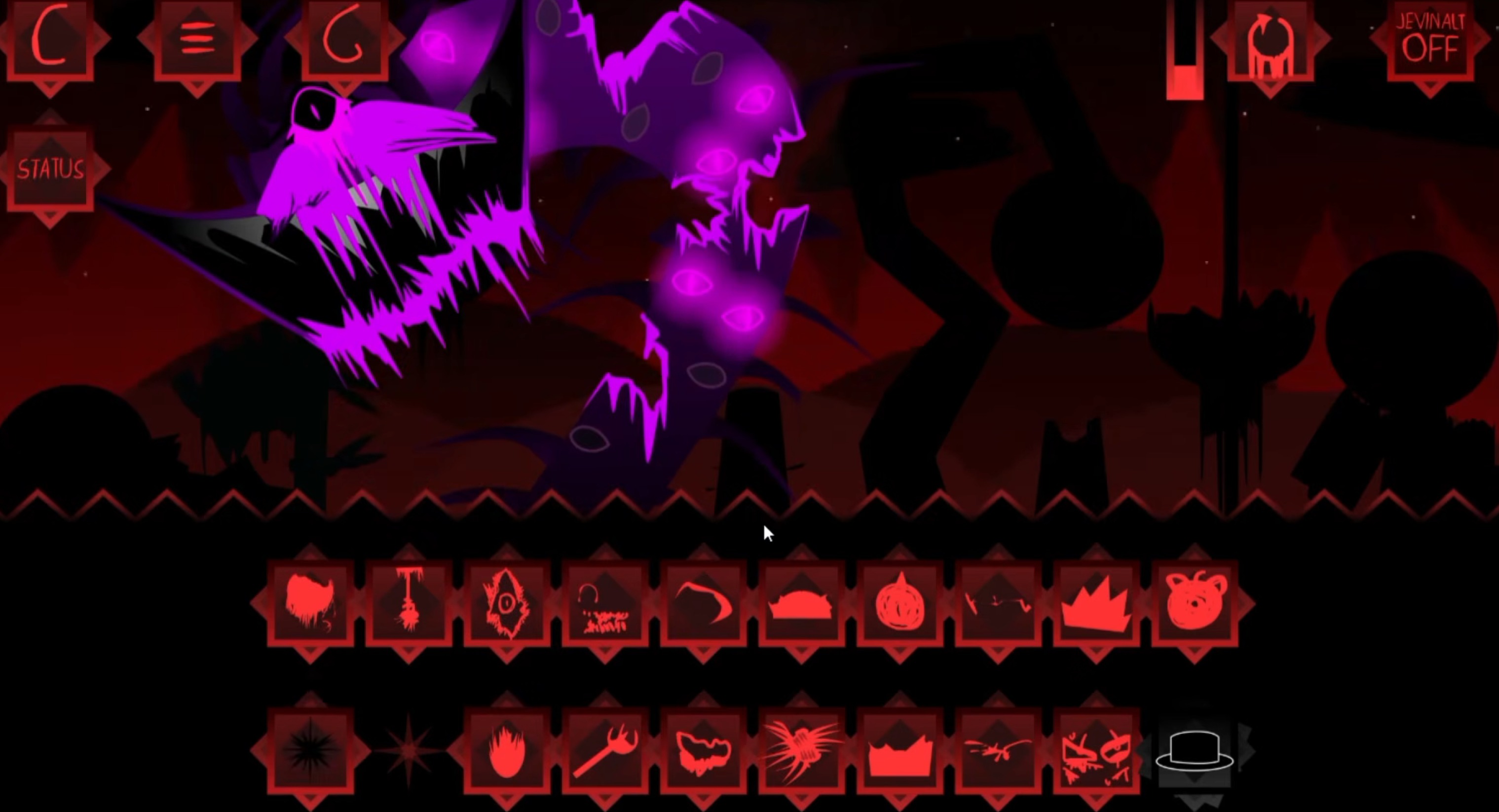
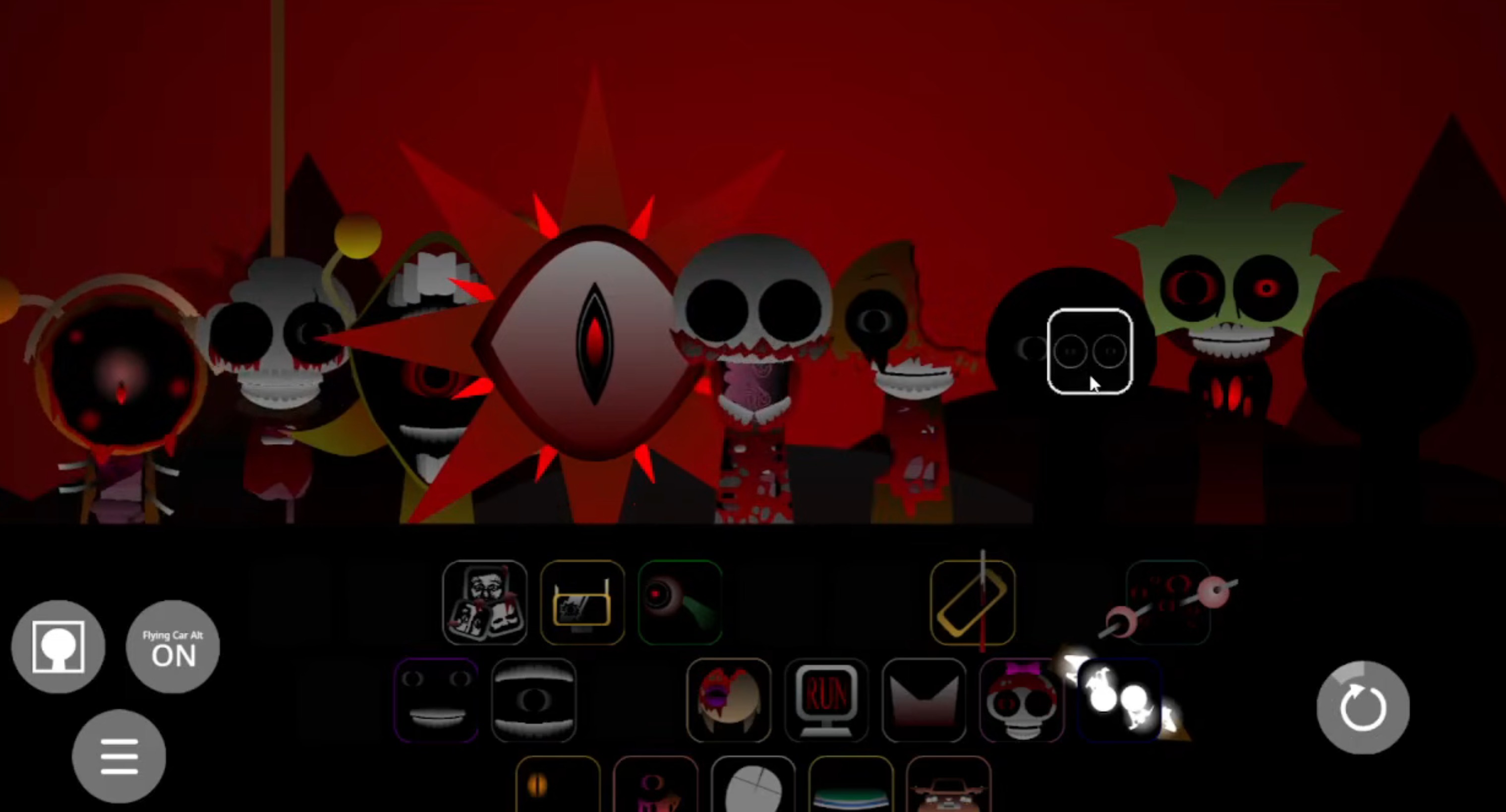
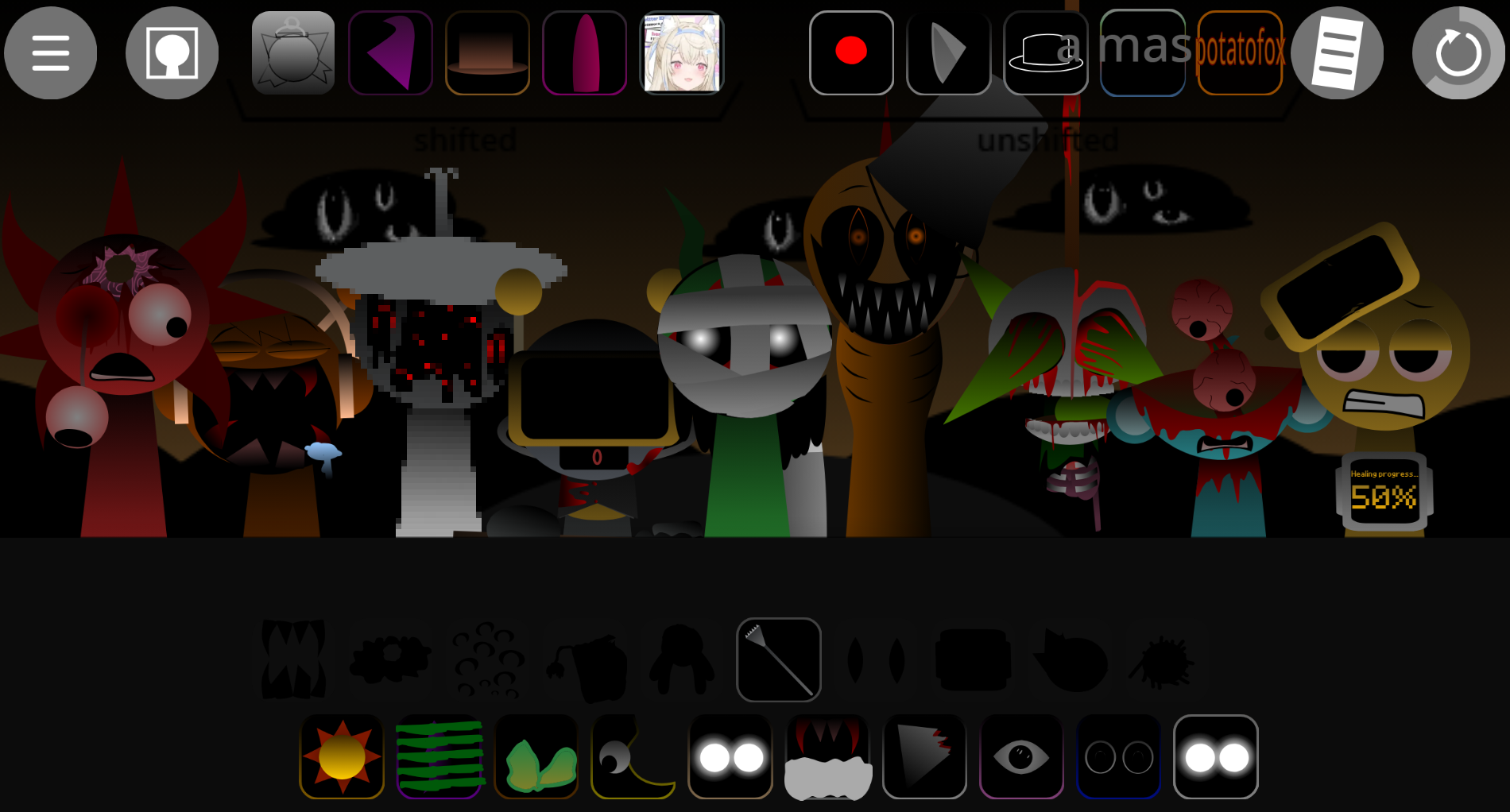
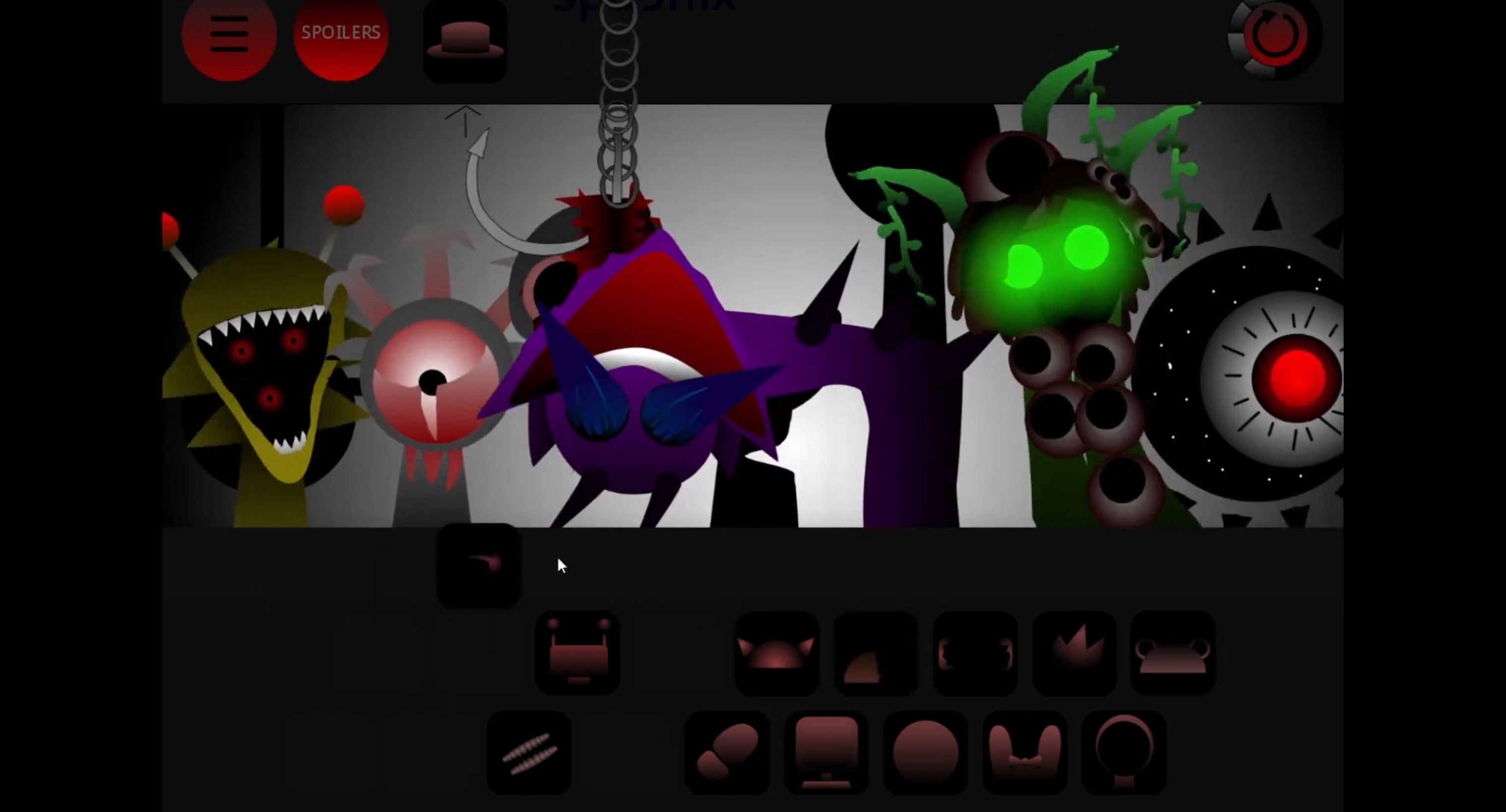
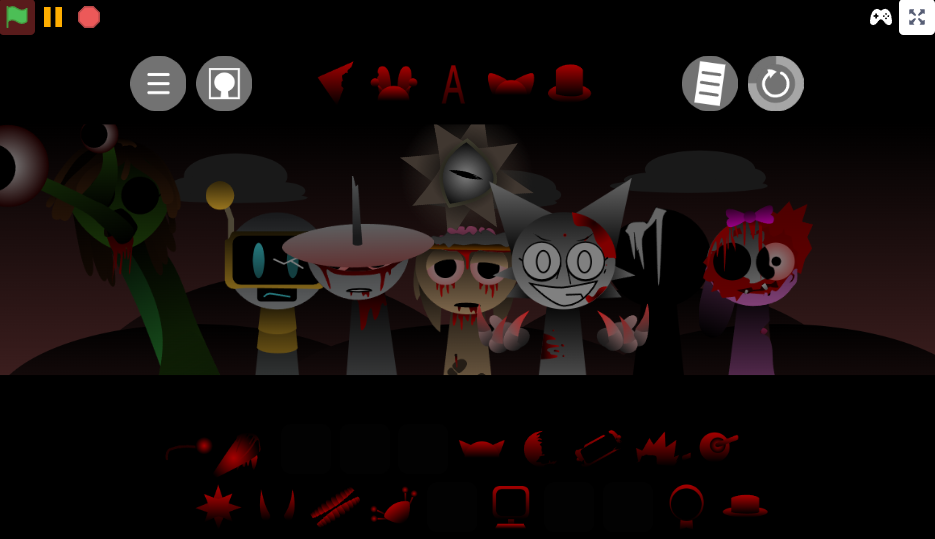
When horror mode activates, the heavens crack, halos shatter, and the adorable chibi angels mutate back into bloody, corrupted forms. The mod explores whether redemption is real or just another mask for ruin.
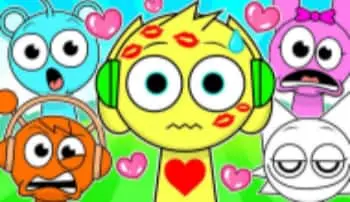
Born from the Sprunki moding community, this Phase uses extreme cuteness as a trap. The chibi art style softens every edge—round faces, blushing cheeks, tiny bodies—making the inevitable horror drop feel more violent by contrast. It is mascot horror dressed innocence, where beauty becomes the warning sign.
What is the “Sprunslat” Universe?
The Sprunslat Universe is a parallel version of the Sprunki mod world where familiar characters are redesigned in an extremely cute, chibi-inspired style. The concept: make the cast look softer, sweeter, and safer—then use that innocence as cover for something darker.
In Sprunslat, the usual creepy Incredibox-mod atmosphere is softened at first. Characters who might normally feel eerie, infected, or corrupted are given rounded bodies, tiny expressive faces, blushing cheeks, and gentle animations. The world begins as something playful, almost peaceful. The danger is not removed; it is hidden.
That contrast gives Sprunslat its lore weight. Cuteness is not only a visual gimmick—it changes how players read the universe. When a character looks adorable, every glitch, distortion, and horror-mode shift feels more brutal because it violates the mood the game carefully builds. A soft smile becoming a corrupted stare is more disturbing than horror presented plainly from the start.
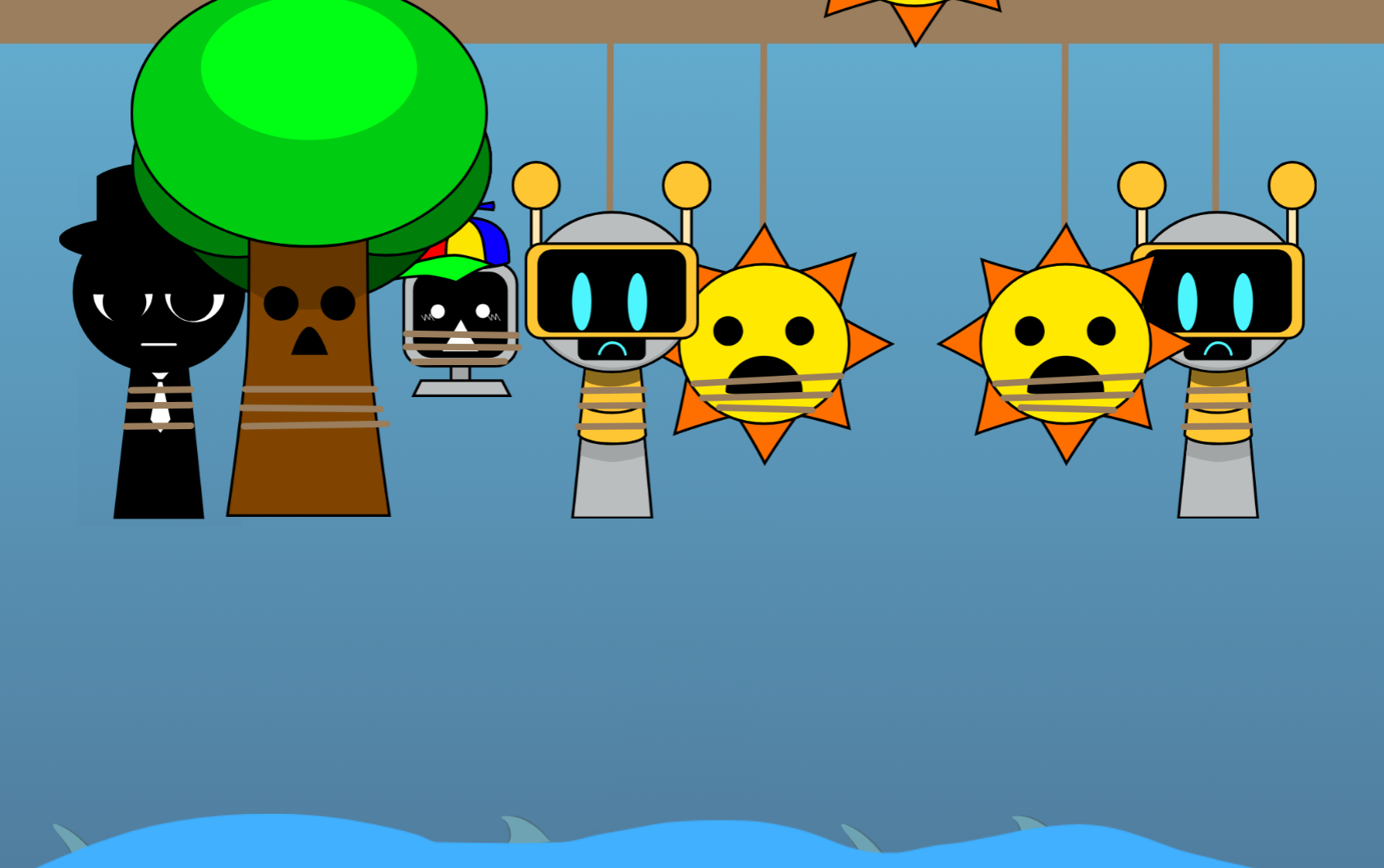
For Sprunslat Phase 3: The Angels of Heaven, this parallel-universe style matters even more because the angelic theme pushes the contrast to its highest point. Chibi bodies, celestial softness, glowing halos, white wings, and innocent expressions create the illusion of purity. But in Sprunslat lore, beauty often works like a warning sign.
The Lore: Redemption and Ruin
The lore centers on a painful reversal: corrupted characters appear to be redeemed, but their ruin is never truly gone. Phase 3 feels like divine intervention, lifting the infected Sprunslat cast out of monstrosity and into a celestial state. Yet the transformation is not clean.
The angels are not presented as simple winners of a battle against darkness. They feel more like fallen beings caught in the middle of an uneasy ascent, shaped by suffering, infection, and past sin. Their heavenly redesigns do not erase the violence of earlier phases; they reframe it. A halo becomes less like a reward and more like a fragile sign that something terrible had to be survived first.
This is where the “Ruin” half of the theme becomes important. Phase 3 does not destroy the darkness—it suspends it beneath the surface. The peaceful, celestial imagery feels breathtaking because players already know what these characters came from, and that contrast makes every serene, choir-like moment feel unstable.
The central tension: beauty over horror, but not beauty without horror.
Their soft expressions and glowing forms suggest salvation, but the memory of corruption clings to them like a hidden wound. When horror mode activates, the heavenly fantasy cracks. The mod becomes a battle between divine cleansing and the nightmare still buried underneath.
Redemption in Sprunslat Phase 3 is therefore not a clean escape. It is a haunted transformation. The characters rise toward heaven, but the story keeps asking whether they have truly been saved—or whether ruin has simply learned to wear wings.
Gameplay Mechanics
Sprunslat Phase 3 uses classic drag-and-drop Incredibox mechanics with a dramatic thematic twist.
Drag-and-Drop Mixing
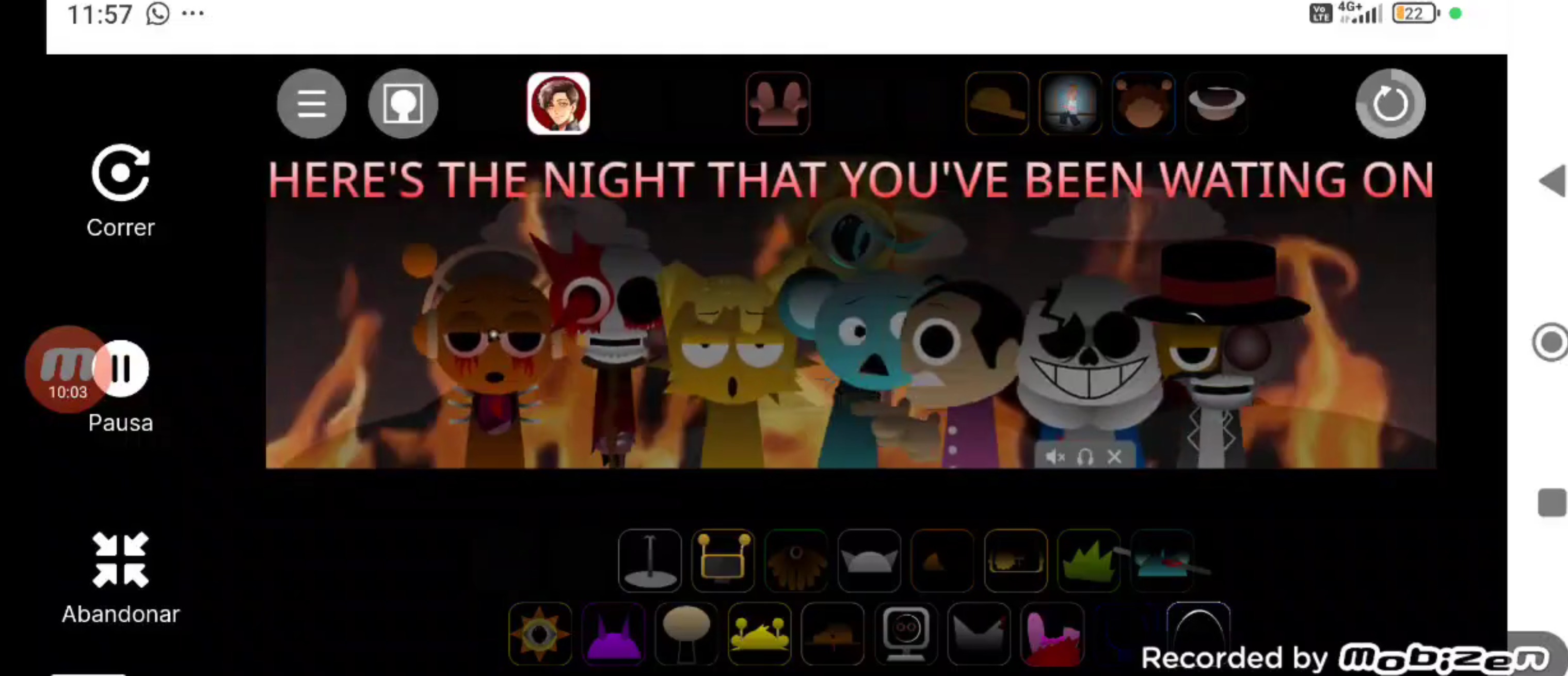
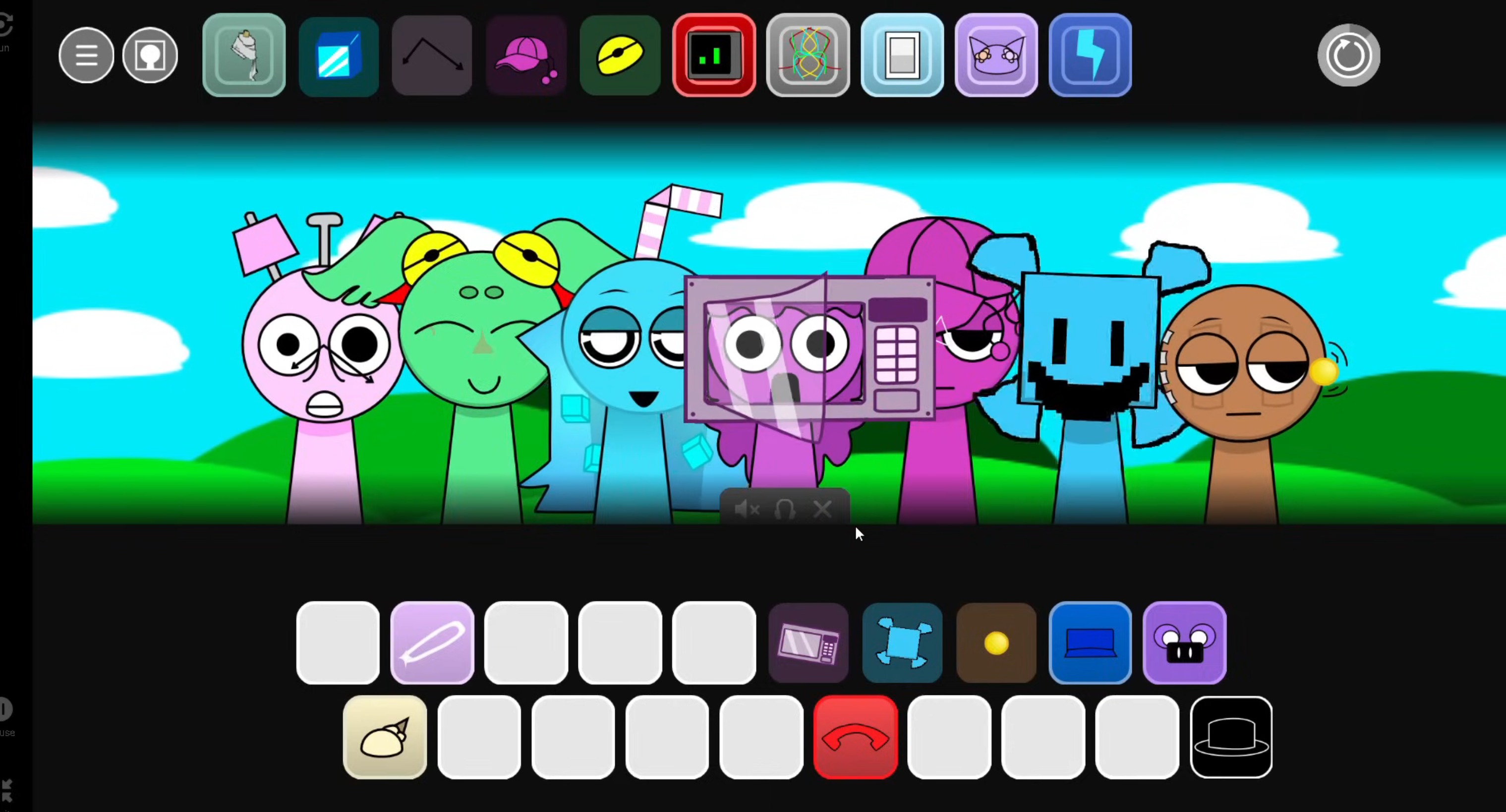
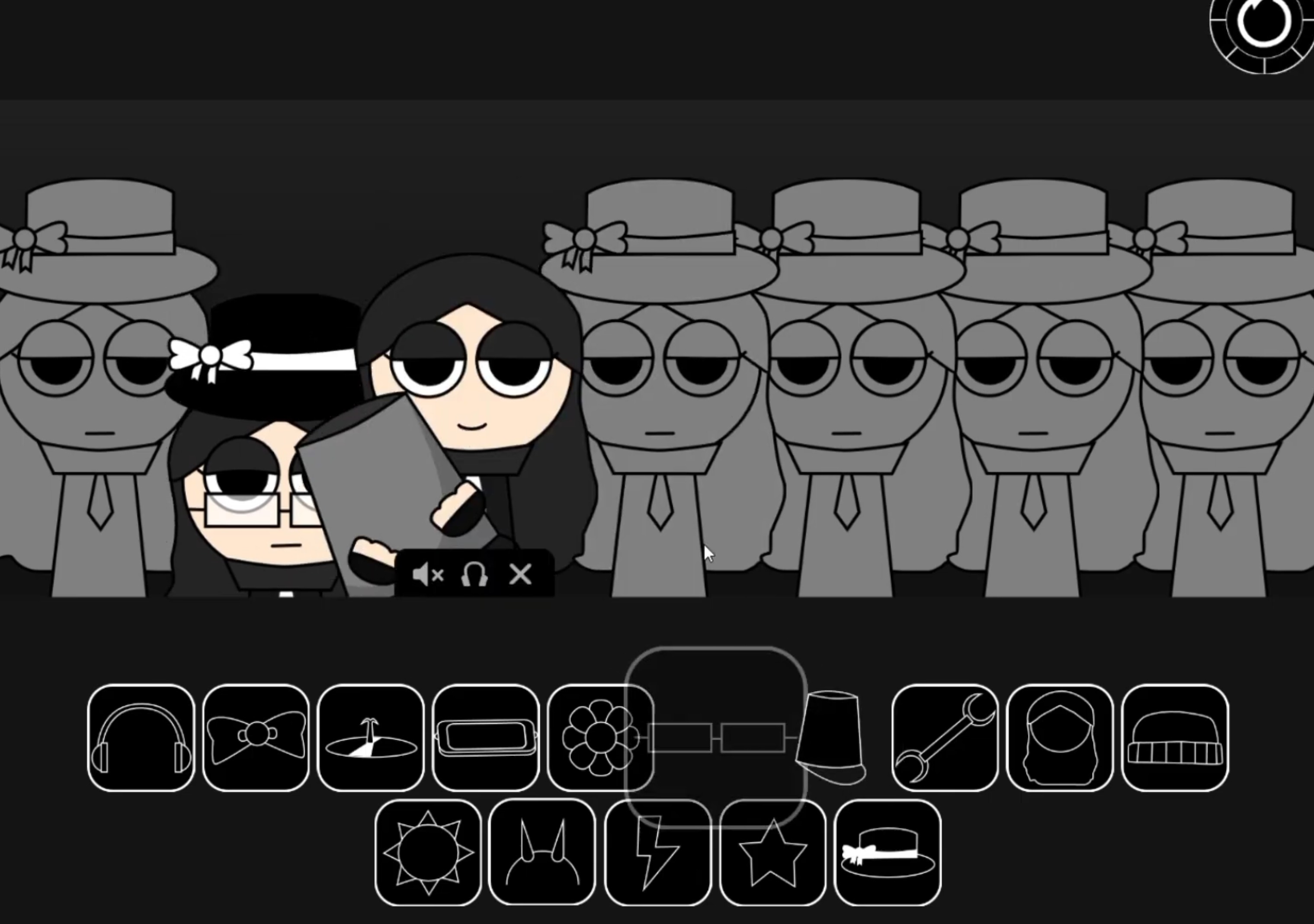
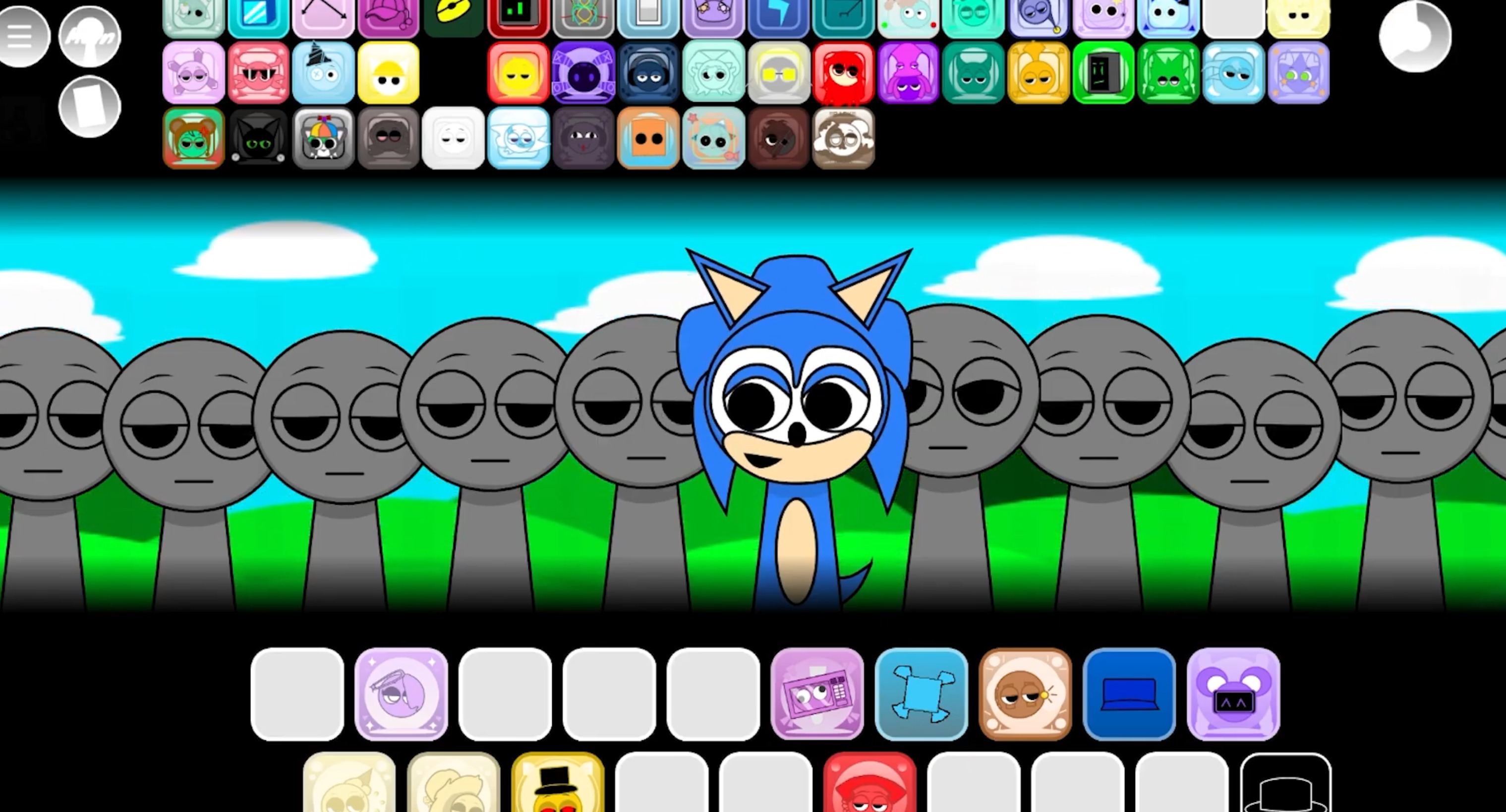
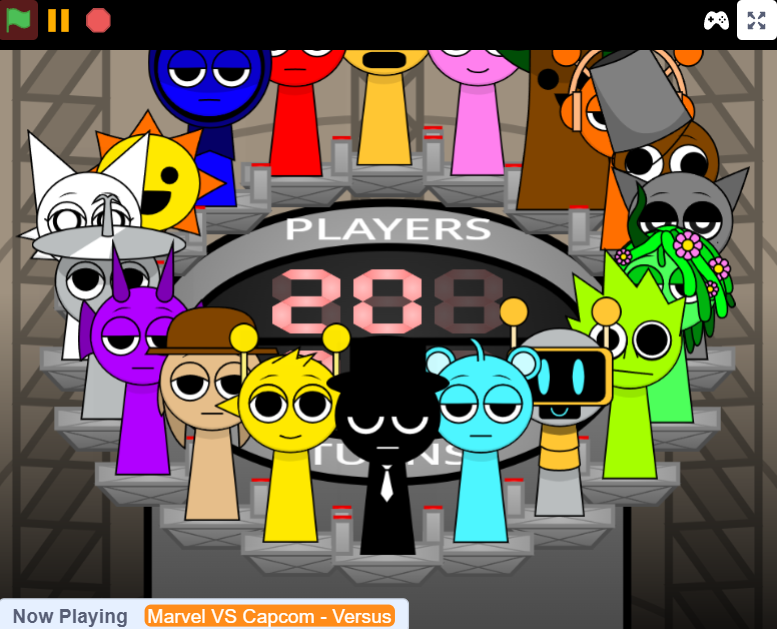
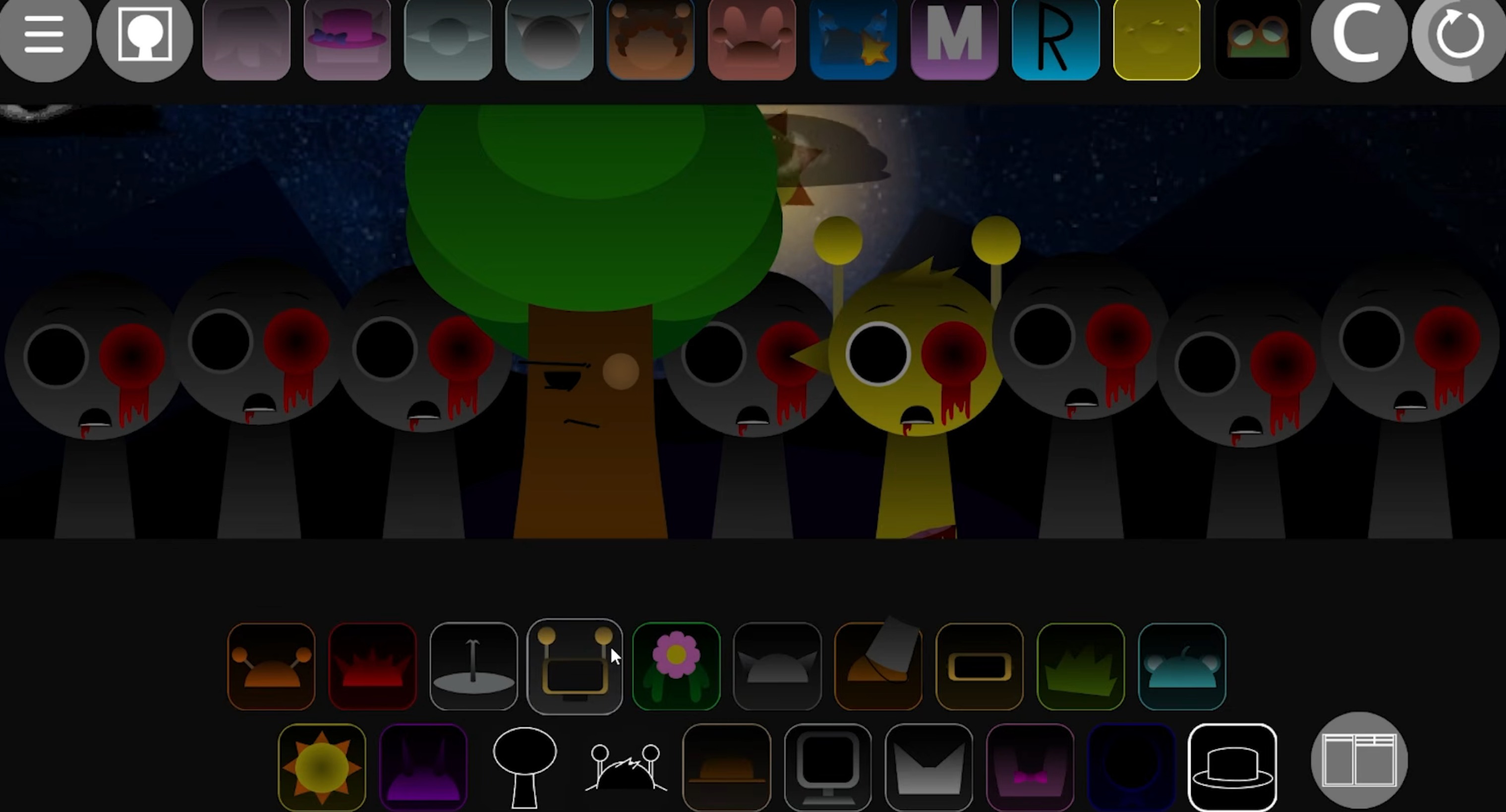
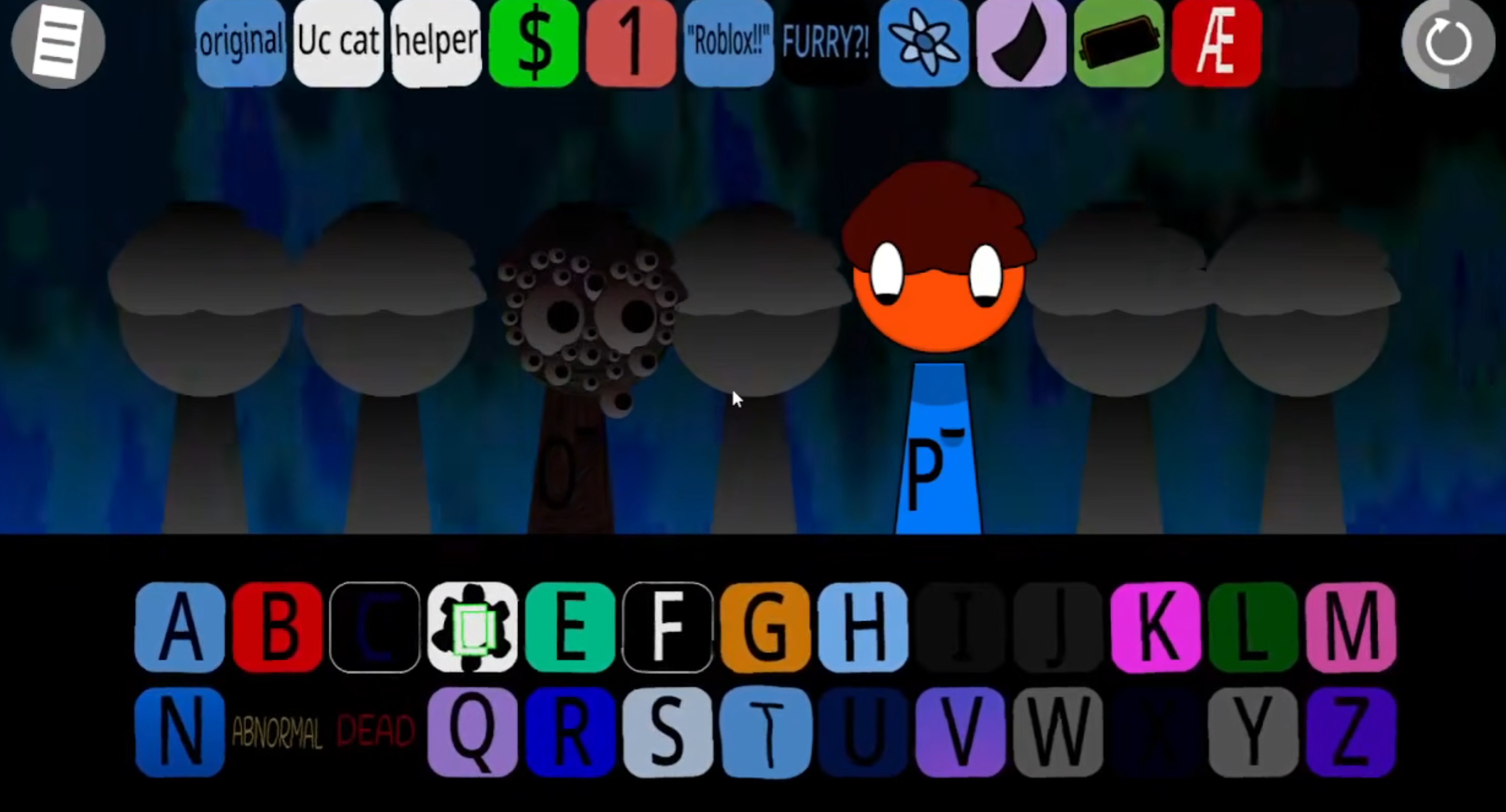
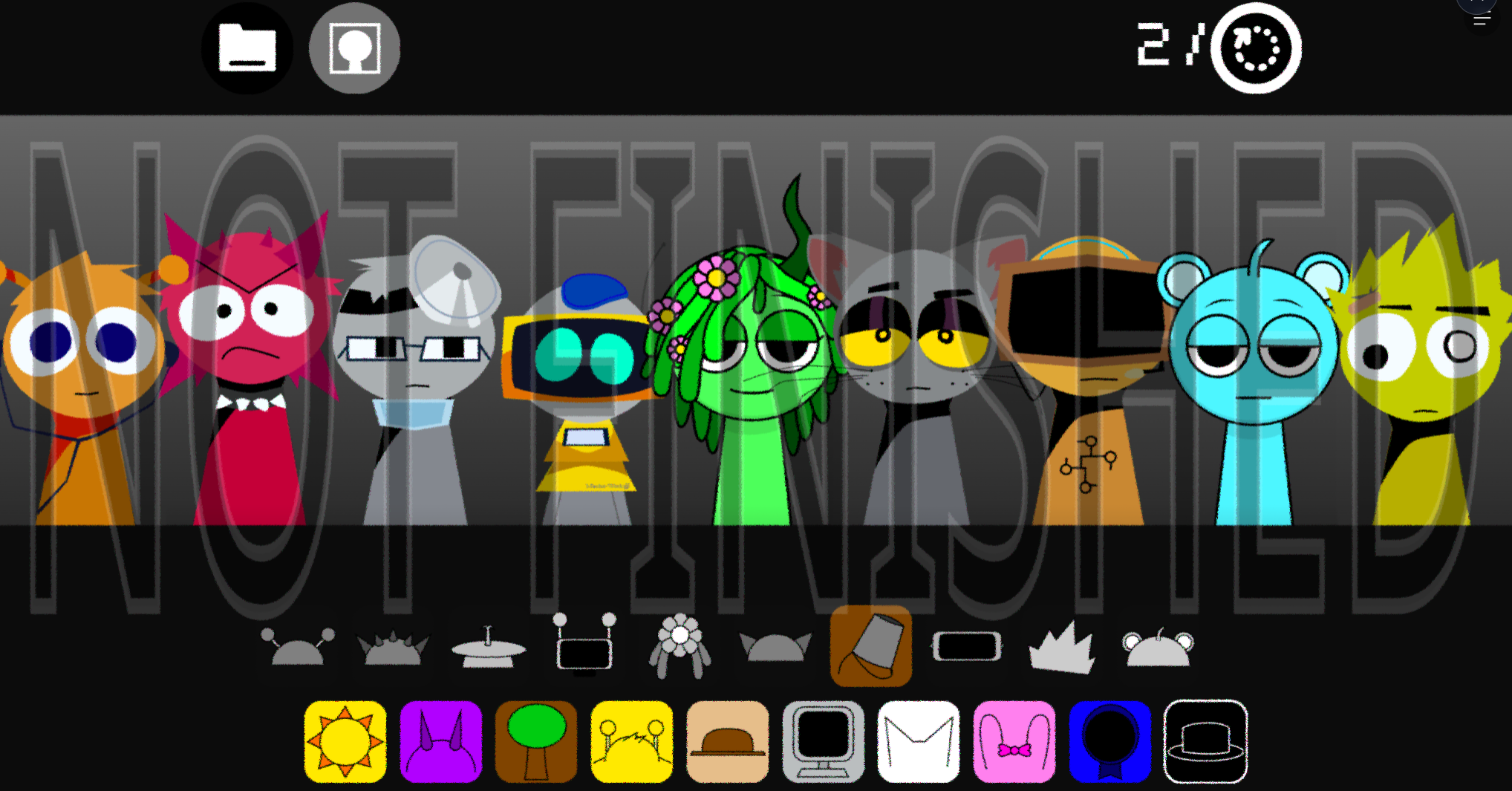
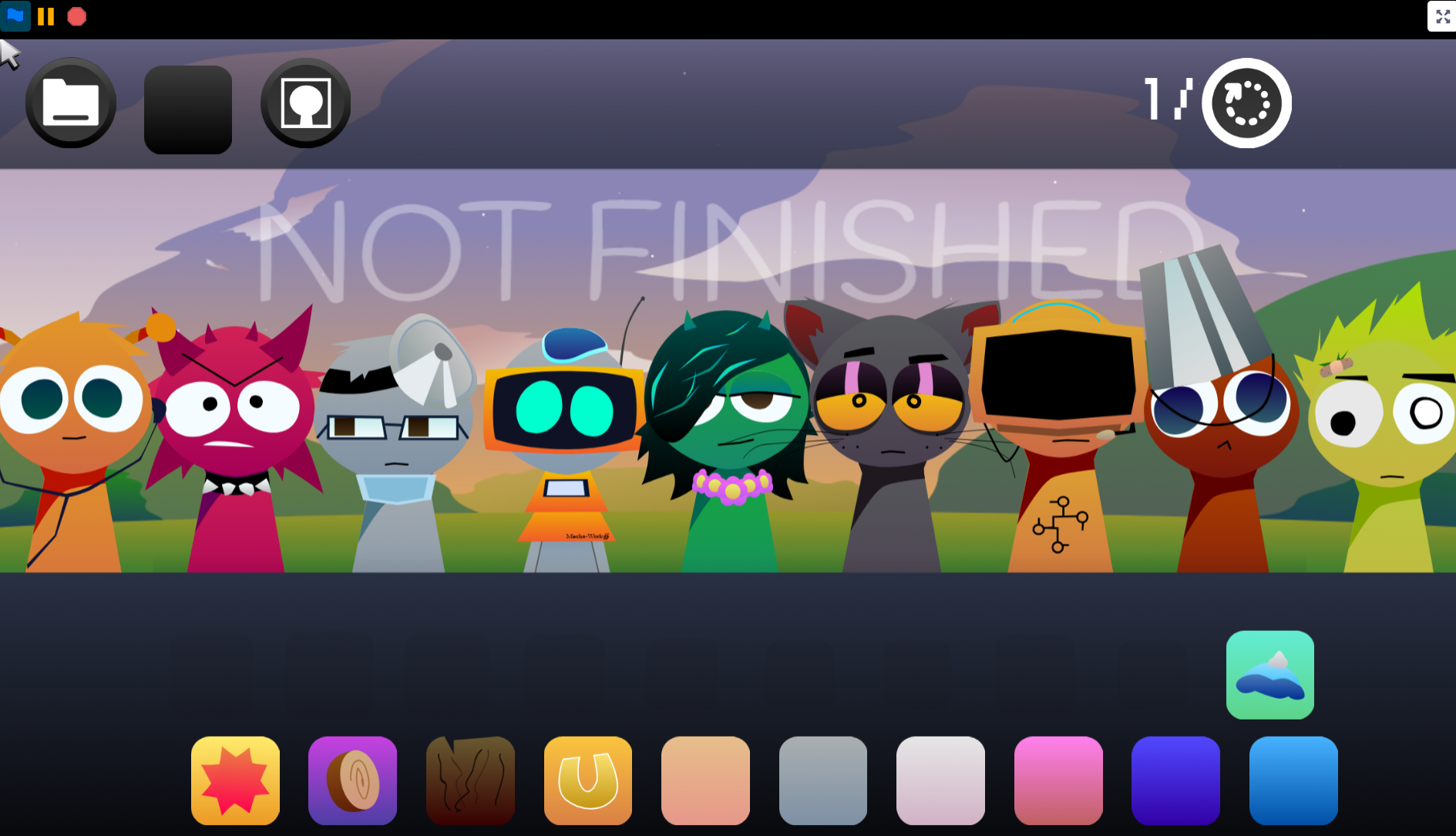
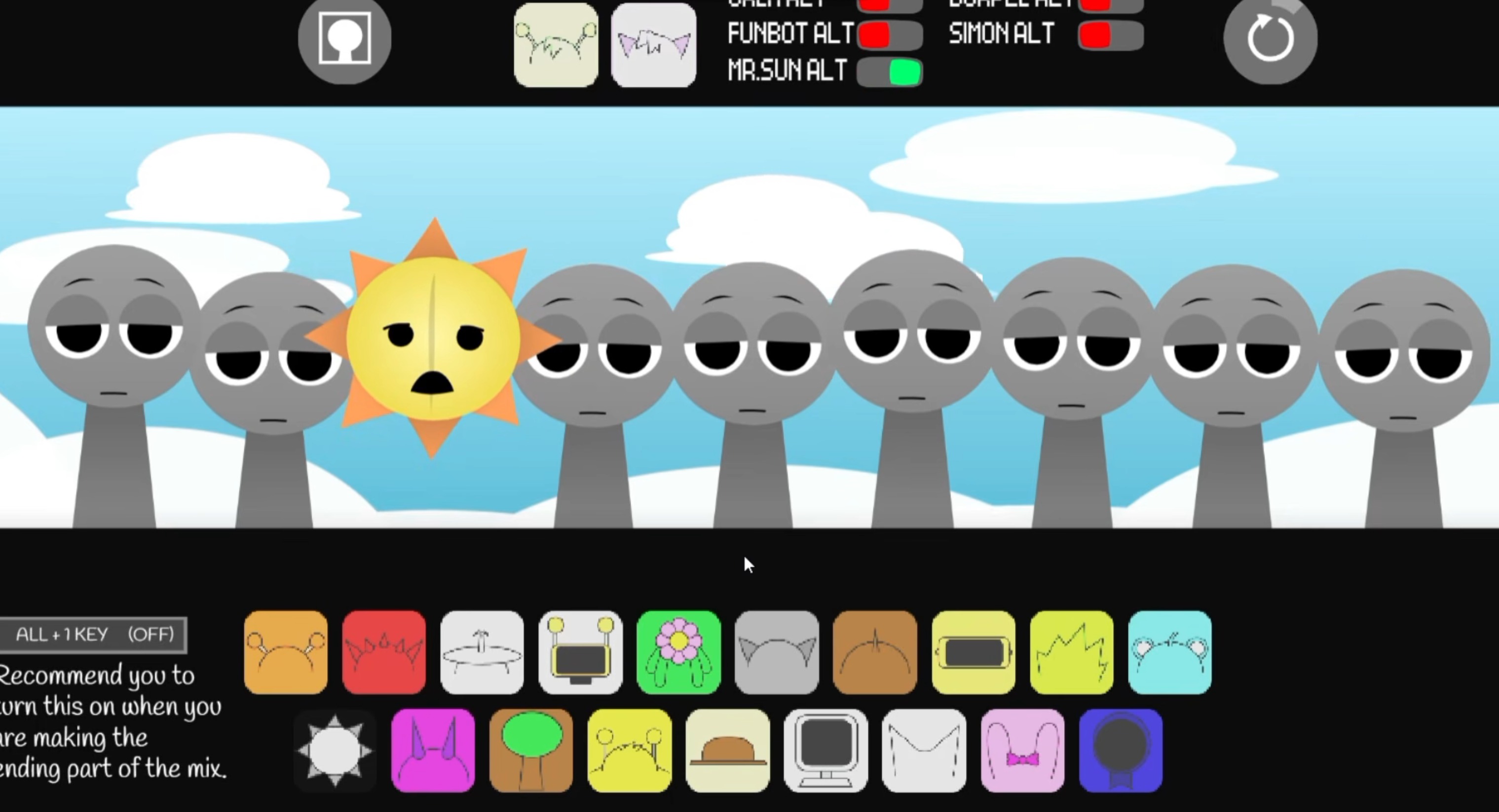
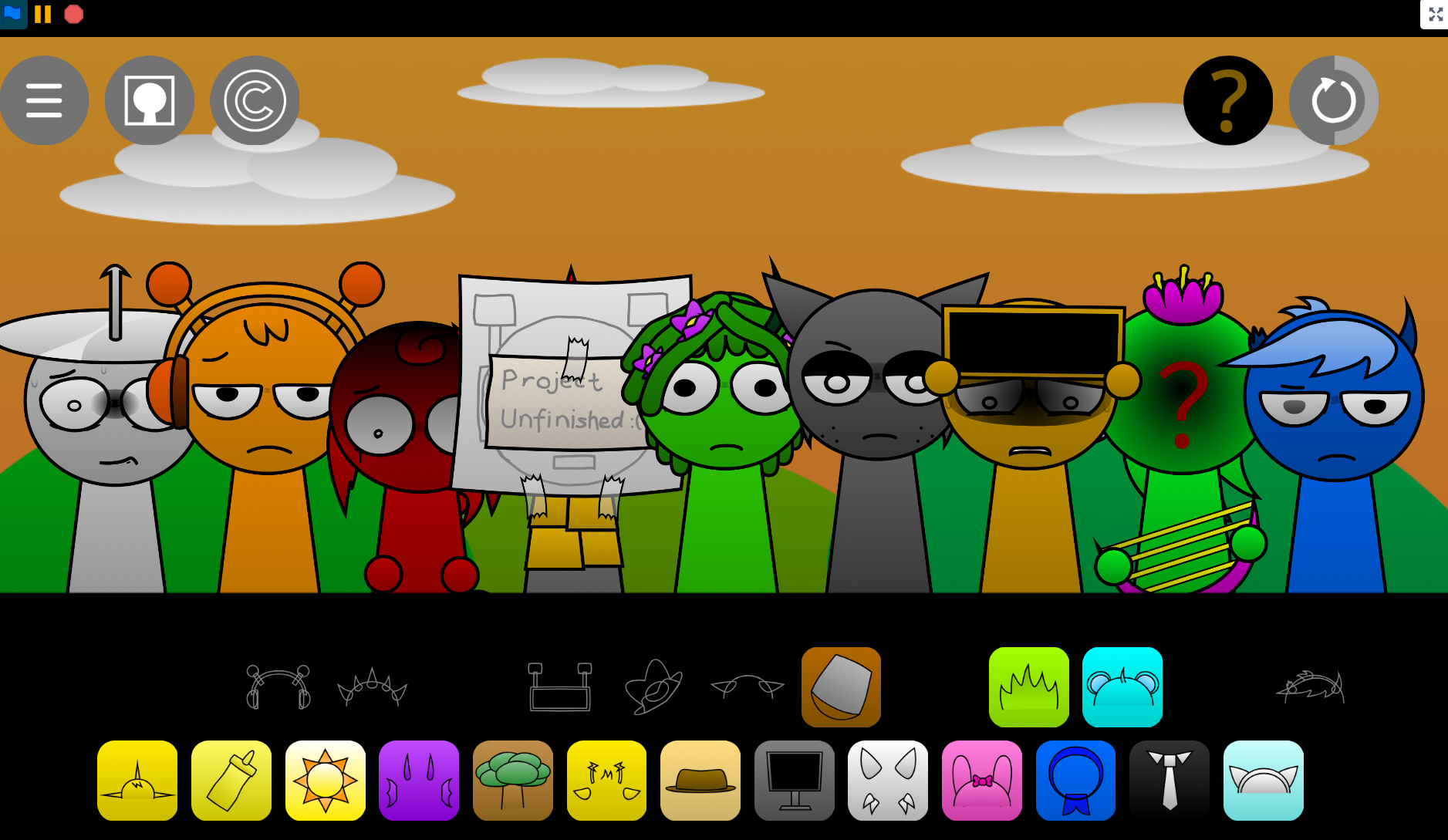
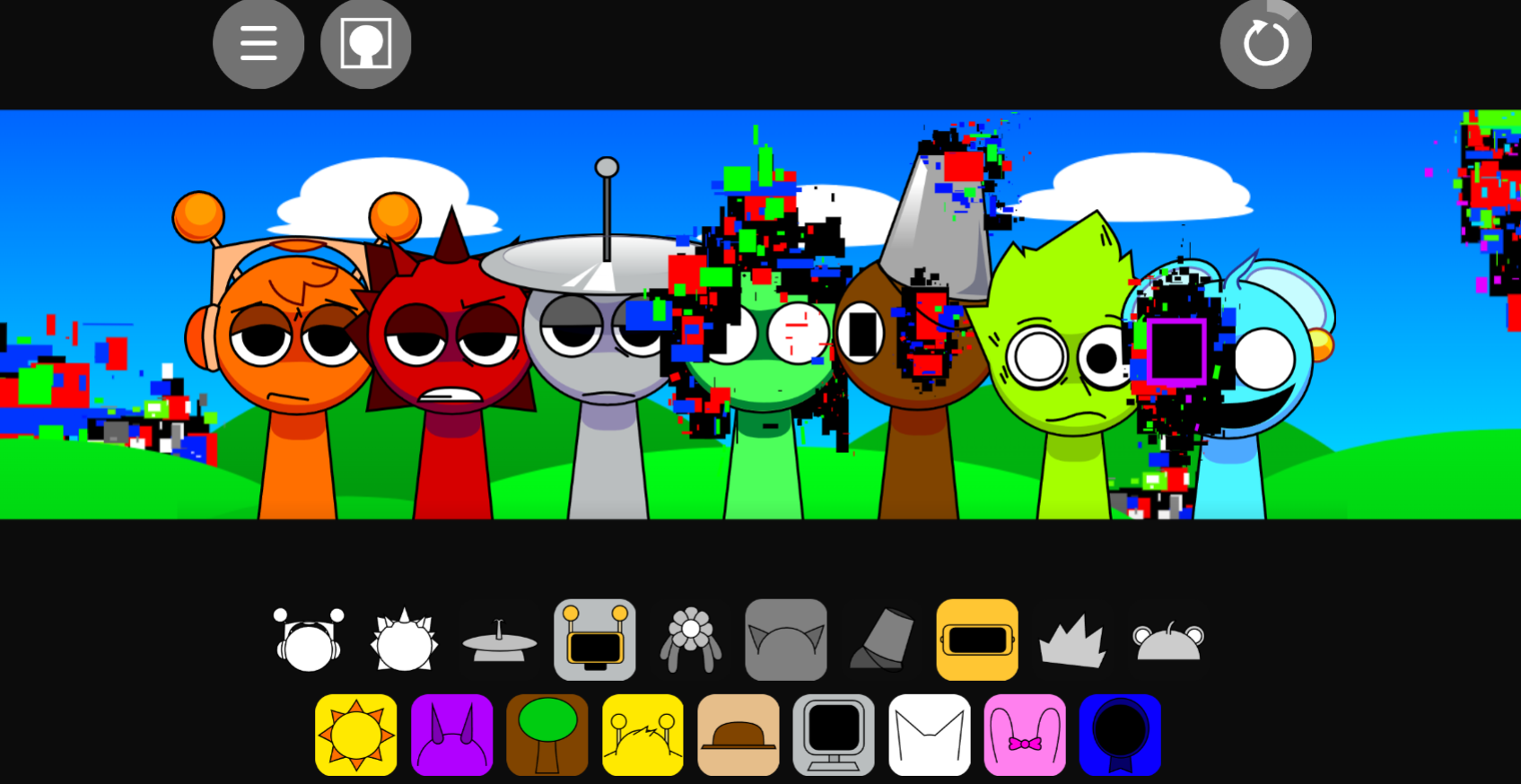
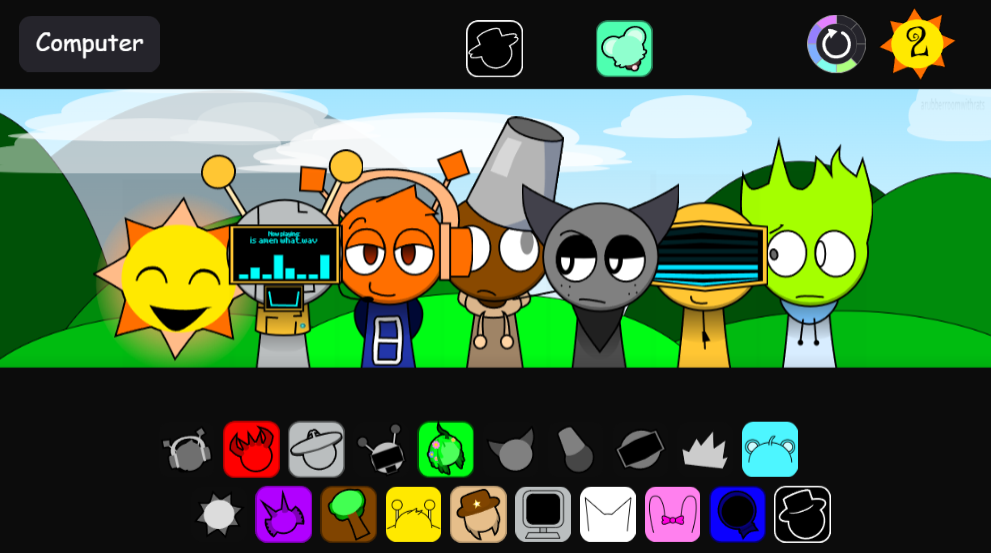
You begin with a lineup of blank, gray Sprunslat avatars. At the bottom of the screen, icons categorized into beats, effects, melodies, and angelic vocals wait to be dragged onto avatars. Each icon transforms the character into their specific angelic form and adds their unique sound to the track.
The Serene Soundscape
In normal mode, the audio design is breathtaking. You mix soothing harp plucks, deep acoustic basslines, rhythmic chiming bells, and echoing choral vocals. The goal is to build a harmonious, relaxing symphony that fits the bright, cloud-filled background.
The Horror Mode Switch
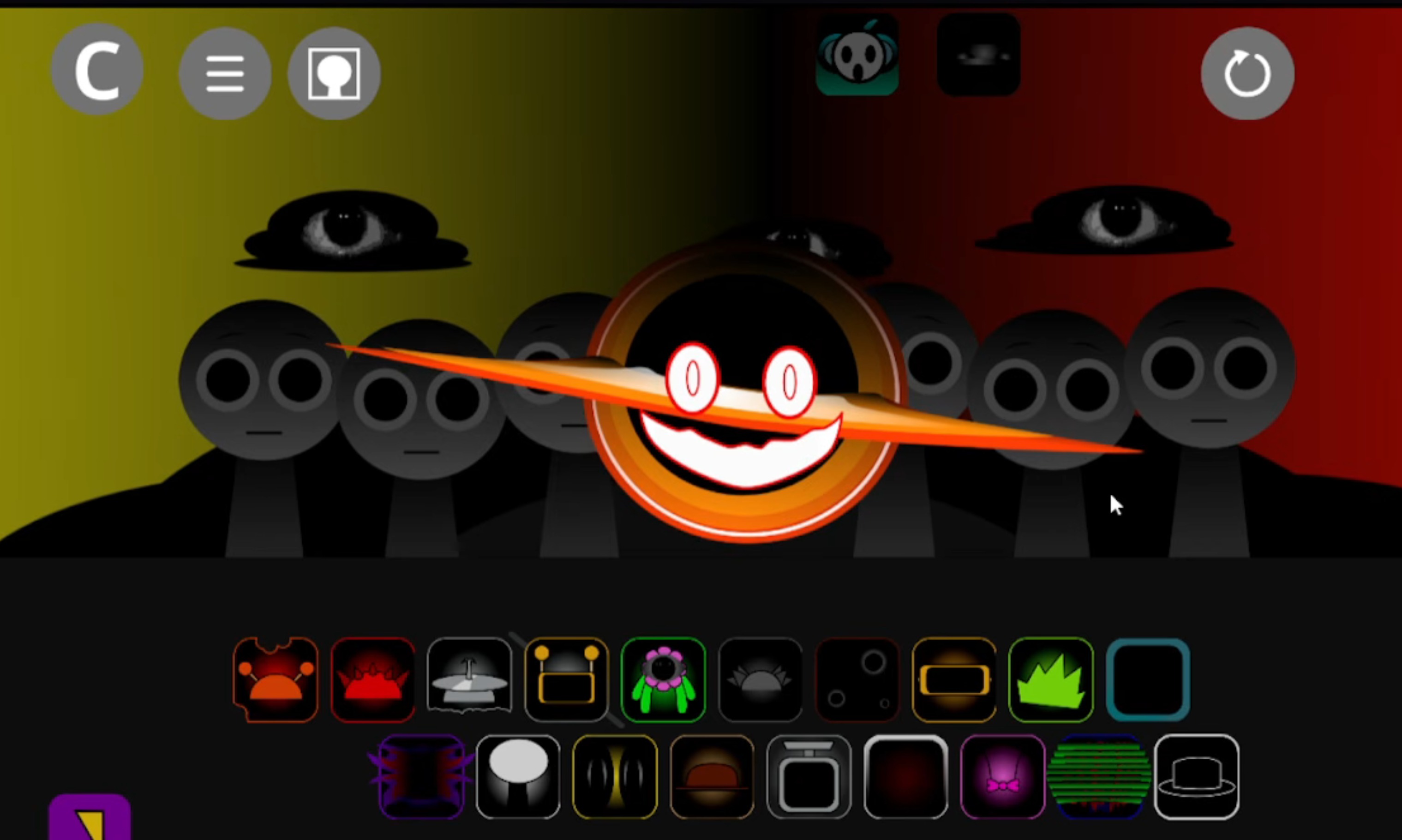
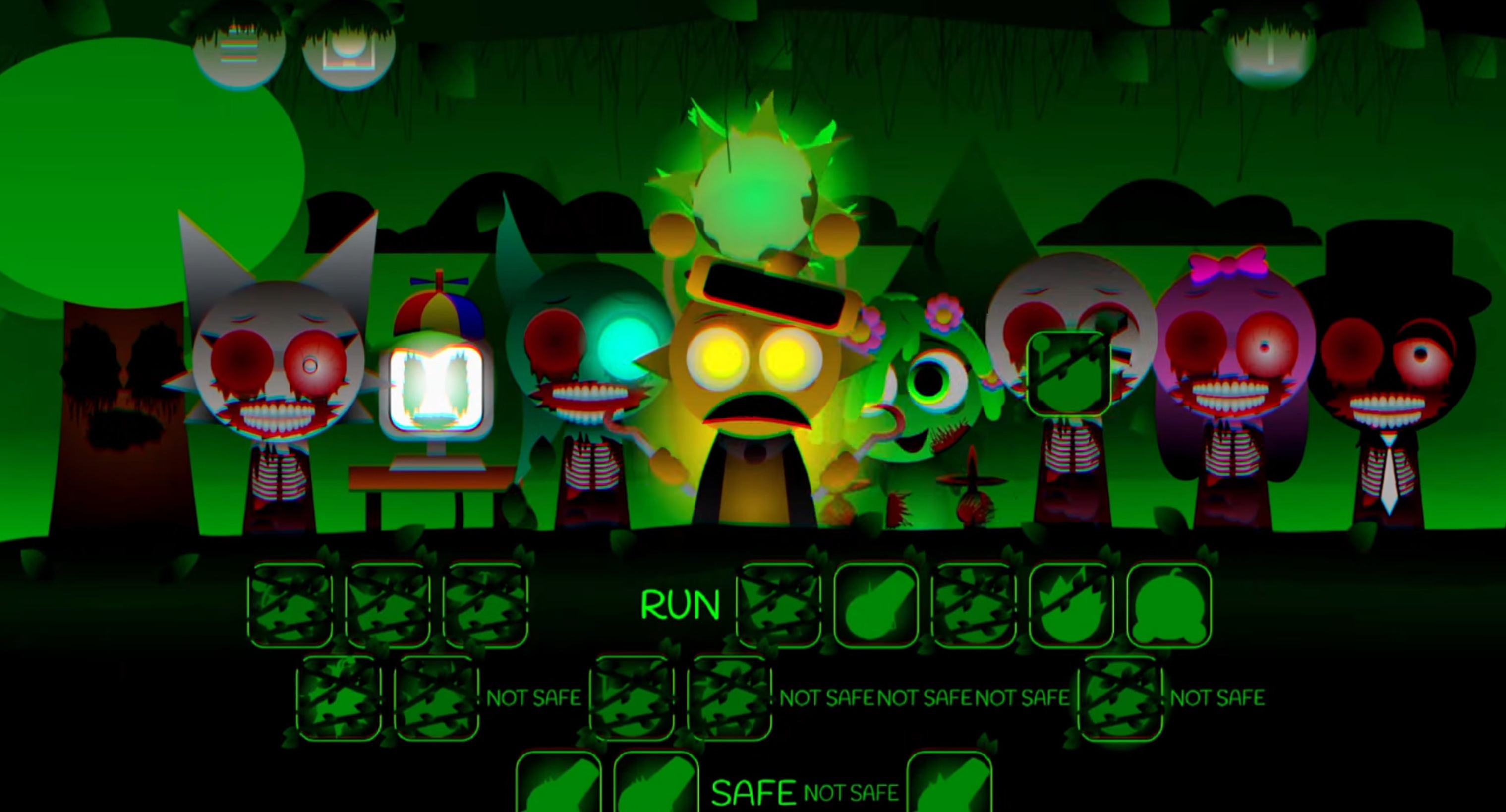
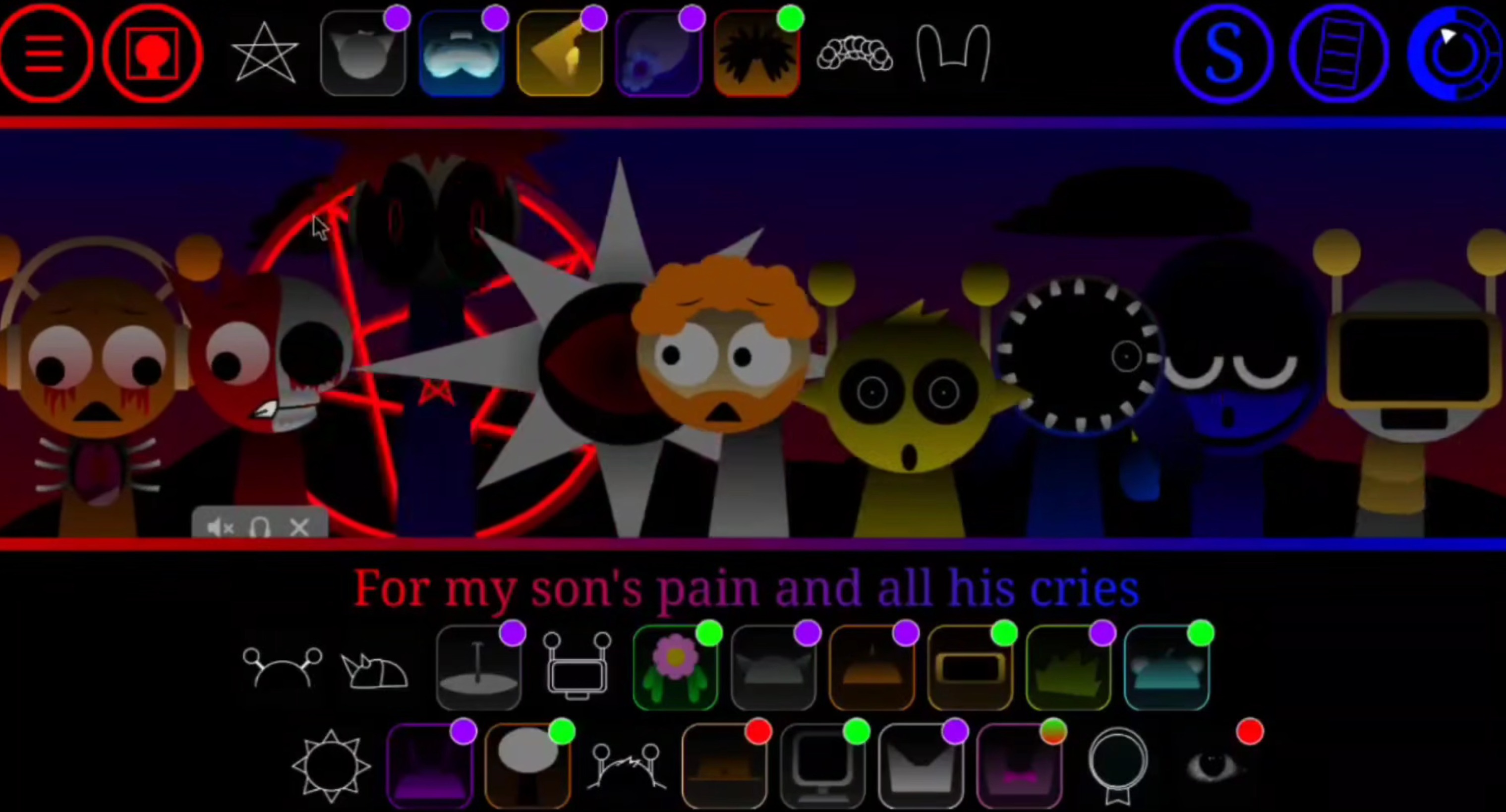
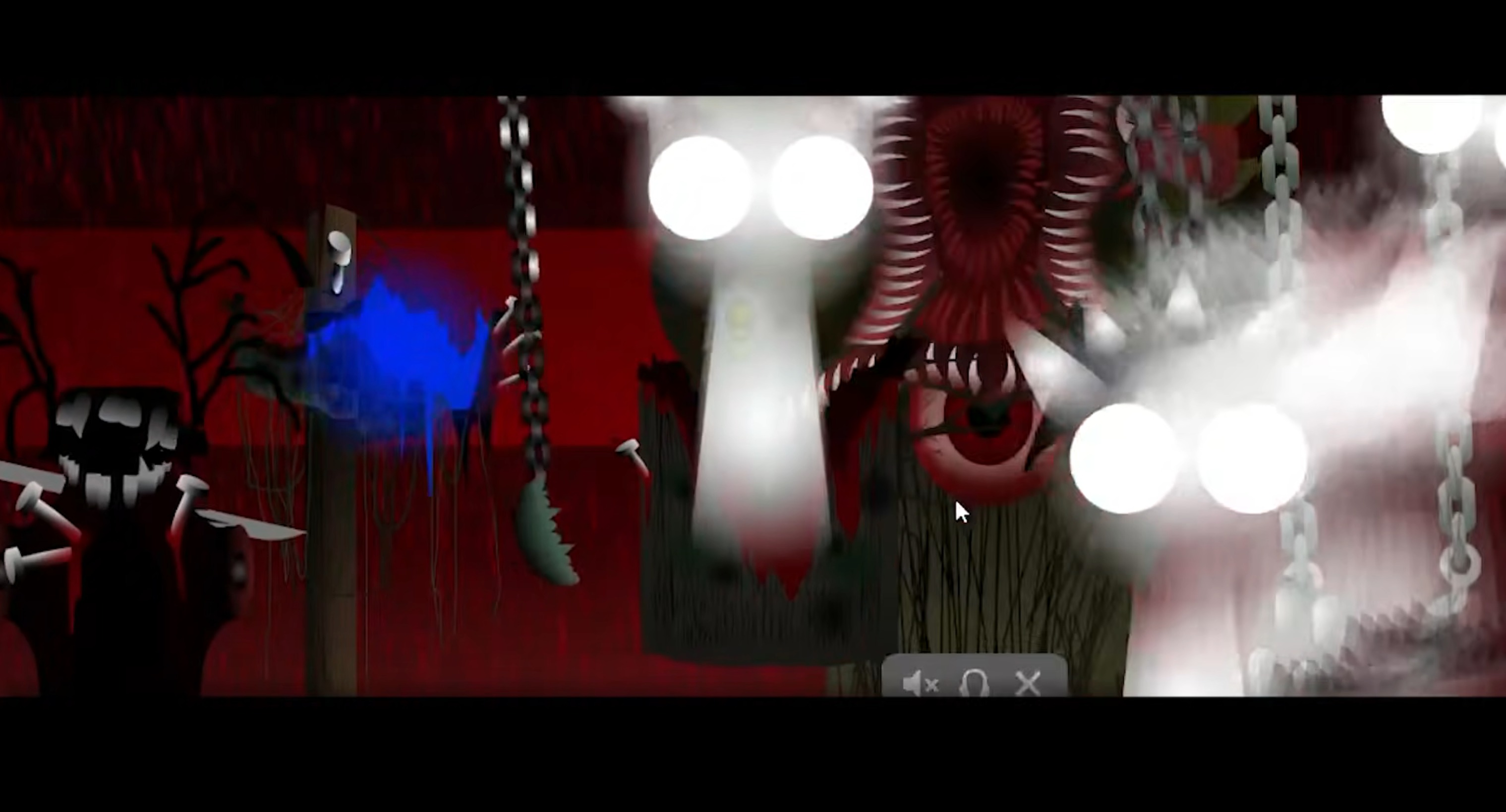
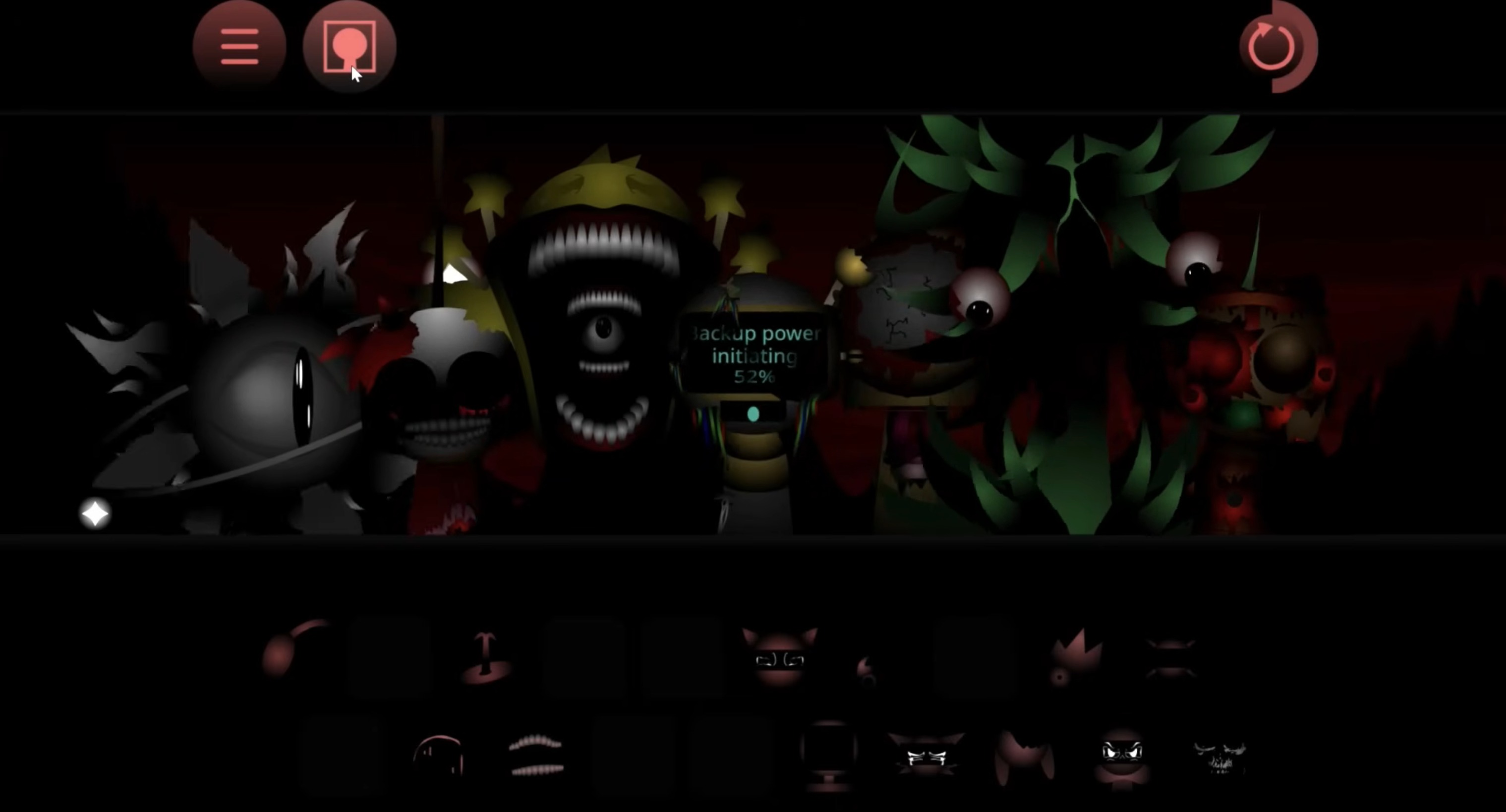
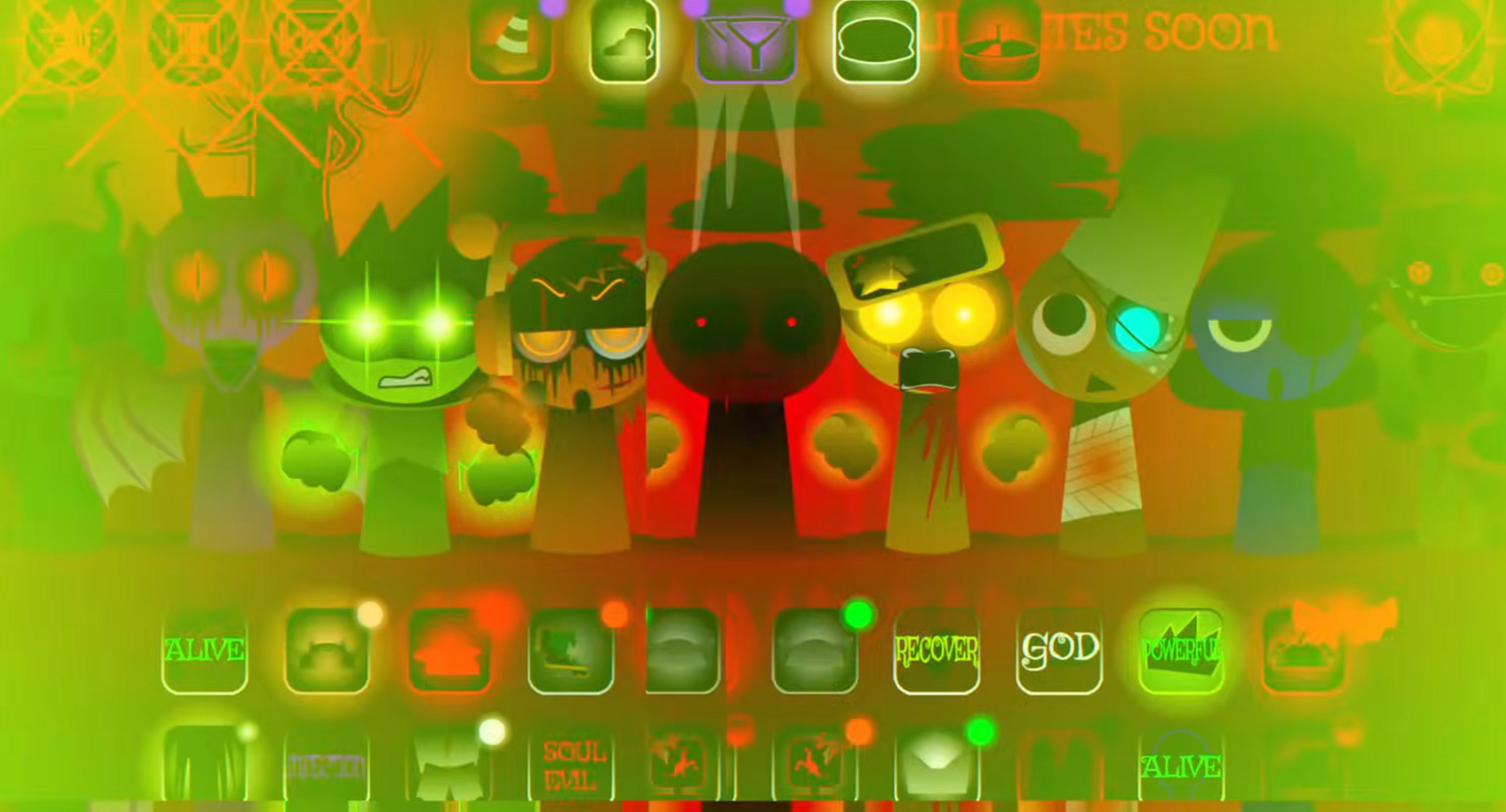
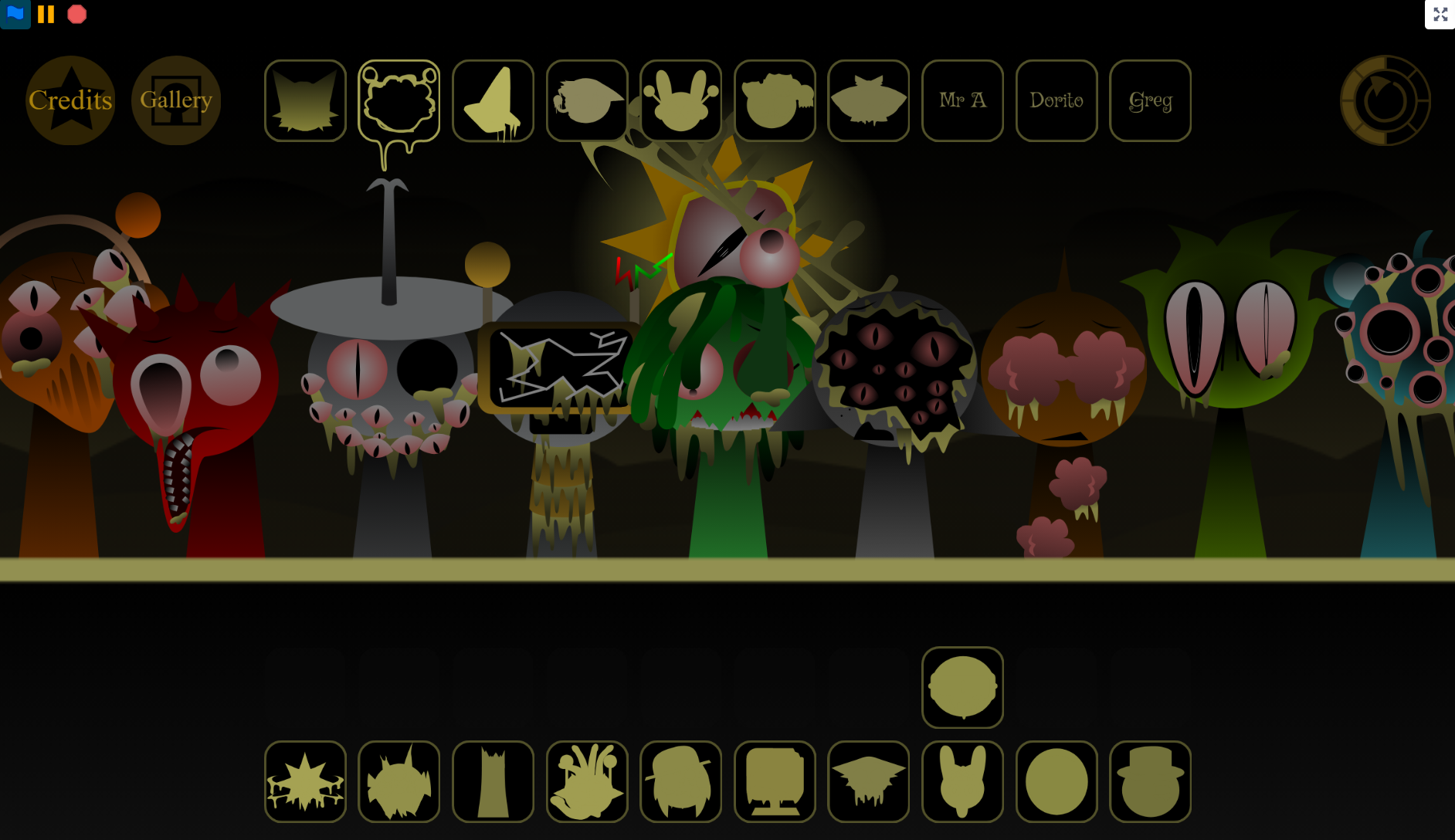
By performing a specific action—usually dragging a cursed black icon onto a character or pressing a dedicated toggle key—the entire game flips. The sunny sky turns into a static-filled, bloody red or pitch-black backdrop. The music warps instantly: harps become distorted, screeching synths, and angelic choirs turn into agonizing screams. The visual transition of the chibi characters into mutilated monsters is both heartbreaking and visually spectacular.
Tips for the Best Mix
To get the most out of Sprunslat Phase 3: The Angels of Heaven, follow these strategies:
- Build the Heavens First: Do not rush into horror mode. Take your time to build a full, 7-character celestial mix. The creator put effort into the angelic choir sounds, and experiencing the pure track makes the eventual horror drop more impactful.
- Master the Transition: The best mixes online flip to dark mode right at the beat drop. Time your activation of the horror switch with the end of a musical measure for maximum cinematic effect.
- Explore Isolated Vocals: In horror mode, the tracks become chaotic and loud. Try muting all characters except one or two. Listening to the isolated, distorted vocals reveals hidden, crepy audio details that you can’t hear in the full mix.
- Use High-Quality Headphones: The transition from clean, spatial audio to corrupted, distorted layers is designed to be experienced in stereo. Headphones reveal the full depth of the soundscape shift.
Related Games
- Sprunki Phase 3 The Angels of Heaven — This is the closest follow-up for exploring the same Phase 3 angelic-corruption premise, including the heavenly visuals, horror switch, and tragic character transformations.
- Fusion Horror Sprunki — Its emphasis on corrupted sound design and mascot-horror transformations makes it a strong companion for readers interested in the darker side of Sprunslat’s “cute-to-nightmare” lore.
- Sprunki Skiyak Takes Phase 3 — This works as an alternate Phase 3 branch for players who want another timeline-style interpretation of the infection, character shifts, and escalating Sprunki horror mythology.
What Matters Most in Sprunslat Phase 3 The Angels of Heaven Lore?
If you came here for answers, the clearest takeaway is how Sprunslat Phase 3 The Angels of Heaven ties The and Lore into one story thread instead of leaving them as disconnected horror clues.
Discuss Sprunki