
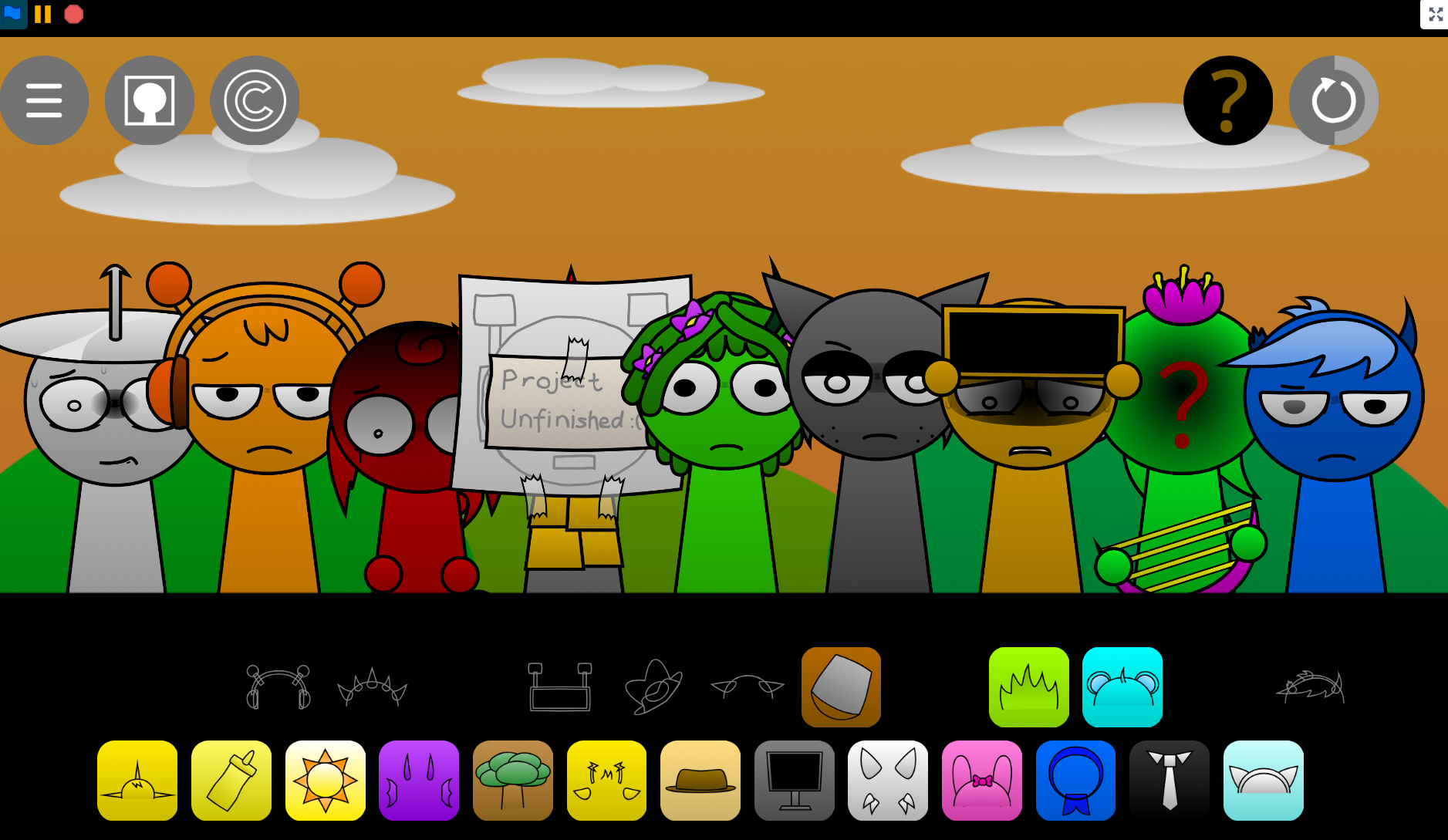

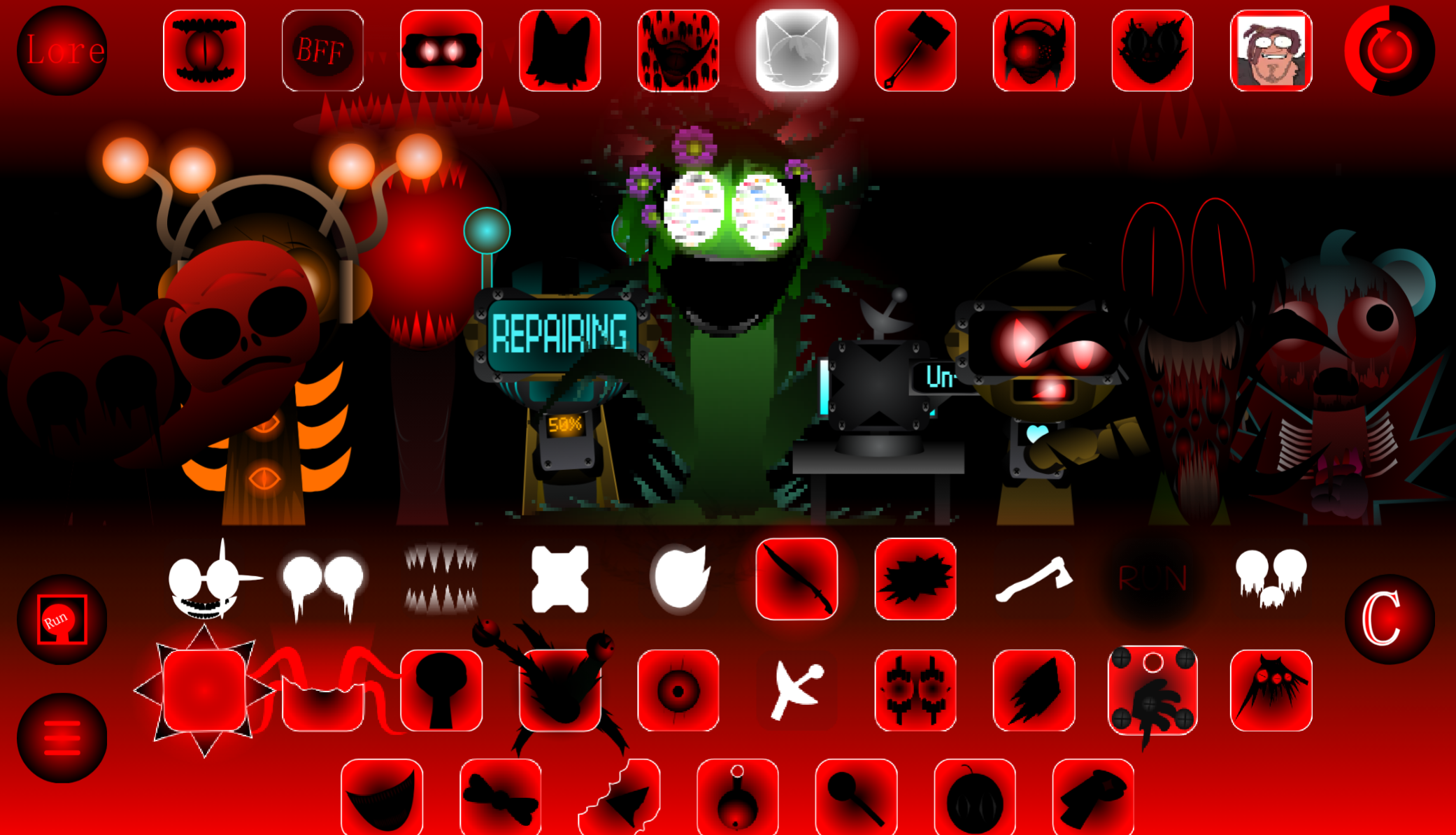
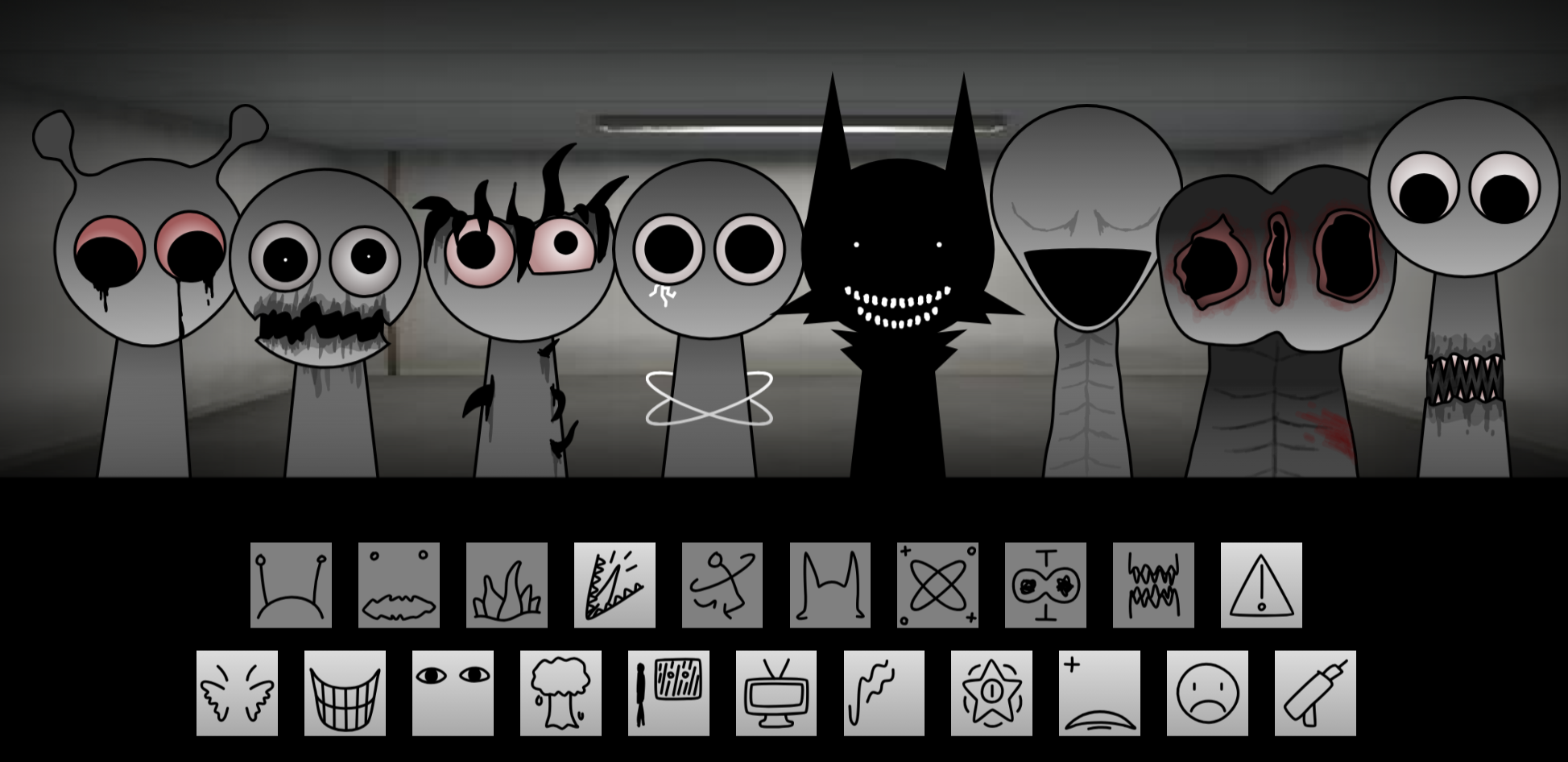
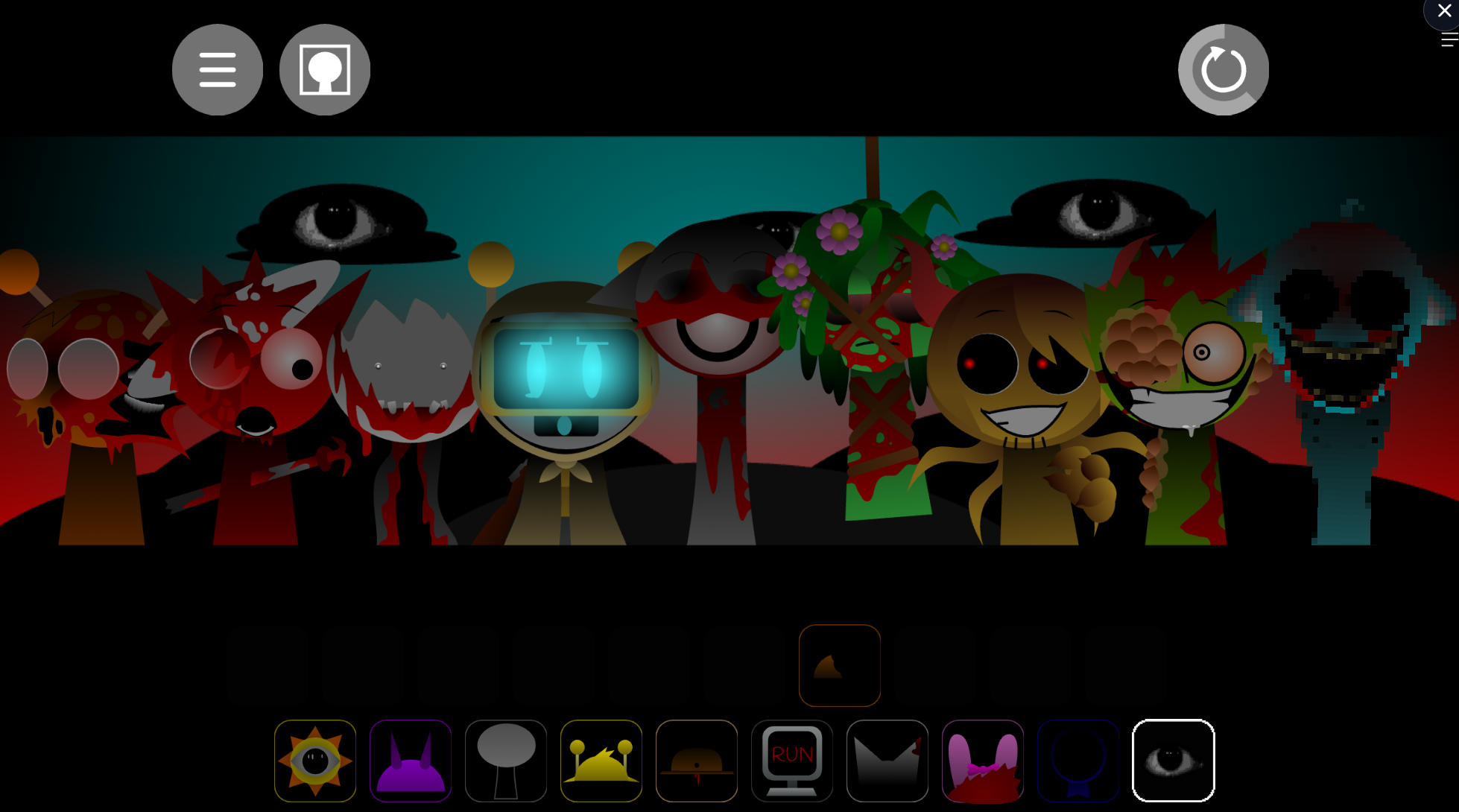
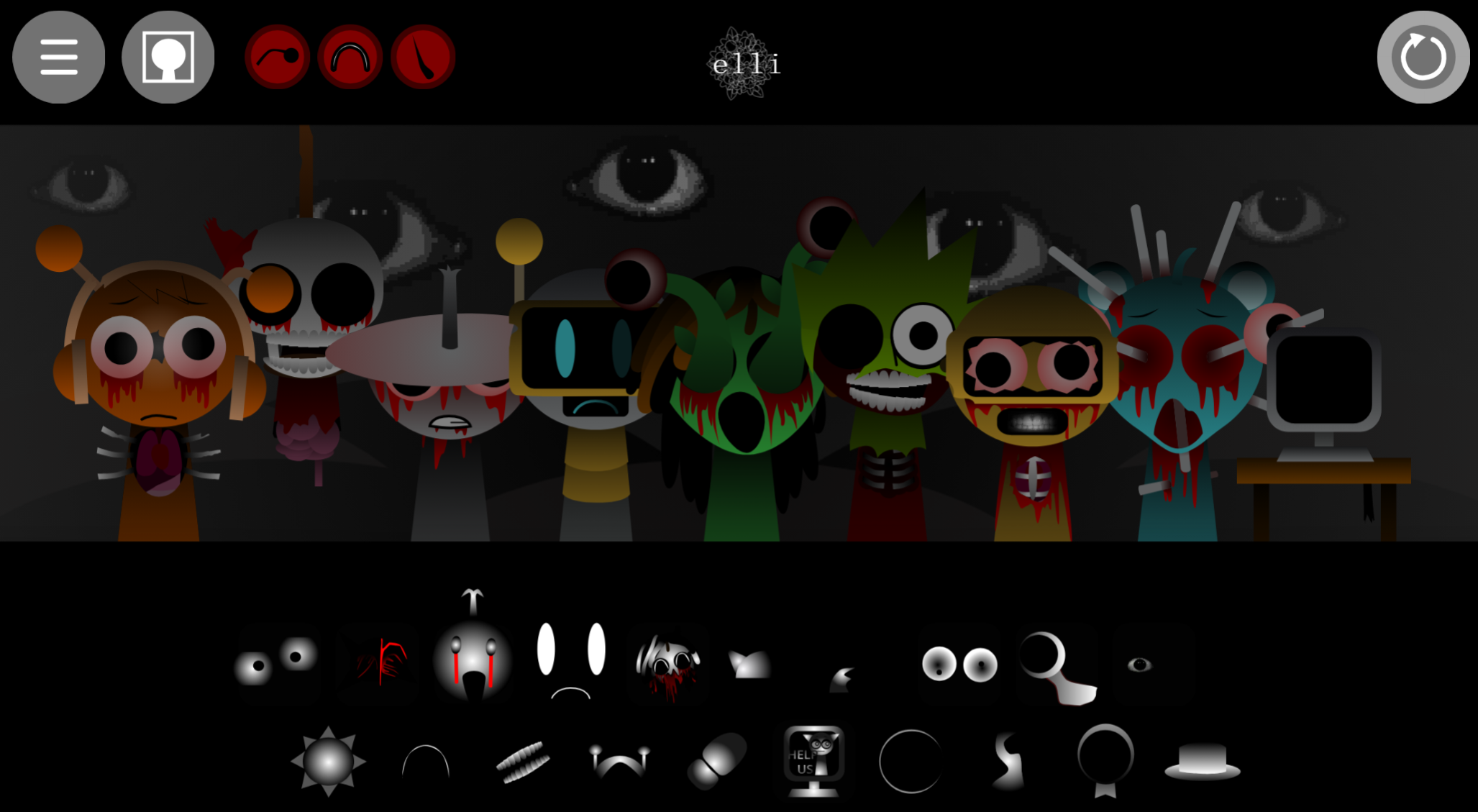
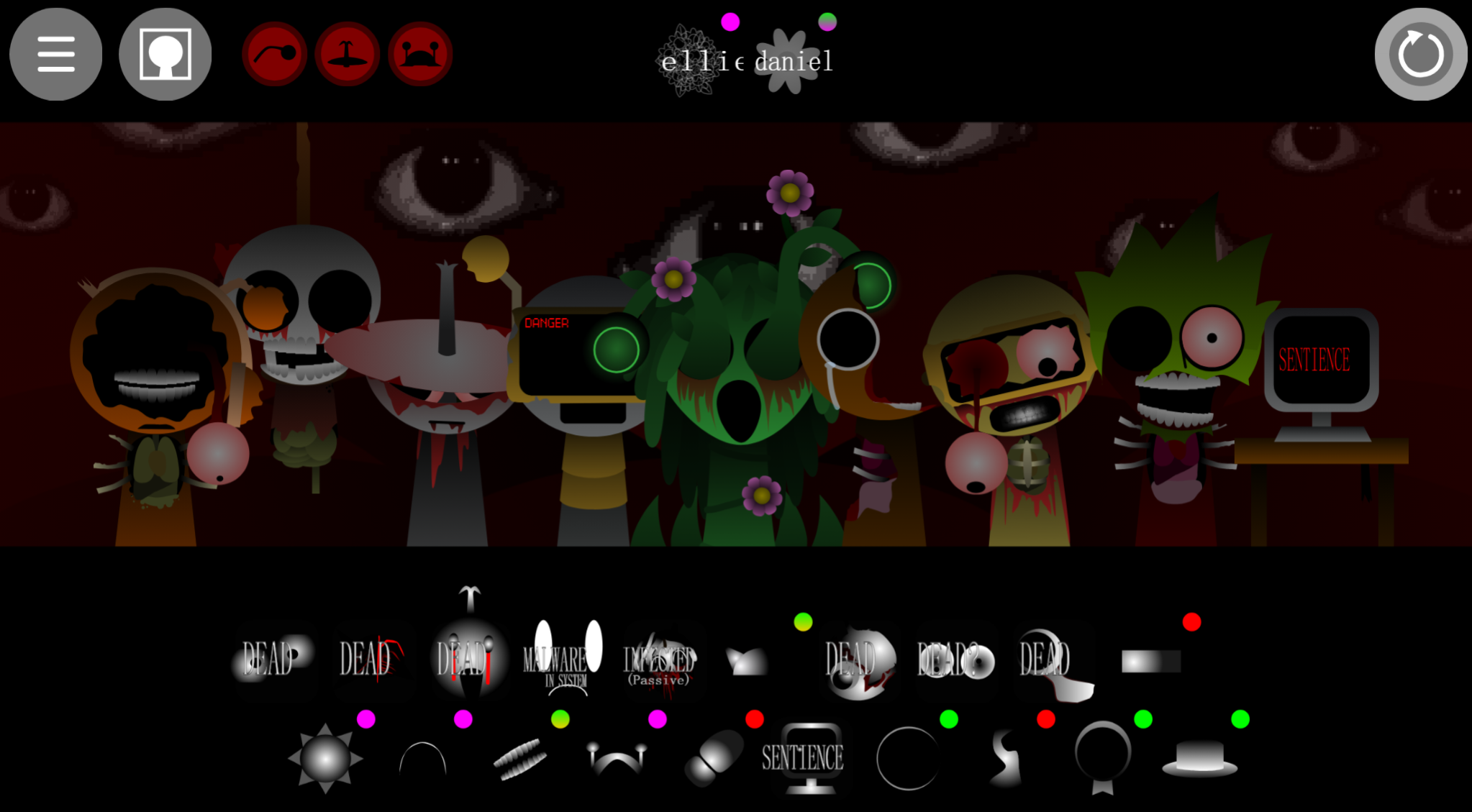
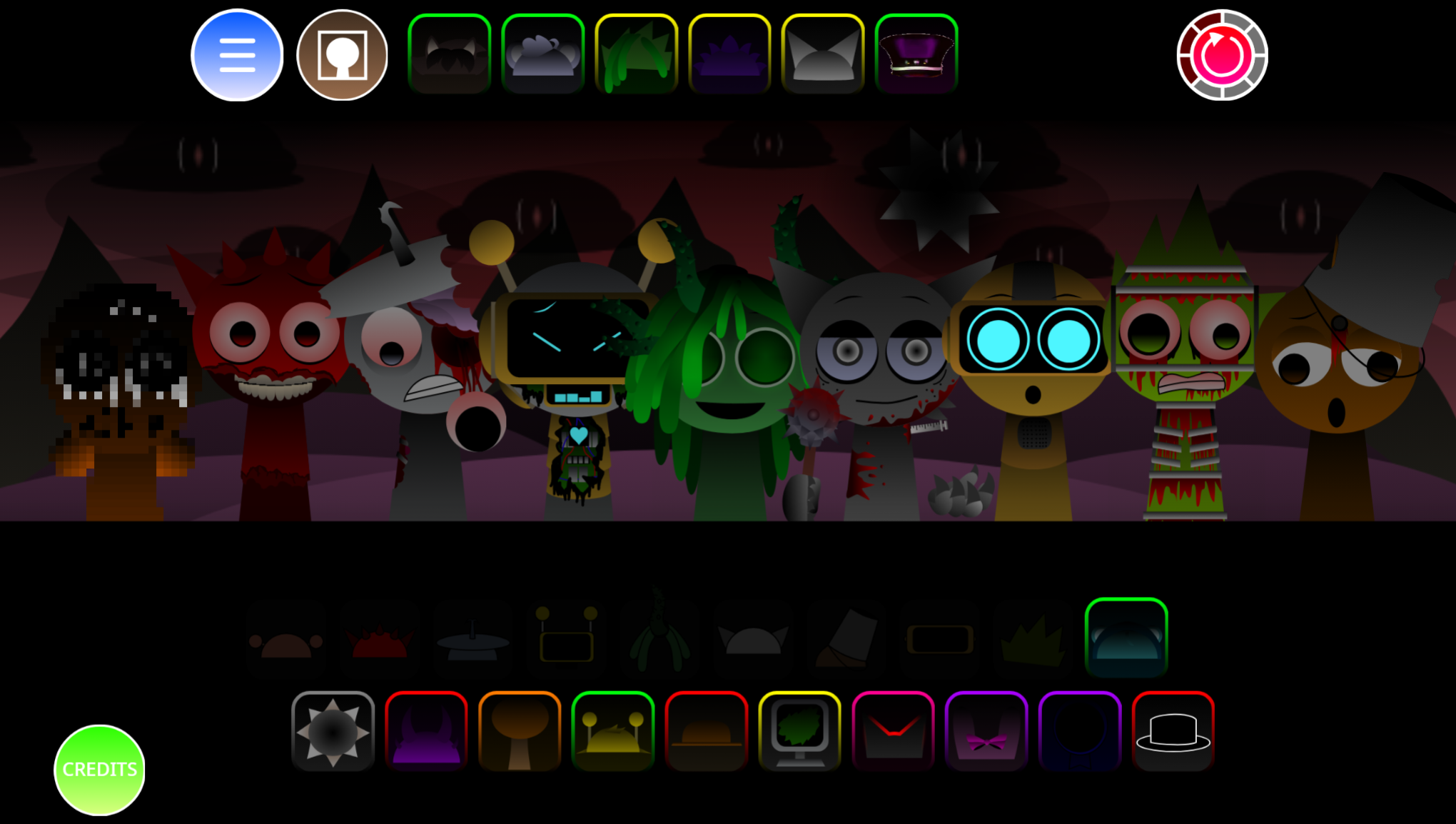
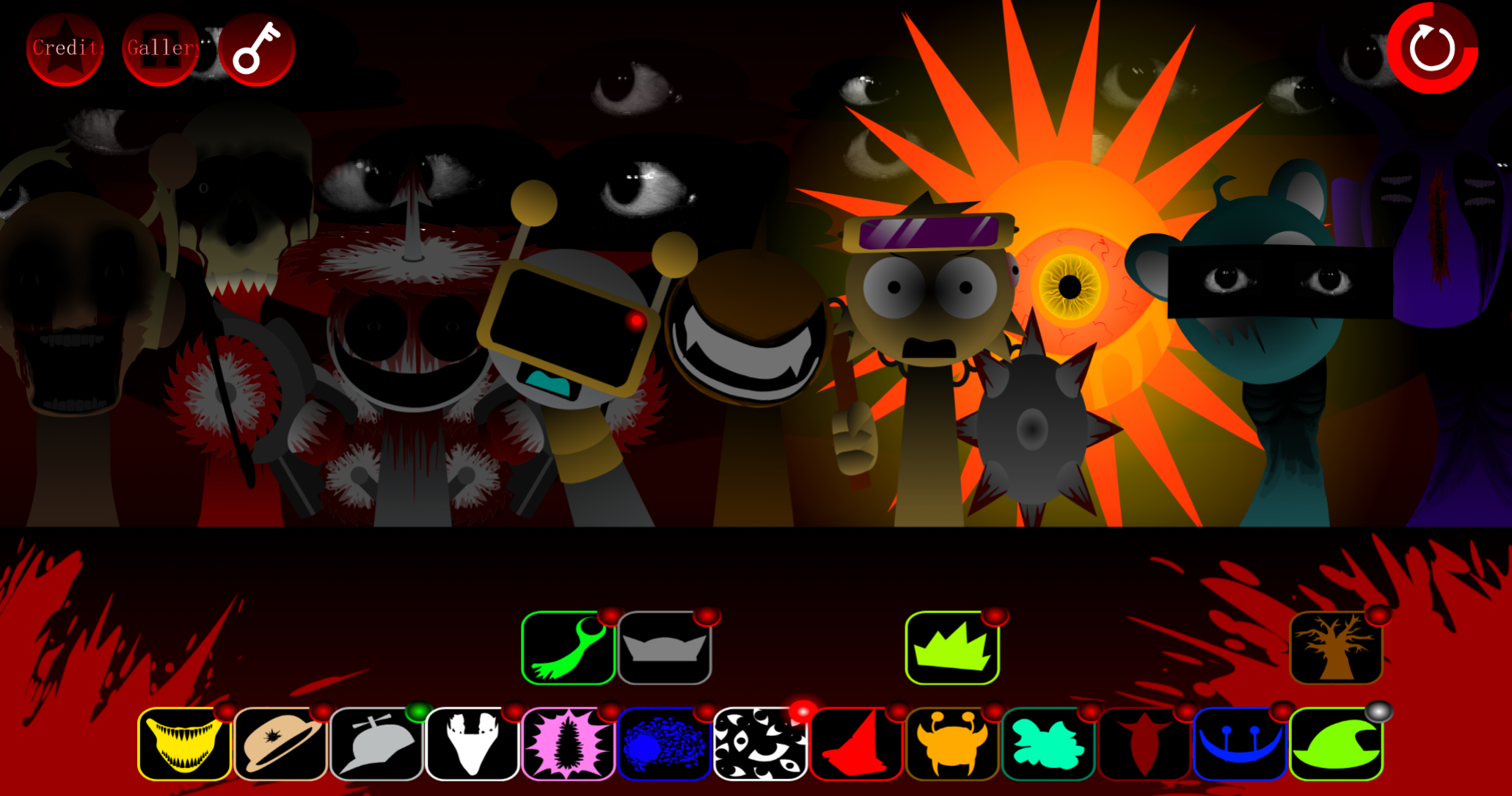
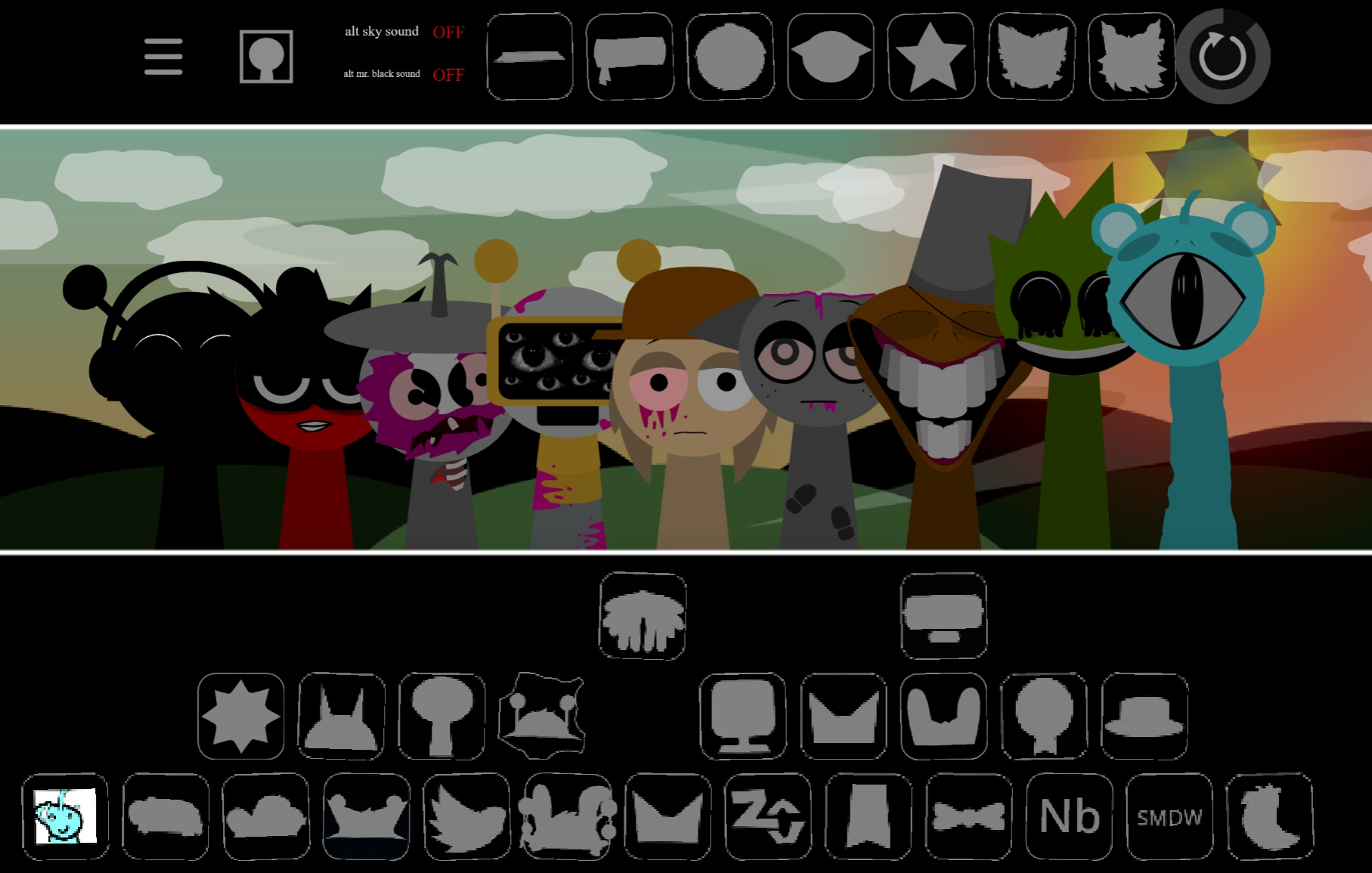
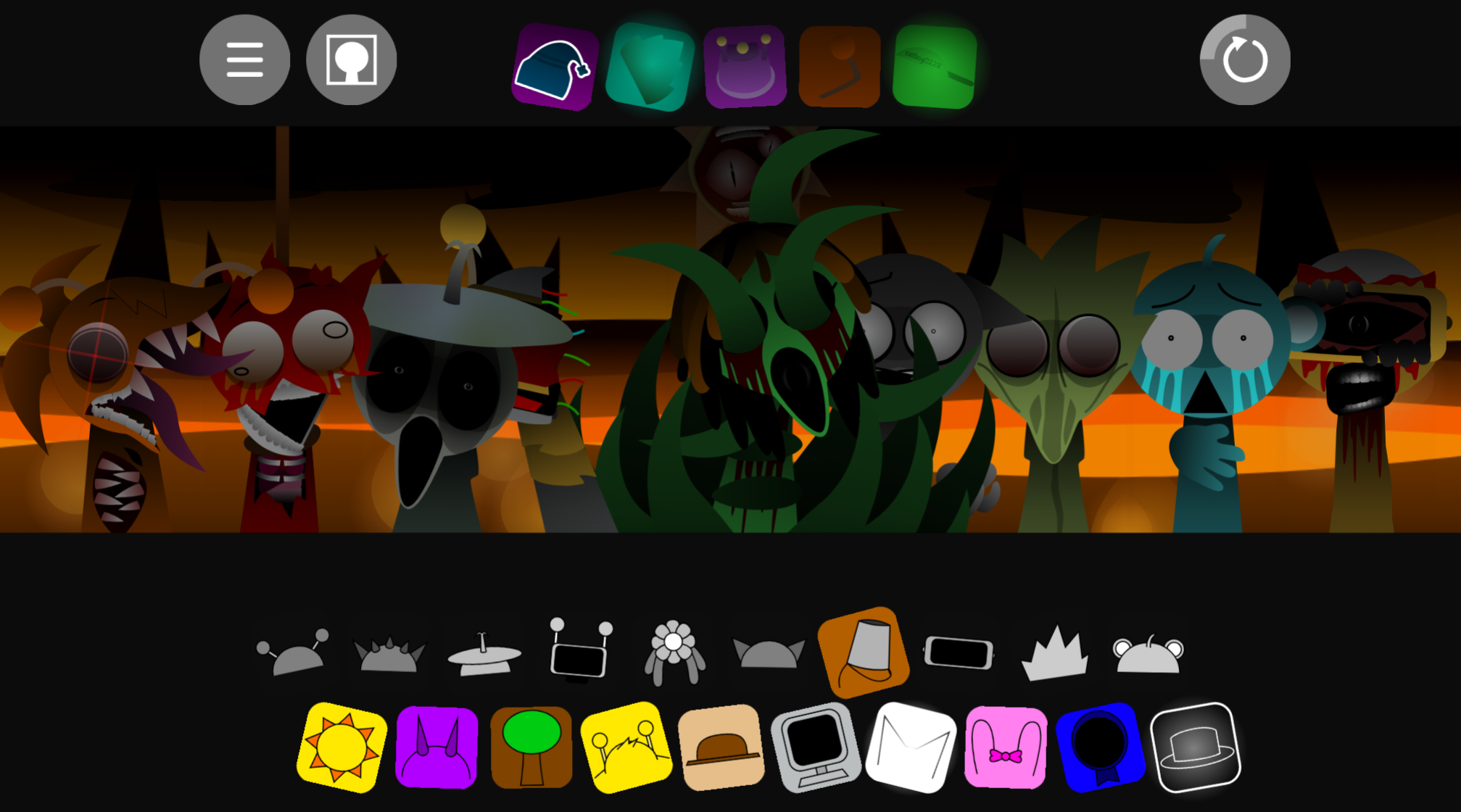
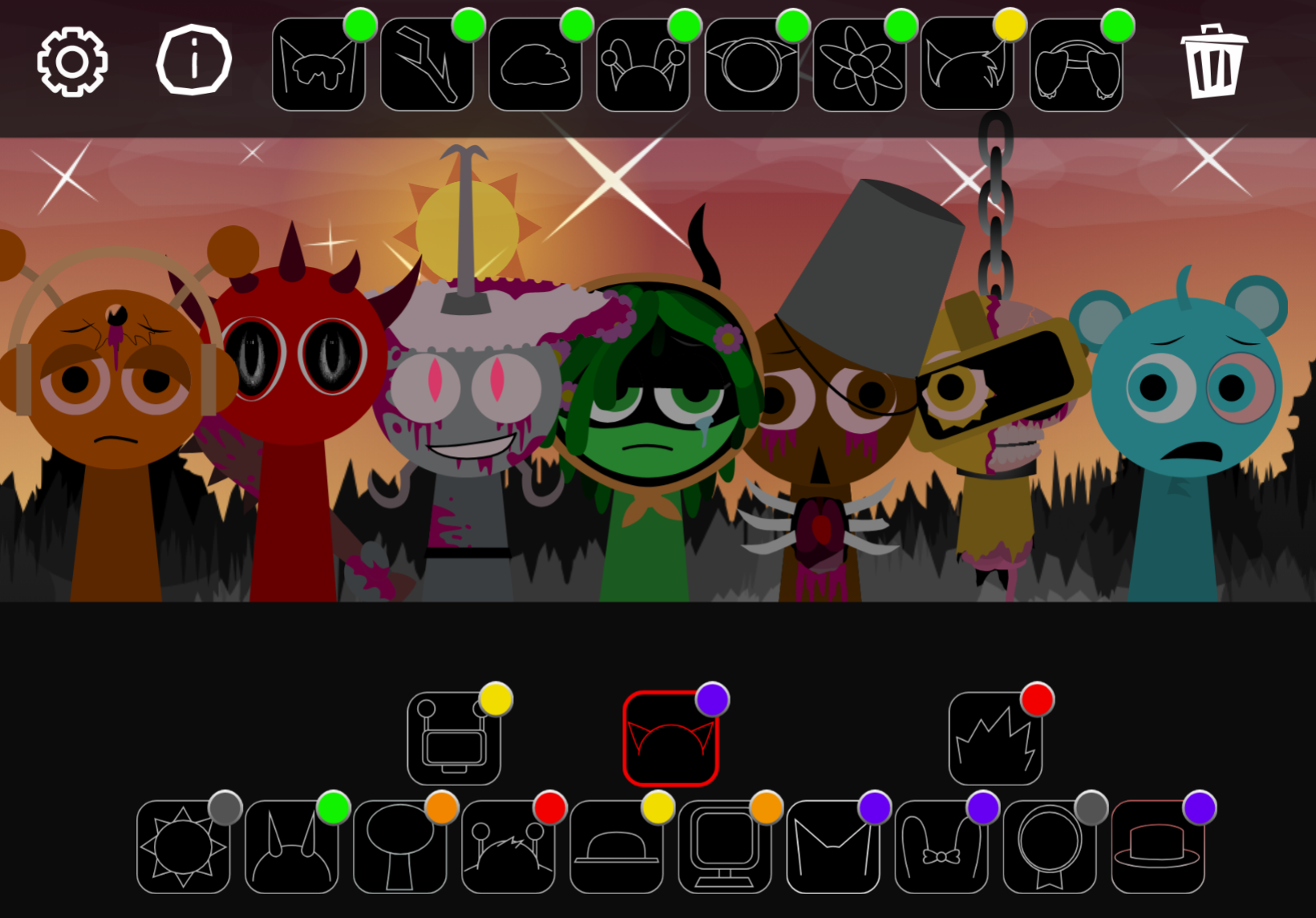
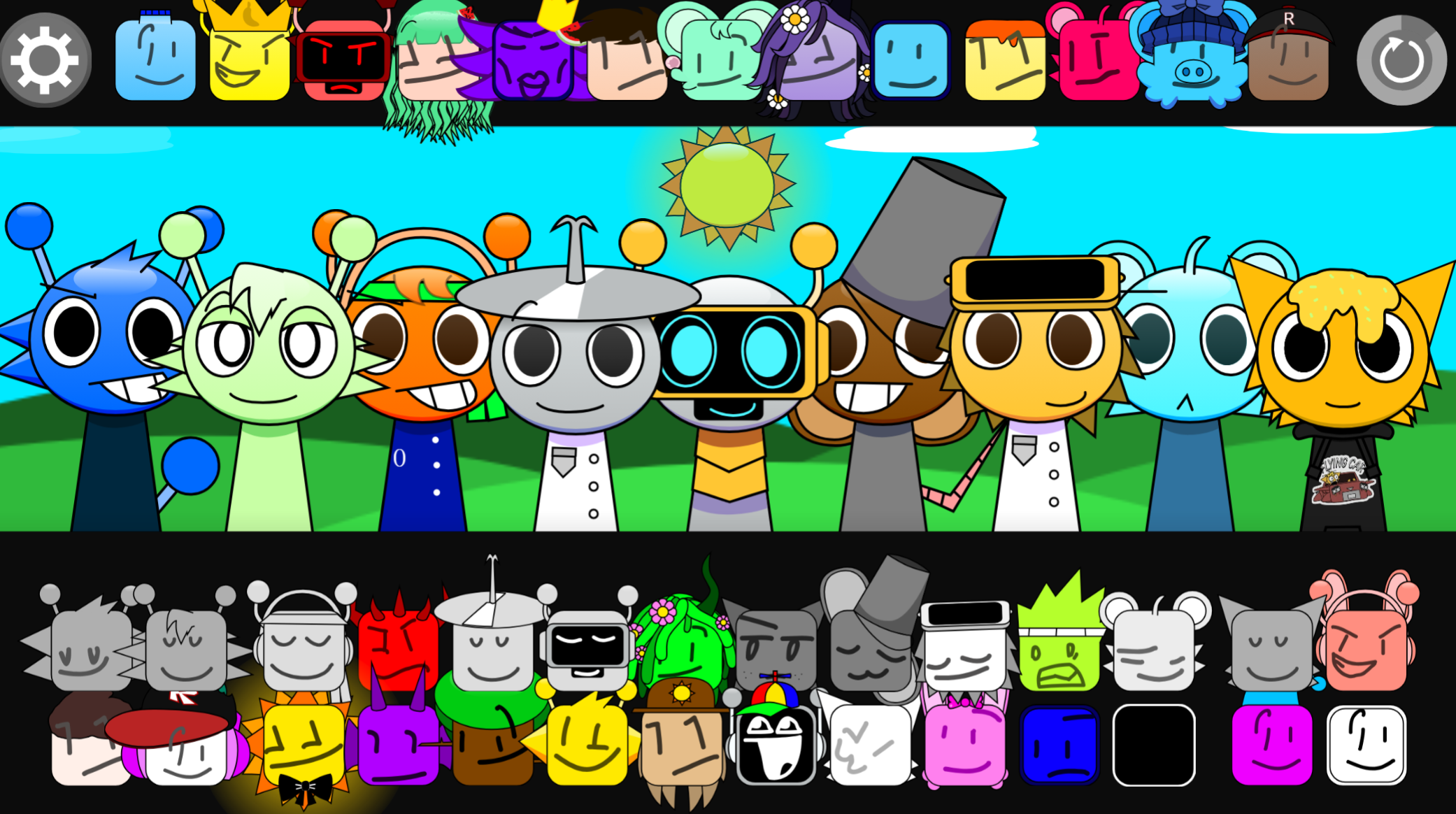
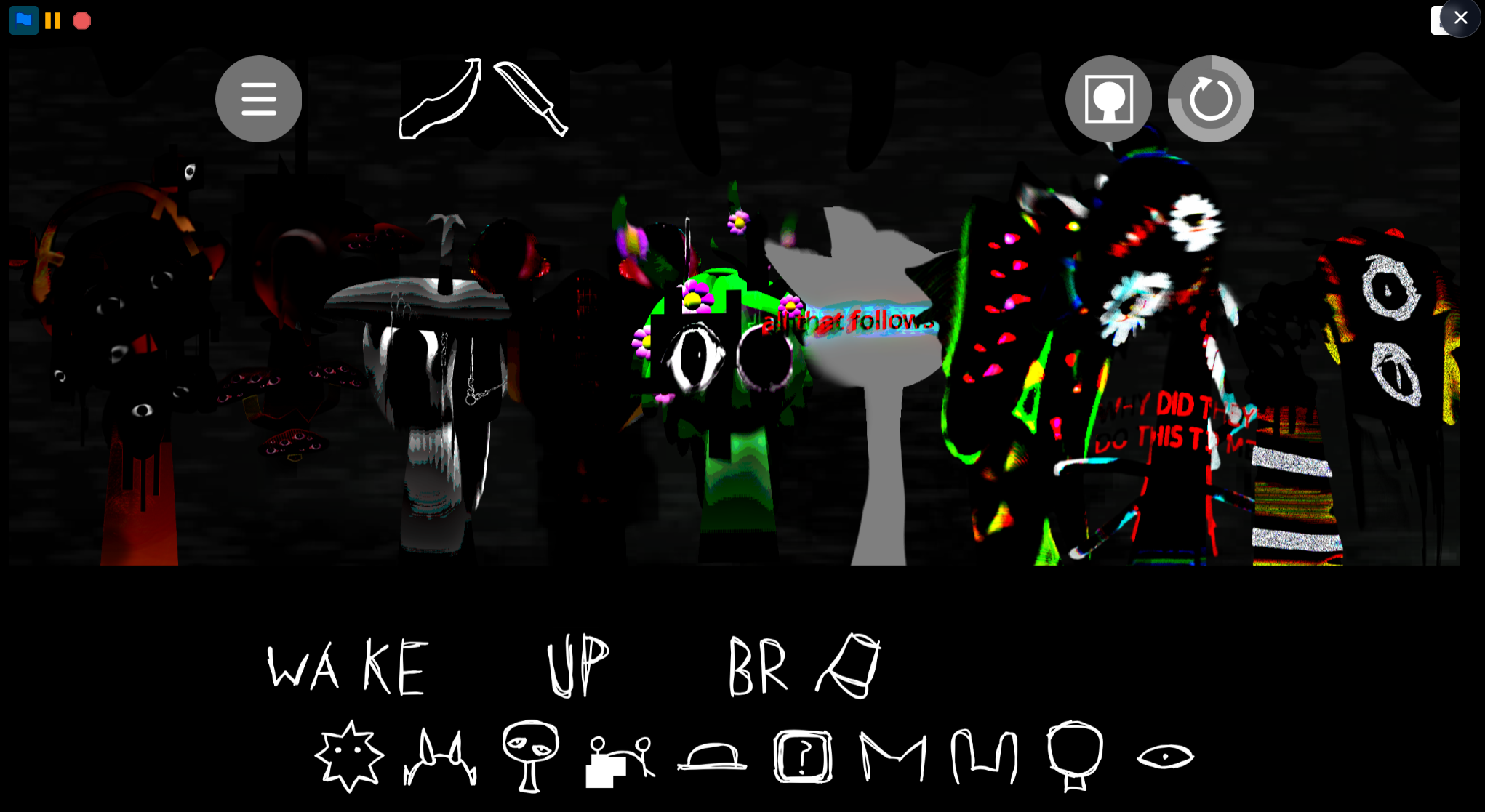
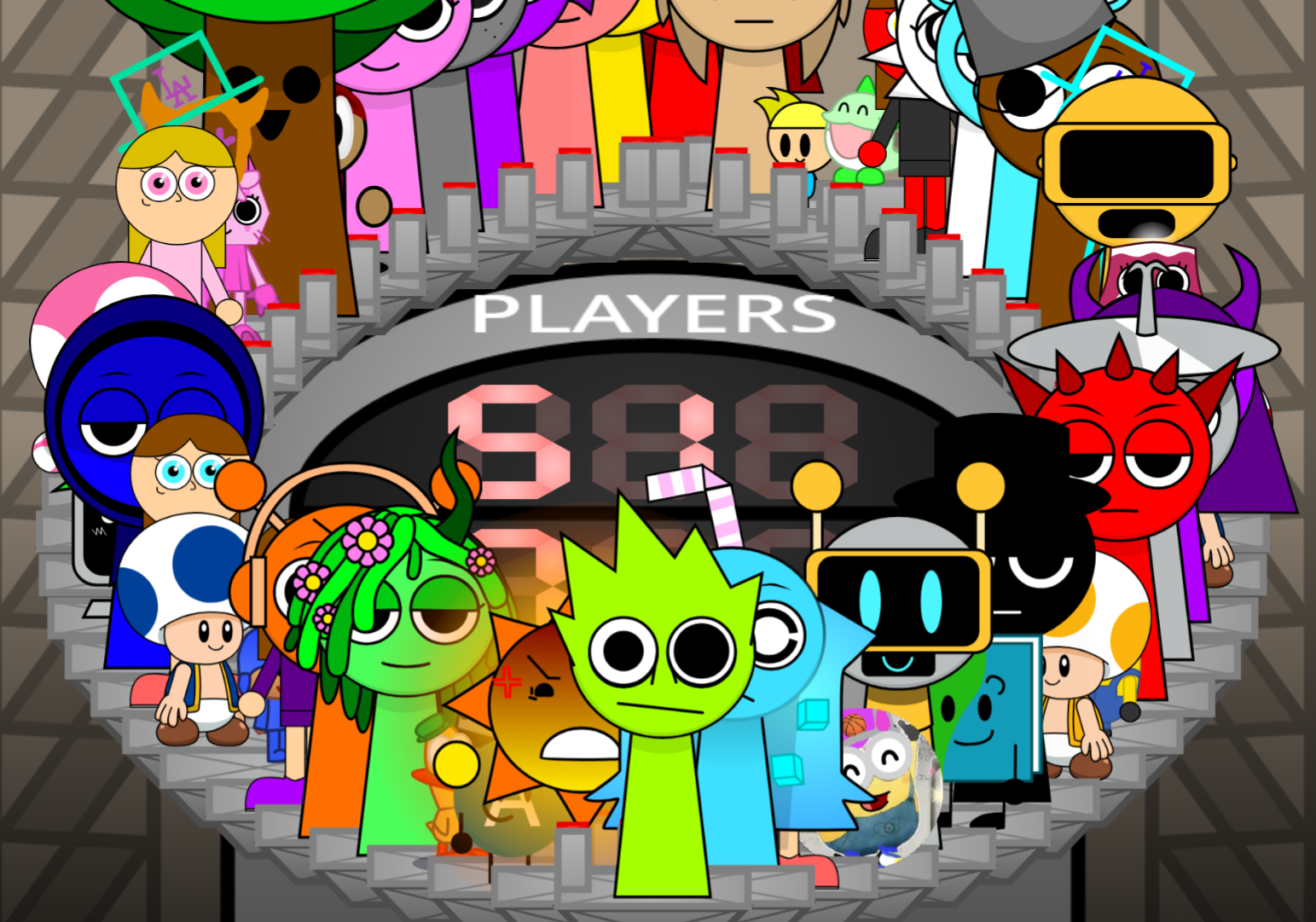
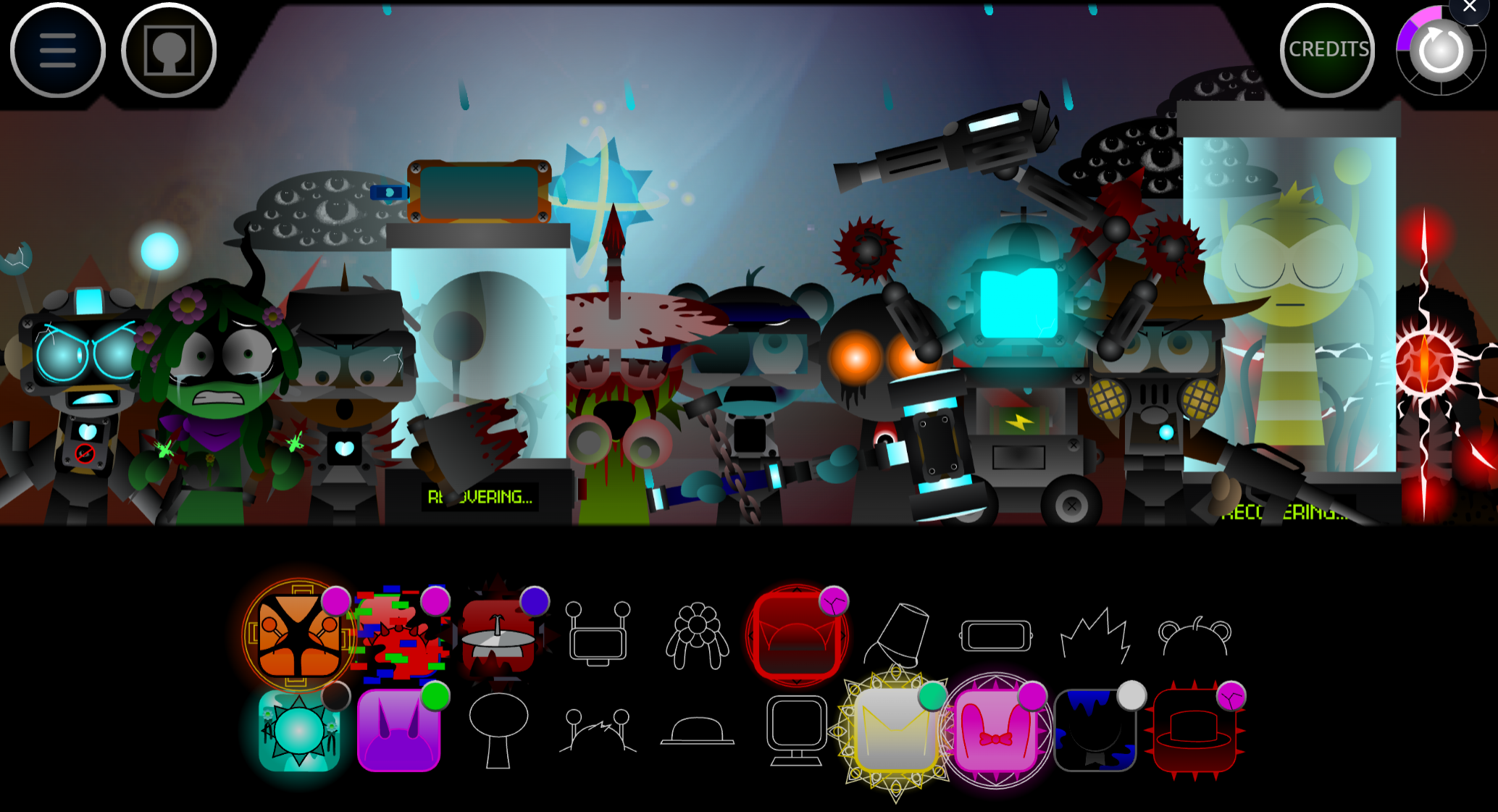
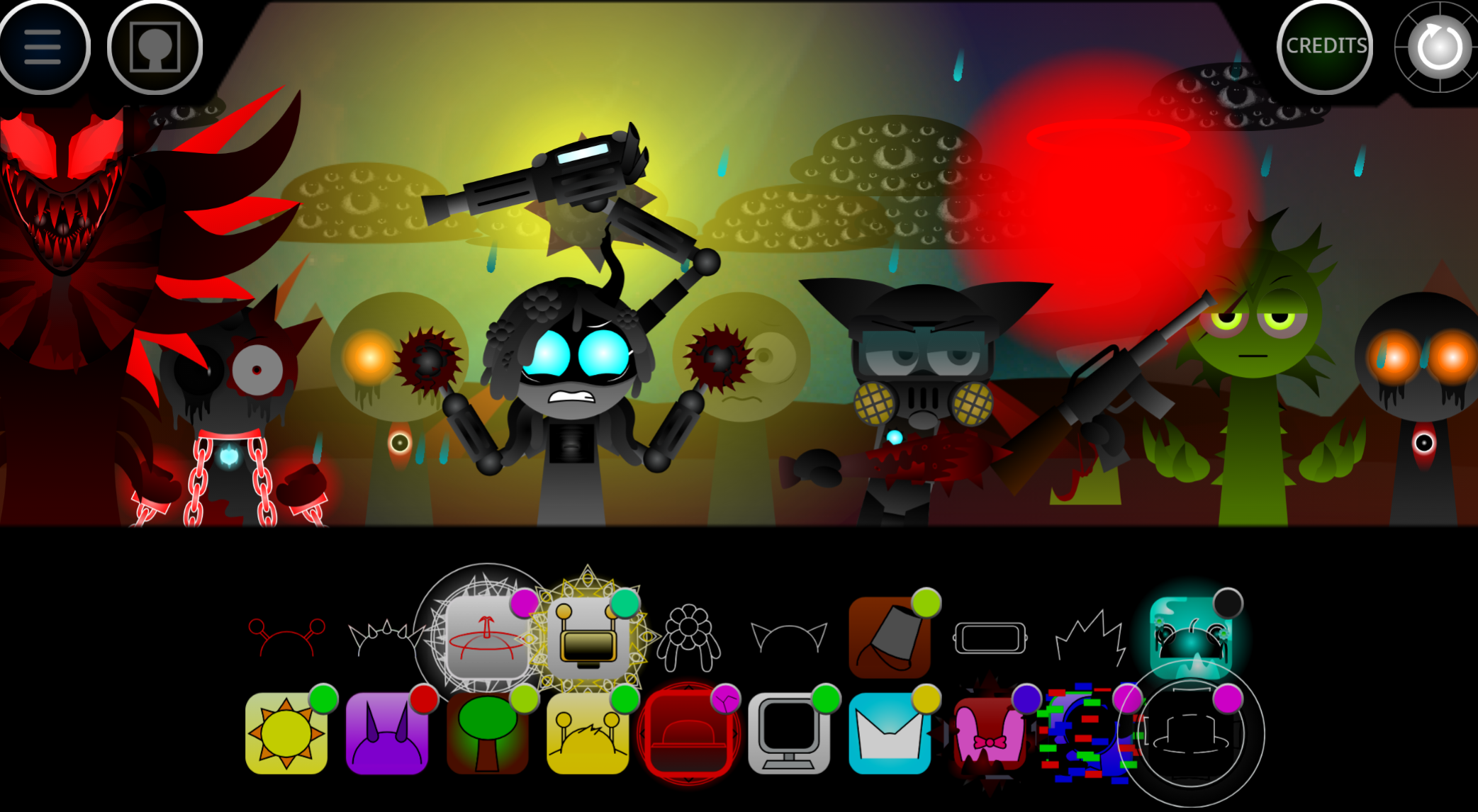
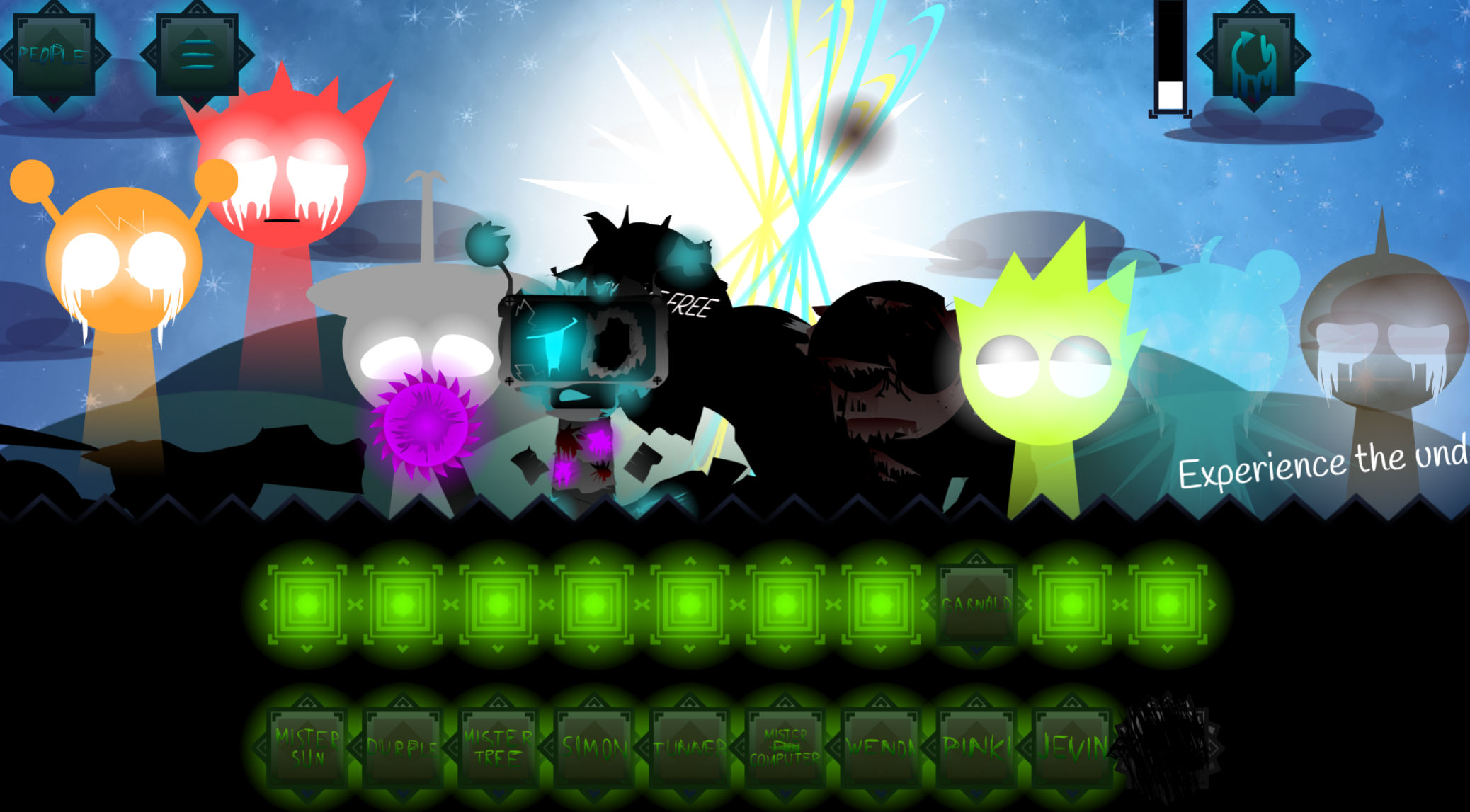
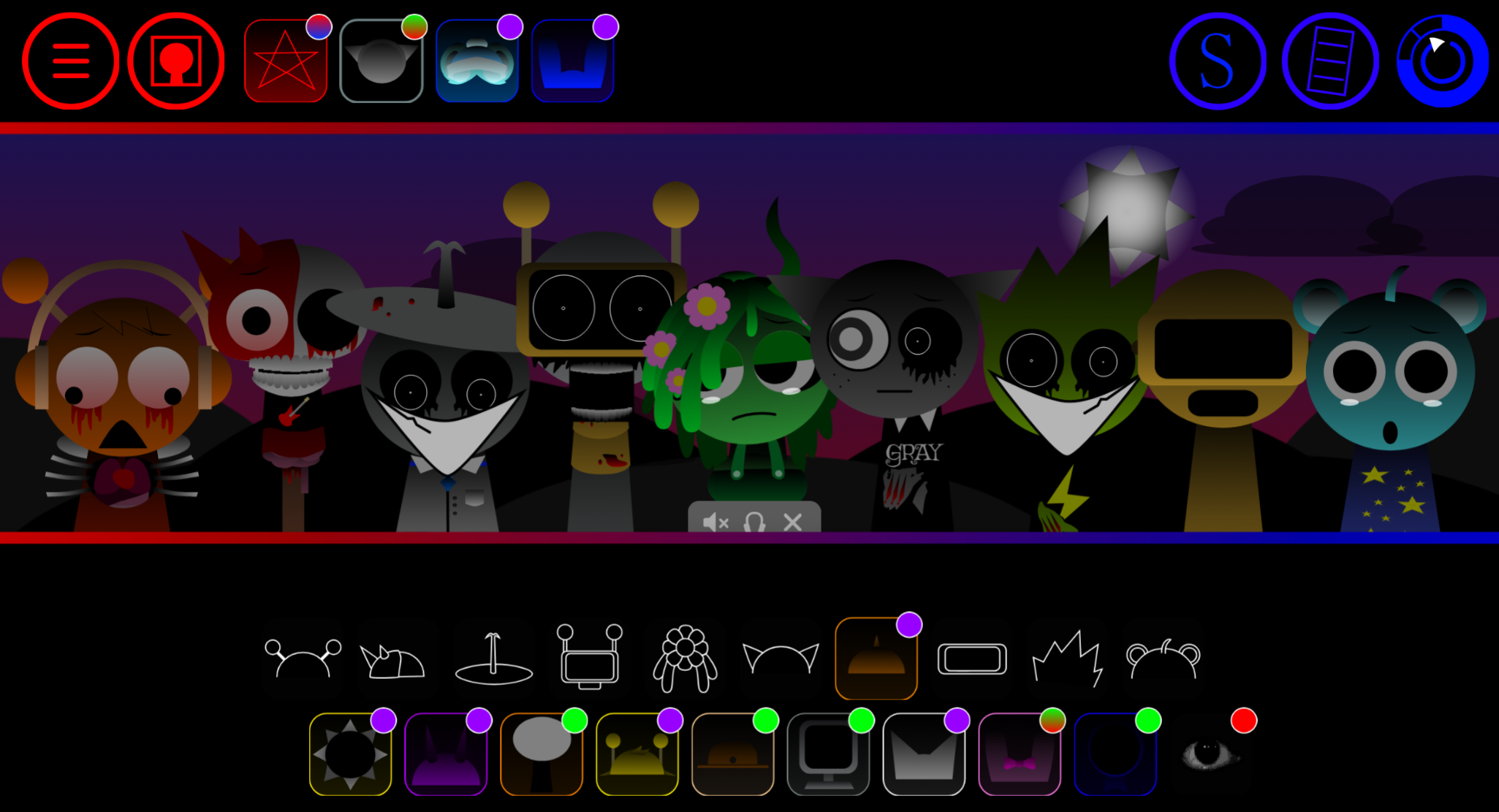
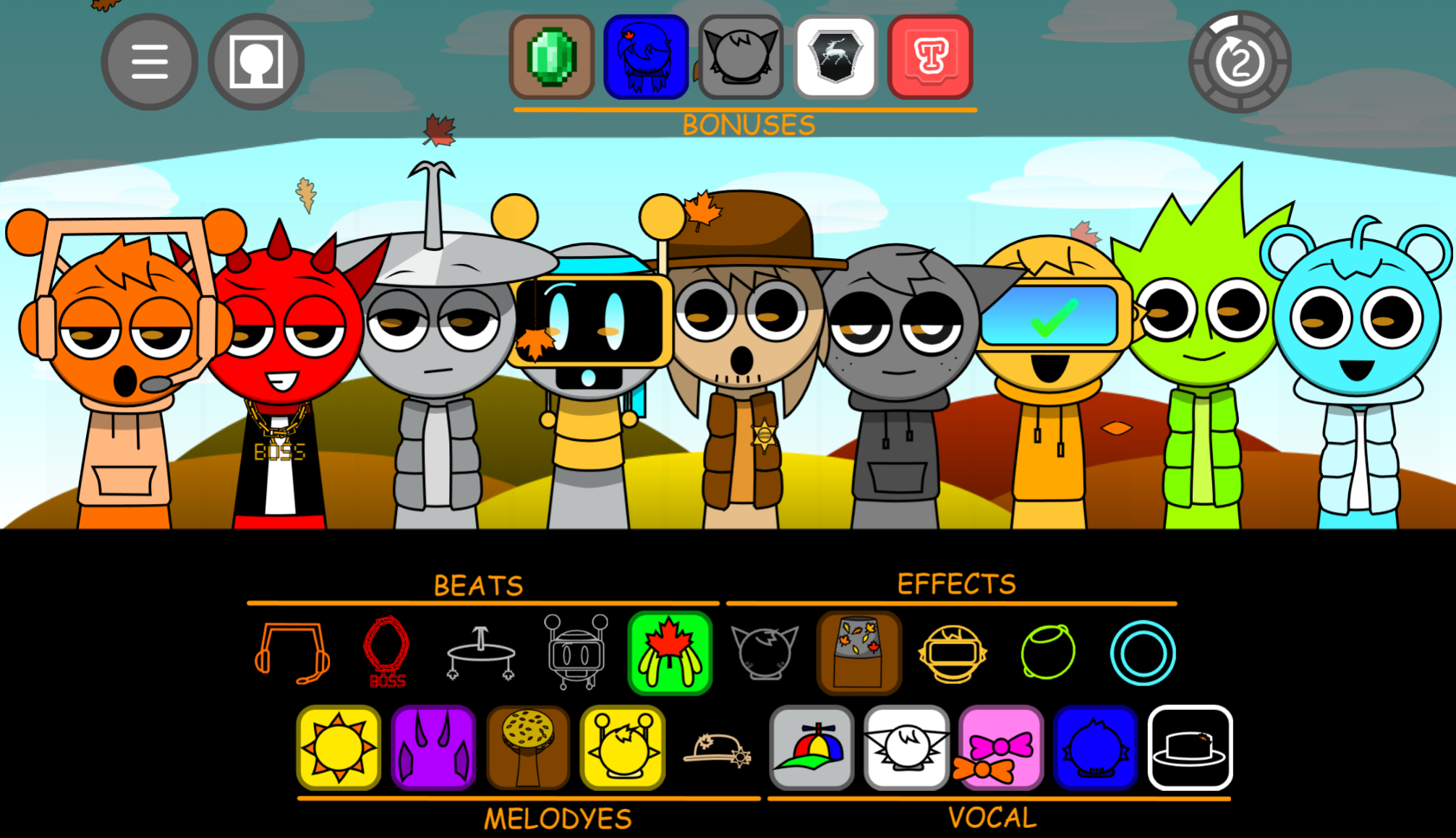
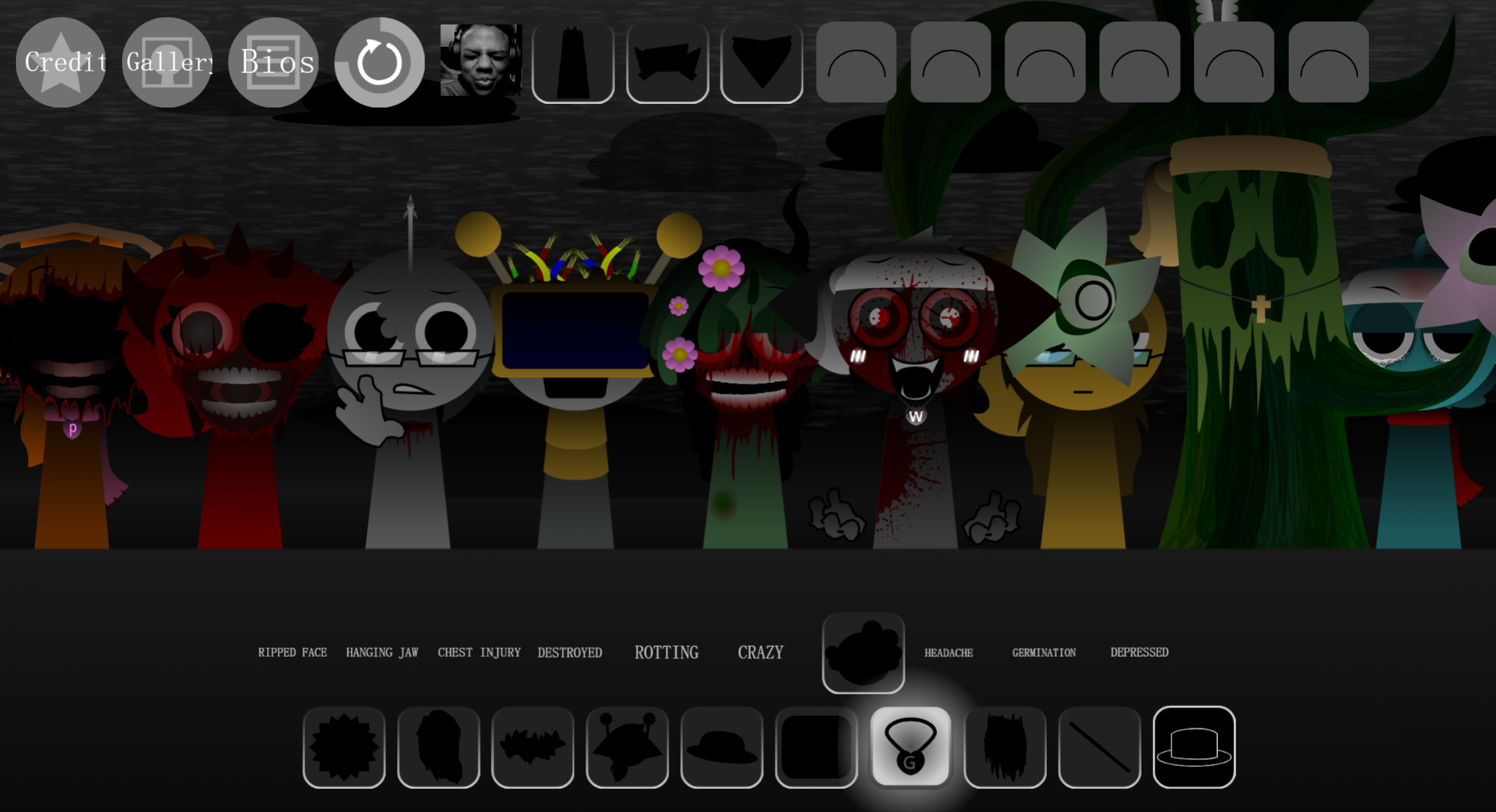
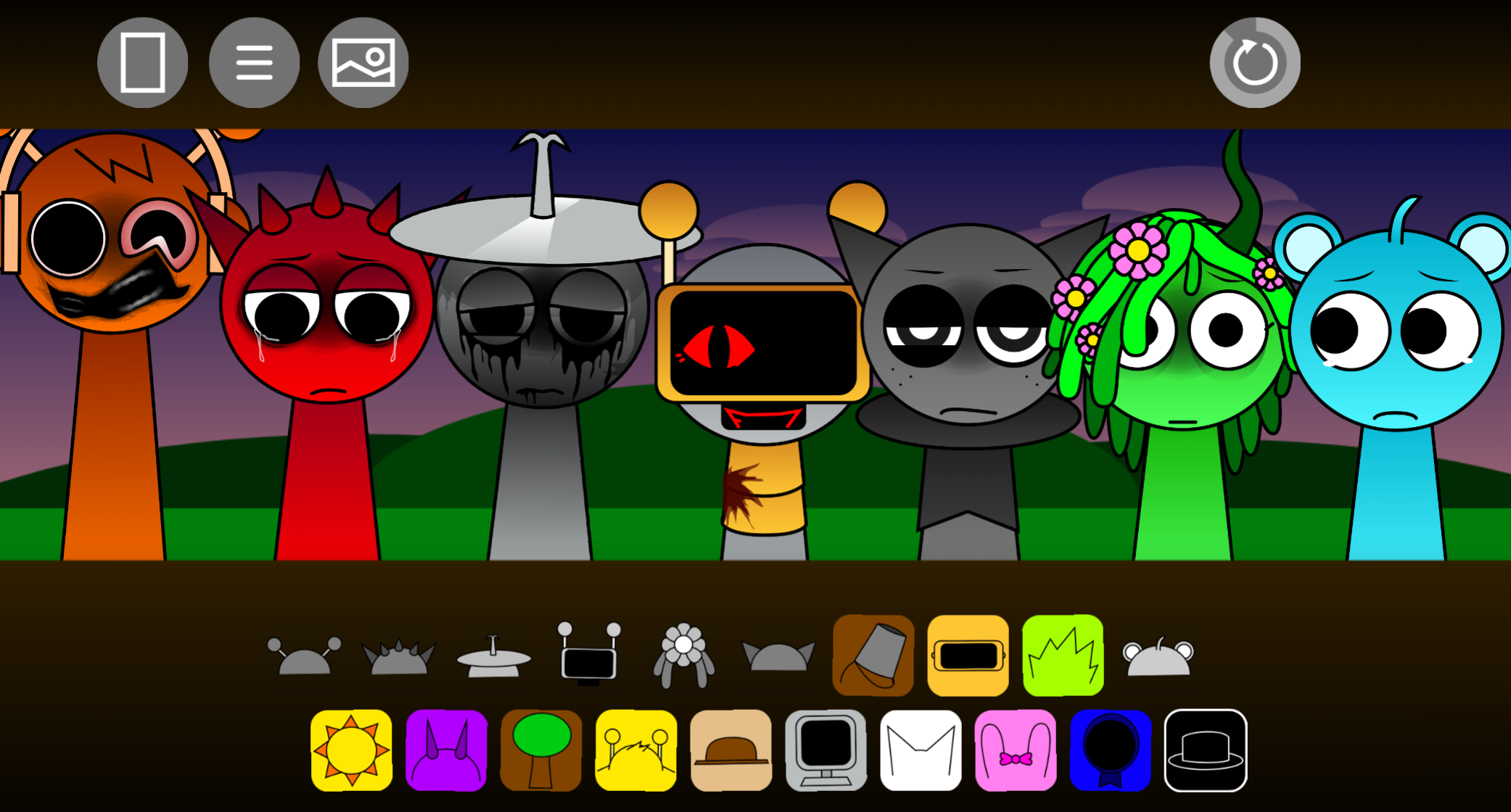
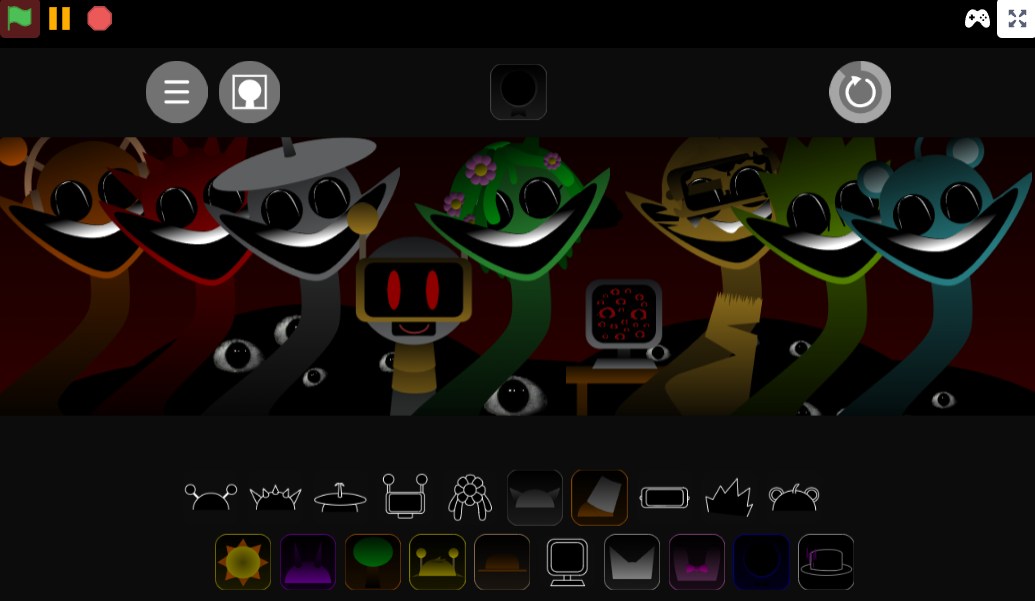
Sprunine Episode 2 takes the core loop-layering gameplay into The Cave, a visual theme that shapes both atmosphere and mechanics.
You drag characters onto the board to build tracks, layer their loops, and trigger cinematic combos like cave collapses, glowing runes, and echoing voices that respond to your mix. This episode introduces new characters and expands the Master tier unlock system, rewarding experimentation with hidden sequences.
You’ll find concrete mechanics, combo triggers, and the details that help you build better tracks faster.
Sprunine Episode 2 Guide: Master The New Cave Beats
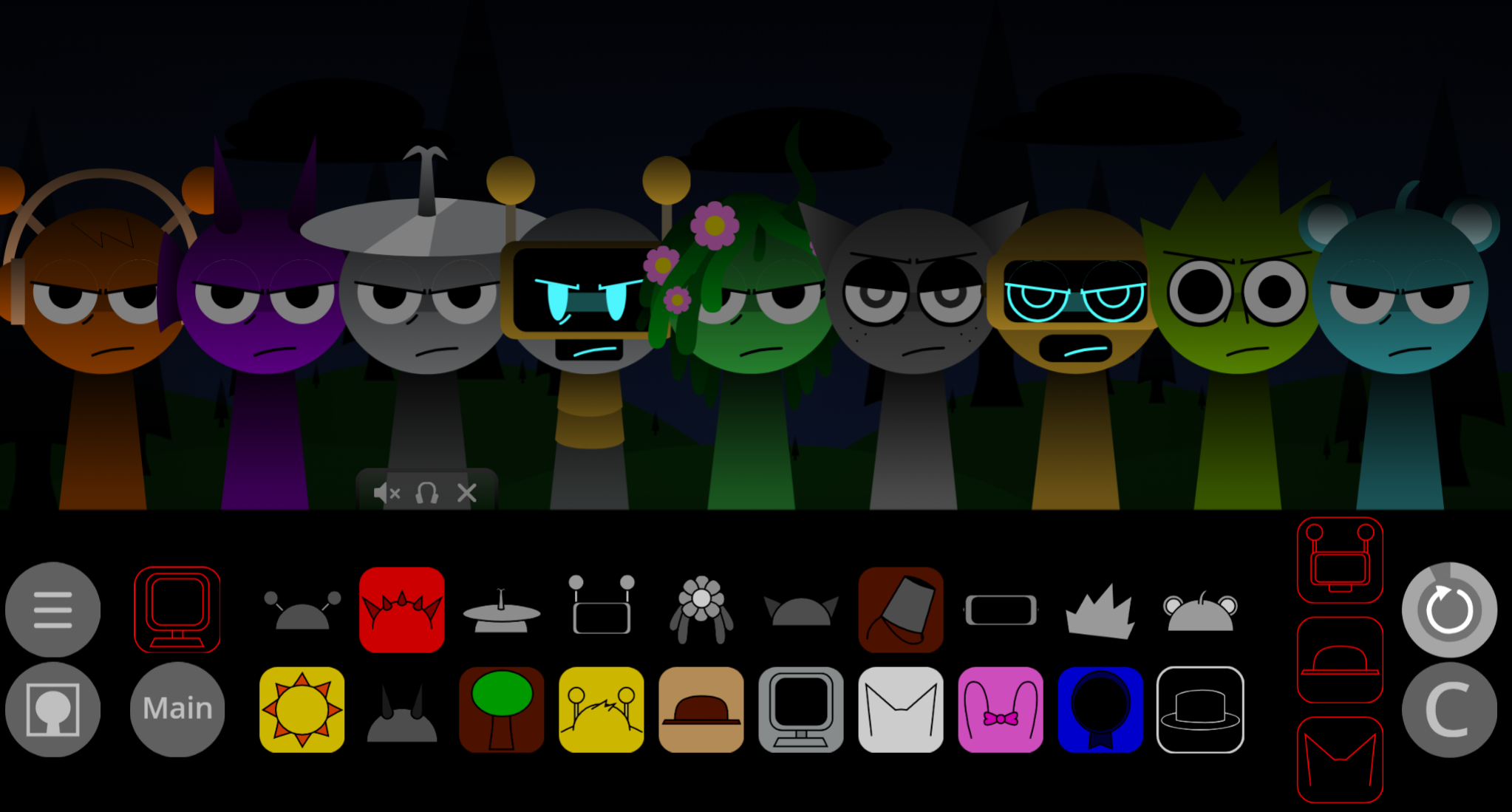
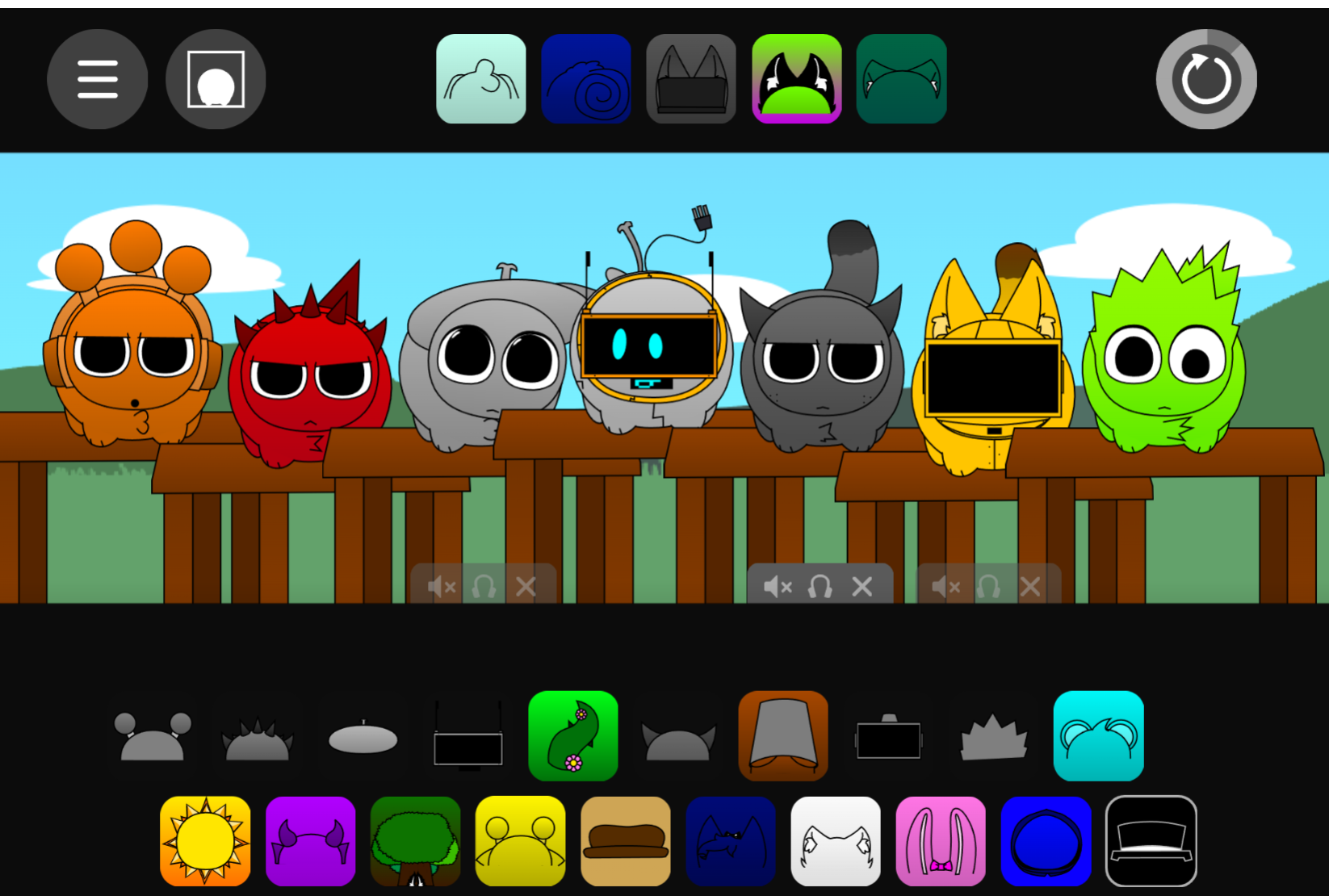
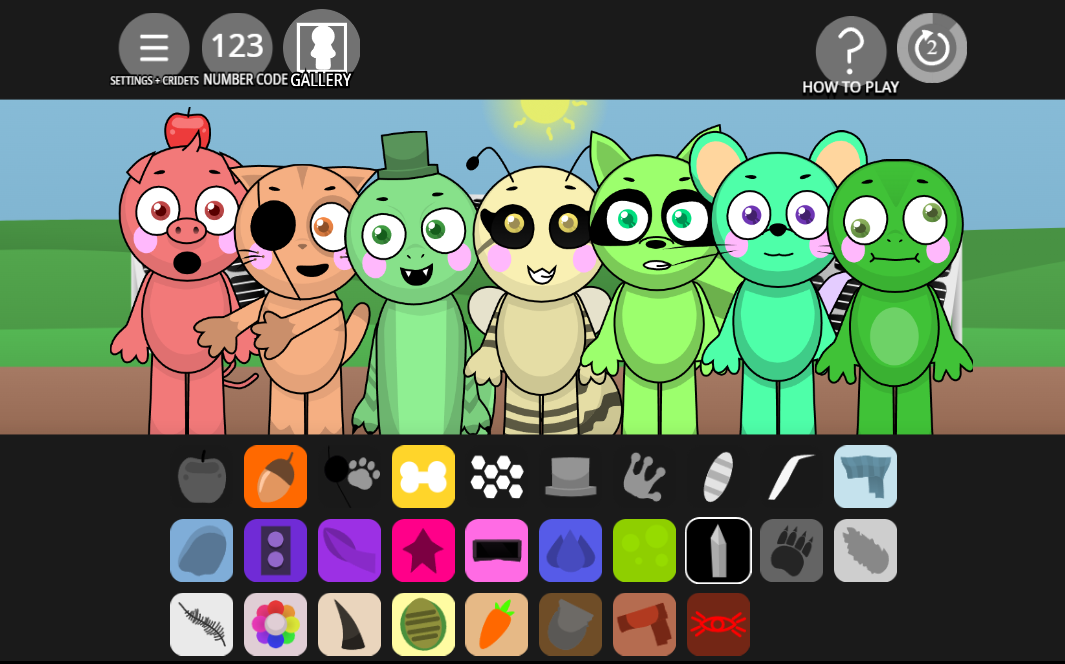
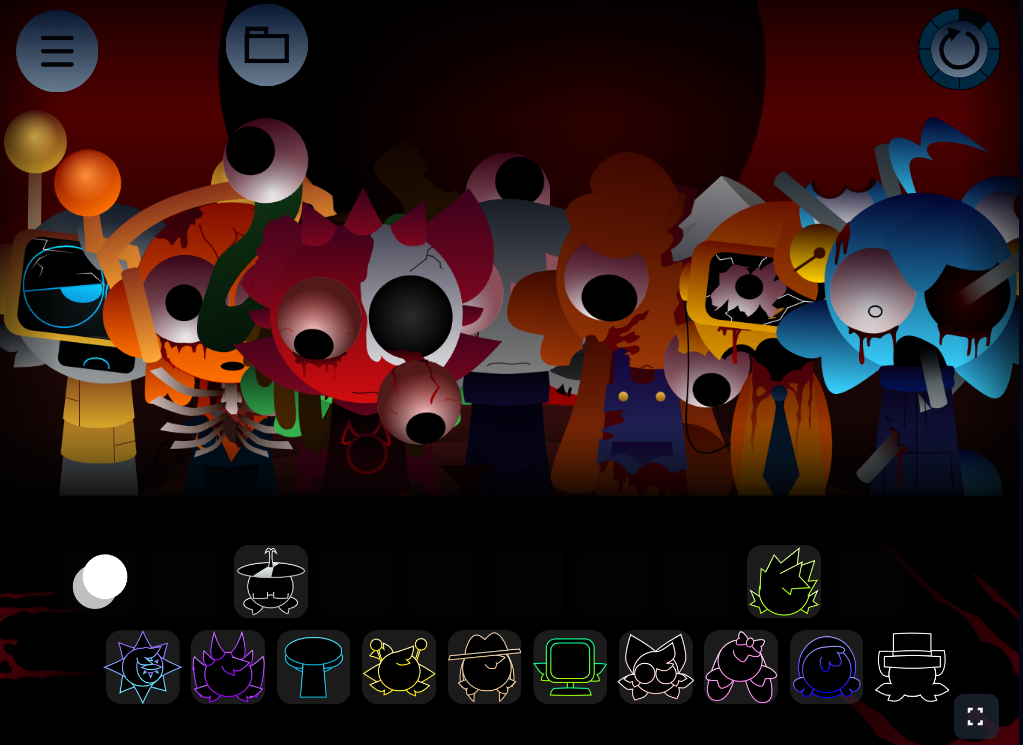
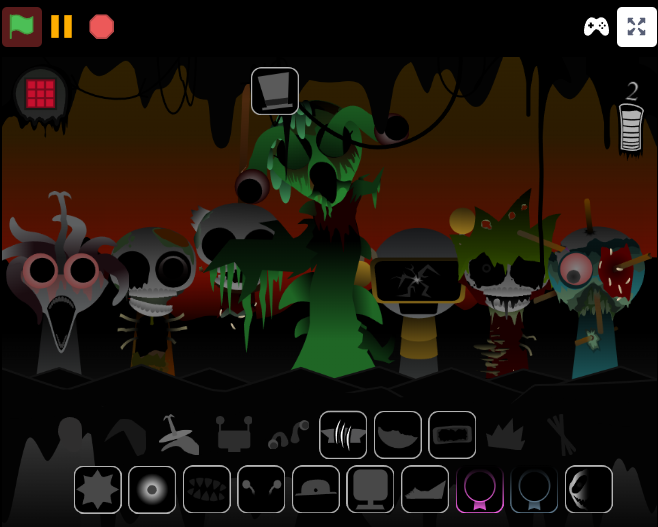
Sprunine Episode 2 is a music-mixing mod set in The Cave, an underground stage with echo-heavy sound design and darker visuals. It uses the familiar drag-and-layer system from Sprunki-inspired mods but shifts the palette toward cave drips, deep bass rumbles, tribal percussion, and haunting ambient loops. The Episode introduces new cave-dweller characters whose sounds are designed to work together in this subterranean setting.
Players build tracks by dragging characters onto the board, layering their loops, and watching for cinematic combo triggers like cave collapses, glowing runes, and echoing voices. The core challenge is balancing heavy, reverberant sounds without letting the mix become muddy or shapeless.
The Cavern rewards slower, more deliberate building. Because many sounds are deep or atmospheric, the best mixes usually start with space. Begin with a clean rhythm, add bass only when the groove feels stable, then bring in melodies, voices, and effects after the track has room to breathe.
The Underground Stage gives feedback through its visuals—flickering torches, glowing minerals, shifting shadows—which help signal when a mix connects with the Episode’s theme.
If a track feels close but flat, swap one character at a time rather than clearing the whole board. Small changes often reveal hidden combo moments.
How to Play Sprunine Episode 2
Choose cave-themed characters, drag them into the mix zone, and build a layered underground track from their individual sounds. The basic loop is drag, drop, listen, adjust, and repeat. Episode 2’s echo-heavy palette can become muddy if too many deep or atmospheric loops stack together.
A strong starting method:
Place percussion first
Use a steady beat or tribal rhythm as the foundation before cave effects take over.
Add bass carefully
Deep rumbles make the mix feel buried and powerful, but too much low-end can cover the rhythm.
Test one atmospheric layer
Cave drips, echo pads, and ambient loops work best when they support the groove instead of replacing it.
Bring in vocals or melody last
Echoey voices and melodic parts should cut through the mix. If they disappear, remove one nearby layer and rebuild around them.
Watch for combo feedback
Some character pairings trigger cinematic scenes like cave collapses, glowing runes, or echoing voices tied to the Underground Stage.
This Episode works better as exploration than speed-building. Rushing to fill every slot may produce noise but often misses which character pairing caused a visual or narrative beat.
Beginner Cavern Guide
The Cavern should be approached like an audio-visual map, not a puzzle with one obvious answer. The stage’s torches, minerals, shadows, and echoey sound cues guide the player toward the underground tone the Episode wants.
Begin with one or two characters. Listen to how their loops interact, then add another cave-dweller whose sound feels connected. If the result becomes cloudy, remove the newest layer and try a different character instead of stacking more sounds. This makes it easier to understand cause and effect, especially when a combo animation appears.
A useful early pattern:
- one rhythm character for timing
- one bass or rumble character for weight
- one ambient or drip-like sound for cave texture
- one voice, melody, or echo effect for identity
The goal is not to discover every scene immediately. The goal is to learn how the Underground Stage reacts. When a mix creates a strong cave mood or unlocks a scene you like, save it so you can revisit that setup while testing deeper Cavern combinations.
Pro Mixing Tips
The strongest mixes treat the board as four separate layers: beats, bass/effects, melodies, and vocals. Each group has a job, and the mix becomes cleaner when those jobs do not overlap too much.
Keep the beat readable
The beat carries the arrangement. If percussion is buried under rumbles, drips, and echo loops, the entire track can feel shapeless. Start with a rhythm that is easy to follow, then check every new sound against it. If the groove becomes unclear, remove the latest layer before adding anything else.
Use bass for depth, not clutter
Episode 2’s deep cave rumbles give the mix its underground weight, but they can quickly overpower the board. Avoid placing multiple heavy loops together unless the rhythm is very sparse. A single strong bass texture often works better than several competing low-end parts.
Let effects support the mood
Echoes, cave drips, and textured ambient sounds are essential to the Cavern identity, but they work best as support. Add them after the beat and core melody are already working. This makes it easier to tell whether an effect is improving the atmosphere or simply filling empty space.
Check melody and vocals separately
Melody and vocals often define the emotional shape of the track, especially when the cave setting becomes dark and echo-heavy. Briefly remove nearby layers, listen to the melody or vocal clearly, then bring the other sounds back one by one.
Swap, do not reset
When hunting for thematic combos, avoid clearing the board every time something fails. Keep the strongest foundation and swap one character at a time. This preserves the structure of the mix while helping identify which specific pairing triggers cave-collapse effects, glowing runes, echoing voices, or other cinematic moments.
Features of Sprunine Episode 2
Sprunine Episode 2 focuses on The Cave as both a visual theme and a gameplay influence. Its features center on making the usual mixing loop darker, moodier, and more story-driven.
Underground visual theme:
The stage uses a detailed cavern setting with flickering torches, glowing minerals, and shifting shadows, giving each remix a more mysterious tone.
Echo-heavy sound design:
The audio palette includes cave drips, deep bass rumbles, tribal percussion, echo effects, and haunting ambient loops. These sounds create depth but require careful spacing.
New cave-dweller characters:
The roster introduces shadowy underground figures with masks, crystals, glowing eyes, and cave-inspired traits, making the lineup feel connected to the Cavern.
Cinematic combo scenes:
Character combinations can trigger cave collapse animations, glowing runes, echoing voices, and other underground effects that add narrative flavor while supporting the drag-and-layer gameplay loop.
Ongoing story connection:
Episode 2 continues the broader Sprunine and Sprunksters-style world-building, giving returning players another piece of the expanding setting.
Related Games
- Sprunksters Episode 2 The Cave — This is the direct match for the cave-themed sequel, with the same episodic Sprunksters setup, underground atmosphere, and new character-driven music loops.
- Dark Loop — Its darker looping focus makes it a fitting follow-up for players who liked building enclosed, moody soundscapes in the cave setting.
Why Play Sprunine Episode 2?
Play Sprunine Episode 2 if you enjoy music games that turn simple mixing into a darker, more atmospheric experience. The appeal is not a huge mechanical overhaul but the way the cave theme reshapes how you listen, build, and experiment.
The sound design is the main gameplay hook. Slower combinations can feel tense and cinematic, while heavier rhythm stacks create a buried, rumbling energy. The new cave-dweller characters give returning players a reason to test fresh pairings, and the cinematic combos make successful mixes feel tied to the world rather than isolated sound clips.
It is especially rewarding for players who like refining a track instead of only chasing instant results. A careful mix can reveal how percussion, bass, ambient effects, melody, and vocals all work together inside the Cavern. If you prefer to experiment with atmosphere, hidden triggers, and layered underground soundscapes, Episode 2 gives you a focused stage built around that style of play.
Discuss Sprunki