
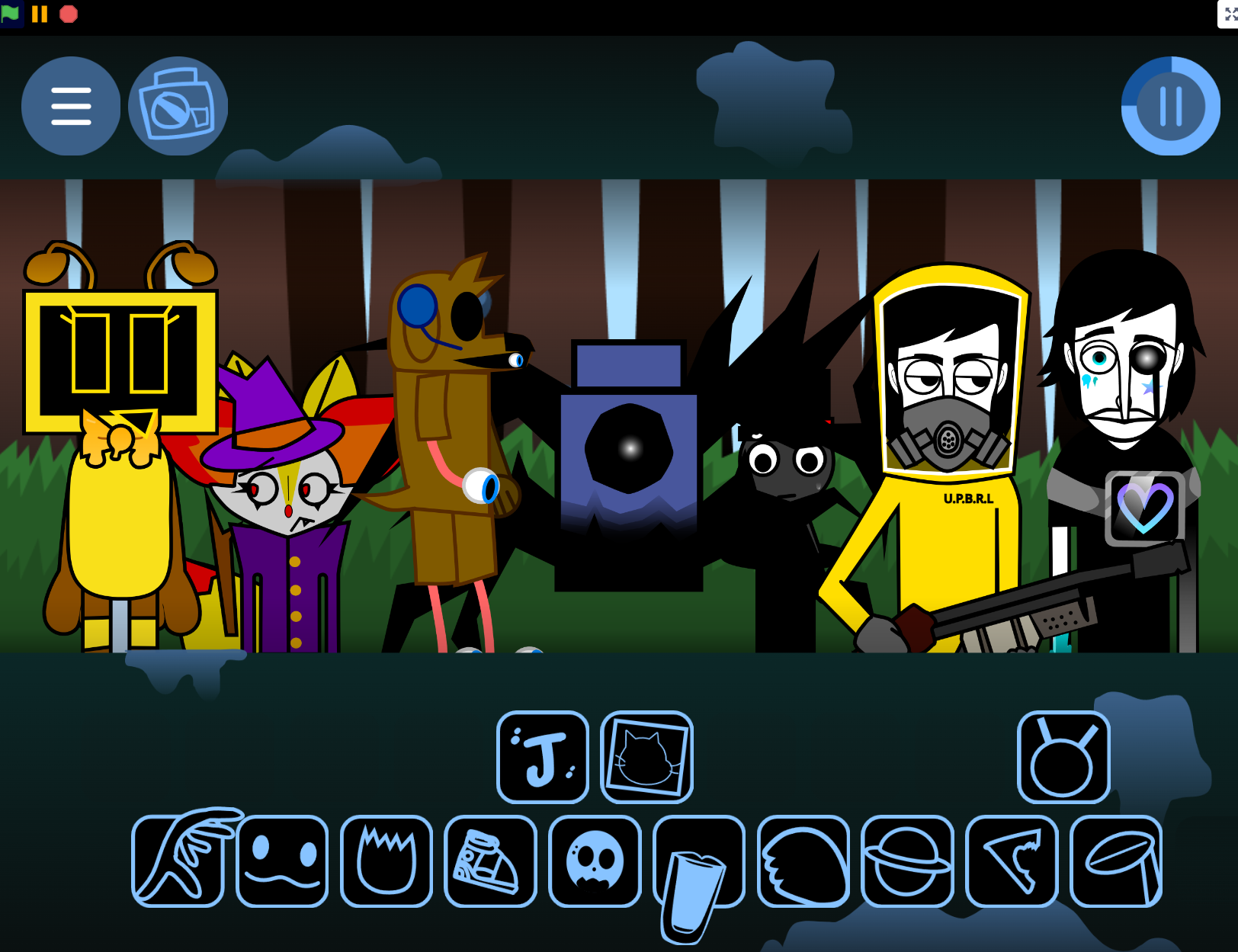
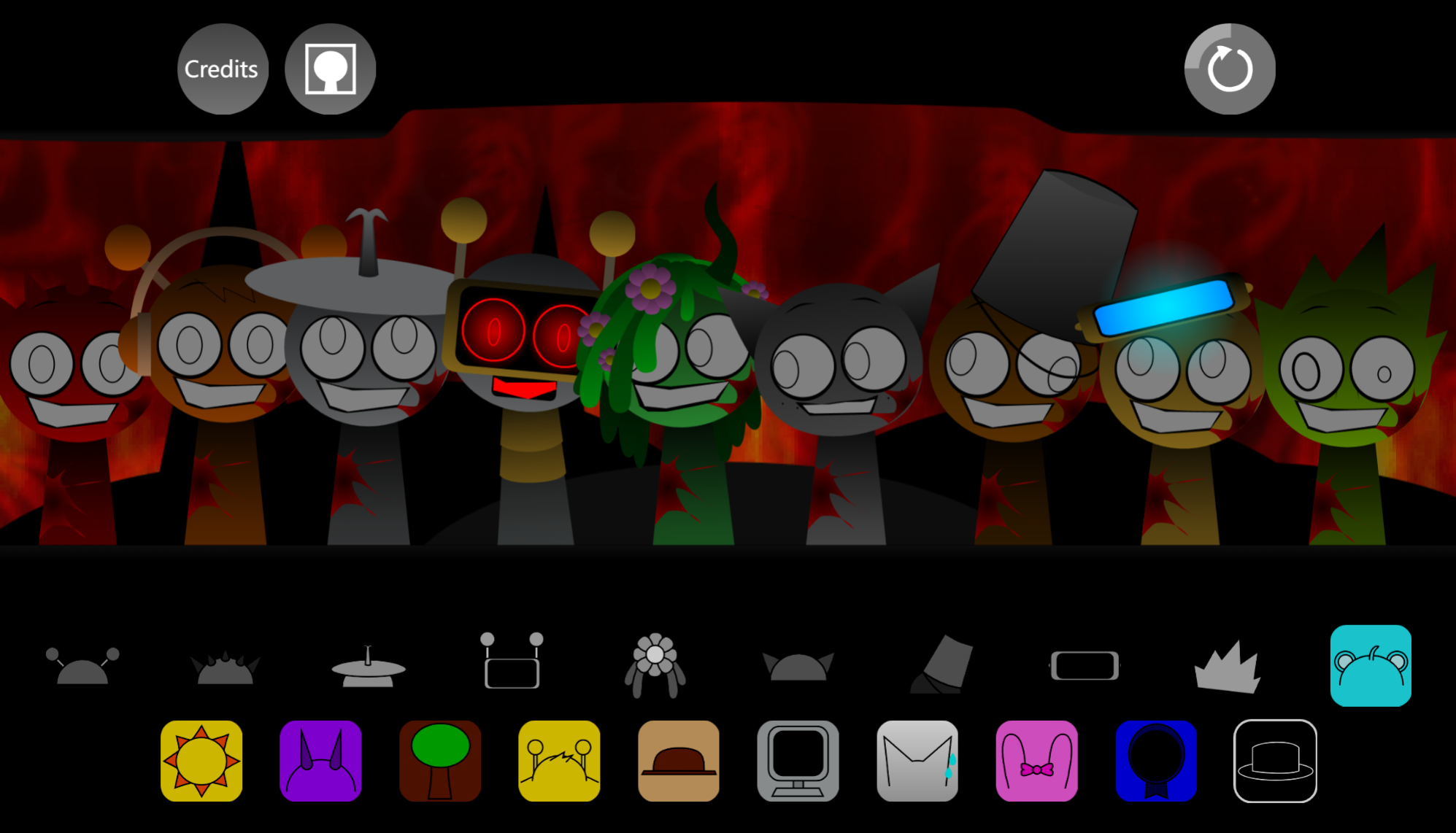
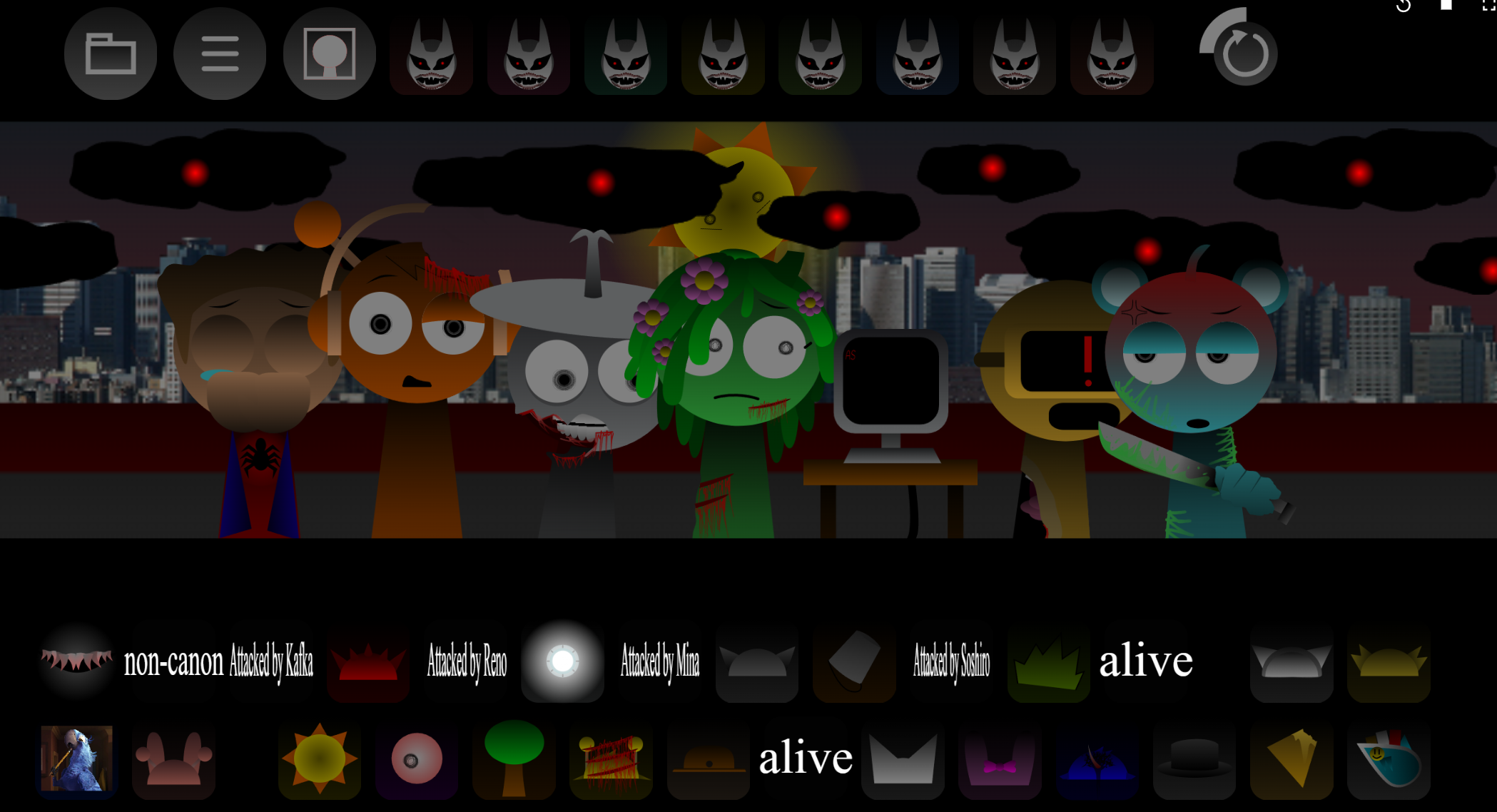
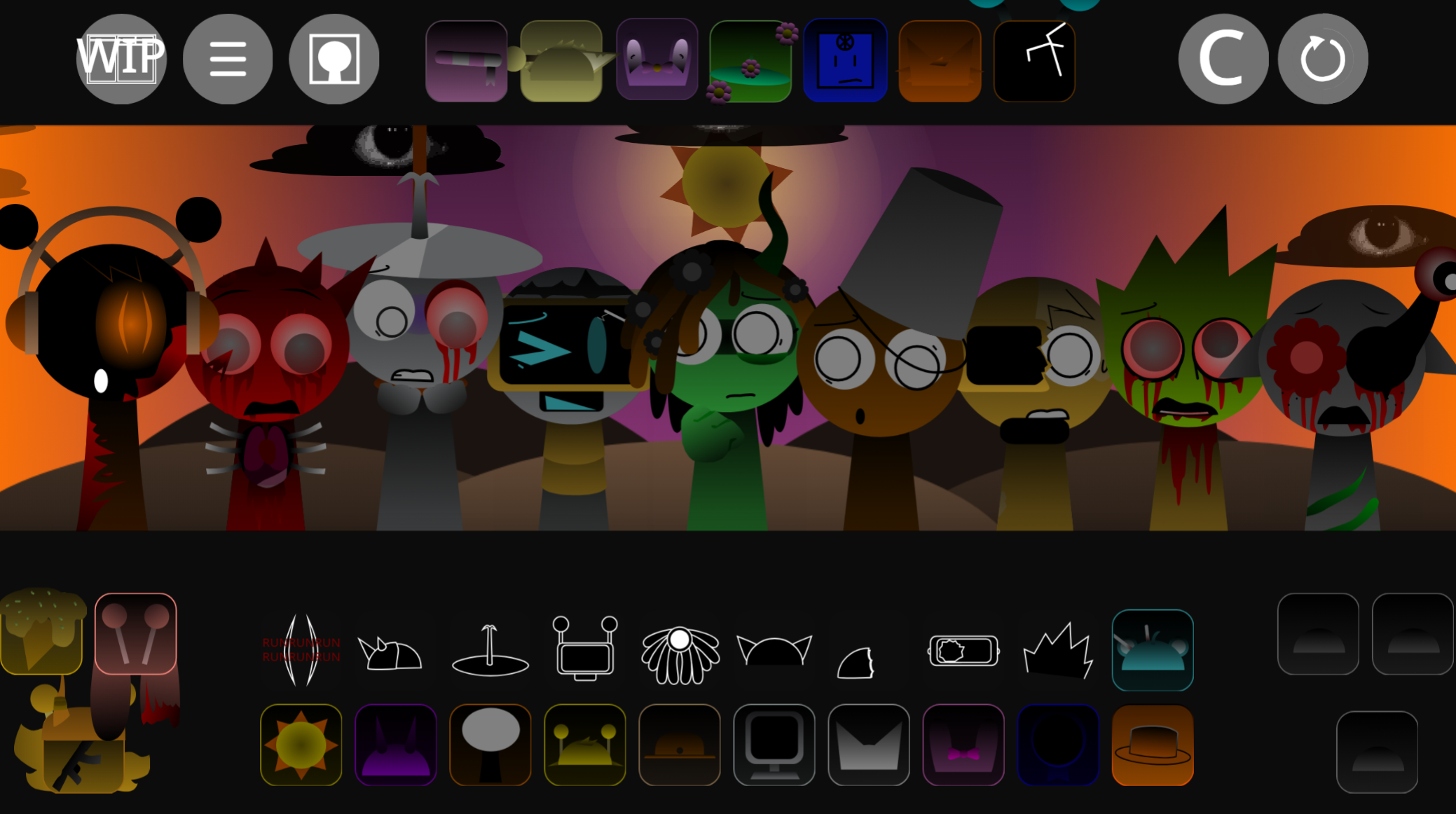
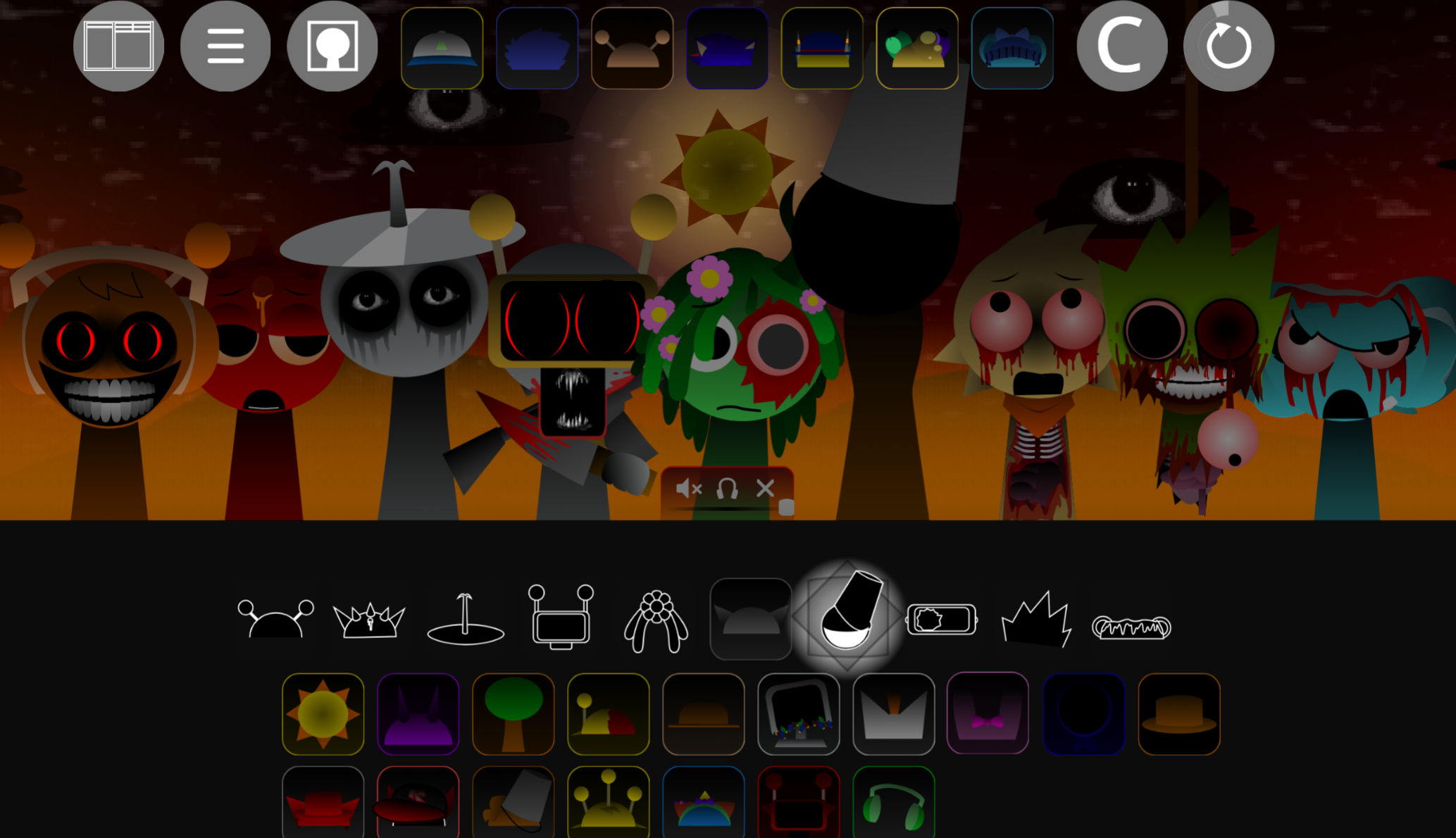
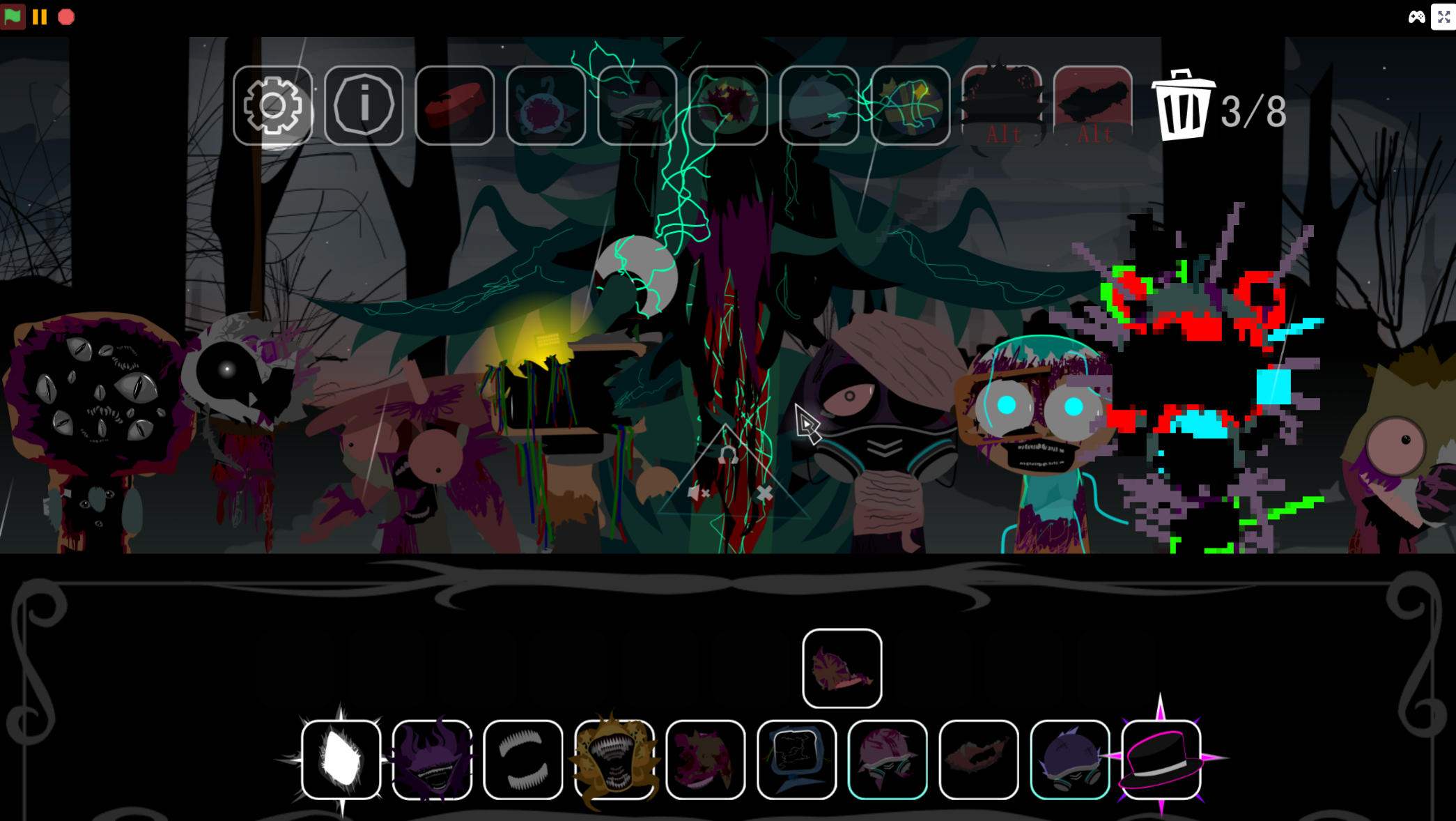
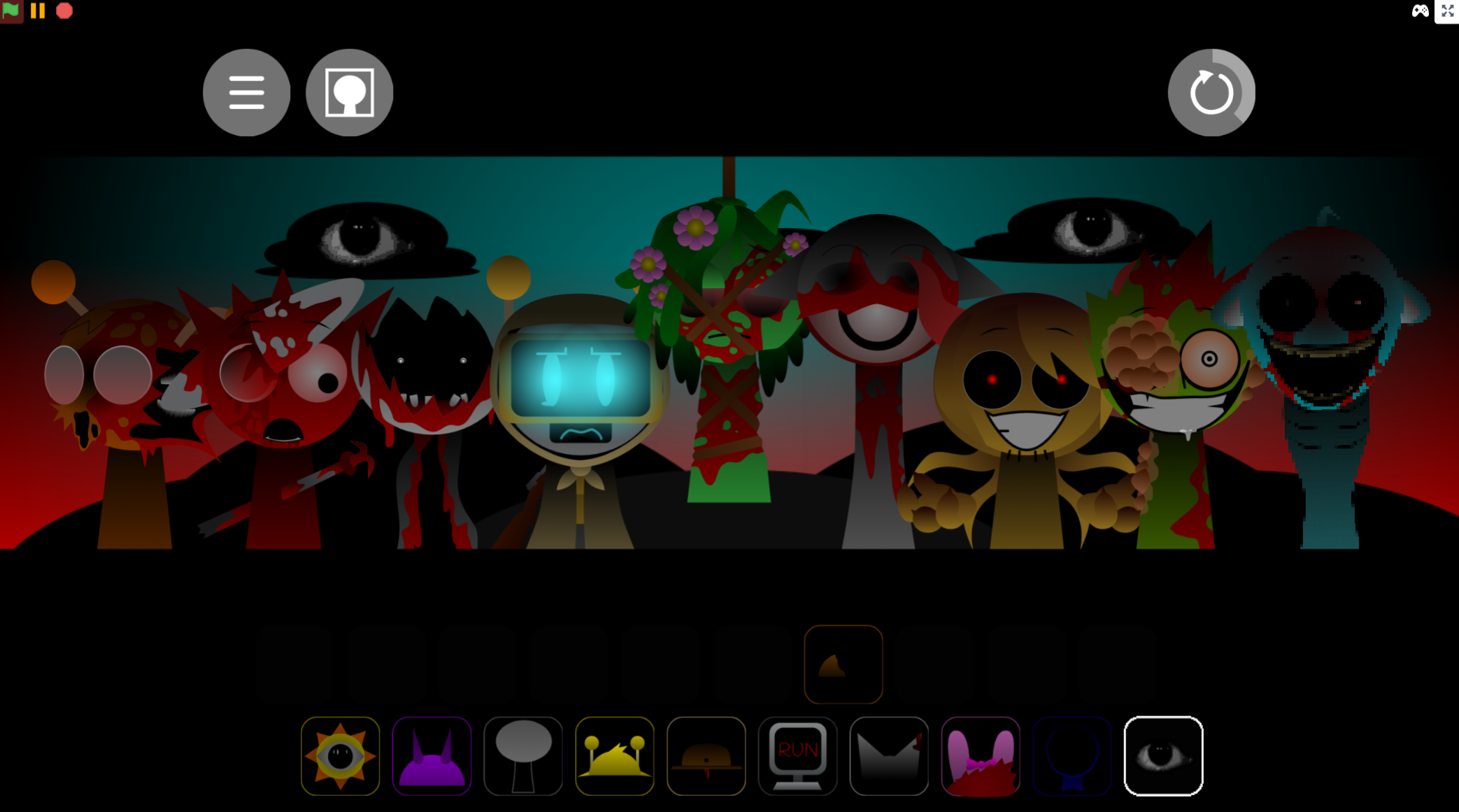
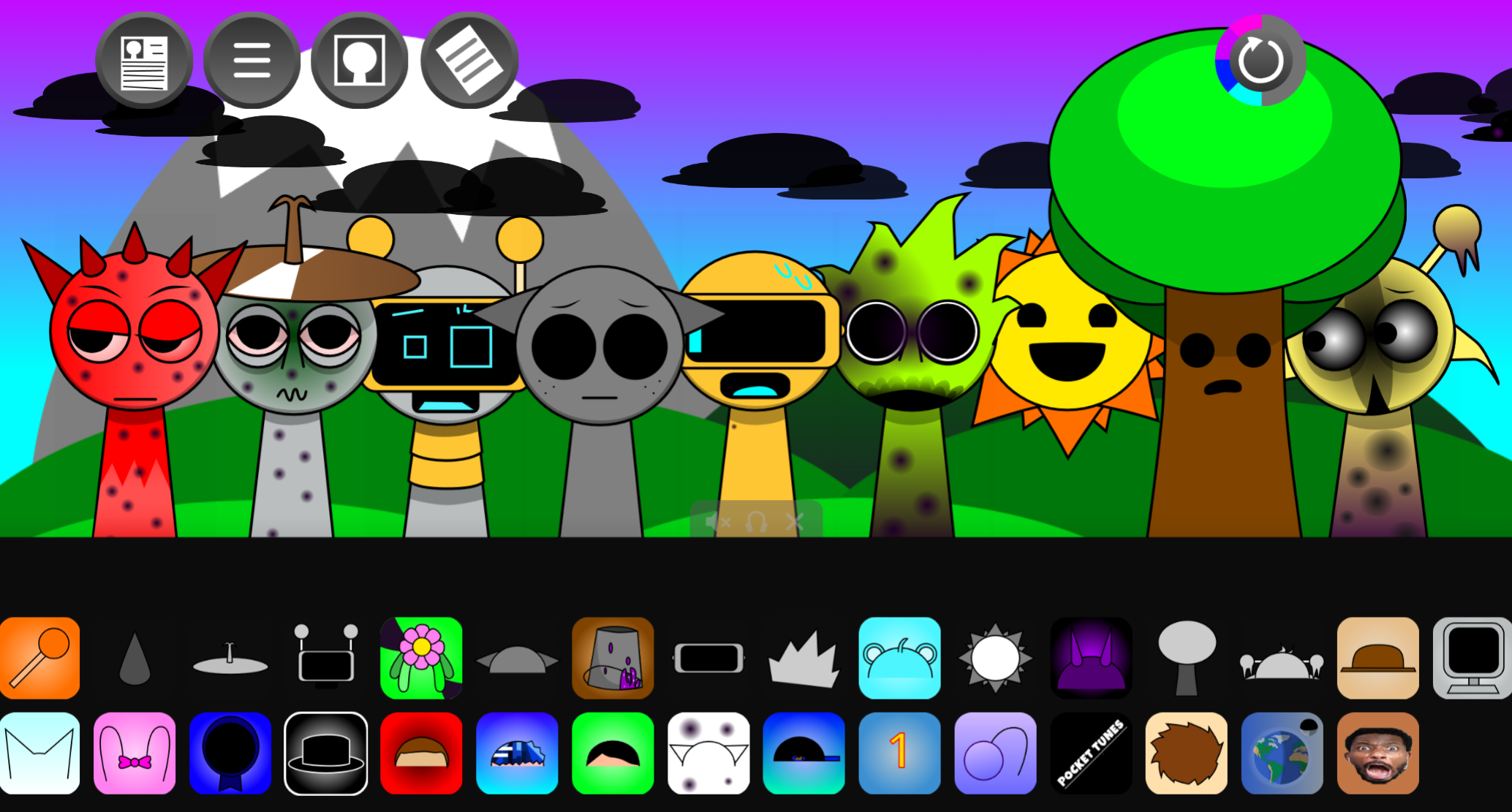
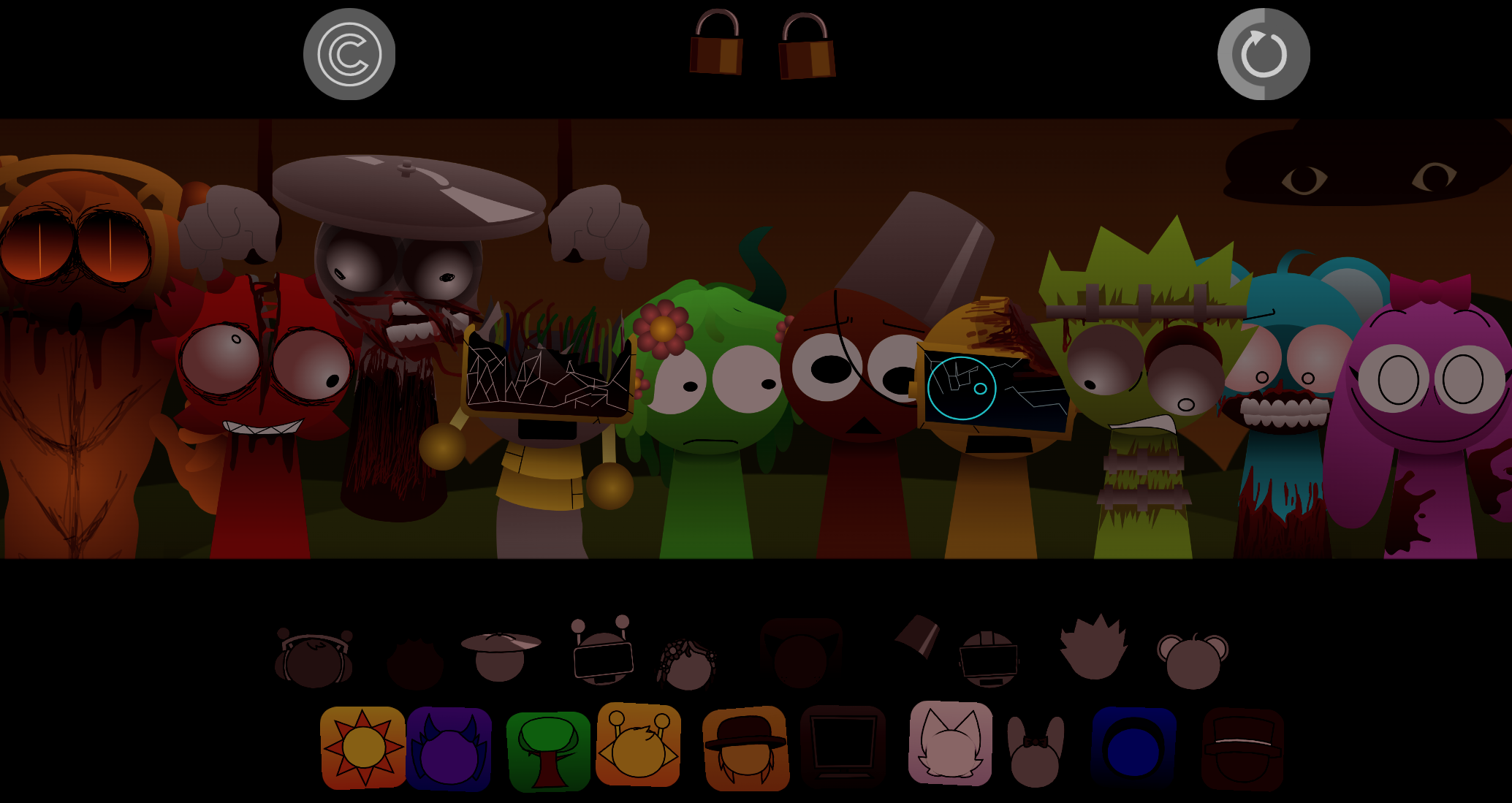
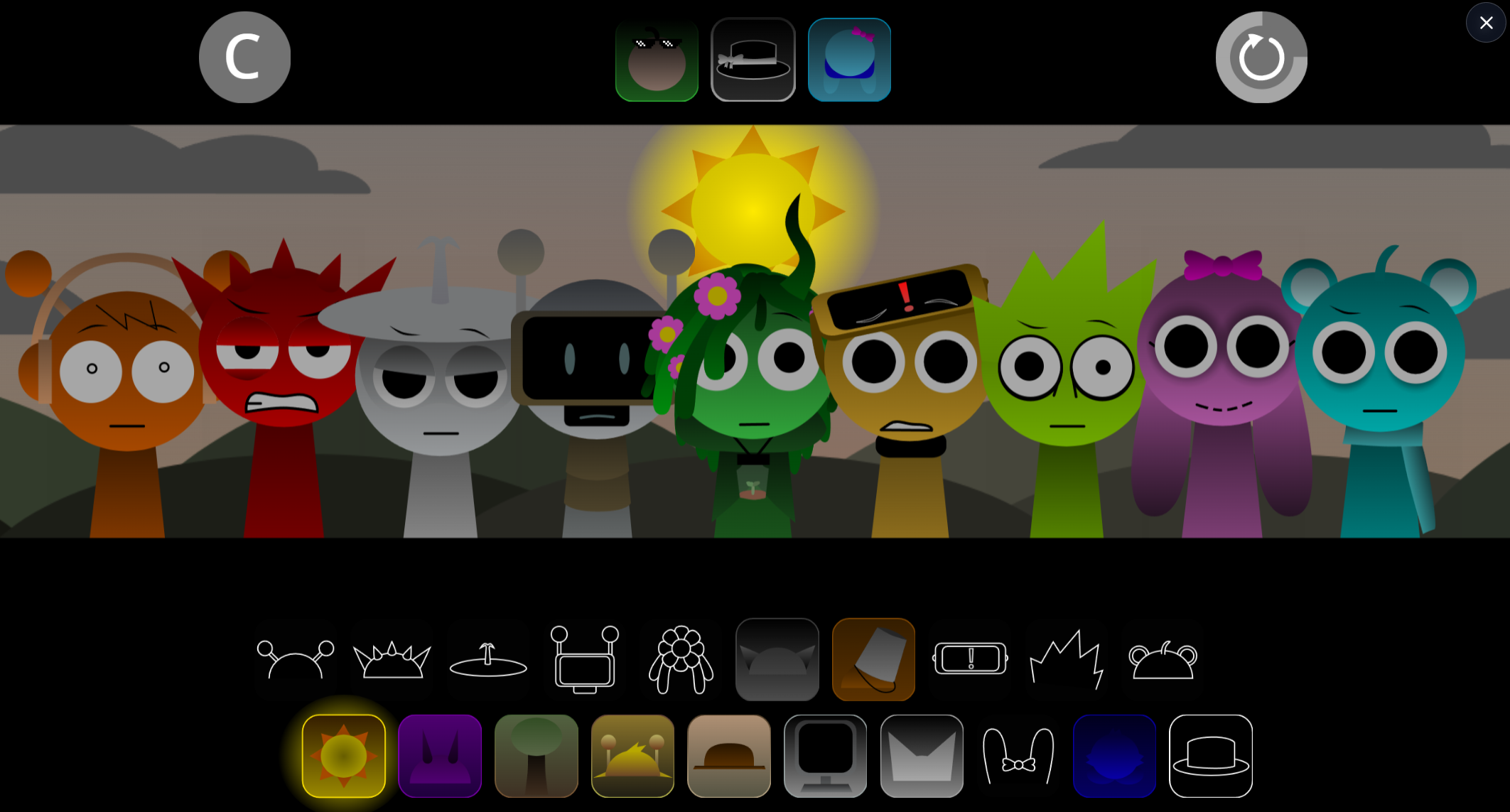
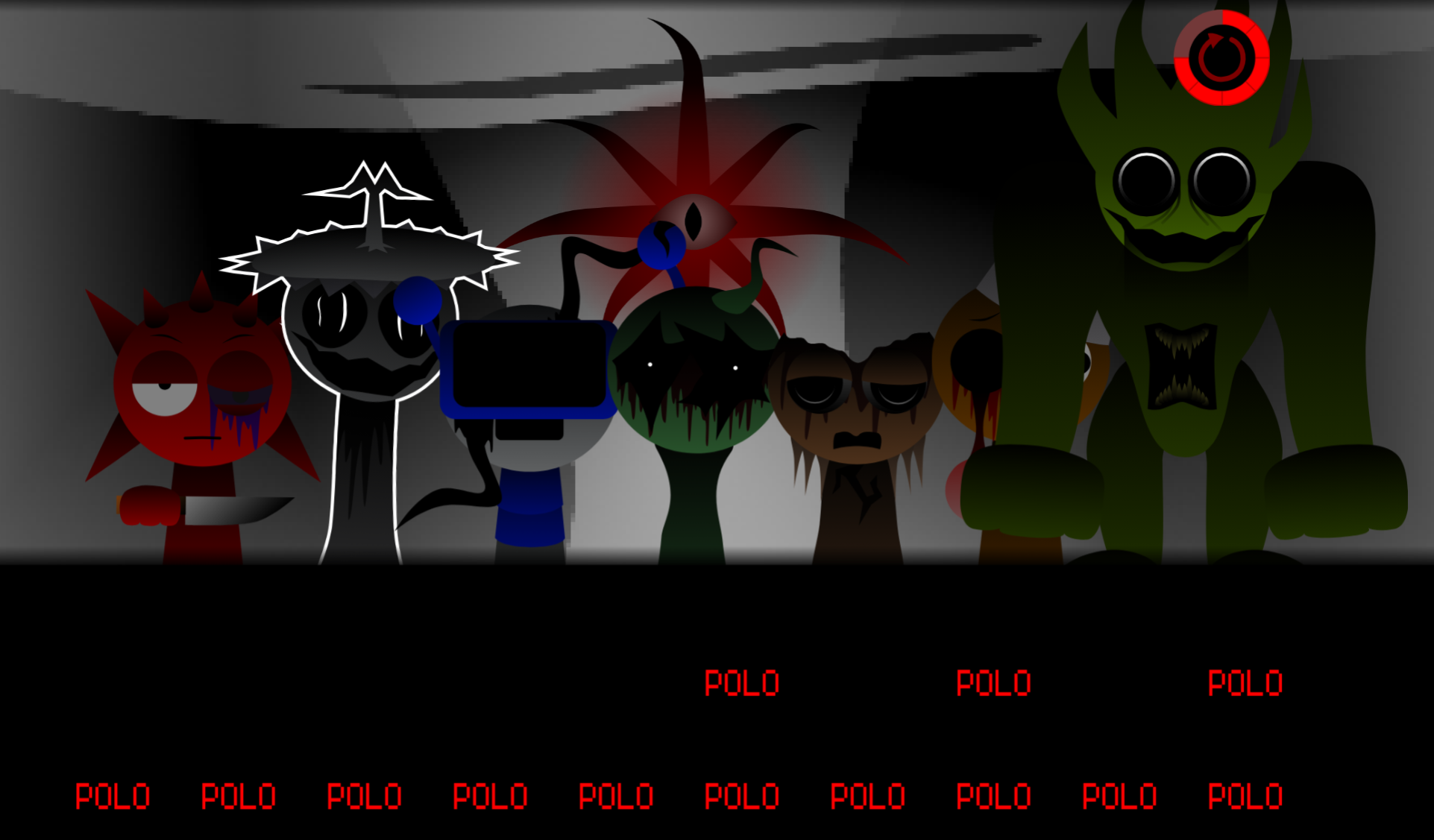
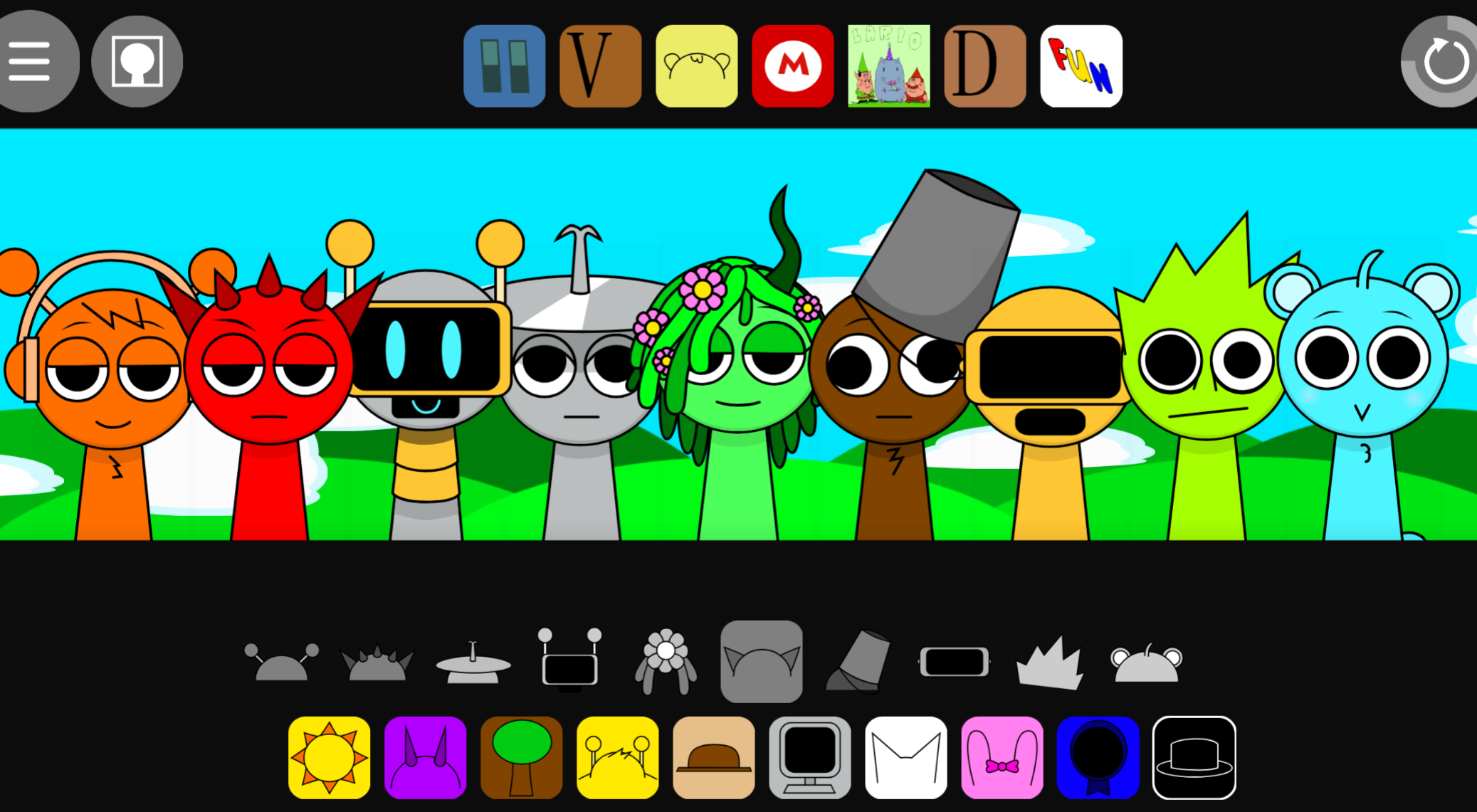
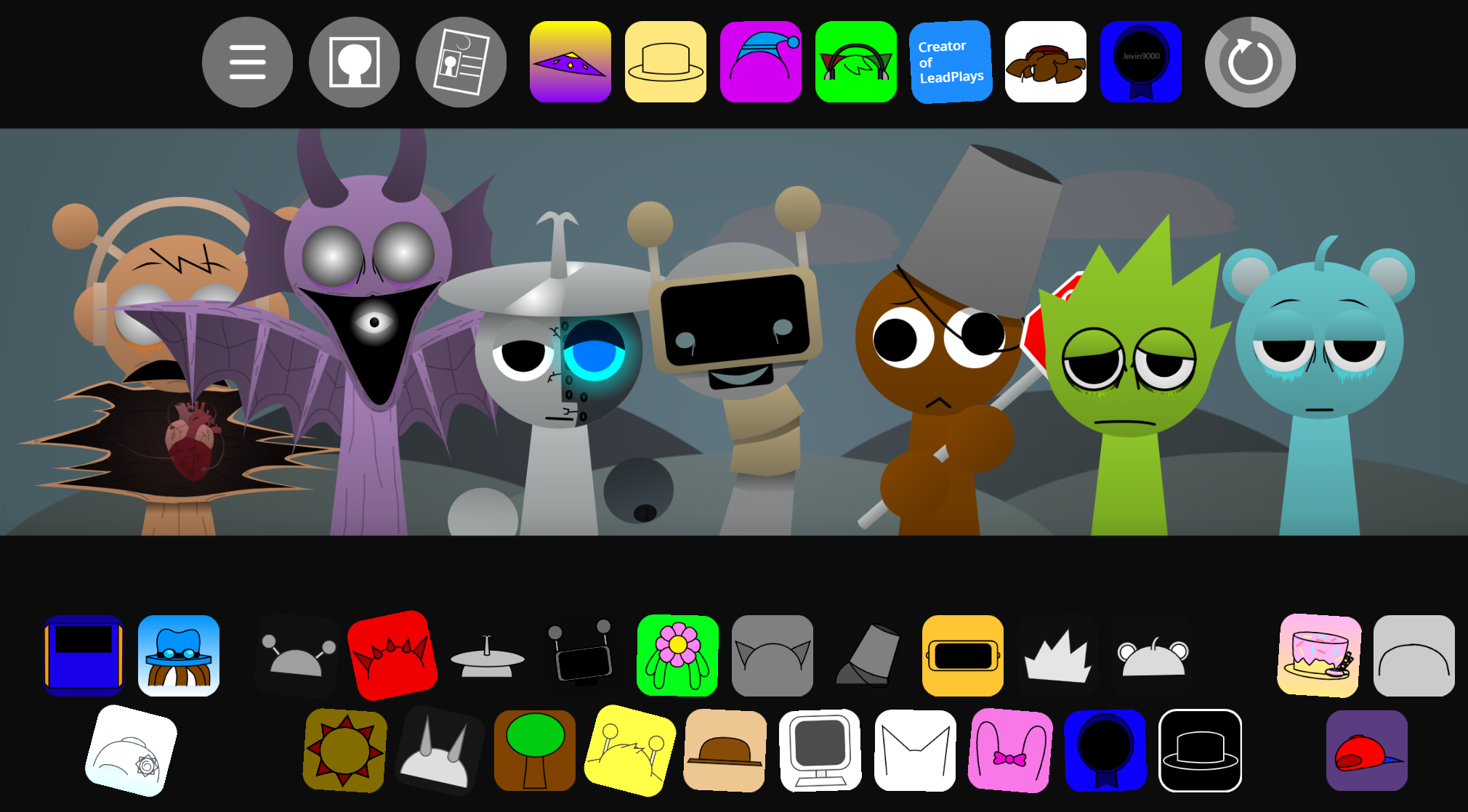

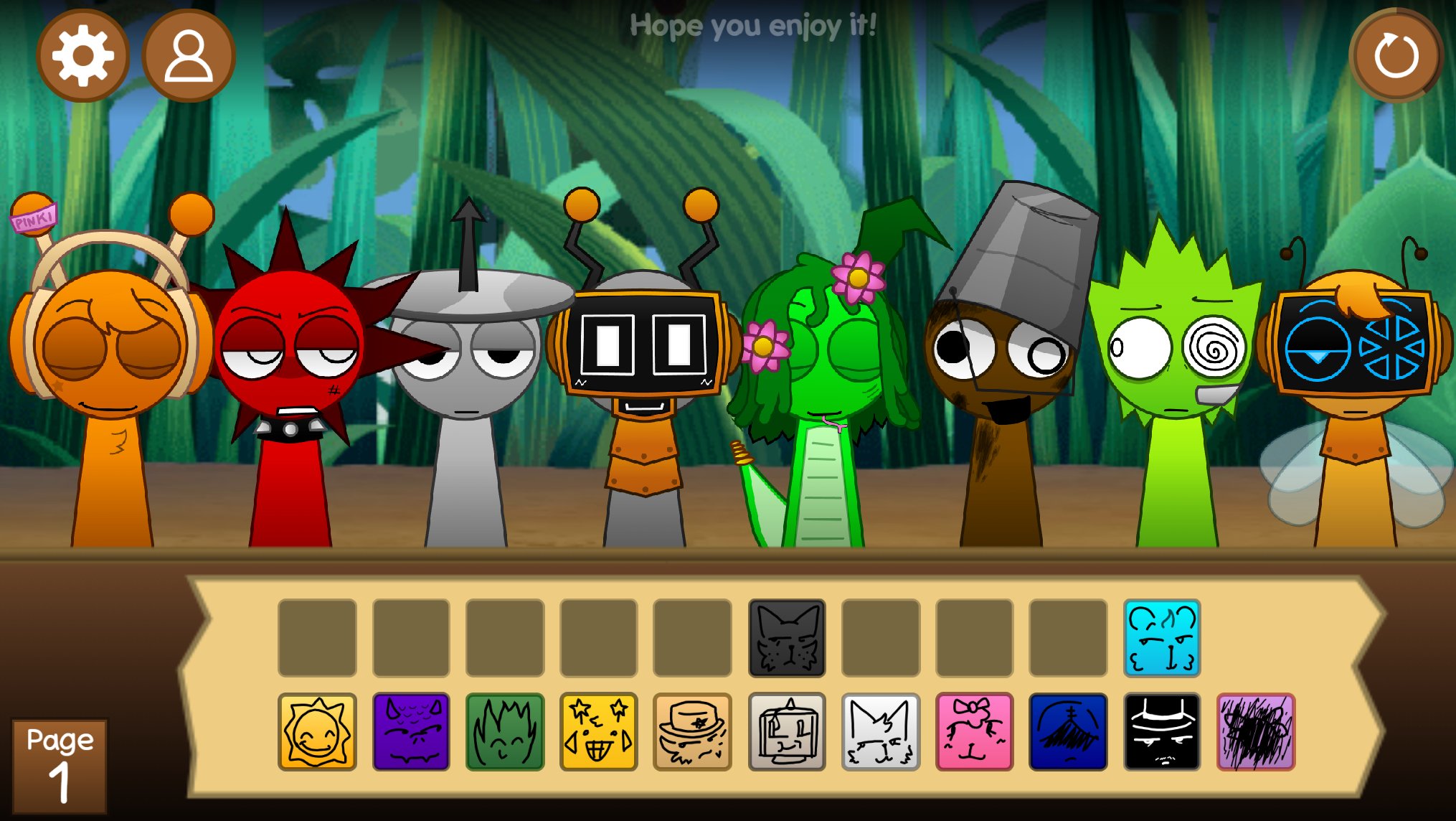
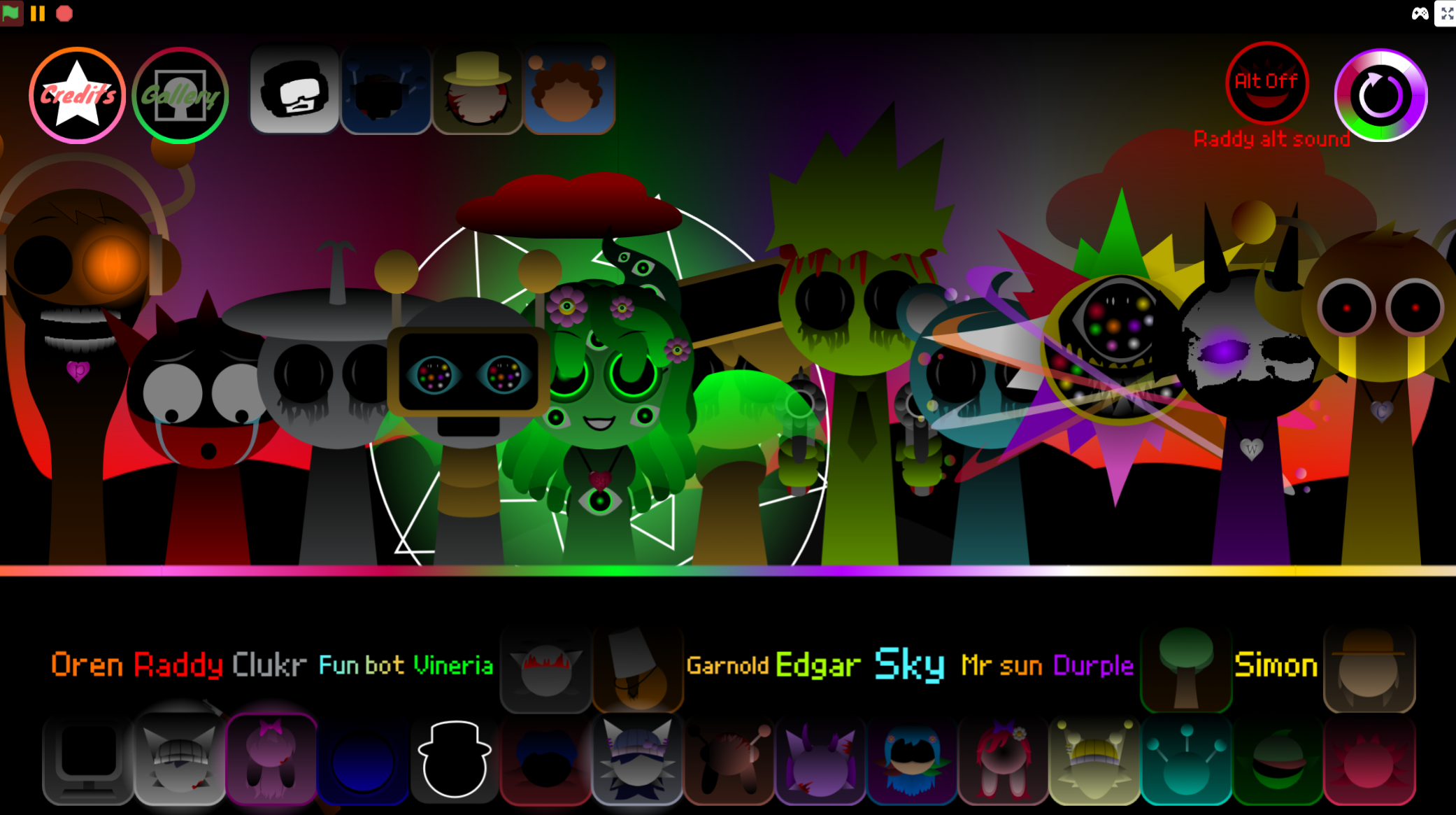
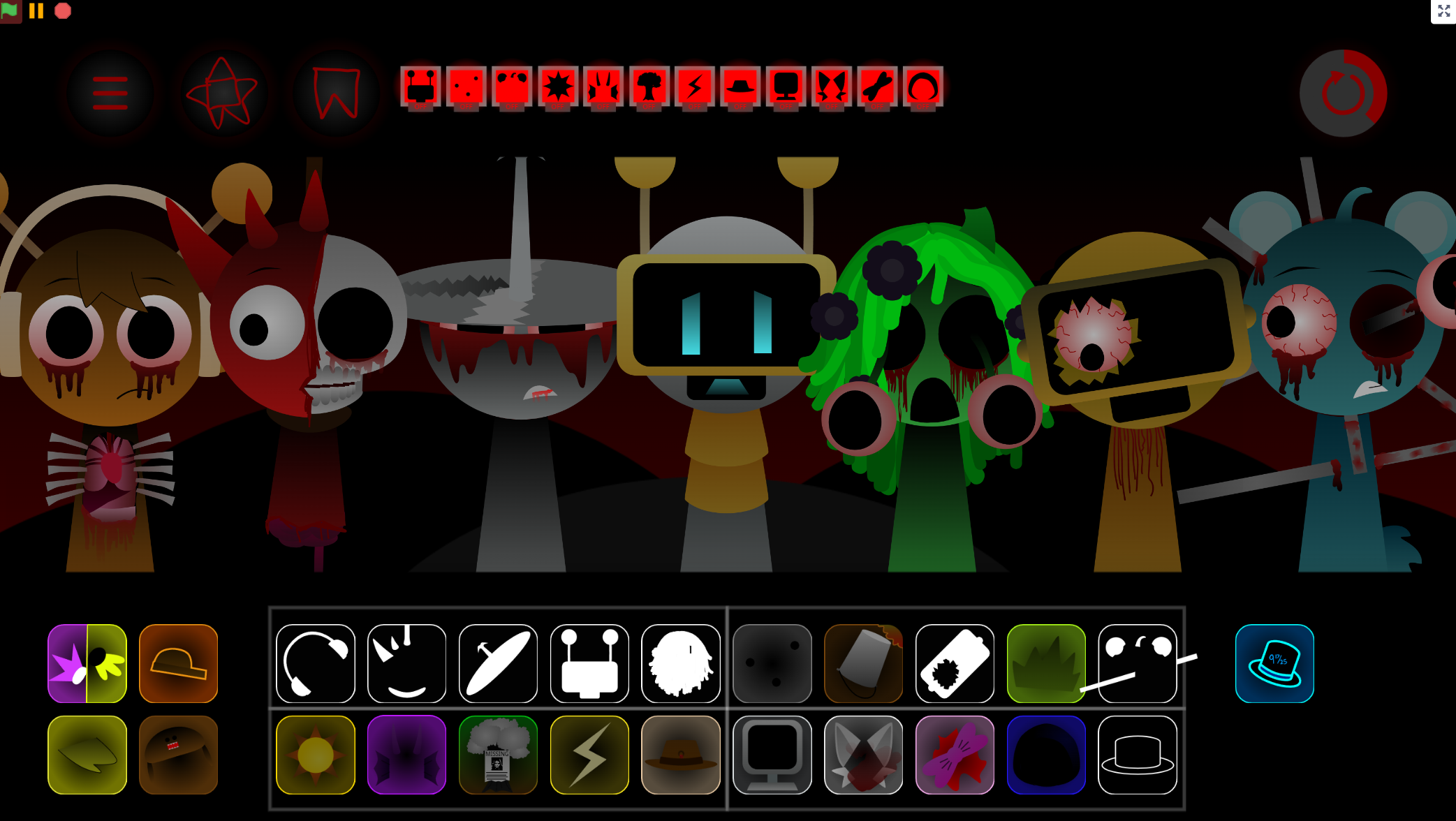
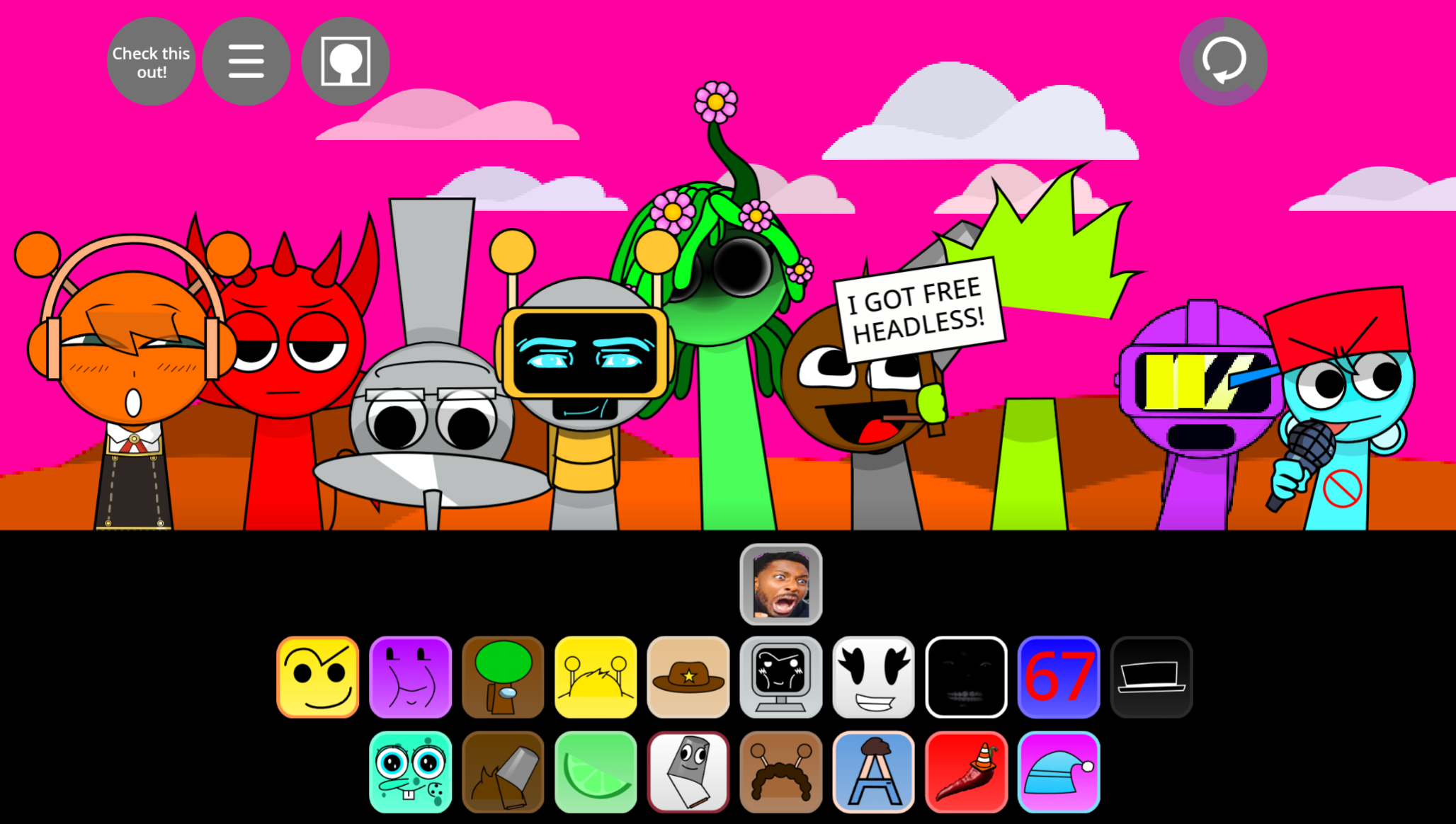
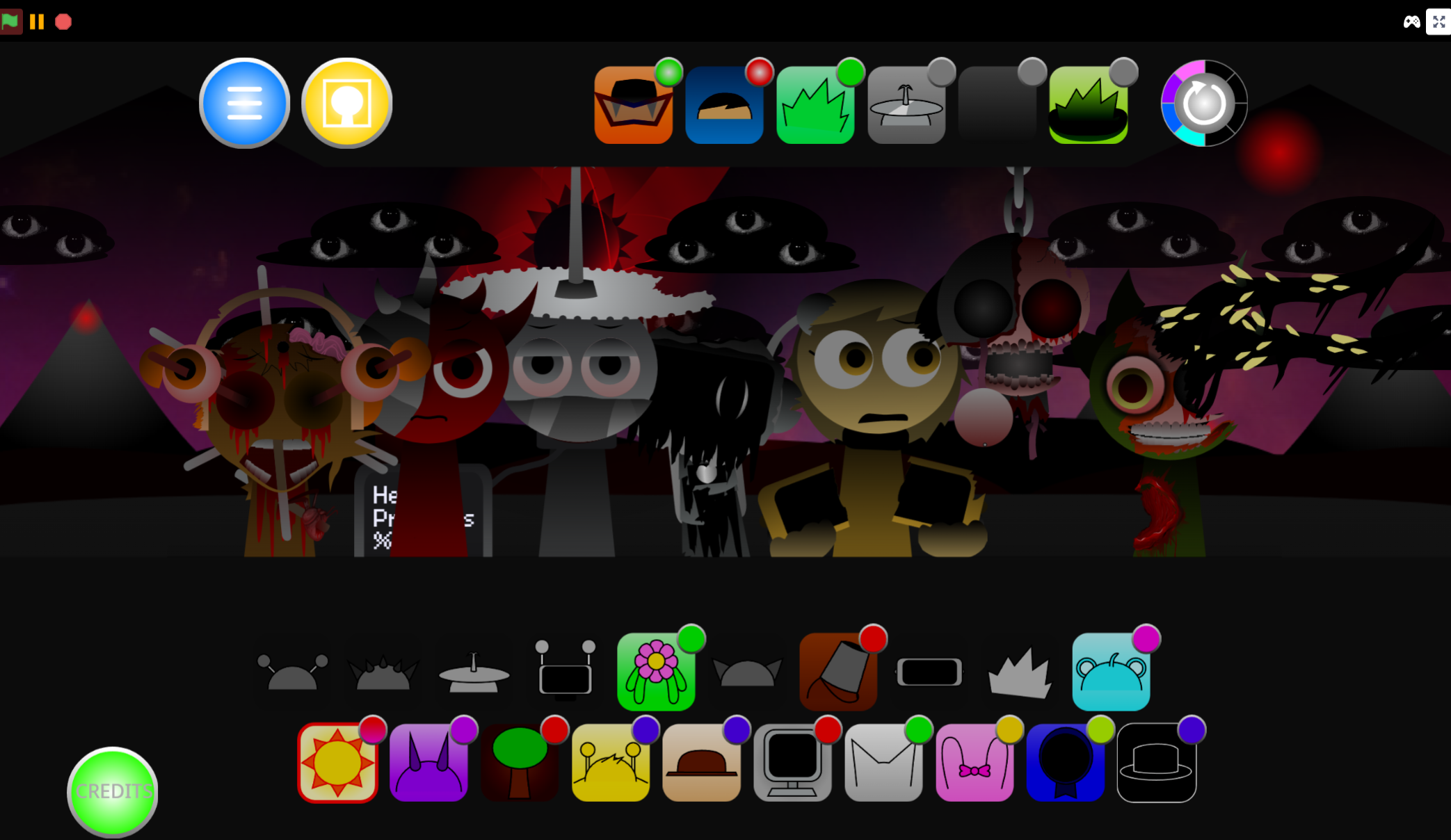
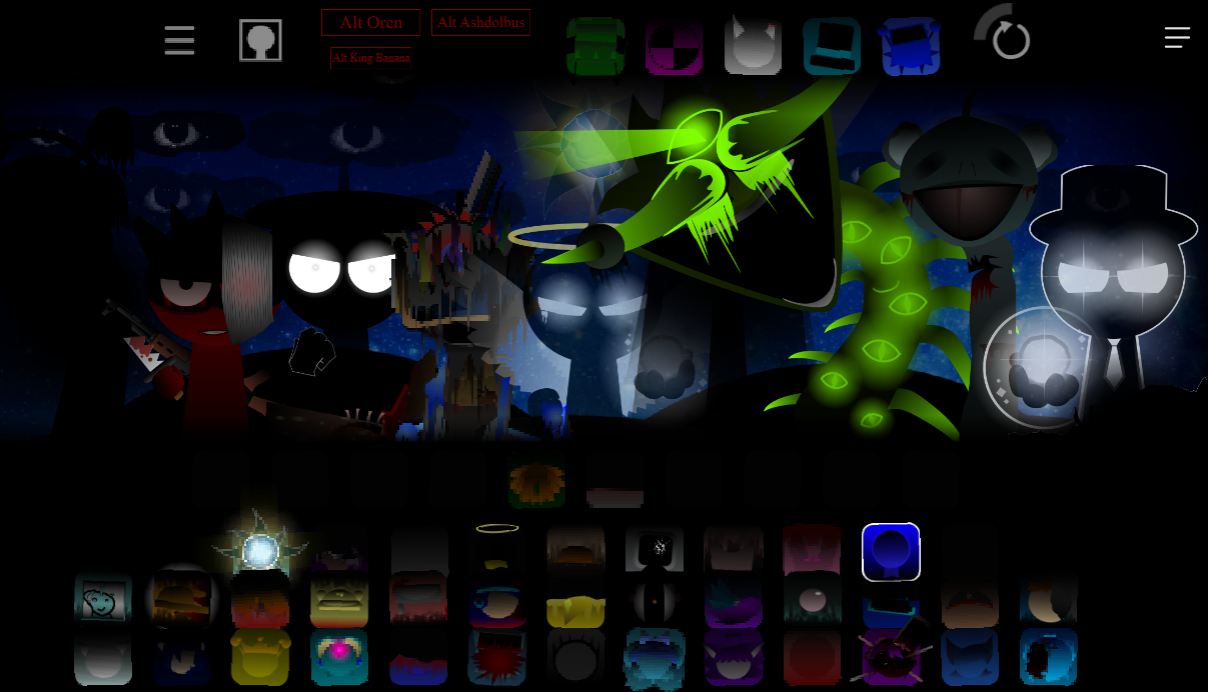
BloodMoney but its Sprunki Remake is a clicking game where you tap targets to earn money and progress through increasingly challenging stages.
The core loop is simple: click the target, collect your reward, and repeat as the difficulty scales up. This article breaks down the most useful gameplay mechanics, explains how the money system works, and covers the practical details you need to play efficiently.
You’ll find direct answers about target patterns, optimal clicking strategies, and how the Sprunki remake differs from the original BloodMoney format.
BloodMoney but it’s Sprunki Remake
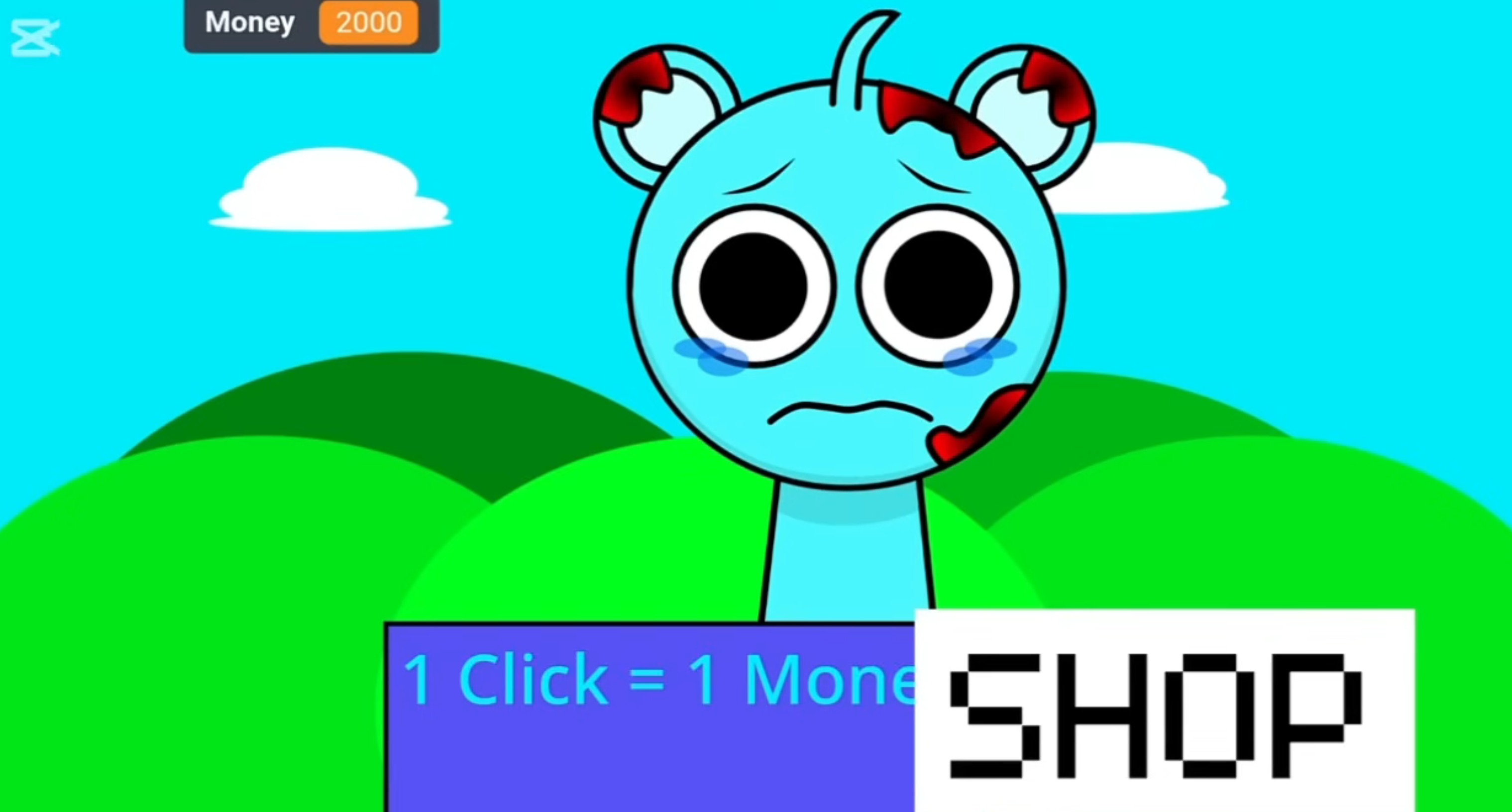
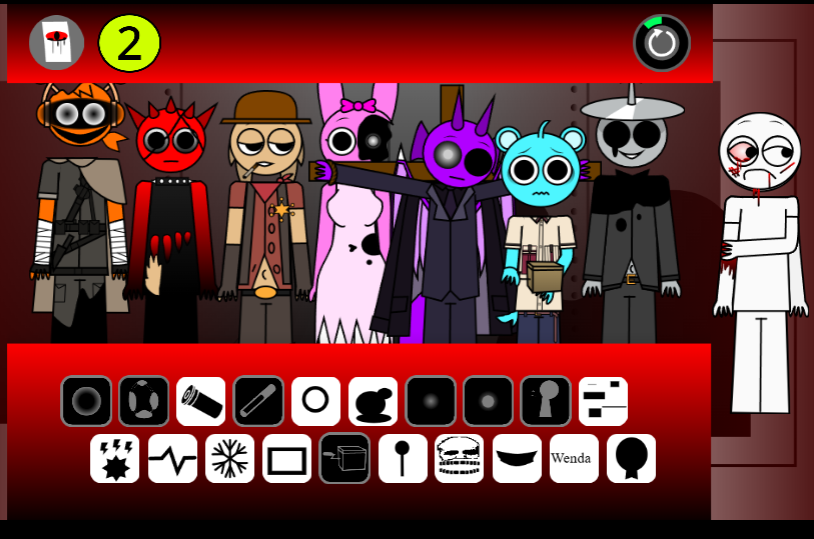
BloodMoney but it’s Sprunki Remake is a narrative clicker that replaces rhythm gameplay with a moral dilemma. You play as Wenda, who needs $25,000 for life-saving surgery. The only way to earn it is by clicking a character who reacts with visible pain. Each click generates $1. The Shop in the bottom right sells upgrades that multiply earnings per click, but every purchase increases the harm inflicted.
The game has multiple endings determined by how far you escalate. Originally created by notpatenero888 / BoppyBoy_sprunkii_ on Cocrea and Scratch, the remake runs roughly 30 minutes per playthrough and is known for its widescreen presentation, improved animation, and sound design that refuses to let cruelty feel abstract.
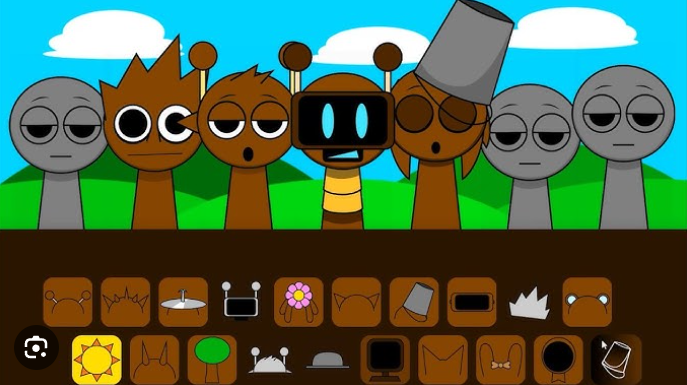
What makes this version stand out is the way it corrupts the usual Sprunki identity without abandoning it. The soft, hand-drawn style, pastel presentation, and recognizable character energy remain, but they are placed inside a scenario designed to feel morally wrong.
In circulating descriptions and builds, the character being harmed is sometimes identified as Sky and sometimes as Harvey Harvington; that inconsistency is worth noting because older alphas, reposts, and community summaries do not always match one another.
What stays consistent is the premise: profit comes from hurting a recognizable character, and the game refuses to let that process feel abstract.
The remake gained attention because its horror is not based on monsters alone, but on what the player is willing to justify when mercy is slower than cruelty.
How to Play BloodMoney but it’s Sprunki Remake
Start the click loop
Each click earns $1. The basic loop is immediate: click, gain money, repeat.
Reach the $25,000 goal
That target is high enough that pure manual clicking quickly feels inefficient, which pushes you toward harder choices.
Use the Shop to accelerate progress
The Shop sits in the bottom right and contains progression items that increase earnings per click. These are not flavor upgrades; they are the main way the game changes pace and tone.
Expect your choices to shape the outcome
The remake has multiple endings. Some materials describe 4 endings, while older summaries mention 3 endings such as Good, Neutral, and Bad. That difference appears tied to version history, but the key point is the same: what you use, how far you go, and how mercilessly you play affect the result.
Look for hidden progression after achievement hunting
If you unlock every achievement except “Goodbye World” and “Freedom,” a clickable RUN button appears on the title screen, usually in the bottom-left corner. It is one of the remake’s most important secret triggers and easy to miss if you assume the title screen never changes.
Gameplay Mechanics: The Psychology of the Clicker
The core Gameplay Mechanics are direct: click the target, gain money, repeat. But The Psychology comes from the fact that the reward loop is attached to visible suffering.
A normal clicker lets the player optimize without thinking much about the source of value. Here, the source is the point. Each click produces instant feedback, and that feedback is not just numerical. The target reacts through body language, visual deterioration, and changing dialogue that moves from confusion to fear to despair. The game never fully allows the action to become background noise.
Three systems make that work:
Direct reward feedback
Each click giving $1 makes the system easy to understand and dangerously easy to continue. The rising number is satisfying in the exact way clickers are designed to be, but the context keeps sabotaging that comfort.
Reactive presentation
Dialogue and visual decline ensure the player keeps seeing the human cost of optimization. The game does not let the money meter become emotionally neutral.
Escalation through item use
Once upgrades enter the loop, the player stops choosing only whether to continue and starts choosing how much harm is acceptable in exchange for speed.
The game turns compulsion into judgment. It asks whether efficiency still feels good when the screen keeps insisting on what efficiency means.
The Shop: Upgrades, Cruelty, and Costs
The Shop is where progression and violence become the same decision. Mechanically, it works like a familiar idle-game upgrade menu: spend money now to earn money faster later. But in this remake, better Upgrades always mean greater Cruelty.
Version 4.0 is described as including 7 items:
Feather — $100 / +$2 per click
The mildest option, framed more like tickling than overt torture.
Needle — $500 / +$4 per click
A sharp tonal turn. The harm is no longer easy to excuse.
Hammer — $1,500 / +$8 per click
Blunt violence becomes a progression tool.
Scissors — $3,000 / +$16 per click
This is where the system starts to feel grotesque rather than merely dark.
Match — $6,000 / +$32 per click
Expensive and openly vicious, pushing the earnings curve into outright horror.
Knife — $10,000 / +$64 per click
One of the most devastating upgrades, maximizing efficiency by maximizing visible harm.
Those numbers explain the design better than any theme summary can. The game does not hide the trade: slower routes are more humane, faster routes are more monstrous. Reinvestment becomes self-indictment. The player is not just buying power, but deciding how much suffering should be converted into progress.
The Shop is the moral engine of the remake. It turns the usual pleasure of optimization into a test of what the player is willing to normalize.
Features
Clicker structure fused with narrative pressure
The loop is simple, but the story context prevents it from becoming mindless.
Visual novel and simulation elements
Dialogue, reactions, and event framing matter as much as the money total.
Cute presentation against a horror premise
Pastel Sprunki-style visuals clash with the subject matter in a way that feels deliberate.
Branching outcomes
The remake is built for route variation and replay rather than a single clean ending.
Polished remake presentation
Compared with rougher early versions, the remake is associated with improved art, animation, widescreen formatting, and stronger sound design.
Short but concentrated runtime
A full run is relatively compact, which makes the game’s discomfort feel compressed and difficult to shake off.
Tips for Players
If you want to see what the remake is actually doing, do not approach it like a one-and-done novelty run.
Prioritize routes over simple completion
One ending is not the whole game. Because the structure revolves around consequences, replaying with different levels of restraint or escalation is the best way to understand it.
Use items carefully, not automatically
With 7 items in the newer structure, testing everything immediately can push a run into an unintended outcome. Some tools may also produce extra dialogue or altered interactions if repeated.
Watch for title-screen changes
The hidden RUN button tied to achievement progress is one of the easiest secrets to miss. If you are hunting everything, revisit the menu instead of assuming all progress happens in-run.
Assume version differences before assuming you missed something
This game has circulated through incomplete or unstable builds. If a trigger seems absent, an item behaves strangely, or an ending count does not line up with what you read, the build may be the reason.
Play the newest version available
Older alpha builds were much more limited. Some lacked sound, and some reportedly stopped around the scissors stage. If you want the full mechanical and emotional arc, outdated versions can give a misleading impression.
Related Games
- Sprunki Scratch Remake — Its Scratch-to-remake angle makes it the closest follow-up for players interested in how BloodMoney’s fan-made roots translate into a cleaner, more polished Sprunki experience.
- Sprunki Warm Like Fire 2.0 Remake — The “2.0 Remake” framing fits BloodMoney’s appeal for players who specifically want another reworked Sprunki project with upgraded audiovisual presentation rather than a standard mod.
- Yet Another Boring Old Sprunki Mod Remake — Its self-aware remake identity makes it a sensible next pick for readers who enjoyed BloodMoney as a twist on familiar Sprunki material instead of a conventional music-mixing entry.
Which ending should you aim for first?
If you are comparing guides, expect contradictions. Some materials describe the target as Sky, others as Harvey Harvington. Some say the remake has 4 endings, while older summaries only list 3. Those differences appear to come from alpha-era changes, reposted builds, and incomplete documentation.
The safest way to read the game is this: Wenda needs $25,000, the player earns it through a progressively cruel click-and-upgrade loop, and the remake’s hidden layers—especially achievements and the RUN button—matter as much as the visible money grind. Start with a restrained run to see the baseline outcome, then escalate on subsequent attempts to map the full consequence structure.
Discuss Sprunki