
https://sprunkiretake.net/sprunki-game/sprunki-betters-and-loses-phase-4
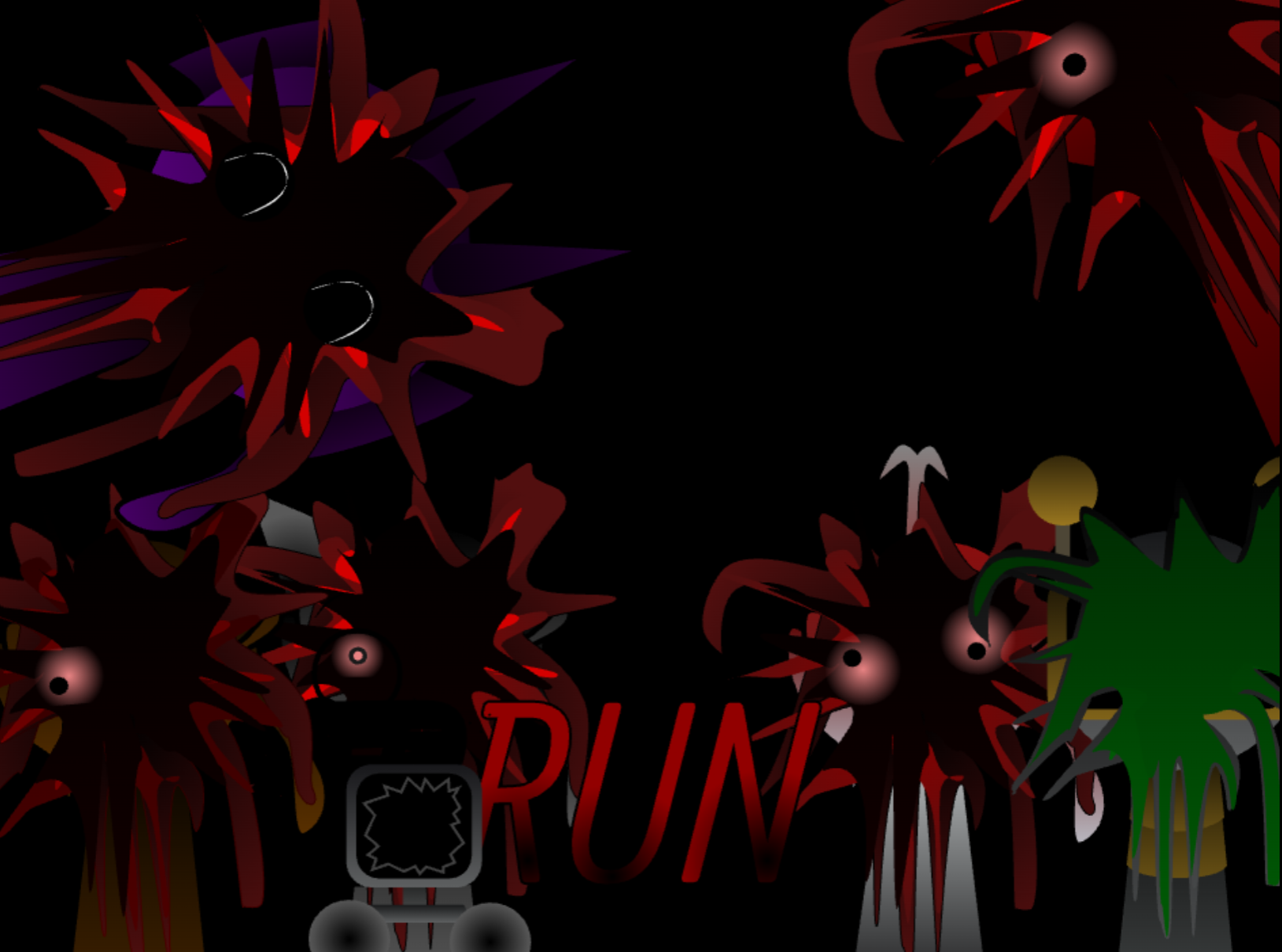
Sprunki Betters And Loses Phase 4 is a community-driven storytelling achievement that reframes the entire Sprunki canon around loss, consequence, and transformation rather than simple horror progression.
Where earlier phases gesture at darkness, Phase 4 embeds its meaning directly into The Lore and the logic of Sacrifice — players who read the cast carefully will find that every costume detail, every sound layer, and every visual cue points toward an Ultimate confrontation the game never announces outright. This article focuses on those embedded story clues: what The Lore actually encodes about character fate, how Sacrifice functions as a structural event rather than a cosmetic shock, and why the phase’s darkest choices are hidden in how it presents information rather than in any cutscene or dialogue.
If you have been working from a vague horror summary of Phase 4, the chain of events below will replace it with something specific enough to follow beat by beat.
Sprunki Betters And Loses Phase 4
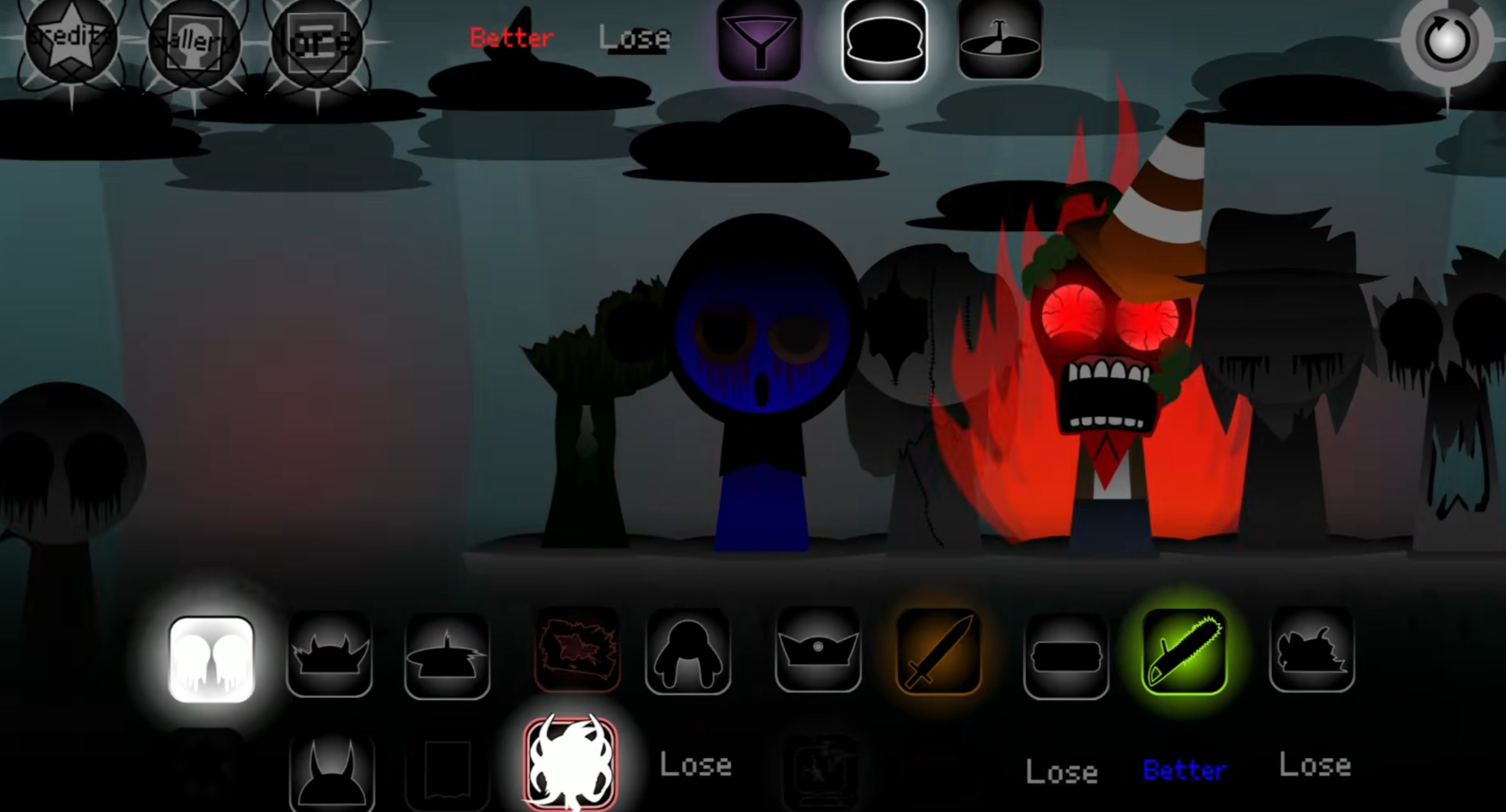
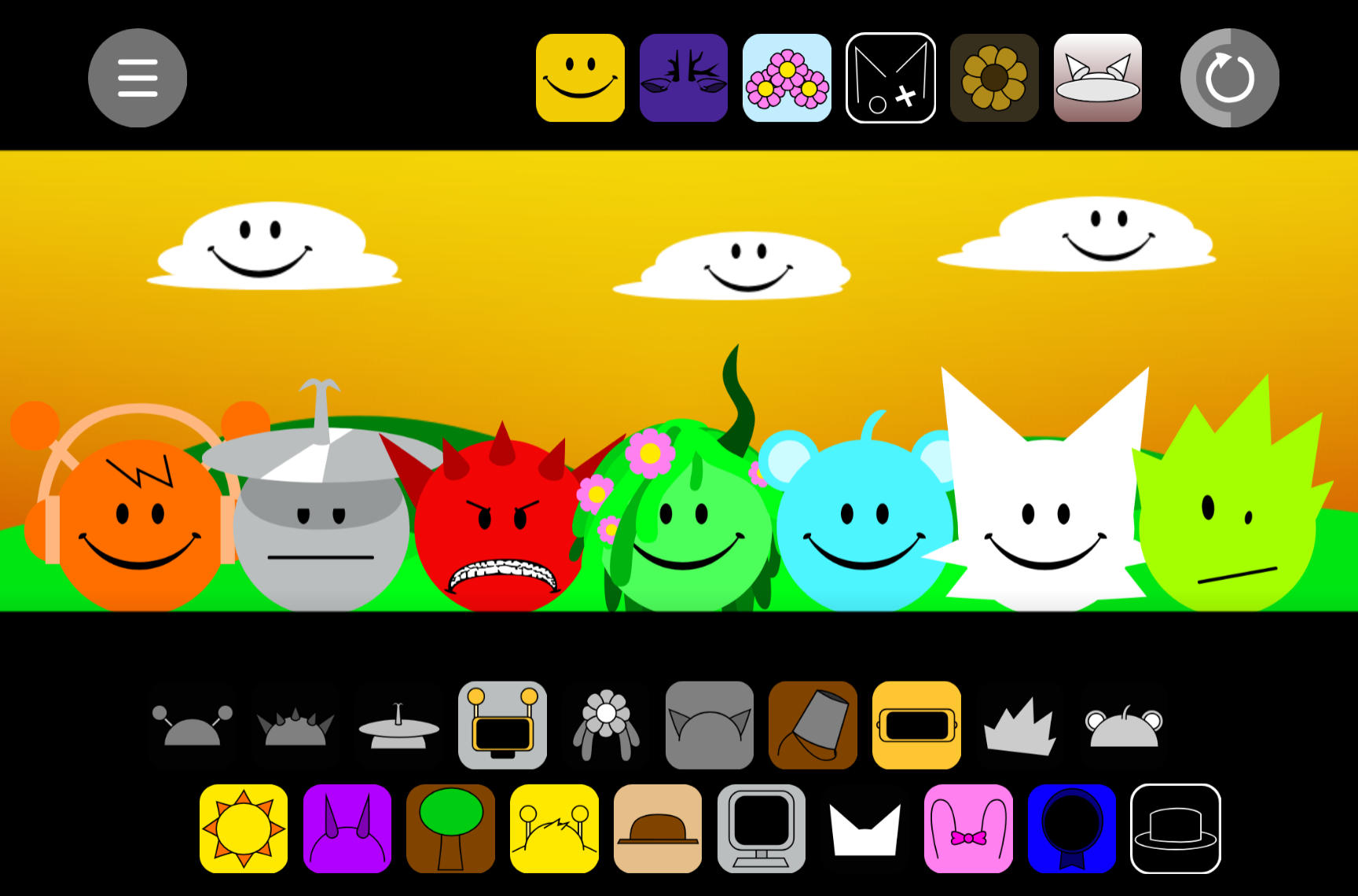
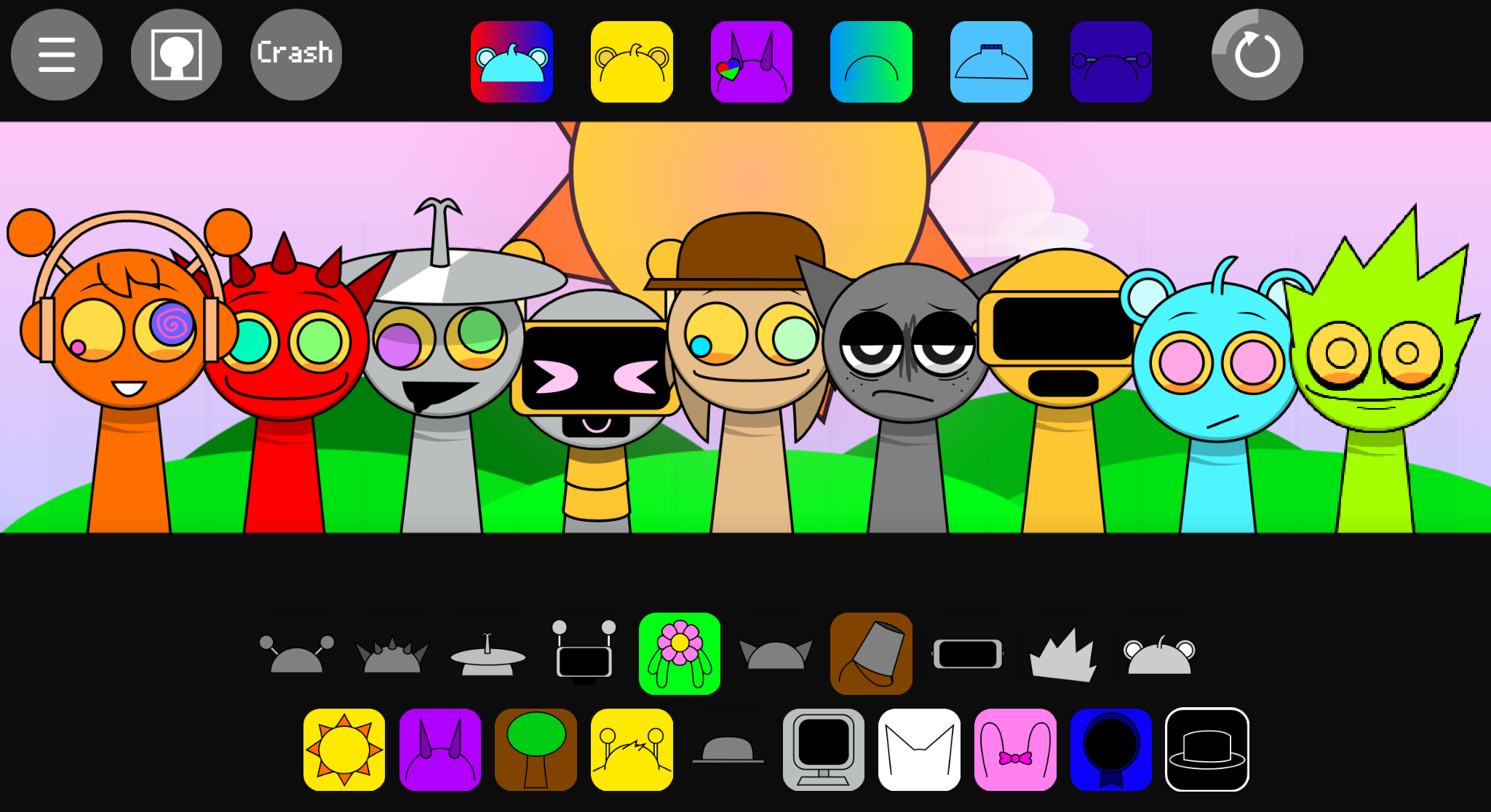
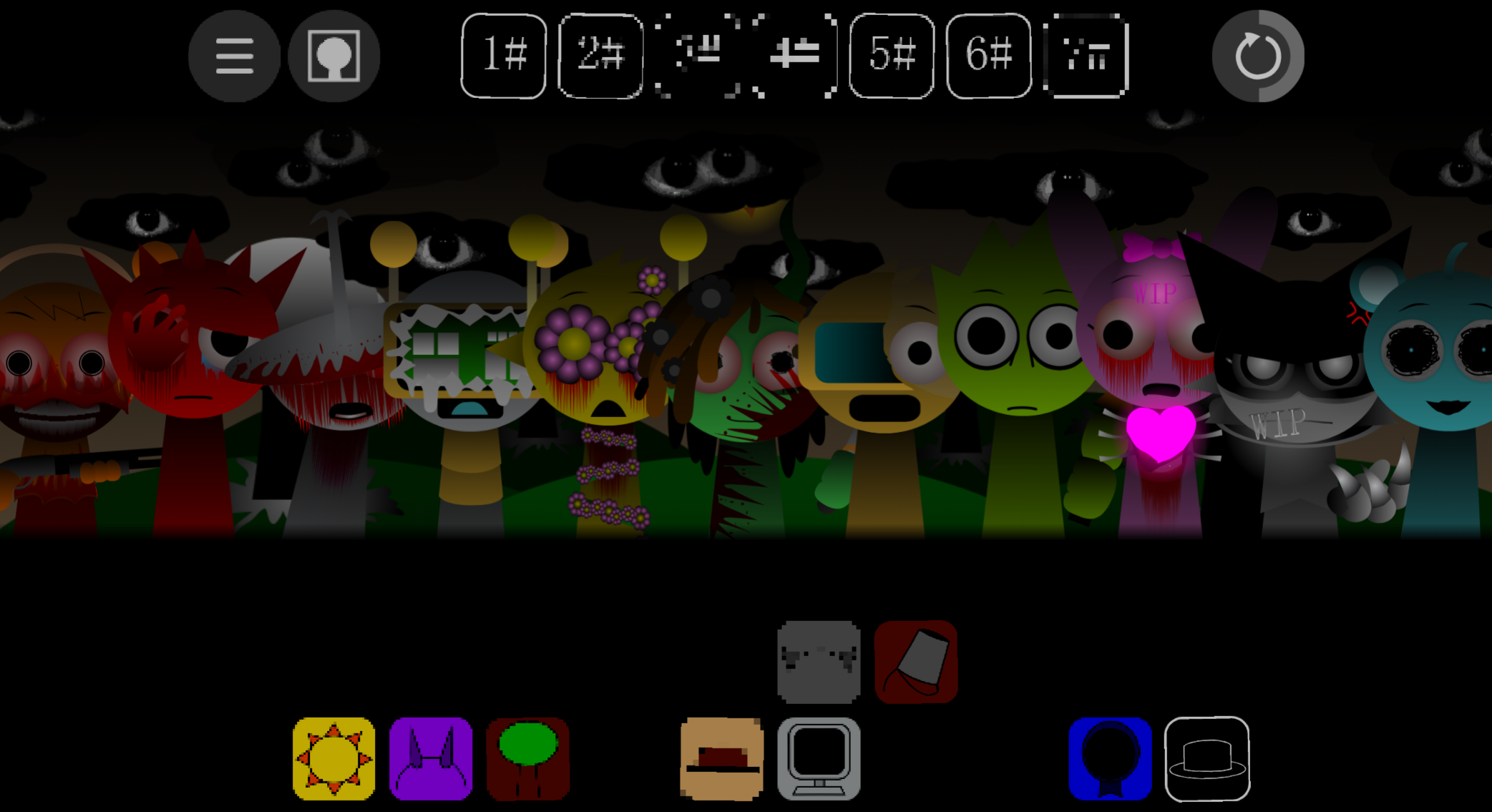
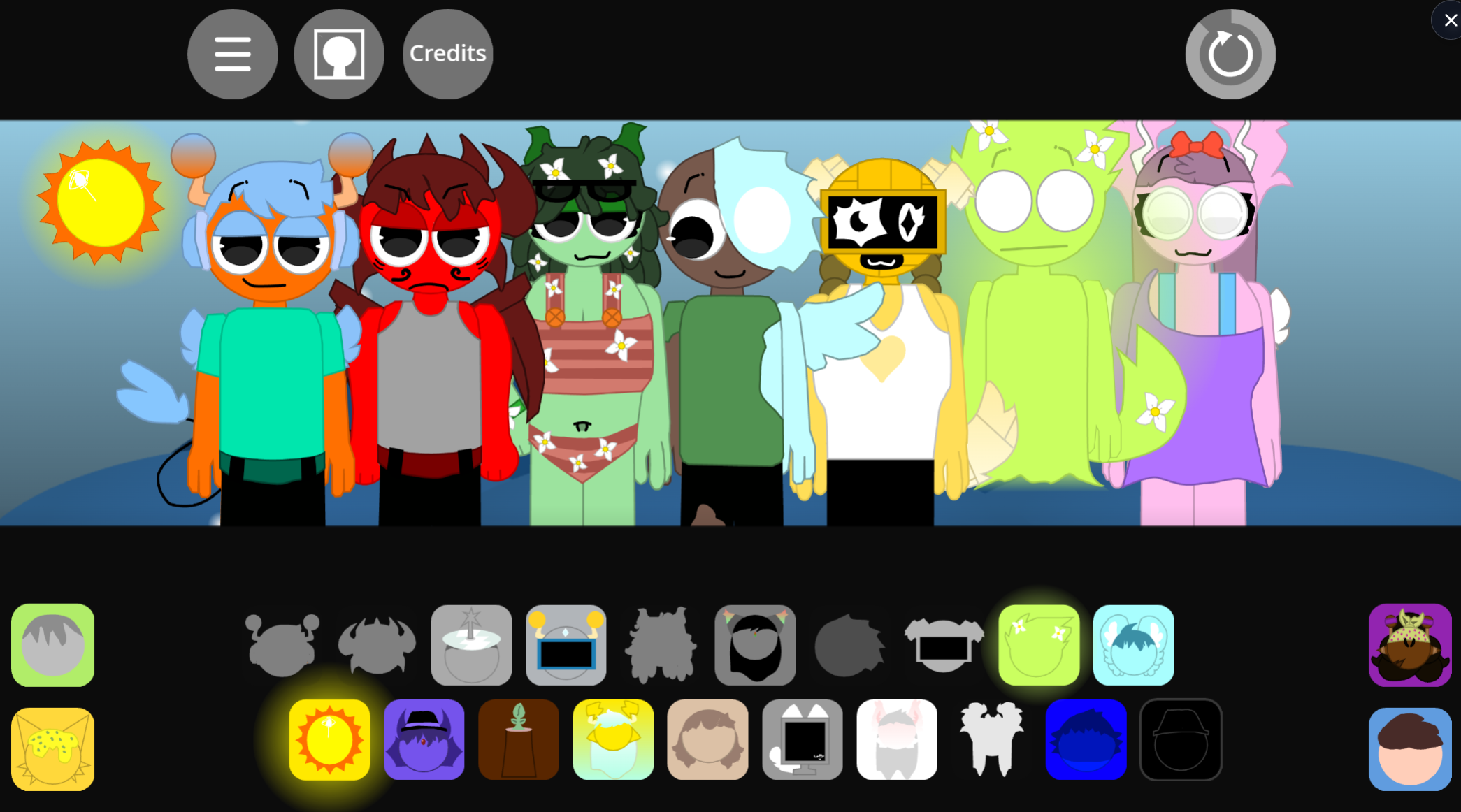
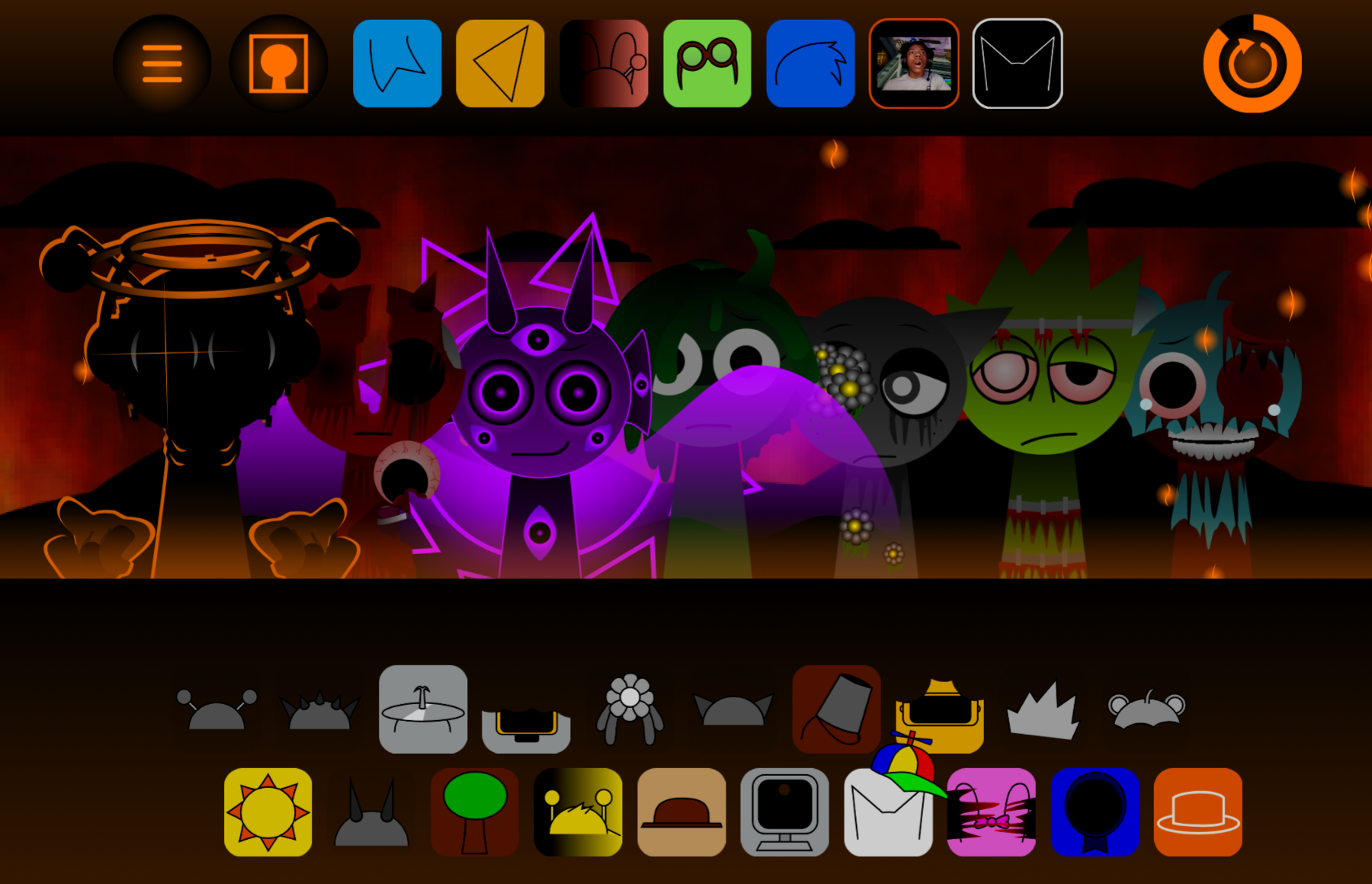
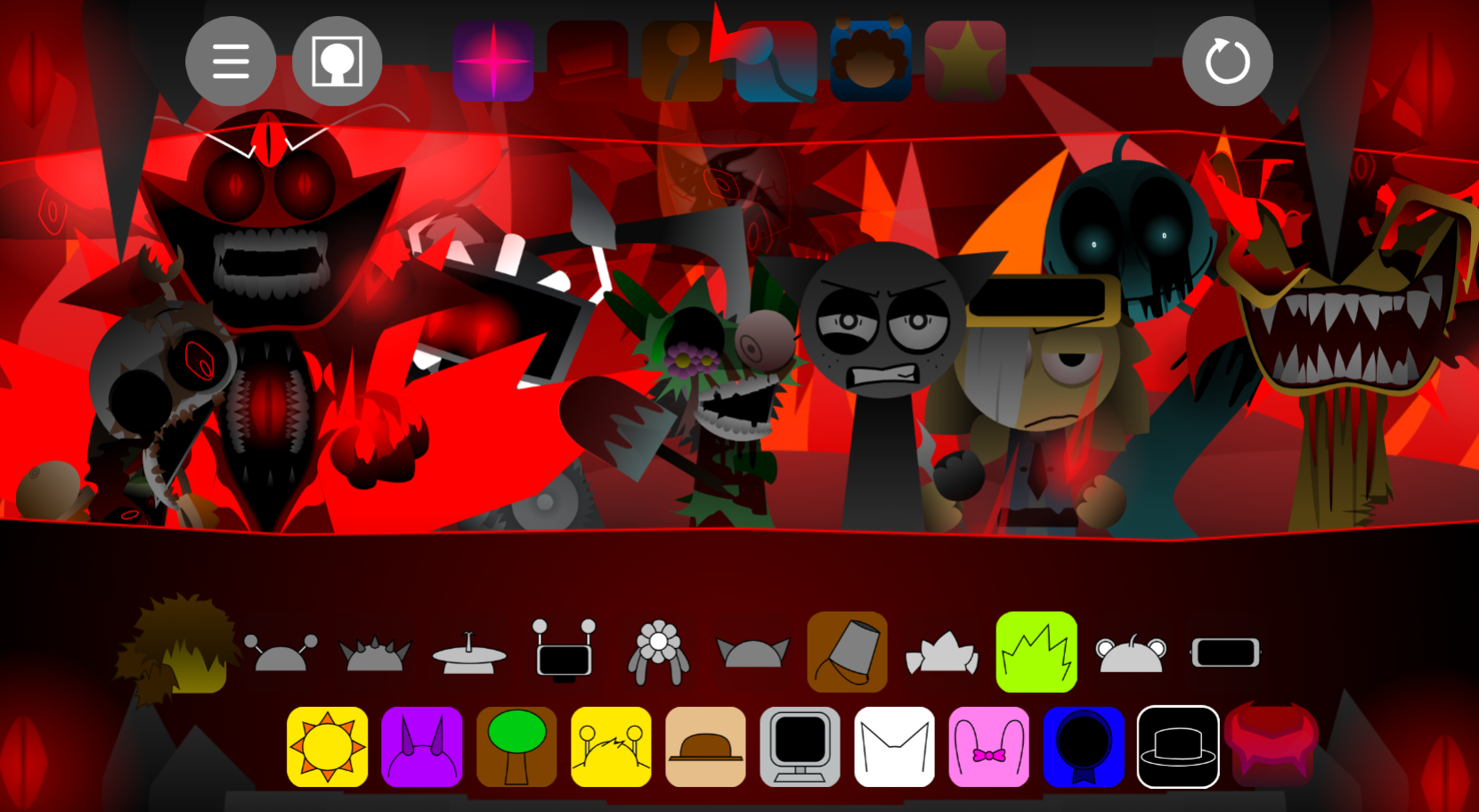
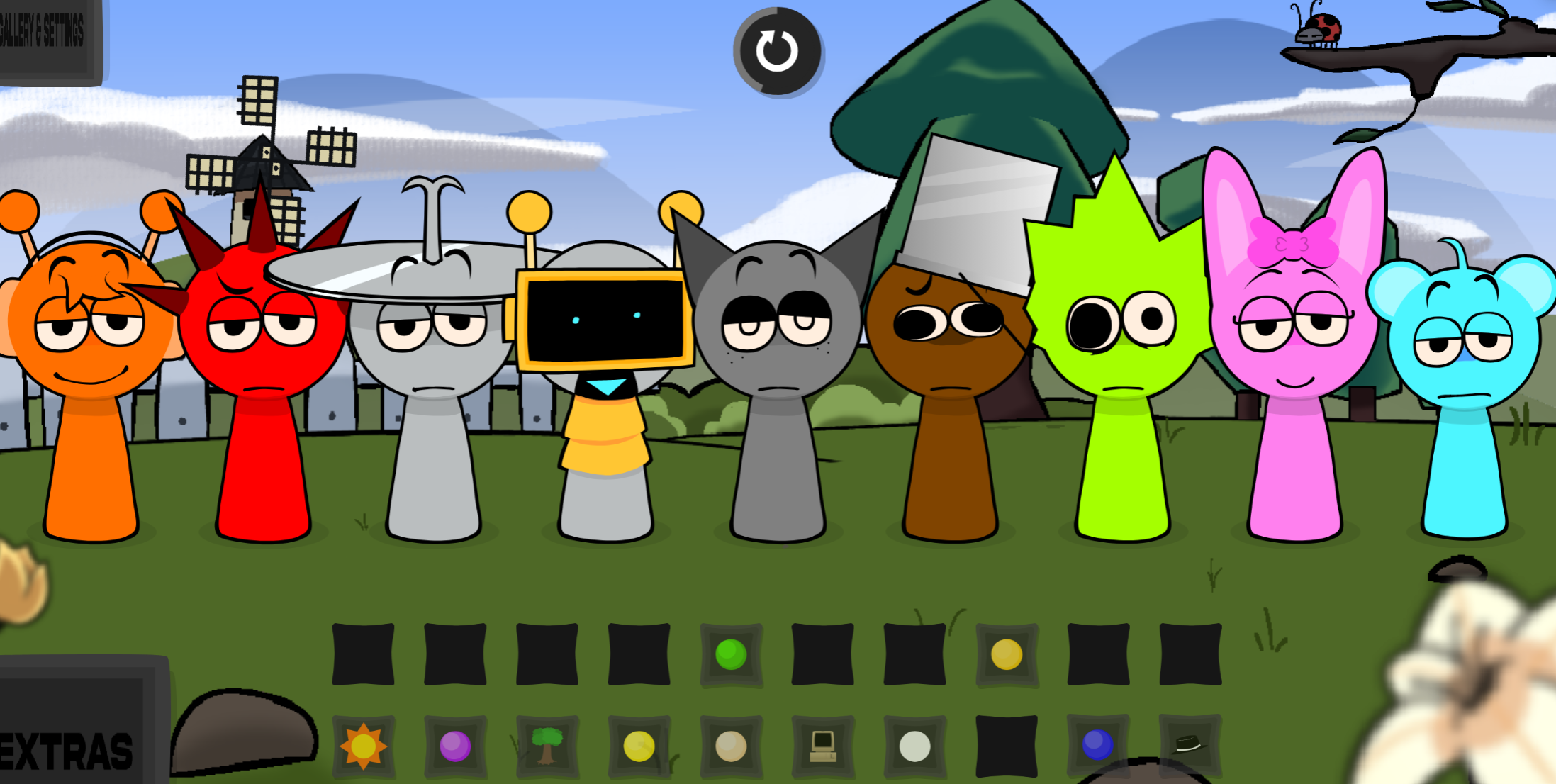
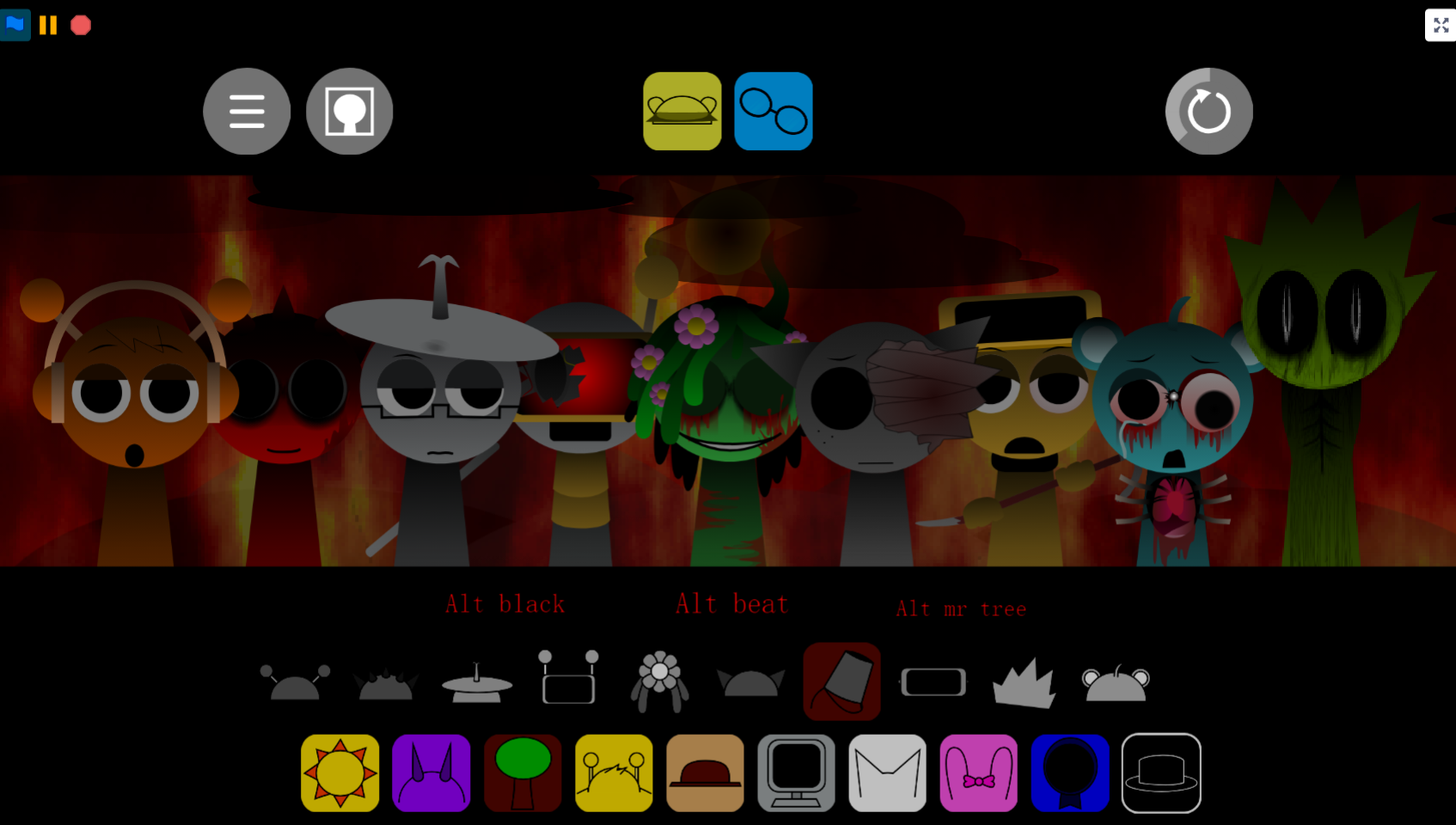
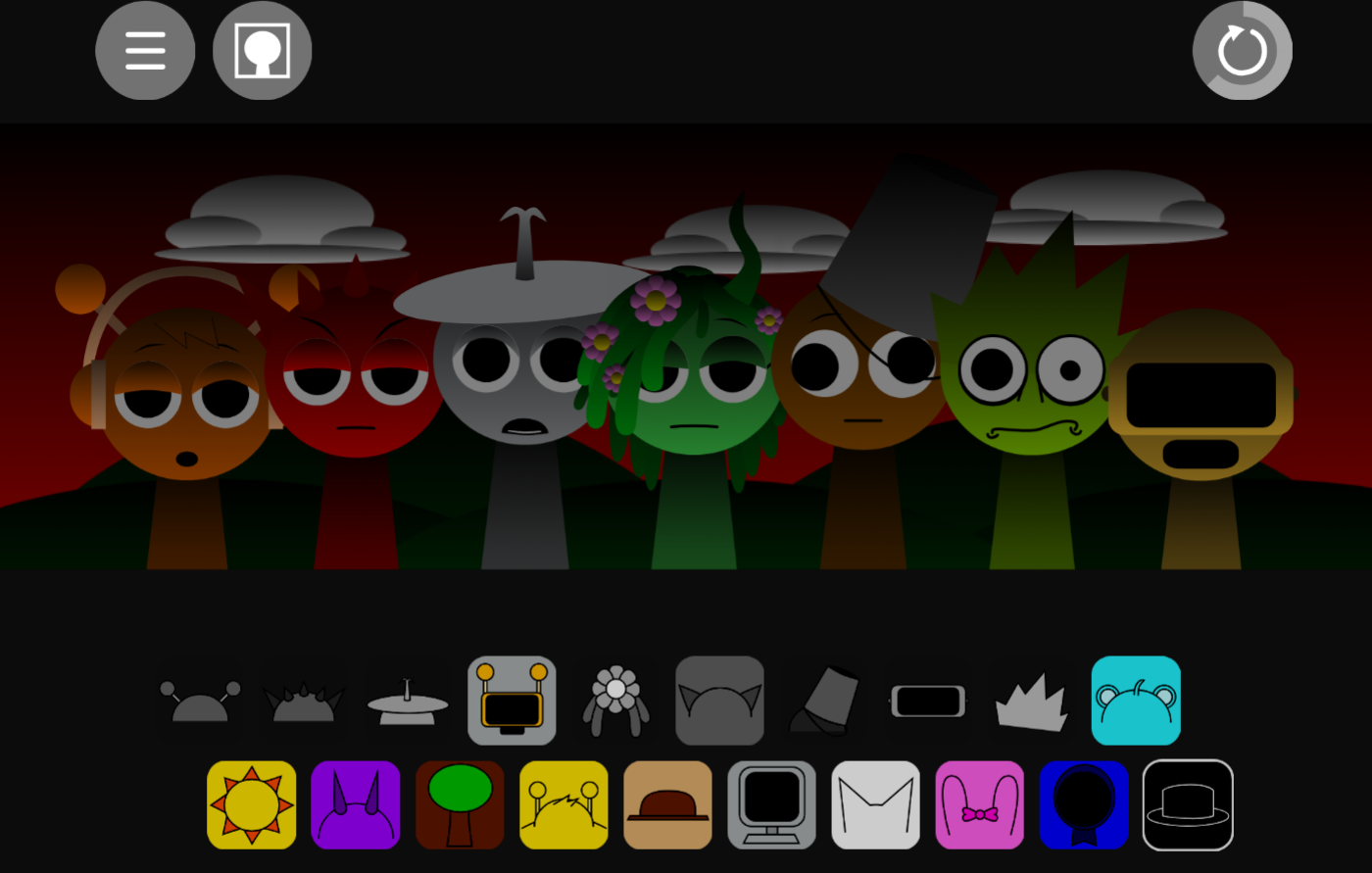
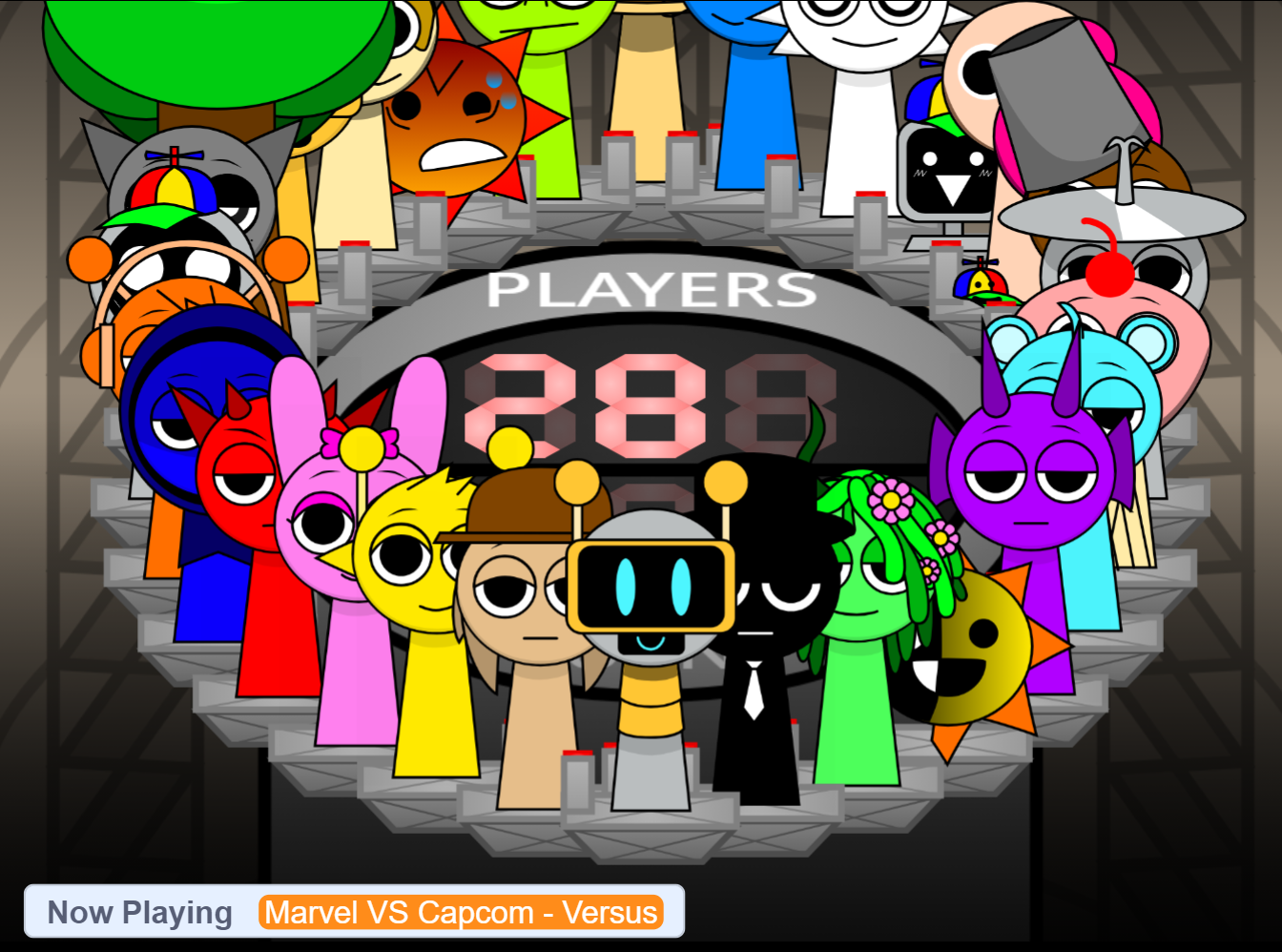
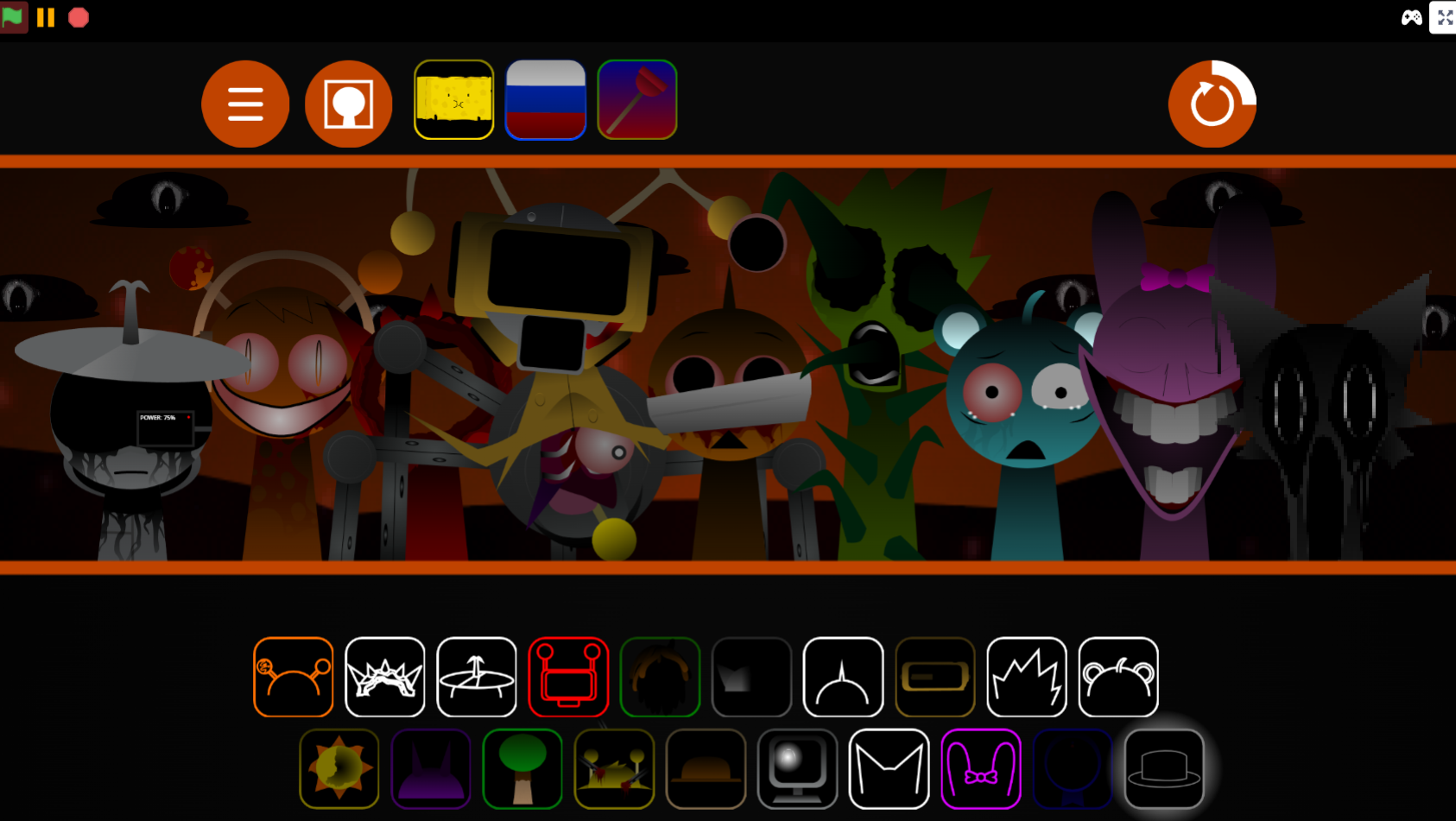
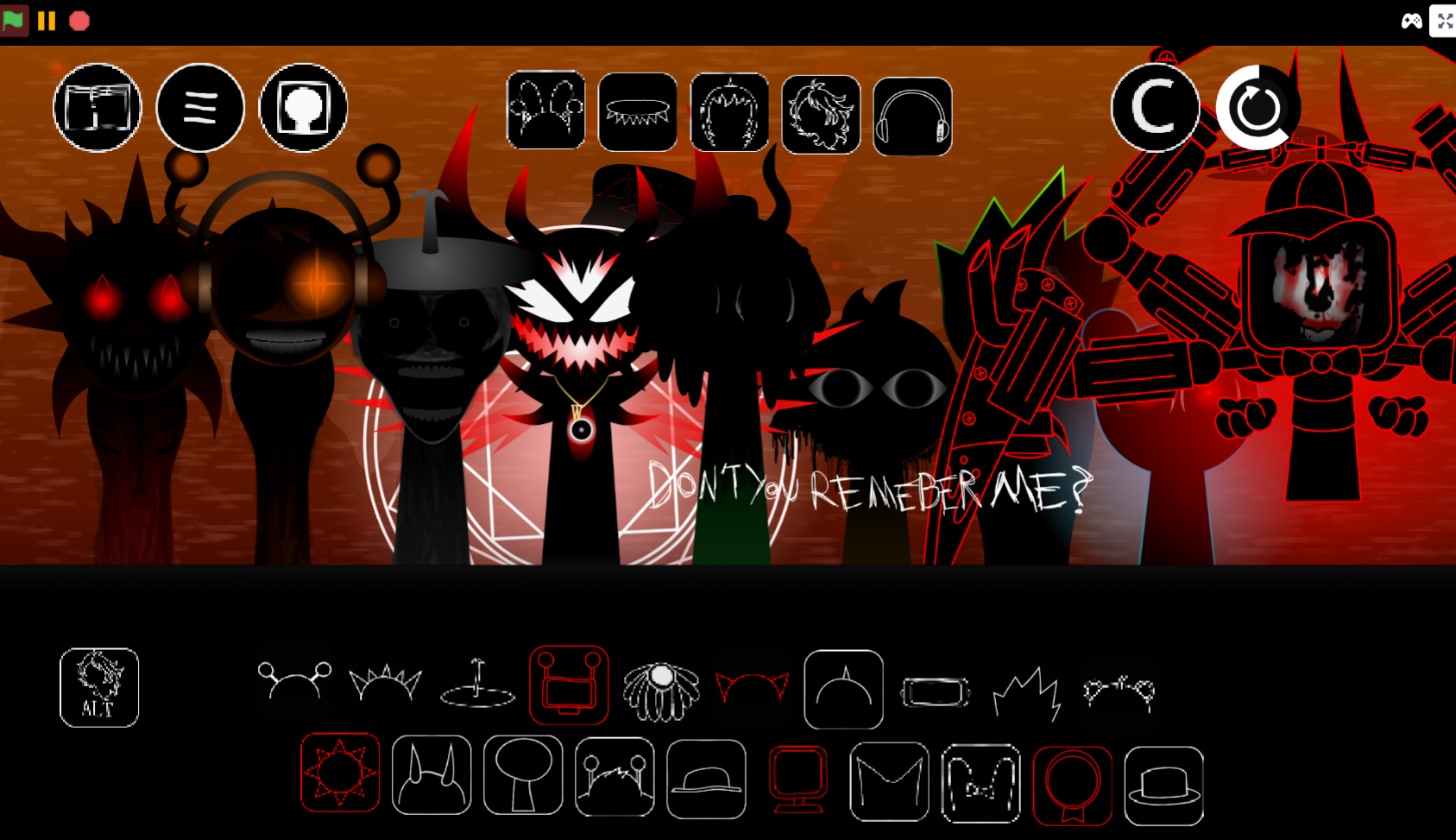
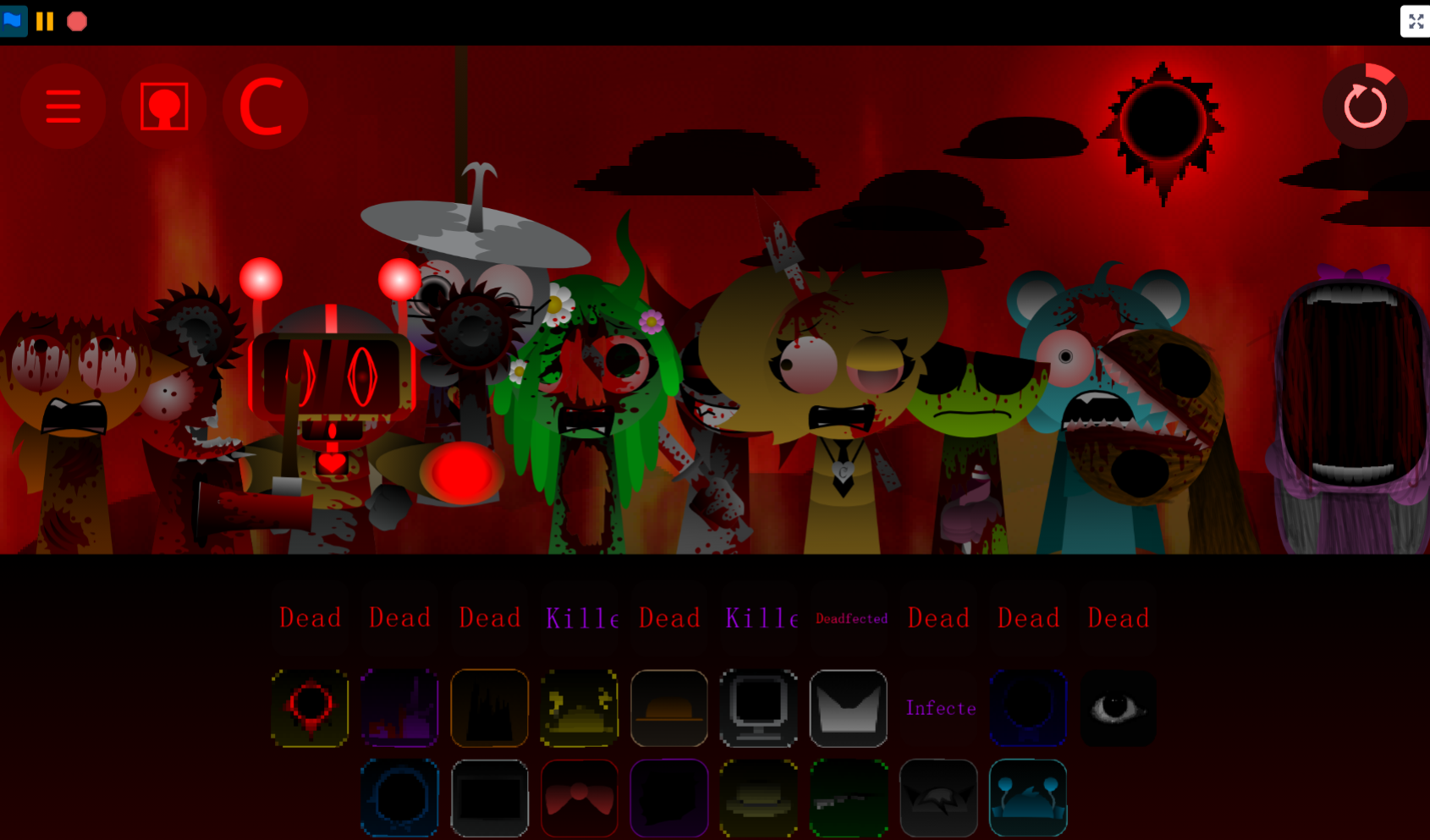
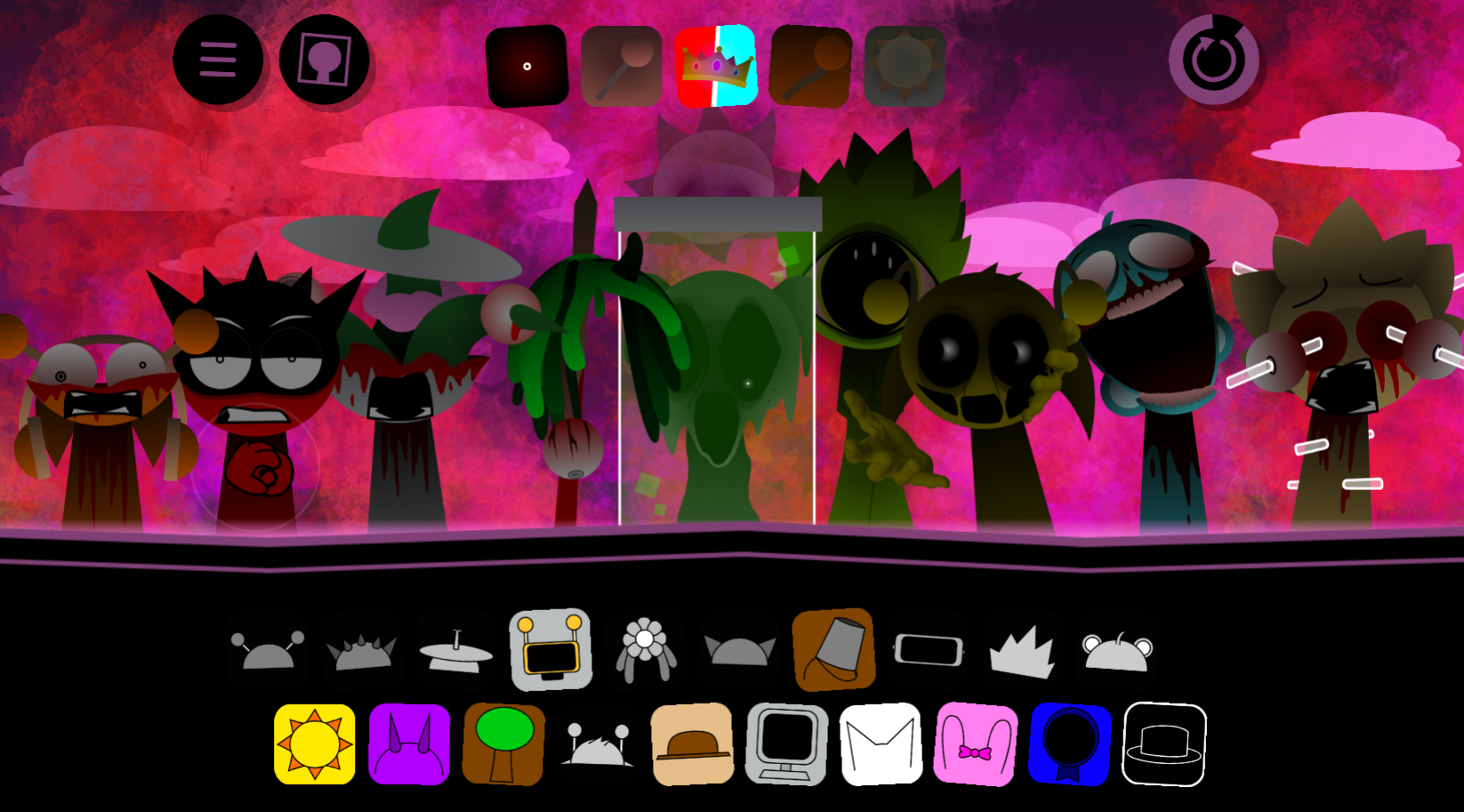
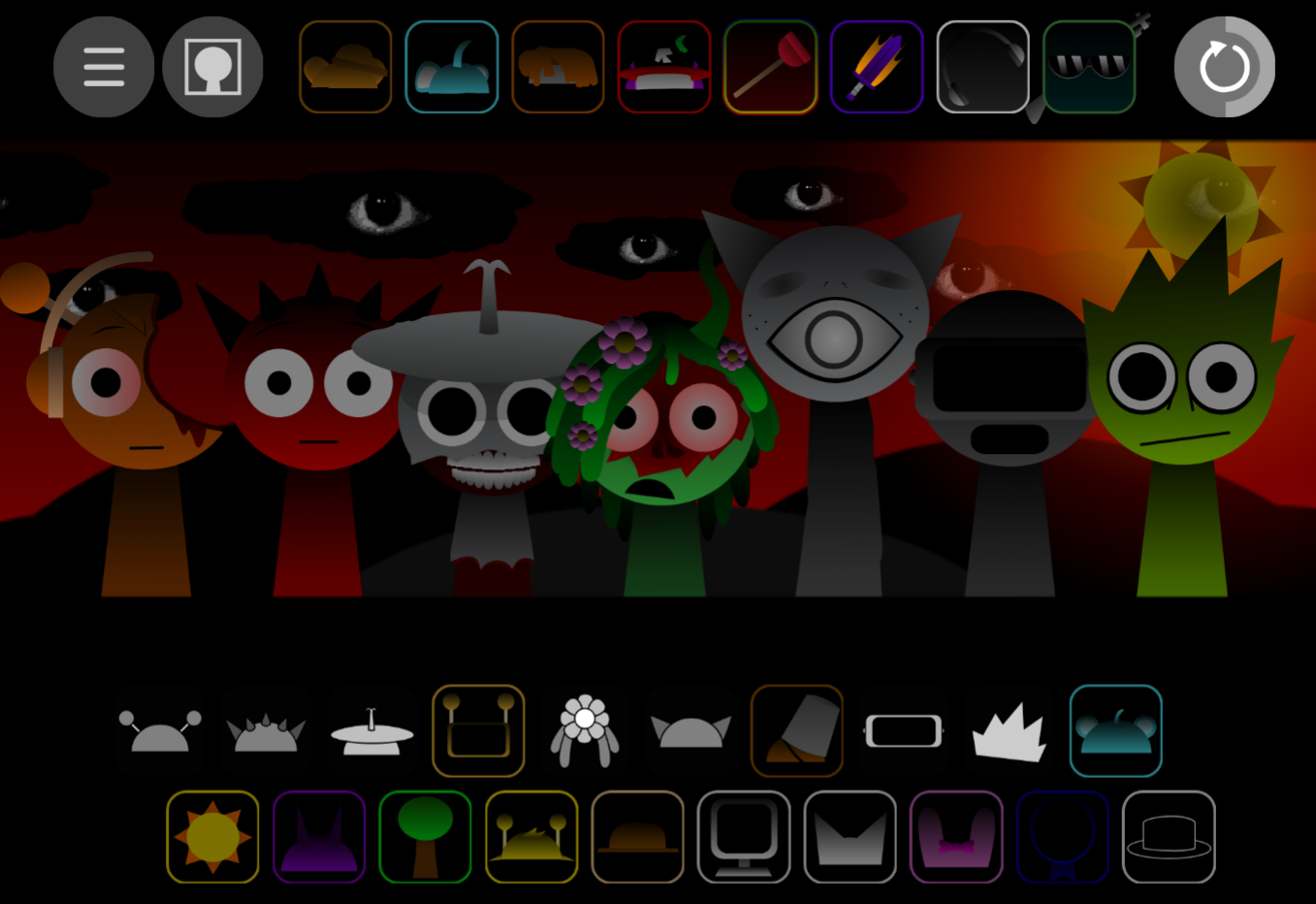
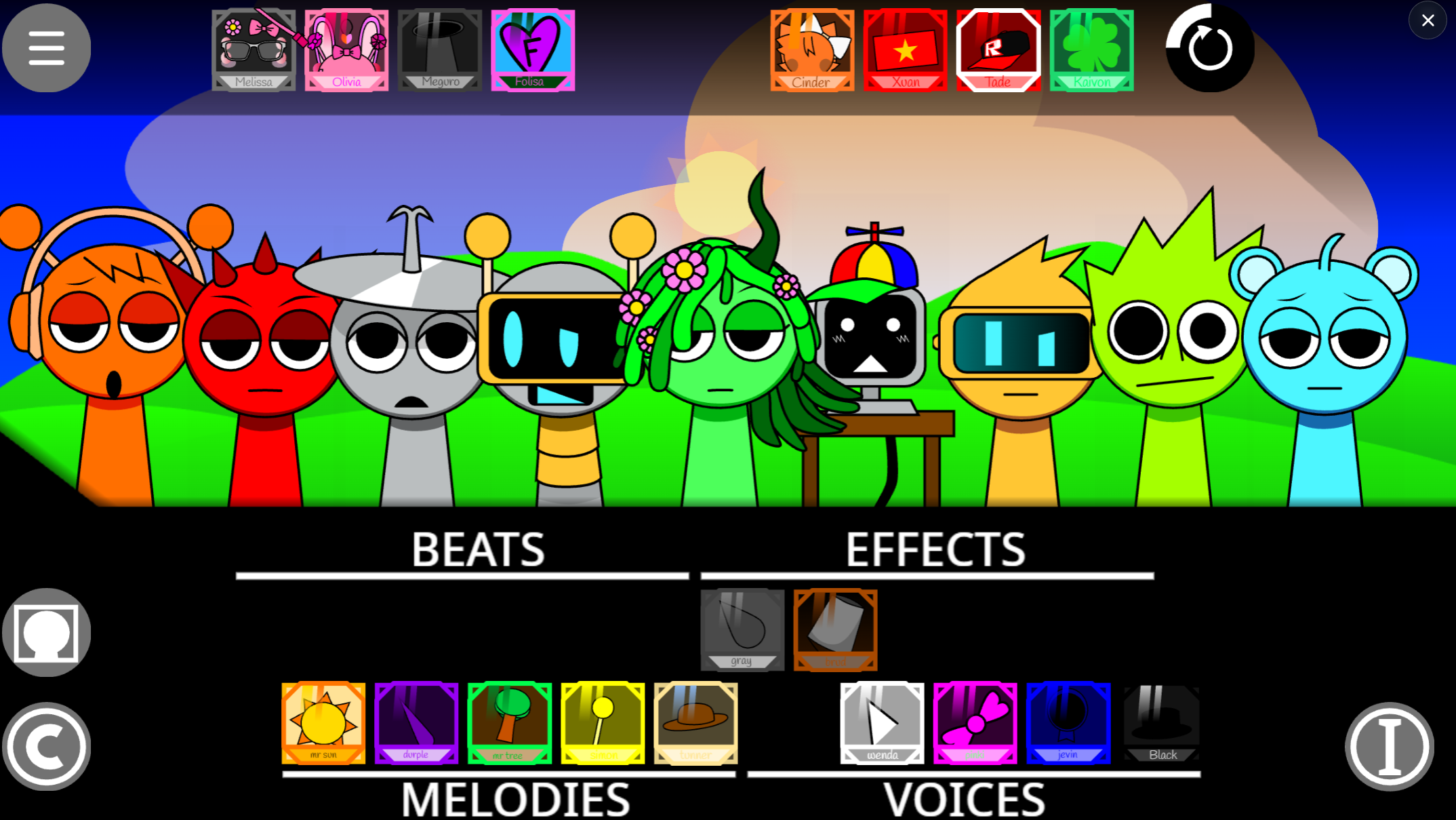
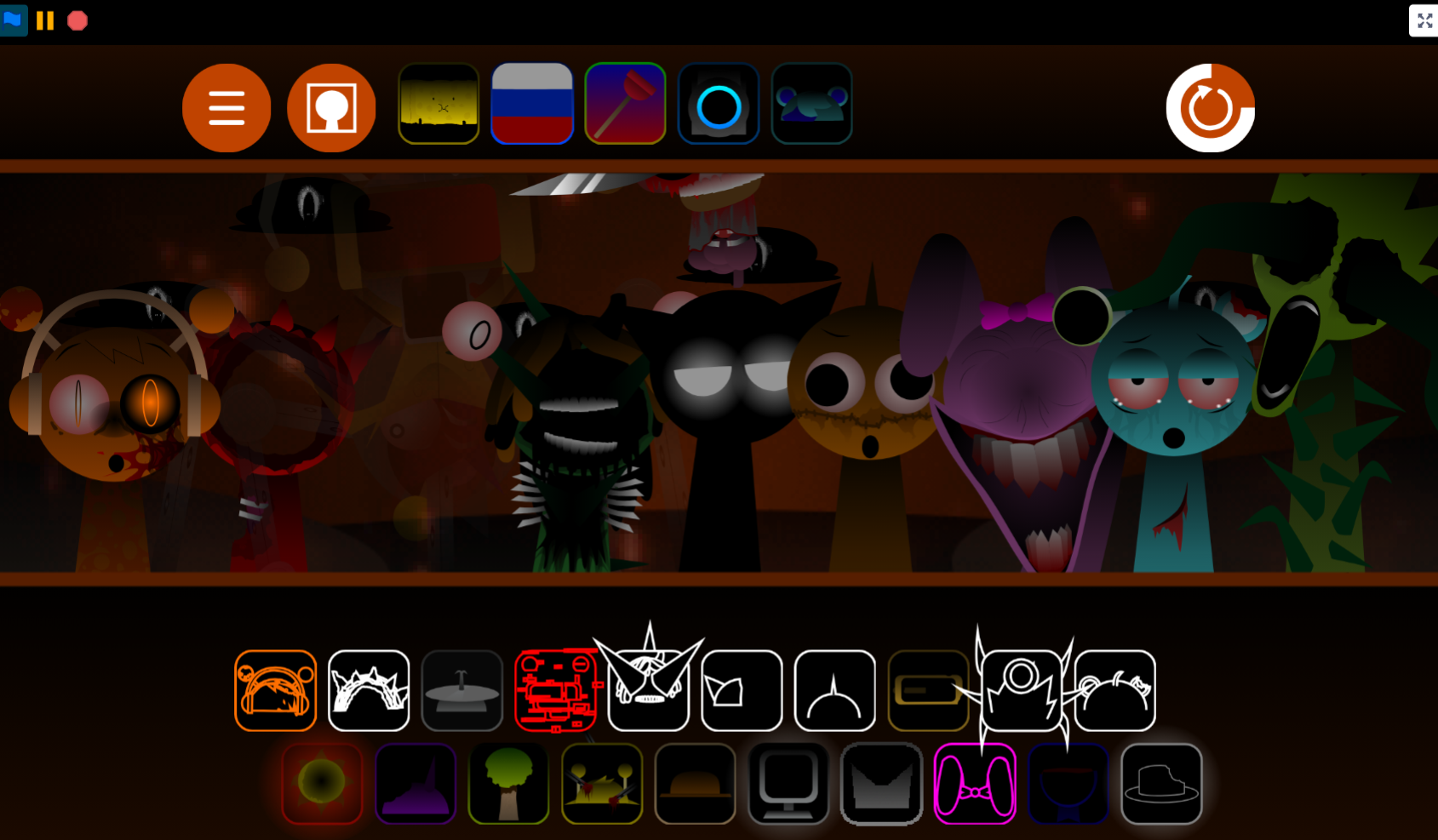
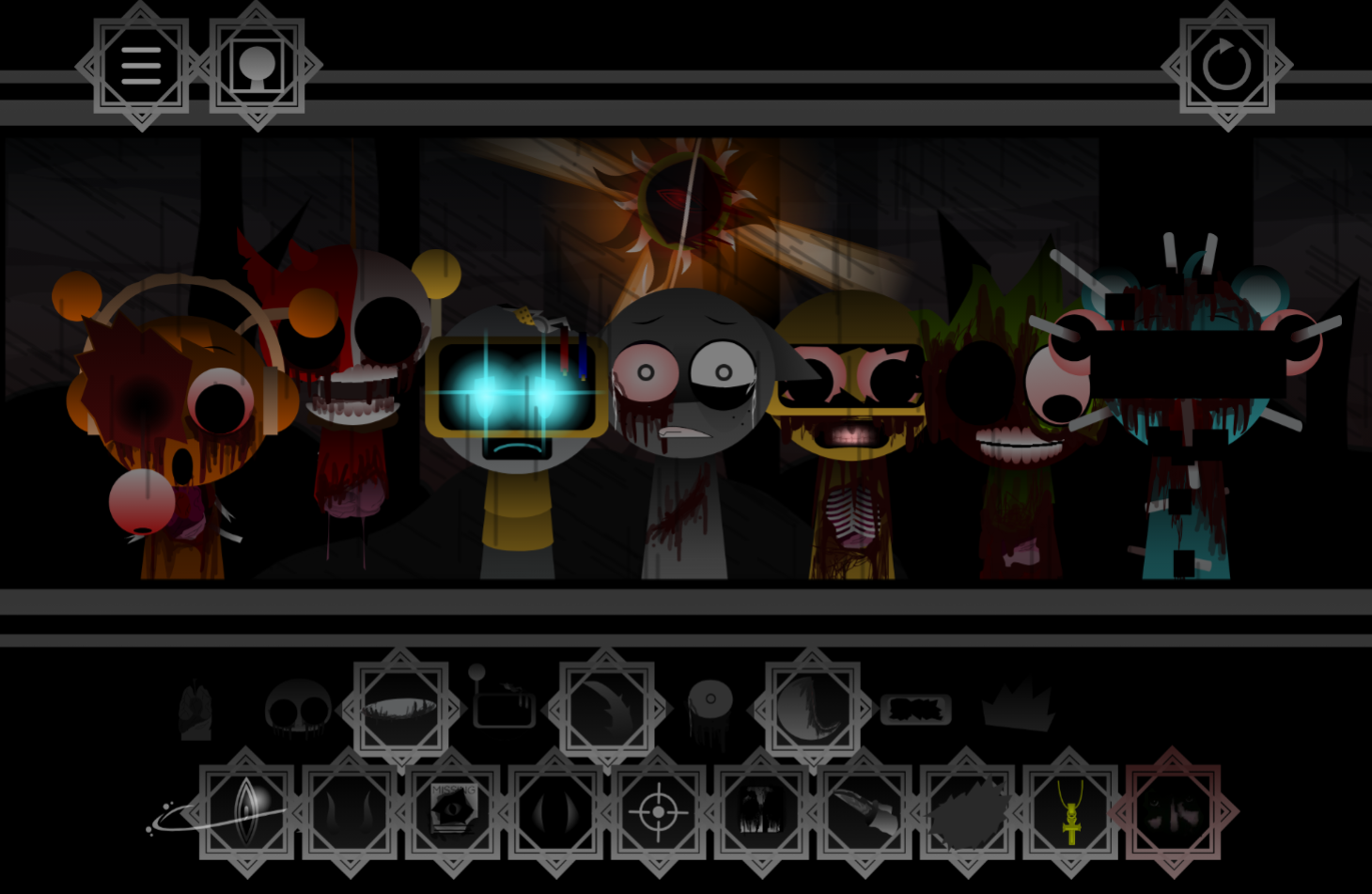
Sprunki Betters And Loses Phase 4 is an Incredibox mod set after the central conflict of the Betters and Loses universe has already ended. The war is over, but what it leaves behind is not triumph. The cast of 20 characters is divided across five fate categories—Alive, Shell, Mutated, Soul, and Eliminated—and each status describes what the conflict actually did to them. The familiar drag-and-drop beat-making format remains, but the sounds are somber, the atmosphere is built on analog horror aesthetics, and the lore cards attached to each character turn mixing into something closer to reading a damage report.
The title’s split between Betters and Loses matters less as a sides-based conflict than as a statement of outcome. Even the side that nominally won inherits devastation.
The five fate categories shape everything:
- Alive — physically surviving, but scarred, unstable, or diminished
- Shell — still present in body or form, but spiritually vacant, frozen, or emptied
- Mutated — permanently altered by corruption and bodily distortion
- Soul — no longer fully of the living world, but still part of the timeline’s emotional reality
- Eliminated — completely lost, with no return implied
The Lore: Sacrifice and the Ultimate Aftermath
The core narrative is built around sacrifice, but not in a clean heroic sense. Oren frees Simon and the others from the evil force that had consumed them—an act that functions as atonement for his own earlier sins, not a triumphant reset.
The turning point comes when Oren breaks the corruption and releases the trapped souls. Once freed, Simon destroys himself. Not as glory, and not because restoration is possible, but because self-destruction becomes his last available peace. That choice defines the aftermath: the evil is broken, yet nothing truly returns.
The world left behind is shaped more by absence than relief:
- The world remains ruined — a devastated landscape of rusting machines and psychic wreckage.
- Many survivors do not truly survive — they persist as Shells, trapped in time, spiritually emptied, and slowly decaying.
- The emotional damage outlasts the battle — guilt, broken minds, and unresolved horror weigh more heavily than the conflict itself did.
Phase 4 refuses easy redemption. The sacrifice works. The corruption ends. The aftermath is still a graveyard.
How the Phase Is Built
What defines Phase 4 is not spectacle, but structure. Its darkest choices are embedded in how the phase presents information and asks players to read the cast.
- Lore cards for all 20 characters — Characters stop feeling like sound pieces and become individual records of damage, survival, corruption, or loss. Mixing is also investigation.
- Visible fate labels — Alive, Shell, Mutated, Soul, Eliminated give the roster narrative weight before a single sound plays. A living figure carries strain. A Shell suggests presence without self. Mutated means the damage continued beyond the battle.
- A shifted emotional center — The familiar format remains, but the emphasis has moved away from pure beat-making and toward post-conflict testimony.
- A pyrrhic-victory world — Victory exists only in the bleakest sense: the evil ends, but survivors are broken, souls are released only through death, and the world stays deadened.
Character Guide: Survivors, Shells, Mutants, and the Lost
The most useful way to read the cast is by fate marker. Those labels explain what the war actually did.
Survivors (Alive and Soul)
The confirmed survivors are not heroes in any clean sense. They are living remnants.
- Oren (Soul) — The central sacrifice of this timeline. He freed Simon and the others from evil, shed his physical form, and atoned for his earlier sins. Not alive in the ordinary sense, but still a defining presence.
- OWAKCX (Alive) — Survives, but “not a single trace of purity remains on him.” He carries a bloody chainsaw. His existence reads as walking aftermath rather than victory.
- Brud (Alive) — Left eyeless after fighting Simon. He still carries his sword, and that detail matters—his identity now seems fused to violence.
- Jevin (Alive) — Nearly blind after the horror ends. His survival feels punishing rather than merciful.
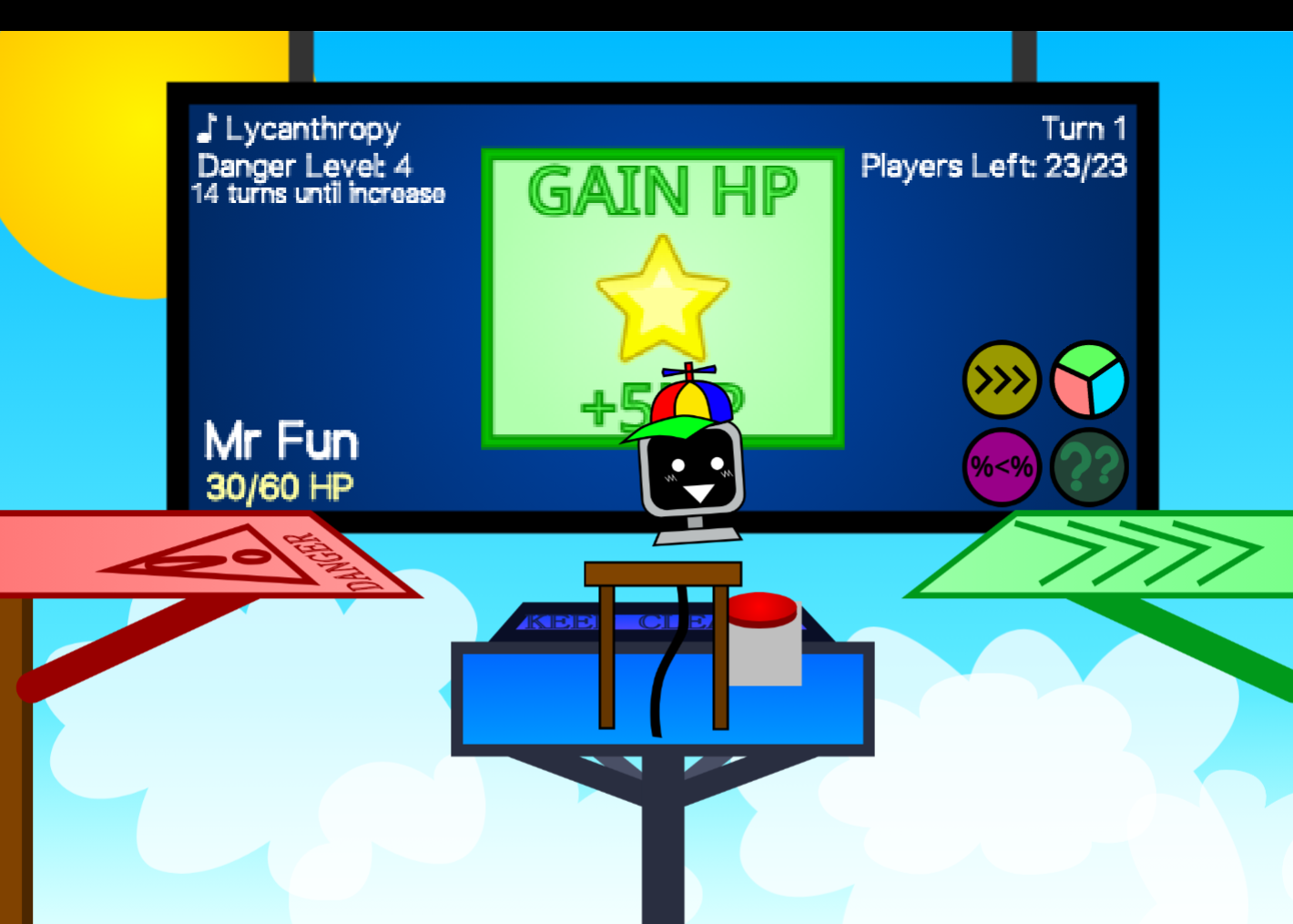
- Mr. Fun Computer (Alive) — The strangest case. Severed wires still connected to the network suggest a mechanical, unnatural persistence that the lore does not fully explain.
The Fallen and Destroyed (Eliminated)
- Simon — Central antagonist turned martyr. After Oren freed him, the consumed souls were released, and he destroyed himself to find peace.
- Wenda — Once a highly dangerous entity, now defeated and slowly rotting away.
- Fun Bot — Once a machine with free will, now a pile of rust covered in severe corrosion.
- Mr. Black — Previously a significant figure in the conflict, reduced to a mass of decay.
The Shells
These characters are physically present but spiritually gone.
- Raddy — A lifeless shell with no further story.
- Clukr — Once a brilliant mind, now frozen in time.
- Vineria — A young woman who dreamed of perfecting her garden, now a dripping, frozen statue that evokes dread in anyone who sees her.
- Gray — Having broken free from control, he found the peace he had longed for since his soul was first consumed.
- Garnold — His lore states: “Sometimes near his body I heard words of gratitude, but maybe it’s just a figment of my imagination.”
- Sky — His shattered shell was stitched back together with thread, leaving a massive scar across his body.
- Tunner — Having endured more than anyone else, he now weeps black tears and has earned his eternal rest.
- Pinki — Constantly stitched back together piece by piece, she still became a shell full of pain.
The Mutated
- Mr. Sun — A jagged, darkened star whose continued existence seems sustained by something corrupted rather than anything natural.
- Mr. Tree — A heavily mutated trunk with a mysterious missing poster for someone named Anthony Viviano—a detail the lore does not resolve.
- Durple — He fought for a long time, his draconic nature clinging to life, but in the end it was not enough.
The distinction between these categories matters. Survivors still carry agency. Shells barely carry presence. Mutants represent corruption made permanent. Eliminated figures are beyond all of them.
Related Games
- Sprunki Betters And Loses Phase 4 Jabolob64s Take — This is the closest follow-up for readers invested in Phase 4 lore because it revisits the same ruined timeline through another creator’s interpretation of the aftermath and character fates.
- Sprunki Betters And Loses alive — Its focus on which characters remain living makes it a strong companion to Phase 4’s survivor-versus-shell tragedy, especially for comparing how the cast changes after the conflict.
- Sprunki Betters And Loses Phase 2 But Alive — This earlier “But Alive” version works well as a lore contrast piece because it shows a less devastated stage of the Betters and Loses storyline before the catastrophic losses described in Phase 4.
What Makes This Phase Difficult to Put Down
The lore cards are the entry point most players underestimate. Before placing a single sound icon, reading through the character profiles—understanding that Pinki is “a shell full of pain,” that Garnold’s gratitude may only be imagined, that Mr. Fun Computer’s survival has no clear explanation—changes what the mixing session feels like. The sounds are no longer just sounds. They are testimony from whatever is left.
That is the phase’s real design choice: it makes listening feel like excavation.
Is There More to the Betters and Loses Story?
Phase 4 is positioned as a conclusion, but the lore it leaves open—Anthony Viviano’s missing poster, Mr. Fun Computer’s unexplained persistence, the ambiguity around Gray and Garnold—suggests the timeline has unresolved corners. Whether those gaps are intentional mysteries or material for future phases is something the community is actively debating. If that question interests you, the character lore cards are the most direct place to start.
Discuss Sprunki