
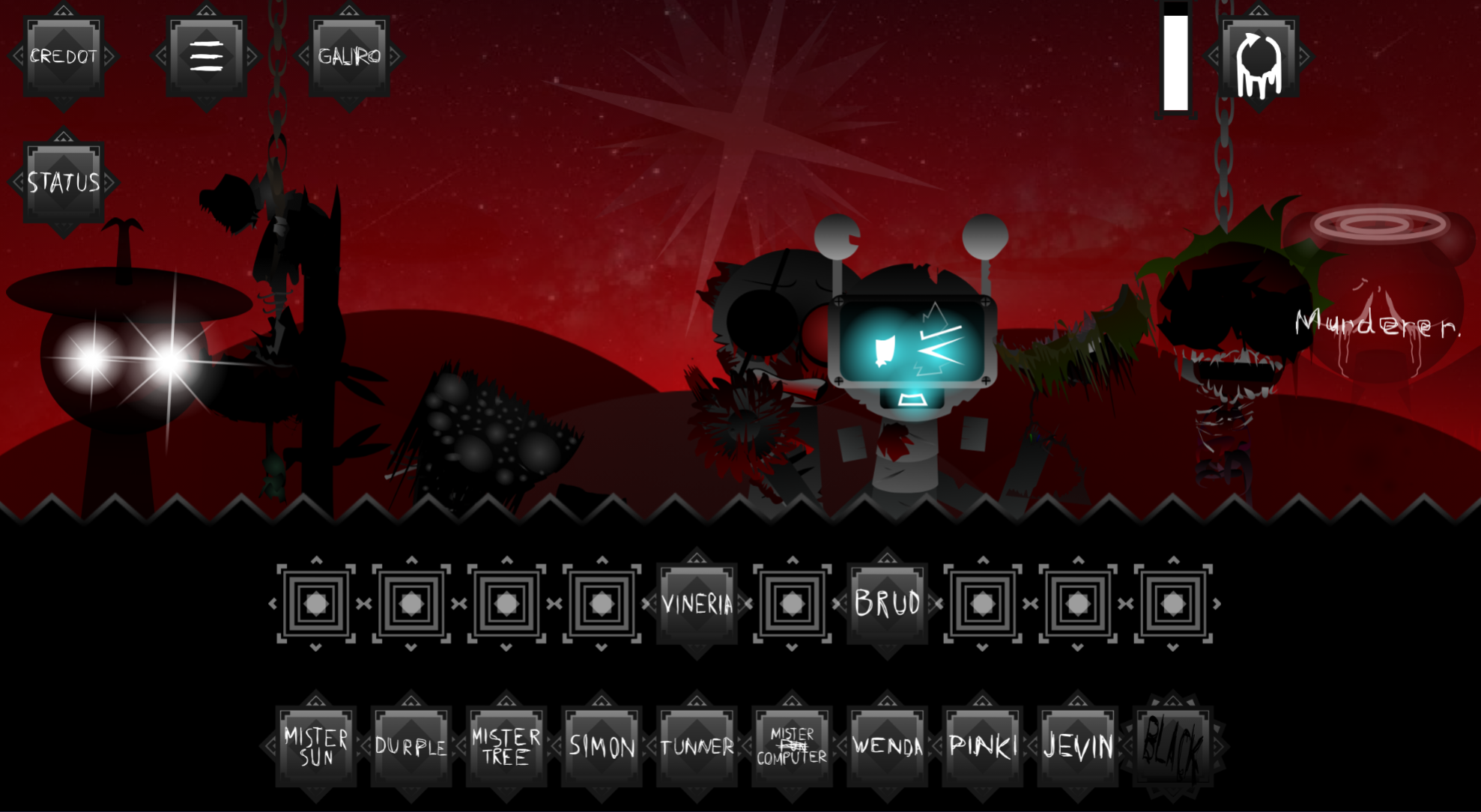

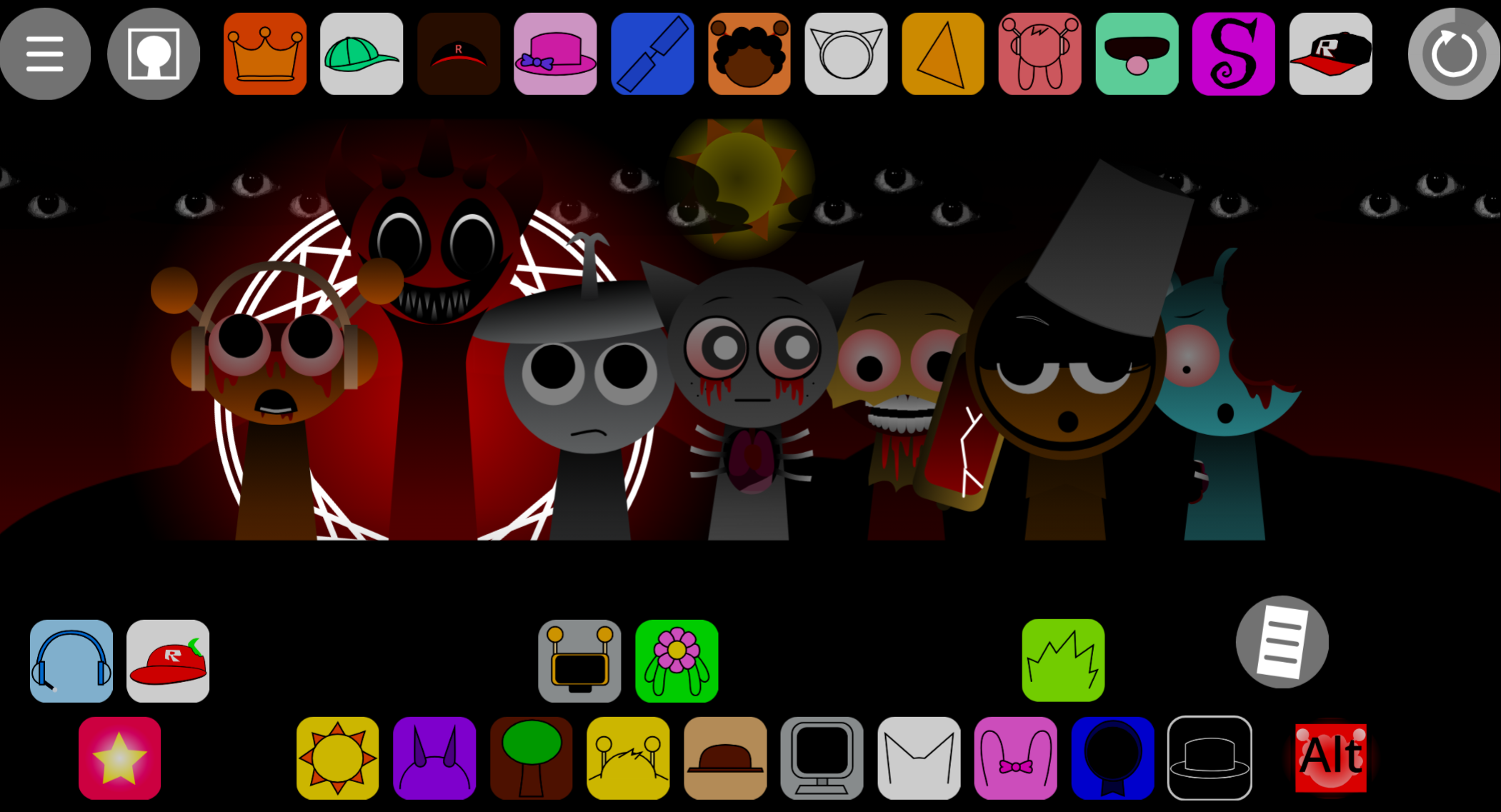
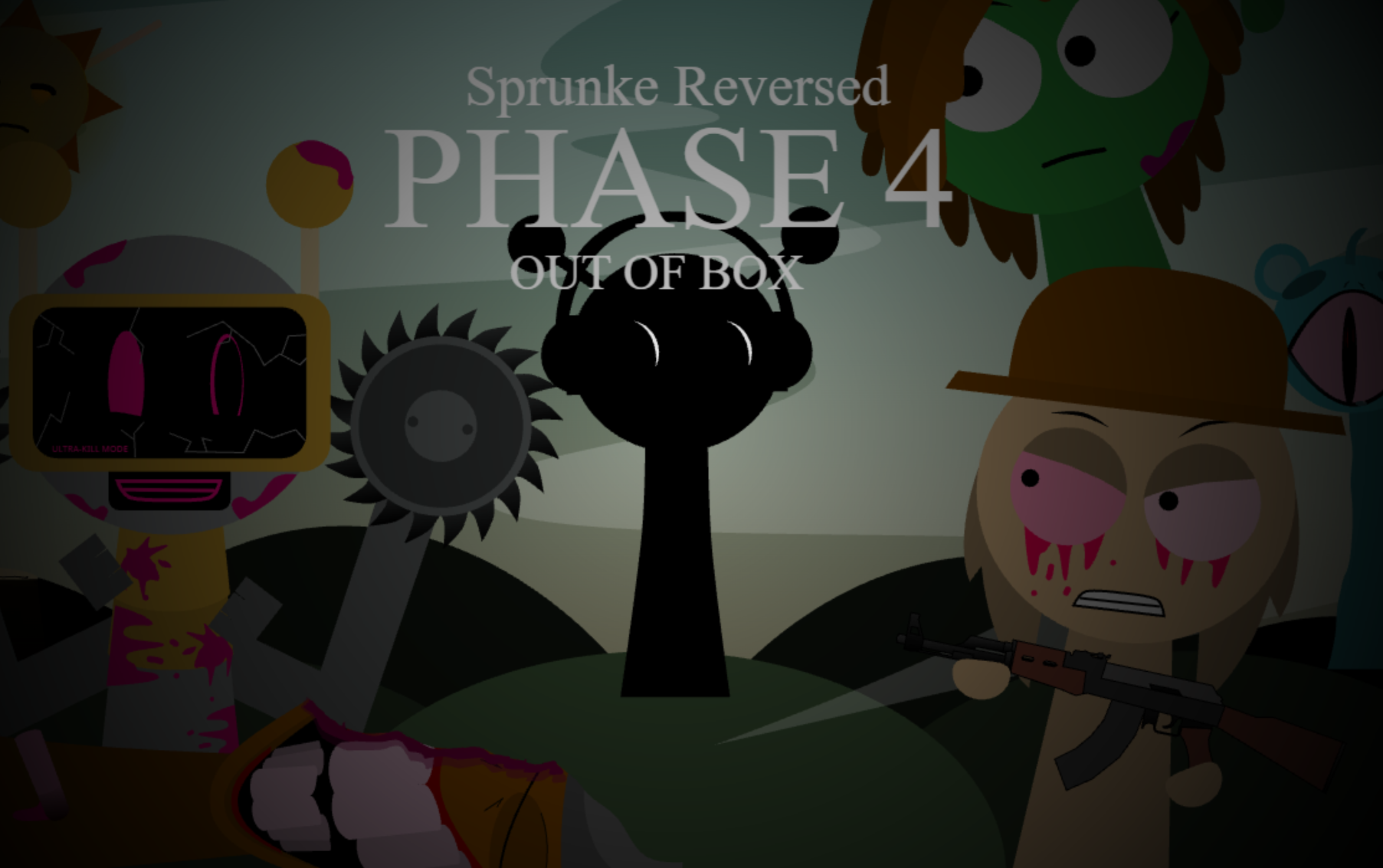
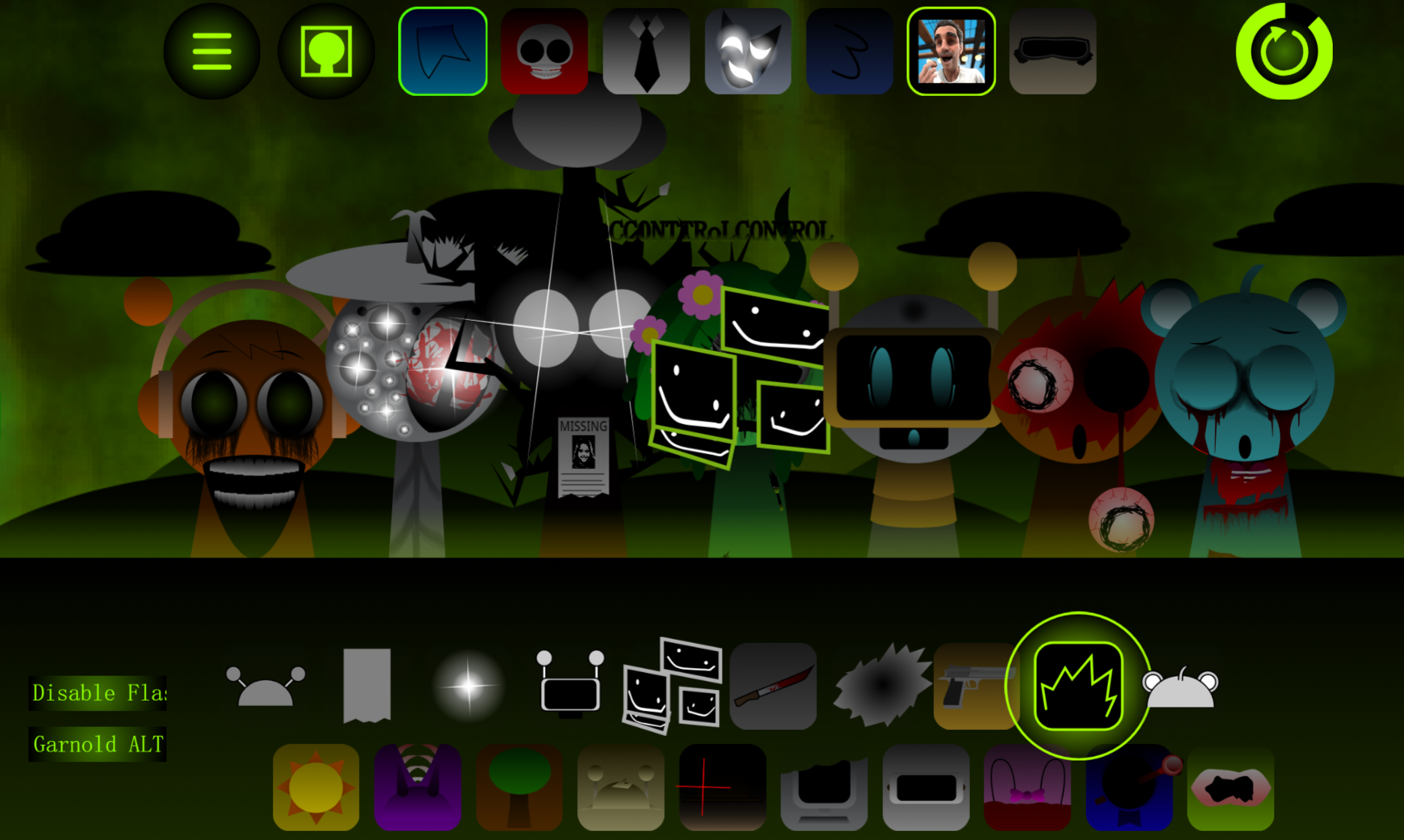
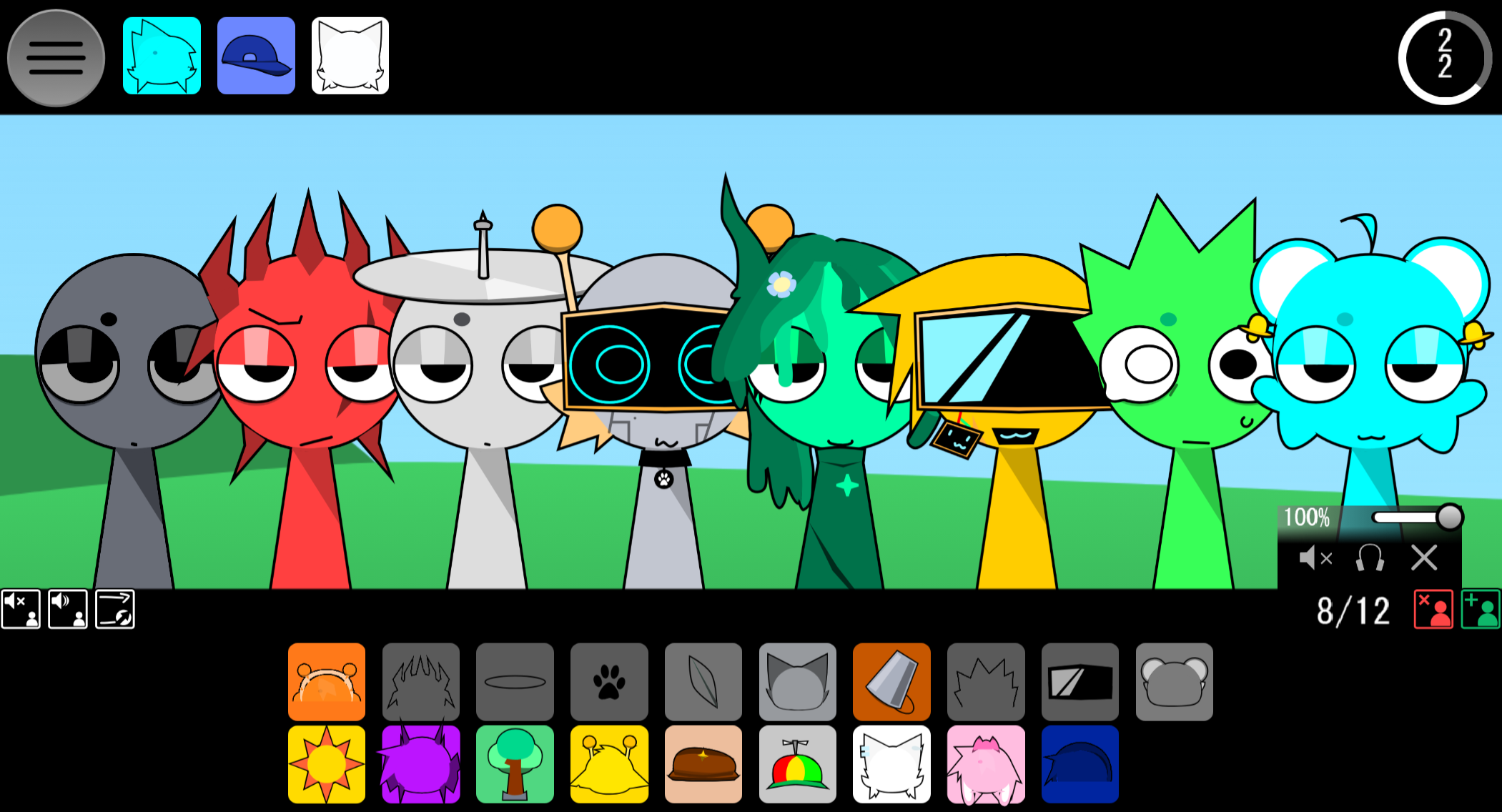
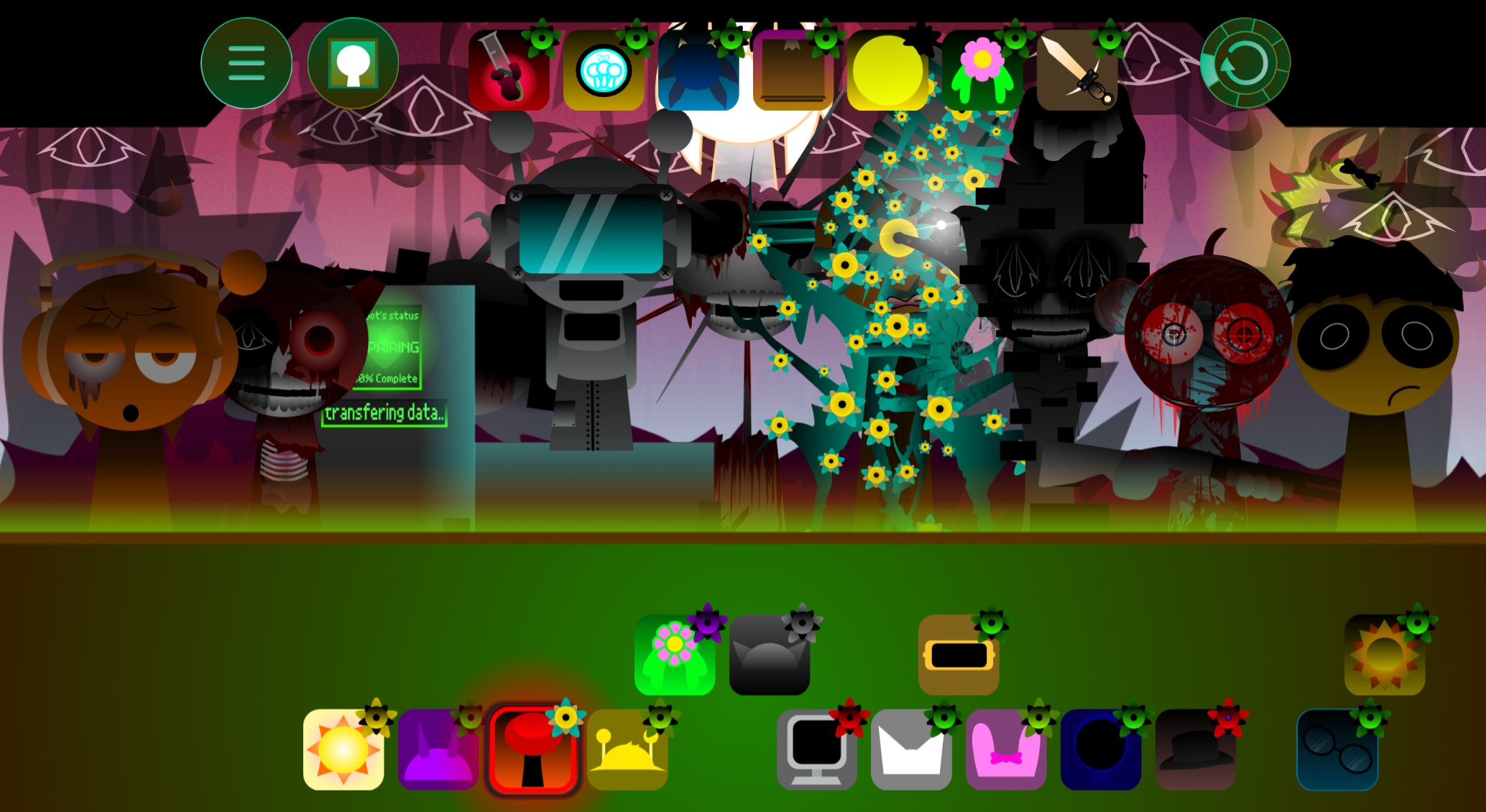
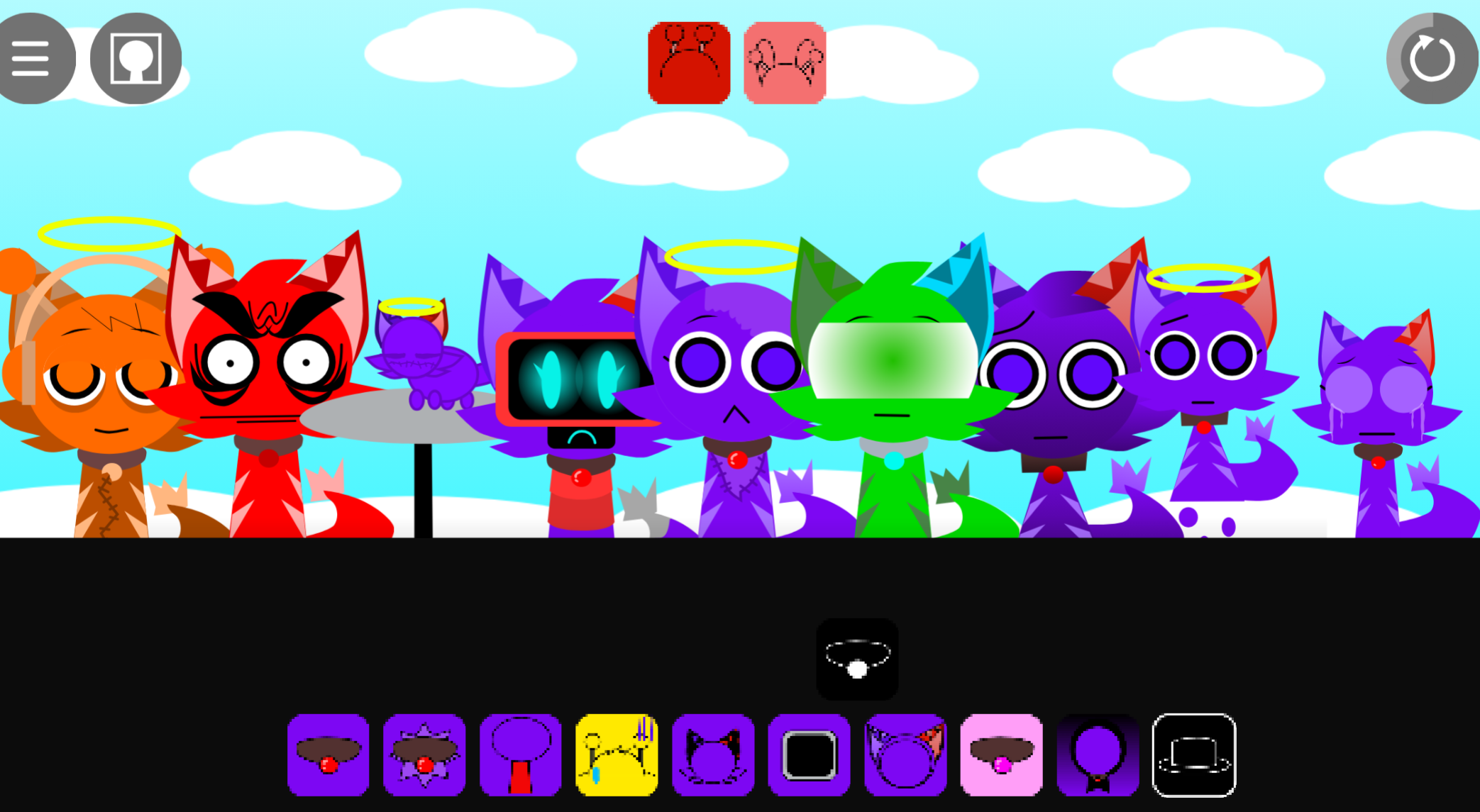
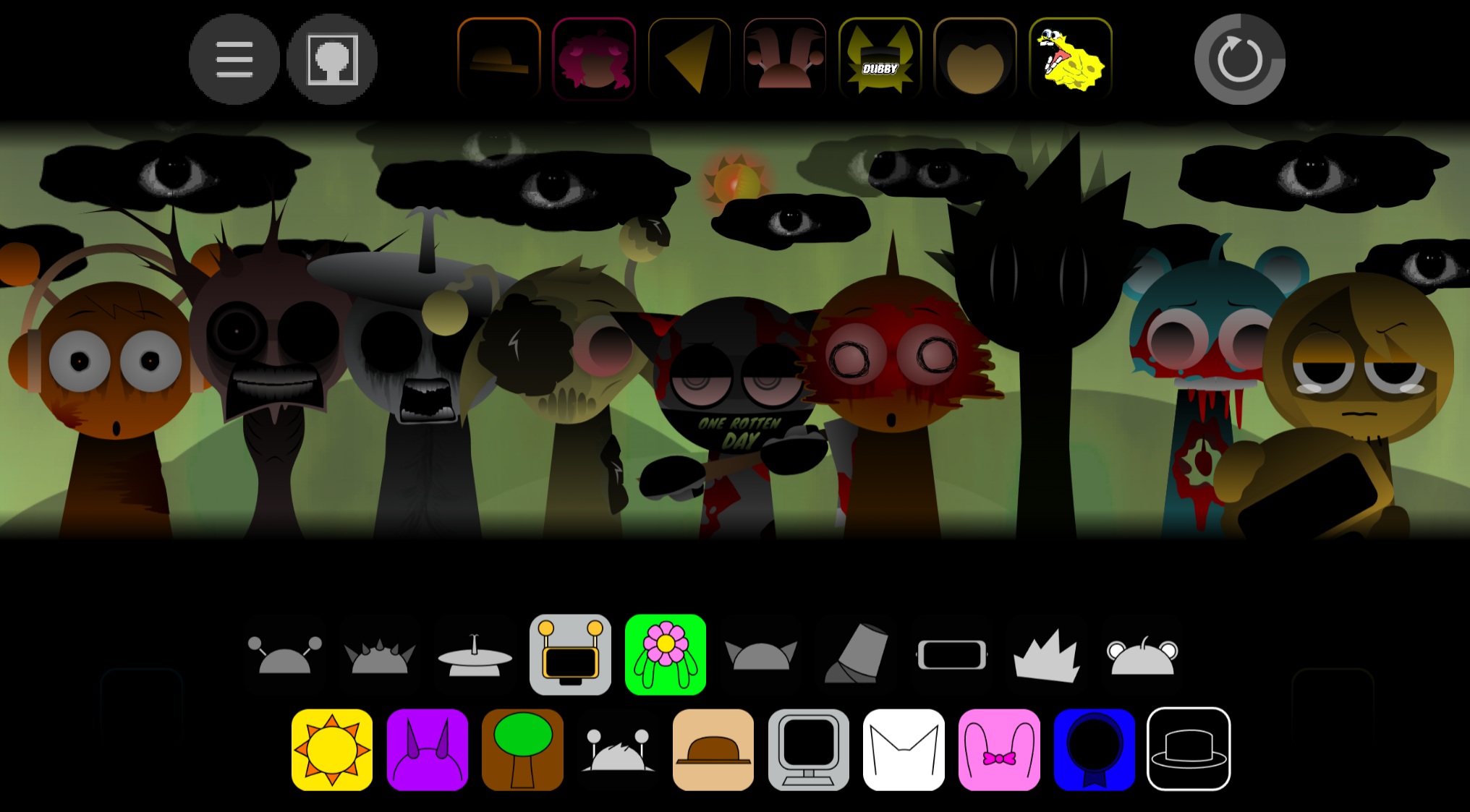
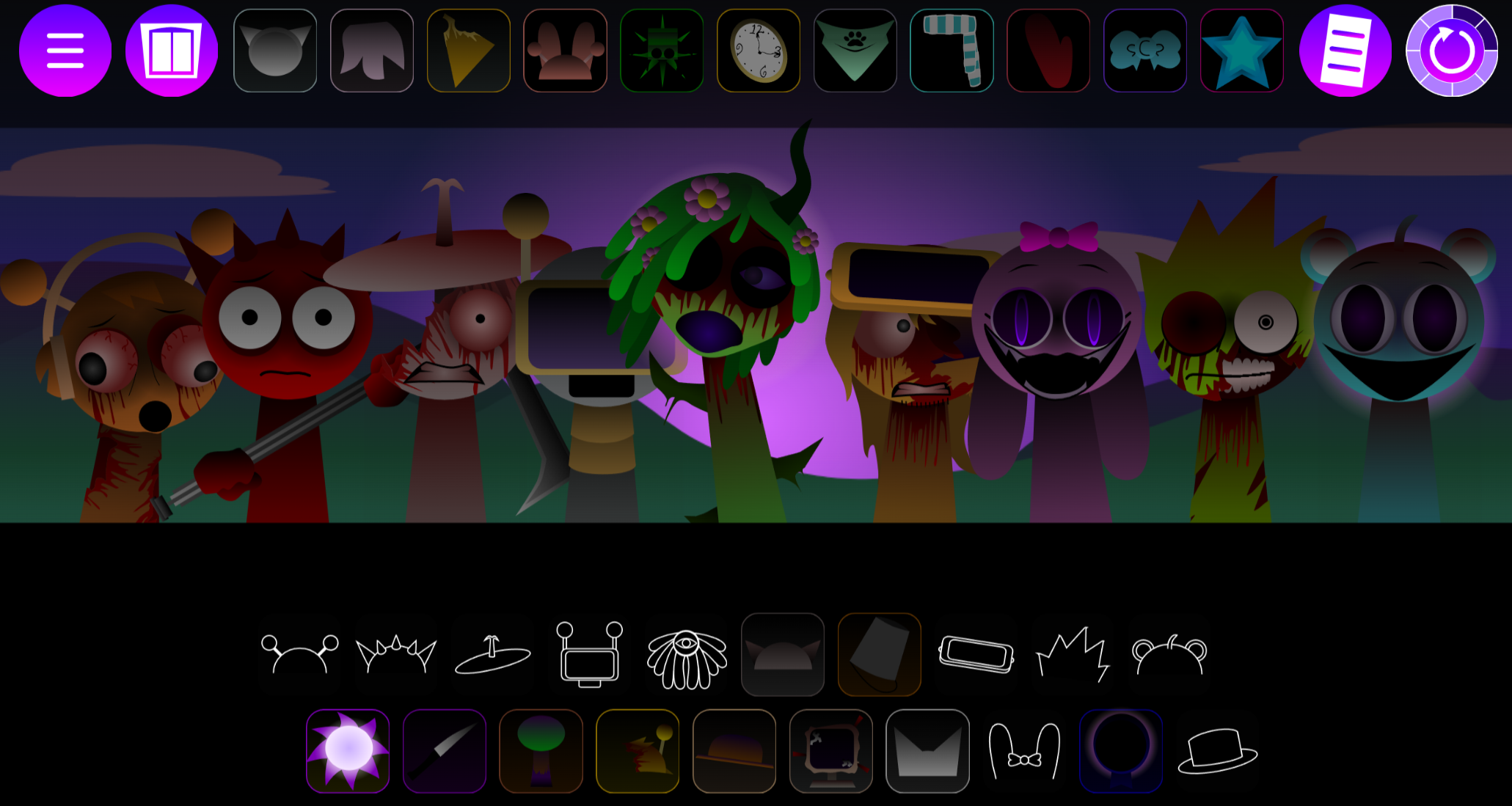
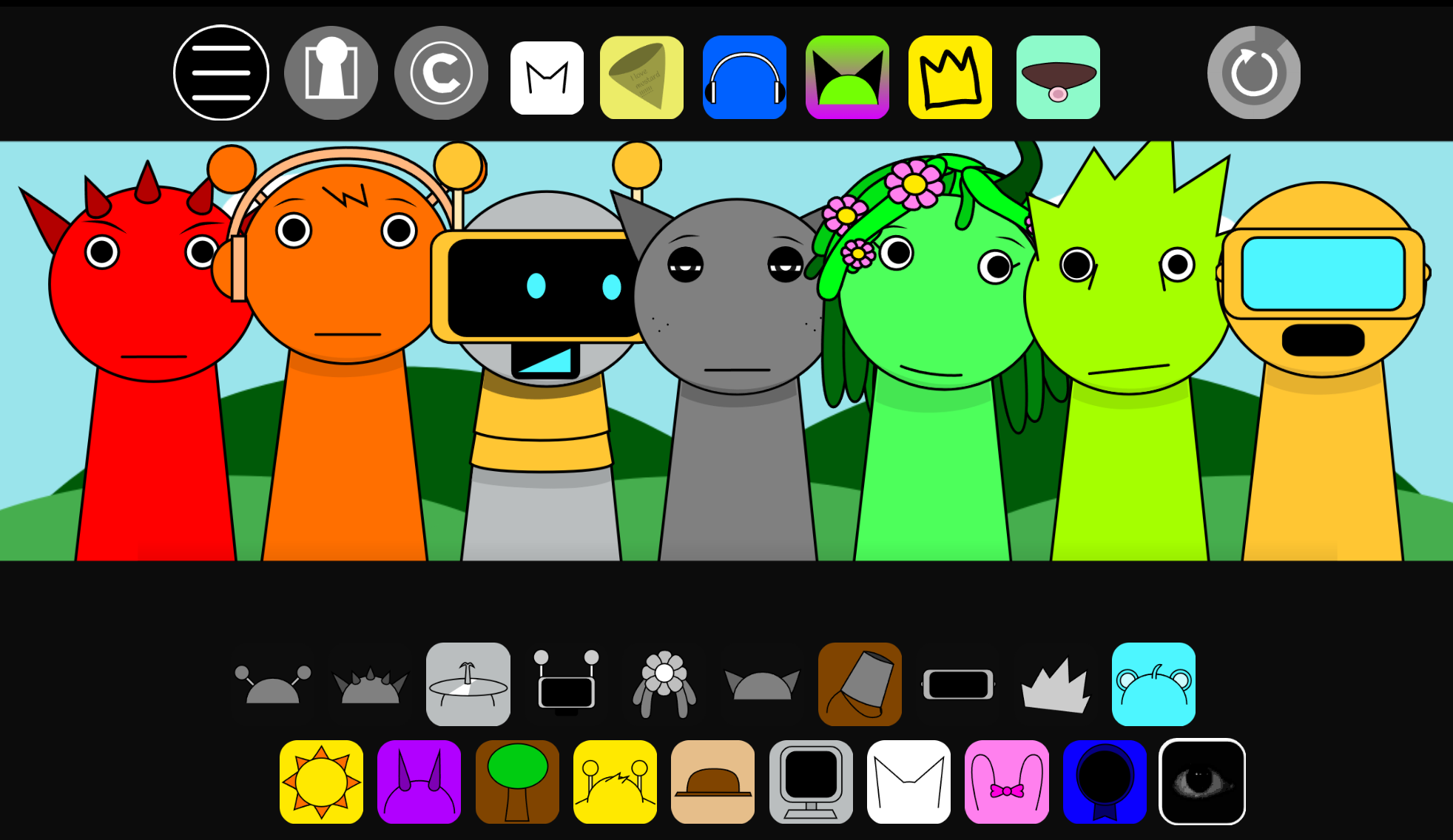
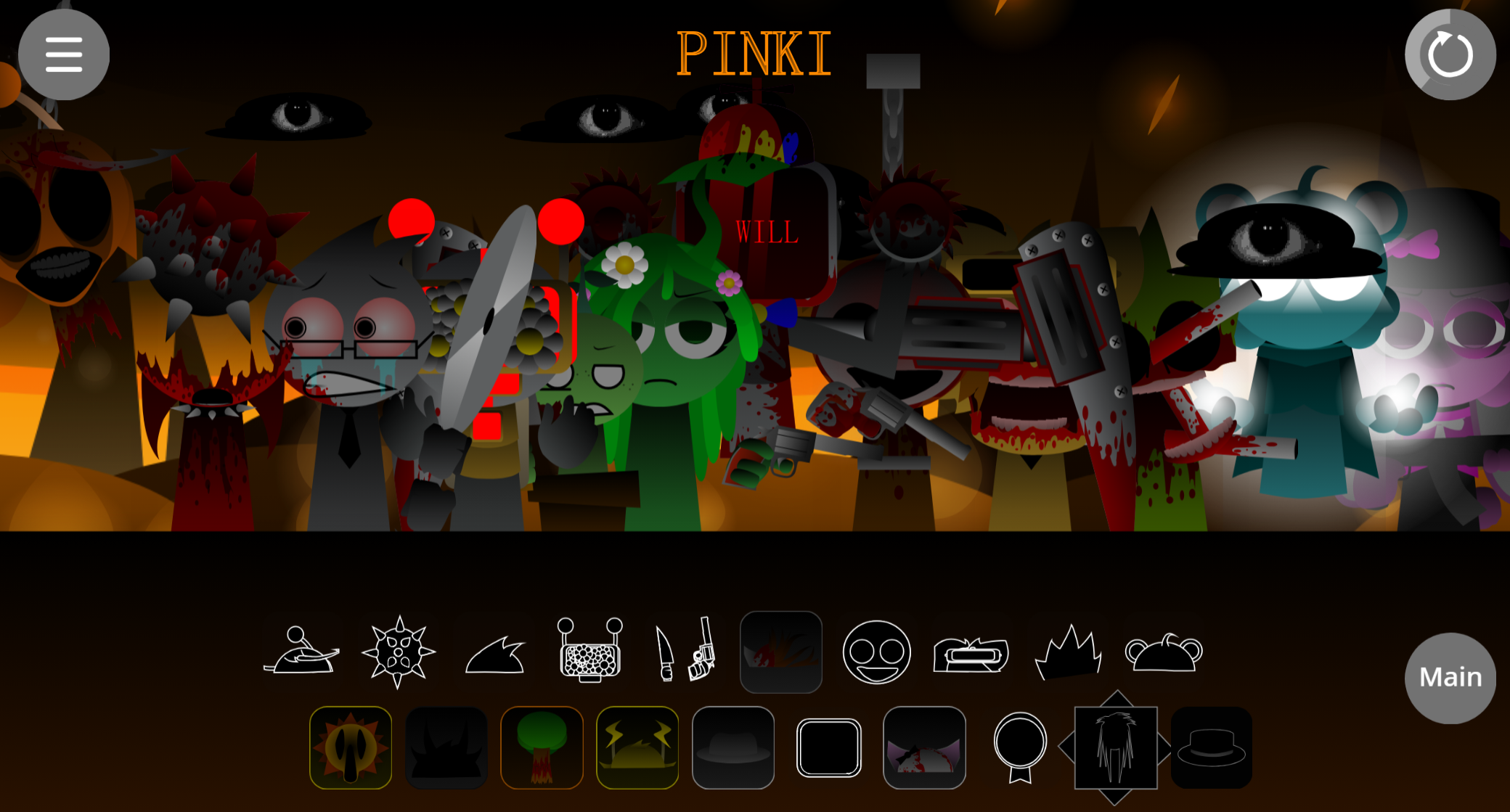
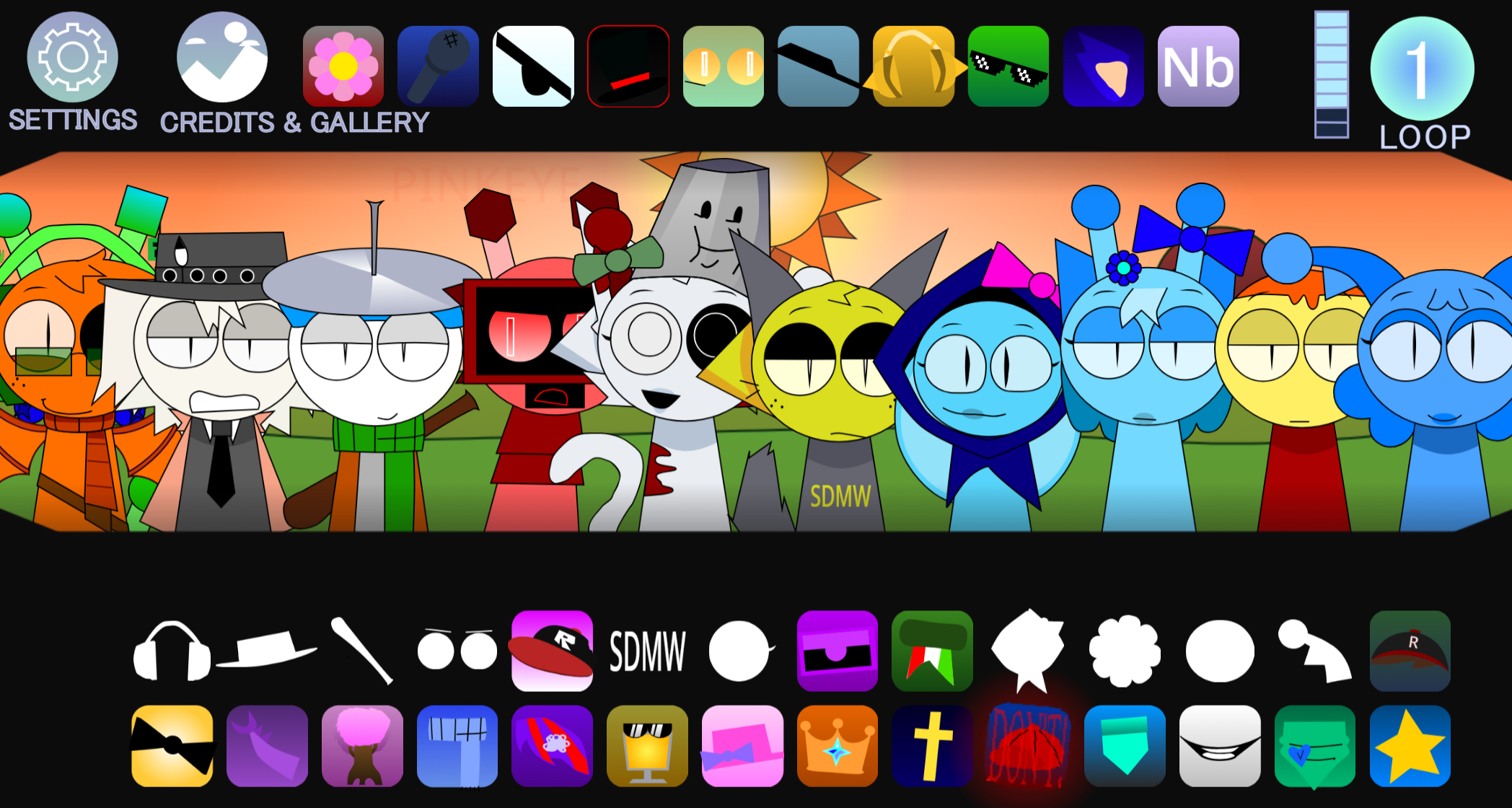
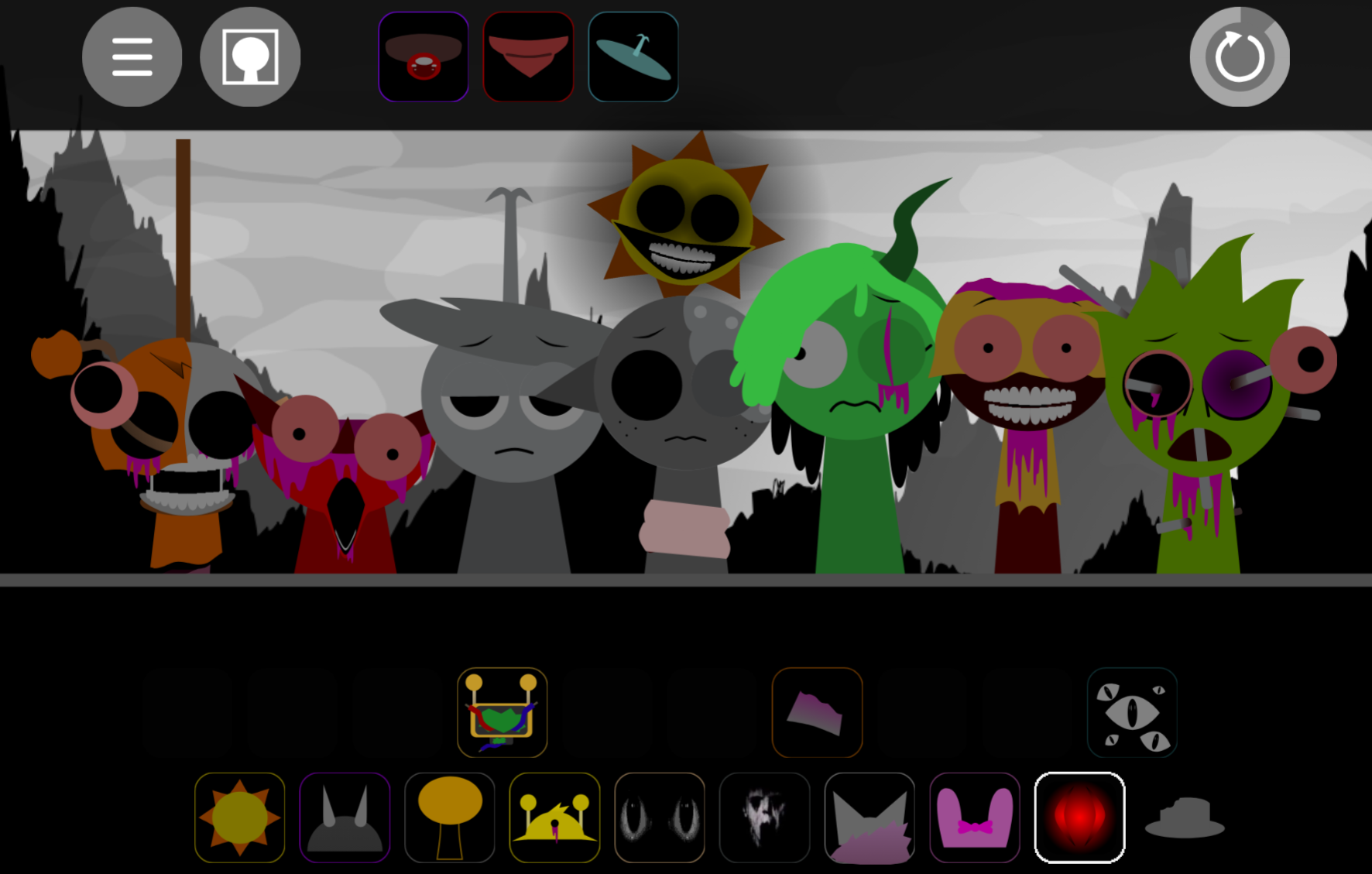
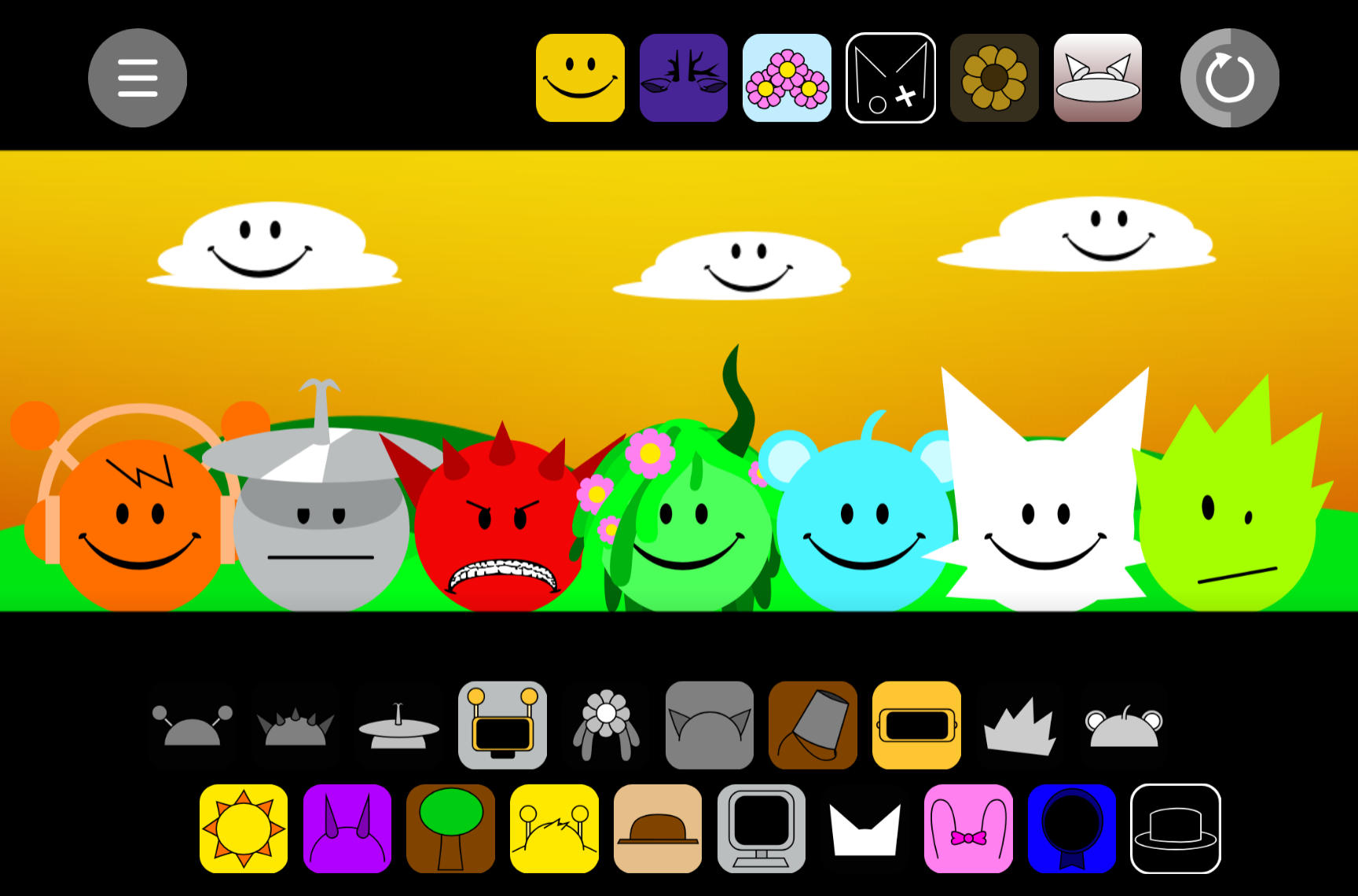
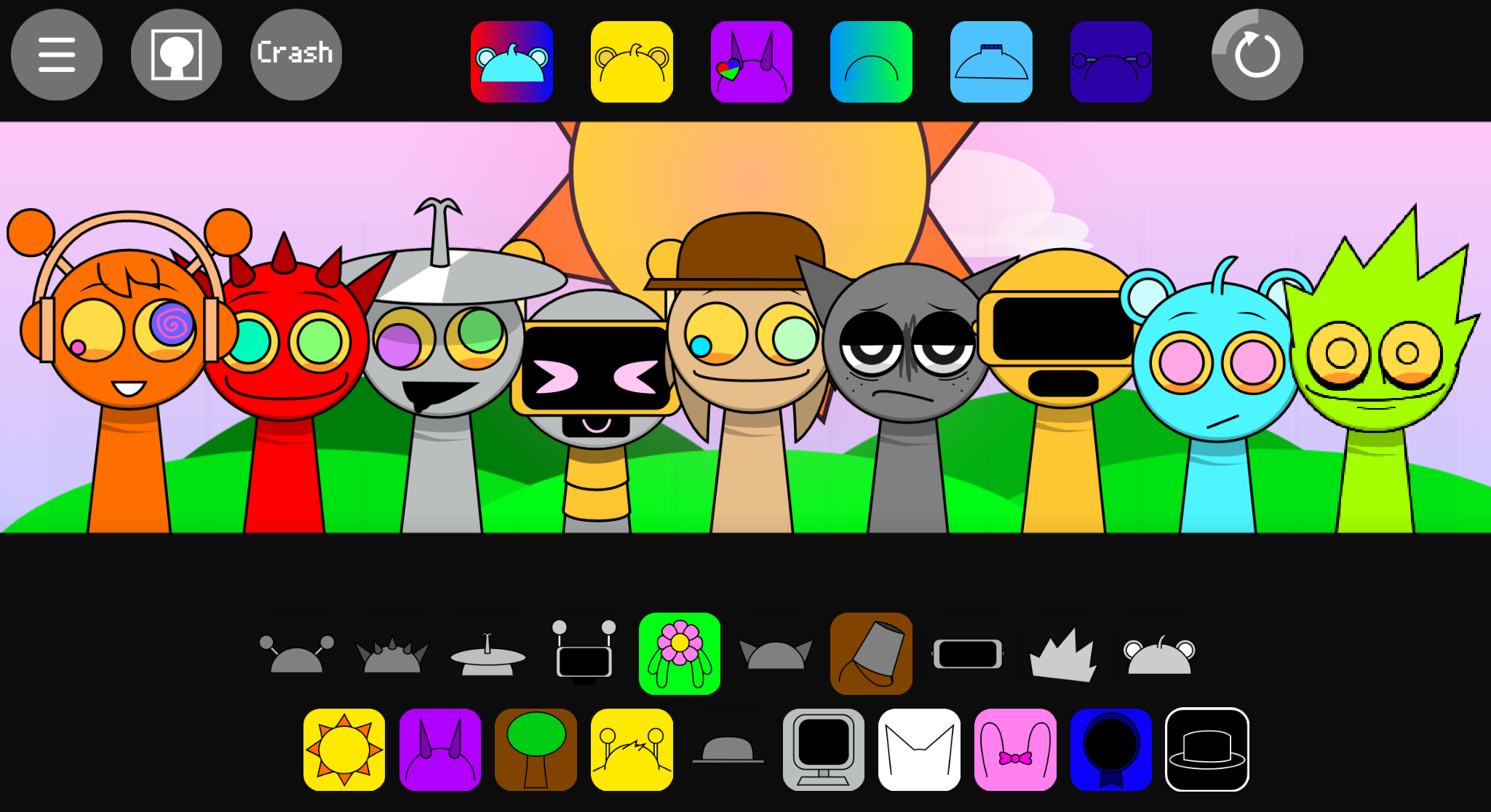
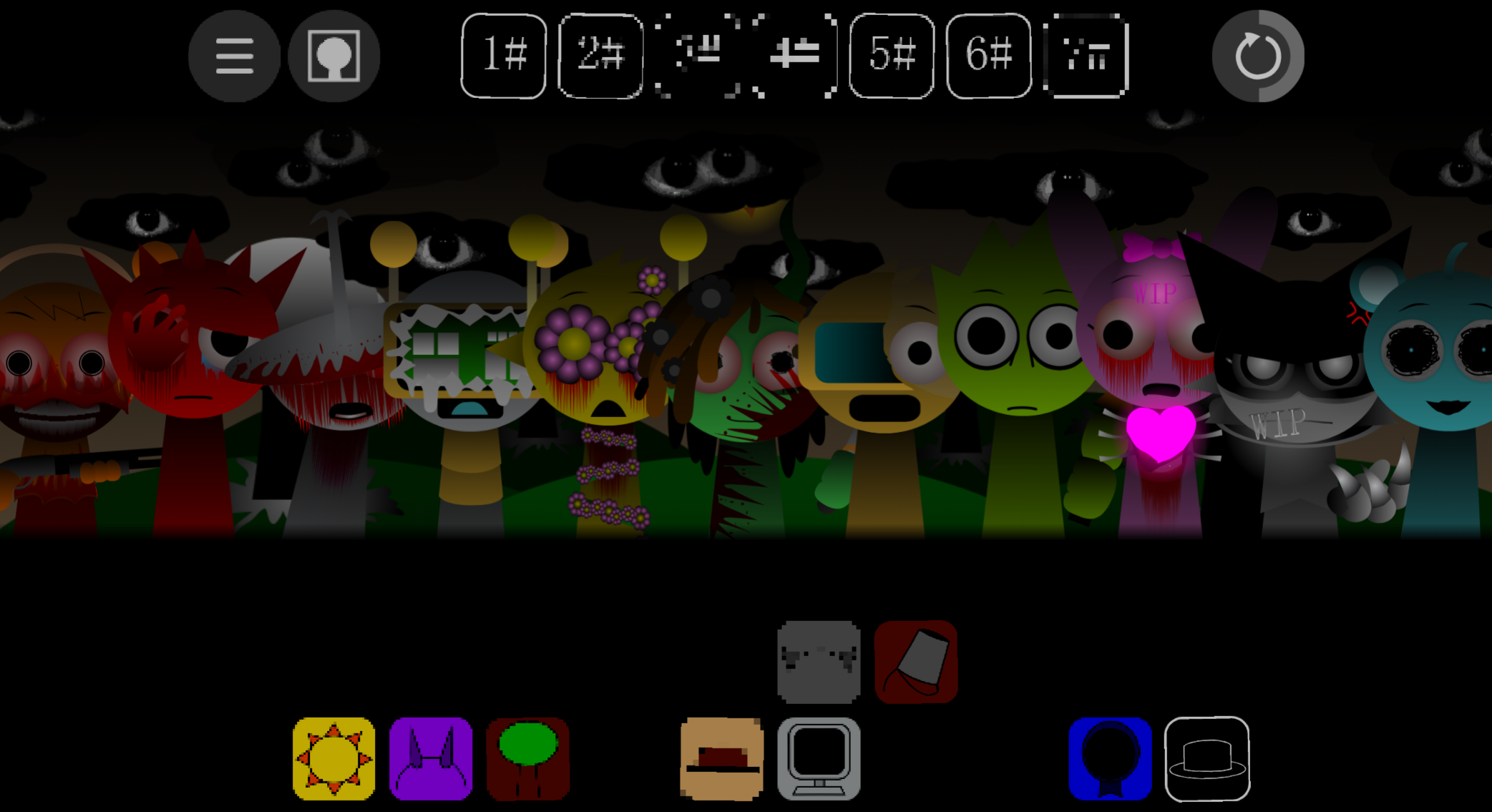
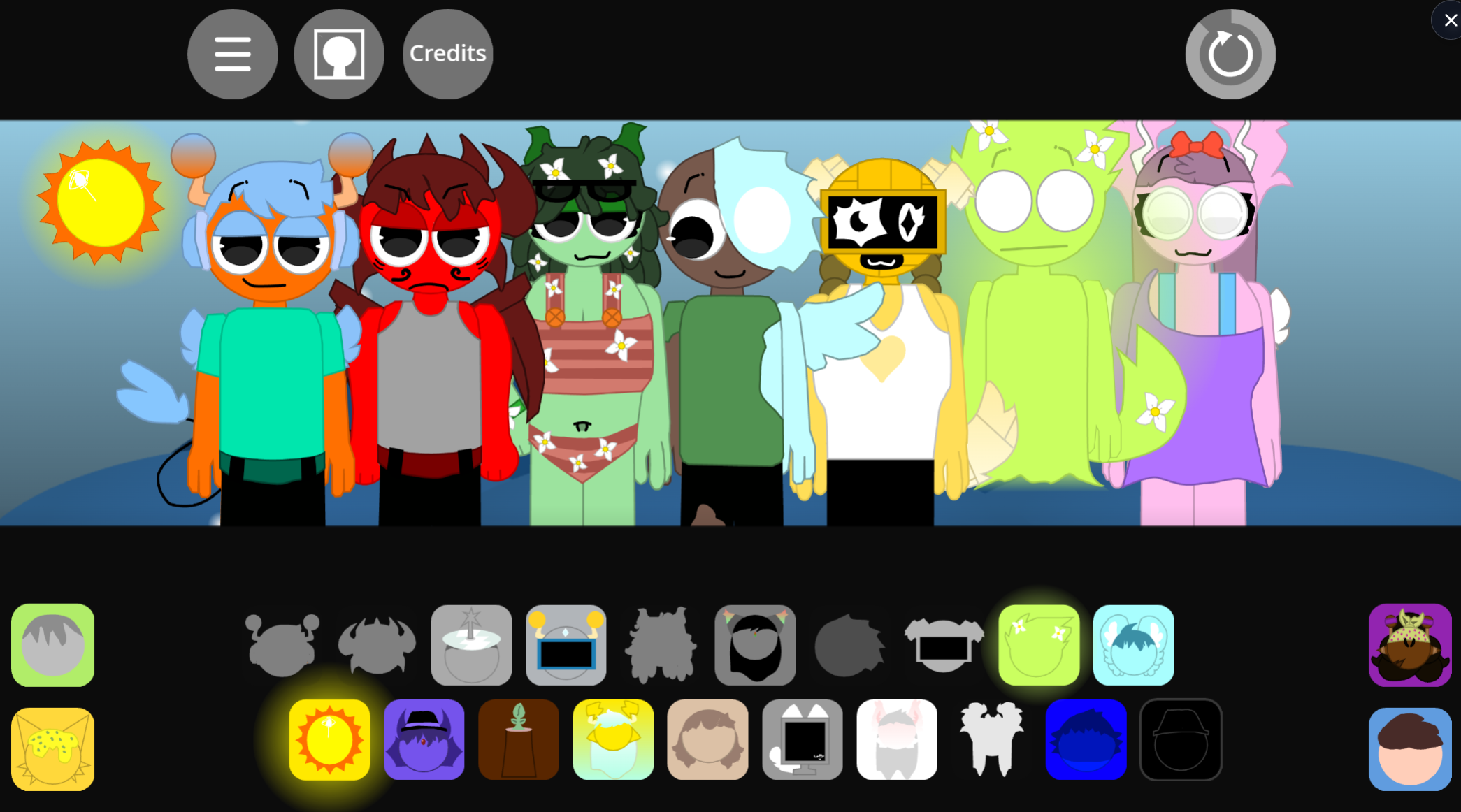
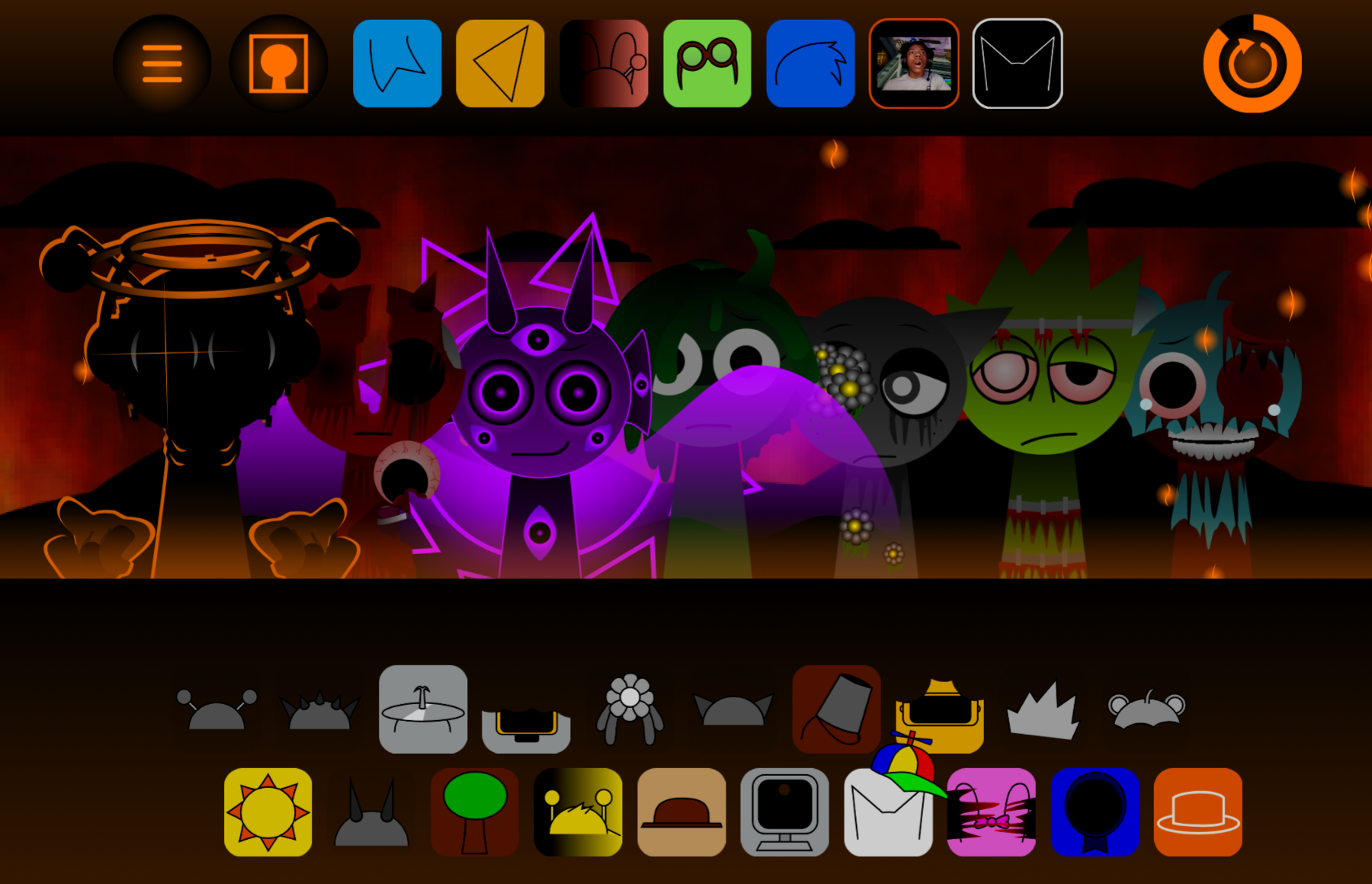
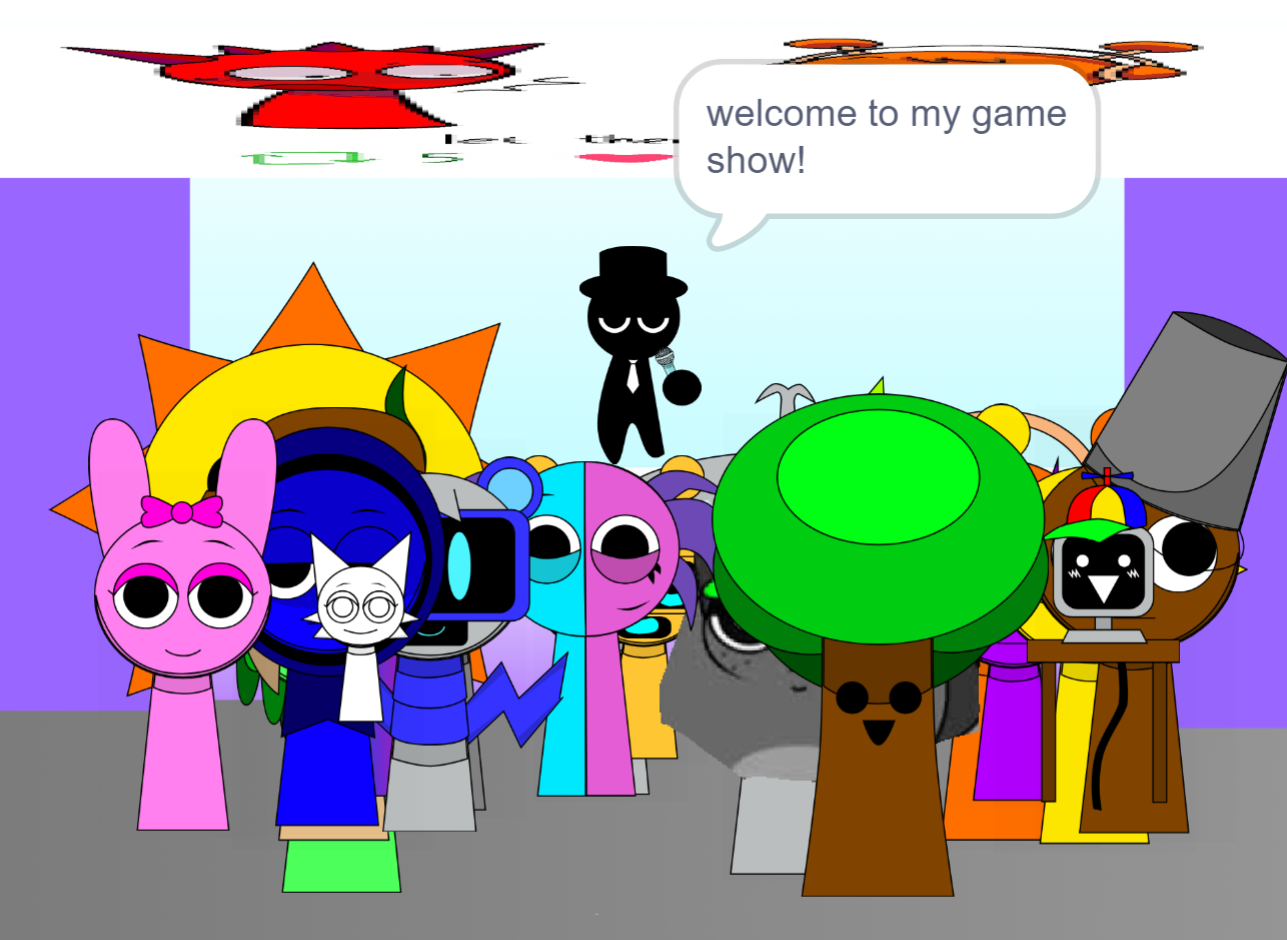
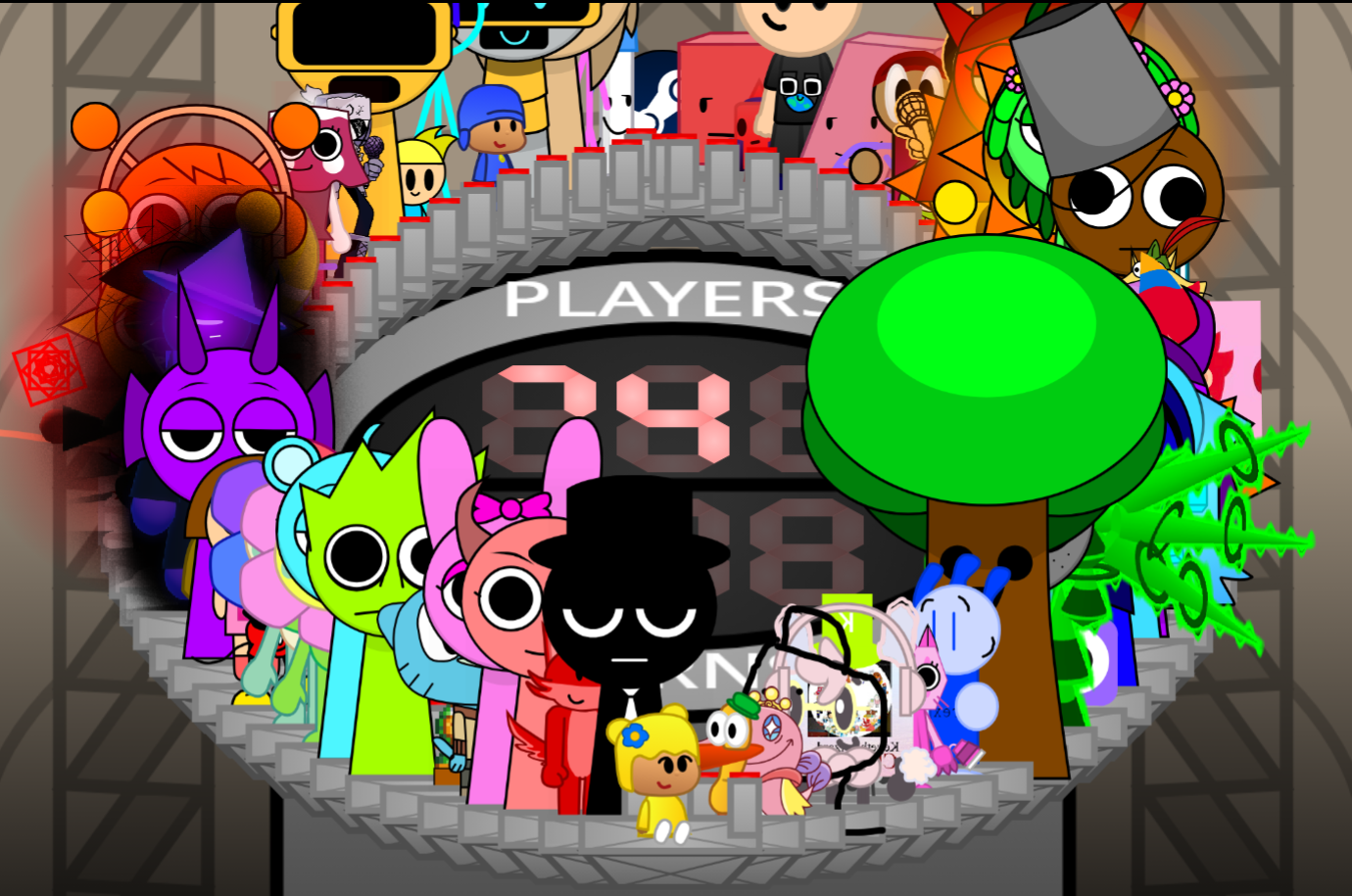
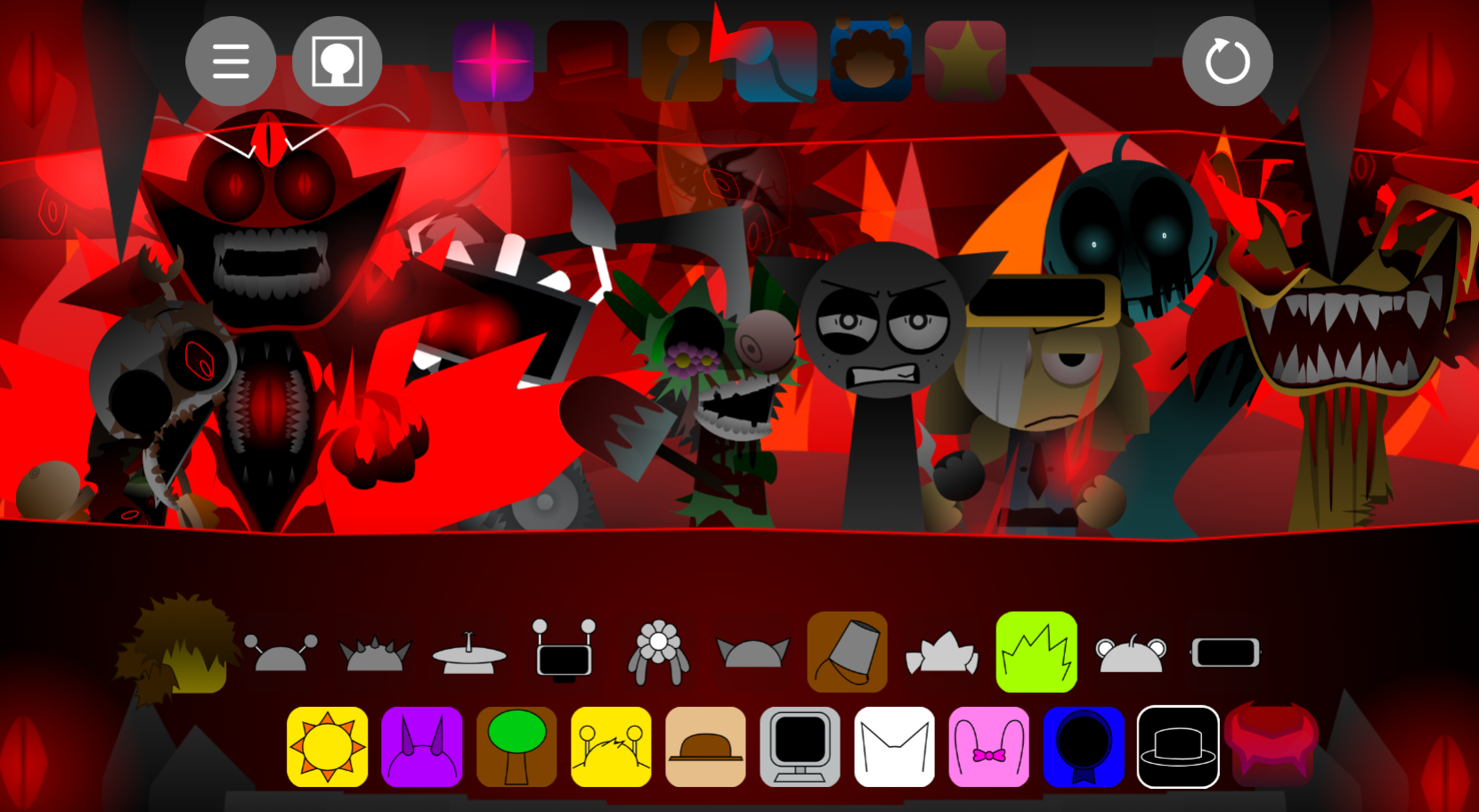
Sprunki The Definitive Phase 13 Official is a fan-made browser version of Phase 13 for players who want a darker, denser session than earlier Sprunki phases usually provide. It keeps the familiar drag-and-mix loop, but it pushes the formula toward heavier layering, sharper mood changes, and less predictable sound combinations.
If you are deciding whether it is worth your time, the useful question is not whether it is “official” in a studio sense. The useful question is what this build does differently in practice: how curated the roster feels, how quickly the mix gets crowded, and whether you enjoy turning controlled chaos into something that still sounds intentional. This guide focuses on those differences so you can judge the version before sinking time into it.
What Makes Phase 13 Official Different?
Sprunki The Definitive Phase 13 Official is best understood as a polished community build rather than a replacement for any official studio release. It is free to play in-browser with no download, but the appeal is not convenience alone. The real draw is that it reshapes the later-phase Sprunki feel into something darker and more curated.
That Definitive label matters because the build feels more intentionally assembled than a loose Phase 13 remix. Compared with a generic variant, the presentation is cleaner, the sound design is stronger, and the balance between chaos and control is better managed. The mood is heavier, the layering is thicker, and the results feel less safe than in earlier phases, yet the experience still tries to hold together instead of falling into noise immediately.
It is therefore best suited to players who already know basic Sprunki mixing. You are still placing characters, stacking loops, and listening for reactions, but the session asks for more restraint than a lighter phase does.
Features of Sprunki The Definitive Phase 13 Official
Classic Sprunki mixing, but with much denser layering
The core loop stays familiar: add characters, stack sounds, and shape a track. What changes is how much pressure the mix can carry before it starts to feel unstable. Phase 13 asks you to manage thickness and timing more carefully than earlier phases usually do.
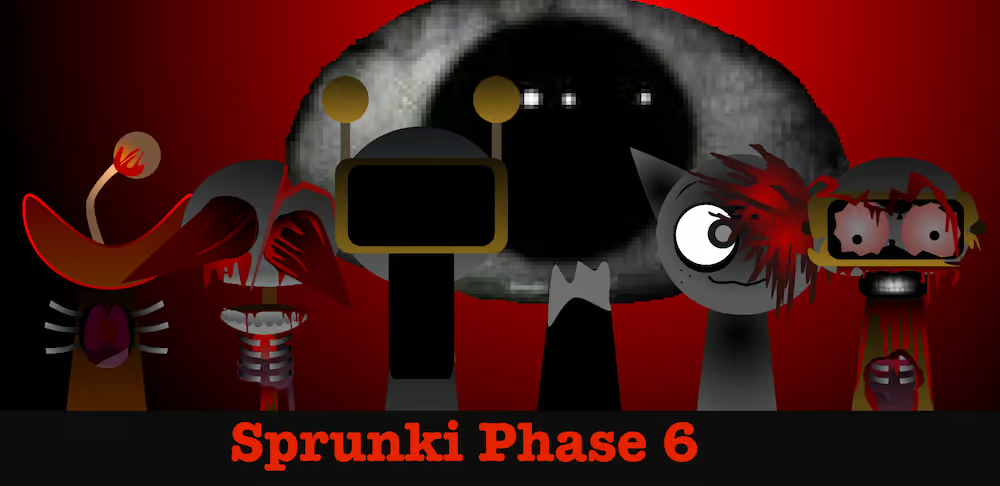
A glitch-heavy visual style that affects the feel of play
The visuals lean into eerie, unstable effects that reinforce the darker tone. That matters because the screen feedback helps sell the tension of the audio instead of acting like decoration pasted on top.
A roster built for unstable, high-contrast results
This is not the kind of phase where every added character simply smooths the loop out. The character interactions are more surprising, which makes the version better for experimentation than for players who only want the cleanest possible pattern every time.
Easy browser access for repeat testing
Because it runs directly in a browser, it is easy to restart, test a few combinations, back out, and compare ideas across short sessions. That matters more here than in a simpler phase because Phase 13 often rewards repeated tweaking rather than one quick successful loop.
What Returning Sprunki Players Notice First
The first noticeable change is density. Earlier phases often let you build outward without immediately losing clarity, but Phase 13 pushes toward a busier sound much sooner. Familiar habits can therefore backfire. If you fill slots too quickly, the result may feel impressive for a moment and then muddy once everything starts competing for space.
The second change is that visual response becomes more useful as a reading tool. In a lighter phase, you can often judge the loop almost entirely by ear. Here, the glitch styling helps communicate whether the track is building tension in a good way or simply tipping into clutter.
The third change is that unpredictability is part of the appeal, not just a side effect. This version suits players who like testing interactions, finding rough edges, and shaping them into something deliberate. If your best Sprunki sessions come from careful adjustment rather than instant perfection, that is where this build has real value.
How to Play Phase 13 Official Well
Treat this as a later-phase challenge, not as a basic introduction. The goal is not only to make a loop that technically works. The goal is to manage density, atmosphere, and reaction without losing control of the mix.
Start with a smaller base than you think you need.
Add only a few sound icons first instead of filling every slot immediately. Phase 13 crowds up quickly, and a restrained opening makes it easier to hear what each new layer is actually doing.
Test one aggressive change at a time.
When the phase is already heavy, dropping in multiple new sounds together makes it harder to tell which element improved the track and which one made it messy. One-at-a-time changes help keep the loop readable.
Listen for pressure points, not just volume.
The important question is not whether the mix sounds bigger. It is whether the extra layer creates a better shape, stronger tension, or a clearer mood. If the loop gets flatter as it gets louder, you are adding weight without adding value.
Use the visual reaction as feedback.
This version ties music-making closely to glitch effects and horror-adjacent presentation. If the audio and visual mood stop matching, that usually signals the mix is becoming cluttered rather than more effective.
Use babies mode as a practice step if full density feels overwhelming.
It gives you a lower-pressure way to learn the flow before moving back into the standard setup. That is especially useful if you understand Sprunki generally but are still adjusting to how fast Phase 13 becomes crowded.
Mastering the phase is really about accepting that control does not come from removing every chaotic element. It comes from shaping the chaos so the loop still feels intentional. The strongest tracks here sound tense and full without feeling overloaded.
Related Games
- Sprunki The Definitive Phase 12 Part One — This is the clearest lead-in because the article frames Phase 13 Official as a step up from Definitive Phase 12, making it useful for hearing how the later-phase sound density evolved.
- Sprunki The Definitive Phase 13 AfterMath — As another definitive take on Phase 13, it’s a strong comparison point for players who want to test whether Official’s heavier layering and curated roster feel more coherent than a parallel version.
- Sprunki The Definitive Phase 15 E.S.Bs extension — This fits the article’s “how far can fanmade phases push the formula” angle by extending the same definitive, high-complexity style into an even later phase.
Who Should Try It and Who May Skip It?
This version is a good fit for players who already like later Sprunki phases, want heavier sound design, and do not mind spending time testing combinations that can go wrong before they go right. It also makes sense as a next step for someone coming from a Definitive Phase 12-style build and looking for a denser, less forgiving session.
It is less ideal for players who prefer the simplicity and readability of earlier phases. If you want a phase that locks into a clean loop quickly, this one may feel tiring rather than exciting. Some combinations can tip into noise instead of rhythm, but that trade-off is part of the design logic of the build, not necessarily a flaw that needs to be fixed.


Discuss Sprunki