
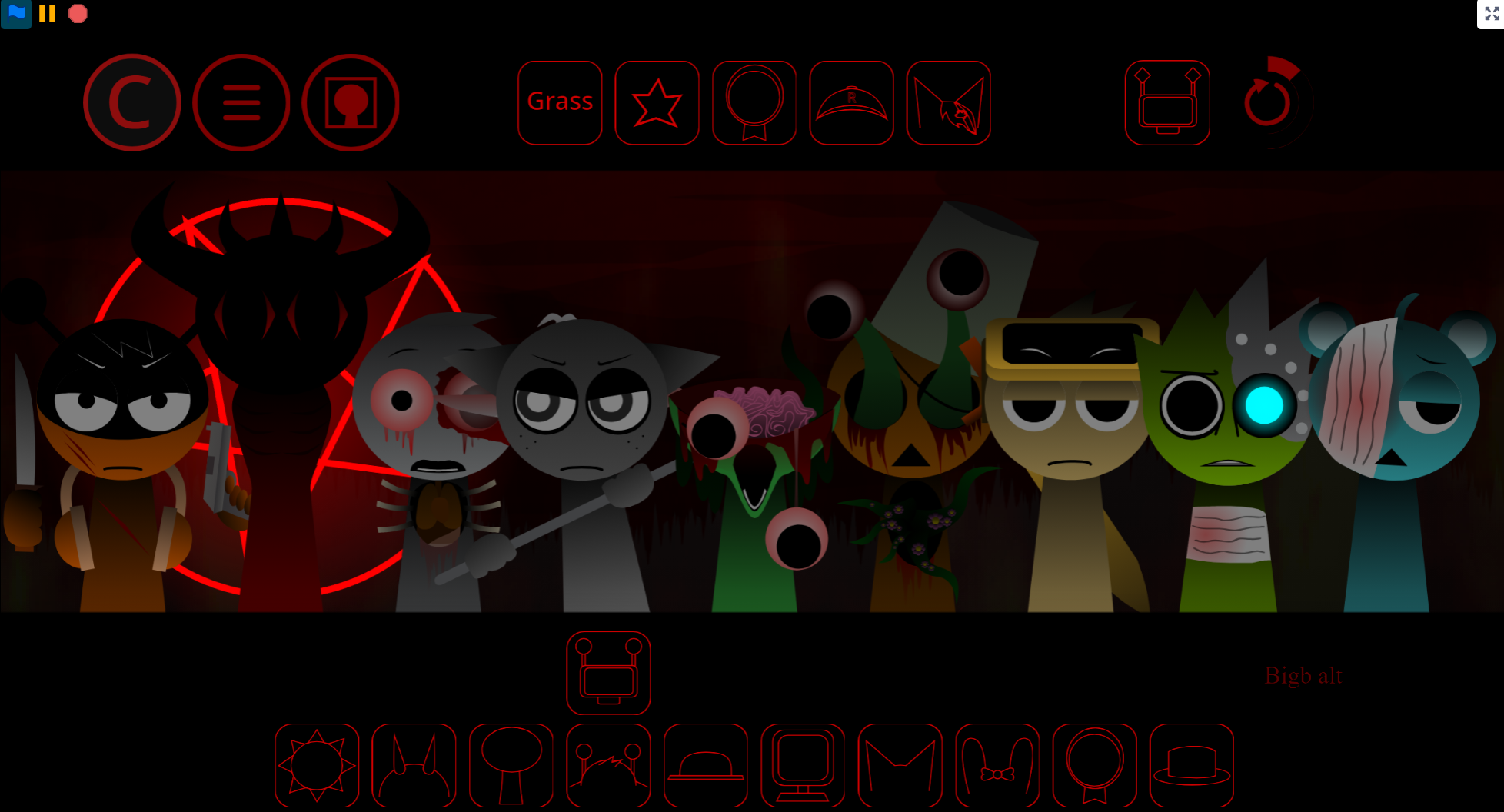

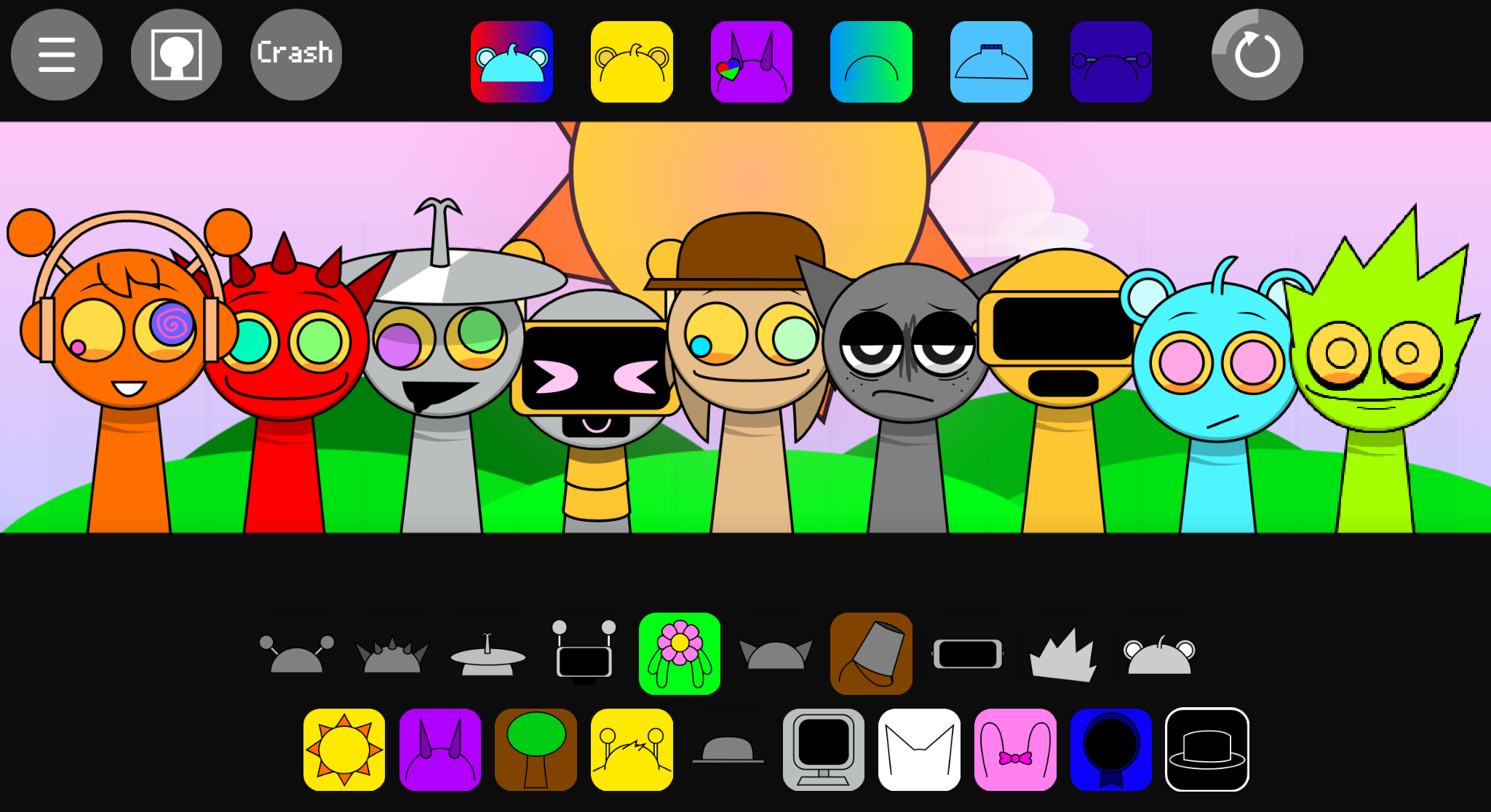
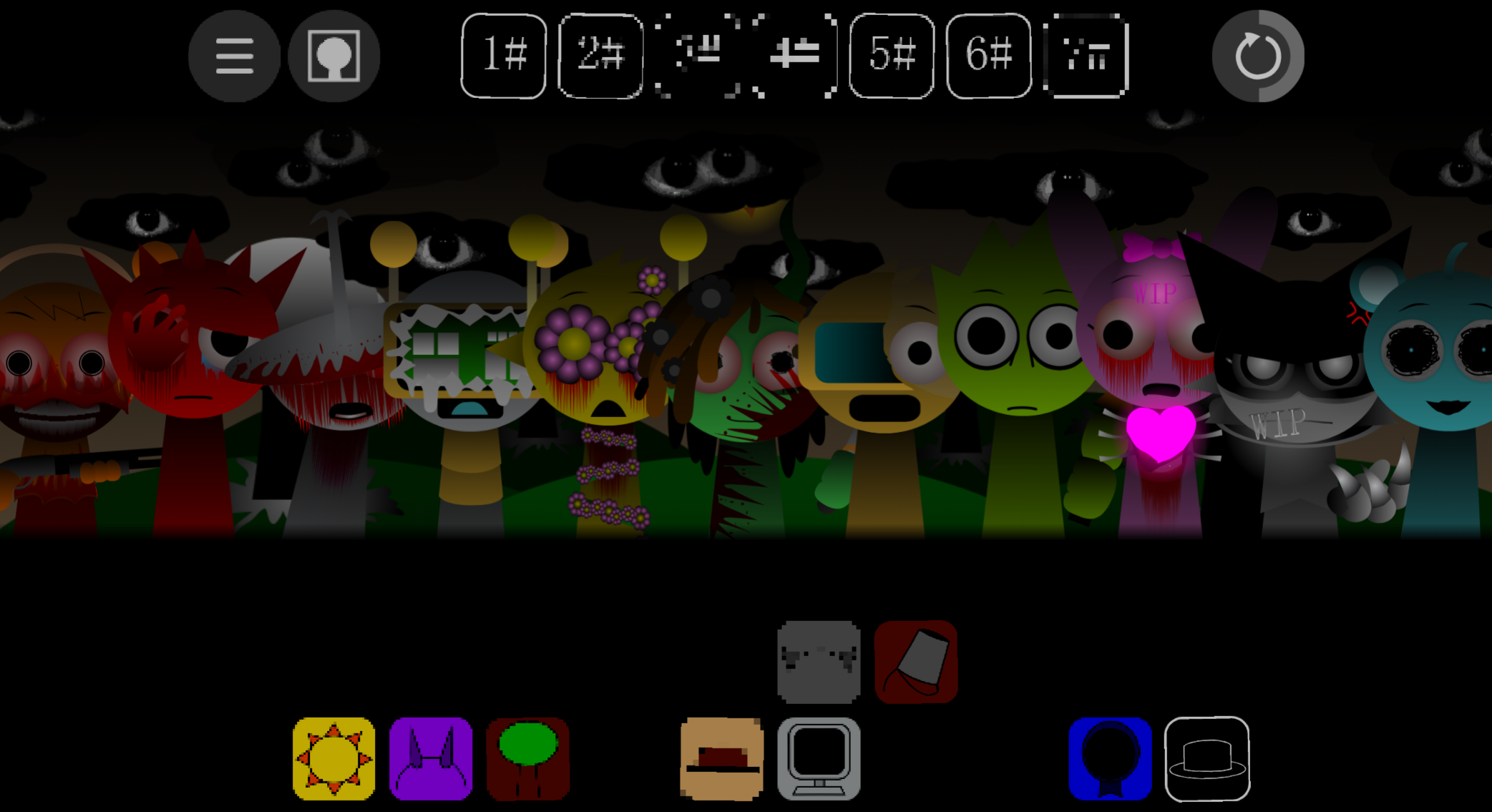

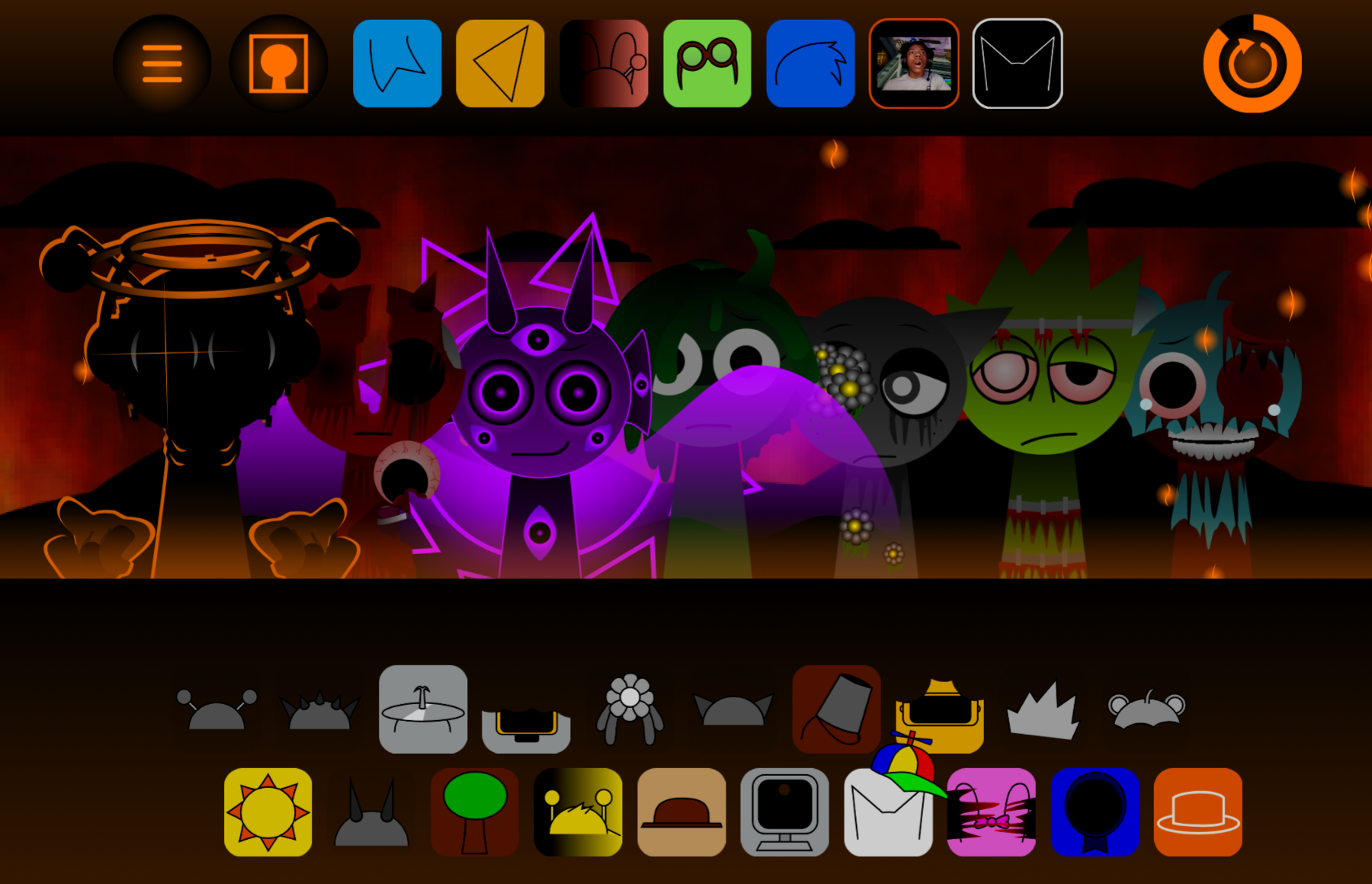
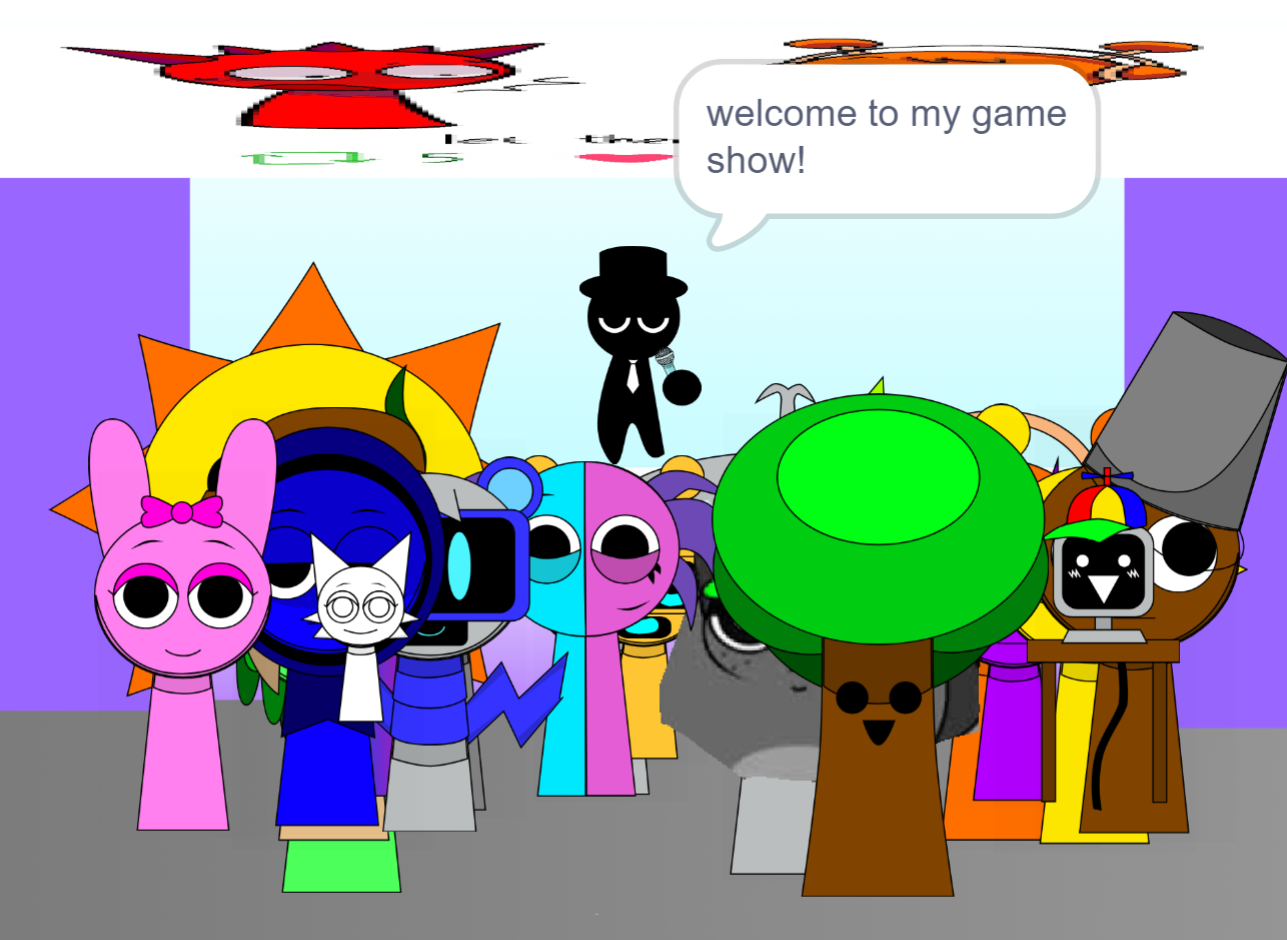
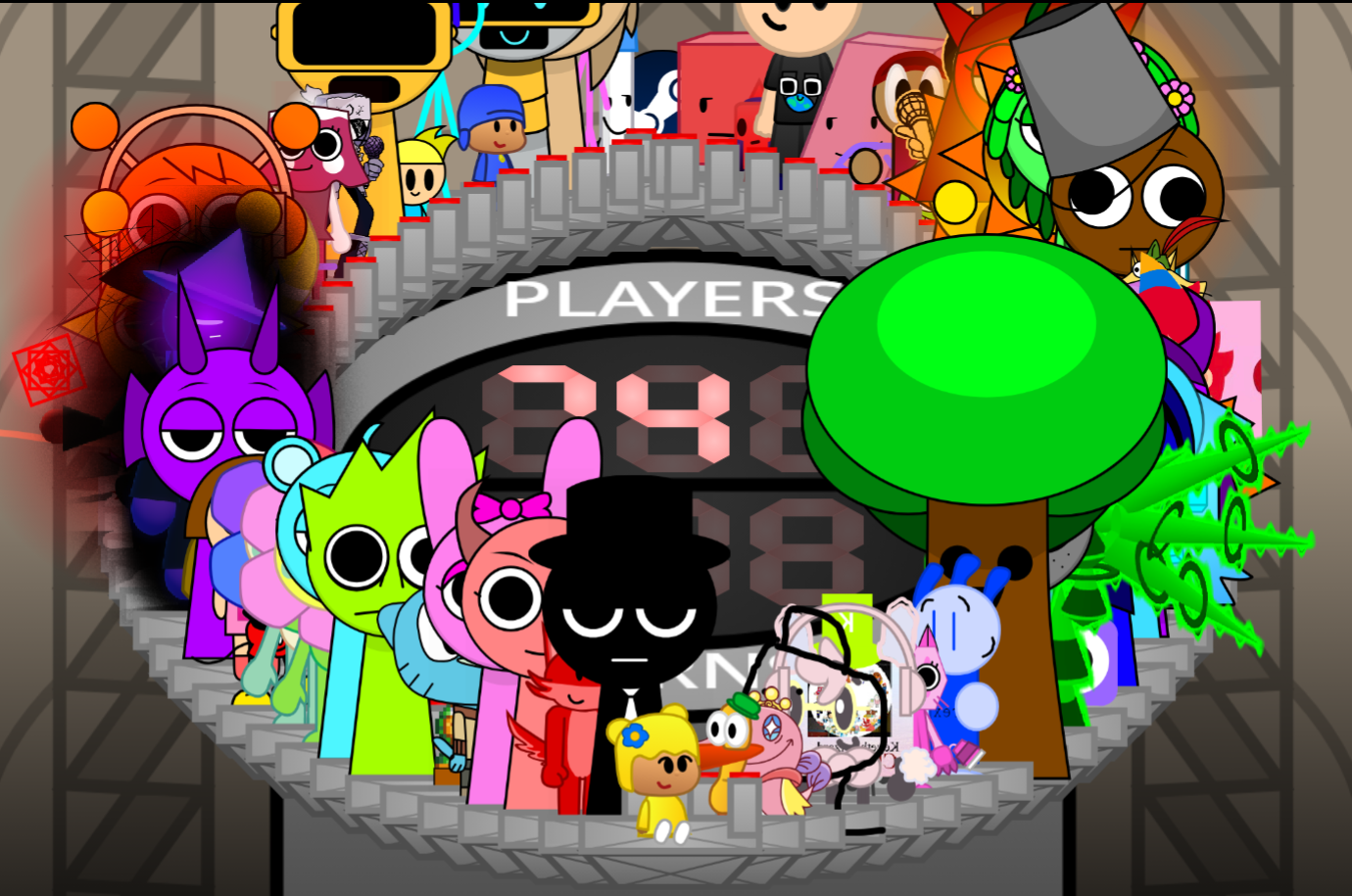
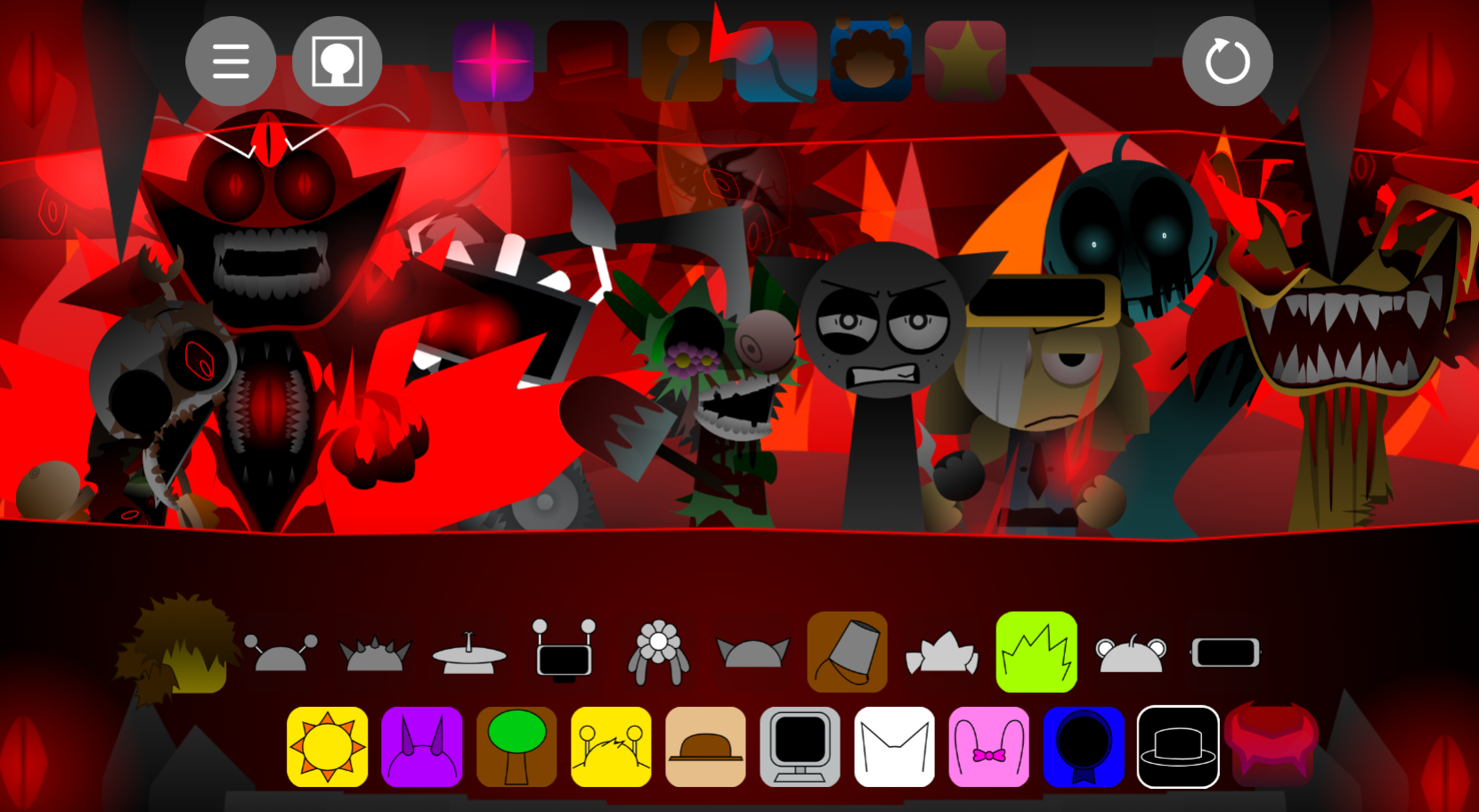
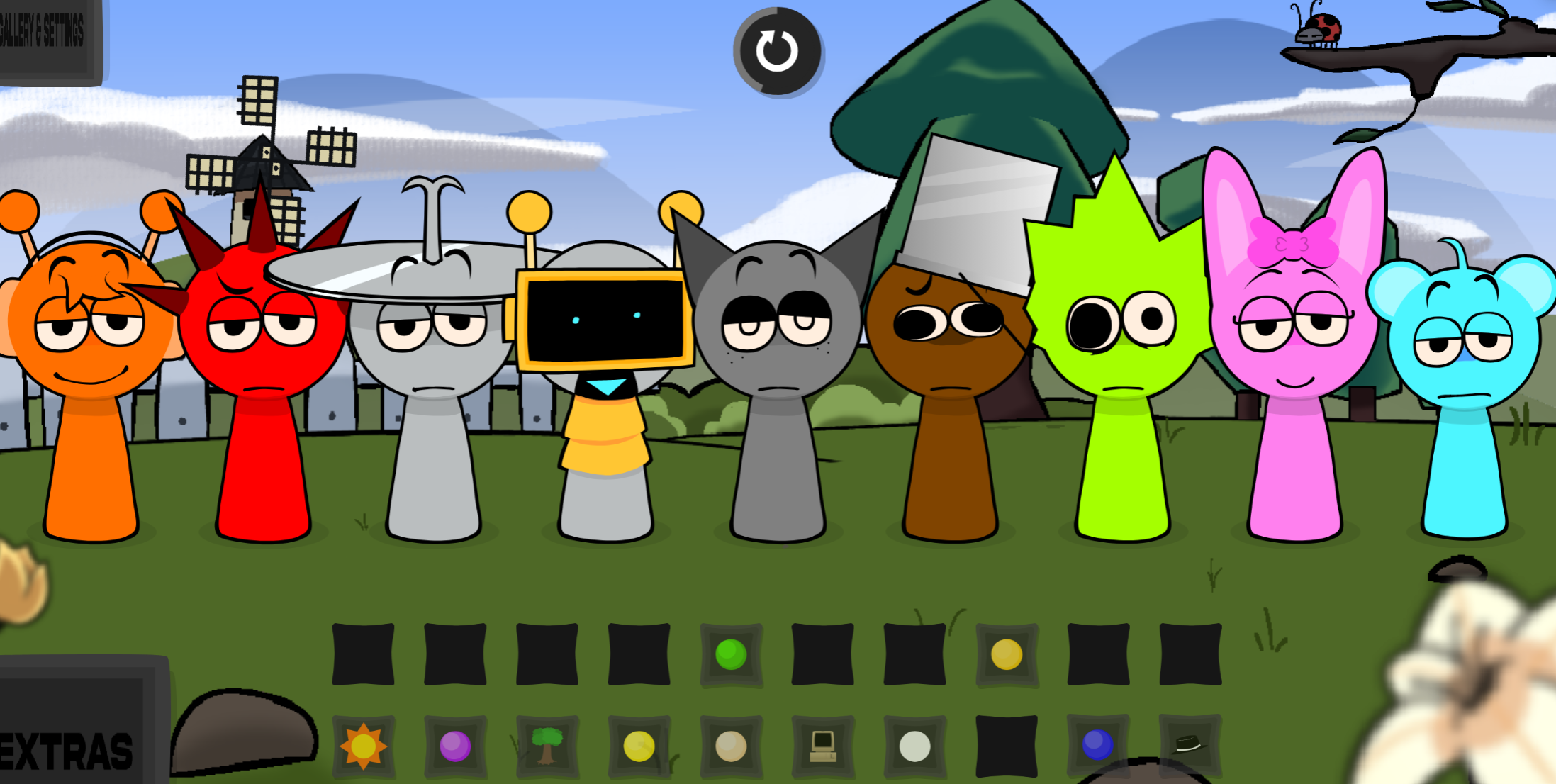
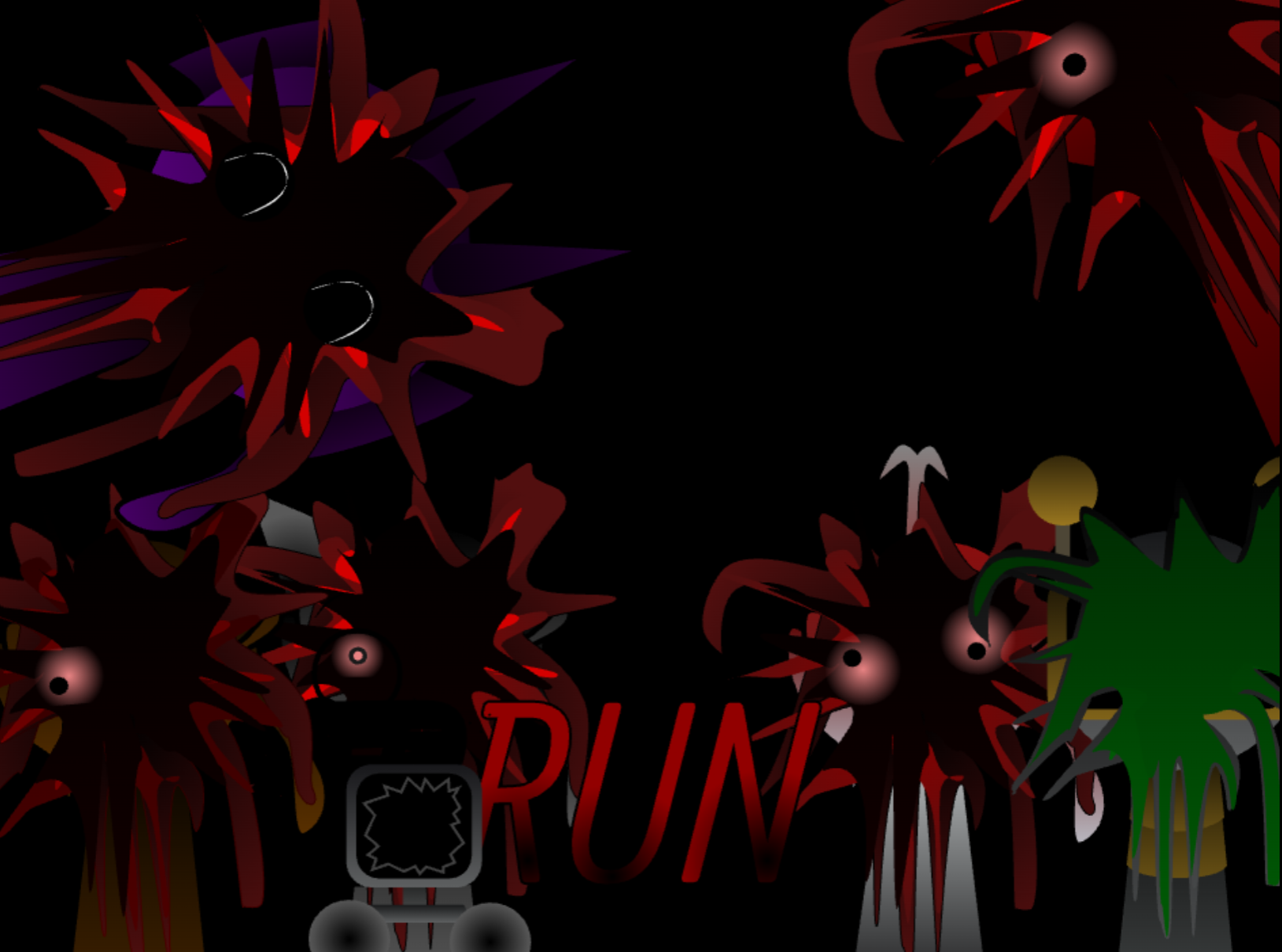

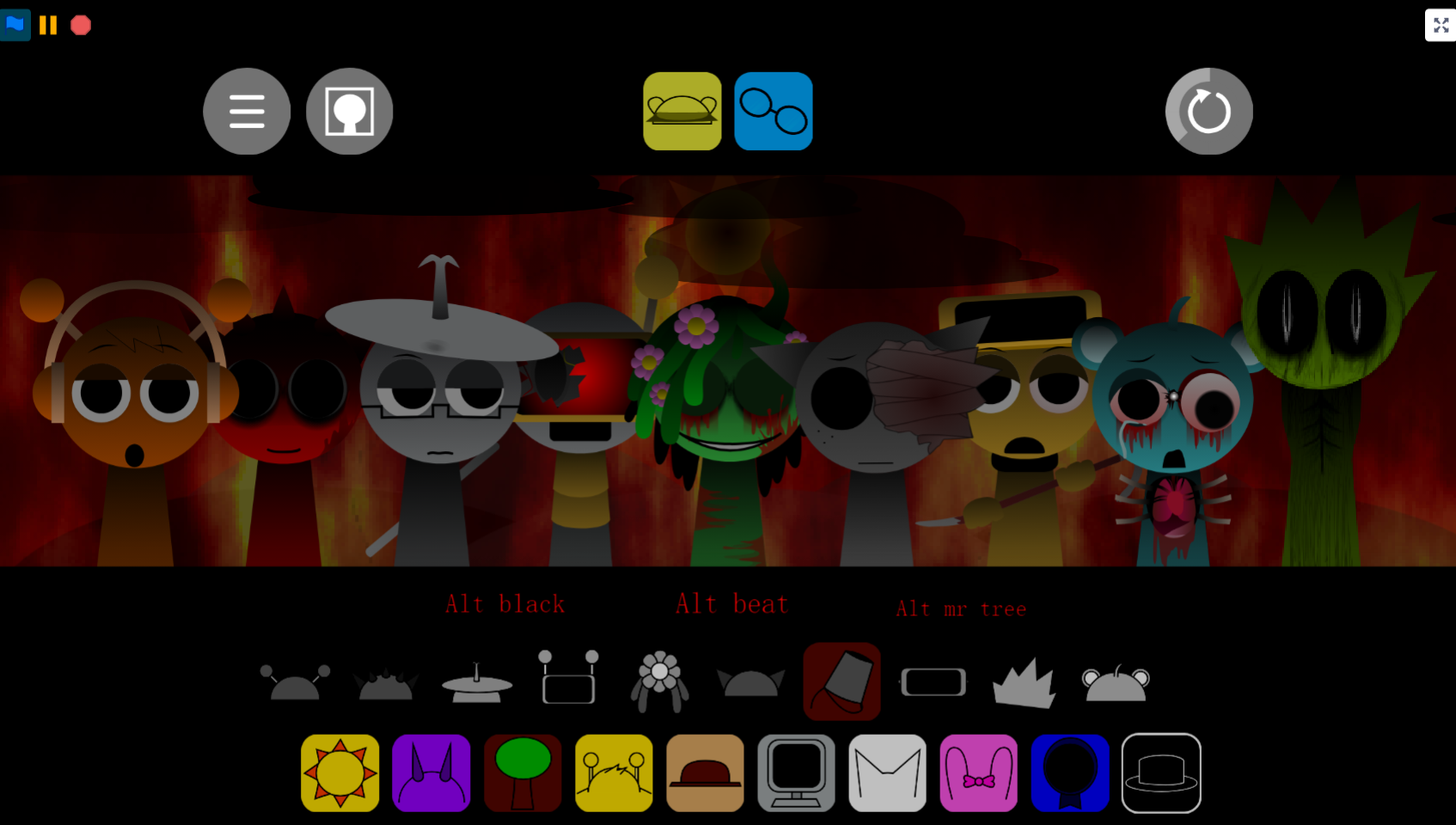

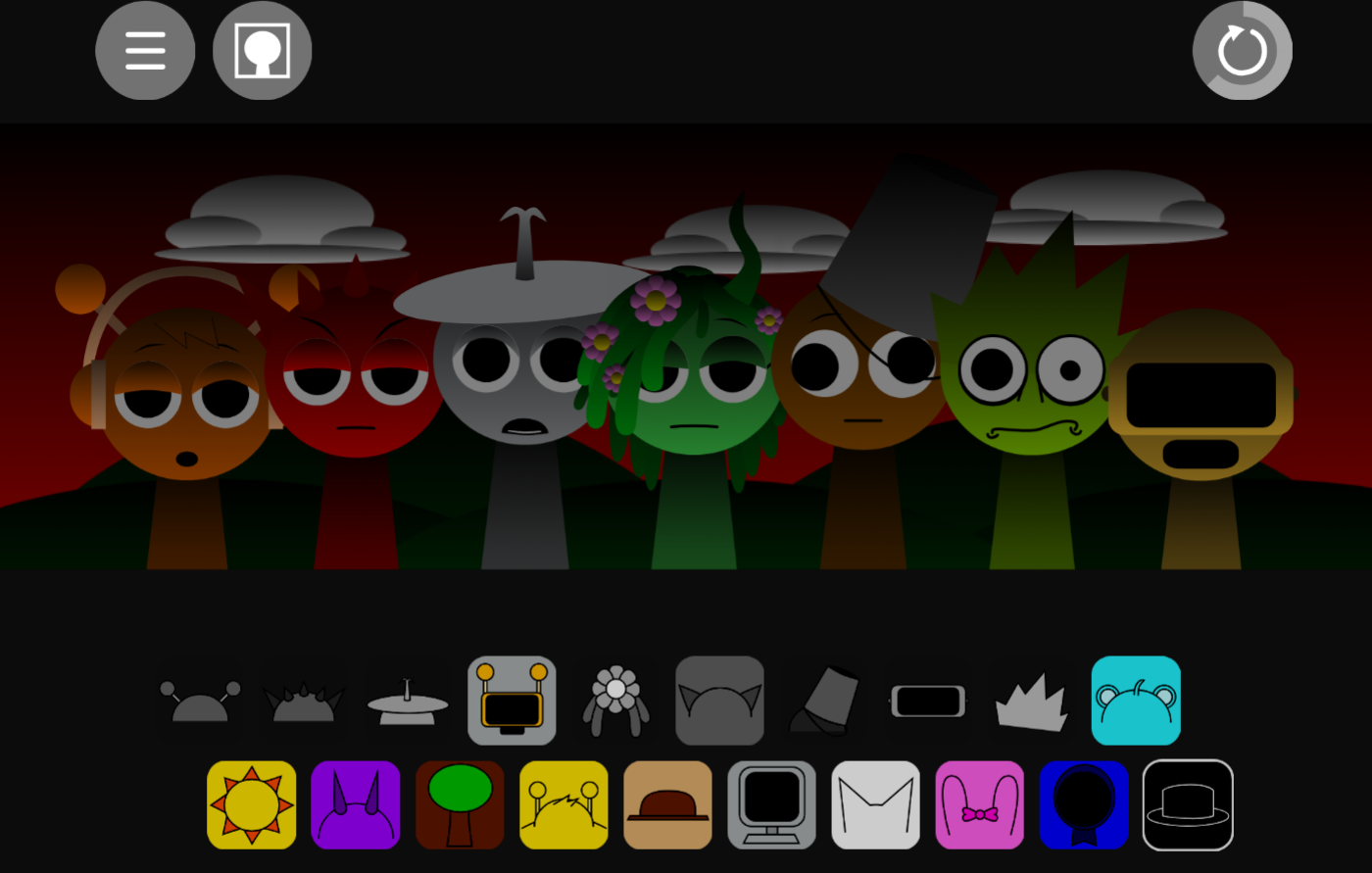

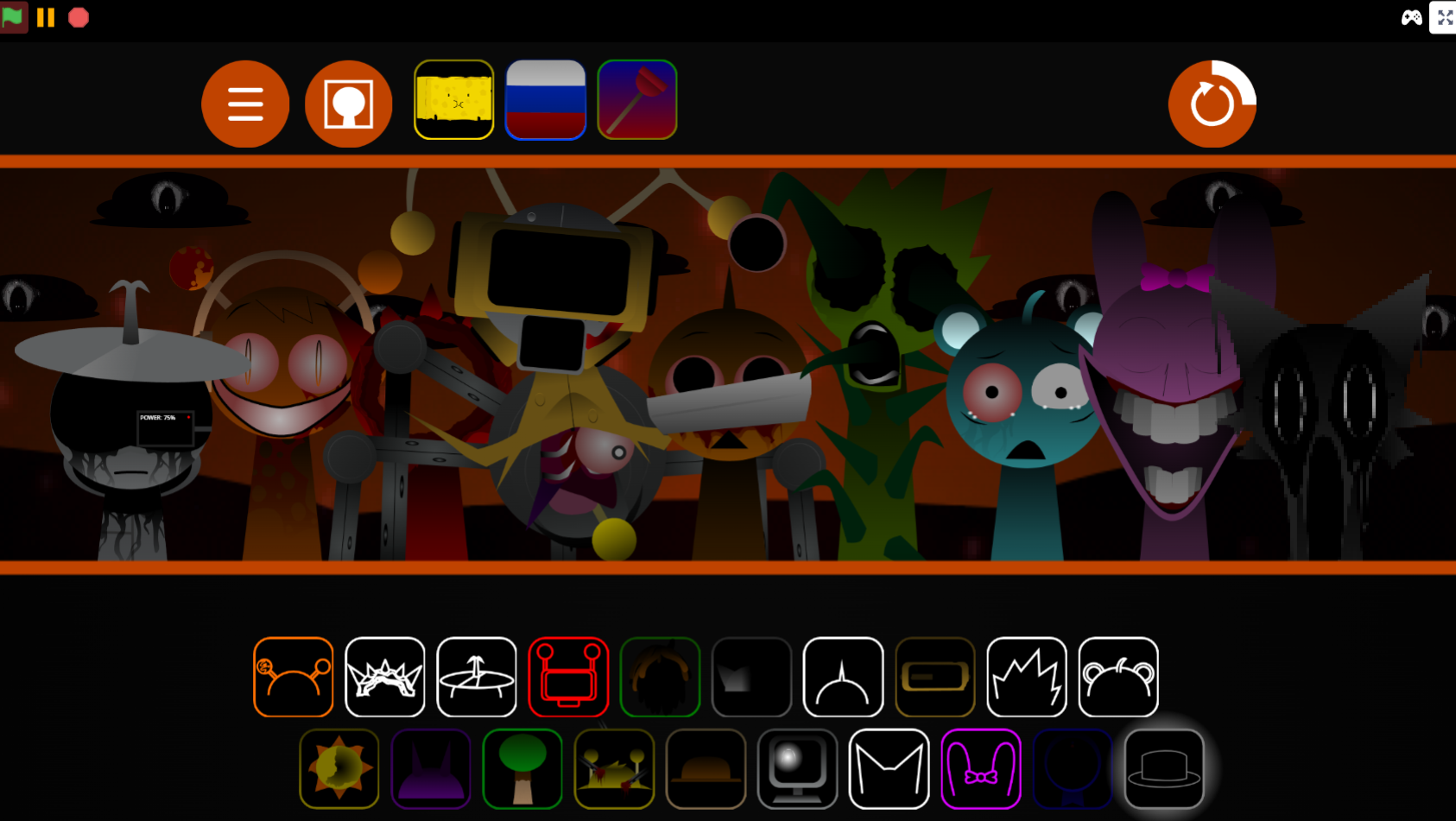
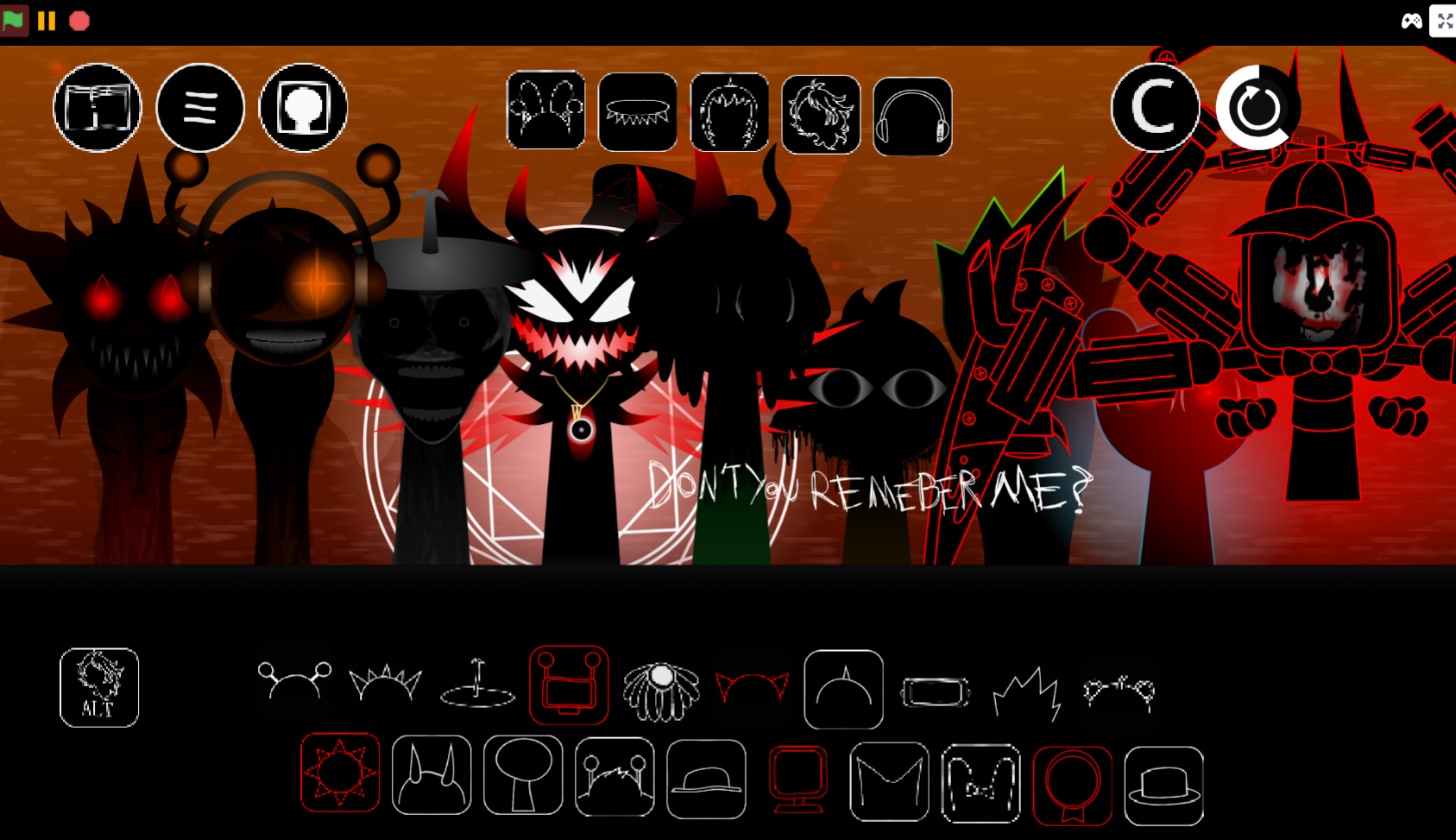
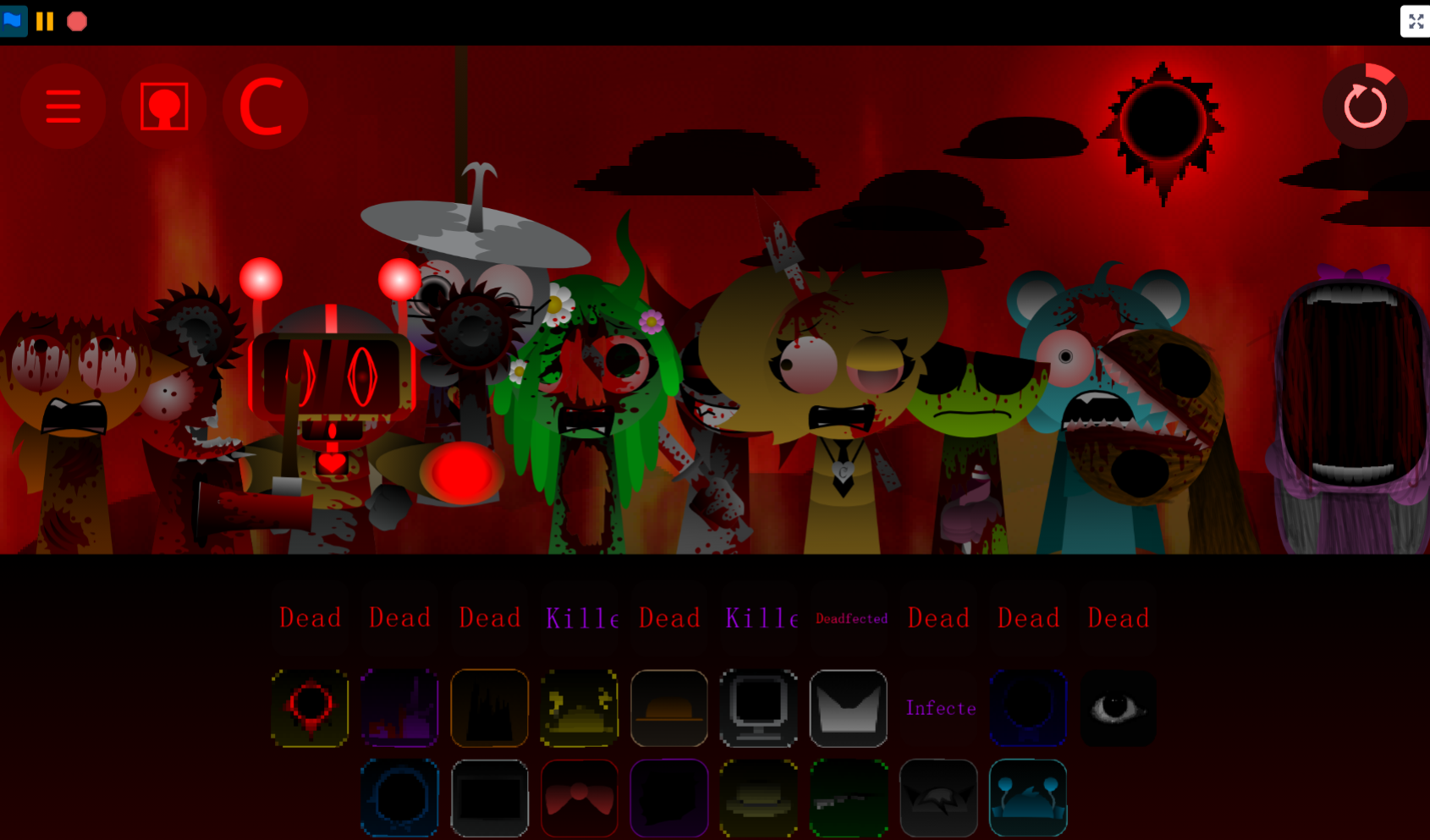
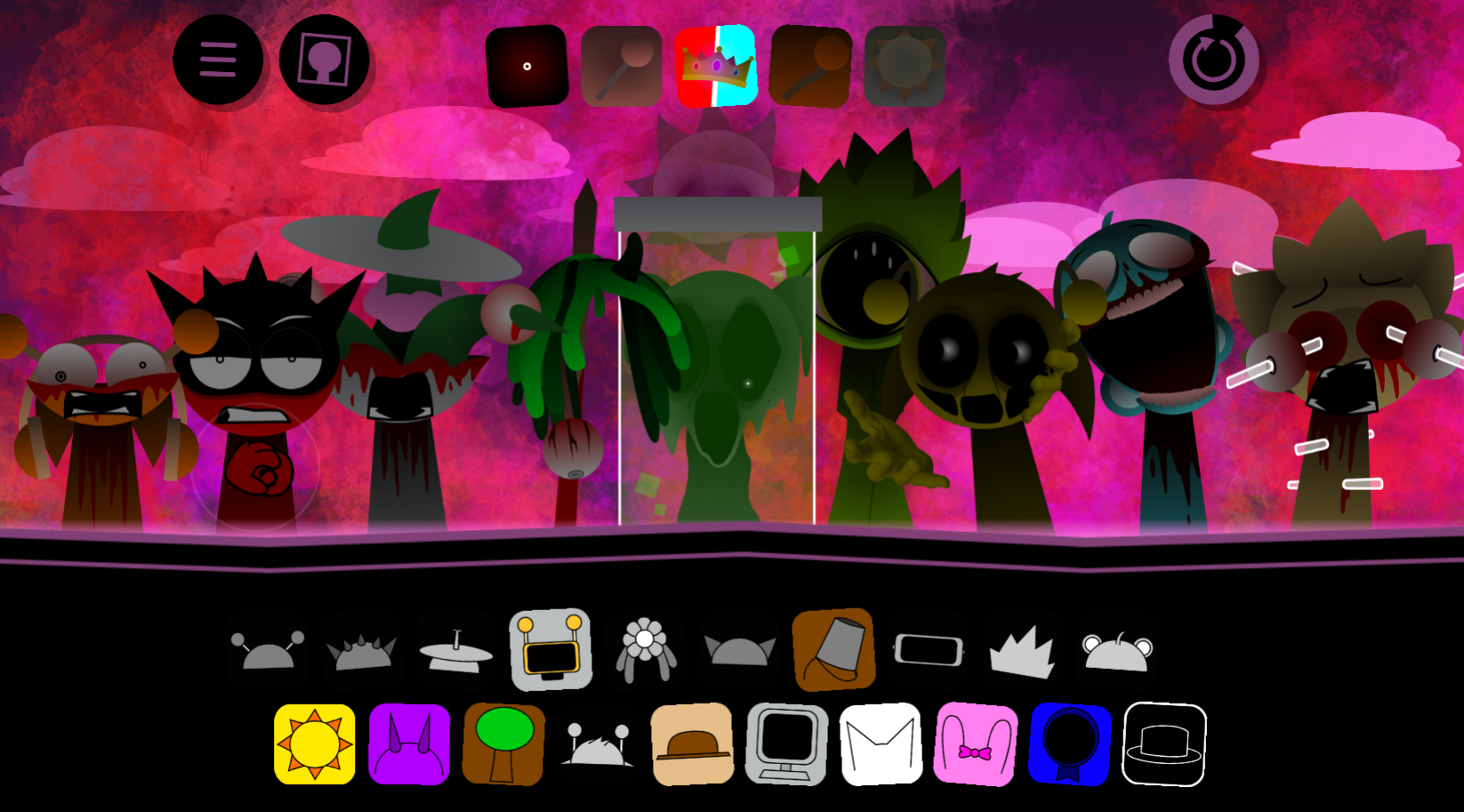
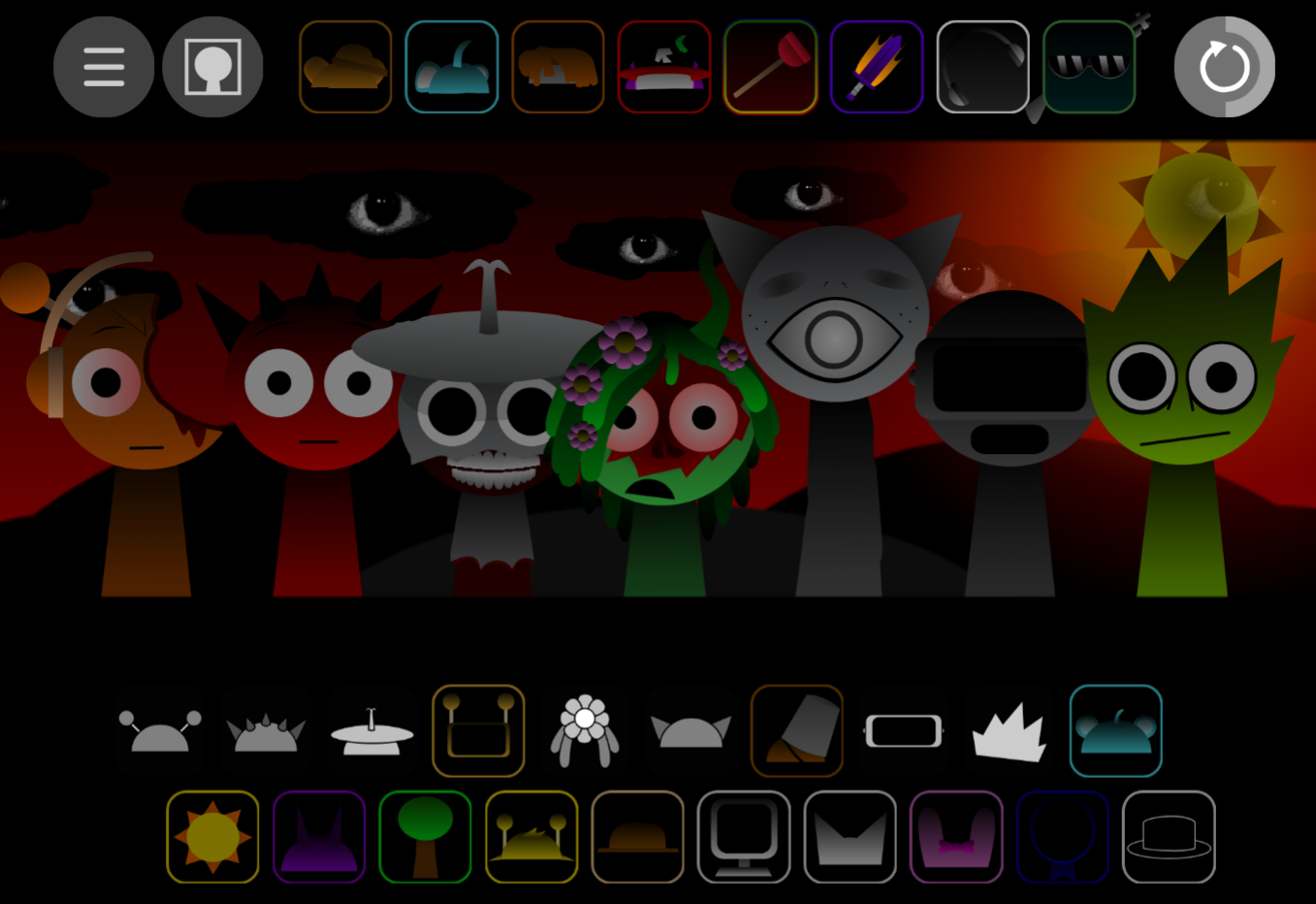

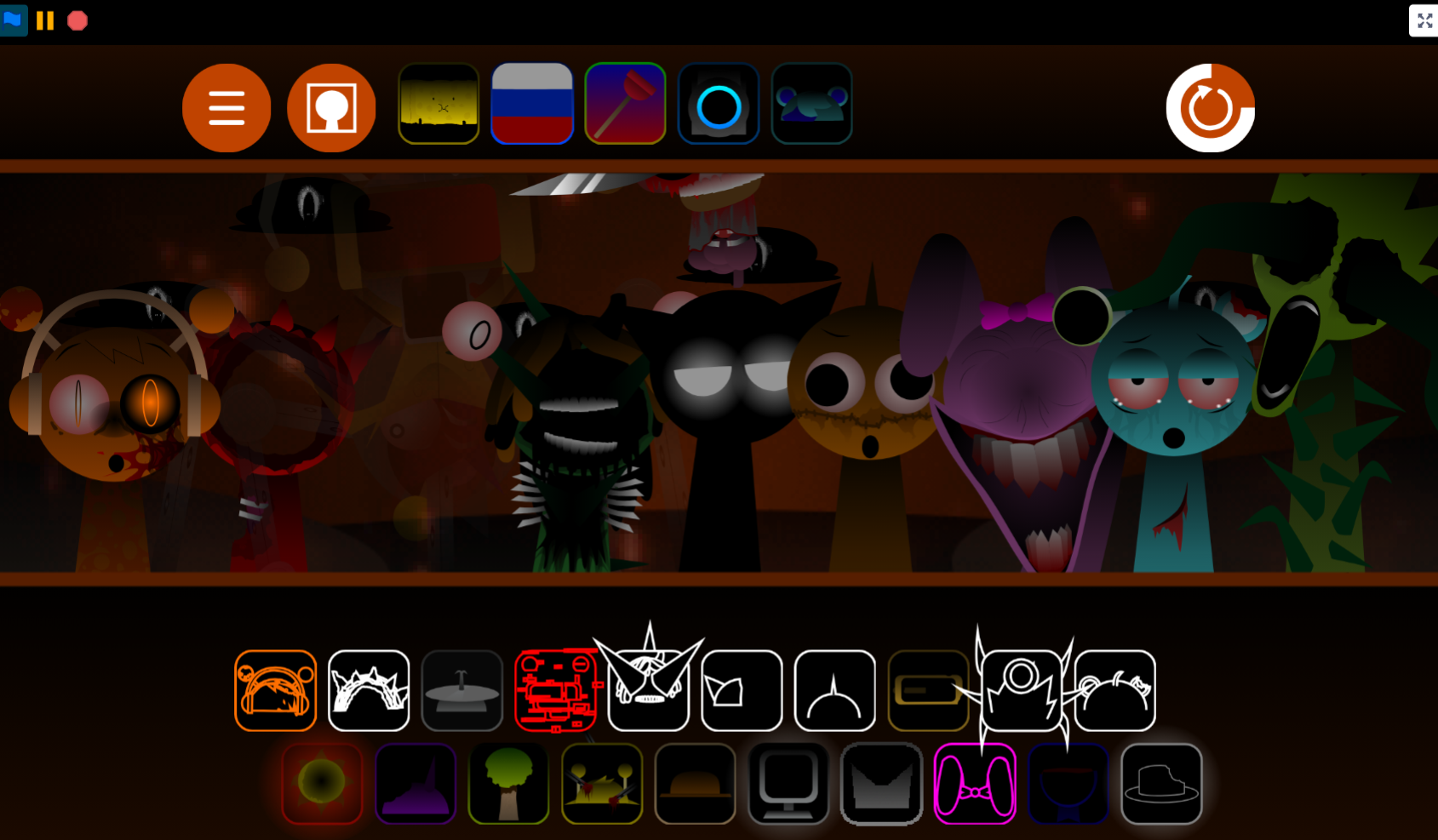
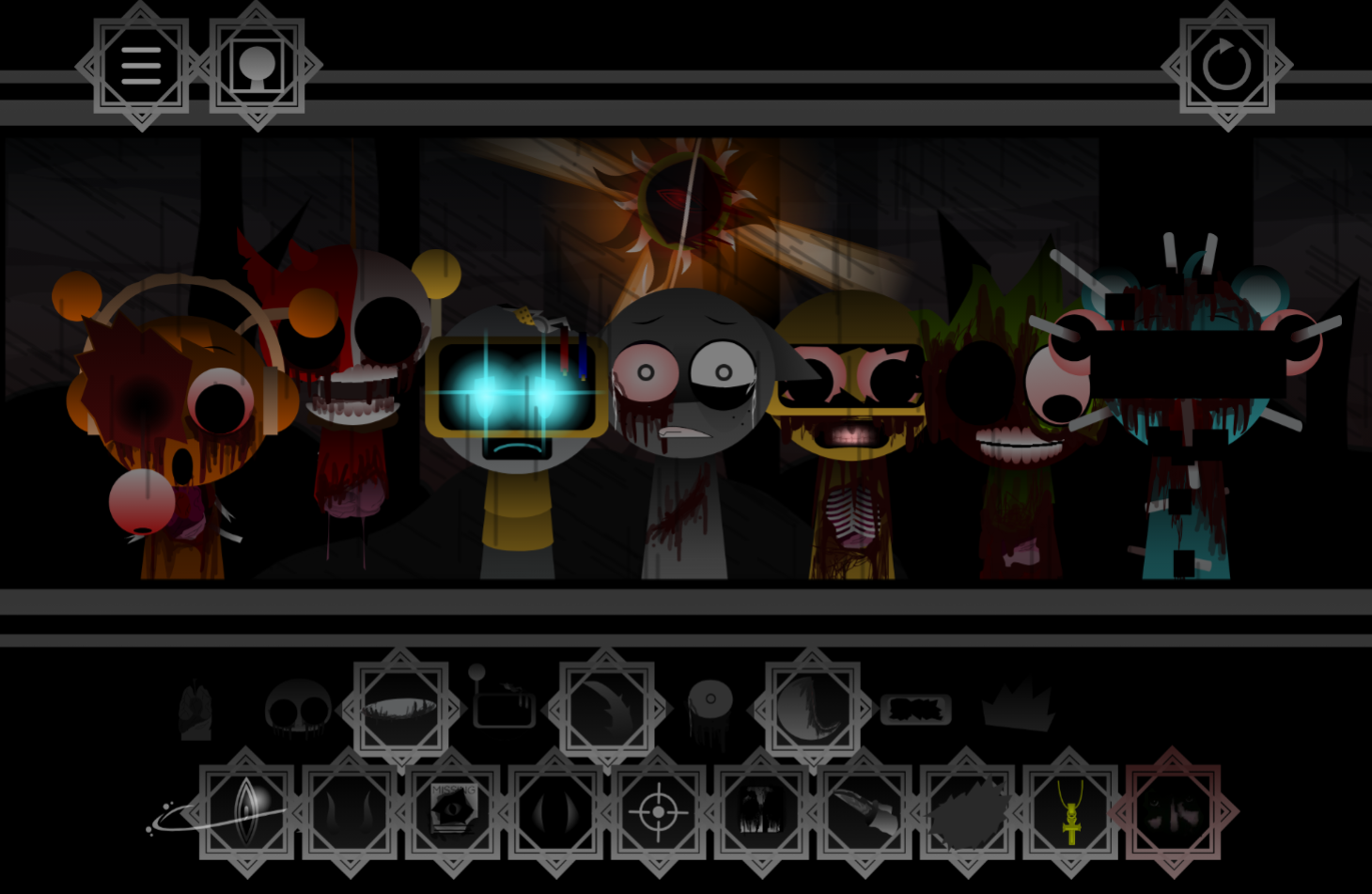
Sprunki Doubleshifted Phase 3 Remake does not try to replace classic Phase 3. It keeps the familiar slot-based mixing loop, then changes the experience through cleaner presentation, stronger feedback, and a Doubleshifted feel that makes fuller arrangements less predictable.
For players who already know why Phase 3 works, the appeal here is not a brand-new ruleset.
It is a version of that formula that feels darker, sharper, and a little less forgiving once a mix starts filling out.
What the Remake Actually Changes
The remake changes the feel of Phase 3 more than the rules. You are still building tracks the same basic way: dropping characters into slots, stacking beats, effects, melodies, and vocals, and listening for combinations that either settle into something coherent or start to fight each other. That keeps the game readable for new players and immediately familiar for anyone who has spent time with earlier Sprunki phases.
The difference shows up once the mix gets busy. In a standard Phase 3 session, adding another part often feels like a straight upgrade until the track is full. Here, extra layers make bad choices show up faster. A build that sounds clean early on can start to feel heavier, rougher, or more crowded as more pieces come in, which means later choices matter more than they do in a simpler remix. That is the point where the mod starts to feel distinctly Doubleshifted rather than just cosmetically altered.
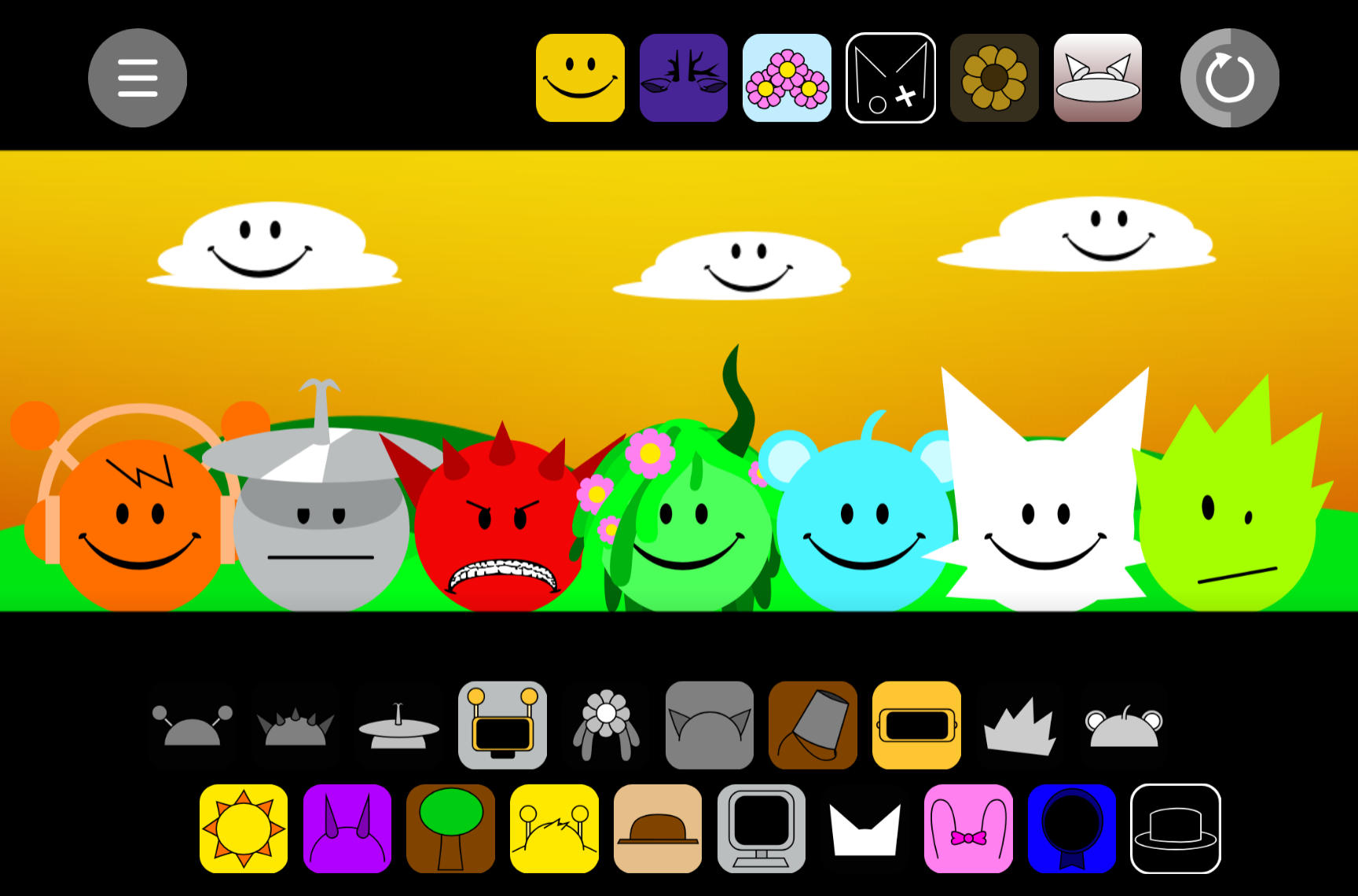
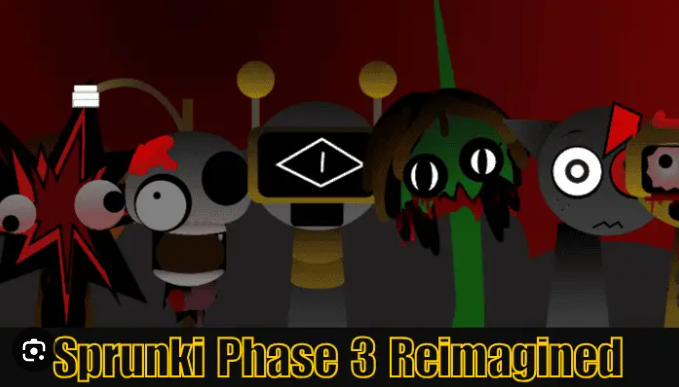
The visual rework supports that same shift. The backdrop is cleaner and easier to read in busy moments, so you can follow what the phase is doing without losing track of the mix. At the same time, the remake keeps part of classic Phase 3 visible: Tree, Tunner, and Pinki still use their exact original idle sprites, which helps anchor the update to the version longtime players already know. This V1.0 release also adds the creators’ OC Thinkbot as canon, so the project feels like a revision with its own ideas rather than a simple polish pass.
How the Doubleshifted Feel Shows Up in Play
The easiest way to miss what this remake is doing is to play it as if every extra character should make the track better. That works in simpler Sprunki sessions, but this version is more revealing than that.
Once you have a few layers running, the mix starts showing where your choices actually belong together and where they only seemed fine because the arrangement was still thin.
That is also why placement matters more here than it first appears. If a track feels muddy, the problem is not always the character itself. Sometimes the issue is when you added it, what it is sitting next to, or what it does to the balance of the mix once the arrangement gets denser.
The remake is better when you treat it like something you shape and correct, not something you fill as quickly as possible.
The feedback matters for the same reason. In a crowded mix, the audio-visual response helps you catch when a track is tightening up and when it is tipping into clutter. Used well, that feedback turns the phase into more than a drag-and-drop loop.
It becomes a small exercise in reading pressure inside the arrangement instead of only listening for something that sounds fine at first.
How to Read Your First Few Mixes
A good first run in this remake is usually a slower one. The point is not to reach a full board as fast as possible. It is to notice the moment when a stable idea starts getting pushed off balance by the next addition. That is where this version stops feeling like ordinary Phase 3 and starts showing what makes this version feel different from ordinary Phase 3.
It also helps to be suspicious of your first assumption. If a new part makes the track worse, that does not automatically mean the character was a bad pick. It may mean the mix was already close to crowded, or that the placement changed the balance more than expected. Players who make one change at a time usually learn the remake faster than players who reset the board every time a combination turns messy.
Most importantly, listen for what happens after the third or fourth layer rather than judging the build from the opening few seconds. The early part of a mix can sound familiar enough to lower your guard. The remake becomes more interesting later, when the arrangement starts exposing which ideas can survive pressure and which ones collapse once the phase gets thick.
Why Returning Phase 3 Players Will Care
The best thing about this remake is that it knows not to throw Phase 3 away. A lot of fan reworks either stay too close to the original to matter or drift so far that the original identity disappears. This one lands in a more useful middle ground. It keeps the recognizable structure, preserves some classic character presentation, and then changes the texture of the experience enough that returning players have a reason to pay attention.
That balance is why the remake is easier to recommend to existing Phase 3 players than to people looking for a total overhaul. If you liked the original because of its core rhythm and readable build-up, this version gives you that base with more friction inside the mix. If you wanted a completely different game, it will probably feel too restrained. Its strength is not radical reinvention. Its strength is making a familiar phase feel newly tense.
Related Games
- Sprunki Phase 3 Reimagined New Start — The closest comparison here if you want another take on how a familiar Phase 3 setup can be reworked without losing its core identity.
- Sprunki Vortex Shifted Phase 1.5 Remake Player Baldis Take — A useful follow-up if the shifted/remake angle matters more to you than sticking strictly with Phase 3 itself.
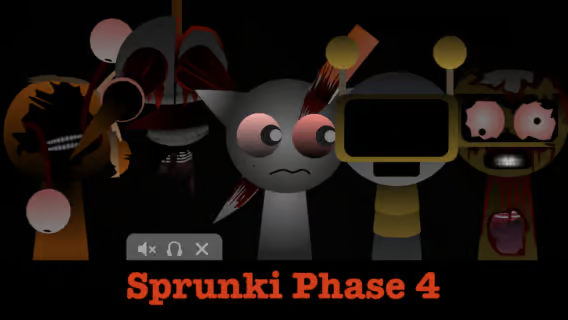
- Sprunki Phase 4 Reimagined The Forgotten Experiment — A decent next click if you want to see how the reimagined-phase approach carries into a later point in the Sprunki line.
Who This Version Is Actually For
Sprunki Doubleshifted Phase 3 Remake is best for players who already enjoy Phase 3 and want to see that formula handled with more care, more visual clarity, and slightly more pressure in the later mix. It also works for newer players who do not mind learning by adjustment instead of by brute-force trial.
It is a weaker fit for anyone specifically hunting for a total system rewrite or a fan project built around constant surprise. This remake is more disciplined than that. What it offers is a recognizable Phase 3 base that becomes more interesting the longer you stay inside a build and pay attention to how each added layer changes the whole track.

Discuss Sprunki