
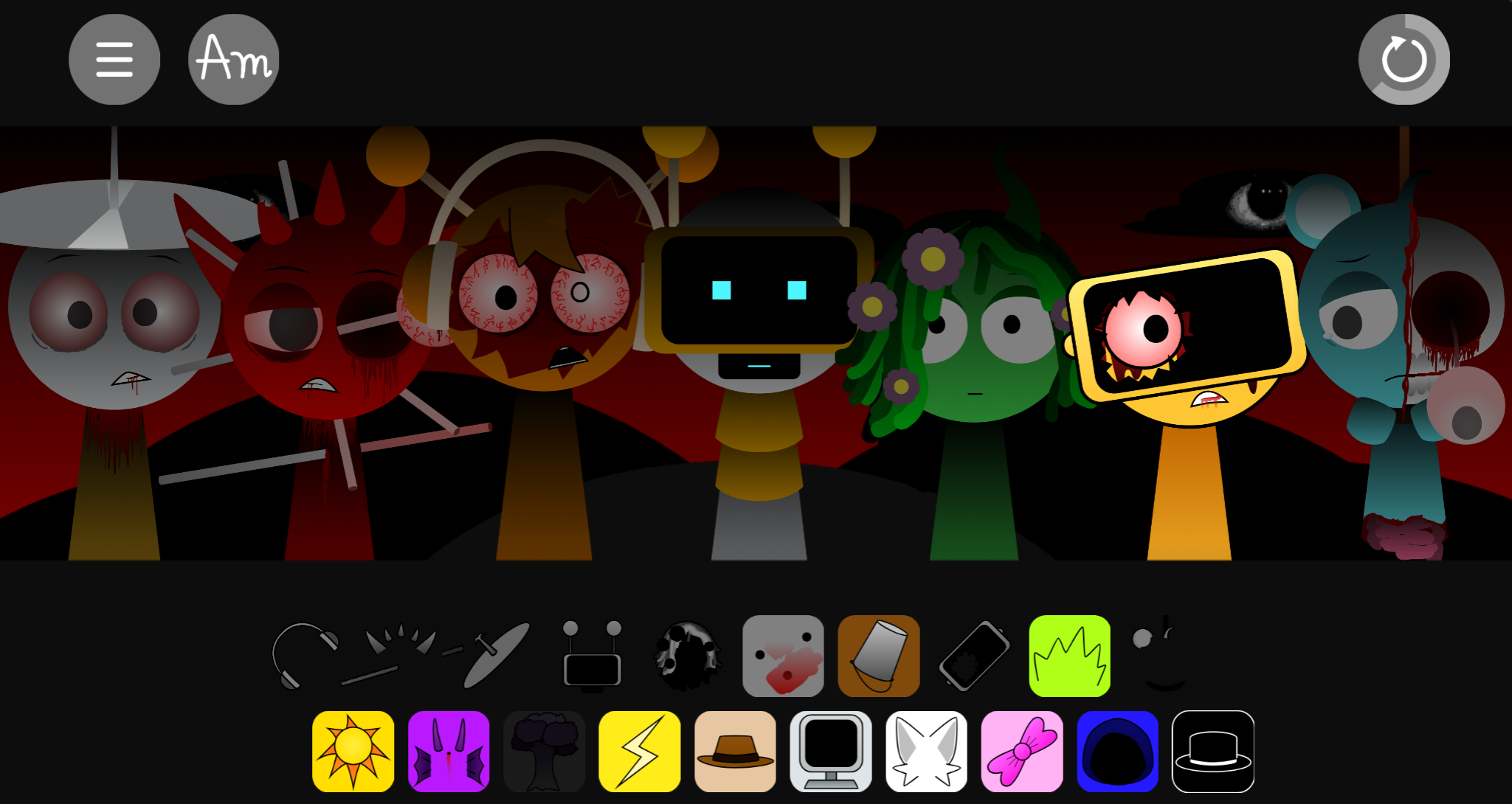

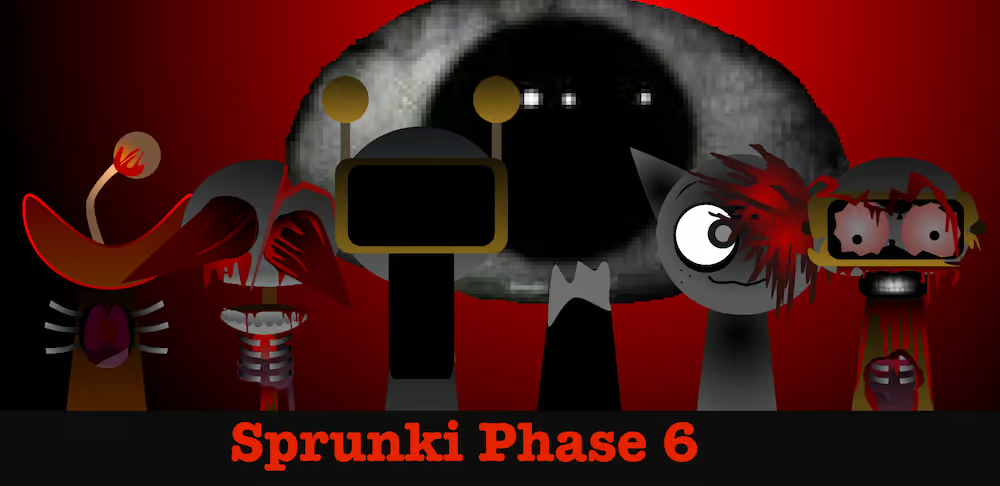


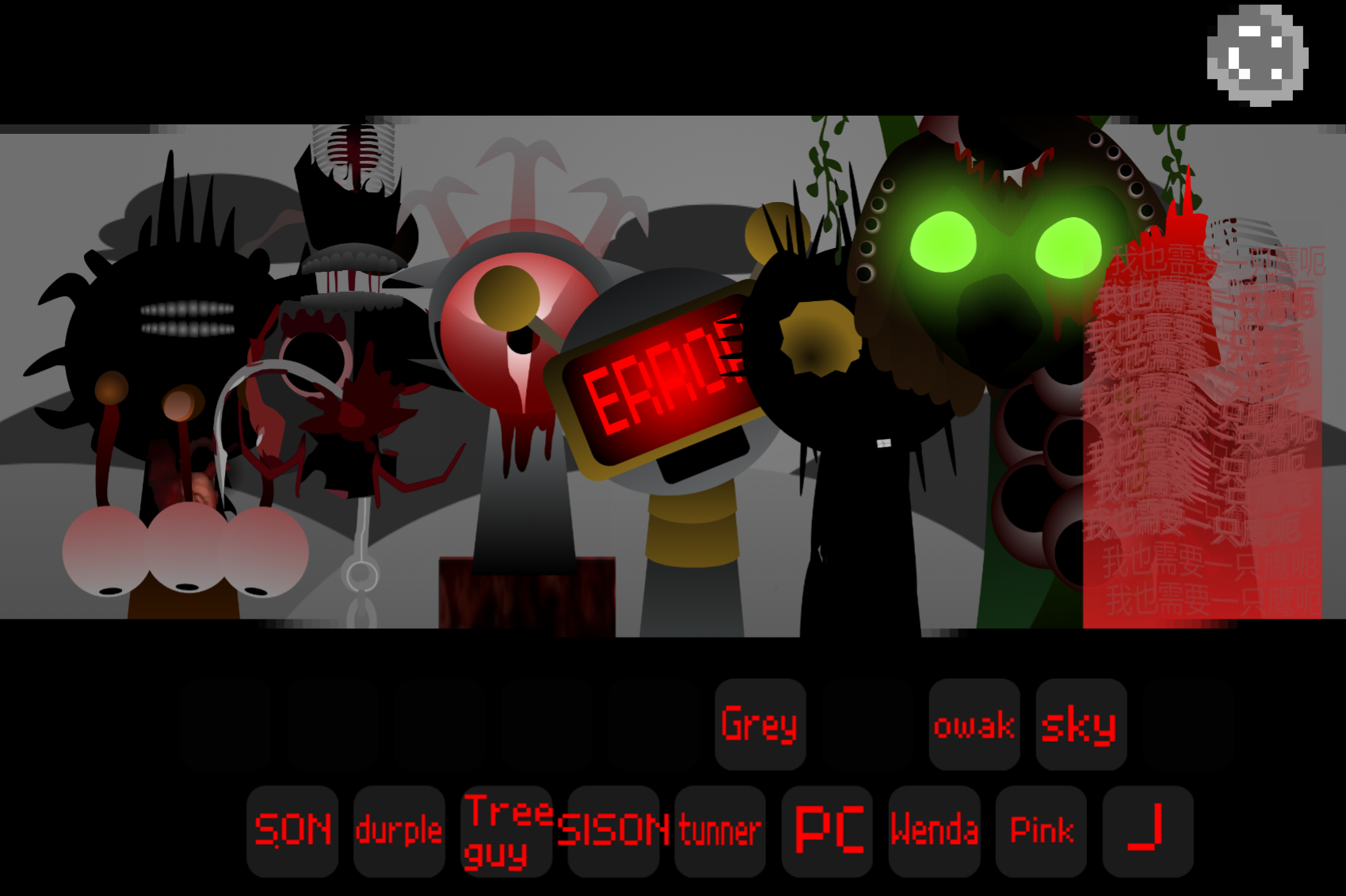
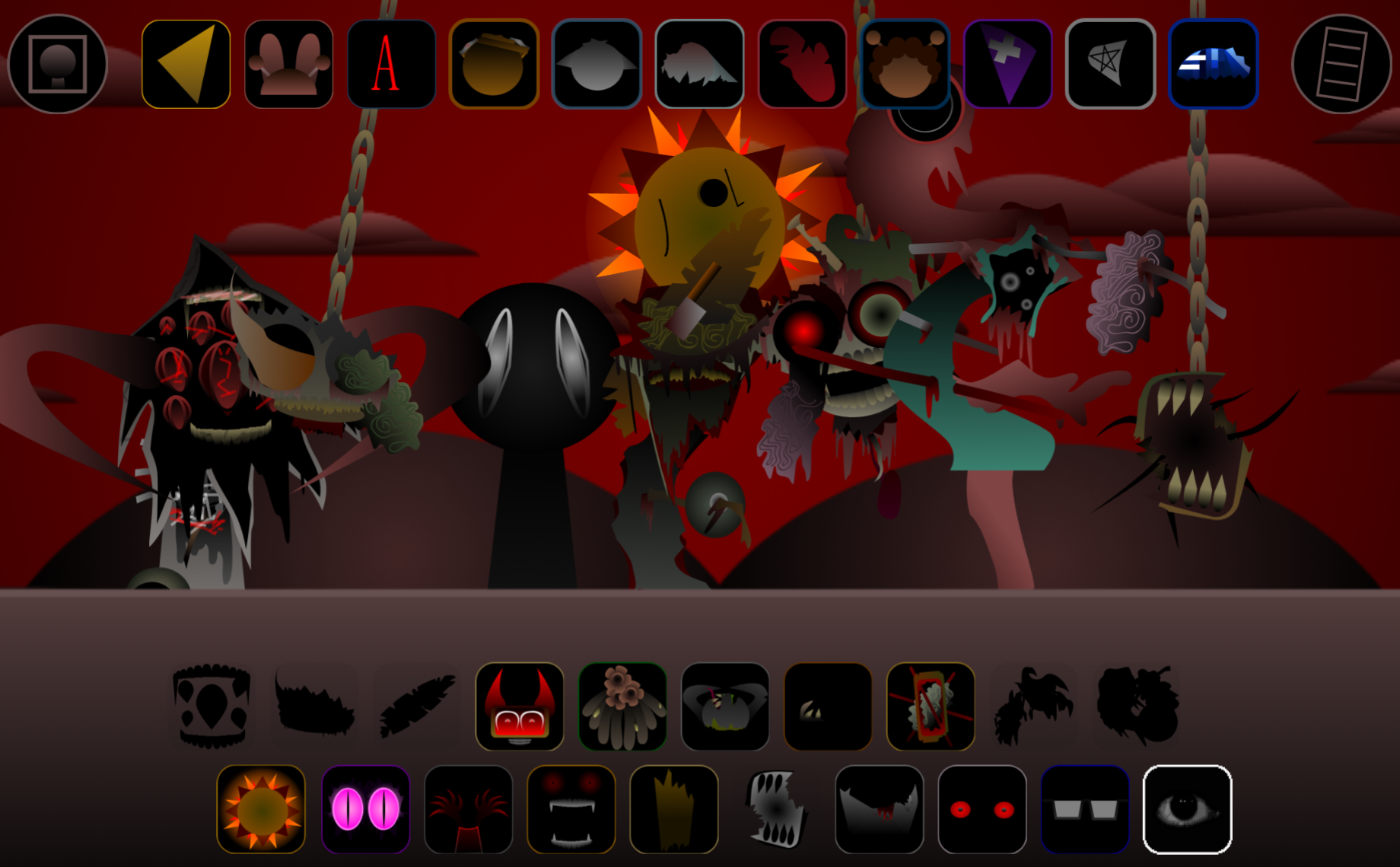
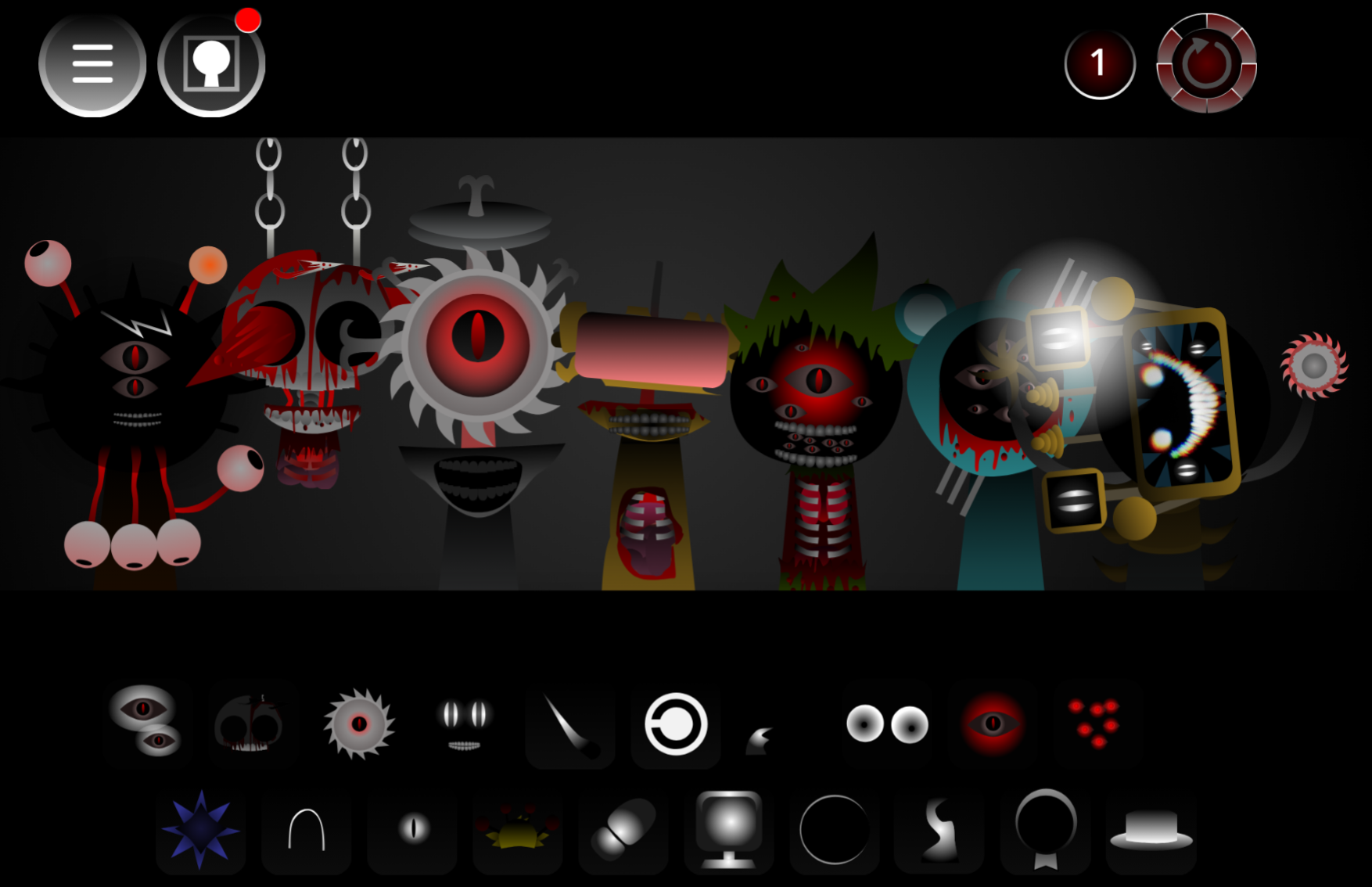
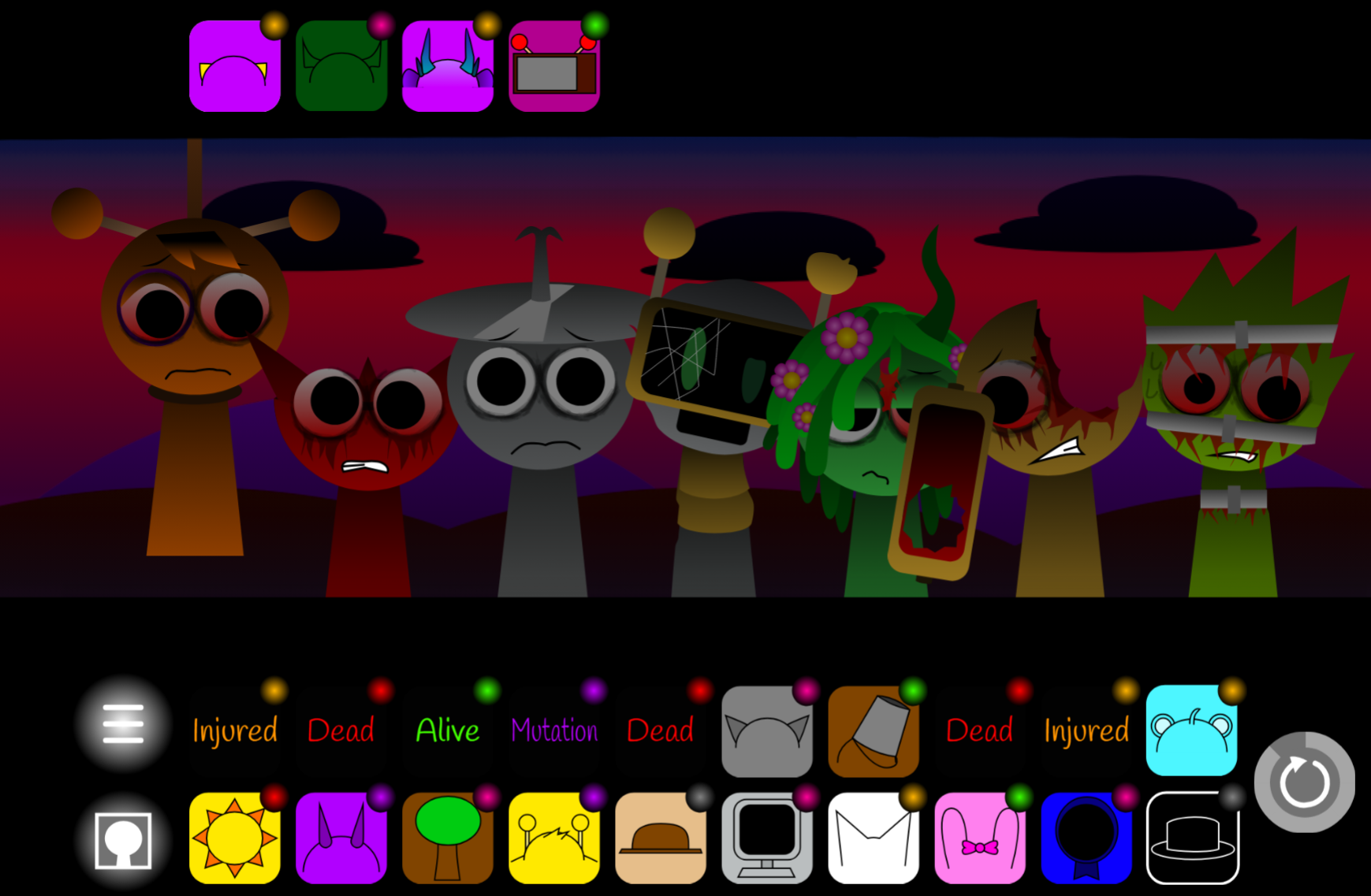

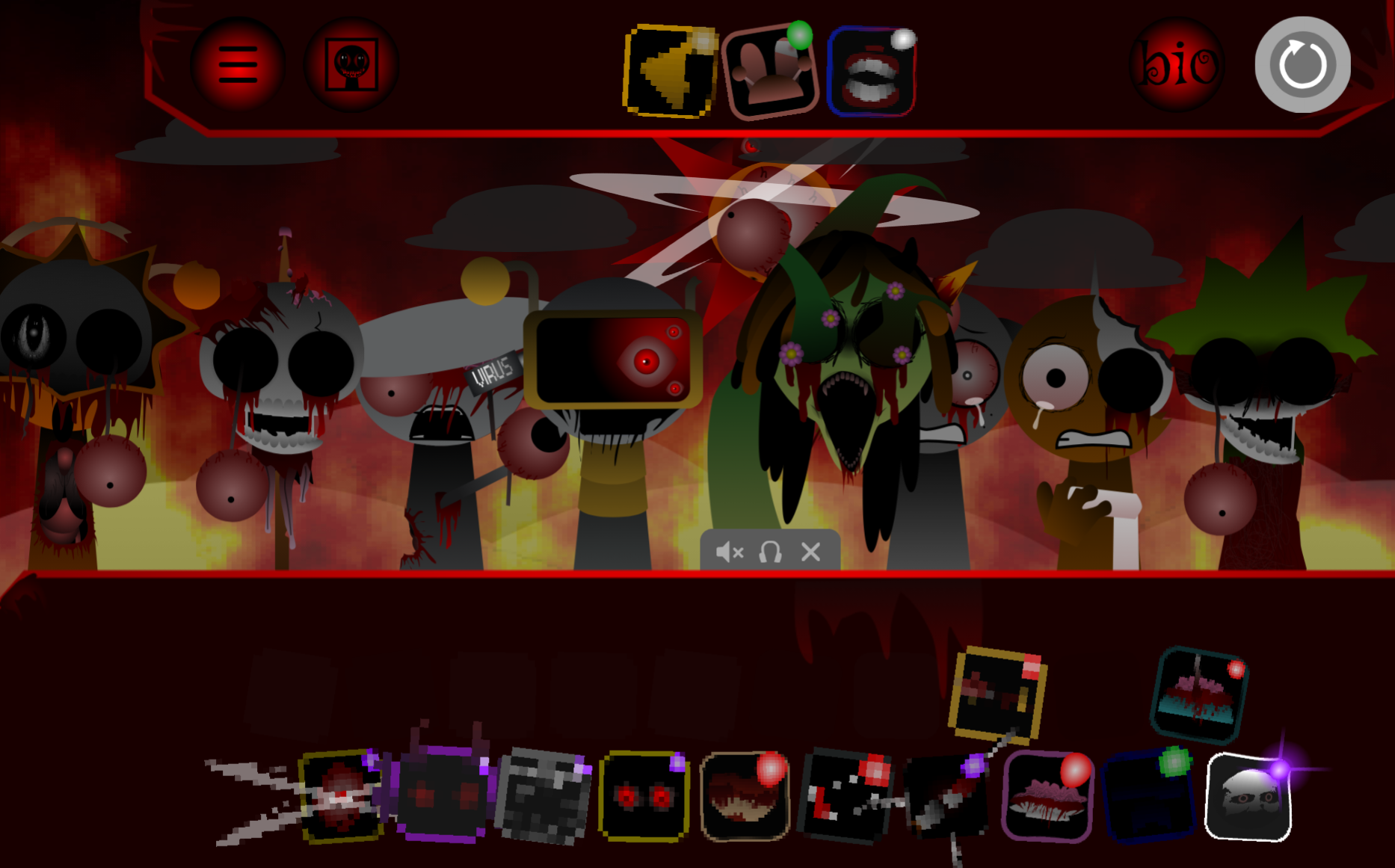
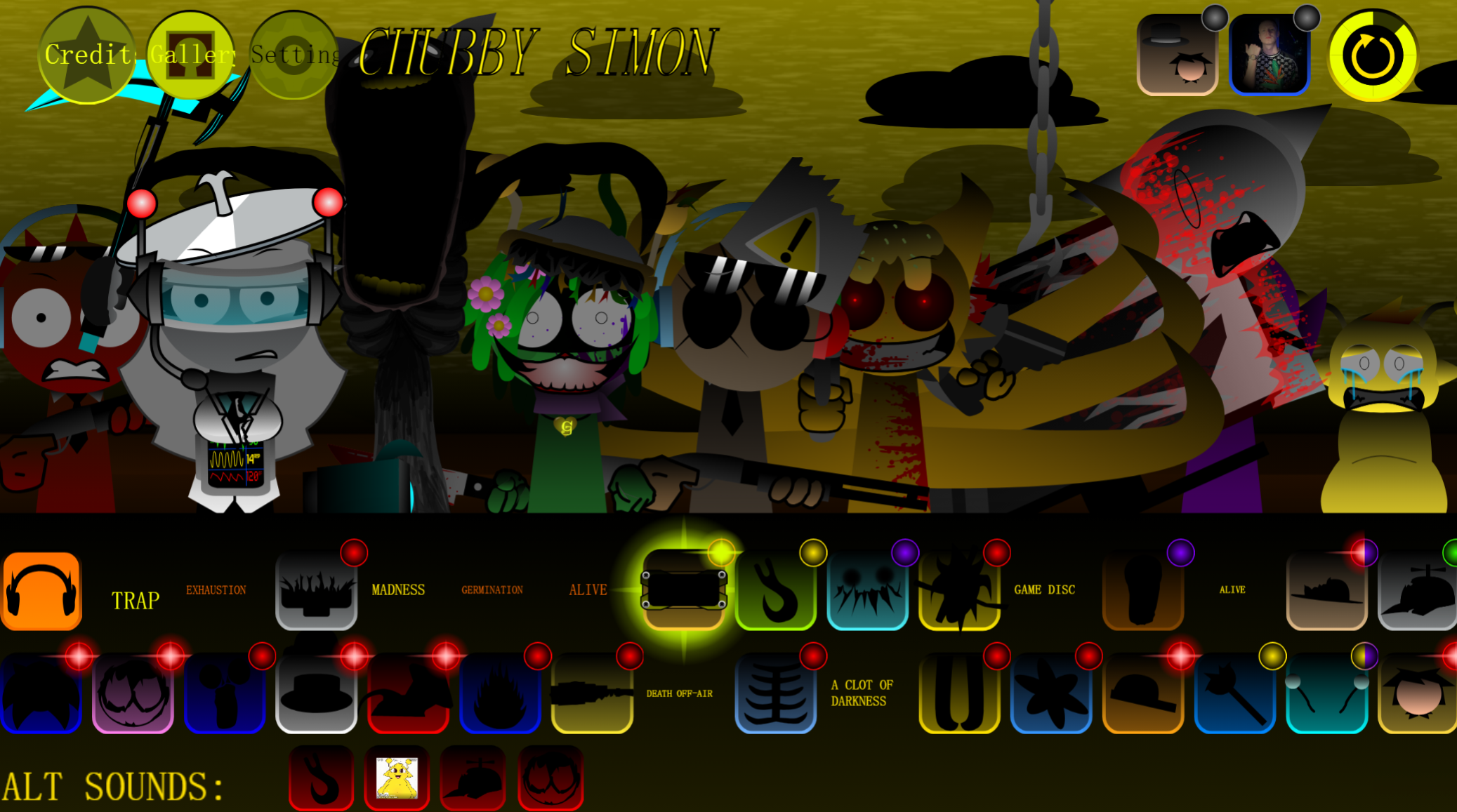

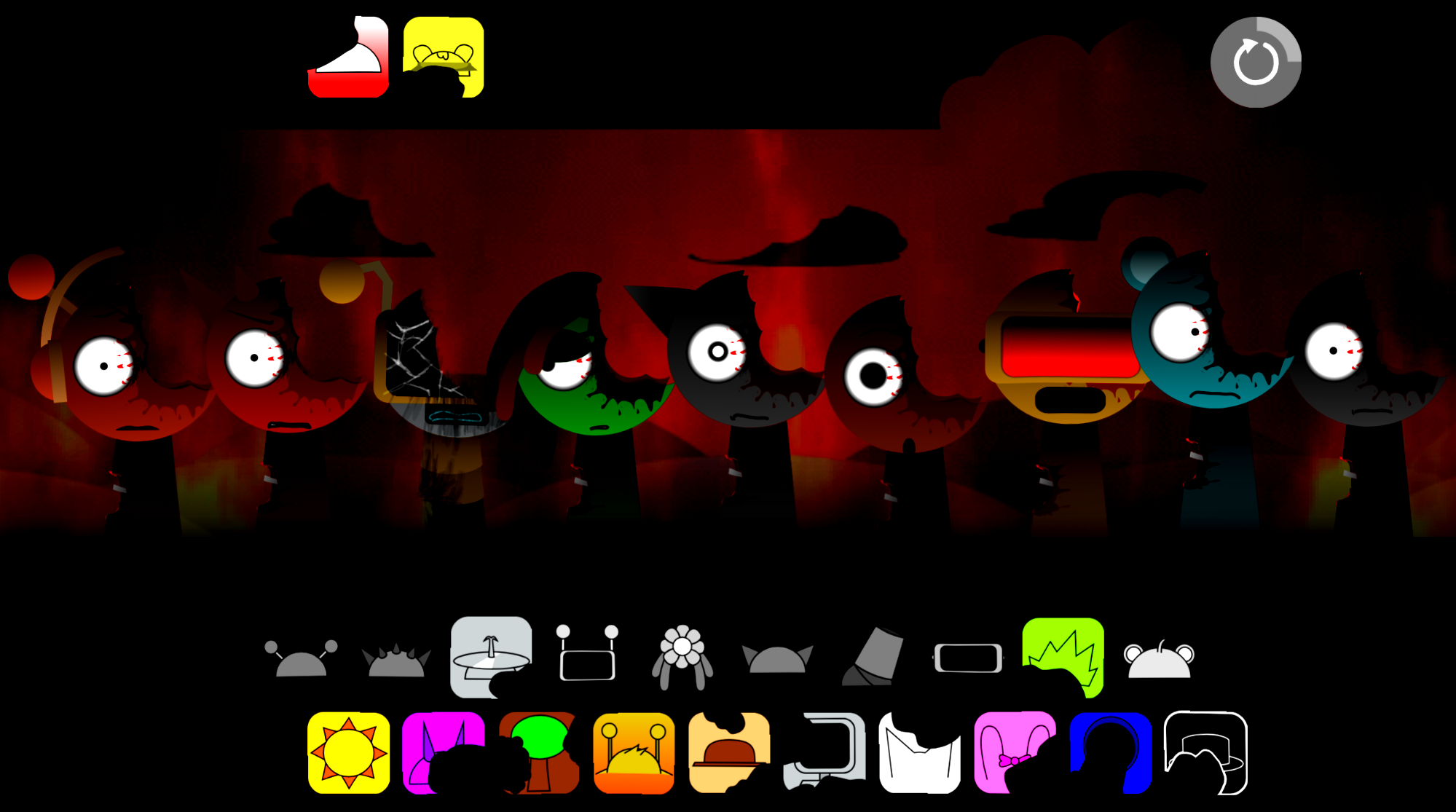
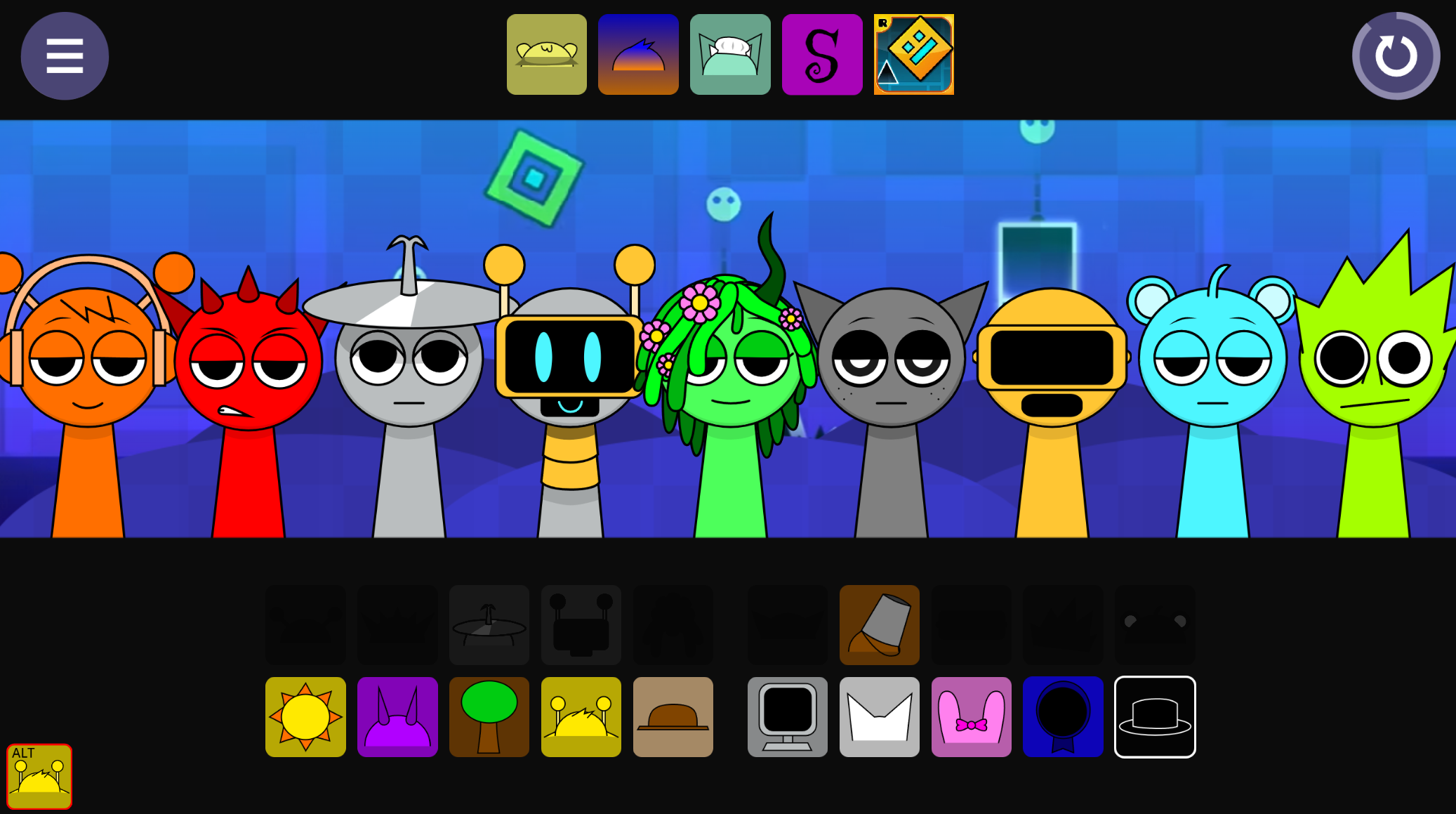
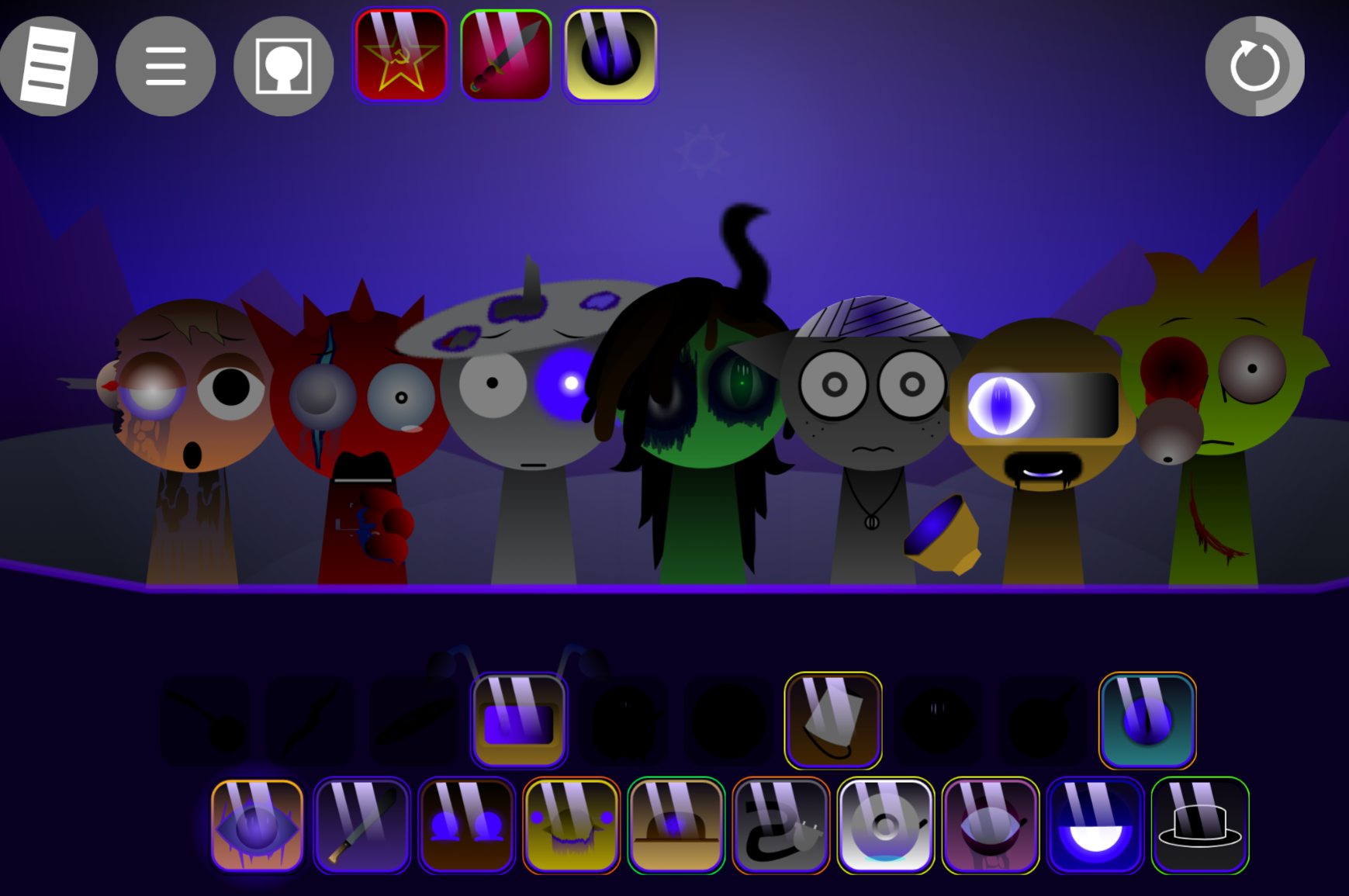
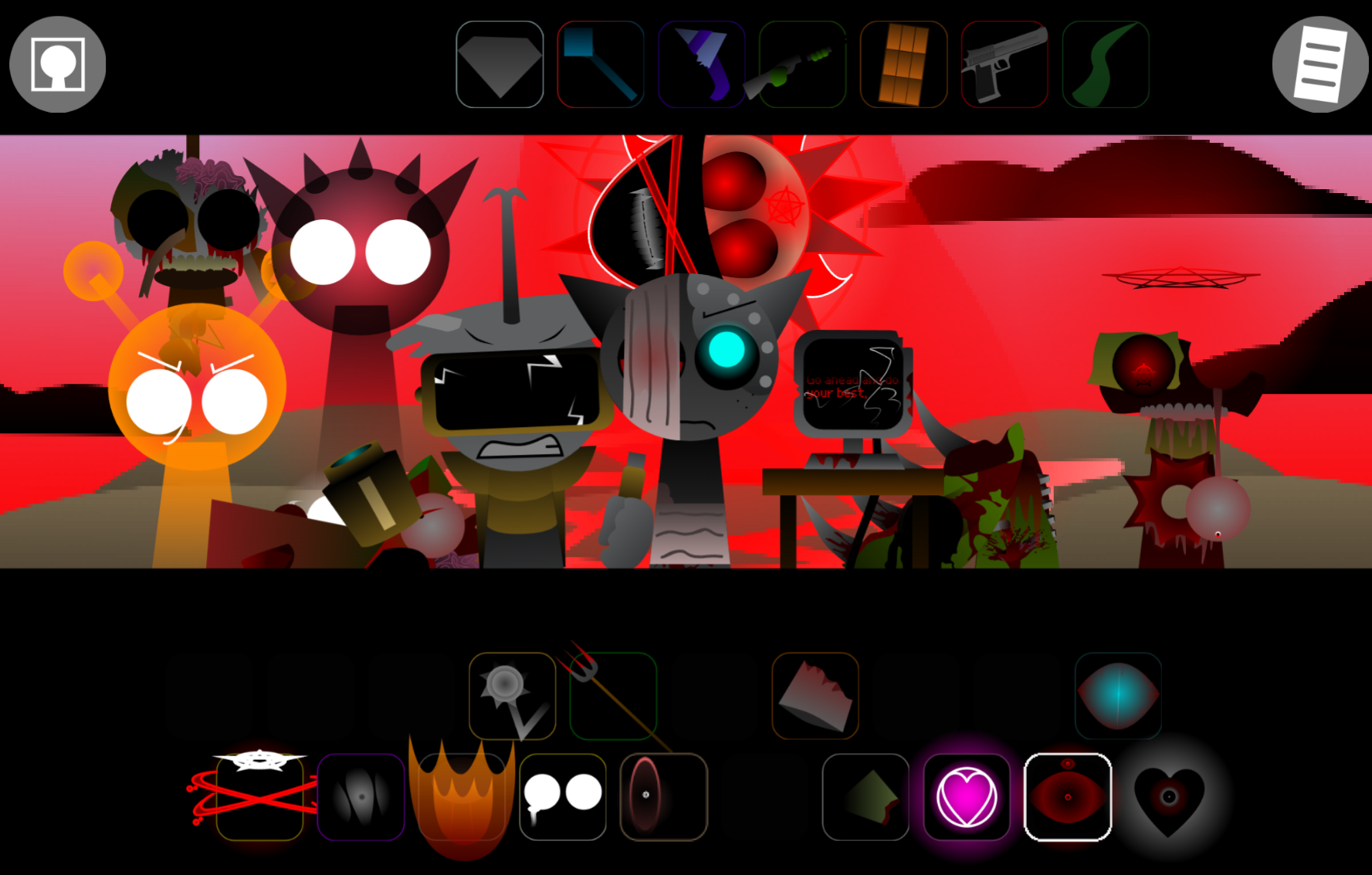
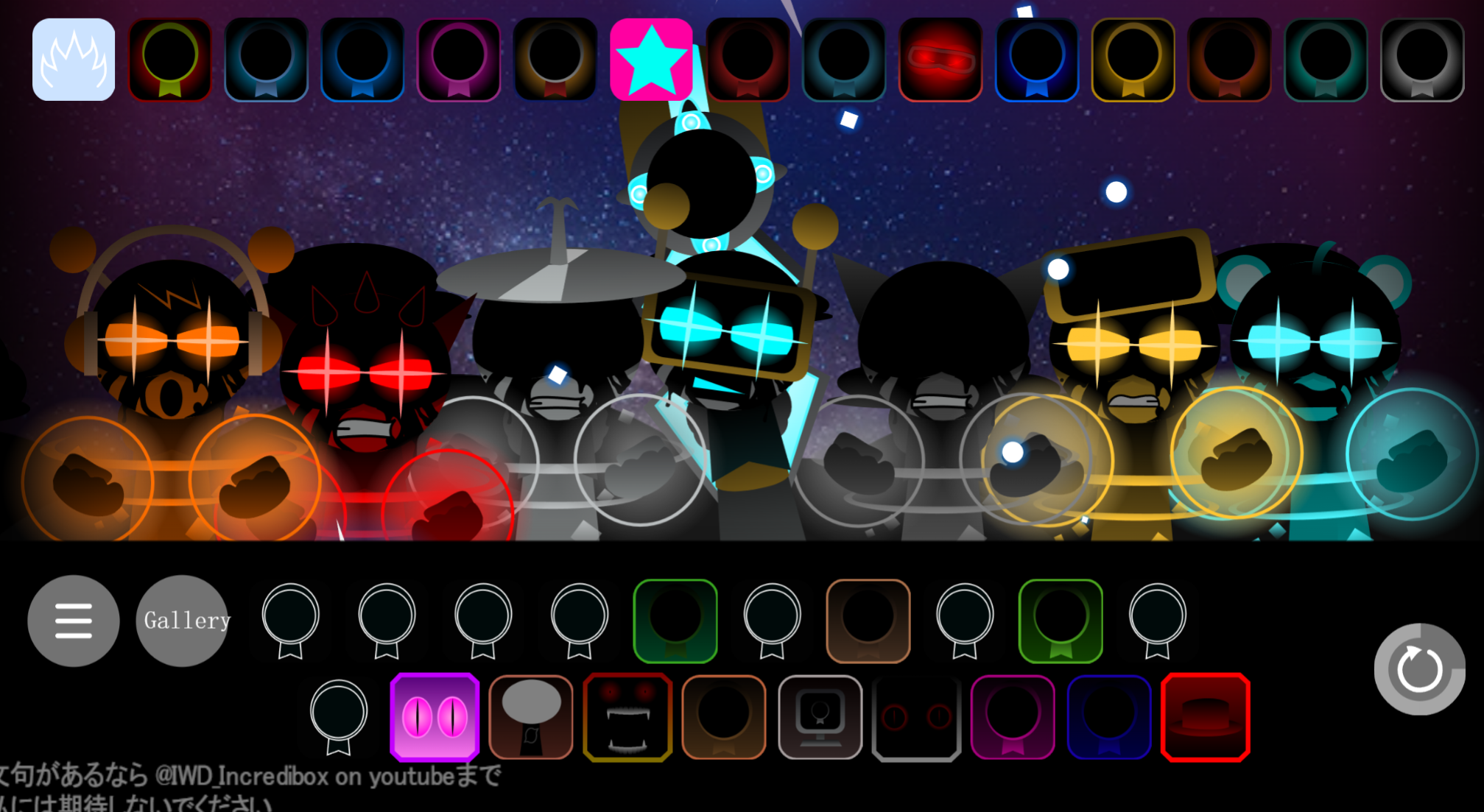
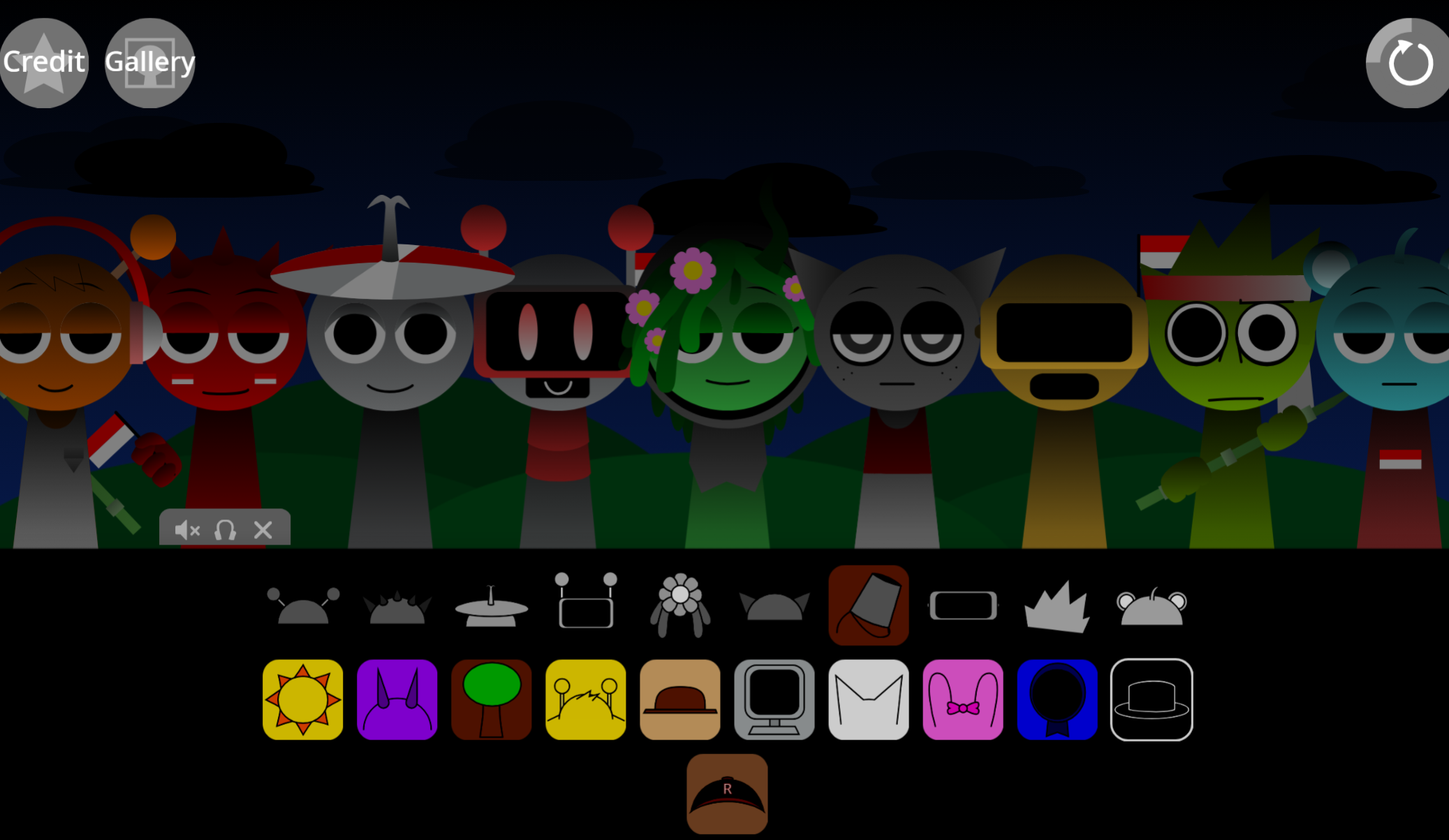
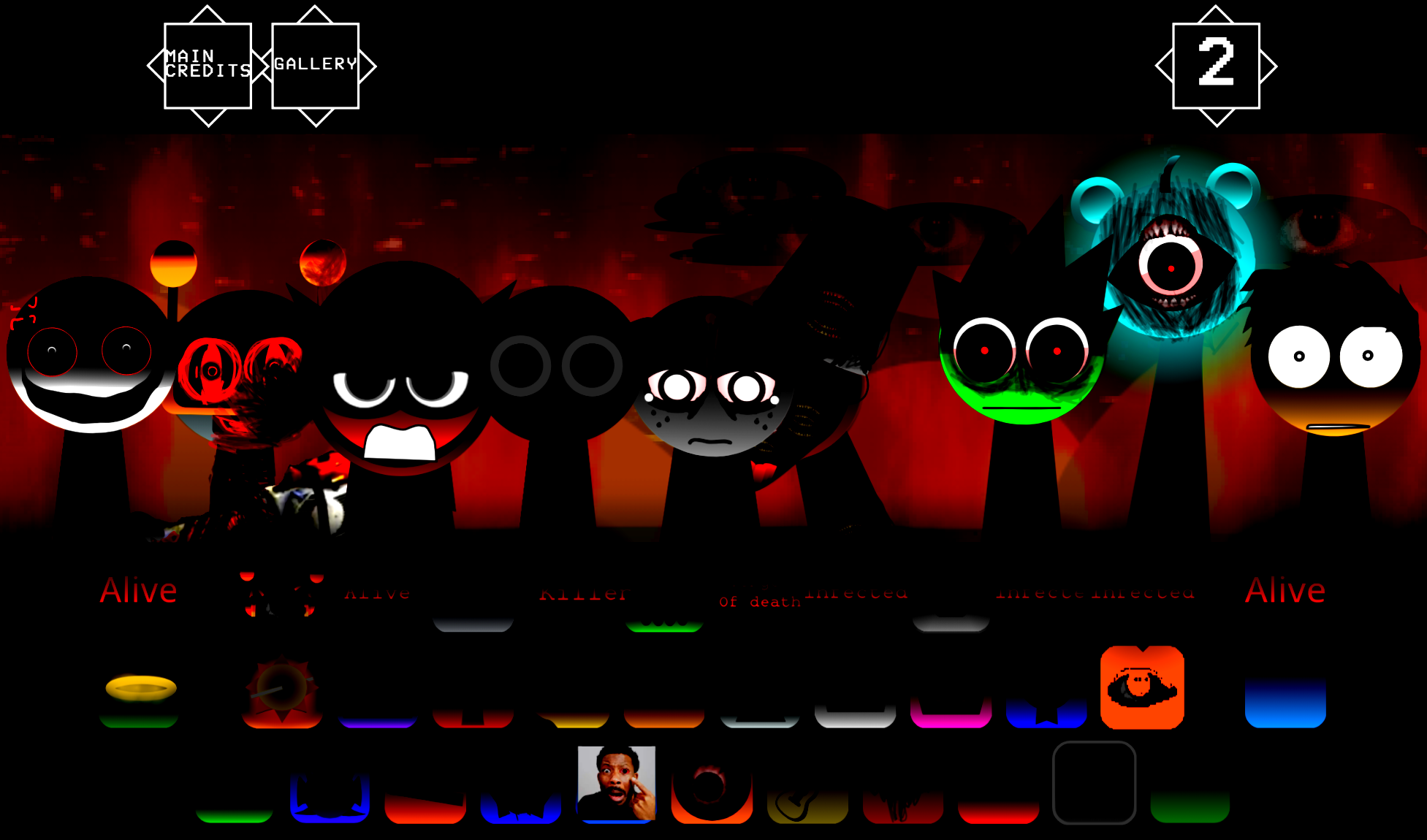
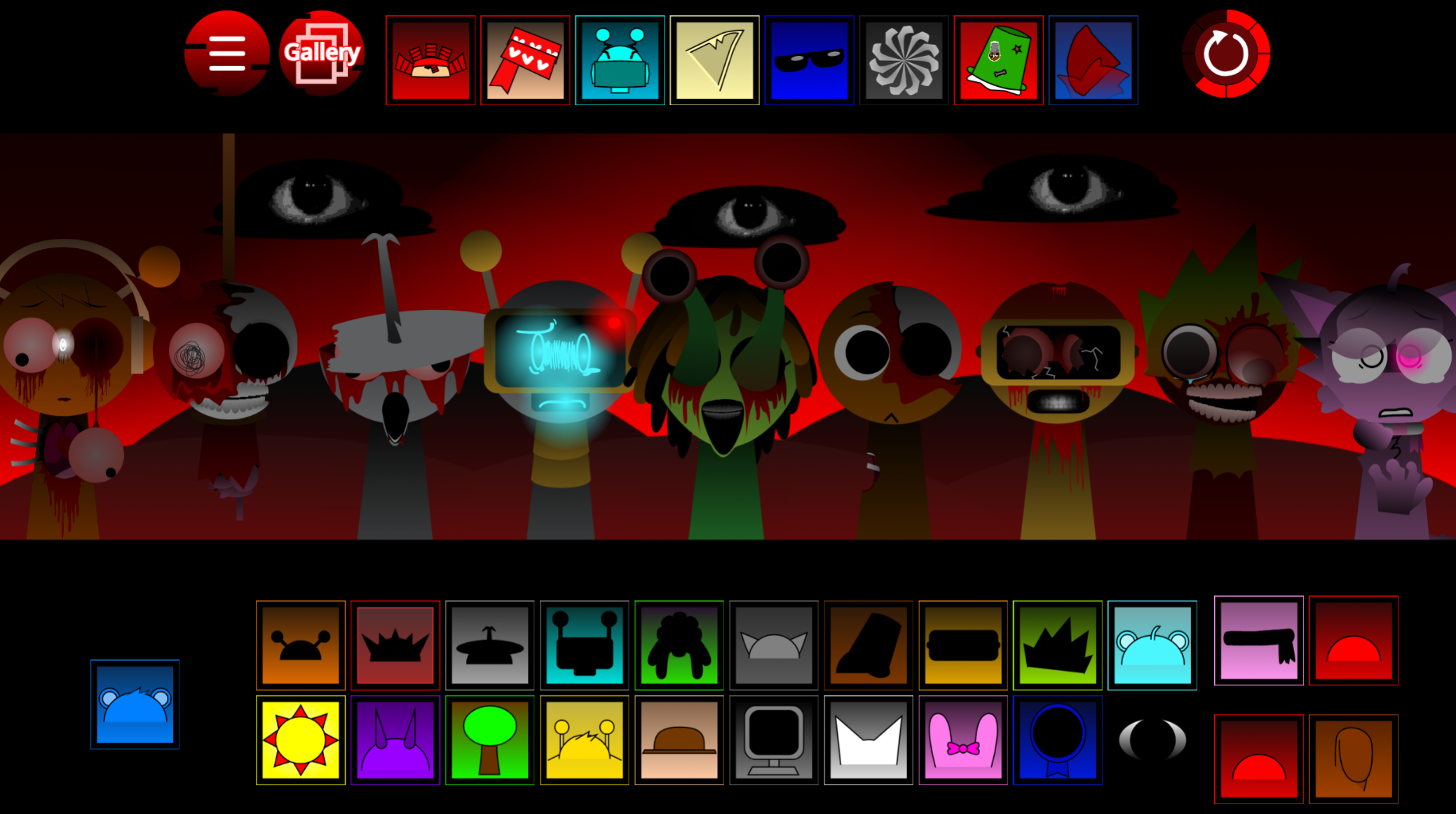

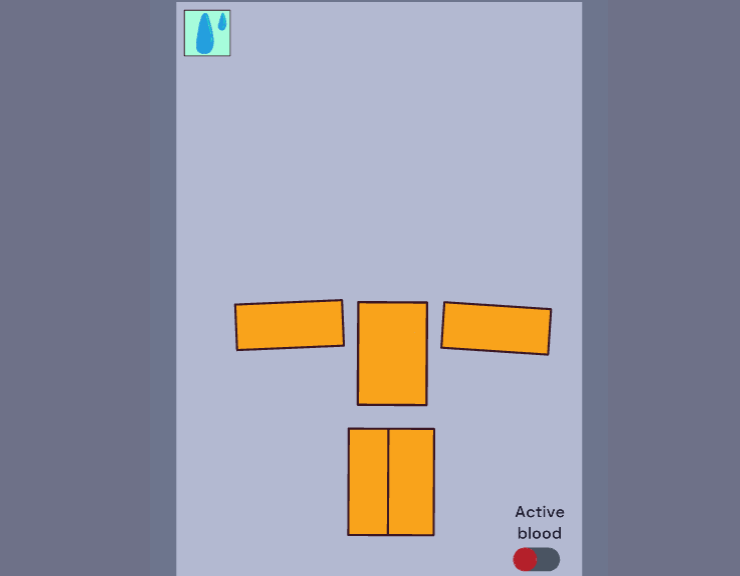
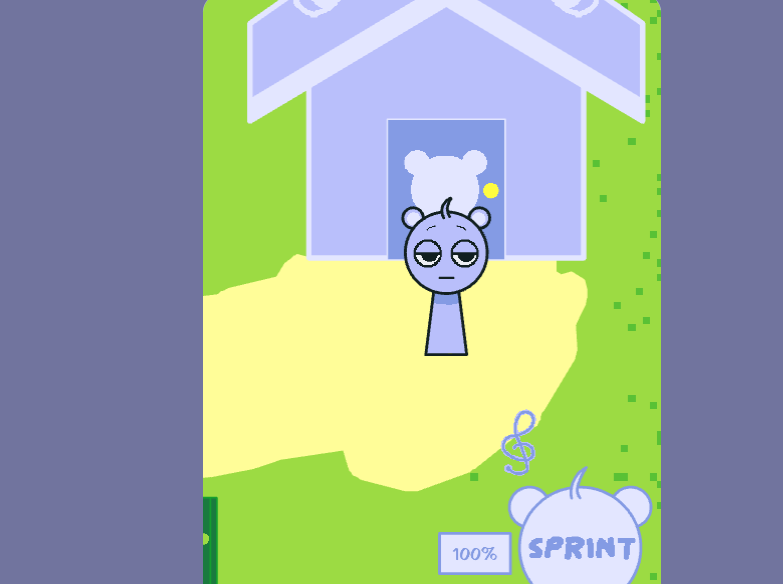

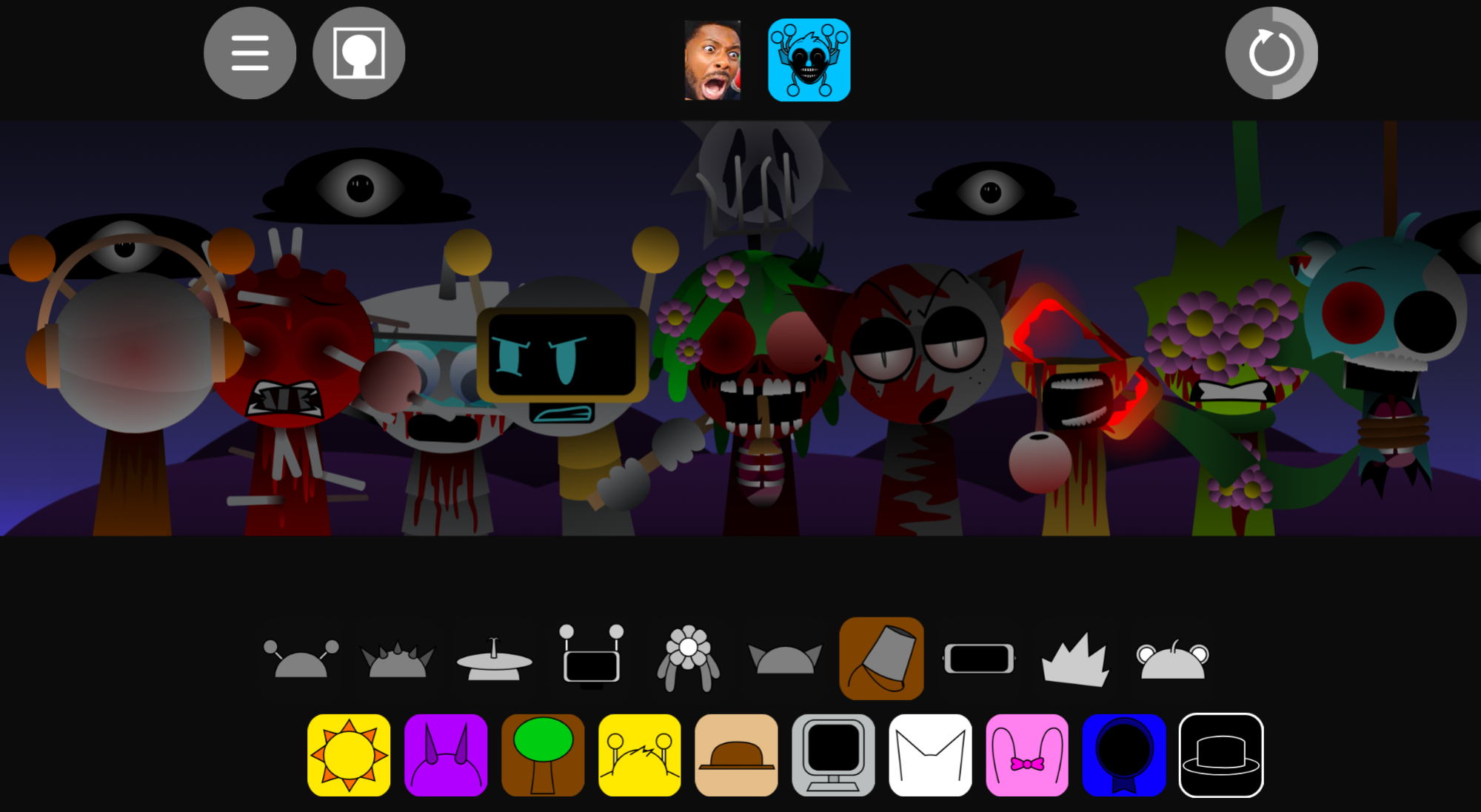
Sprunki Swap Cancelled Update Reconstruction is a playable recovery project built around a cancelled Sprunki Swap update that might otherwise have stayed in lost-media limbo. The main appeal is not that it reinvents the formula with a huge new phase. The appeal is that it lets players experience a version of the idea that was supposed to disappear, which gives the whole thing more archival value than ordinary mod churn.
That framing matters before you jump in. If you want a polished, fully settled expansion, this reconstruction may feel rougher and narrower than a normal headline update. If you like comparing alternate versions of the same concept, hearing what the cancelled direction was aiming for, and testing how a recovered build plays in practice, this one makes much more sense. It works best as a recovery piece you can actually play, not as a giant content reset.
Features of Sprunki Swap Cancelled Update Reconstruction
The strongest feature is the reconstruction idea itself. This is not just “another Sprunki Swap variant” trying to look bigger than it is. The live page frames it as a recovery of a cancelled version, so the value comes from preservation as much as from pure novelty. That makes the mod interesting even when some edges still feel unfinished, because you are interacting with a version that exists to bring back a missing branch of the project rather than to replace the main line.
That recovery angle also changes how the swap concept feels during play. The point is less about showing off endless extras and more about seeing how the restored vibe, sounds, and flow compare with the baseline idea. If you have played other Sprunki Swap variations before, this reconstruction is most useful when you treat it as a comparison piece: what feels familiar, what feels half-recovered, and what feels different because it came back through restoration instead of through a standard release cycle.
The mod is also easier to appreciate once you stop expecting perfect smoothness. Some of the appeal is hearing how a recovered build holds together now that it is playable again. In other words, the identity here comes from historical intent plus playable form, not from pretending the project was always meant to arrive as a polished flagship update.
Sprunki Swap Cancelled Update Reconstruction
The safest way to describe this version is as a fan-made reconstruction of cancelled content. The page and supporting notes both point toward the same idea: this is a recovery effort, not an official numbered release with a clean changelog ladder. That is why version context matters differently here. Instead of asking which major version number you are on, it is more useful to ask whether you are launching the synced build and whether the sound-cutting fix is already included.
The available update notes are brief, but they still tell you something practical. They mention a small update, syncing with the mods, and a fix so sounds do not cut off. For a reconstruction project, that matters more than flashy release labeling. Those notes suggest the priority is keeping the recovered build playable and better synchronized, not presenting it like a massive new-era rollout.
So if you are trying to identify the right version, focus on the synced/browser-ready build rather than hunting for a formal version history that may not exist in a stable way. That mindset also helps set expectations: this is a living recovery artifact, not a neatly packaged release train.
That difference is exactly why the reconstruction can matter more to returning players than to total newcomers. If you already know the broader Swap idea, this build gives you a better lens for judging what was preserved, what feels provisional, and what the cancelled direction may have been trying to emphasize.
How to Play Sprunki Swap Cancelled Update Reconstruction
The access side is simple. Open the game page and use the browser version rather than looking for a complicated install path. The related build notes point to a synced playable version, so the practical goal is just to launch the right web build and start testing how the reconstruction behaves.
A clean first start usually looks like this:
- Open the page and launch the browser-playable version.
- If multiple synced file variants are shown, use the clearly labeled reconstruction build first.
- Start dragging icons onto the characters and compare how different sound roles change the track.
After that, the best approach is to stay curious rather than rigid. The source material does not support a long list of special control tricks, so the useful part of “how to play” is really about how to observe the reconstruction. Listen for rhythm shifts, watch how the visuals react while the track builds, and compare combinations instead of assuming every layer should behave like a polished final release.
Related Games
- Sprunki Swap Cancel Update — The closest follow-up if you want to compare how a cancelled-swap idea is framed in a more standard article/game-page context.
- Sprunki Remastered Cancelled Build — A sensible next pick if the main draw here is the feeling of exploring restored or non-final content rather than only chasing polished release builds.
- Sprunki Cancelled Update — Useful if you want another reference point for how abandoned update concepts get turned into something players can still try and judge.
How to Mix the Reconstruction
This build is more rewarding when you mix with comparison in mind. Start with a simple base, then add one swap or one extra role at a time so you can hear what actually changed. Because the project has an archival, recovered quality, the interesting part is often the difference between a stable-feeling combination and one that still sounds slightly raw or uneven.
A practical mixing pass usually works best like this:
- Begin with one readable loop so you can hear the track’s center before adding complexity.
- Add new sounds in small steps and listen for the rhythm shift each one creates.
- Rebuild or simplify when the mix turns muddy, especially if rough sync starts hiding the main groove.
That approach gives the reconstruction room to show what it is actually good at. You are not trying to bury every rough edge under density. You are trying to hear when the restored version feels coherent, when it still feels half-recovered, and when the instability adds texture instead of just confusion. That is a much better fit for this project than forcing it into the standards of a fully polished competitive mix build.
If you come in with the right expectation, the roughness becomes part of the reading experience rather than a deal-breaker. Players who like lost-update history, playable recovery work, and side-by-side comparison value will get much more from this than players who only want a seamless major-phase upgrade.



Discuss Sprunki