
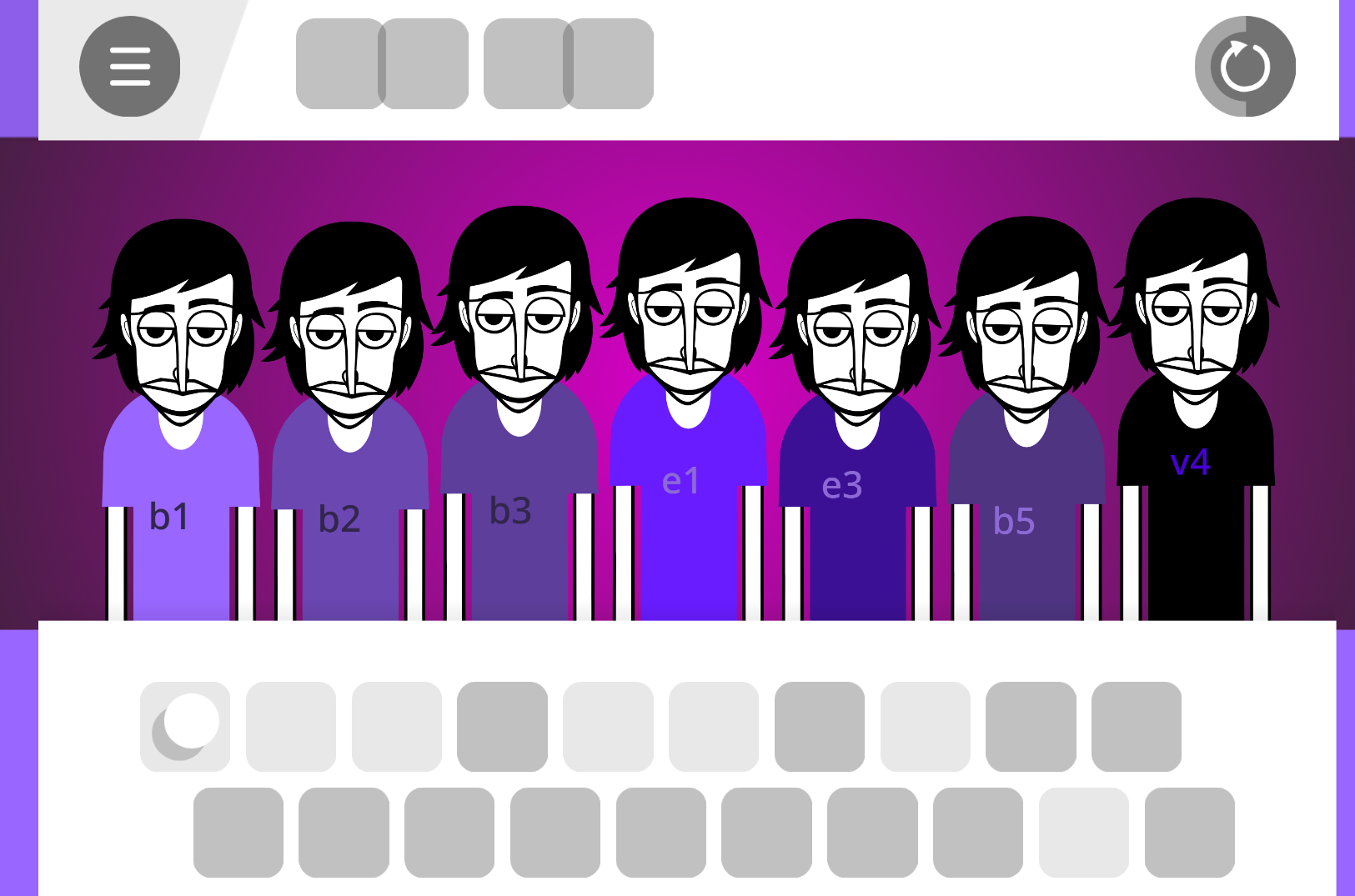

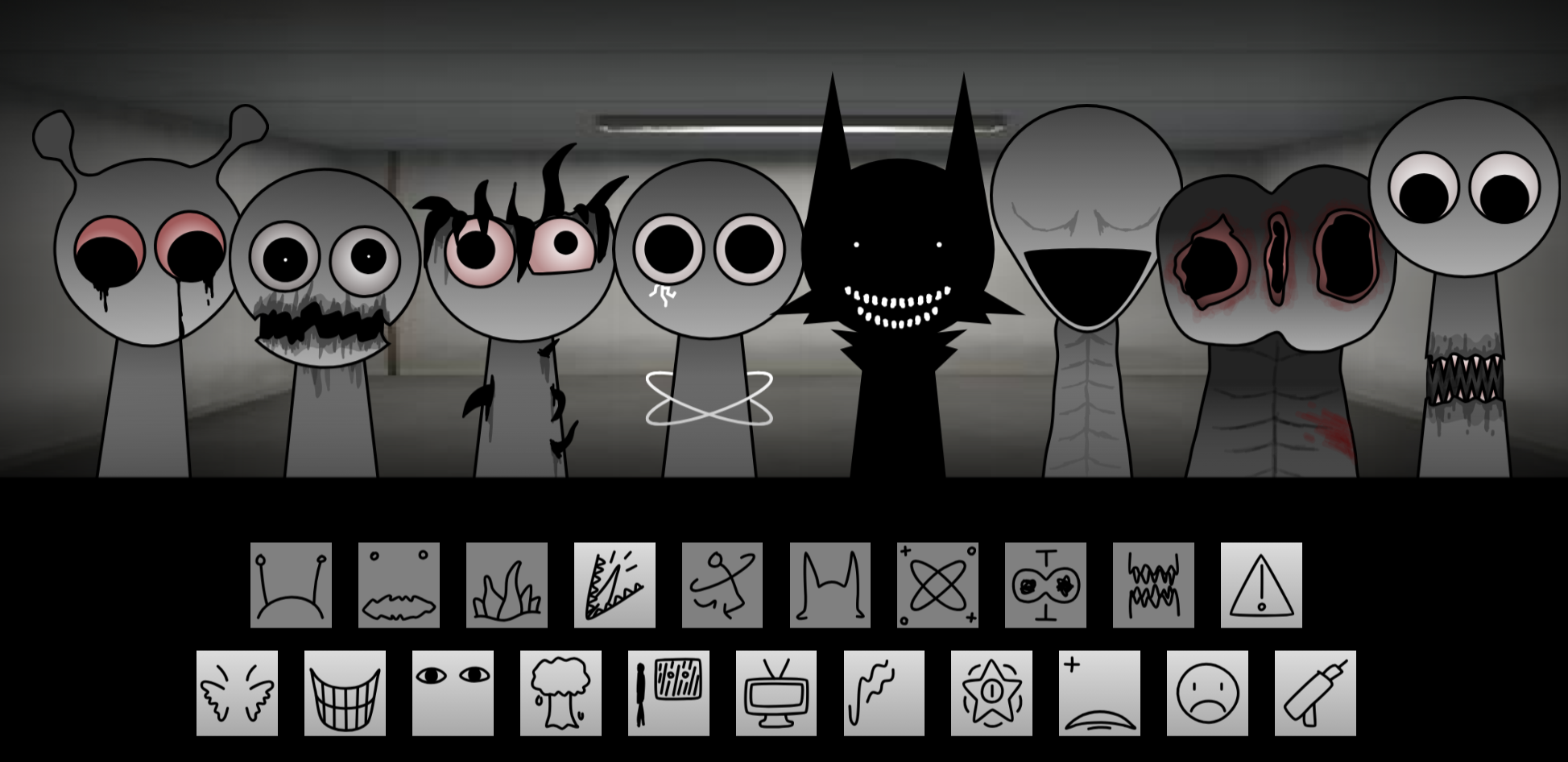
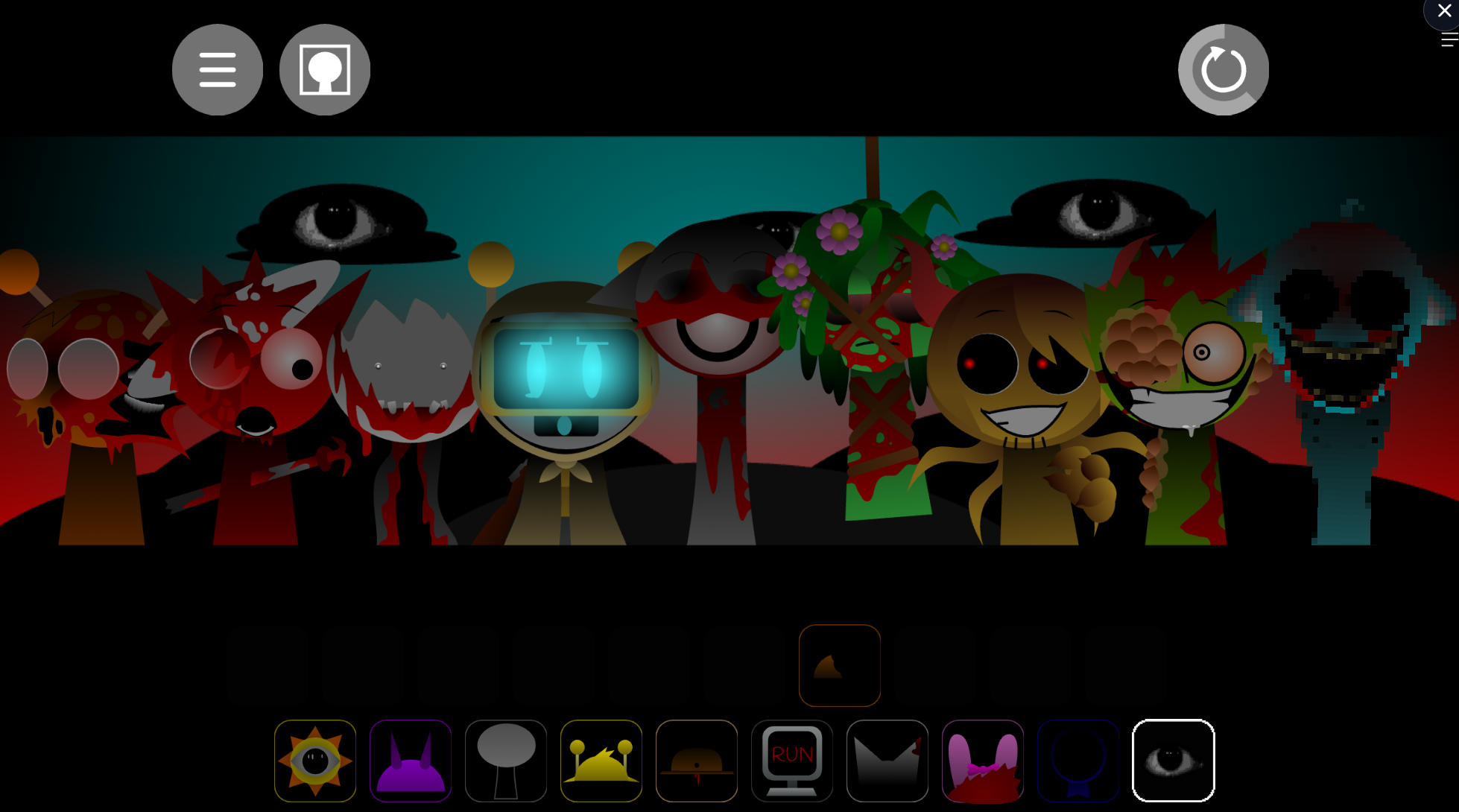
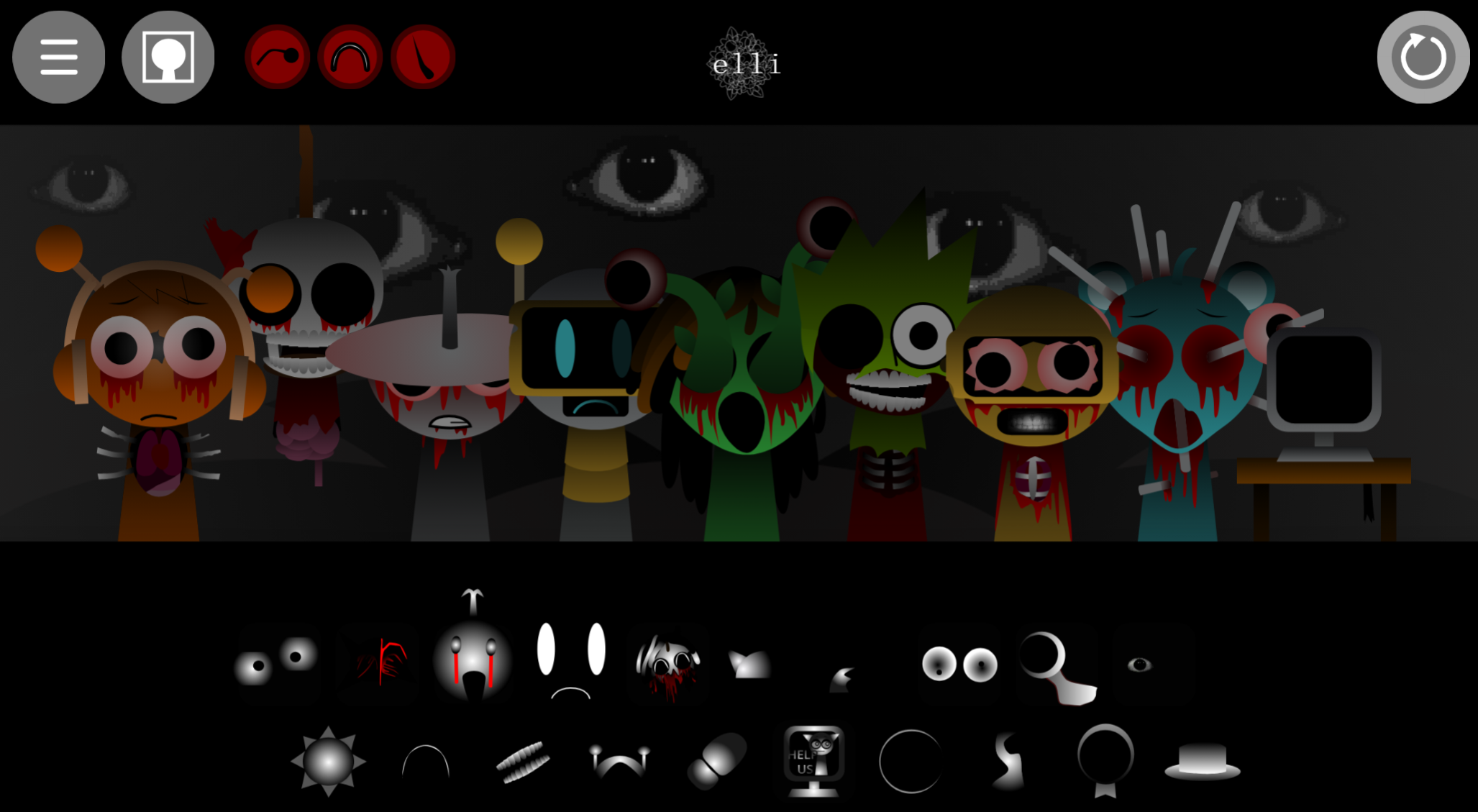
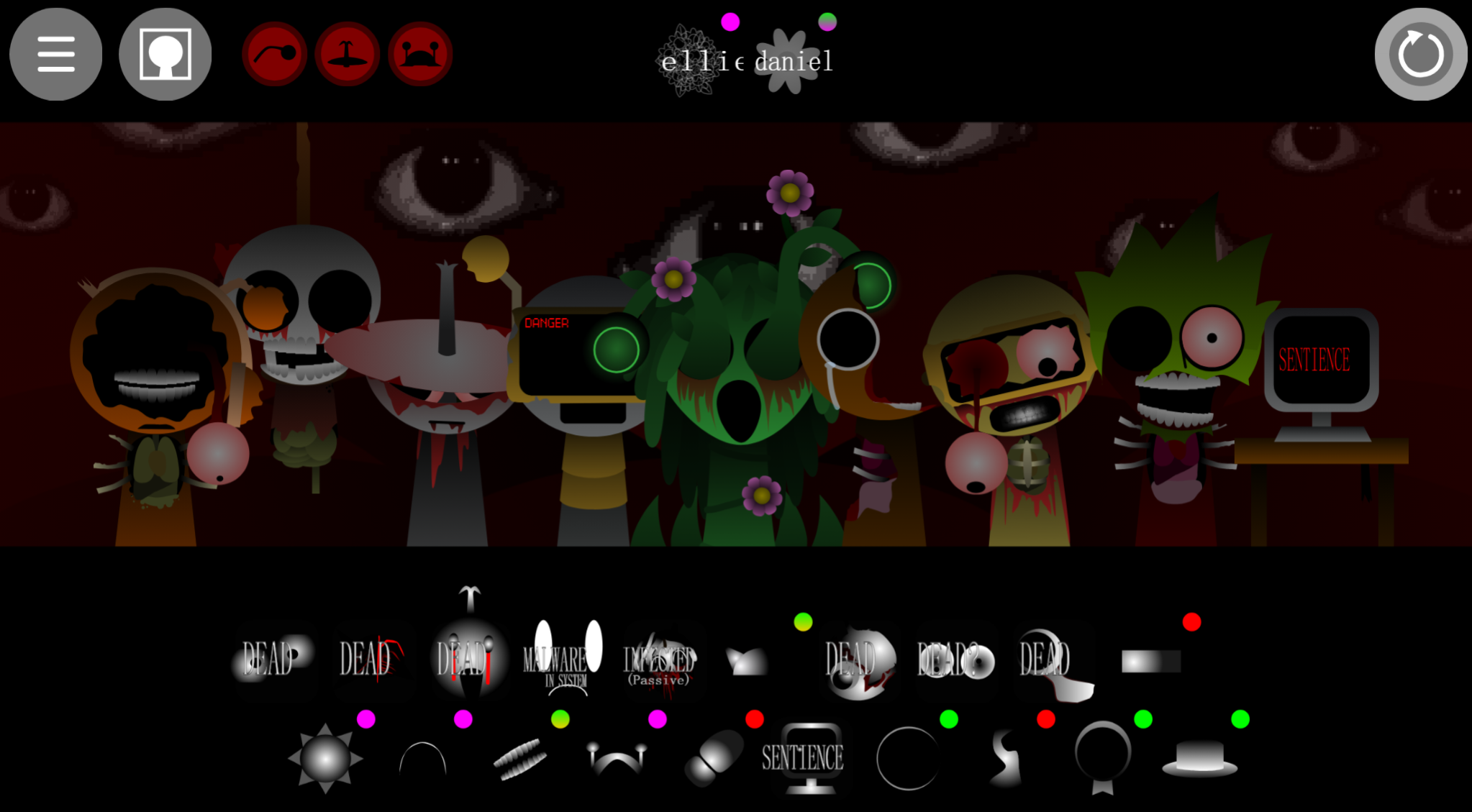
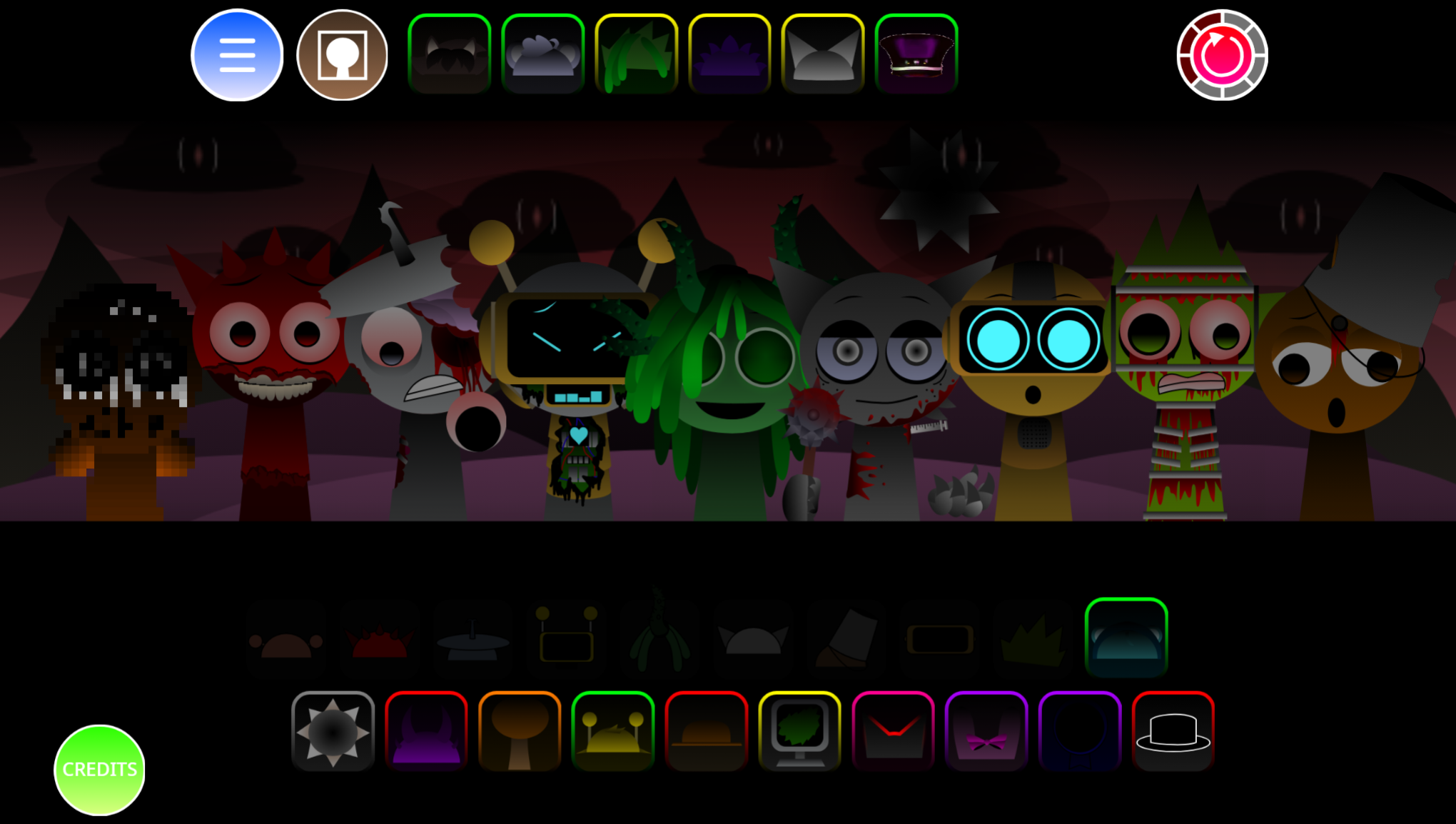
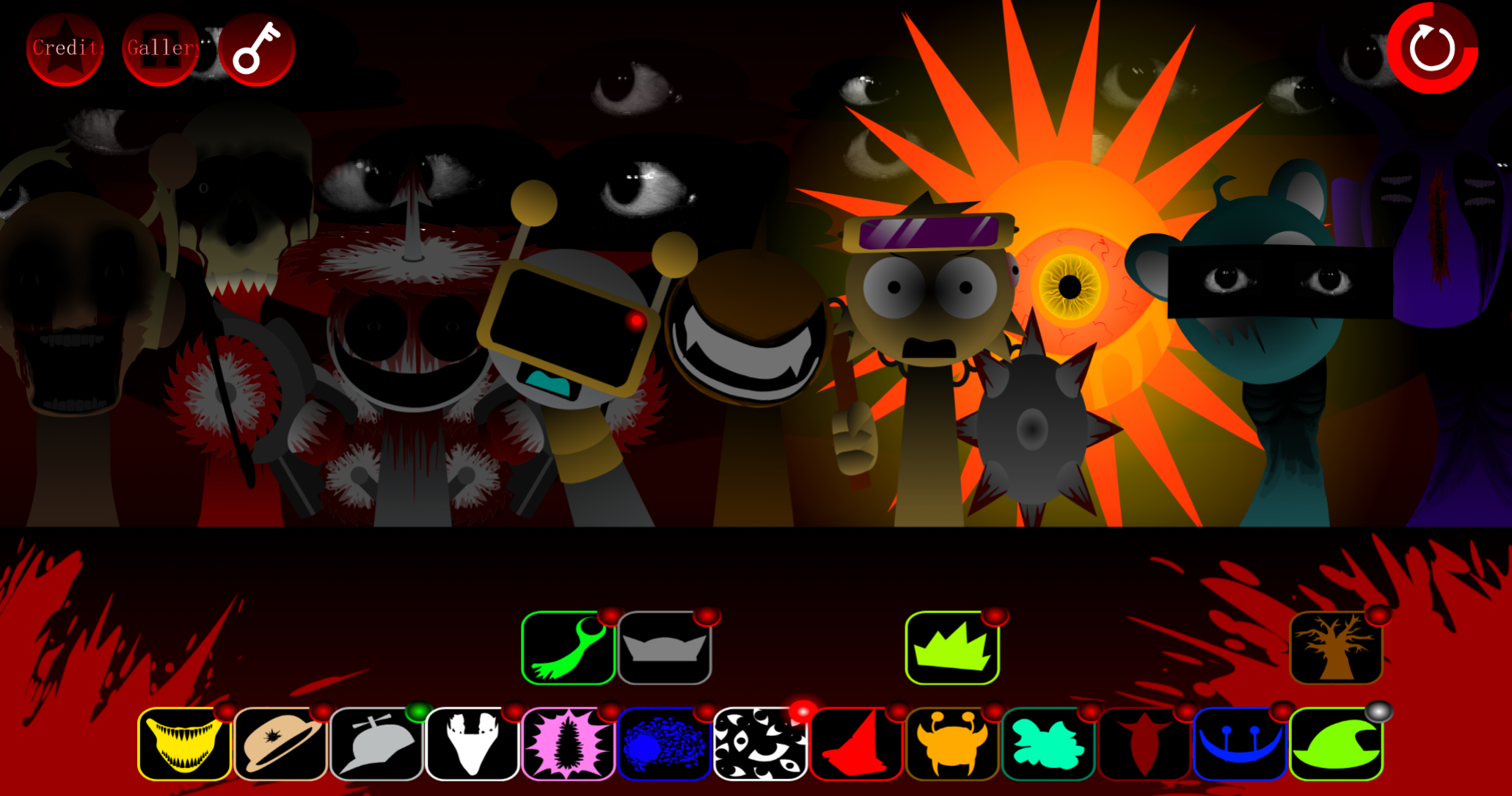
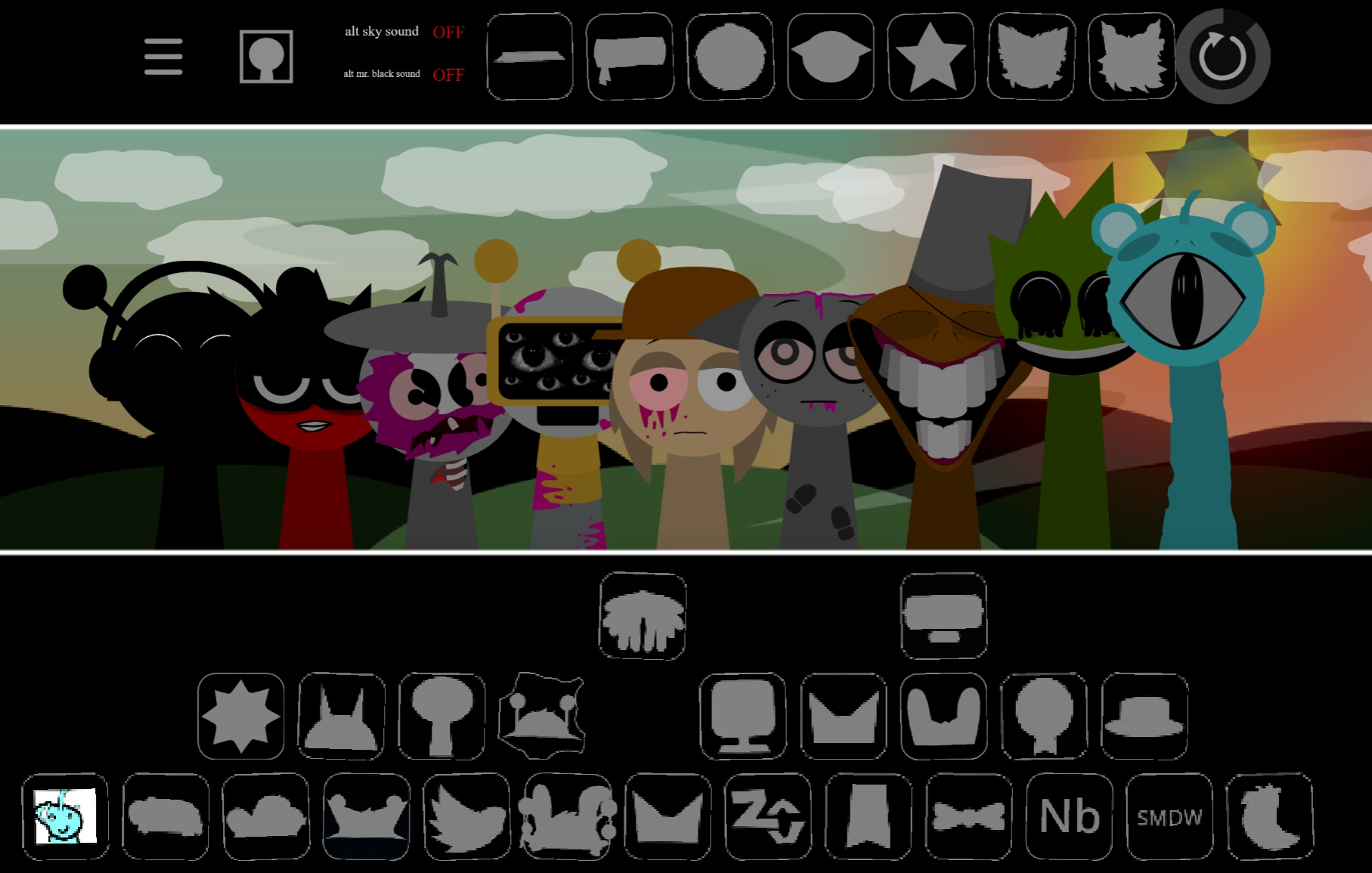
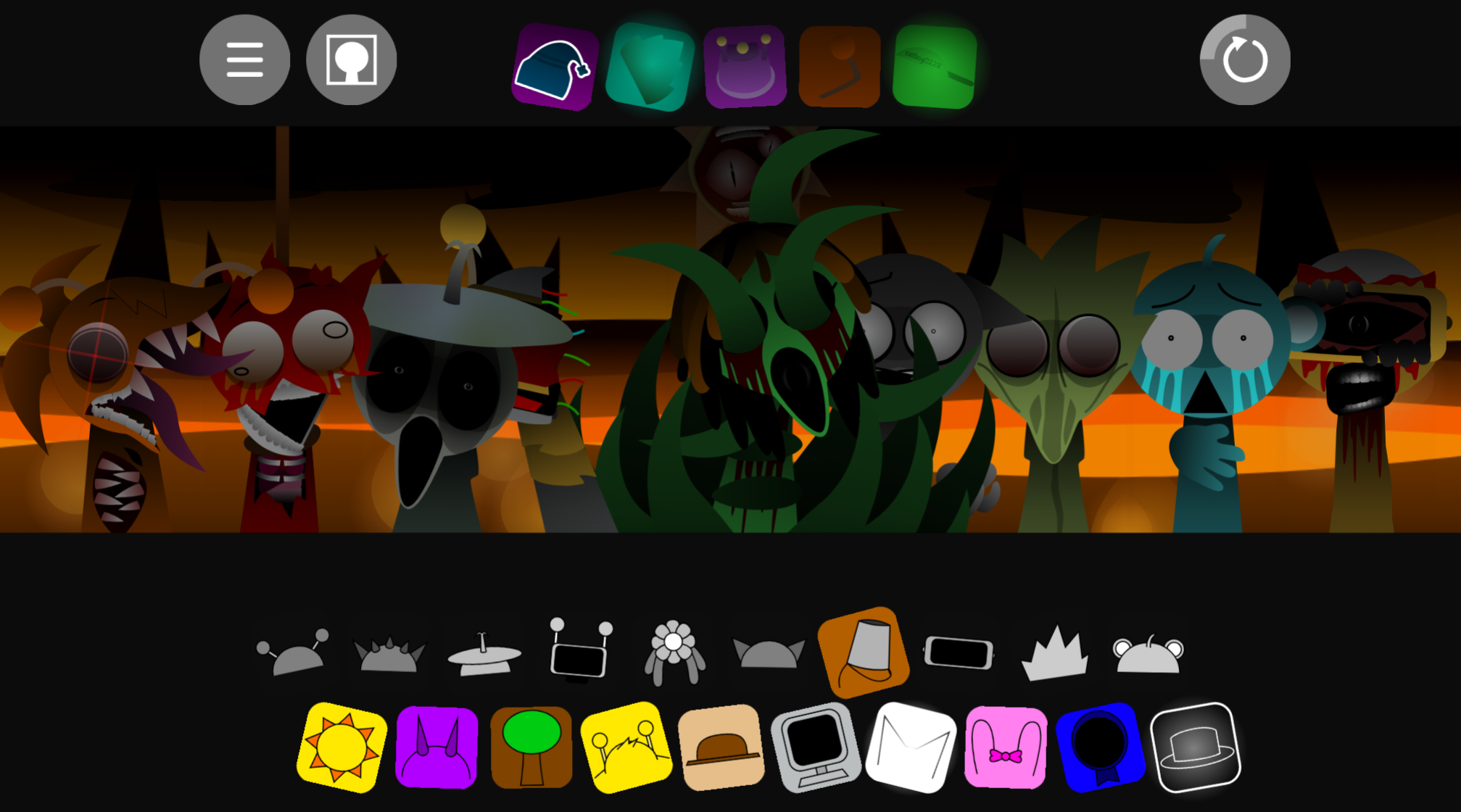
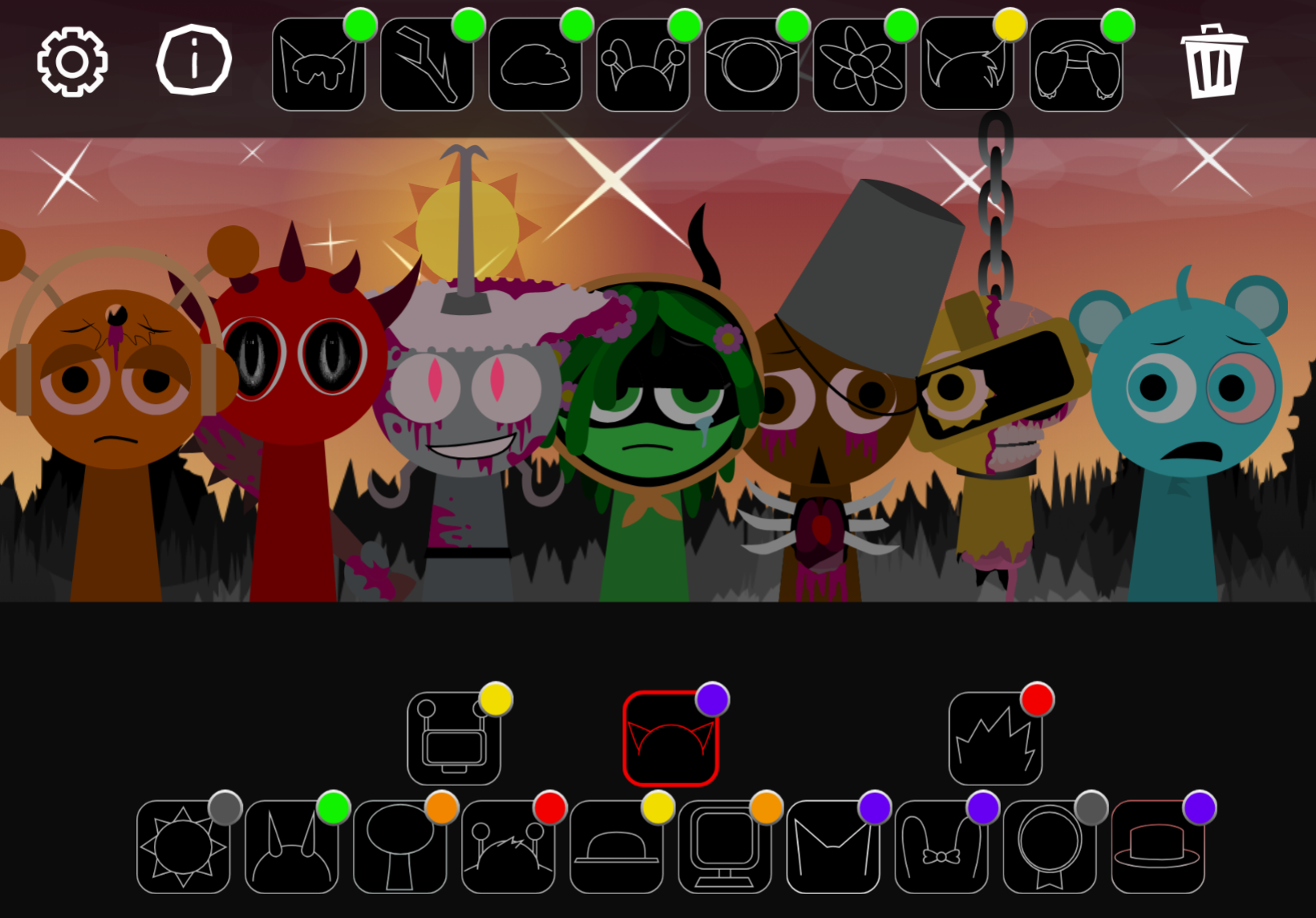

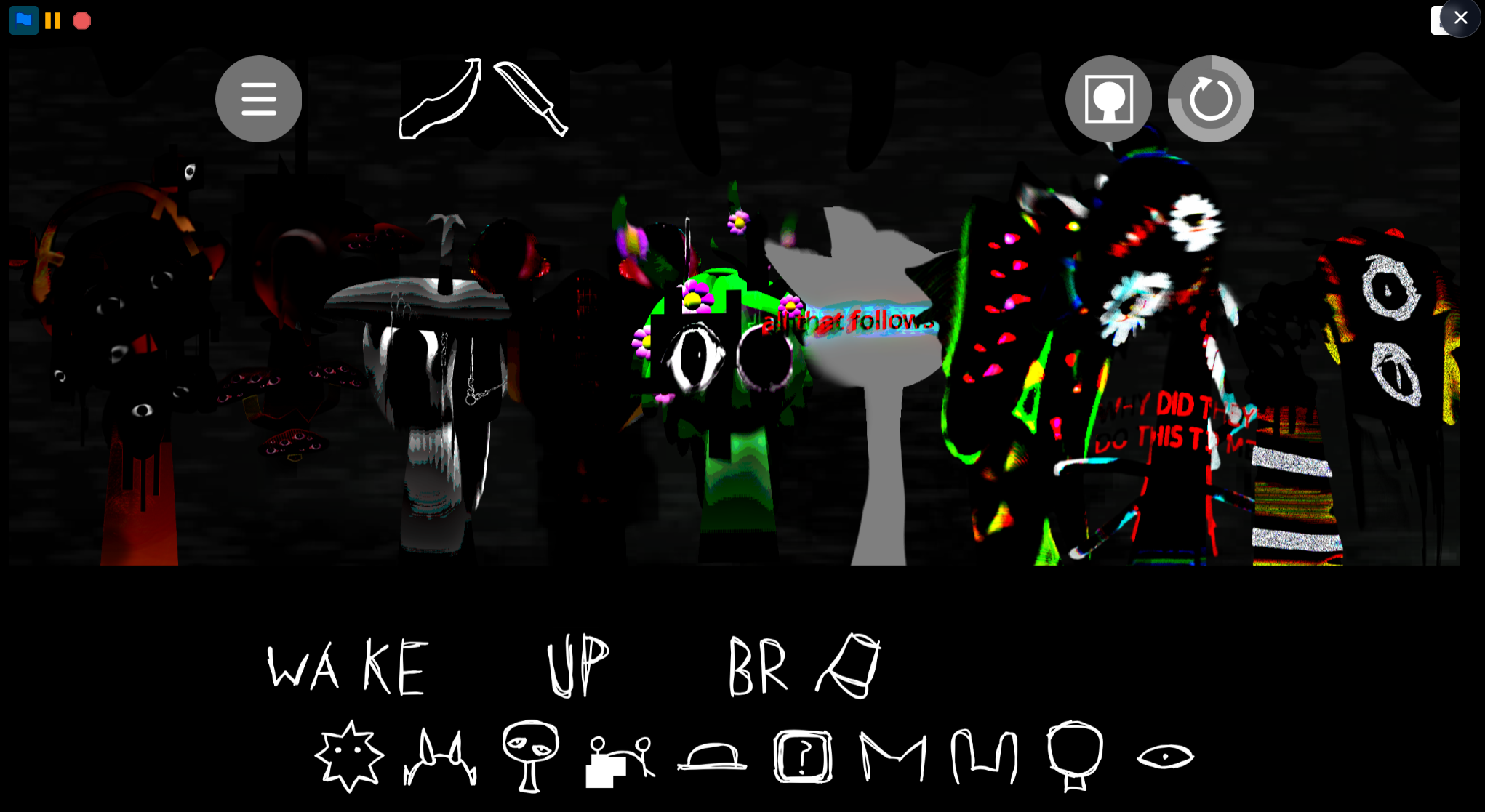

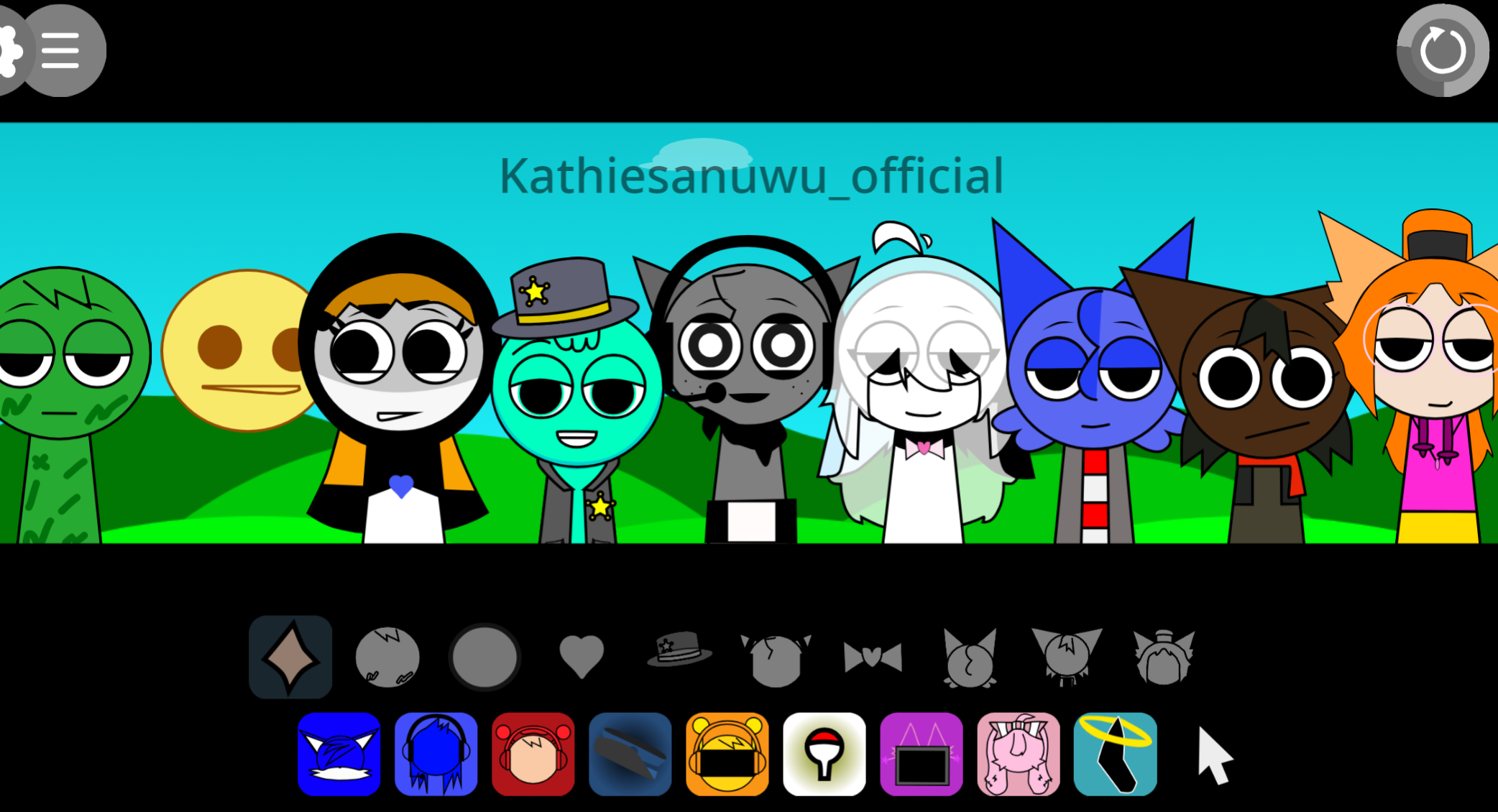
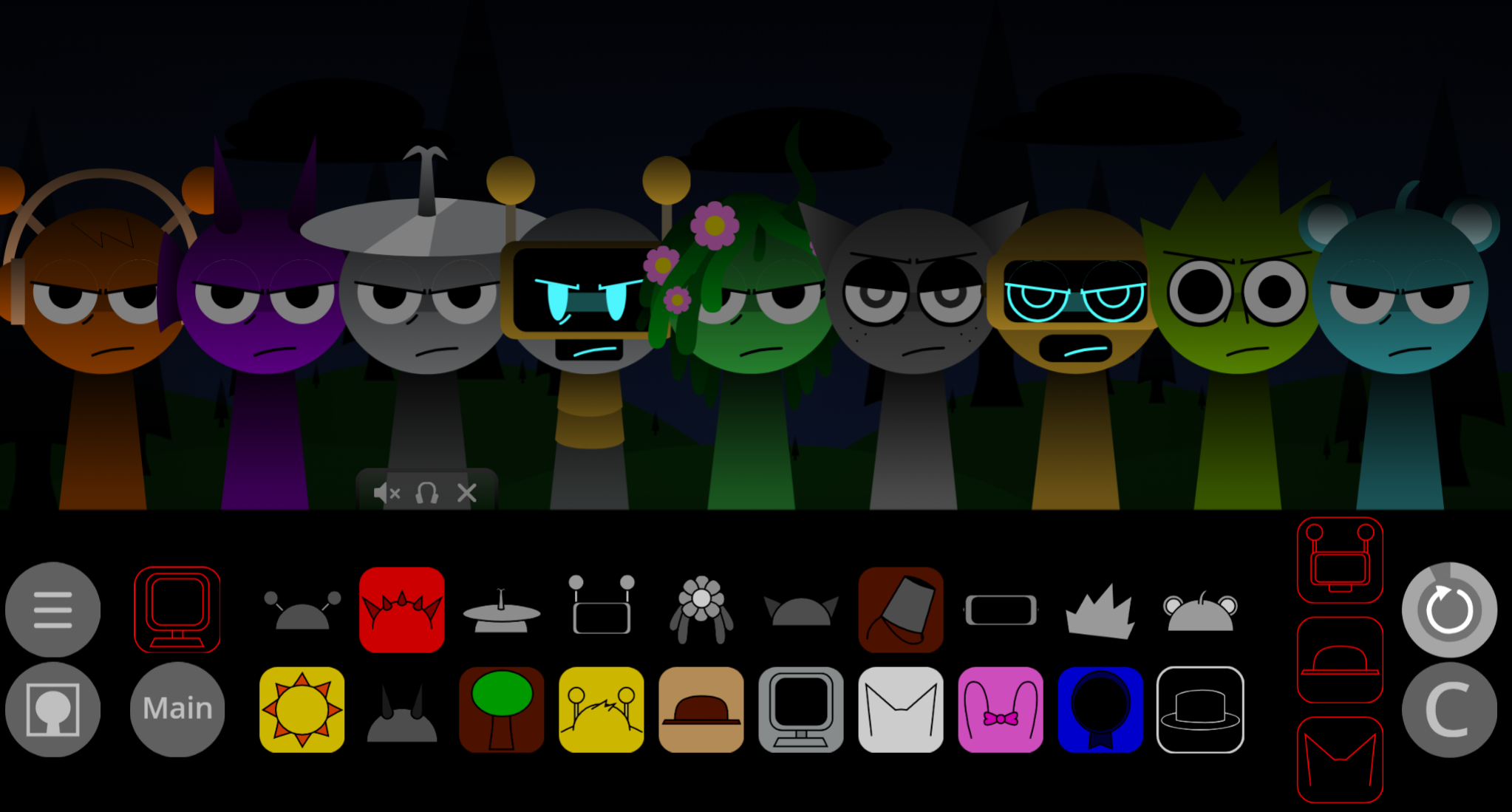
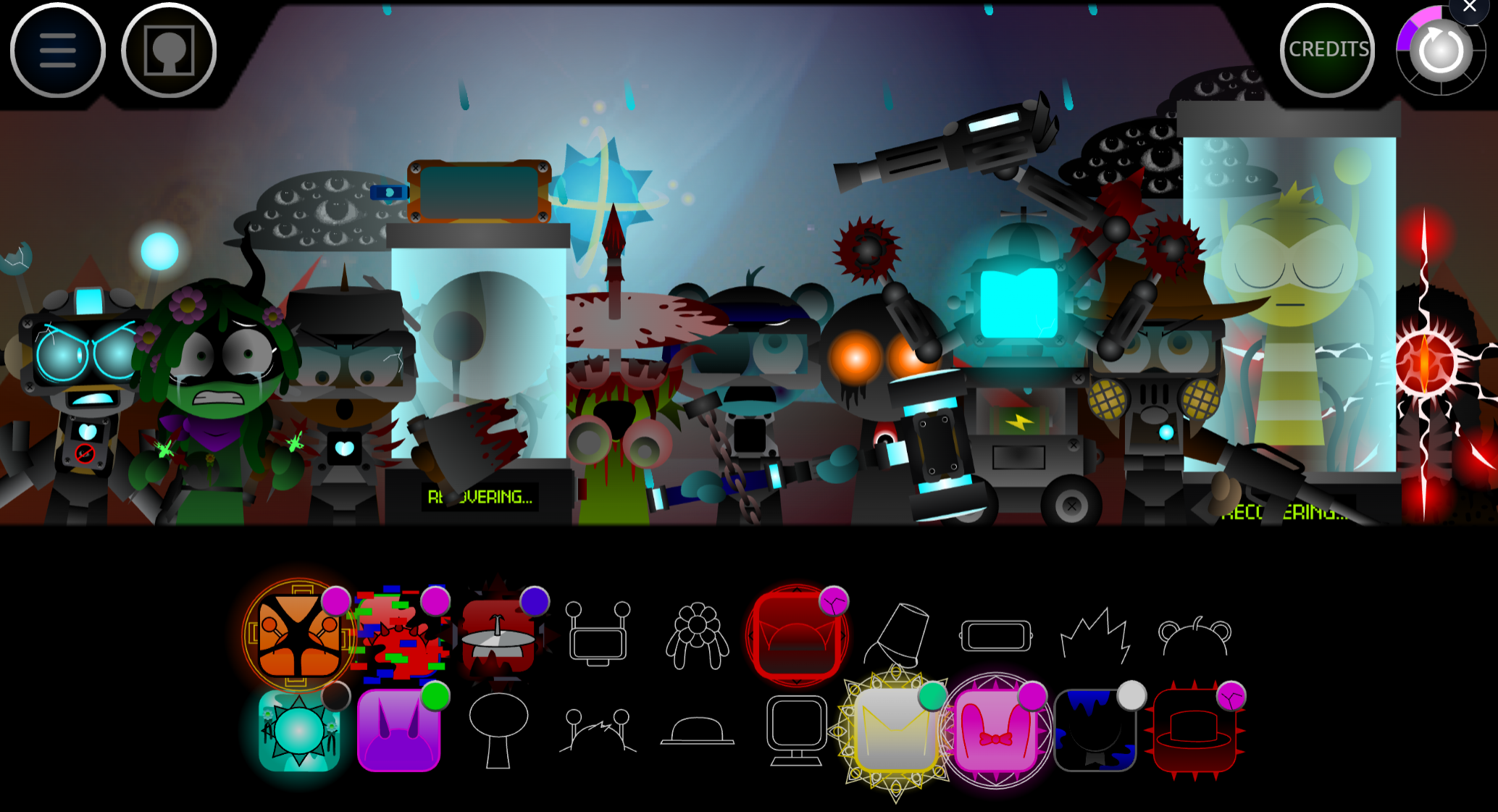
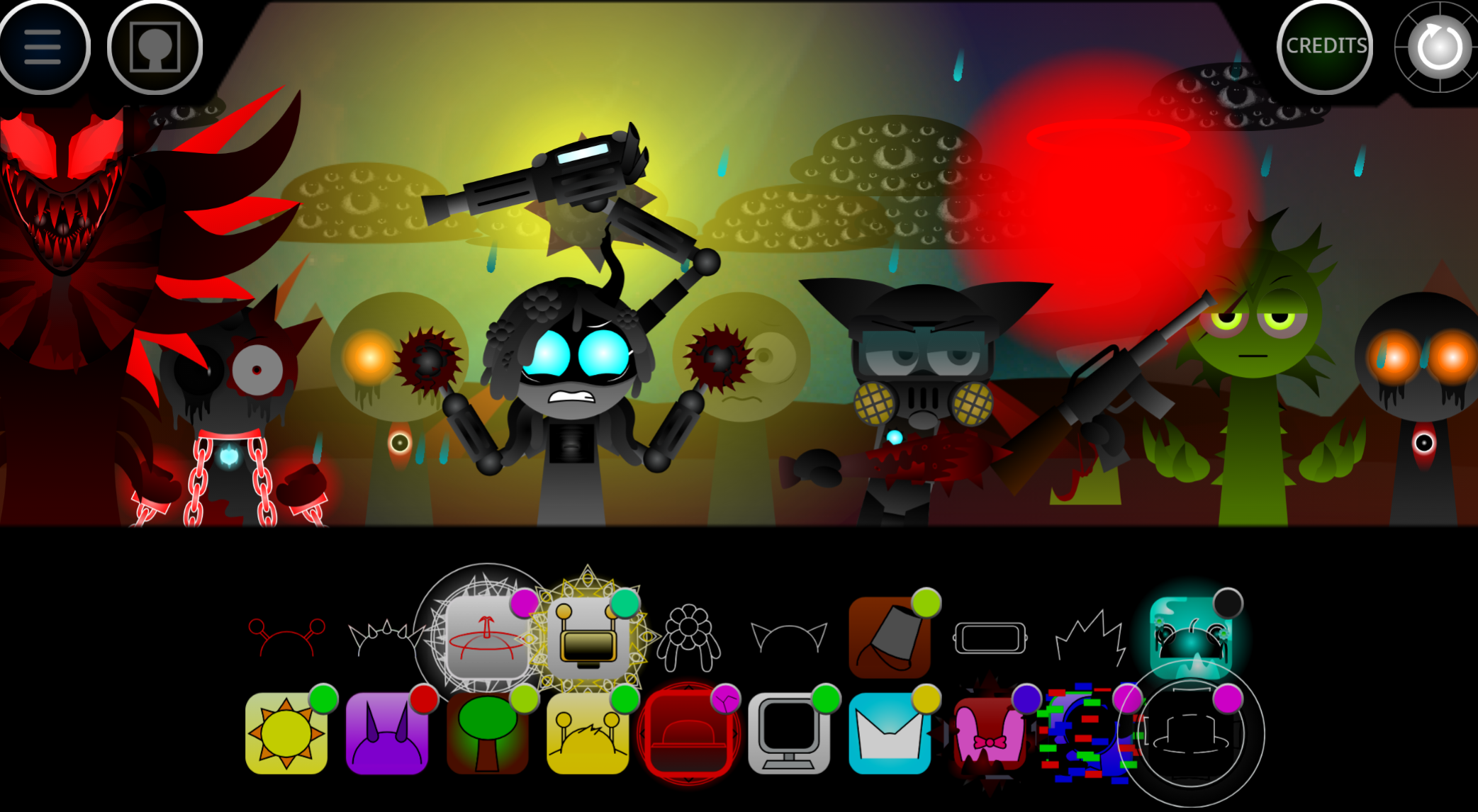
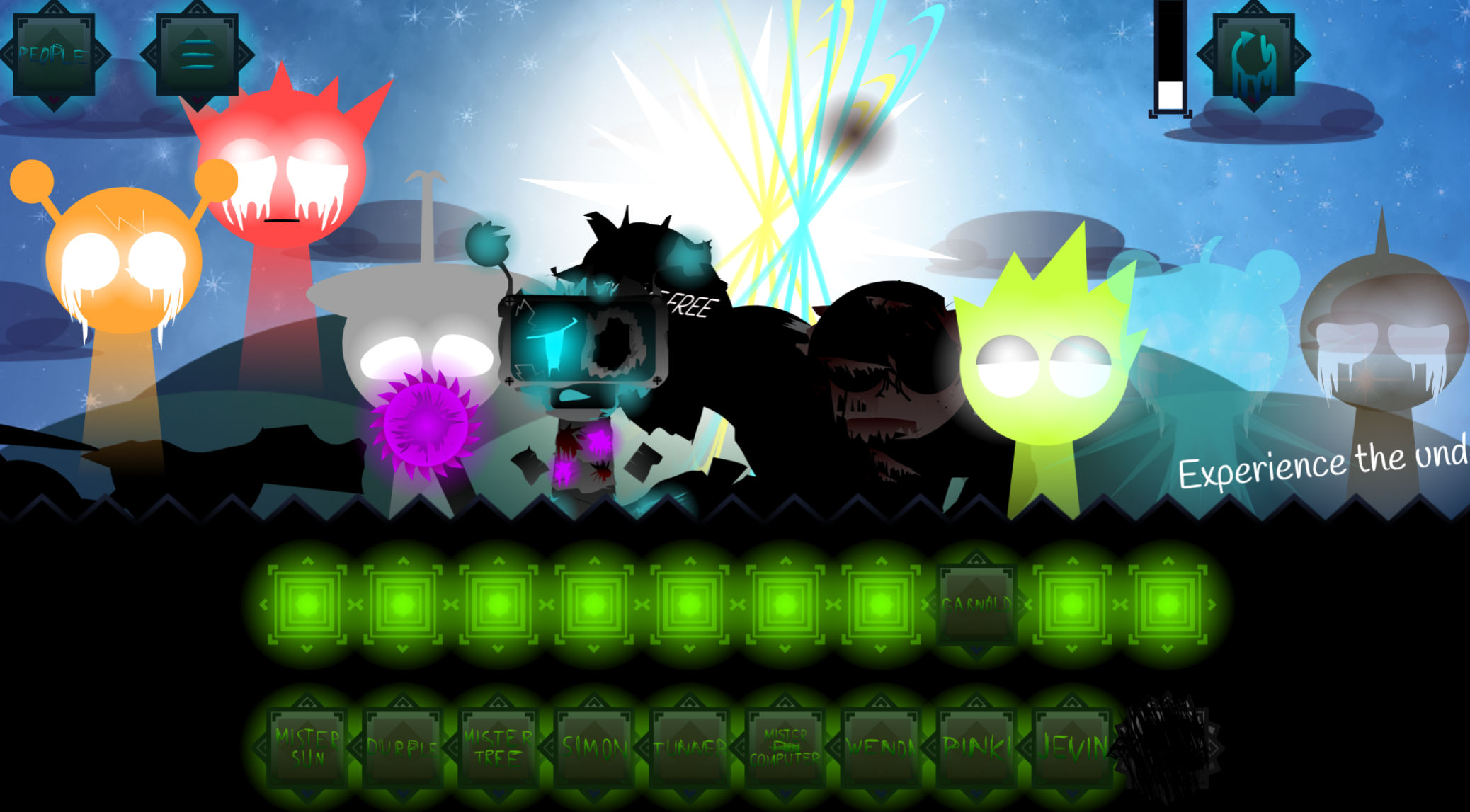
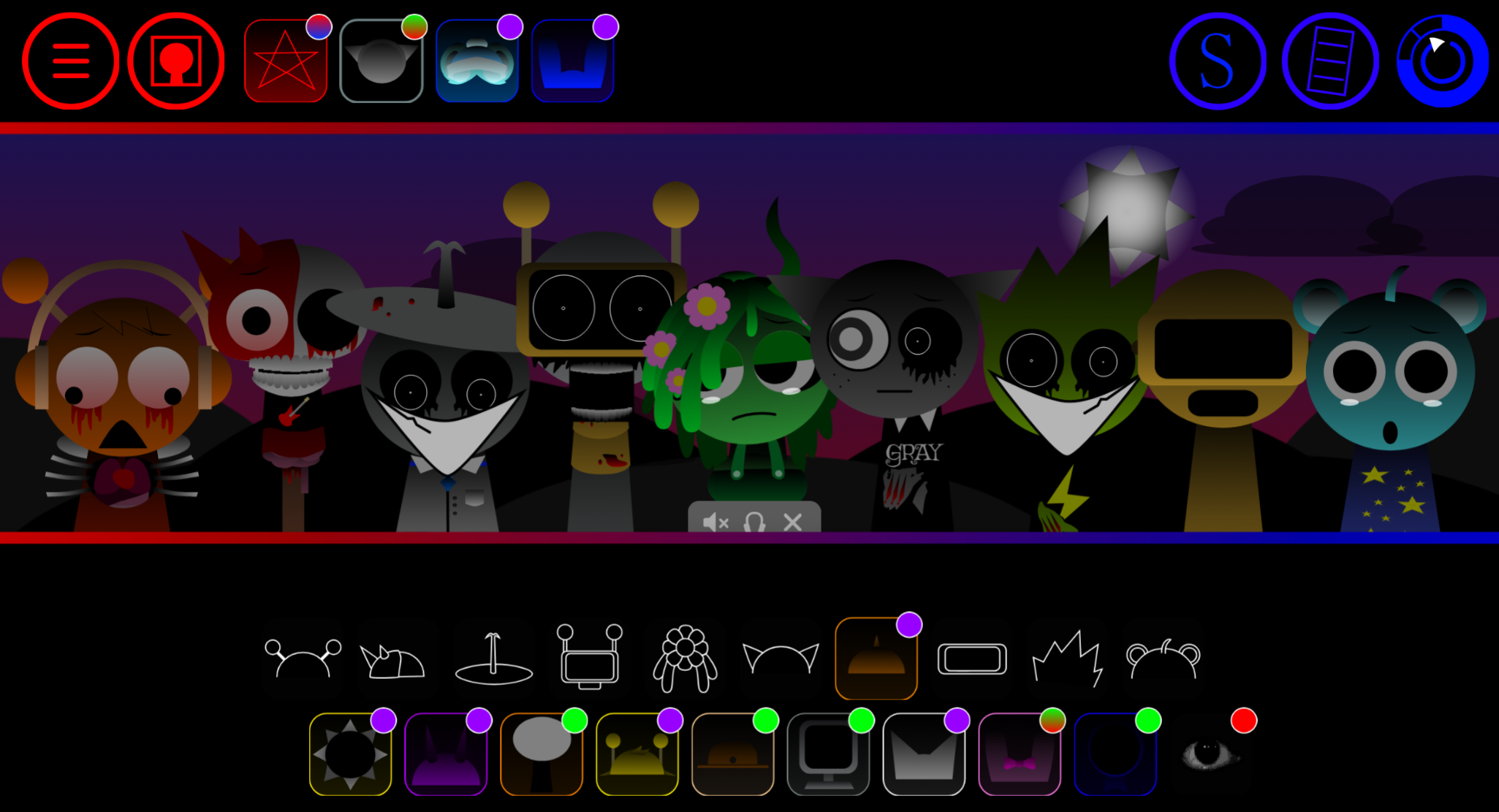

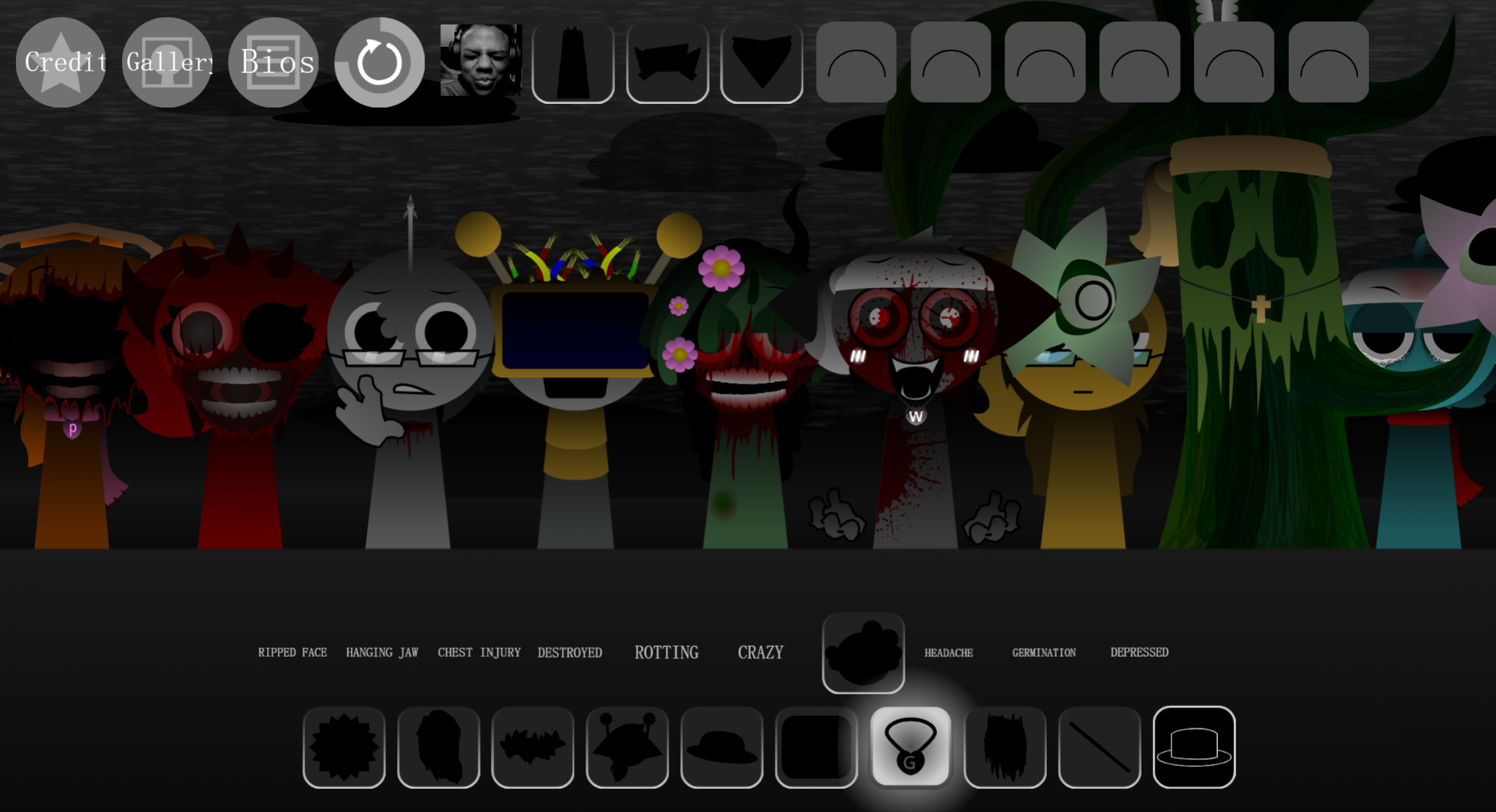
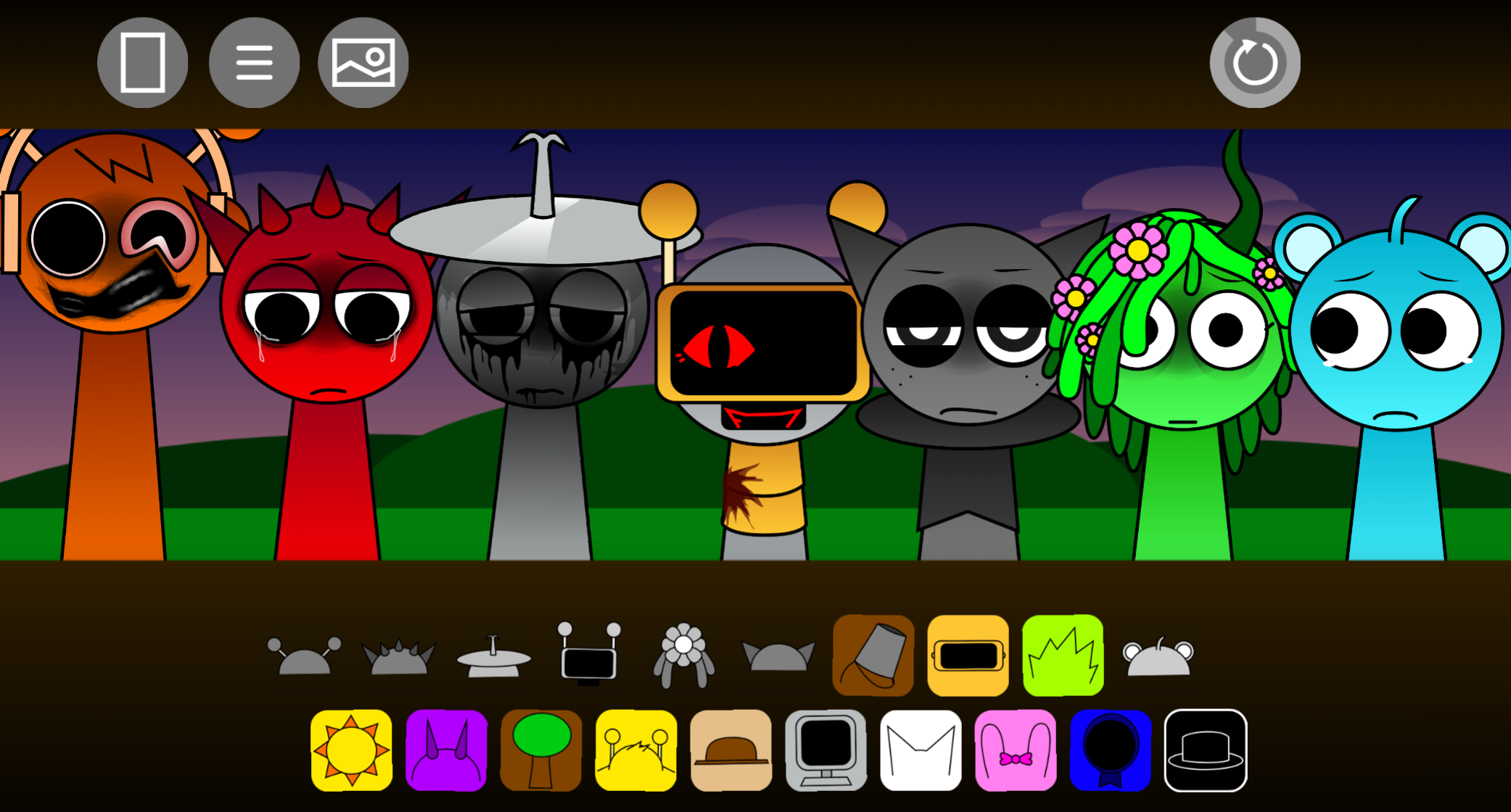
Incredibox Voltage Recreation is a fan-made mod that rebuilds the high-energy Voltage style inside the familiar Incredibox loop. You are still dragging sounds onto animated characters and building a live track from synced layers, but this version pushes much harder toward fast percussion, sharp electronic texture, bass weight, and a more aggressive overall pulse than a softer or more melodic Incredibox session.
That is also why the name matters. Players are not only looking for “a mod with loud sounds”; they are usually trying to judge how well a specific community version captures the Voltage feel, and whether it leans raw, balanced, or overly crowded once you actually start swapping layers. The more useful question is how these recreations play, how to build a cleaner Voltage mix, and which version style is most worth your time.
Incredibox Voltage Recreation Guide: Mod Versions & Gameplay
Incredibox Voltage Recreation uses the standard drag-and-drop music-building structure, so most players can start immediately without learning a complicated ruleset. The difference is tonal. Voltage-style recreations are built around forceful rhythm, faster pacing, and harder-edged electronic sound design, which means a good session depends more on energy control than on filling every available slot.
Version differences matter here more than they do in some other fan-made mods. Community takes associated with creators such as Limez and PichuZapper can feel similar at first, but once you mix them, the differences become clearer. Some recreations hit harder right away and lean into raw percussion pressure. Others leave more space for melodies and feel easier to replay because the layers separate more cleanly. If you only judge them by title, they look interchangeable. If you judge them by how the mix behaves, they can feel meaningfully different.
How to Play Incredibox Voltage Recreation
The core loop is simple: build a strong rhythmic center, test how the electronic layers sit on top of it, and keep swapping until the track feels intense without becoming flat or muddy.
Start with rhythm and bass first.
Put down one strong percussion sound and one bass layer before anything decorative. Voltage mixes work best when the pulse is already clear before the sharper sounds arrive.
Add one contrasting layer at a time.
Bring in a melody, synth, effect, or vocal loop one by one. You want to hear what each addition does to the energy, not create maximum noise as quickly as possible.
Use quick swaps to shape the groove.
If a part blurs the rhythm or makes the track feel crowded, remove it and test another in the same slot. This mod rewards rapid comparison more than long pauses between changes.
Treat Shuffle Mode as a discovery tool.
Shuffle can give you a fast starting point when you want to hear unexpected combinations, but it works best after you already understand what kind of base the track needs.
Stop when the mix feels tight, not just full.
A strong Voltage session often sounds better with a little air left in it. If the percussion hits, the bass carries weight, and the upper layers stay readable, you have probably reached a better result than a completely packed board would give you.
How to Build a Clean Voltage Mix
The hardest part of Voltage Recreation is not making it energetic. That part happens quickly. The harder part is keeping the energy sharp instead of turning it into one loud block.
A cleaner Voltage mix usually comes from a few habits:
- Lock the fast rhythm before chasing melody. The drums and bass create the identity of the track. If they feel loose, extra synths will not rescue the session.
- Use contrast instead of duplication. One hard rhythm layer plus one cutting melodic or electronic line often lands better than stacking several parts that all fight for the same space.
- Leave room for the top end to breathe. Voltage sounds strongest when the aggressive textures still have separation. If every slot is busy, the mix can lose the punch the style depends on.
- Compare versions by feel, not just by volume. A recreation that sounds “harder” on first click is not automatically the better one. Sometimes the more balanced version gives you a stronger final mix because you can actually steer it.
- Watch the animation lock. The character motions are not a perfect technical meter, but they can help you tell when the groove feels settled versus when the track has turned messy.
In practice, the best Voltage mixes sound fast and forceful without burying their own structure. If the rhythm still cuts through and the upper layers add pressure instead of blur, the recreation is doing its job.
Related Games
- Sprunked Pre-Final Version Recreation — A natural comparison if you want another mod built around revisiting and refining an existing fan-made sound set.
- Sprunki Swapped Retextured New Sounds — A good follow-up if you enjoy hearing familiar characters rebuilt with a different audio palette and want to compare how sound swaps change rhythm and weight.
- Sprunki Phase 3 Reimagined New Start — Worth a look if you like the same community-remix mindset and want another reinterpretation rather than a story-heavy phase mod.
Which Version of Voltage Recreation Is Worth Playing?
The best version depends on what you want from the session. If you care most about raw impact, start with the take that hits hardest and feels the most immediate. If you want something you can revisit for several runs, look for the recreation that keeps the melodic parts readable and the percussion controlled instead of just loud.
That is why it can be worth comparing two or three community takes. Voltage Recreation is one of those fan-made ideas where the title stays the same, but the feel of the mix can shift a lot depending on how a creator handles layering, intensity, and space. If you want pure pressure, the rougher build may suit you better. If you want something cleaner and easier to revisit, the tighter one usually lands better.


Discuss Sprunki