
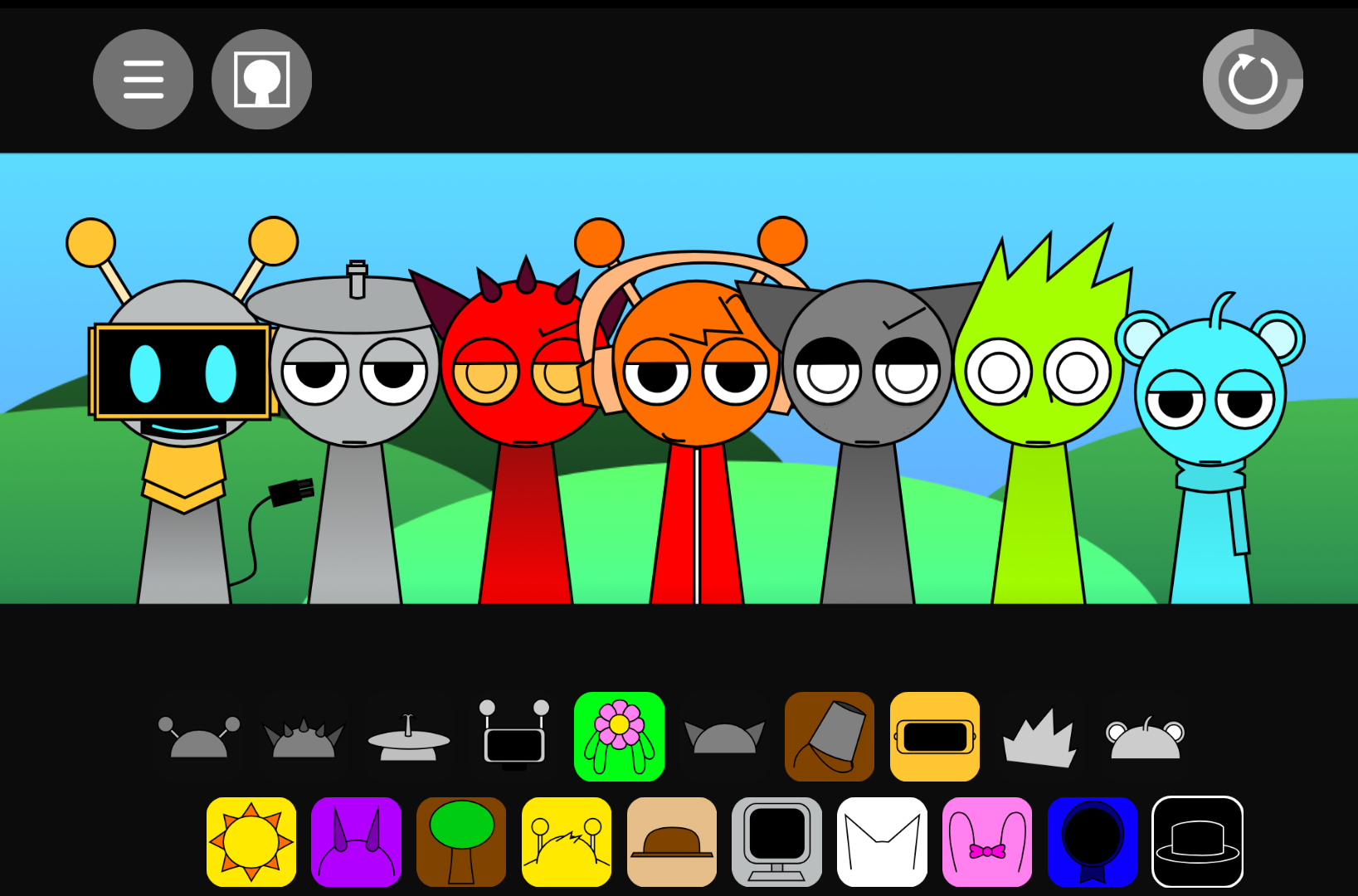

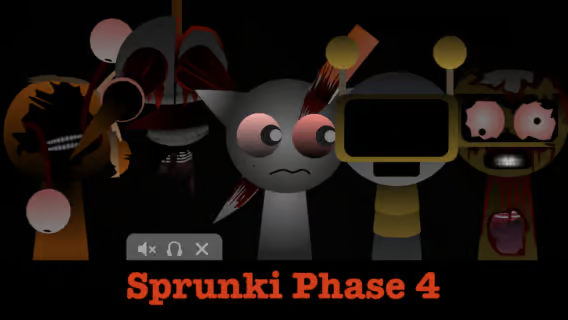
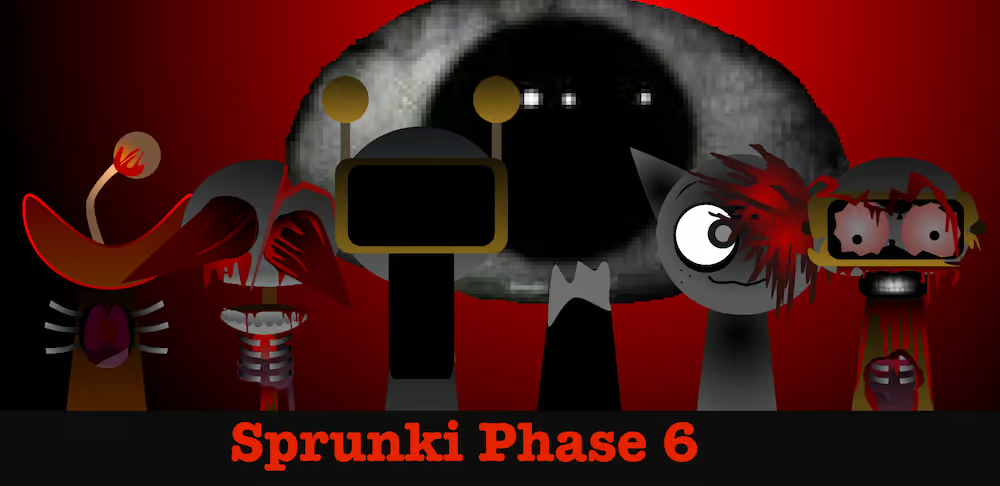
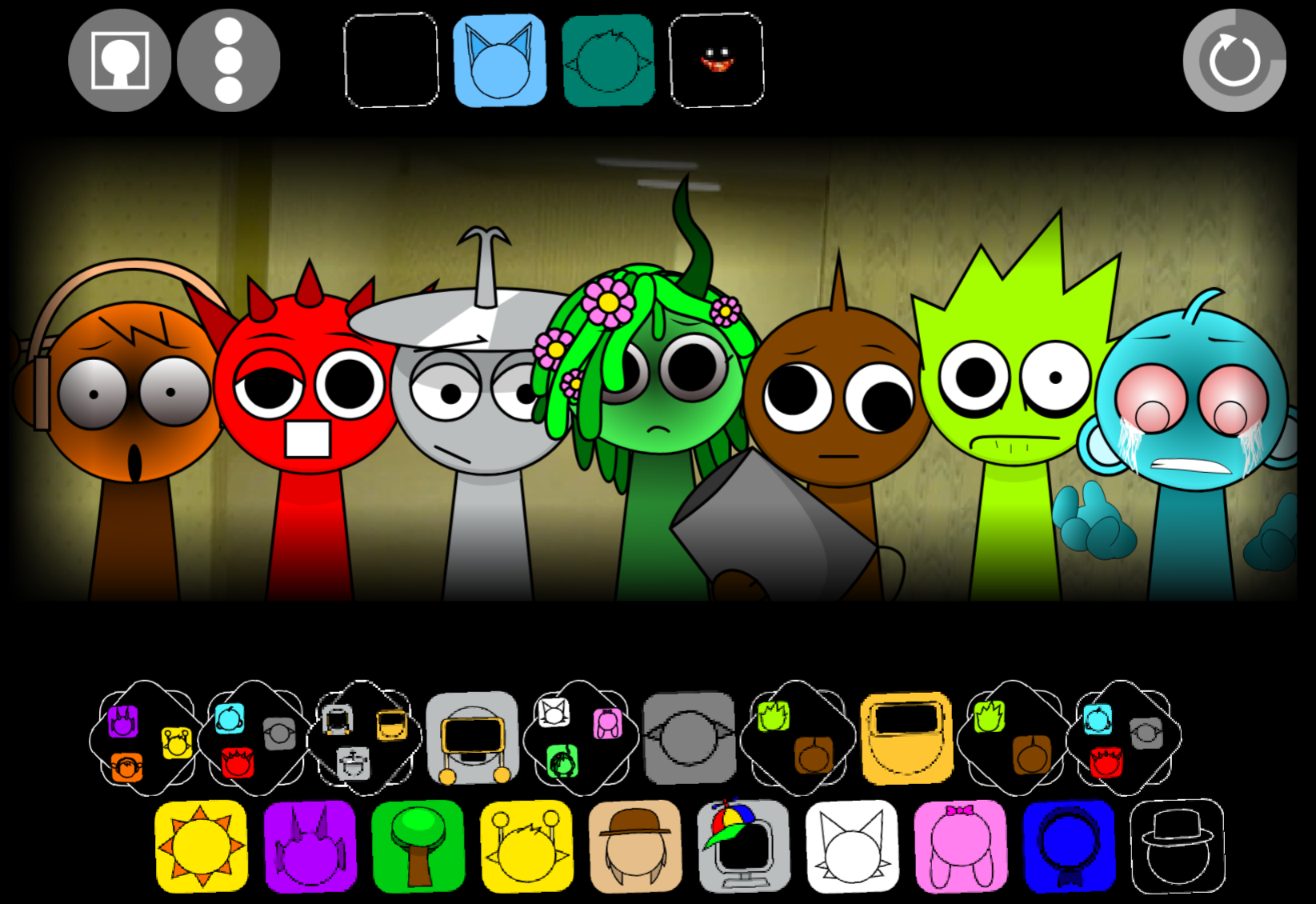
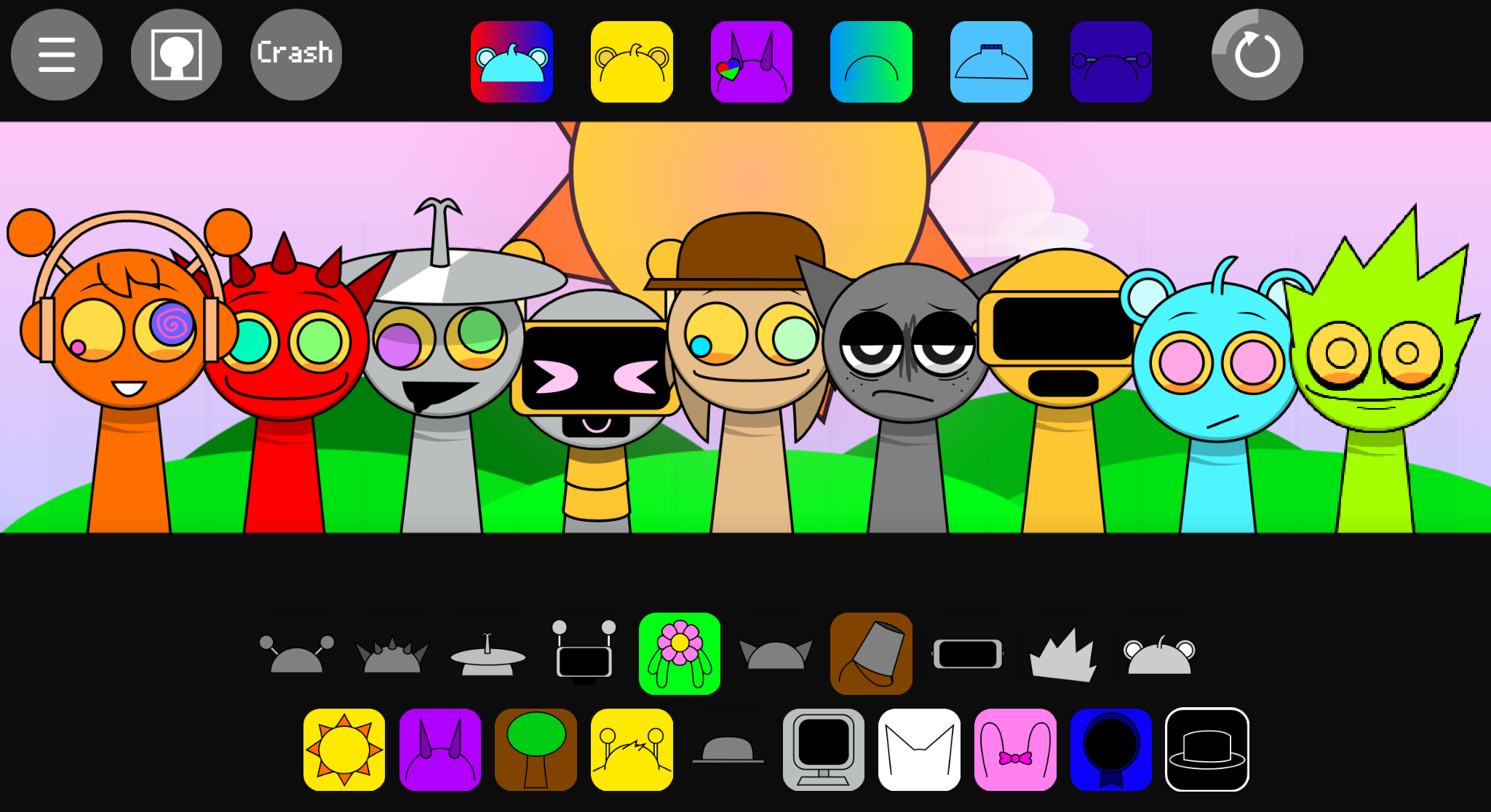
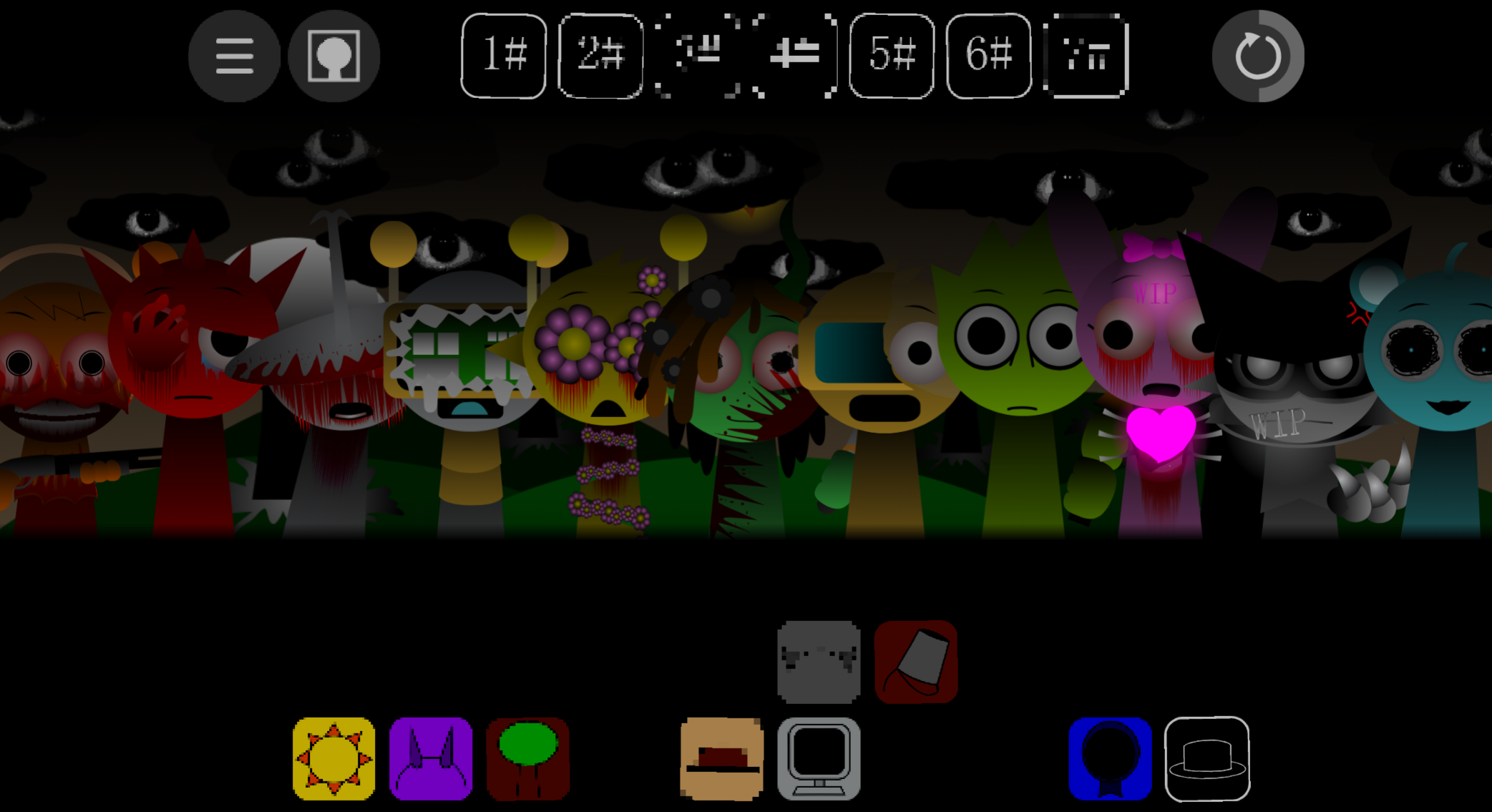
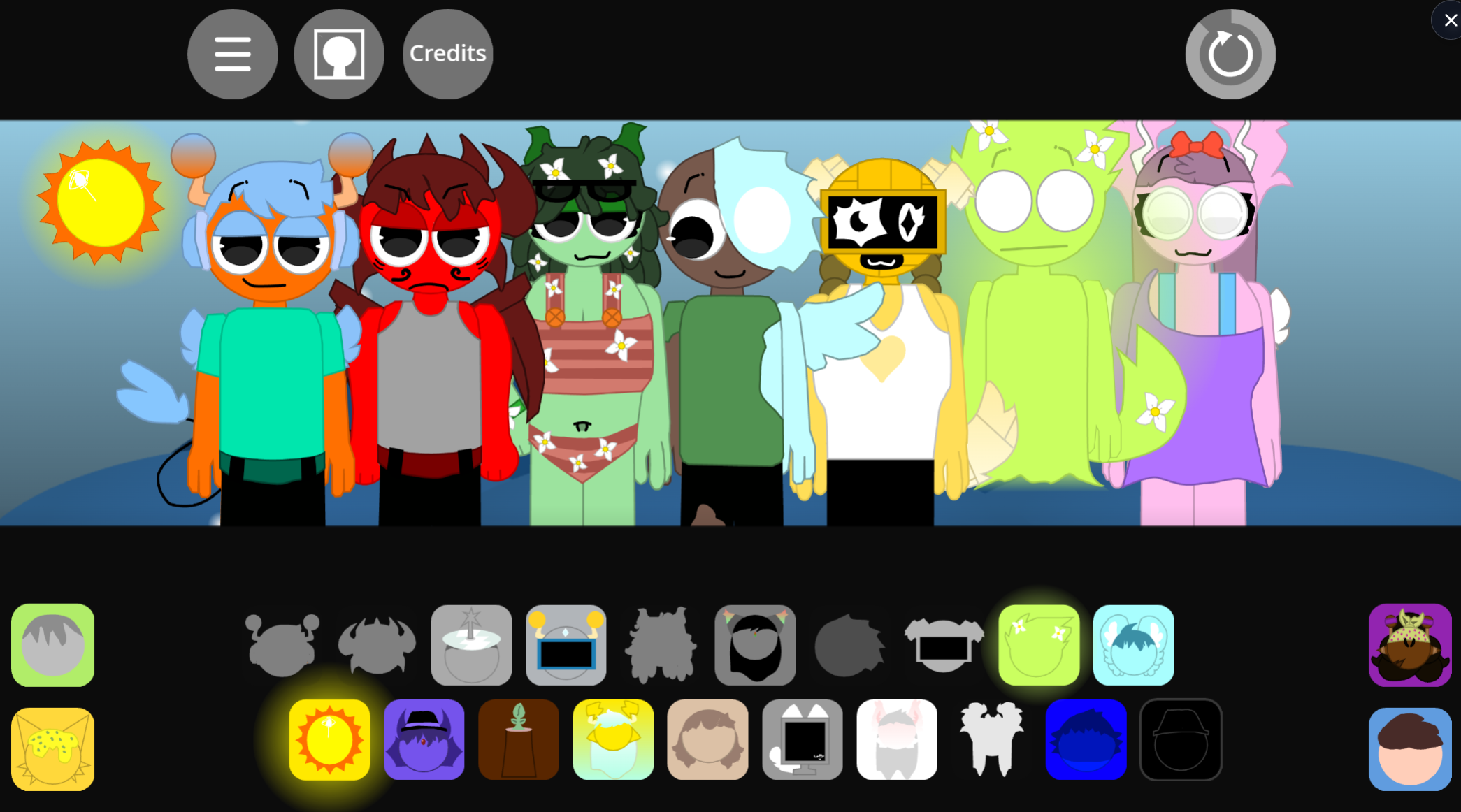
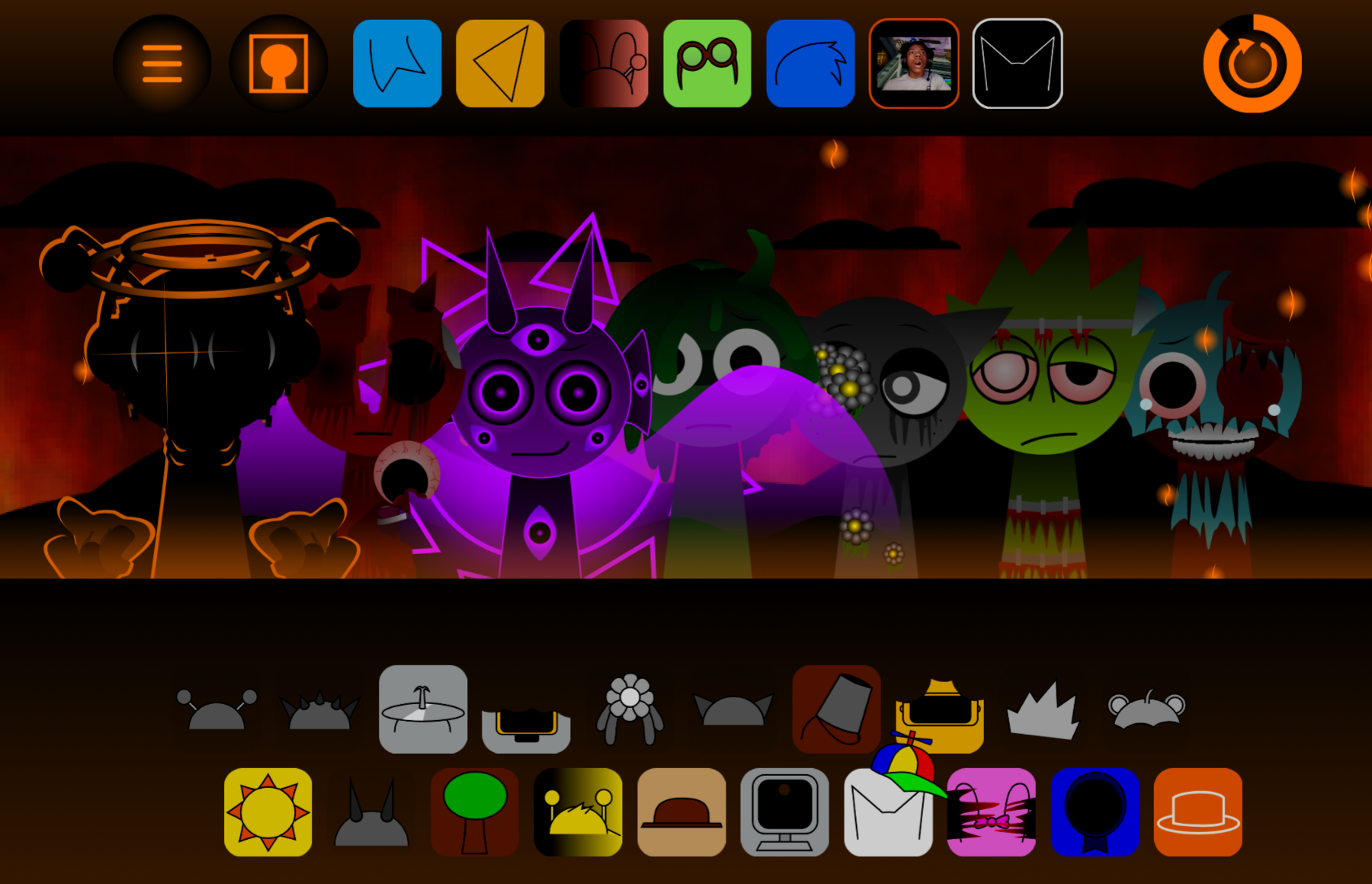
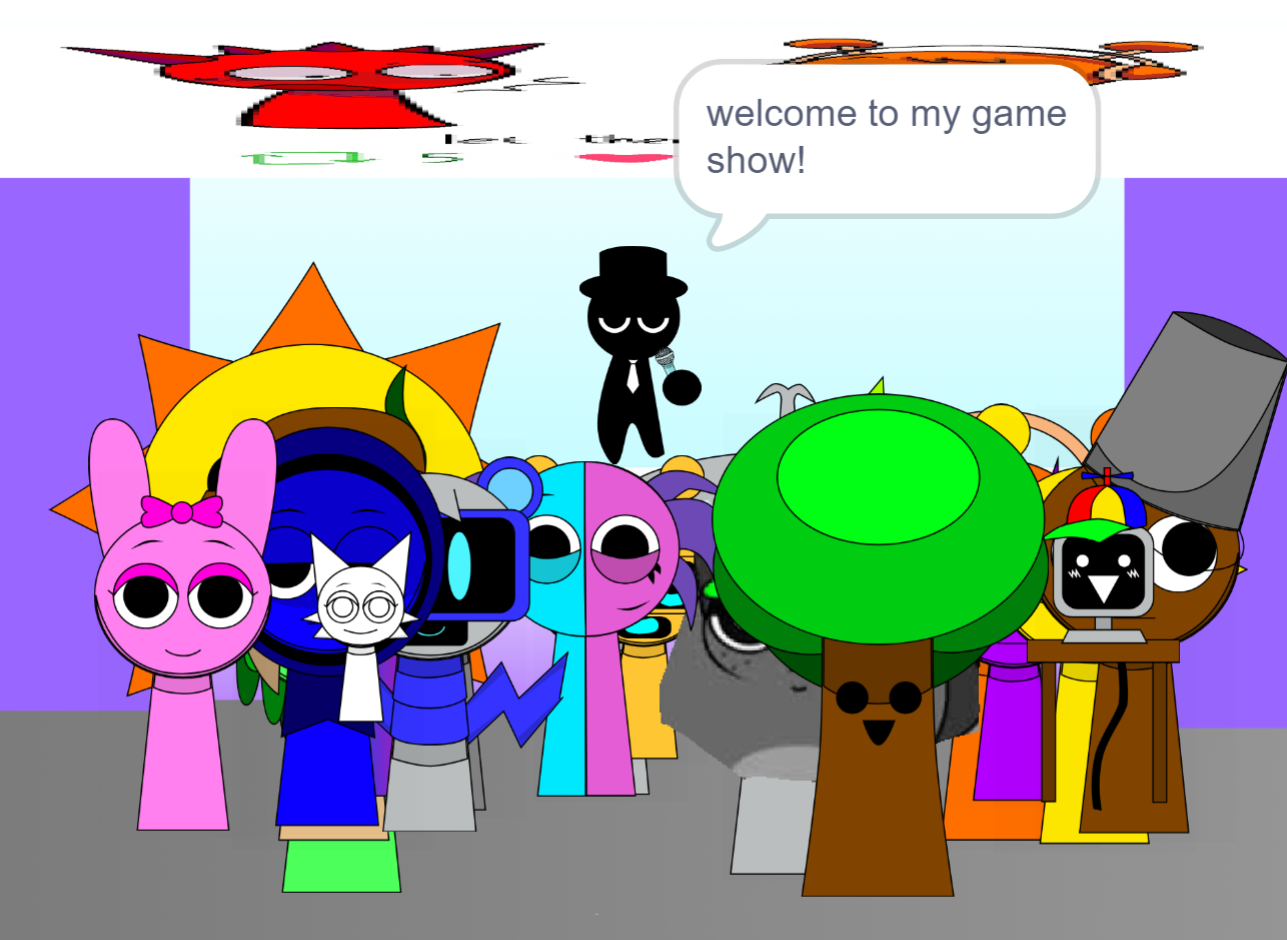
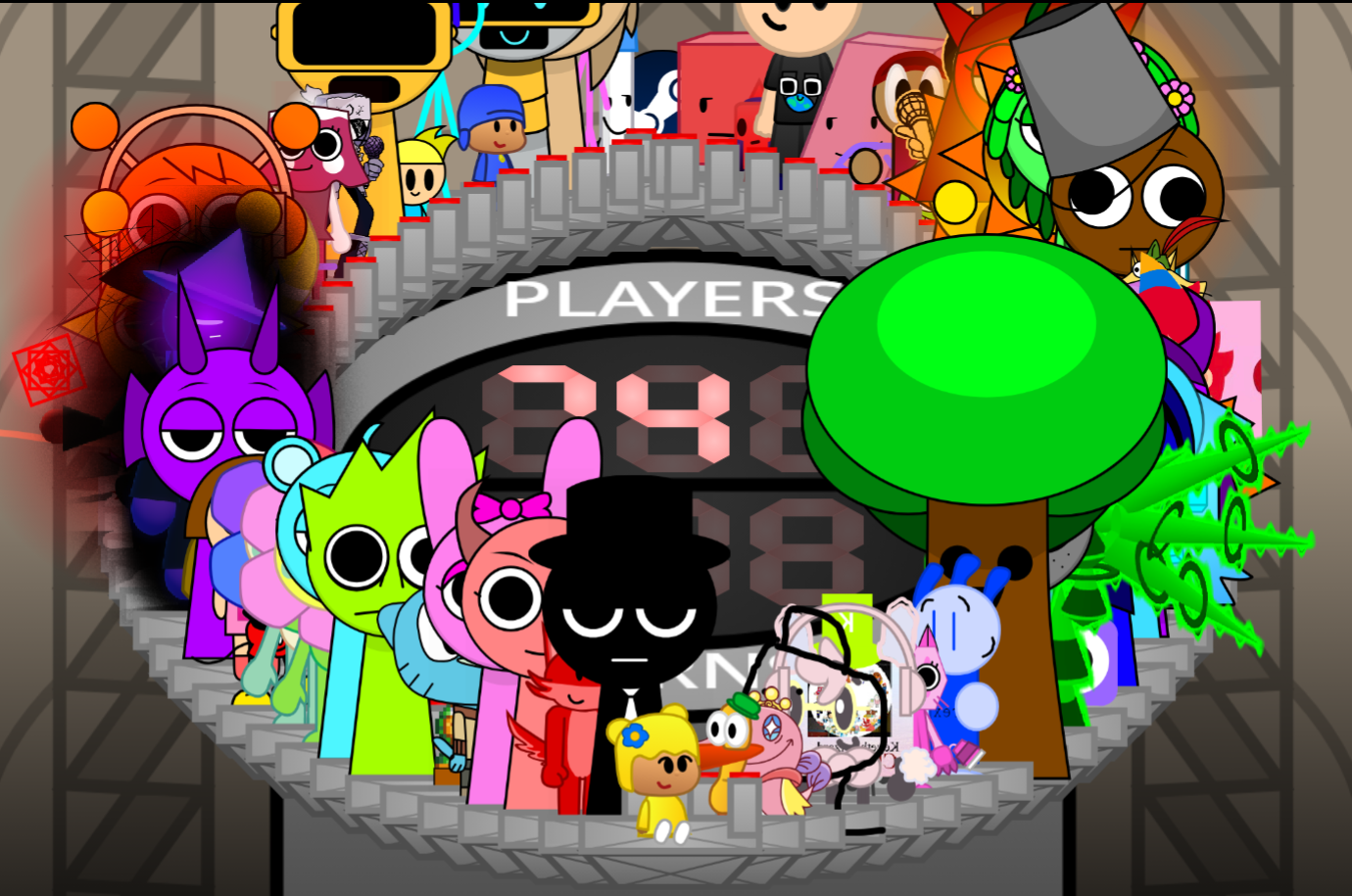
Sprunki Sprunter is a fan-made Incredibox mod built around Koplopbop, a character whose six-phase arc gives the mod a structure most Sprunki entries do not have. Instead of treating the session as one open board with interchangeable mood, it frames the mix as a fixed apocalypse timeline that grows darker as you build.
It runs in-browser at GoSprunki.com with no download required. For most players, the key questions are practical ones: how the phases are ordered, what changes between them, how to build a mix without overcrowding it, and whether the apocalypse framing actually affects play. That is what this guide focuses on.
Sprunki Sprunter
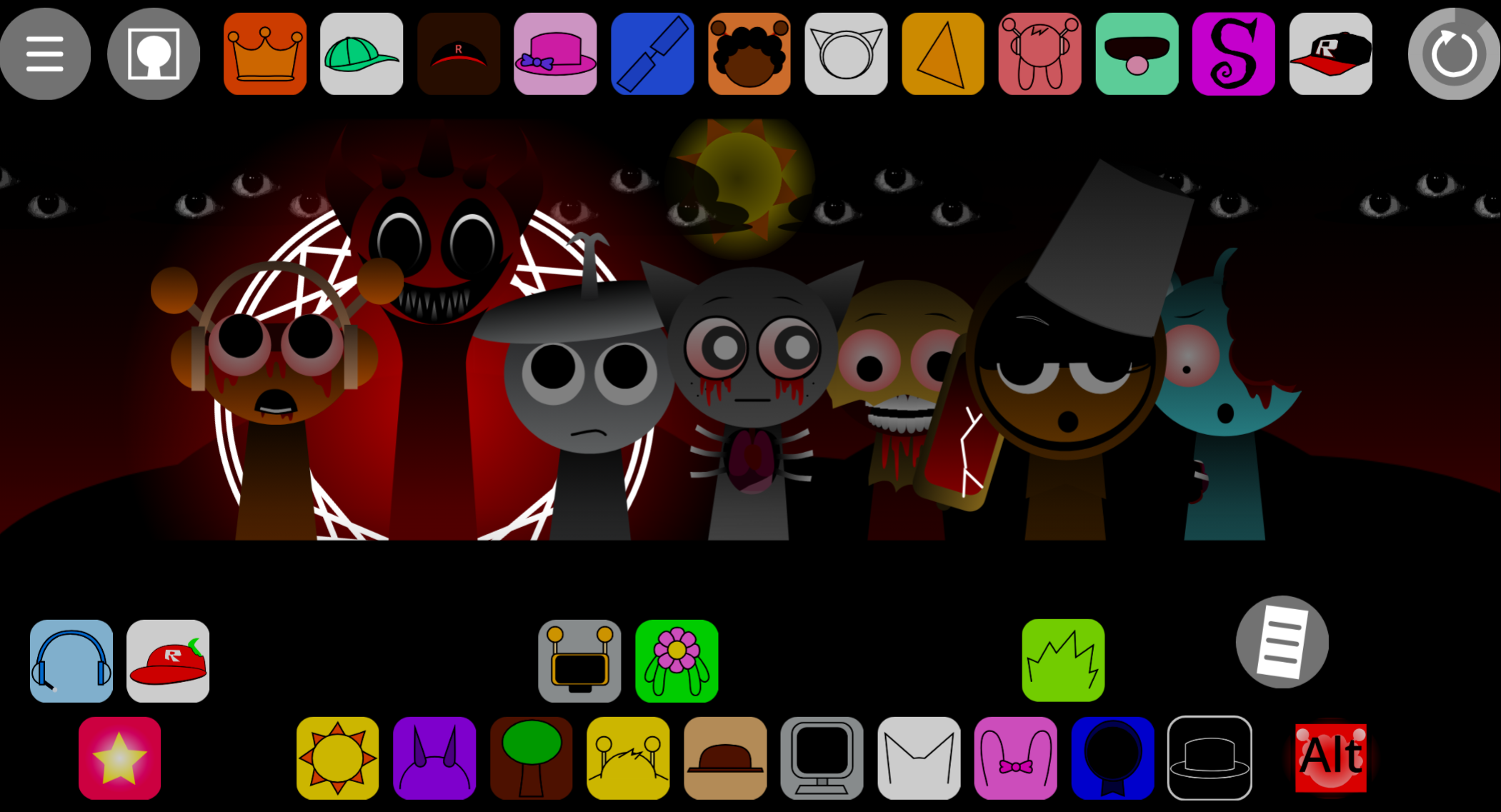
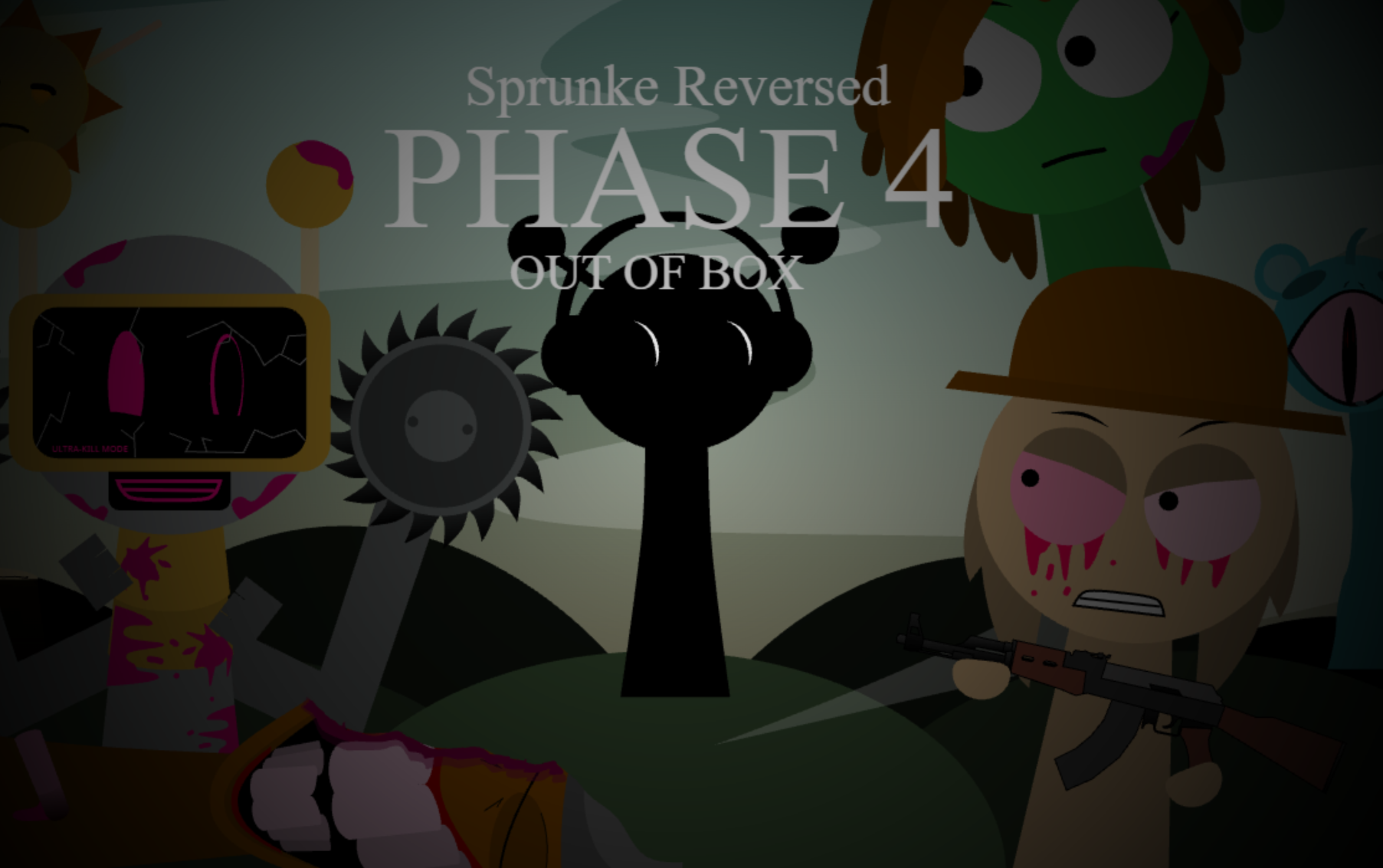
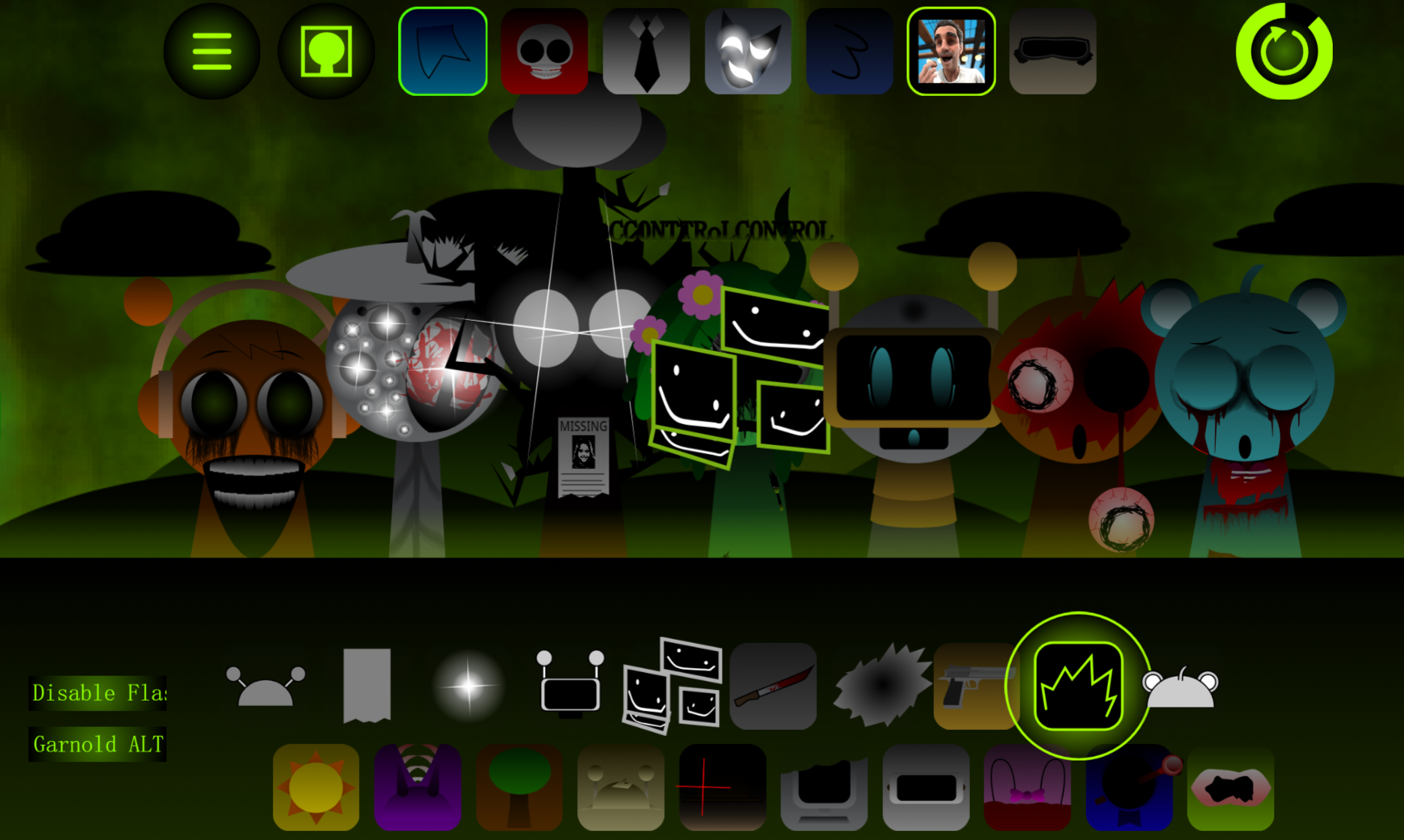
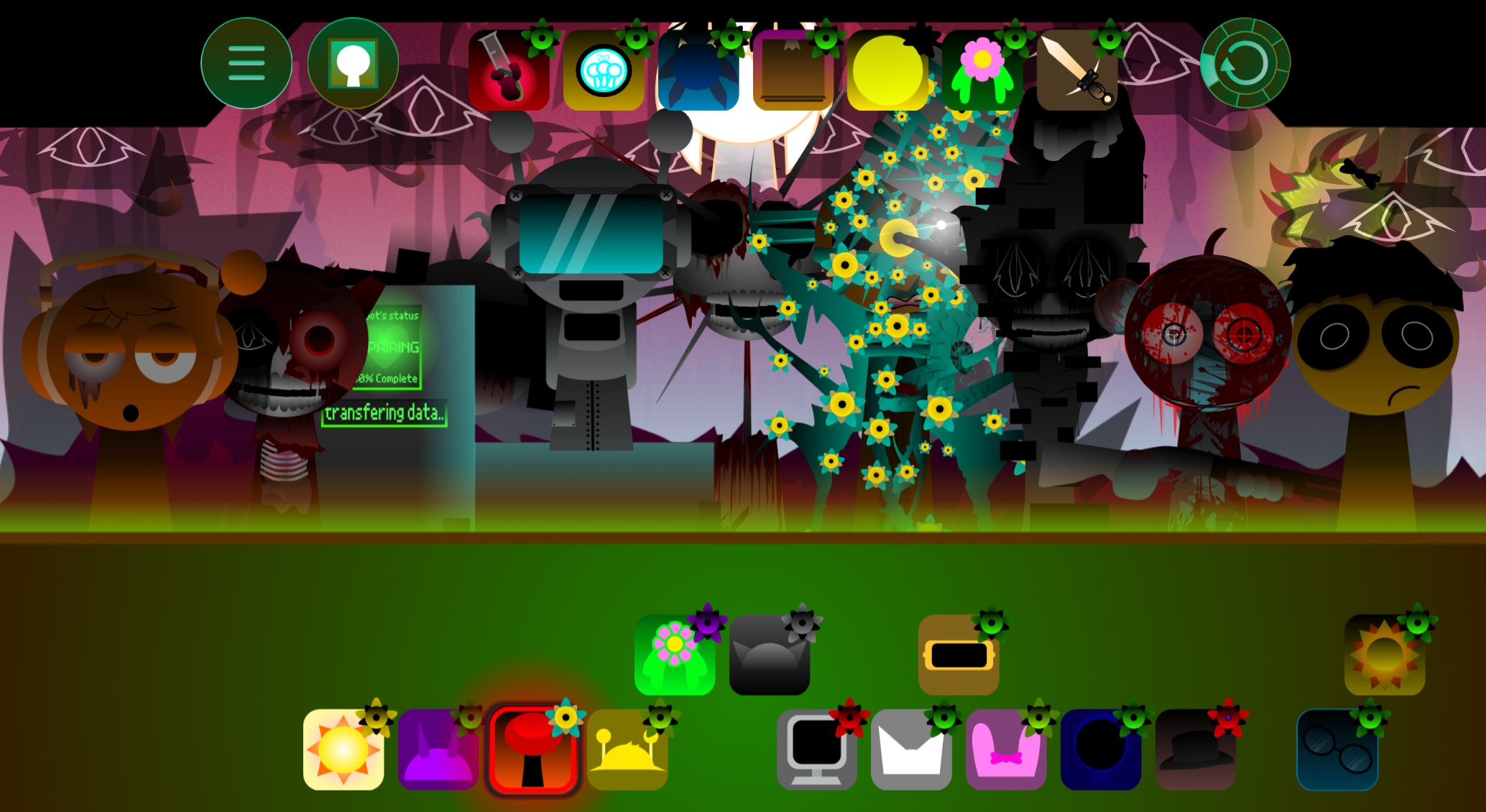
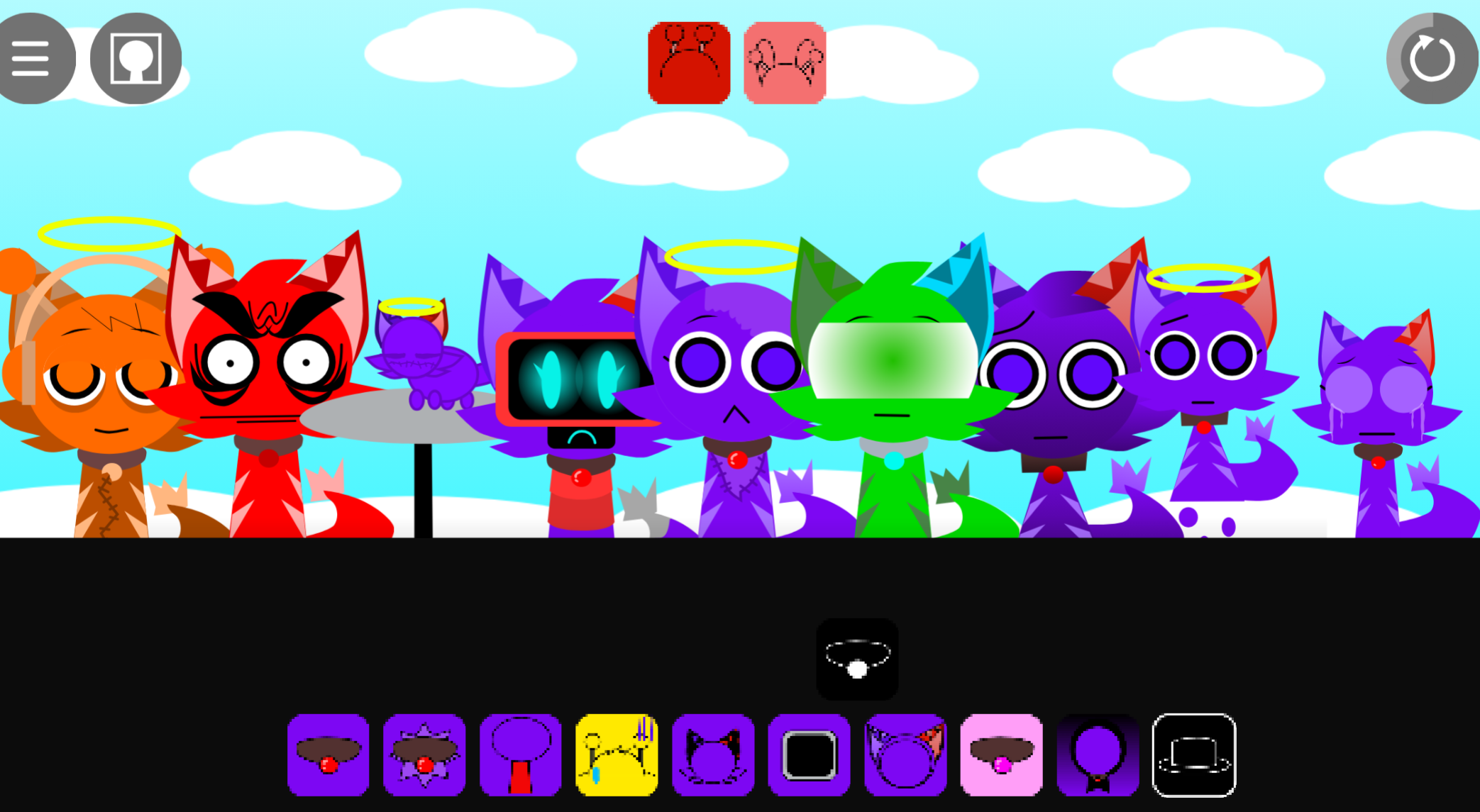
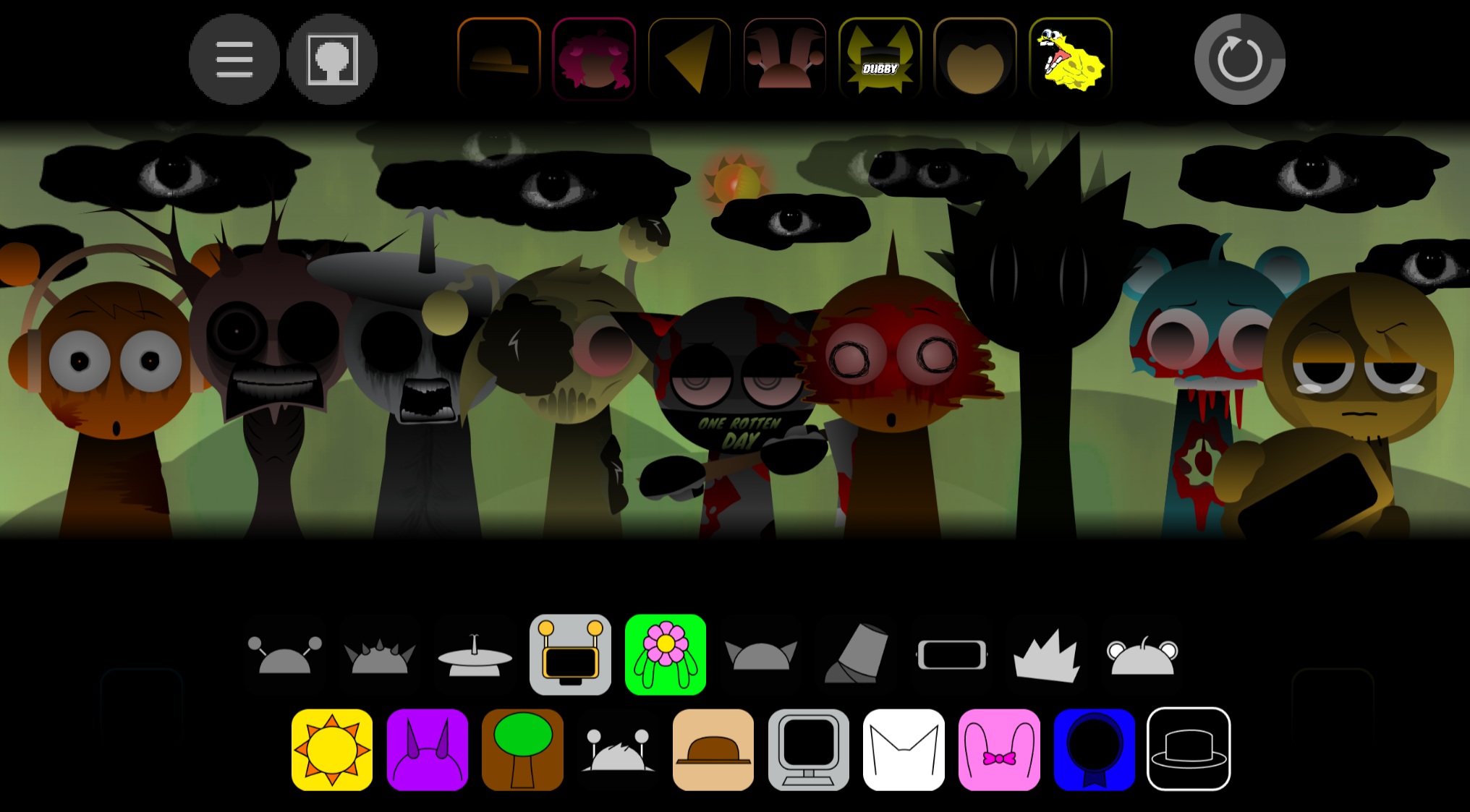
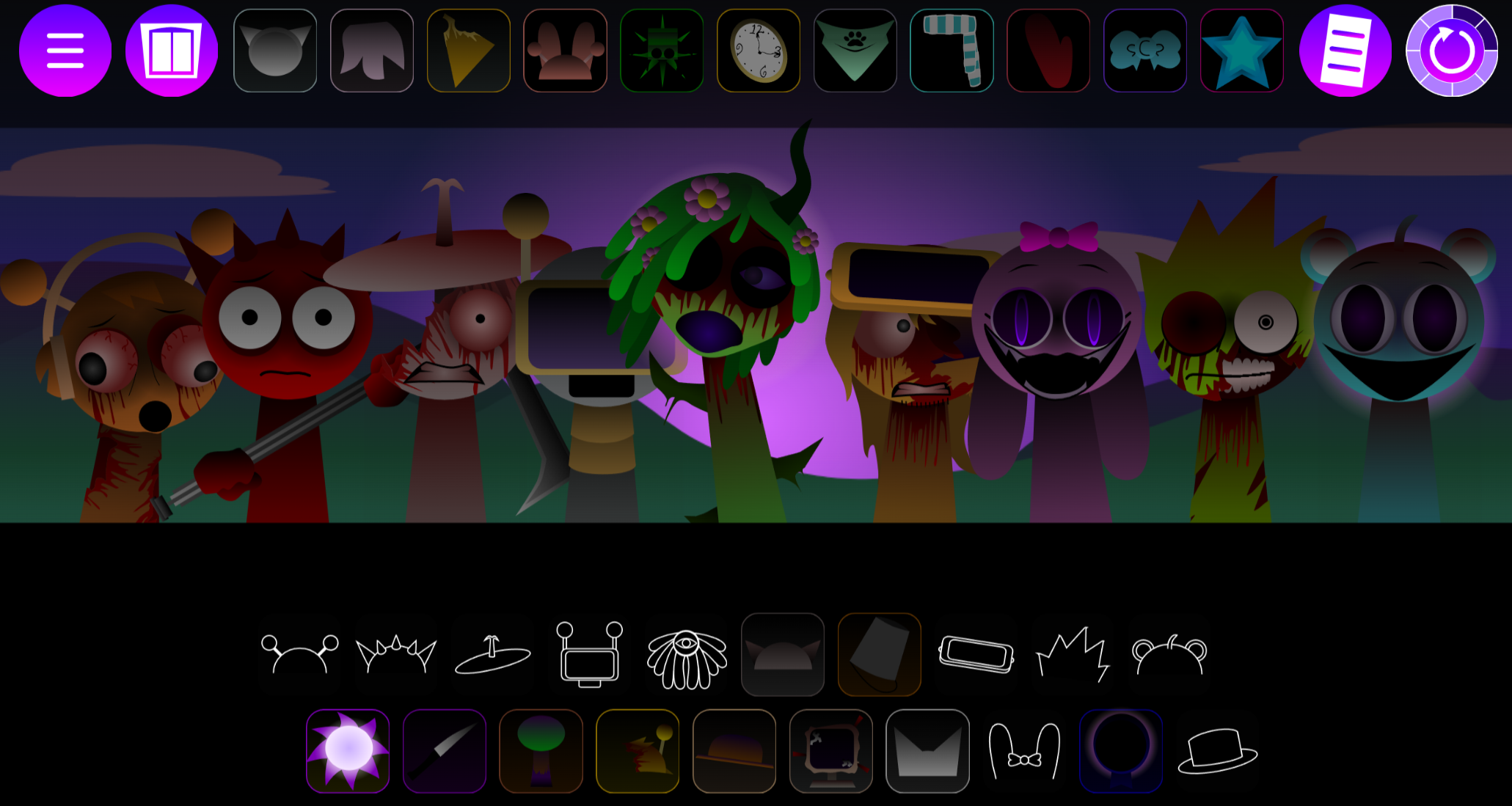
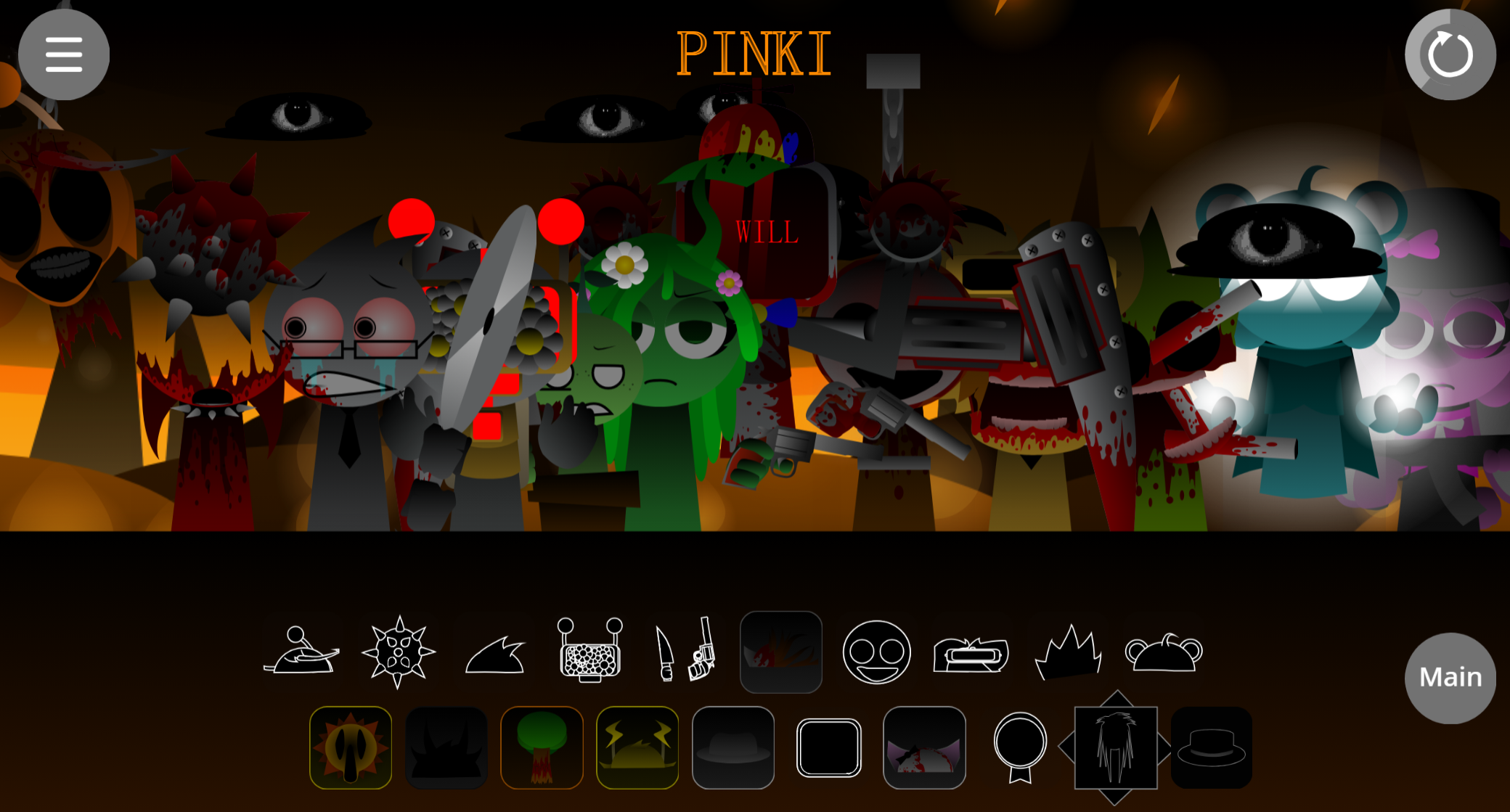
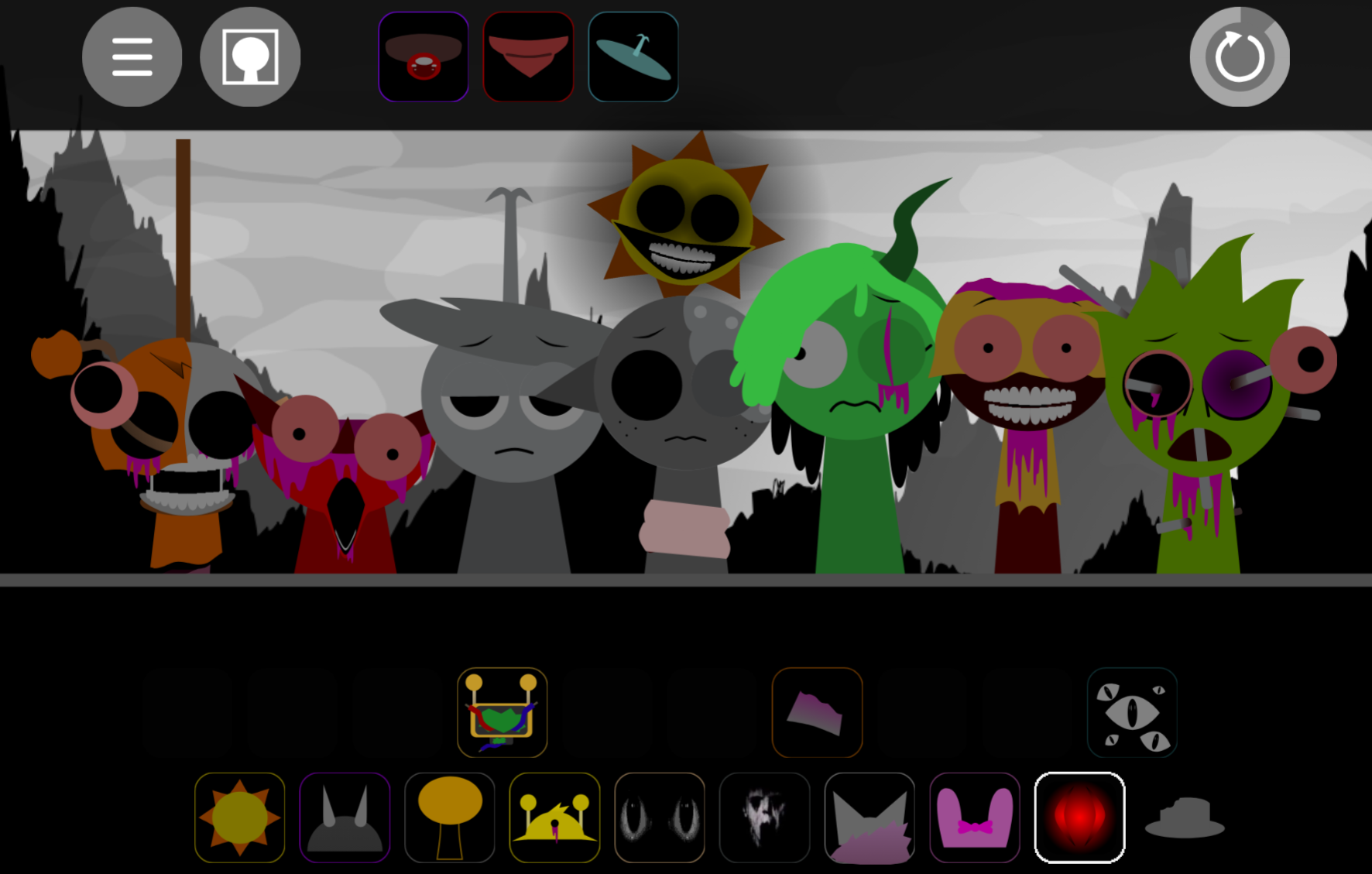
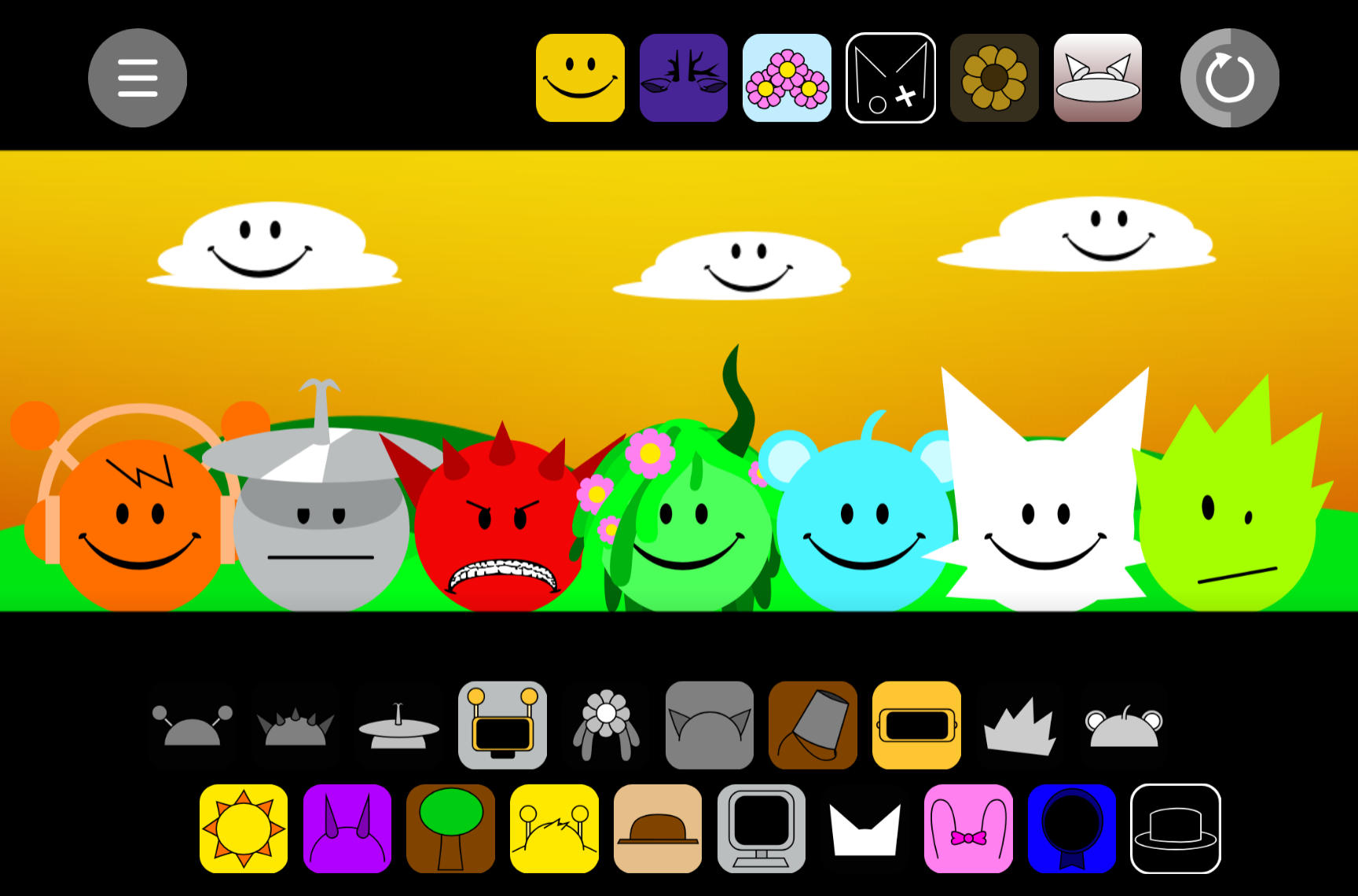
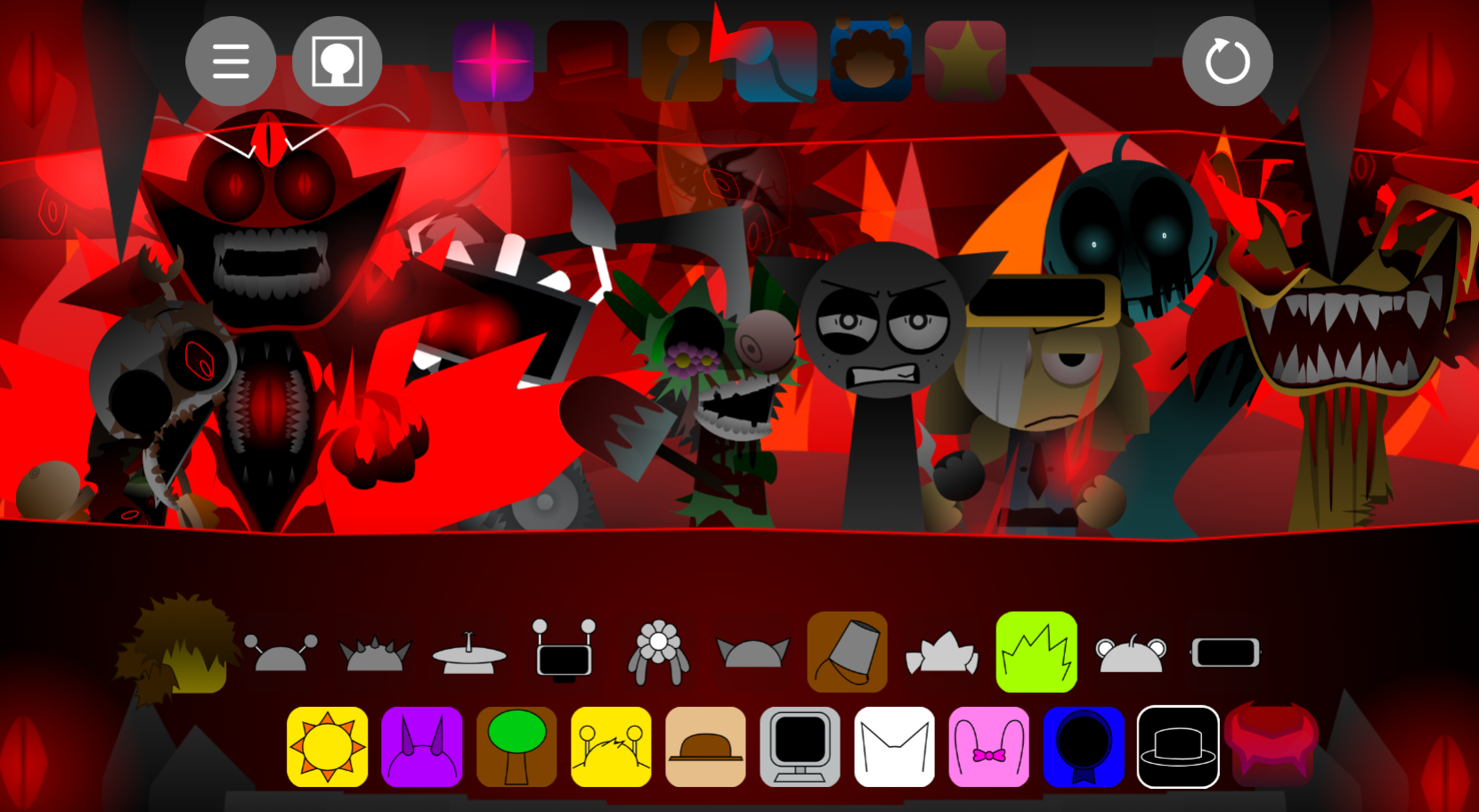
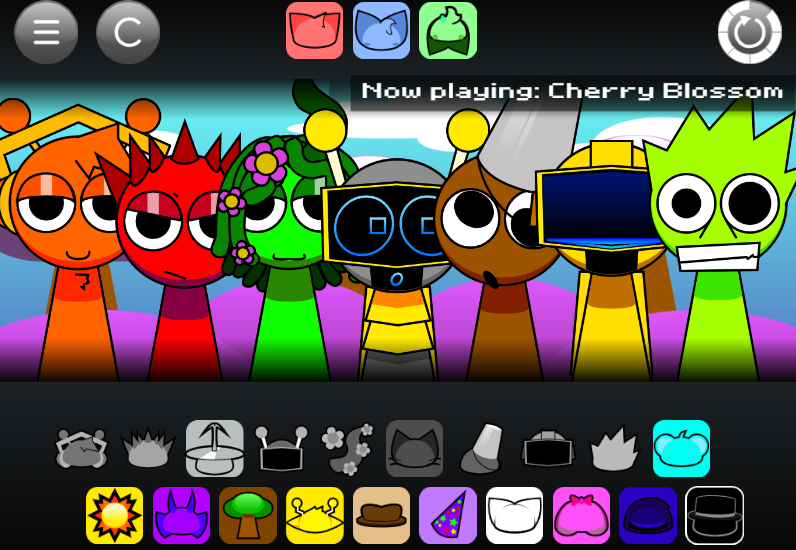
Sprunki Sprunter is built around a fixed six-phase collapse: Day, Night, Midnight, Nightmare, Purgatory, and Desolate Hope. Each step shifts both the audio palette and the backdrop, so the apocalypse reads as sound and setting at the same time. This is not just cosmetic dressing on top of a standard Sprunki board. The phase sequence is the mod’s core identity.
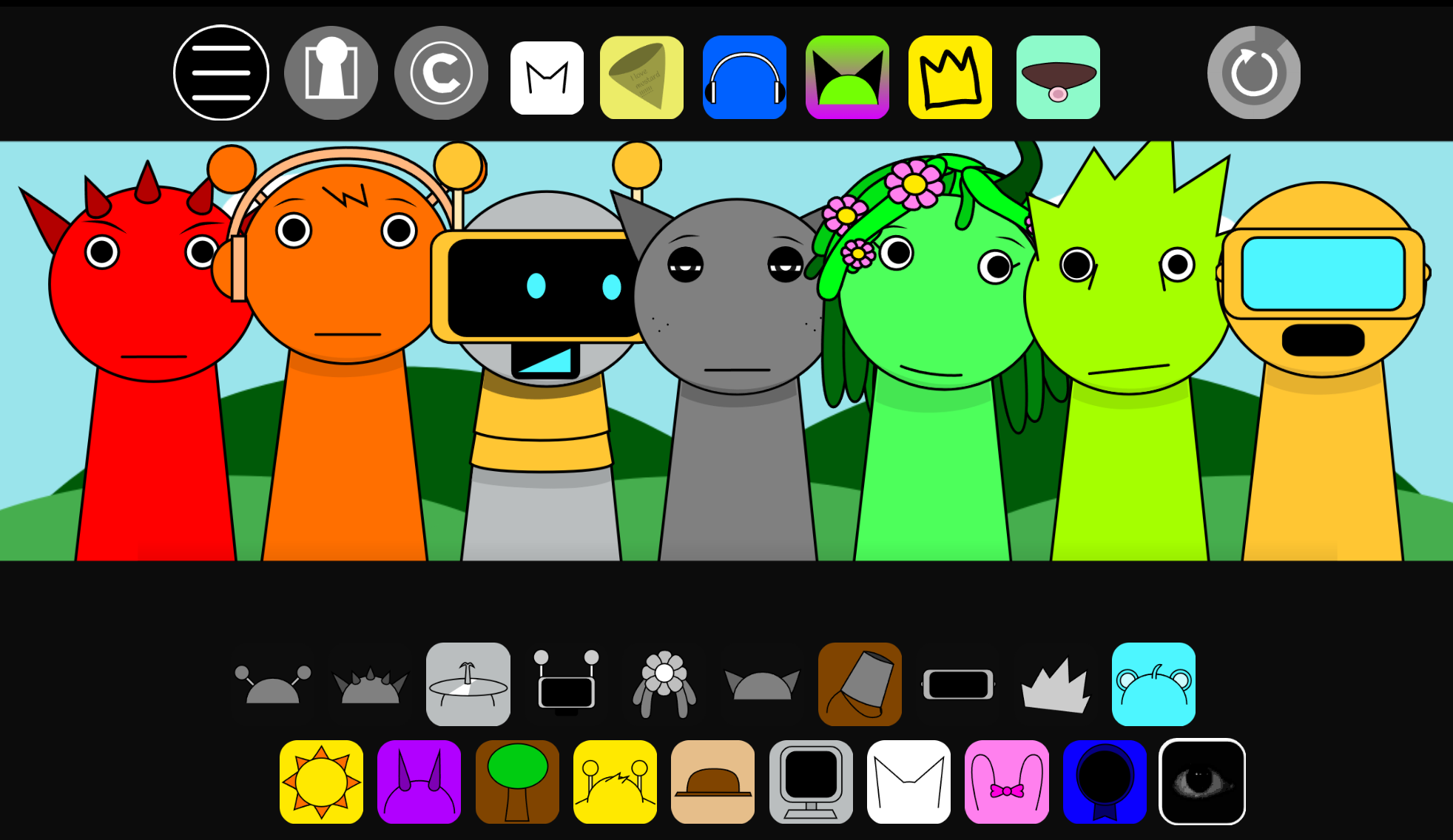
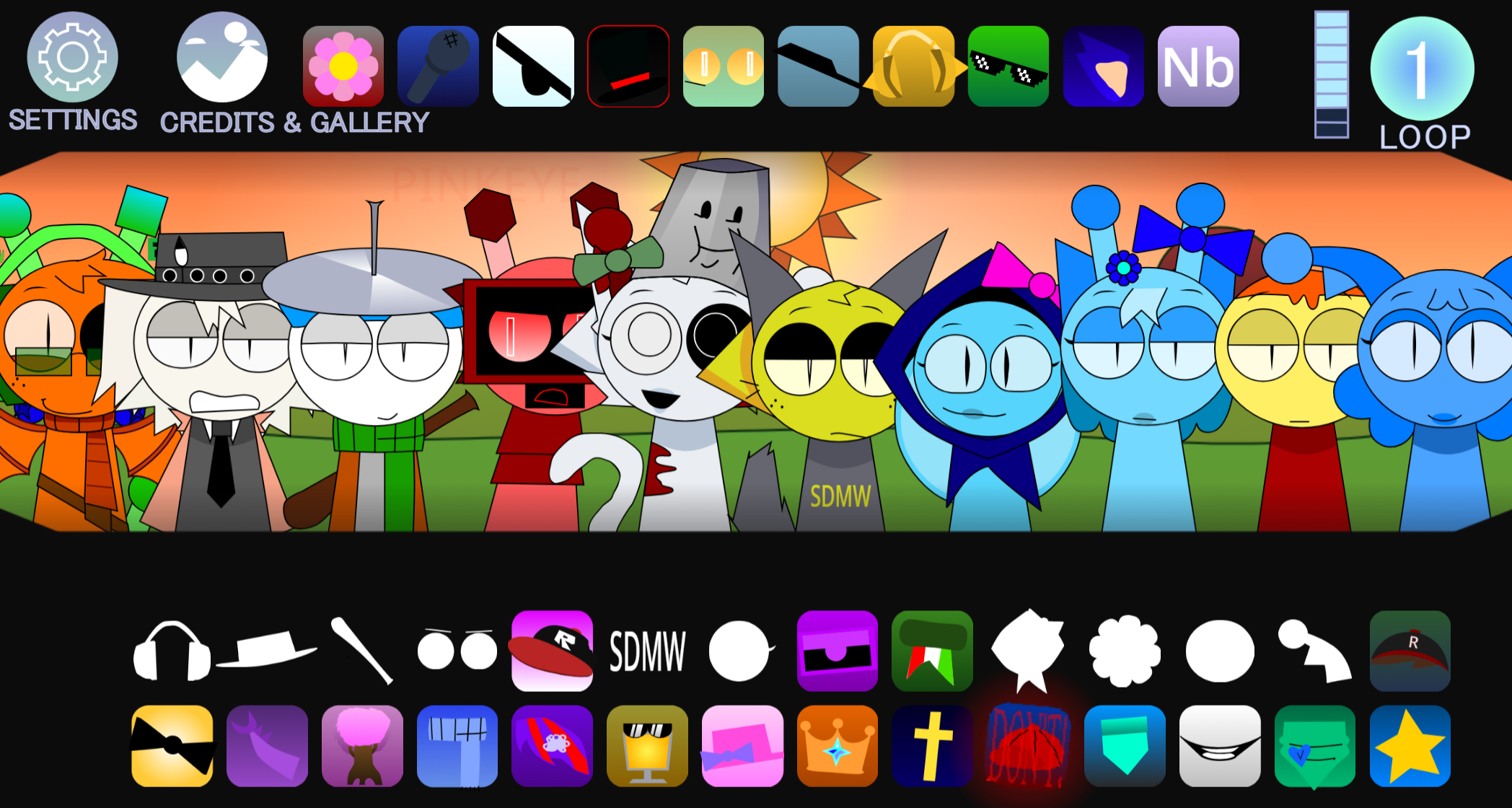
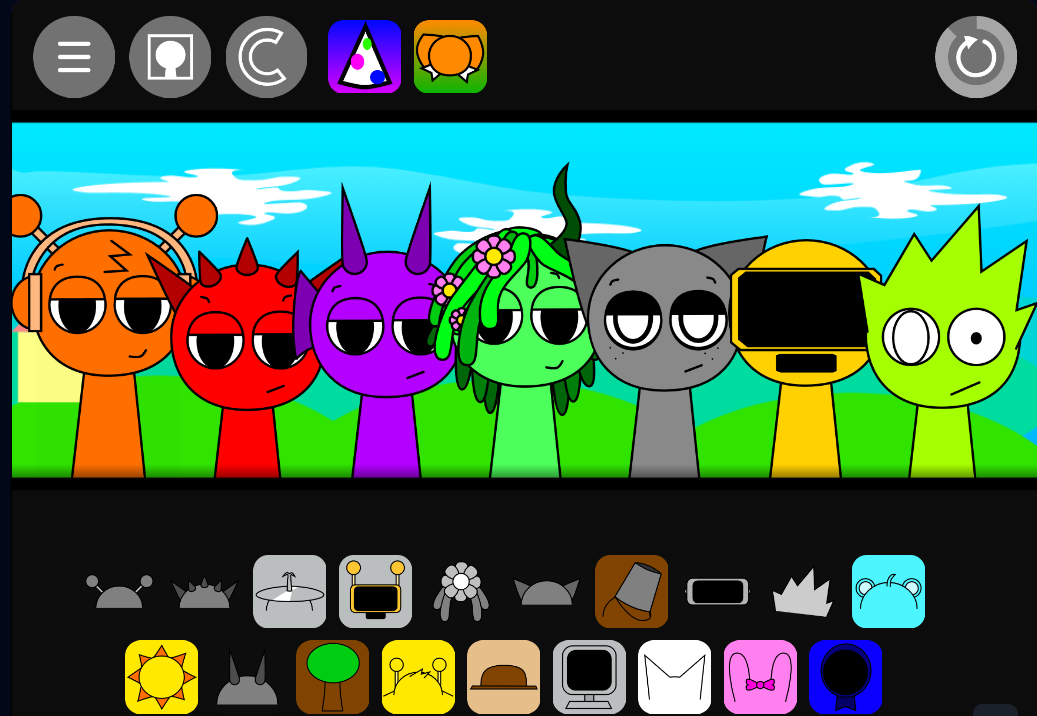
The roster is built from Koplopbop’s OC lineup: Pine, Gaddy, Silent Titian, David, Eepy, Koplopbop, and RedOmega. Silent Titian’s name references Geometry Dash’s Silent difficulty tier, which signals the niche crossover energy the mod leans into. None of the usual Sprunki cast is the focus here. Each character functions as a sound layer inside the collapsing framework, so building tracks feels tied to the current phase rather than to a generic mix board.
V1.0 was released by @simonphase1. Public information suggests later phases unlock as you build mixes, though exact trigger conditions are not documented. That uncertainty is worth noting because the main draw is the six-phase narrative flow itself, not a heavily explained progression system.
How to Play Sprunki - Sprunter
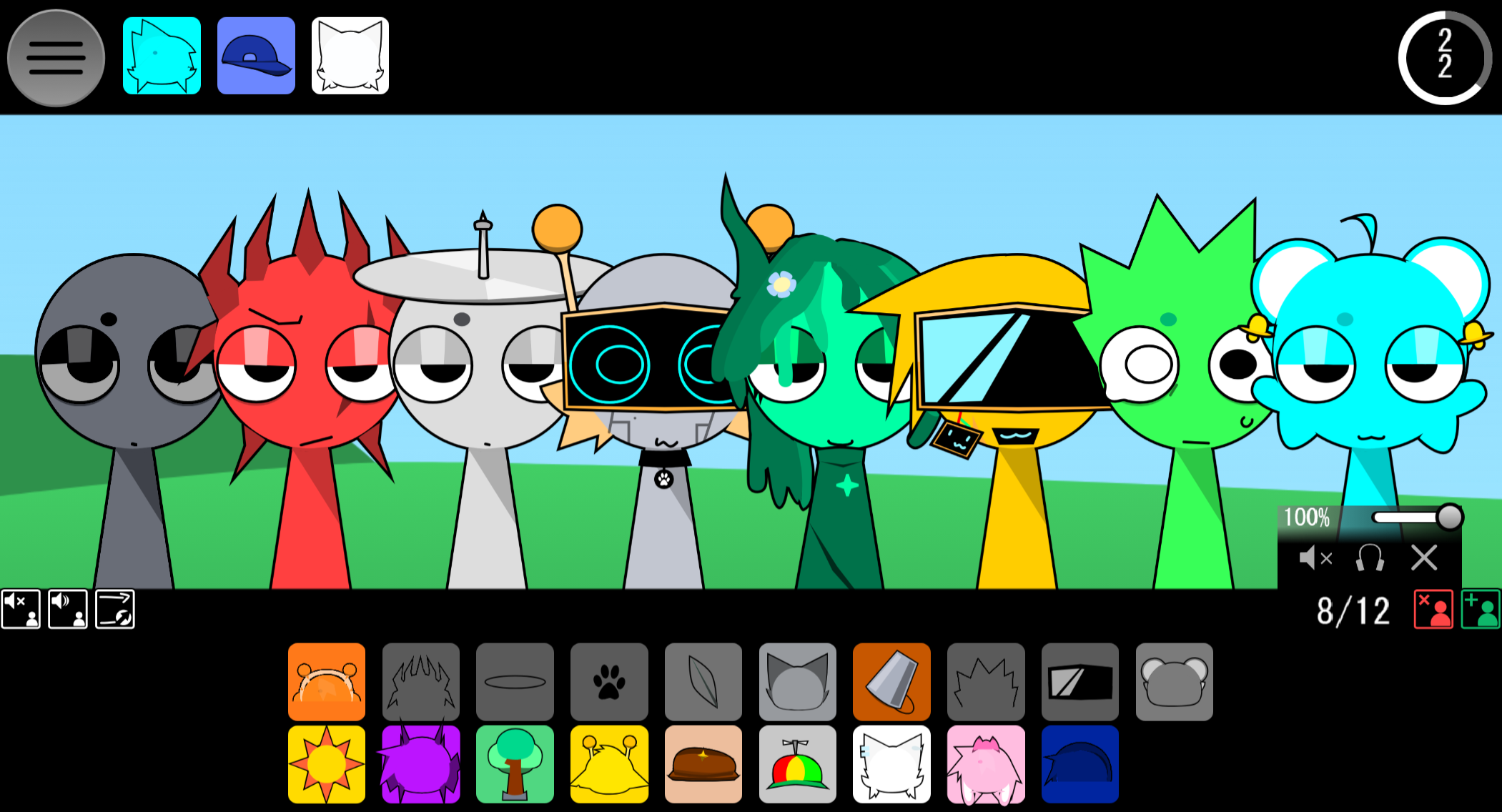
The core loop is drag-and-drop: place a character into an active slot, hear its loop, stack more layers, and adjust until the mix feels intentional. The interface is easy to read, but spacing and density matter more as the apocalypse arc gets harsher.
- Place one character at a time. Hear each layer in isolation before stacking. It is easier to understand what a sound contributes when it is not competing with five others.
- Build gradually. Add sounds by function — rhythm support, bass, melody, or texture — rather than filling slots just to make the board look busy.
- Swap combinations freely. Some pairings lock together cleanly, while others tilt into controlled chaos that can suit the darker phases.
- Listen for balance. A low-end-heavy mix turns muddy fast. Too much upper-layer texture can make the board feel thin instead.
- Treat it as a sandbox with a mood target. There is no single correct result, but the strongest arrangements usually sound like they belong to the phase you are in.
Sprunki Sprunter plays in-browser at GoSprunki.com, so you can test the phase structure quickly without installing anything.
How to Navigate Koplopbop’s Apocalypse Phases
The safest way to read progression is as a straight escalation rather than a branching route. Public information points to a fixed move from Day to Desolate Hope, with later phases appearing as you keep building the mix. If you are waiting for hidden paths, alternate survival routes, or secret endings, there is no confirmed evidence for that in the current release.
That makes the backdrop more than simple atmosphere. The visual changes act as state indicators, helping you track how far into the apocalypse line you have moved. As the tone darkens, it becomes easier to judge whether your current arrangement still fits the phase or whether the mix needs less density, more tension, or a different balance of layers.
Features of Sprunki - Sprunter
What makes Sprunter work is not one flashy mechanic but the way several readable systems reinforce each other. Characters still behave like sound sources in the usual Sprunki sense — beat, melody, effect, or texture — yet the six-phase structure gives those parts a stronger sense of context. You are not just stacking loops. You are shaping a track inside a staged collapse.
The mod also stays approachable. The interface is understandable right away, but small decisions matter. Better spacing, cleaner swaps, and smarter restraint all become more important as the later phases get harsher. That gives the mod a useful balance: low barrier to entry, but enough depth to reward closer listening.
Smart Mixing Strategies for Each Phase
Effective mixing in Sprunki Sprunter is less about adding more sounds and more about adjusting method as the apocalypse deepens. A practical three-pass approach works well across the whole arc: start with rhythm, add bass or supportive body, then stress-test the arrangement by changing one slot at a time and listening for what actually improves the board.
Day is the best place to learn the roster because the arrangement can stay relatively stable and readable. Night and Midnight are better for tightening structure and introducing darker textures without filling every slot too early. By the time you reach Nightmare and Purgatory, weak foundations blur quickly, so cleaner rhythm choices matter more. In Desolate Hope, intention usually works better than volume; a sparse, bleak arrangement often reads more clearly than a fully loaded board.
Character animation and backdrop shifts can help as much as your ears. If the board starts to feel overloaded, those visual cues often confirm the same problem the audio is suggesting. It also helps to decide on a target mood before you build — tense, bleak, unstable, or restrained — so you are shaping a direction instead of reacting randomly to every new sound.
Why Play Sprunki - Sprunter?
The appeal is a music-making loop that is easy to enter and still rewards sharper decisions over time. You drag characters into place, hear how each loop changes the whole, and adjust from there. That makes the system approachable for newcomers, because experimentation starts immediately without heavy explanation.
More experienced players still get depth from the same structure, since small changes in timing, density, and spacing reshape the result. The strongest reason to use this mod is that it ties those decisions to Koplopbop’s six-phase apocalypse arc, so the track is not only something you build. It is also something you steer through a clear tonal progression.
Related Games
- Sprunki Night Time Phase 3 — Its phase-based nighttime progression makes it the closest follow-up if you want another Sprunki mix that pushes the mood from normal rhythm into darker, more horror-leaning audio and visuals.
- Sprunki New Night — This is a strong next click for players who liked how Sprunter uses night-themed atmosphere shifts, because it focuses on building mixes inside a gloomier presentation rather than a bright default Sprunki style.
- Sprunki Night Time Mod — If the best part of Sprunter for you was layering character loops against an ominous apocalypse vibe, this mod offers a similarly dark remix experience centered on nocturnal tension.
Is Sprunki - Sprunter Getting More Phases?
The fanon community around Koplopbop’s phases is active. The broader Sprunki Phases Wiki documents entries like Definitive Phase 7, Definitive Phase 8, and Phase 11 as part of the wider ecosystem, though Sprunter’s current scope covers the Day-to-Desolate Hope arc. Future updates or related mods may expand the OC roster or add phase variants, but nothing beyond V1.0 is confirmed here.

Discuss Sprunki