
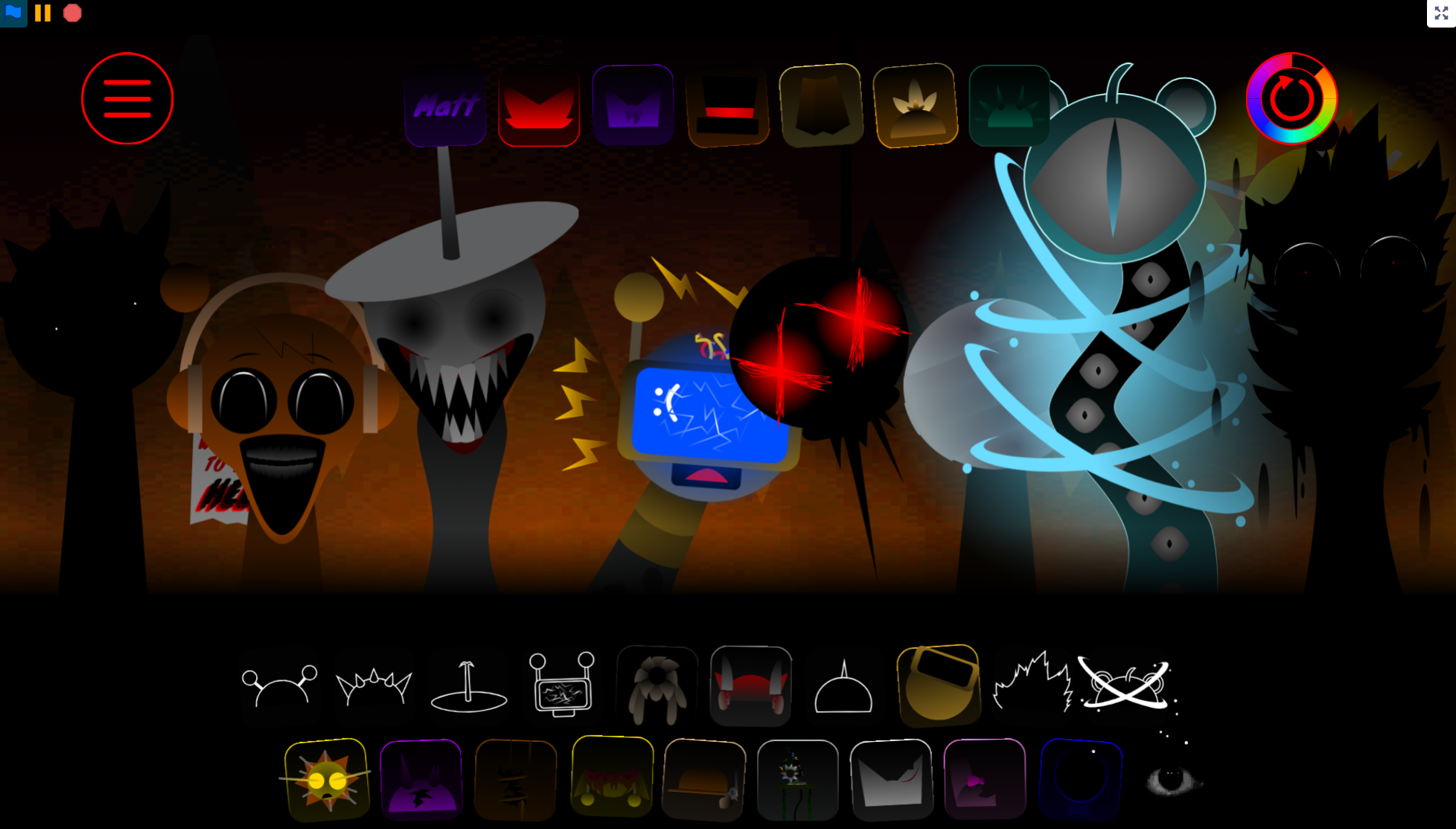

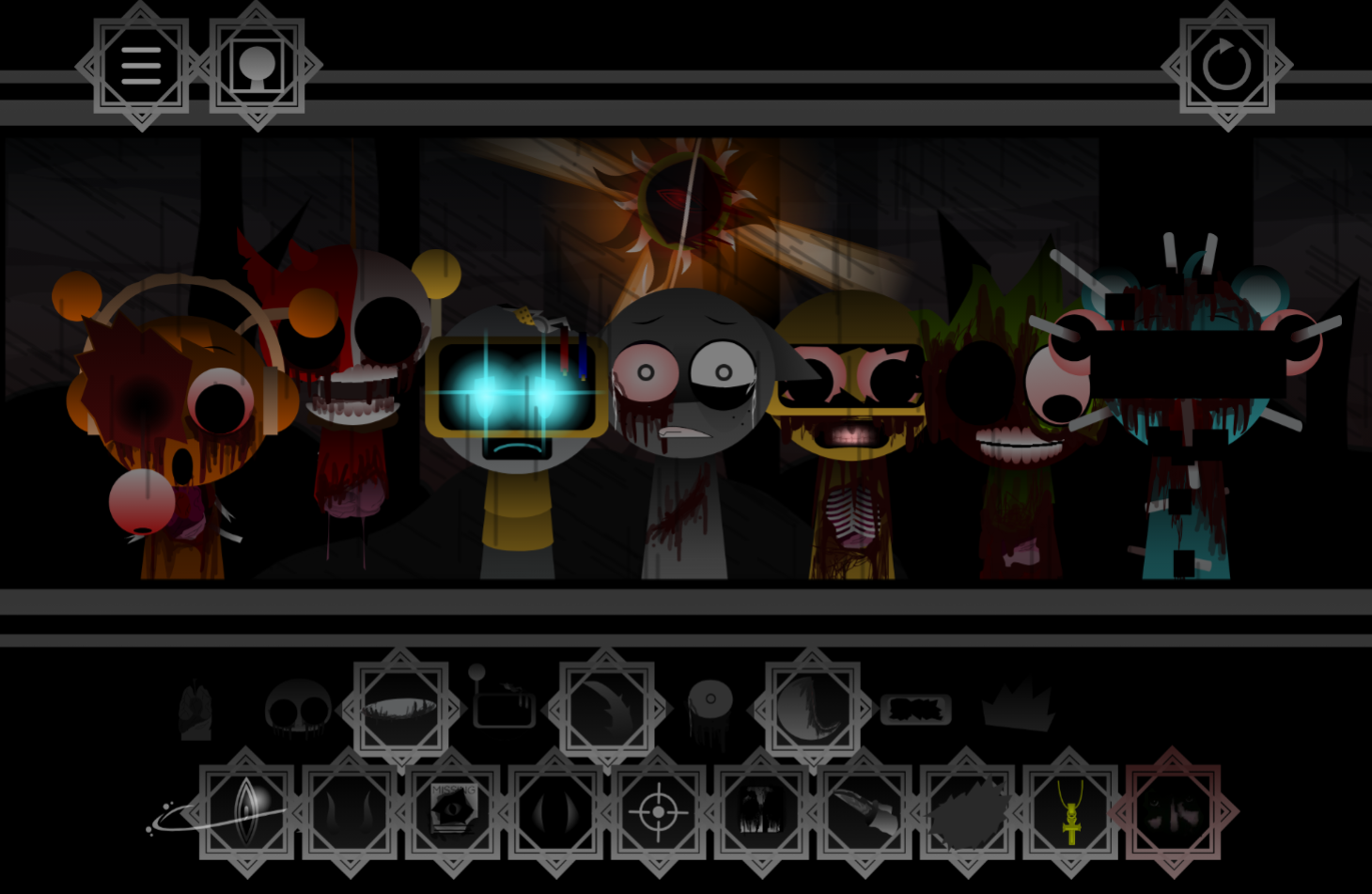
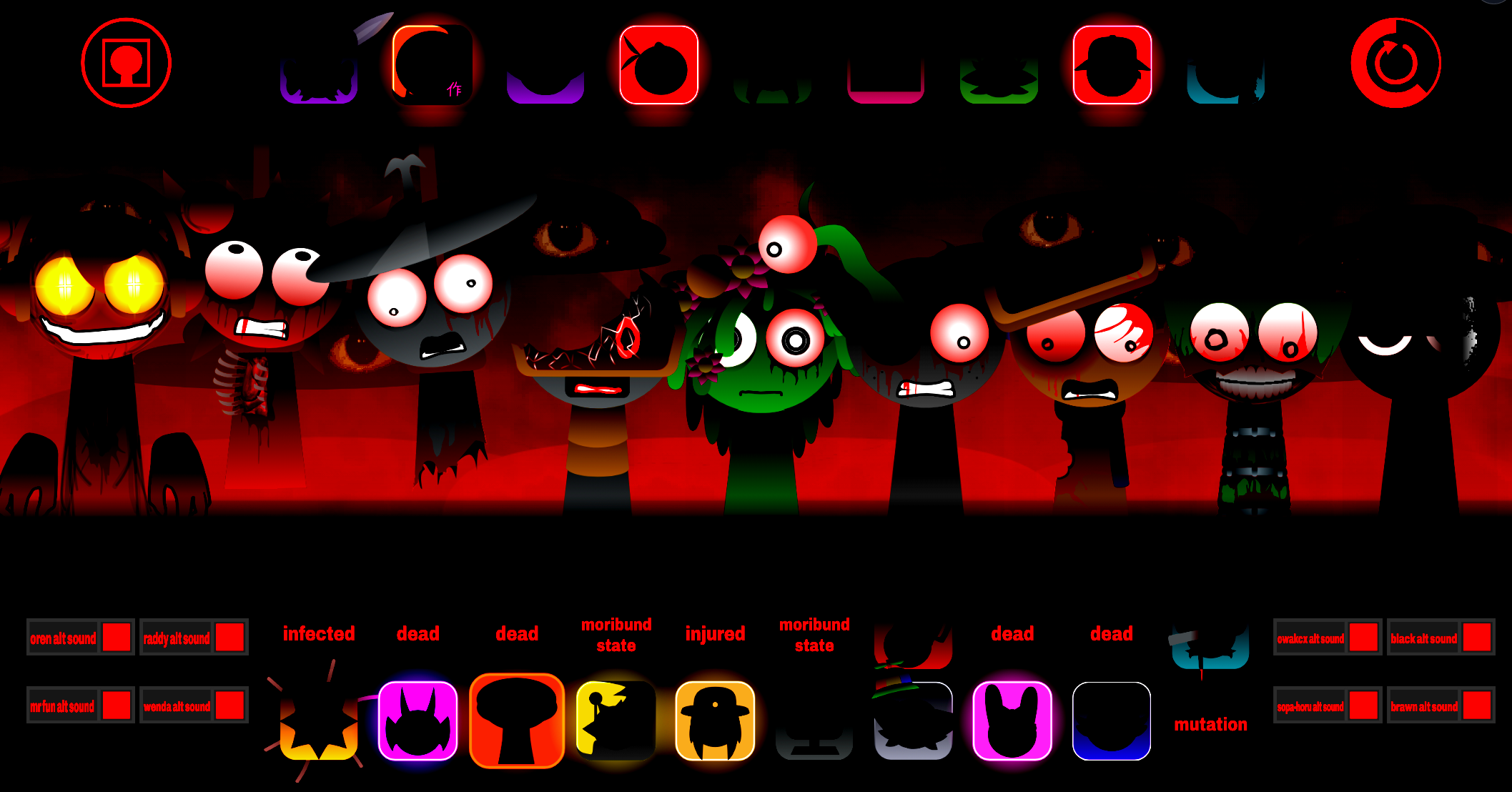
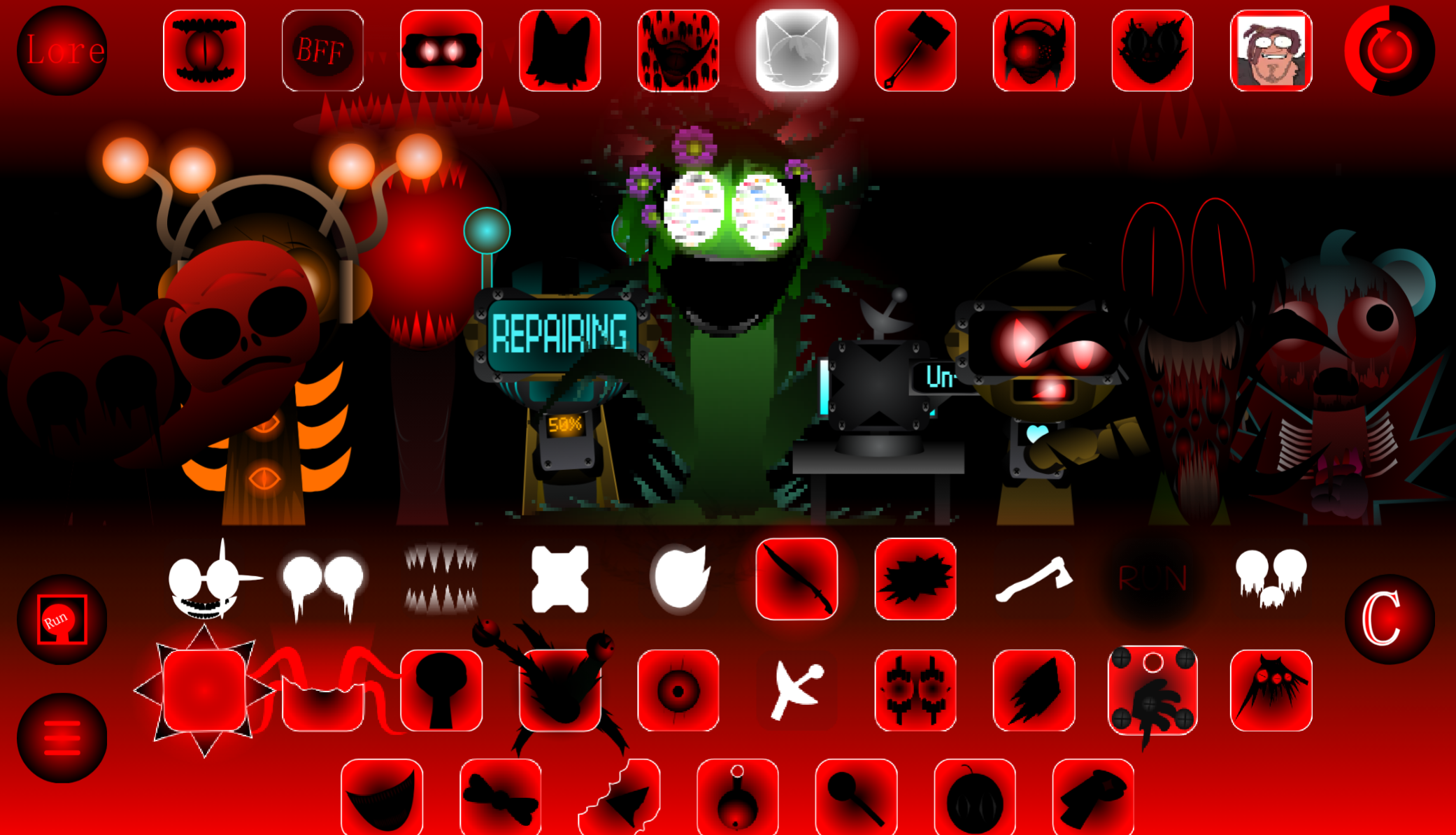
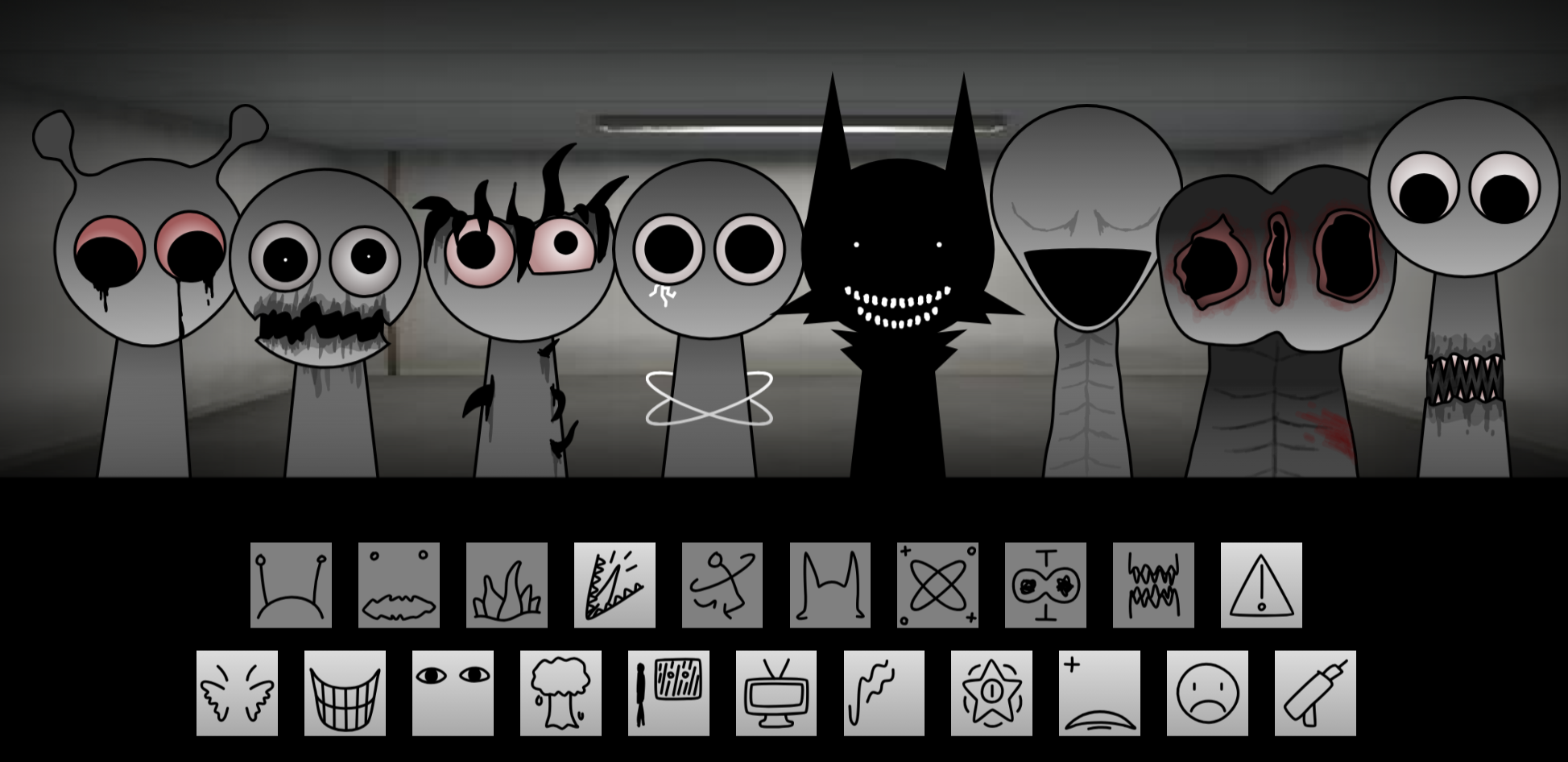
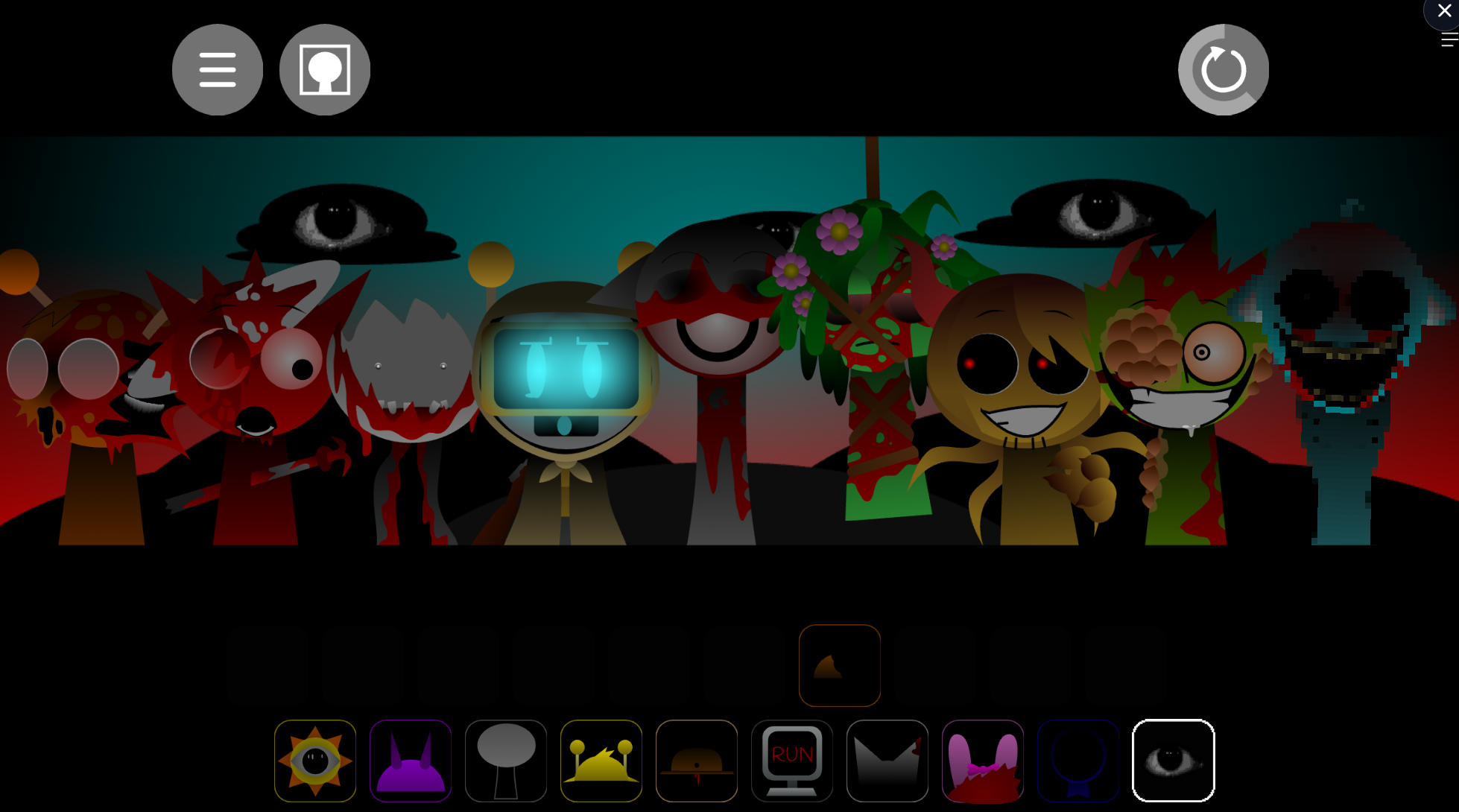
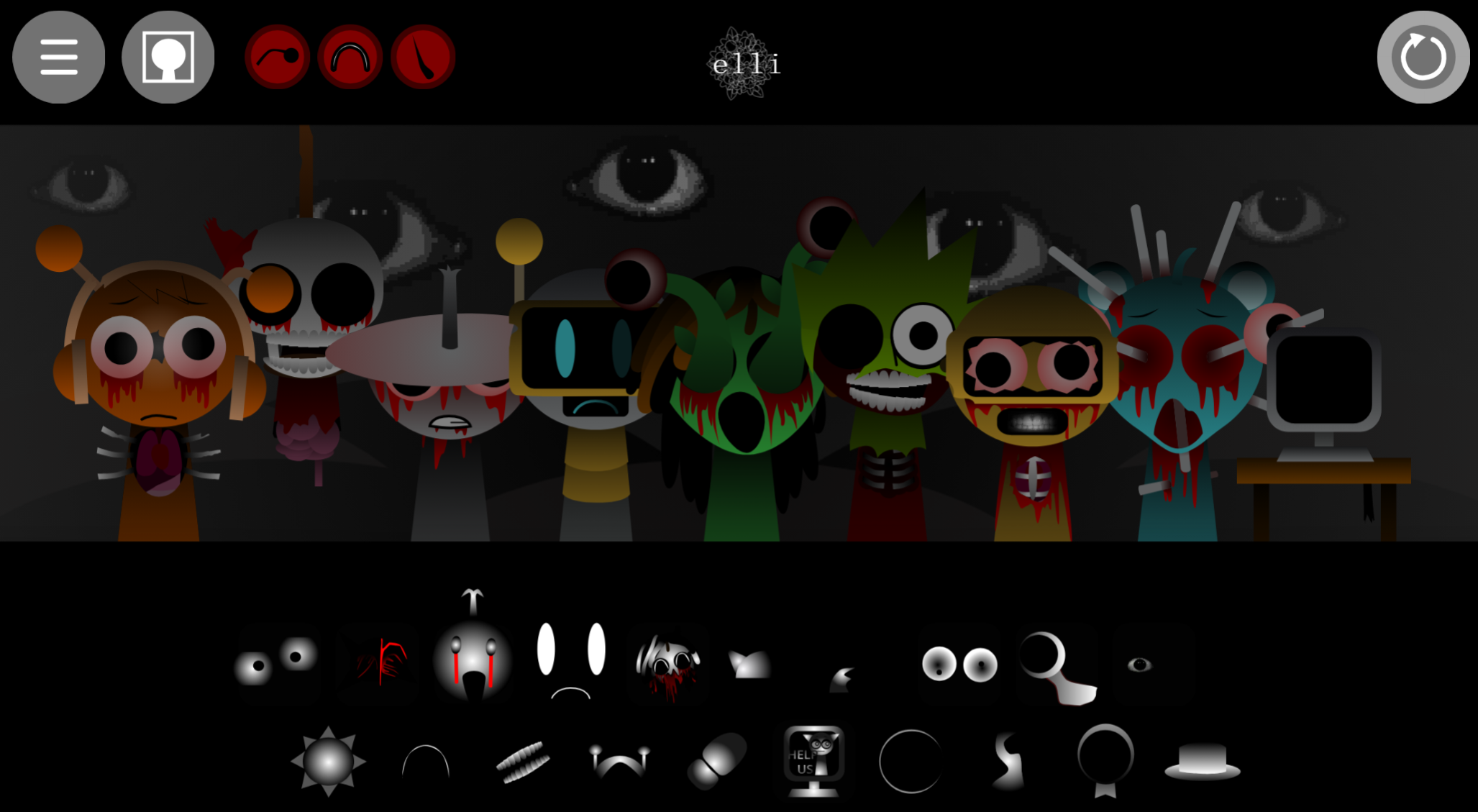
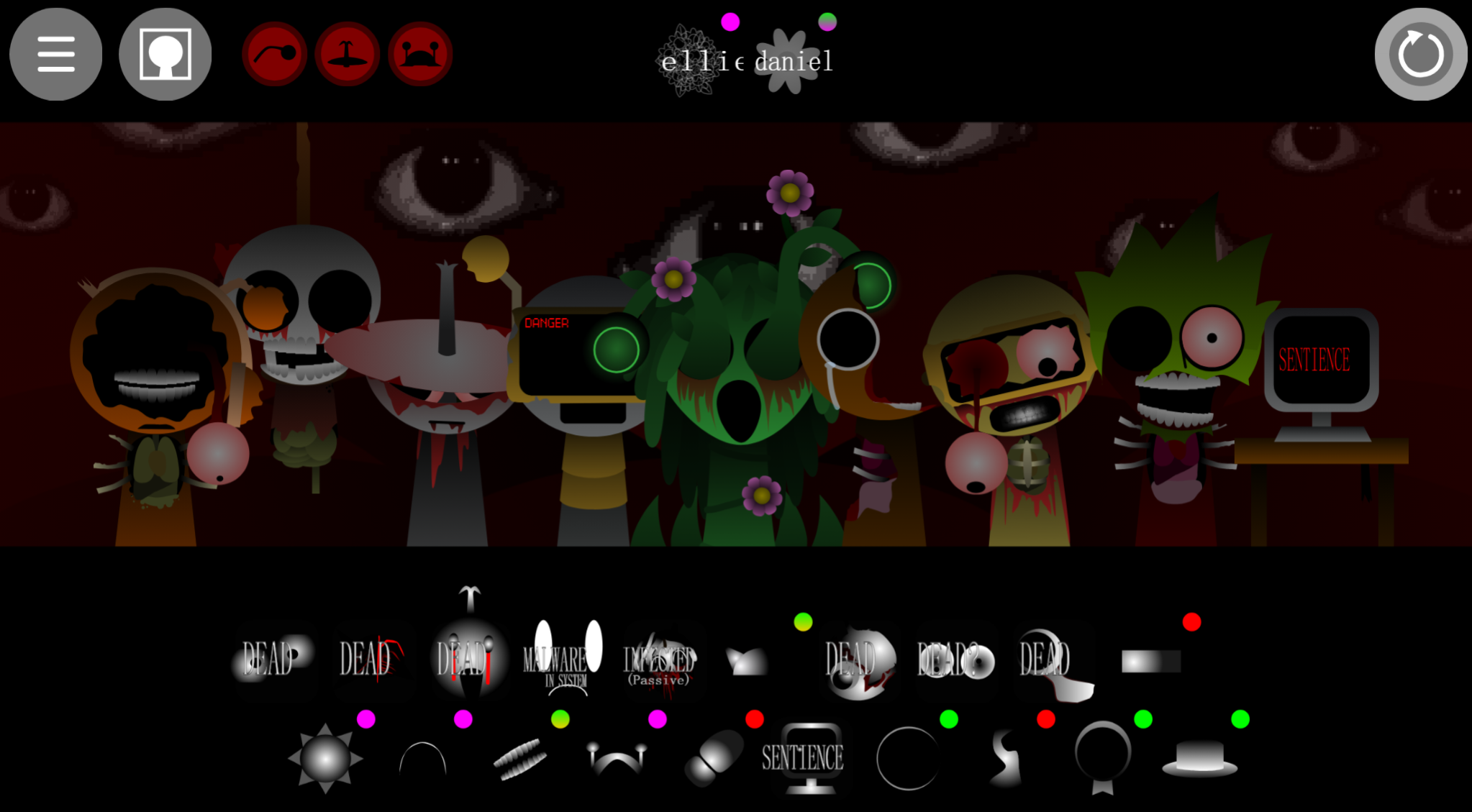
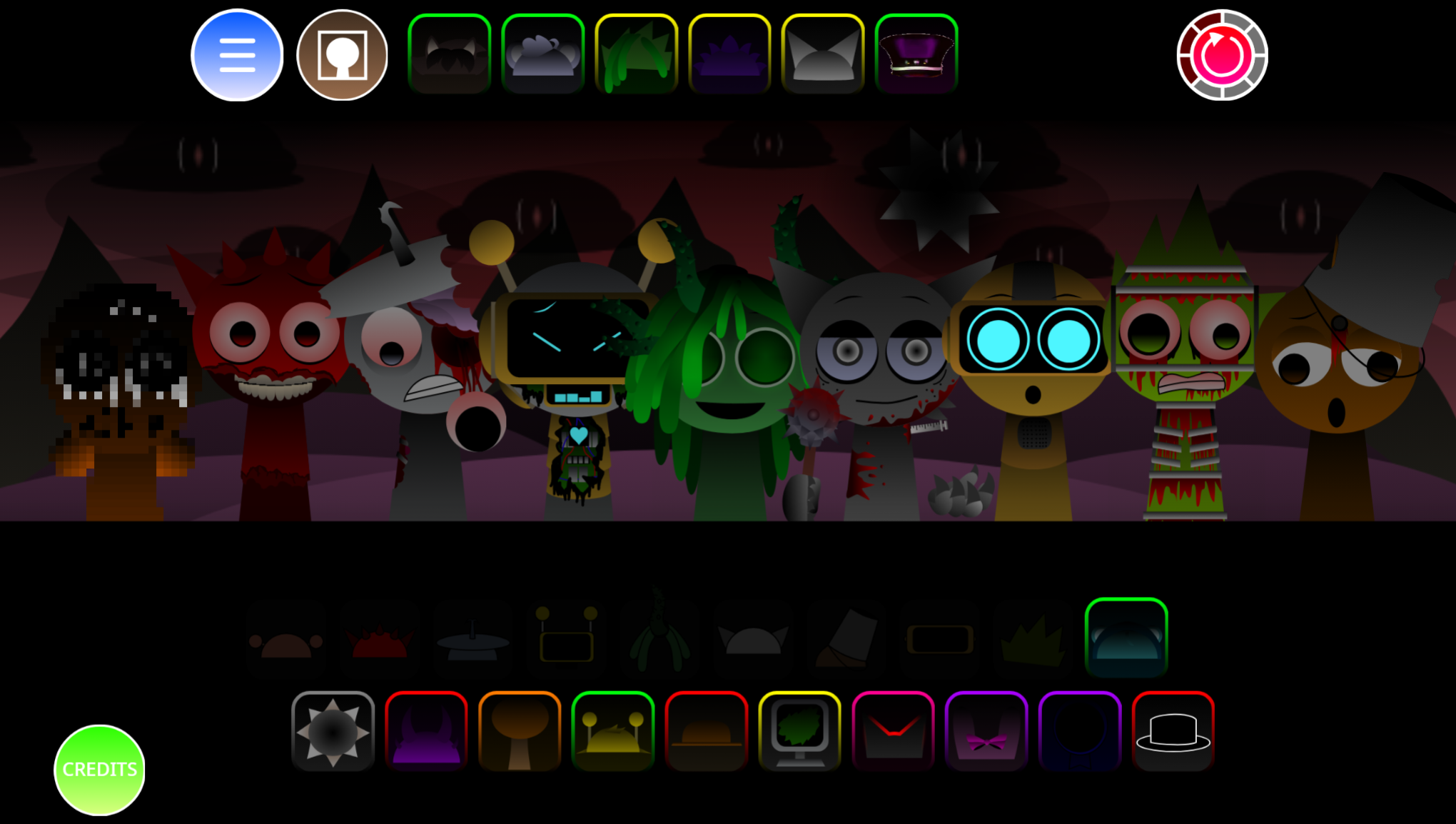
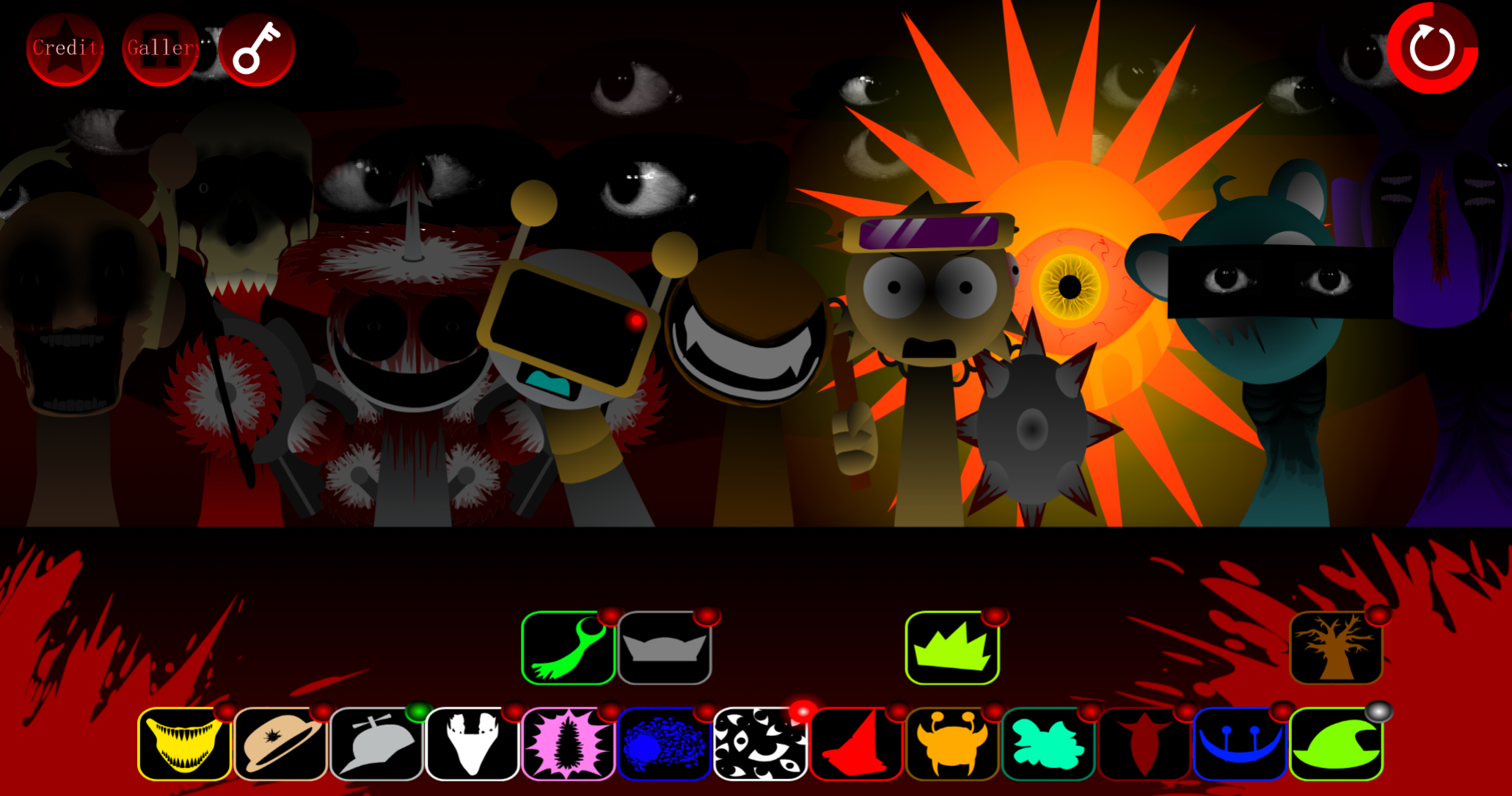
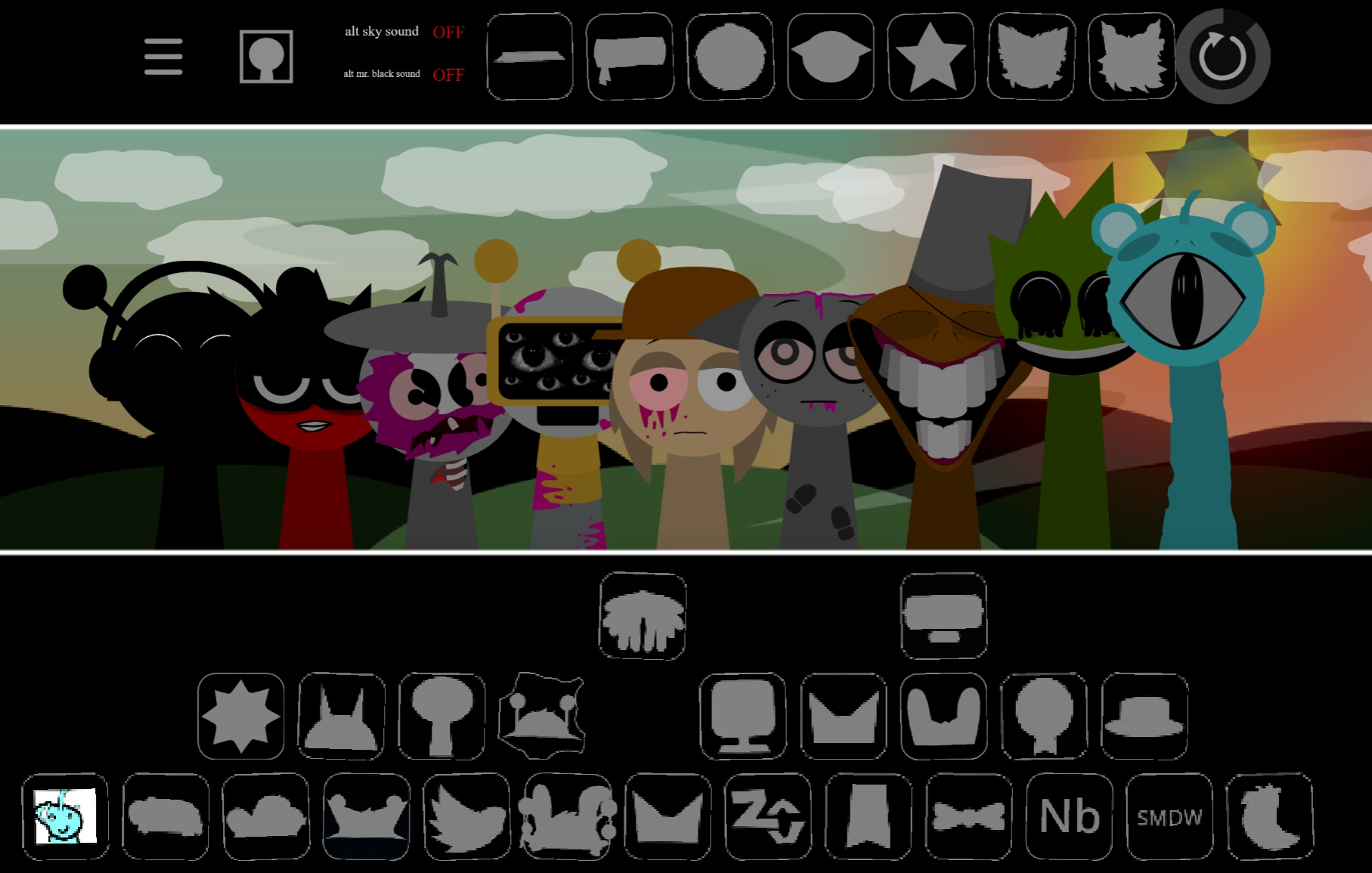
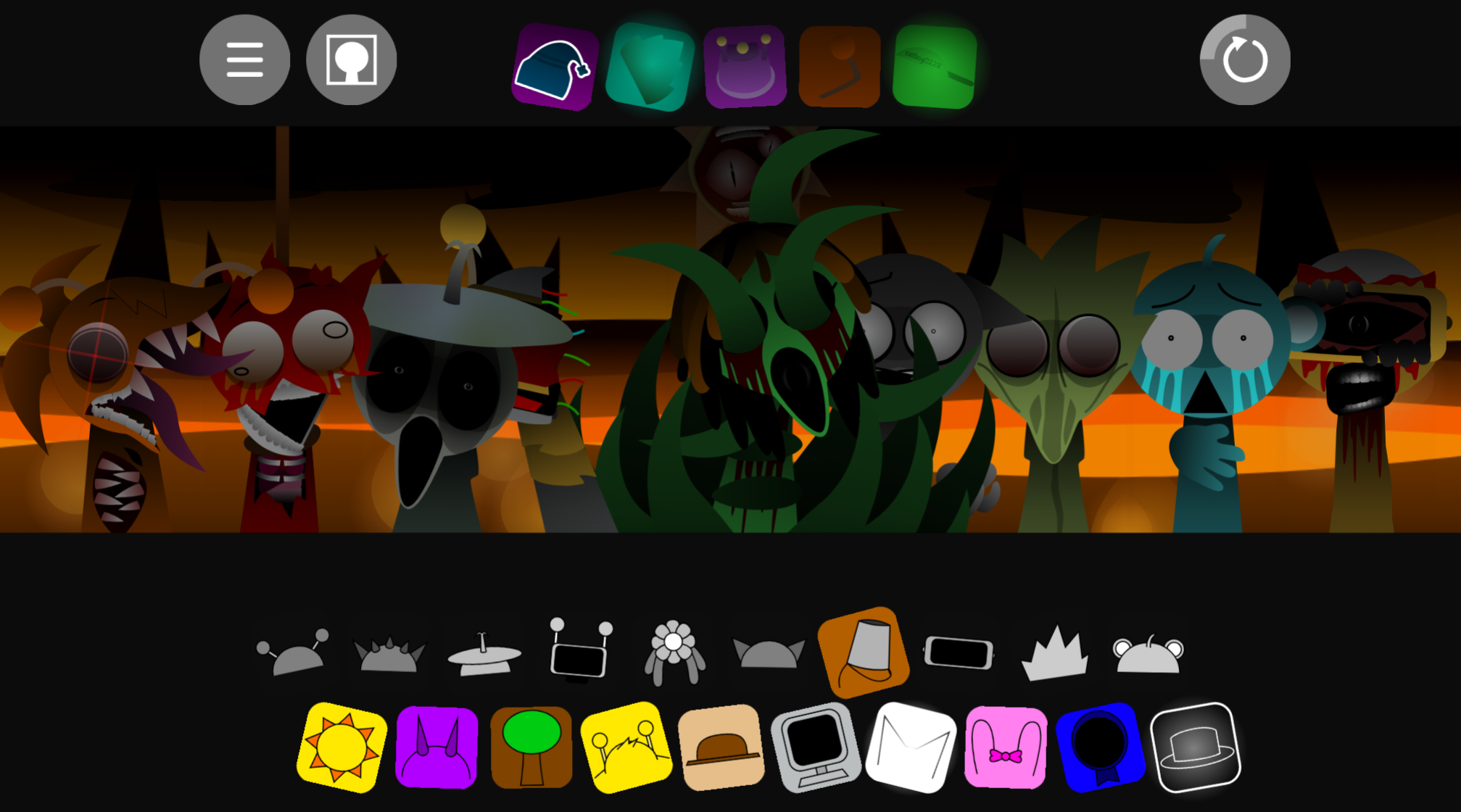
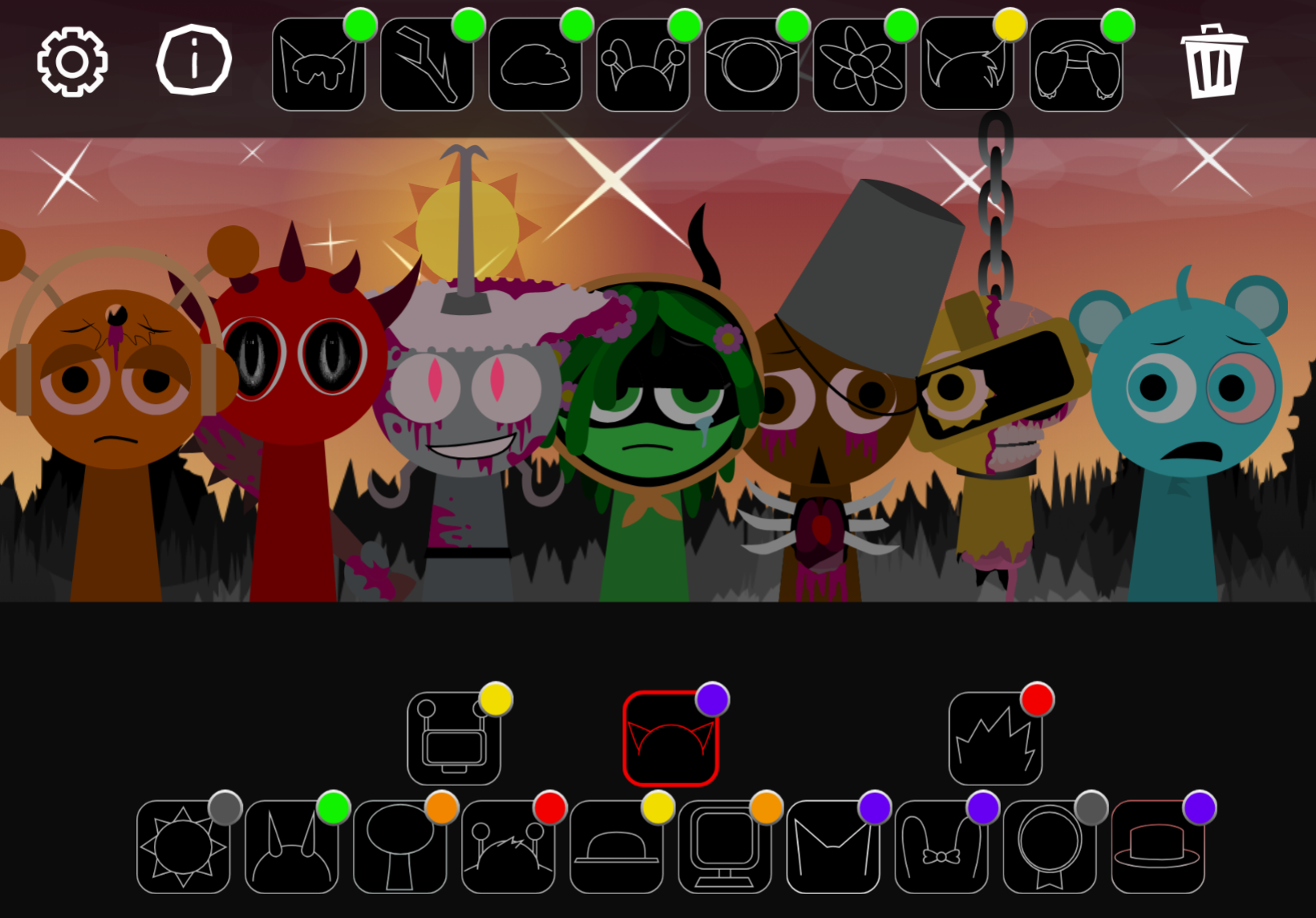
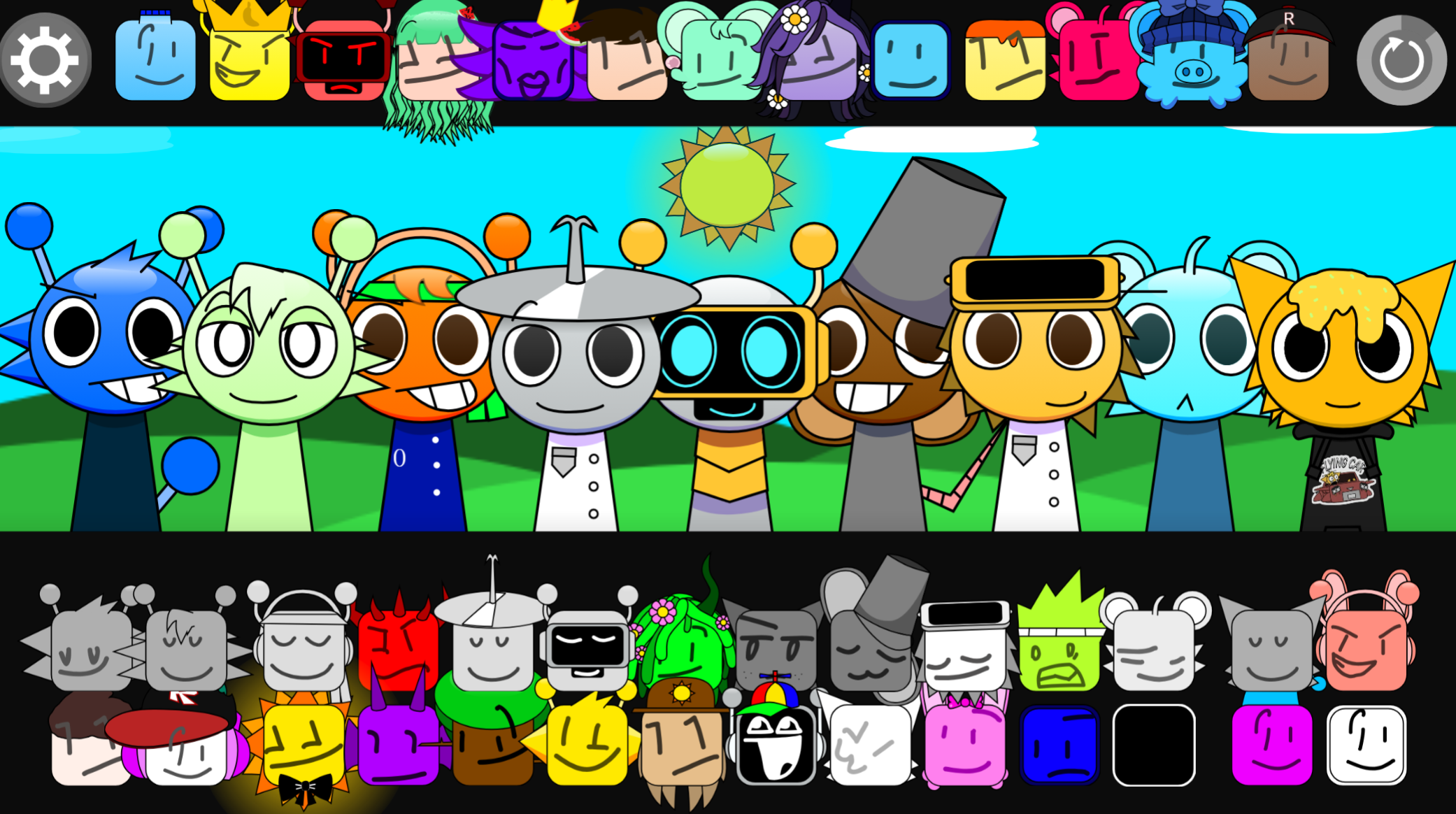
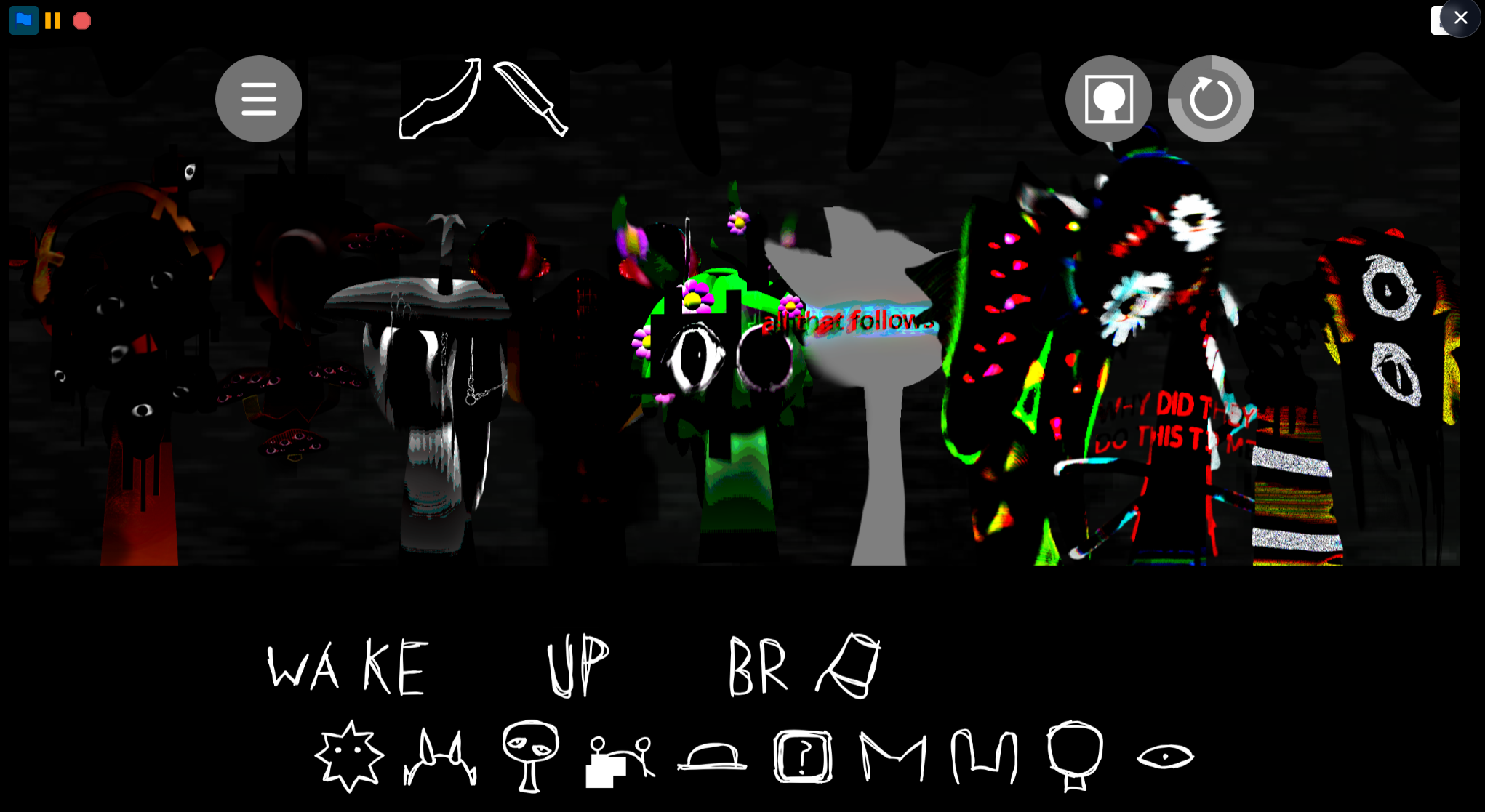
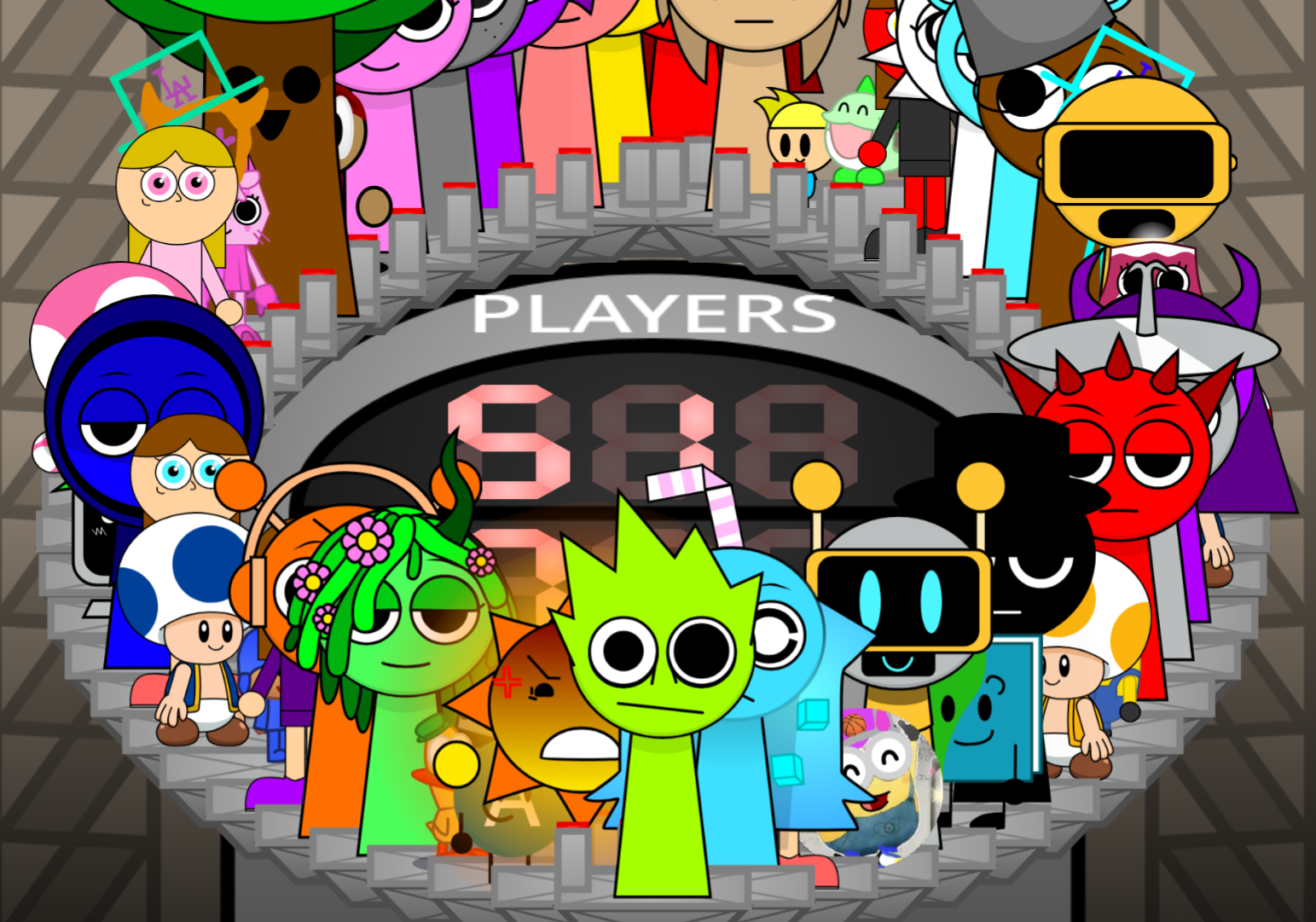
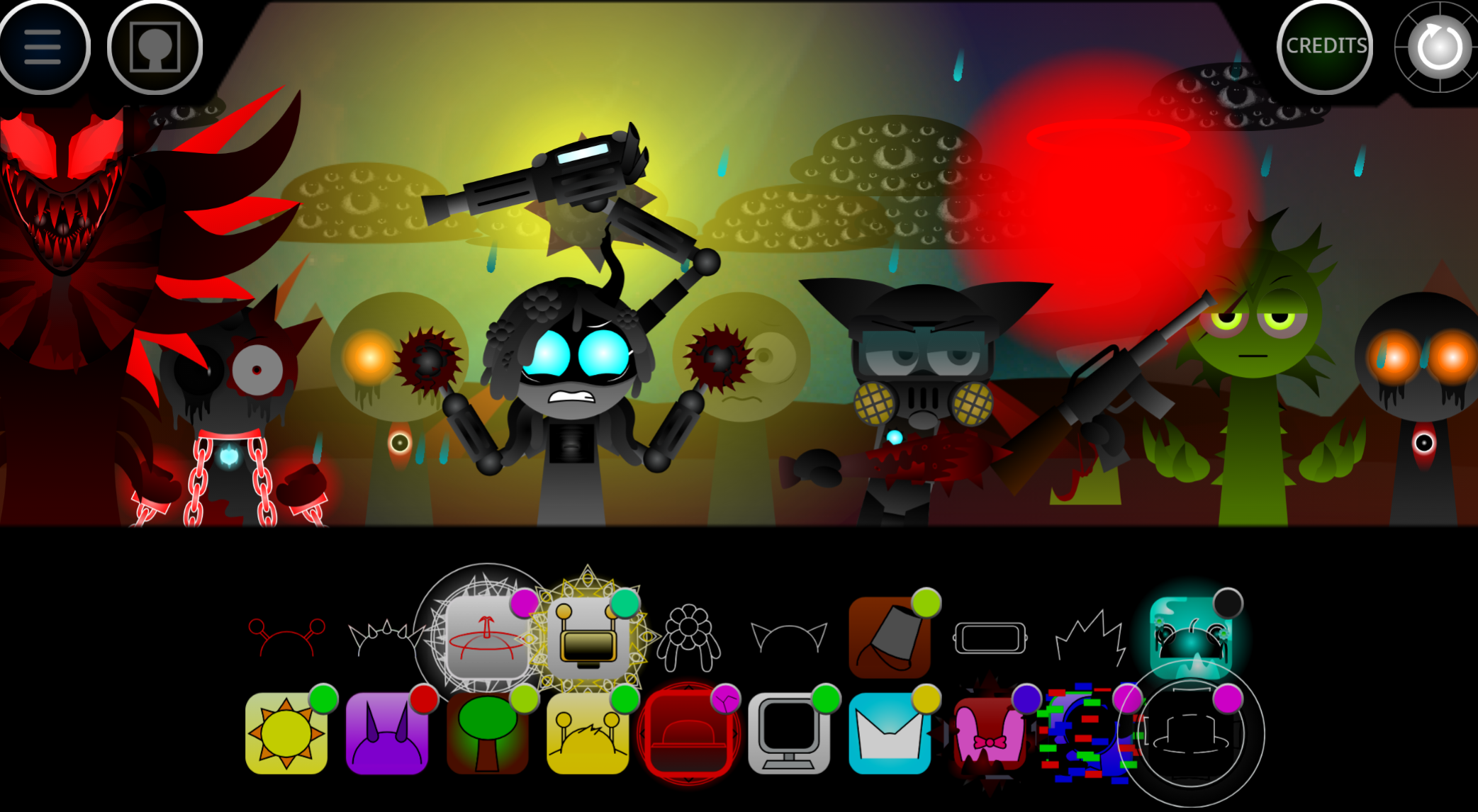
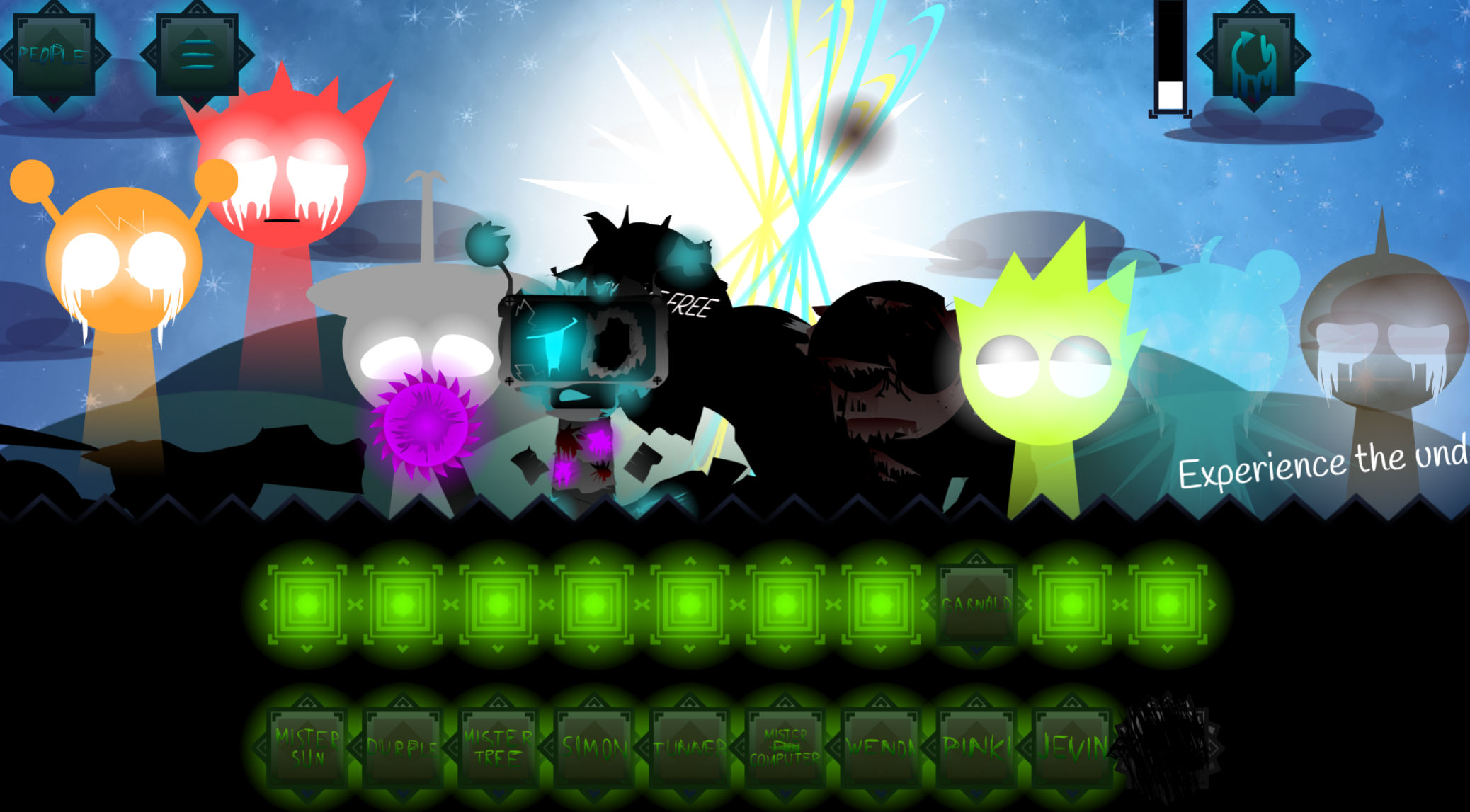
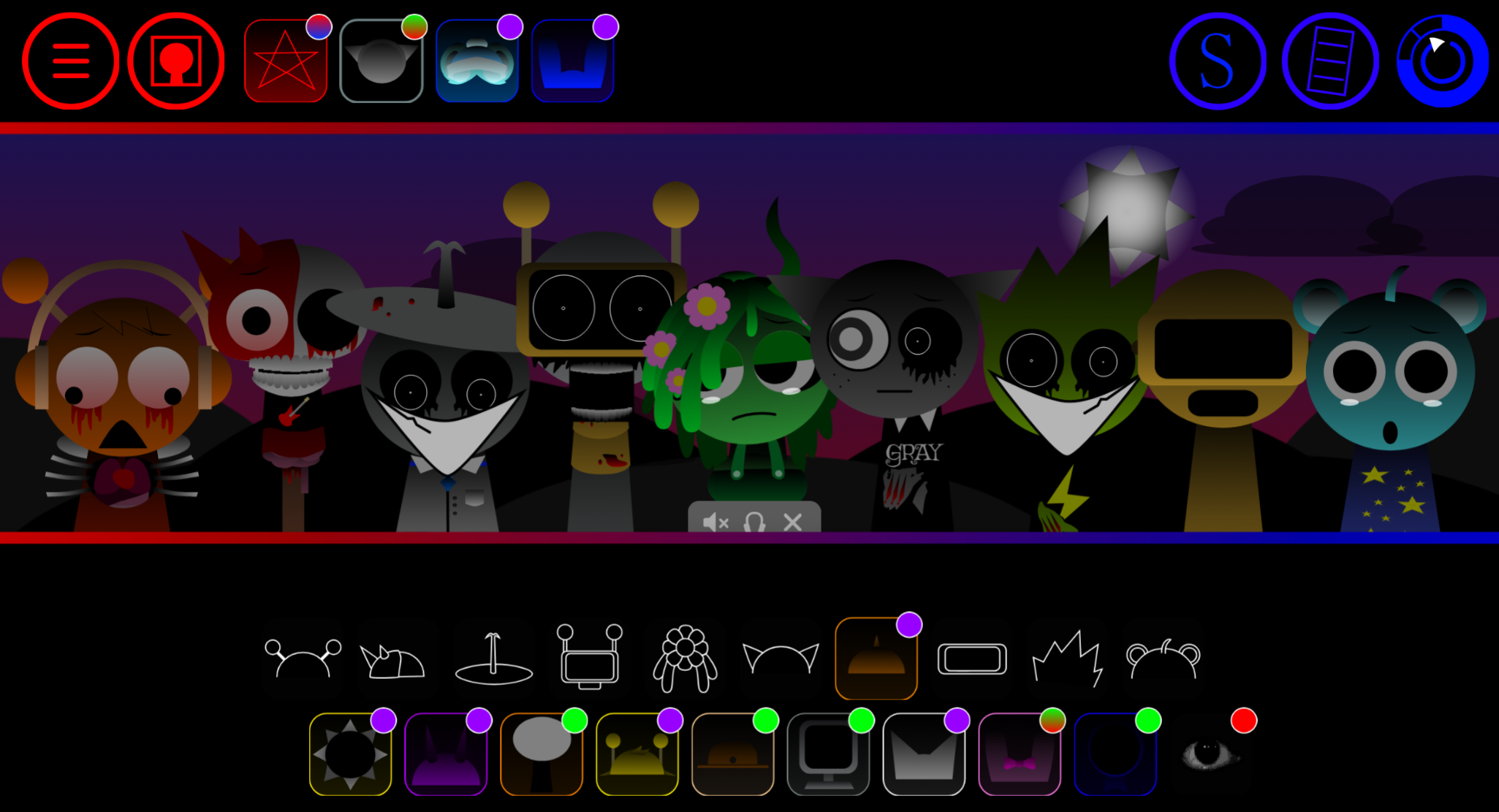
Sprunki Ultra Swapped Phase 3 works best for players who already know standard Phase 3 and want the board to feel unfamiliar again. It is a weaker starting point for total newcomers, because much of the mod’s appeal comes from noticing how familiar roles have been reassigned.
That is because the ruined Sprunki Town setup is mostly still intact. Gray, Wenda, the aftermath in town, and the path toward Black are still the frame. What changes is the icon-to-sound logic. Characters you normally read one way can now fill very different jobs, which turns a memory-driven board into a listening-driven one.
This article explains what actually changes, why returning players feel the swap fastest, how to approach the board on a first session, and who gets the most out of the V1.1 build.
What the Swap Actually Changes
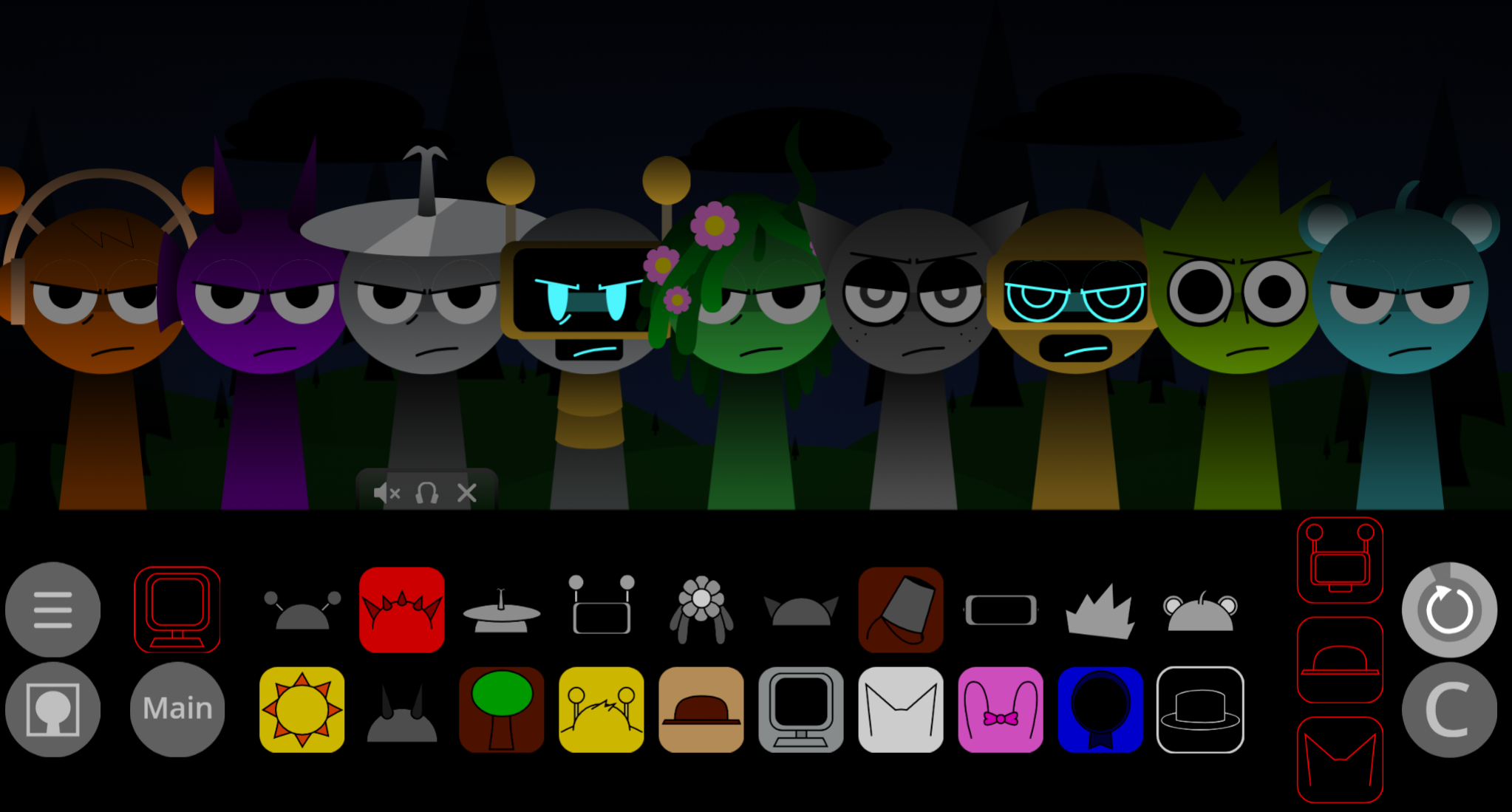
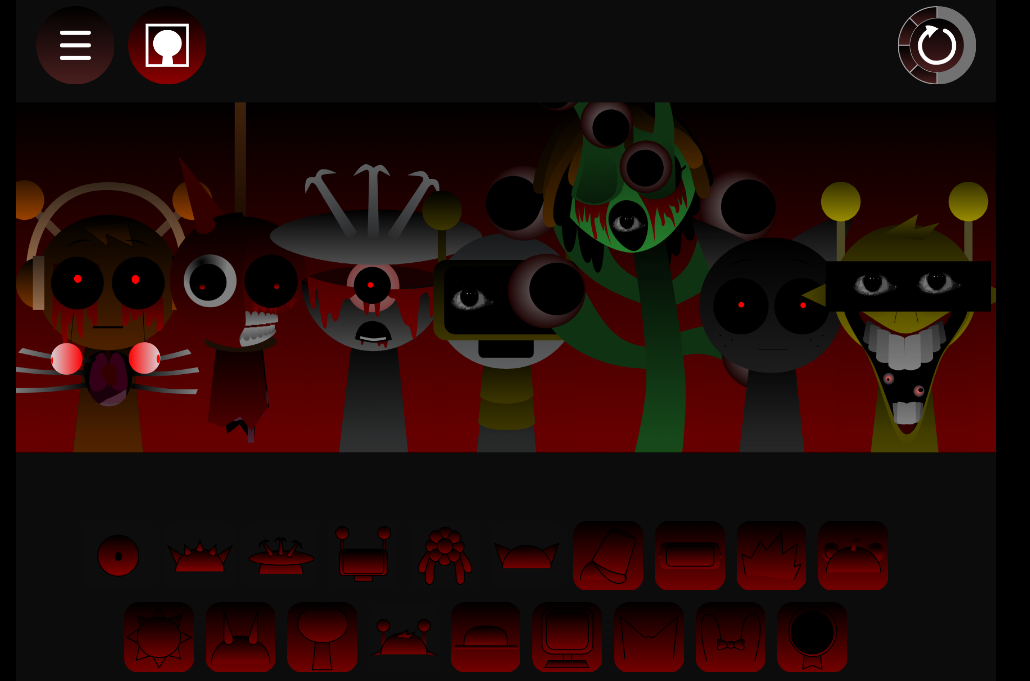
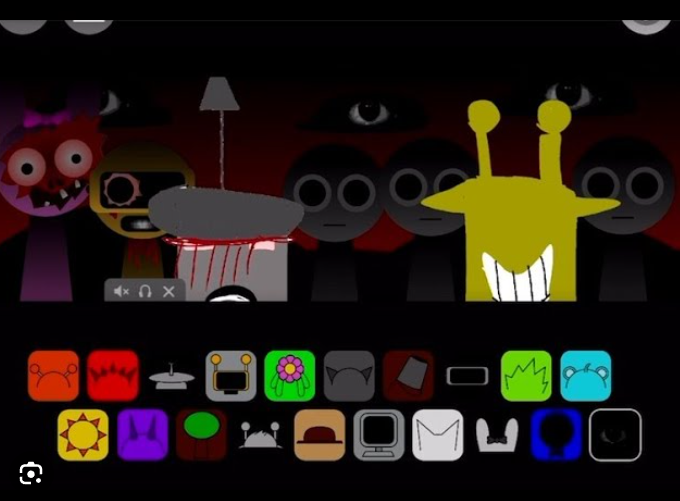
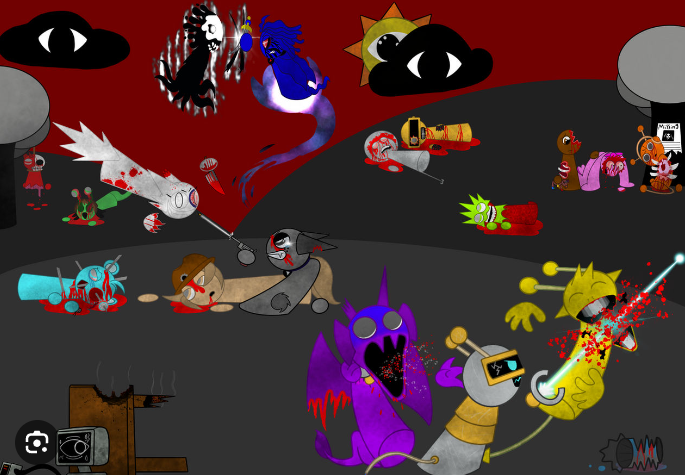
Ultra Swapped does not replace the core Phase 3 premise. The destroyed town setting is still there, the darker tone is still there, and the Black confrontation is still the narrative backbone. What changes is the board logic.
Instead of using familiar character placement as a shortcut, you have to test the board again almost from scratch. A character you remember as percussion may now carry a very different role. A slot you normally use for support may suddenly sound more dominant. That shift is the whole point of the mod. It turns Phase 3 from a board you can partly solve from habit into one you have to hear more carefully.
Three details matter most here:
- The setting stays recognizable, but the sound layout does not. The mod keeps the ruined Phase 3 atmosphere while making returning players relearn who does what.
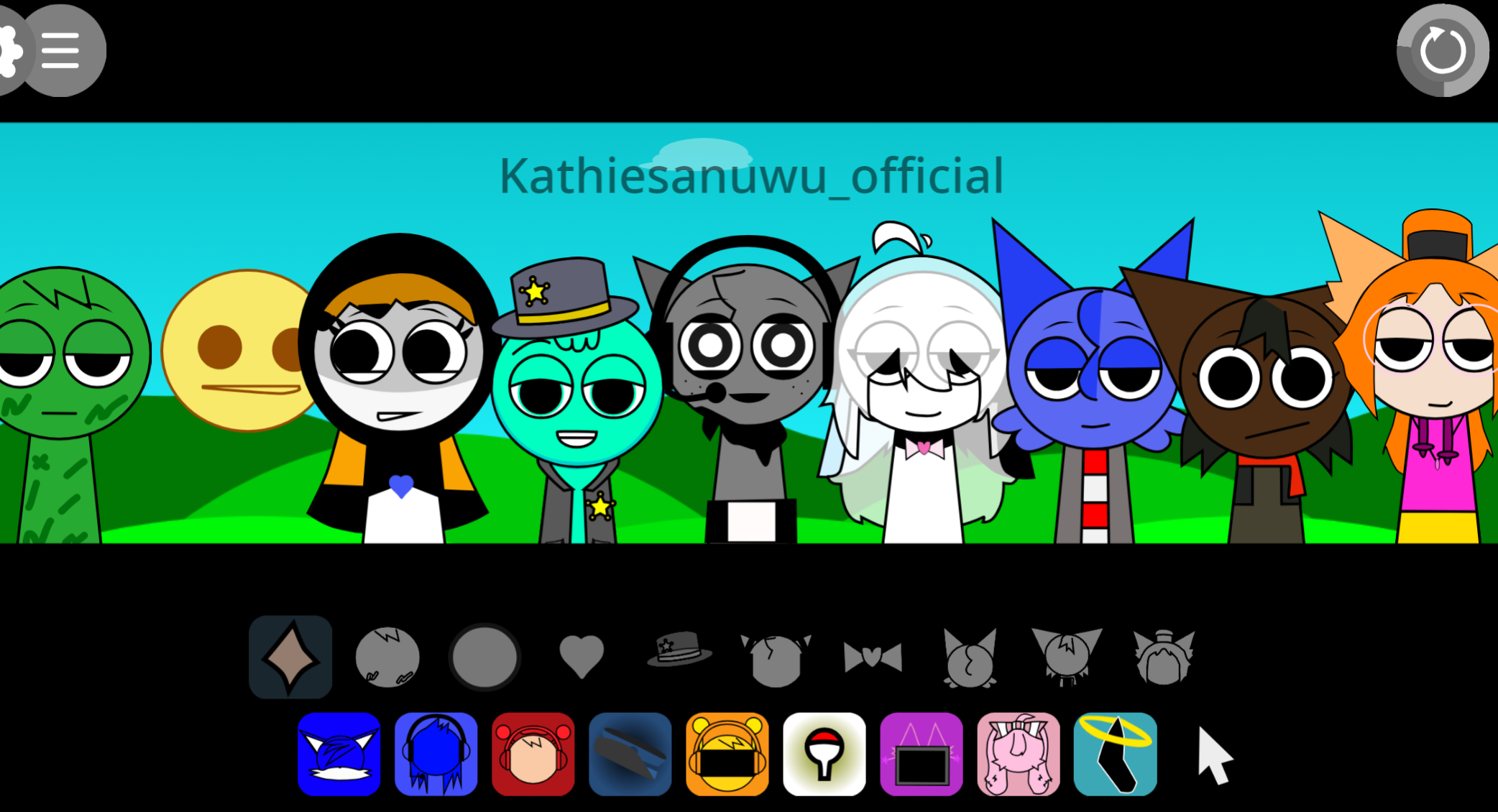
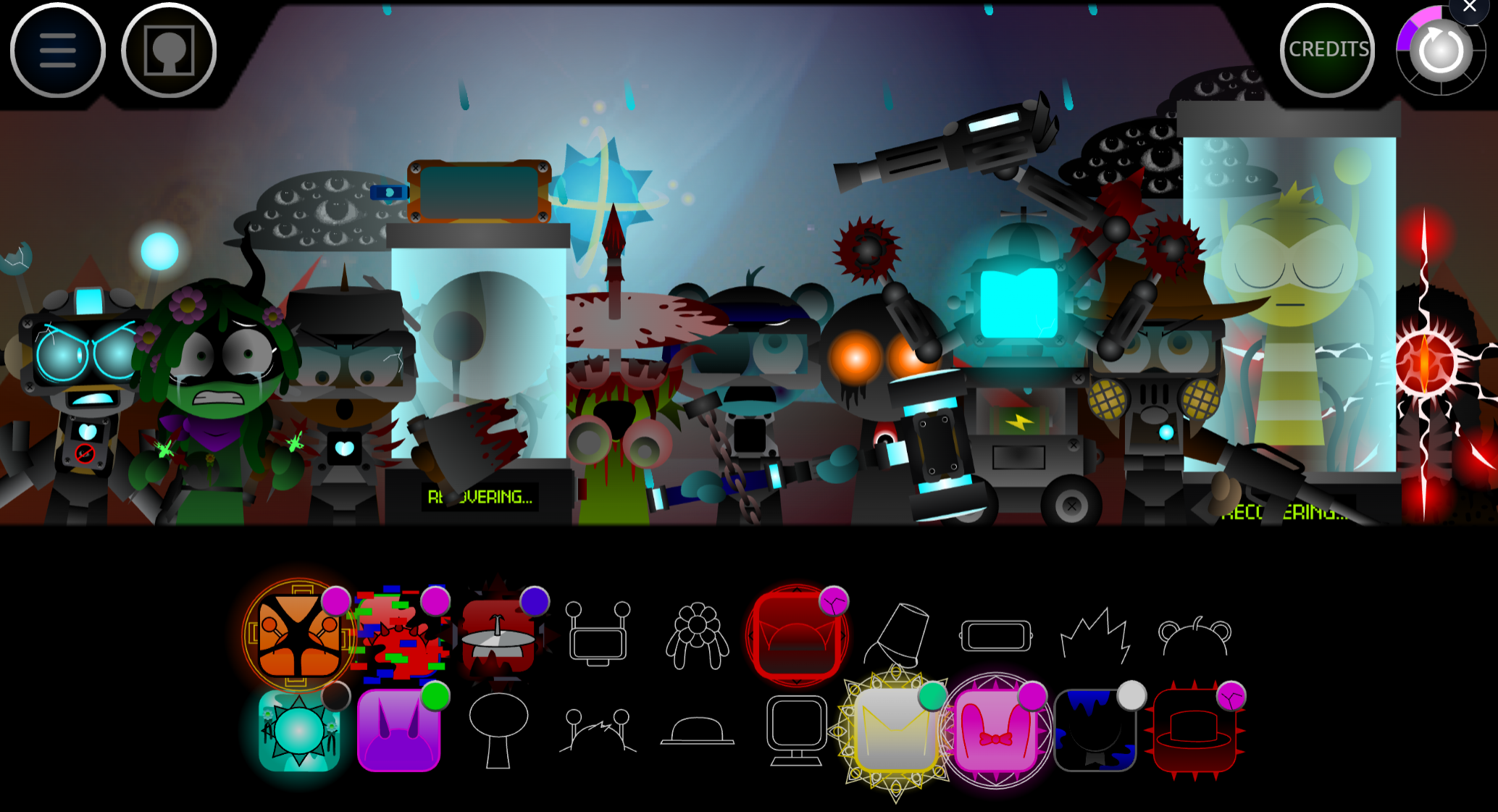
- Jevin and the new Black Raddy design give the version its own identity. Jevin adds fresh presence to the roster, while Black Raddy pushes the darker visual tone further.
- V1.1 suggests at least one refinement pass. Exact patch changes are not documented, but the label implies this is not just a first-drop upload.
Put together, that makes Ultra Swapped feel less like a cosmetic remix and more like a deliberate relearning exercise for Phase 3 players.
Why Returning Players Notice It Immediately
Standard Phase 3 matters because it is the version many players use as a baseline for the whole fan-made phase style. Once you know that board, you stop thinking about it step by step. You start dragging by instinct.
Ultra Swapped is designed to break that instinct. Early attempts can sound wrong, not because the mod is broken, but because it is built to break autopilot habits. That is also why this version lands hardest for people who already know the original layout. The more automatic your habits are, the faster the swaps stand out.
For new players, the same feature reads differently. Without a standard Phase 3 reference point, the board feels unusual rather than intentionally inverted. That does not make the mod bad for beginners, but it does mean they miss the clearest payoff.
How to Approach Your First Session
- Start on the web build. Open the game directly in your browser so you can hear the swaps immediately without setup friction.
- Add one character at a time. Listen for what each slot actually does before you stack the next layer.
- Pause before filling the whole board. If the first few combinations already sound off, keep tracing the role changes instead of assuming the mix is simply bad.
- Use standard Phase 3 as a mental reference if you know it. The mod is easiest to understand when you can compare the new assignments against the original board.
- Expect rough early combinations. First attempts often sound strange until you relearn the layout, and that roughness seems intentional rather than accidental.
The best mindset is to treat the board like a remix puzzle, not like a normal run you can solve from memory in thirty seconds.
Who Should Start with This Version?
If you already know Phase 3 and want something that makes the board feel fresh again, Ultra Swapped is a strong choice. The role changes are not cosmetic. They alter how you test layers, how quickly you can build a usable mix, and how much you can rely on old habits.
If you are completely new to Phase 3, the safer path is still to try the standard version first. Once you know the original logic, the swaps become easier to read and much more rewarding. Beginners can still play this build, but the main hook is clearer when you can tell exactly what changed.
Related Games
- Sprunki Swapped Version Port Remix - Best next click if you want another board built around breaking familiar icon-to-sound expectations.
- Sprunki Swapped Nuclear Version - Good follow-up if you want the same swap idea with a harsher look and a stronger dark-tone push.
- Sprunki Phase 3 Reimagined New Start - Useful comparison if you want to see a different kind of Phase 3 change that reworks the same base material in another direction.
Common Questions About Ultra Swapped Phase 3
Is this a brand-new story?
No. The core setup remains the same: Gray and Wenda move through the ruins of Sprunki Town, avoid Black’s victims, and head toward the face-off with Black. The change is in role arrangement, not in a full narrative reset.
Why does the mix feel wrong at first?
Because the role-to-character logic has been reshuffled. If you build from memory, you will probably stack different layers than you expected until you relearn the assignments.
What does V1.1 really tell you?
Mostly that the version has already been tuned at least once. Without patch notes, the safest conclusion is simply that this is a refined build rather than a day-one draft, not that every change is fully documented.

Discuss Sprunki