
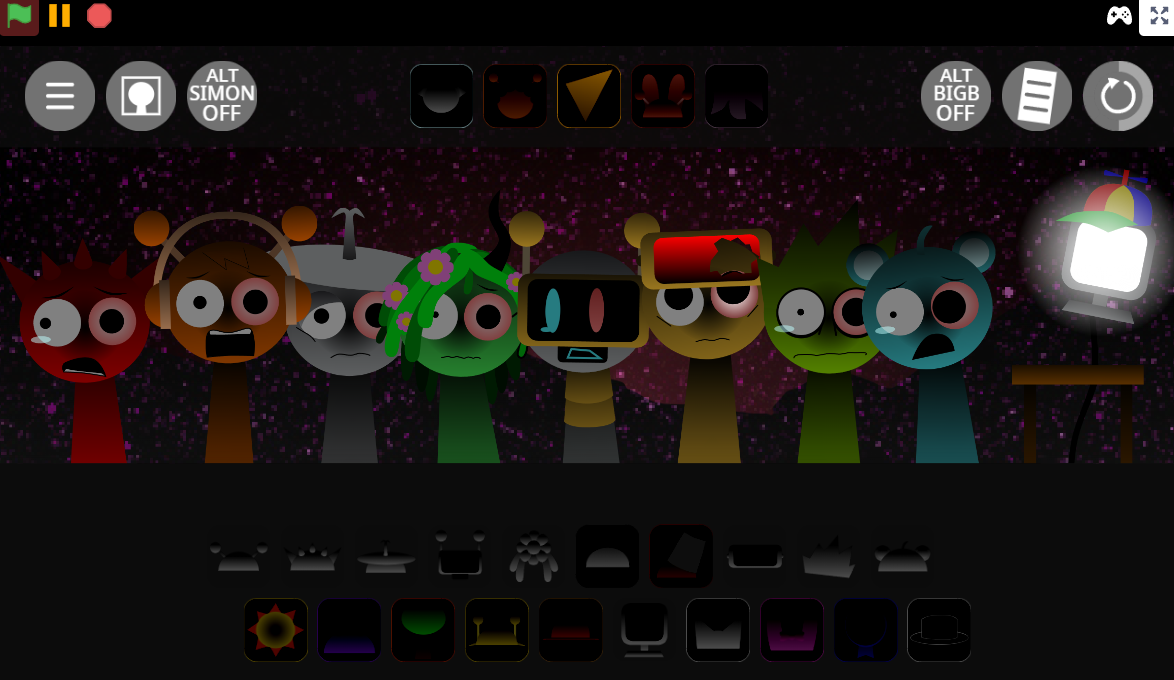
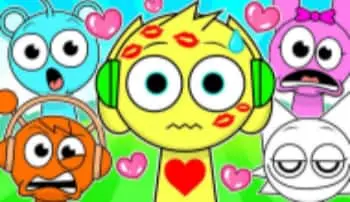
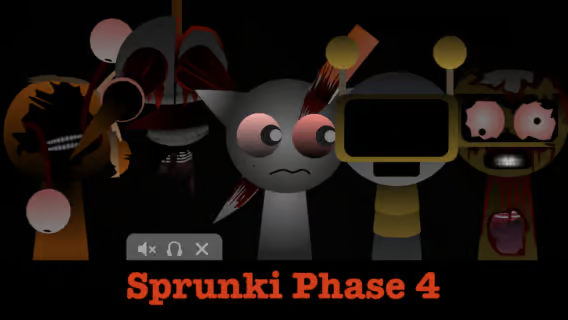
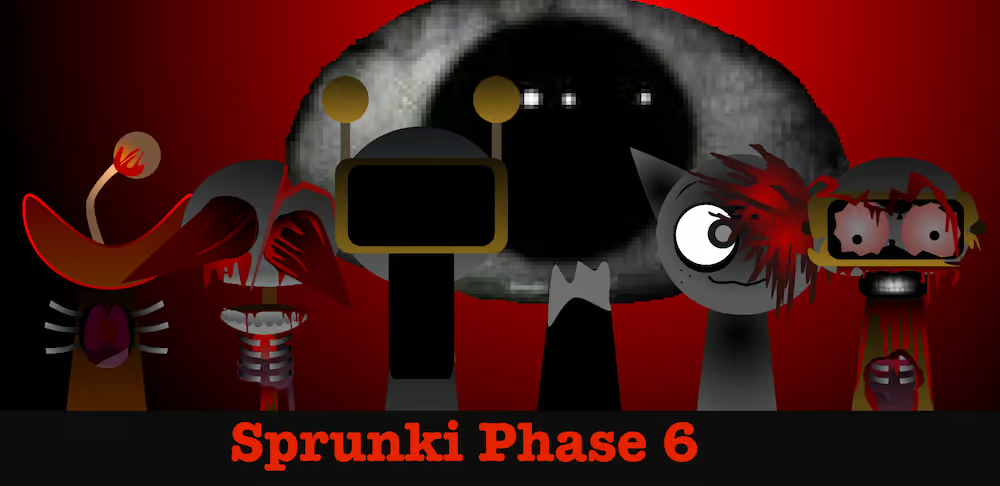
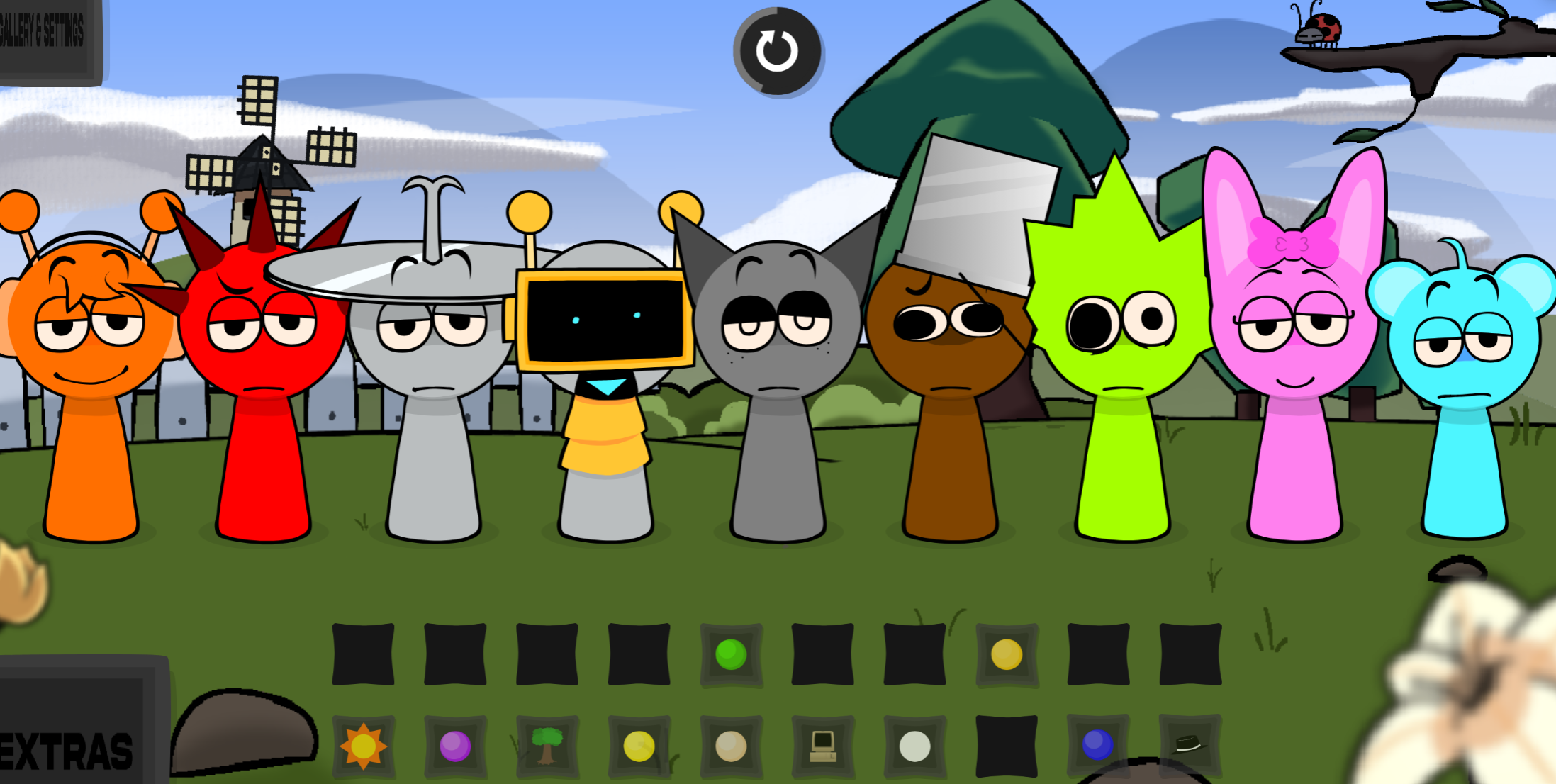
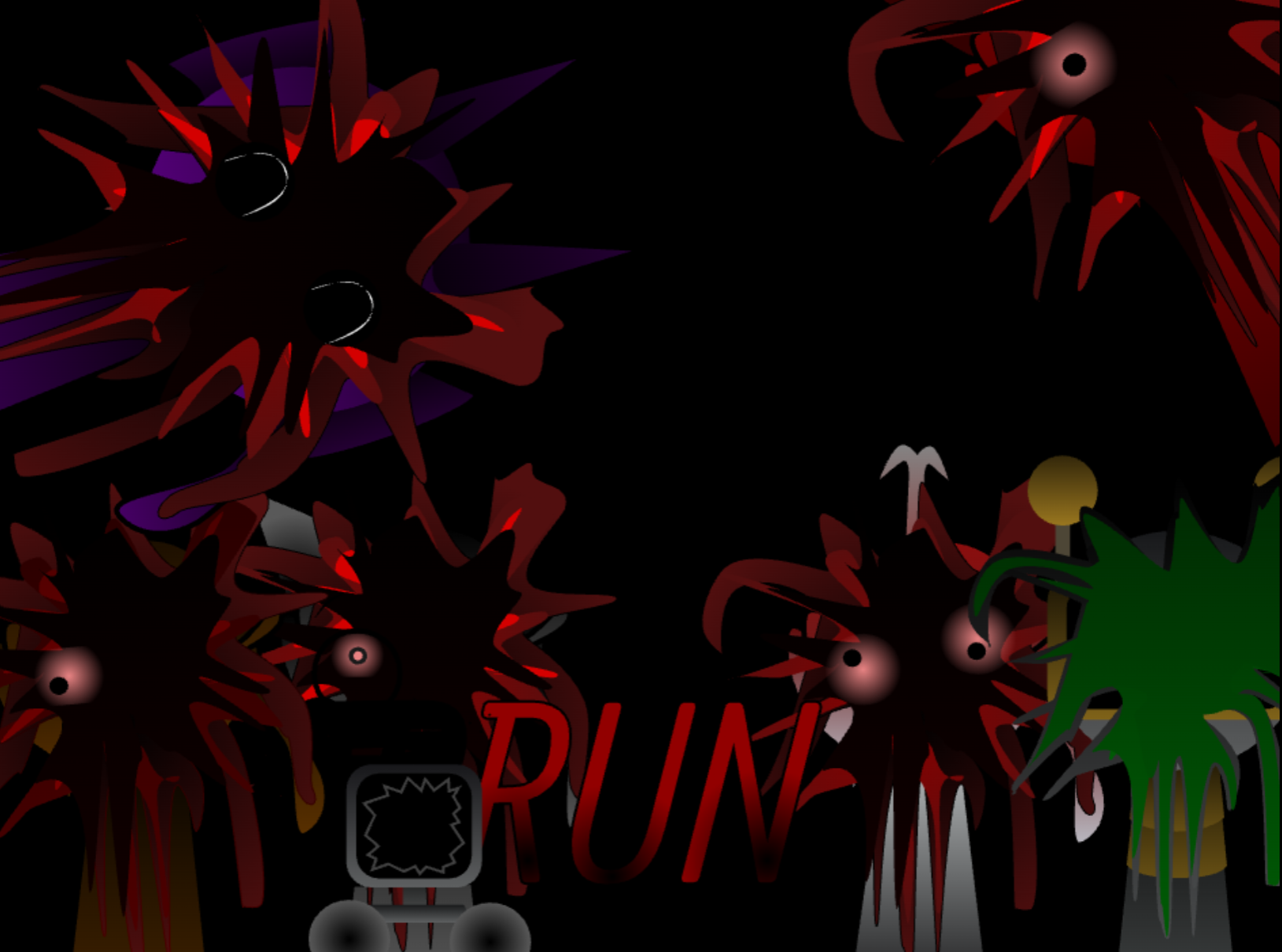
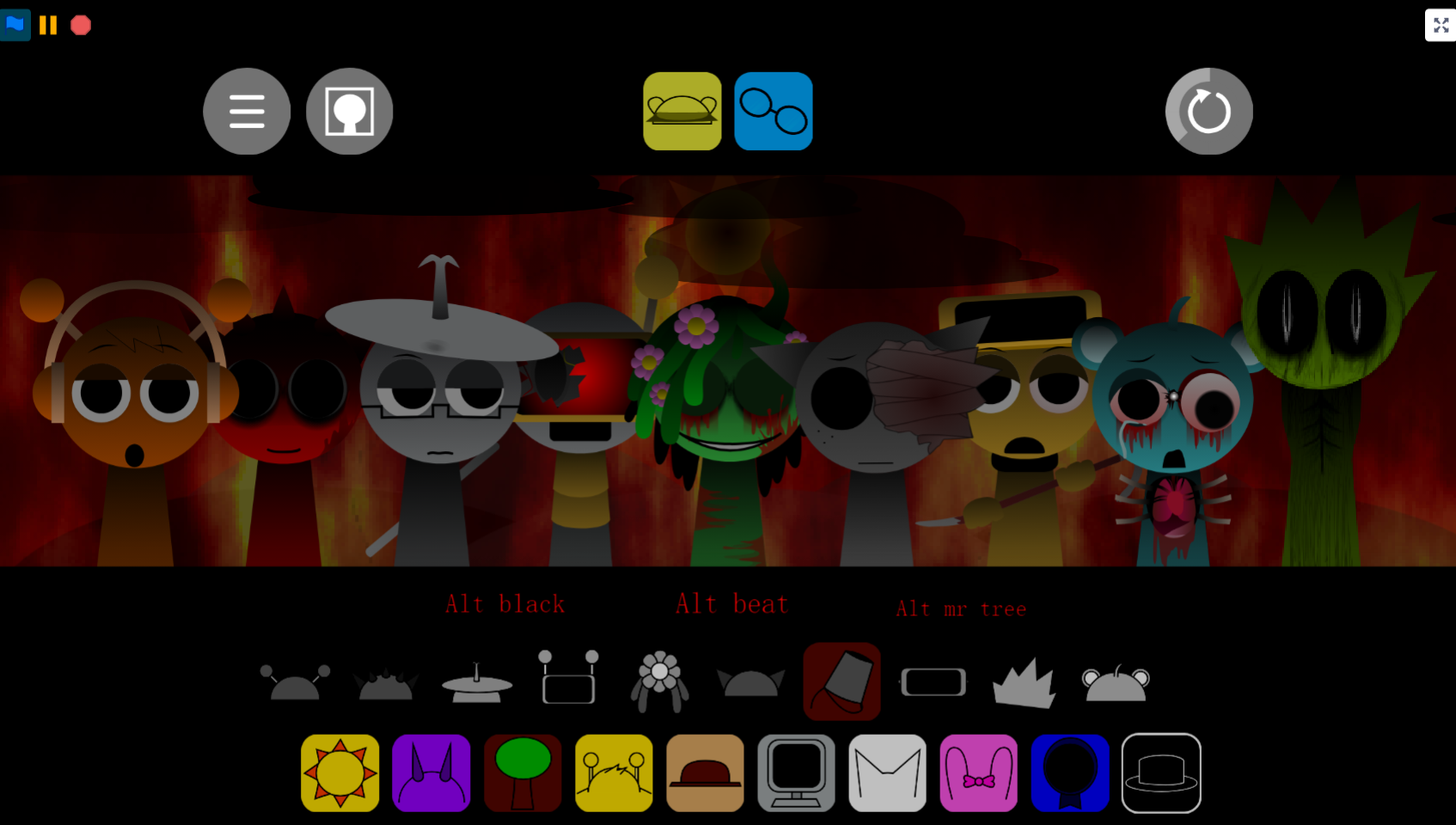

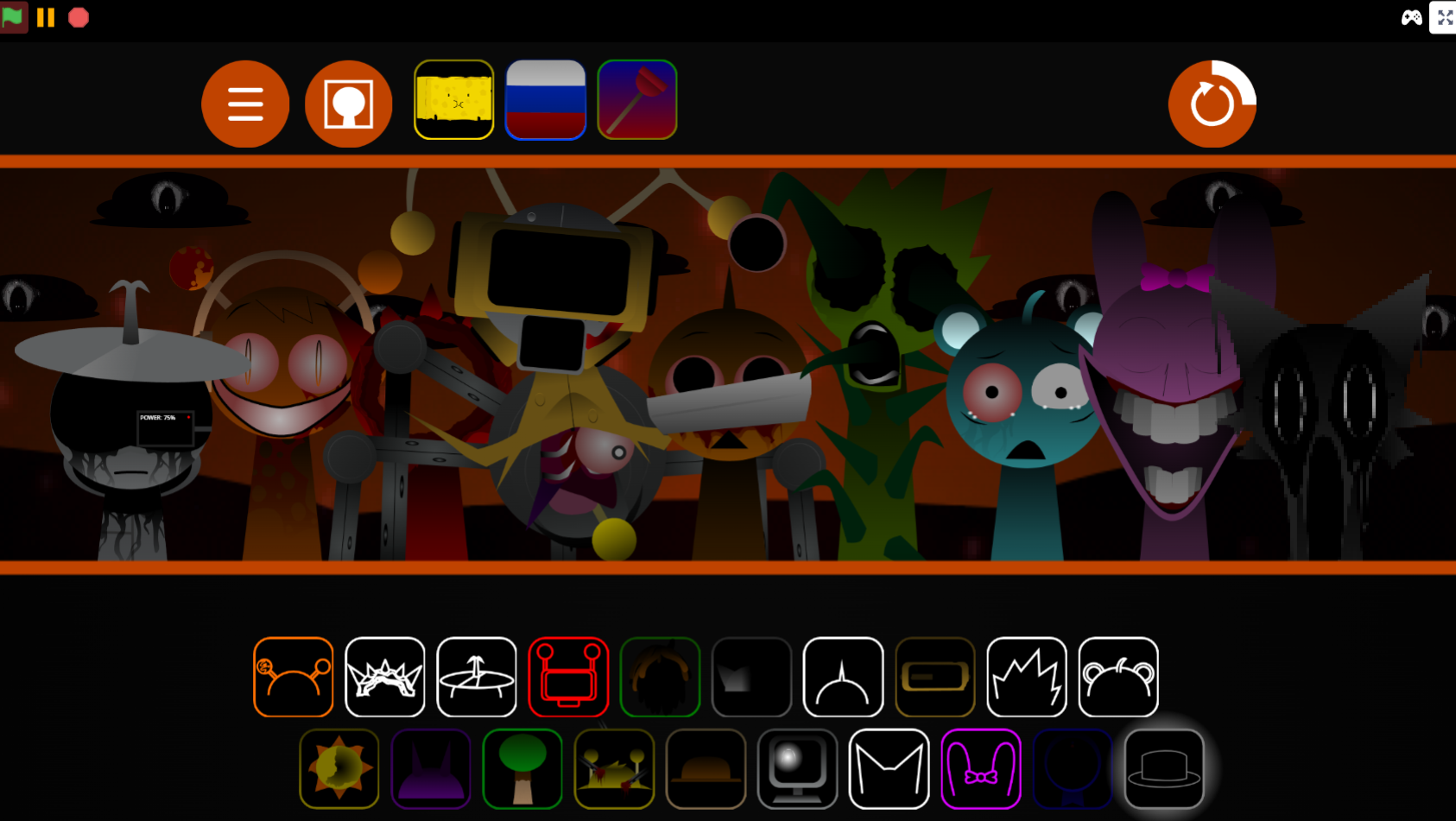
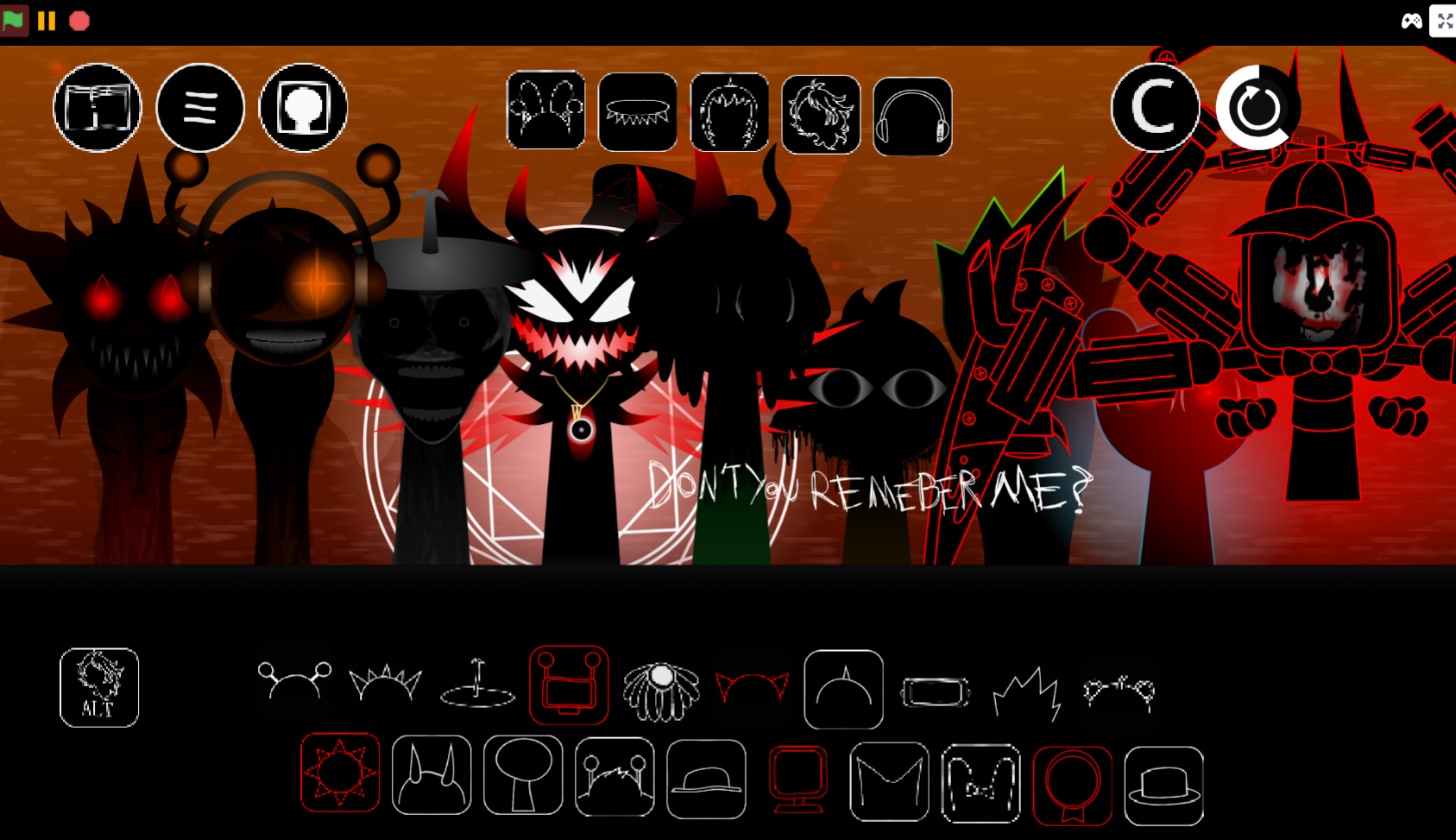
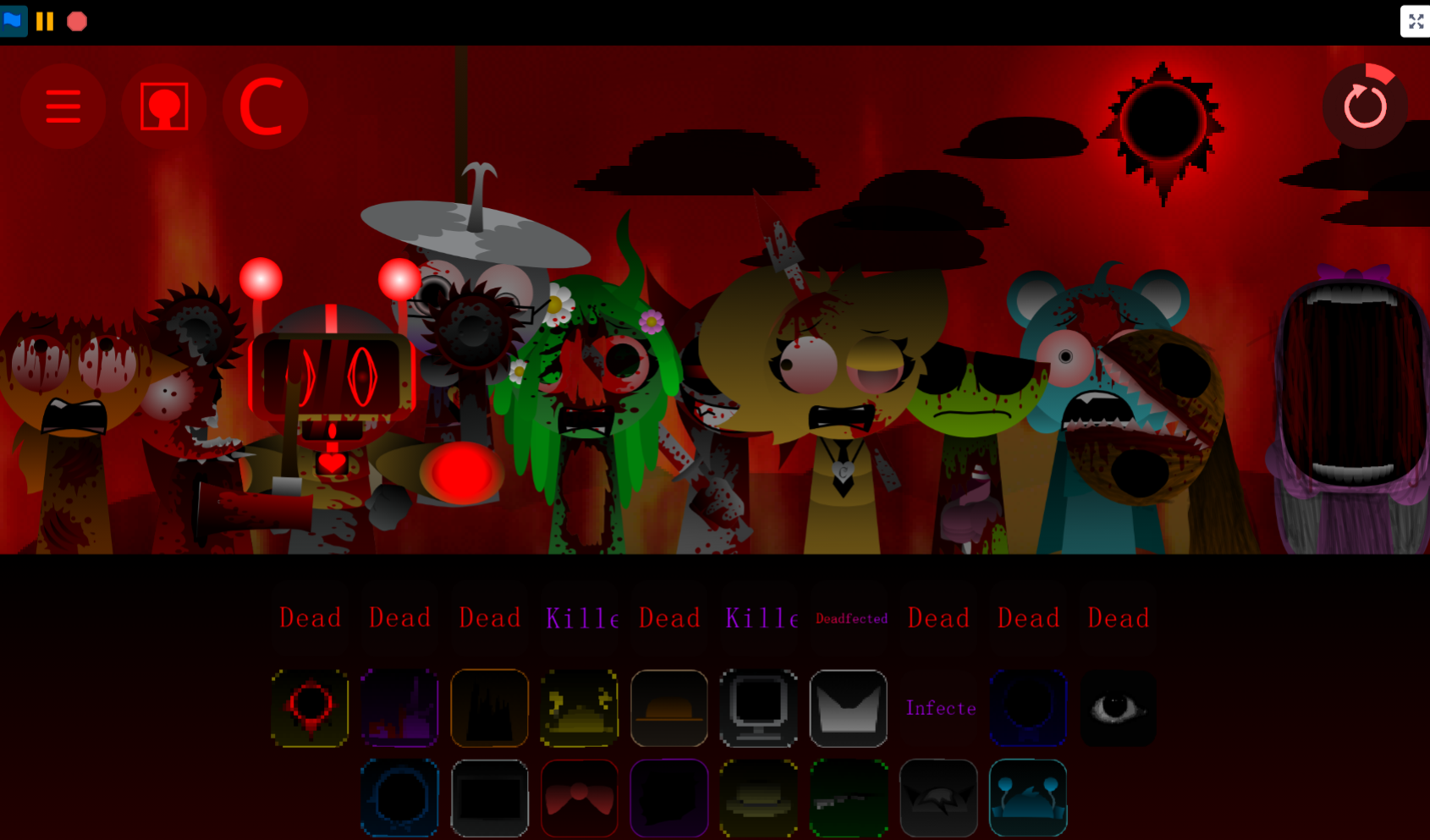
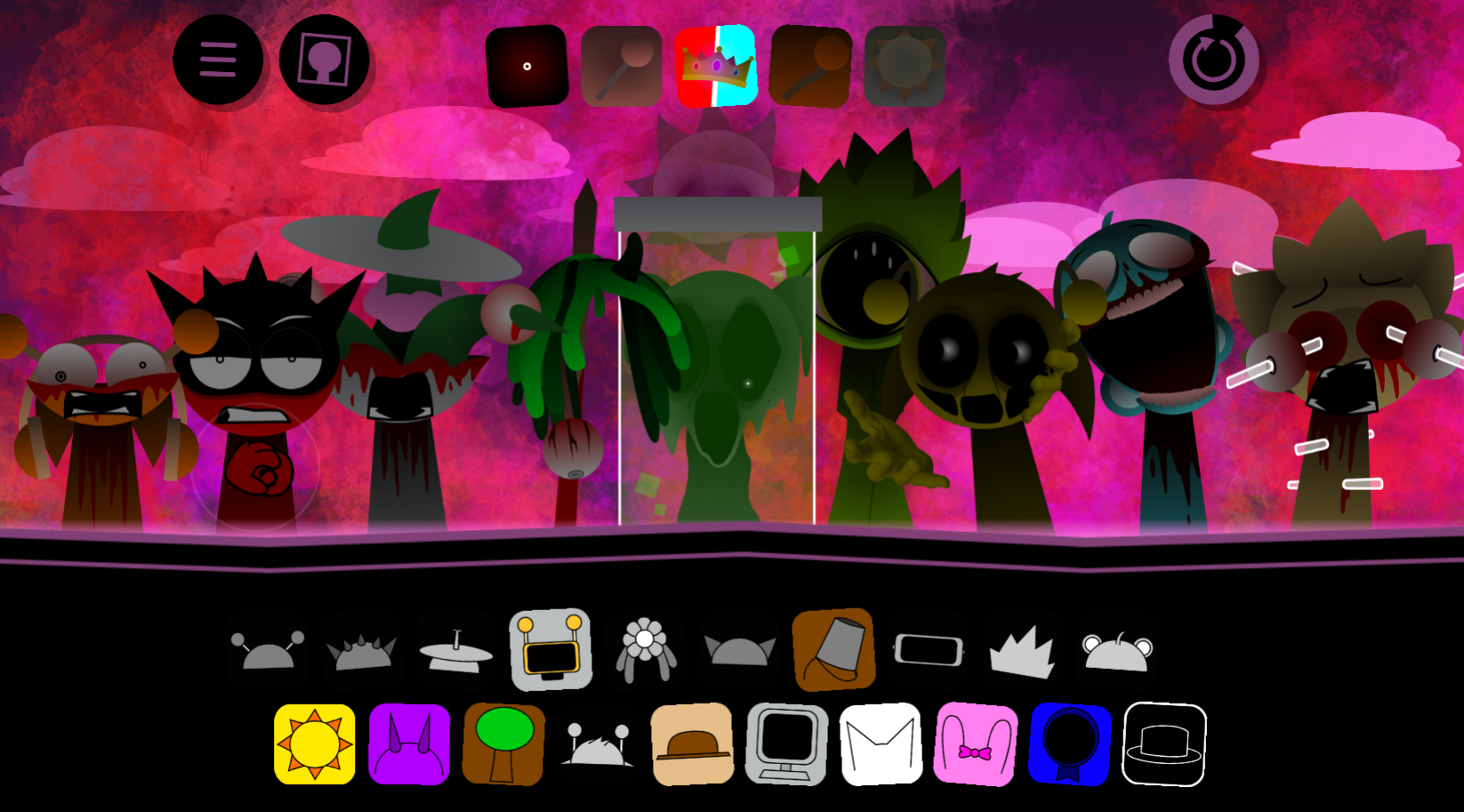
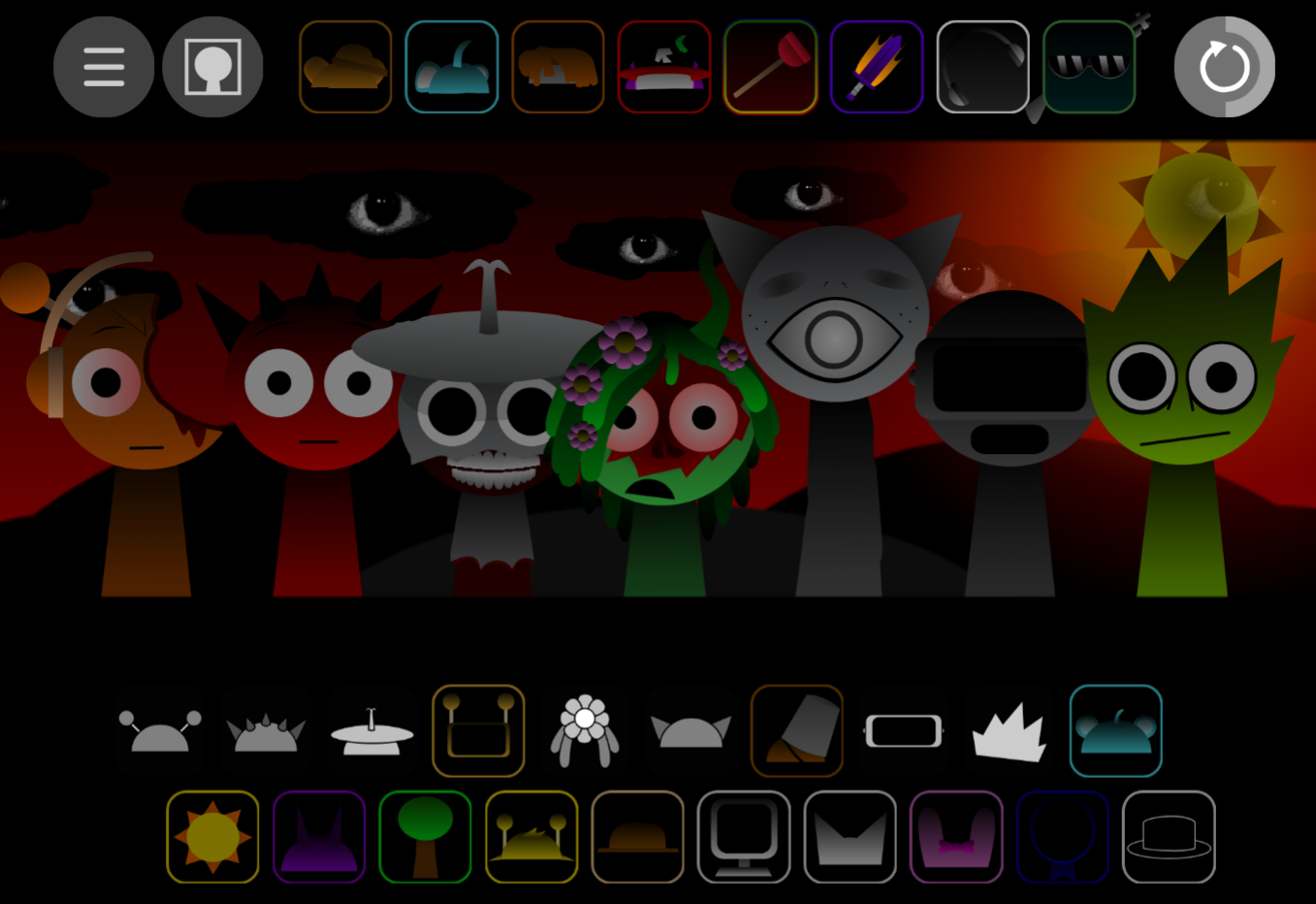
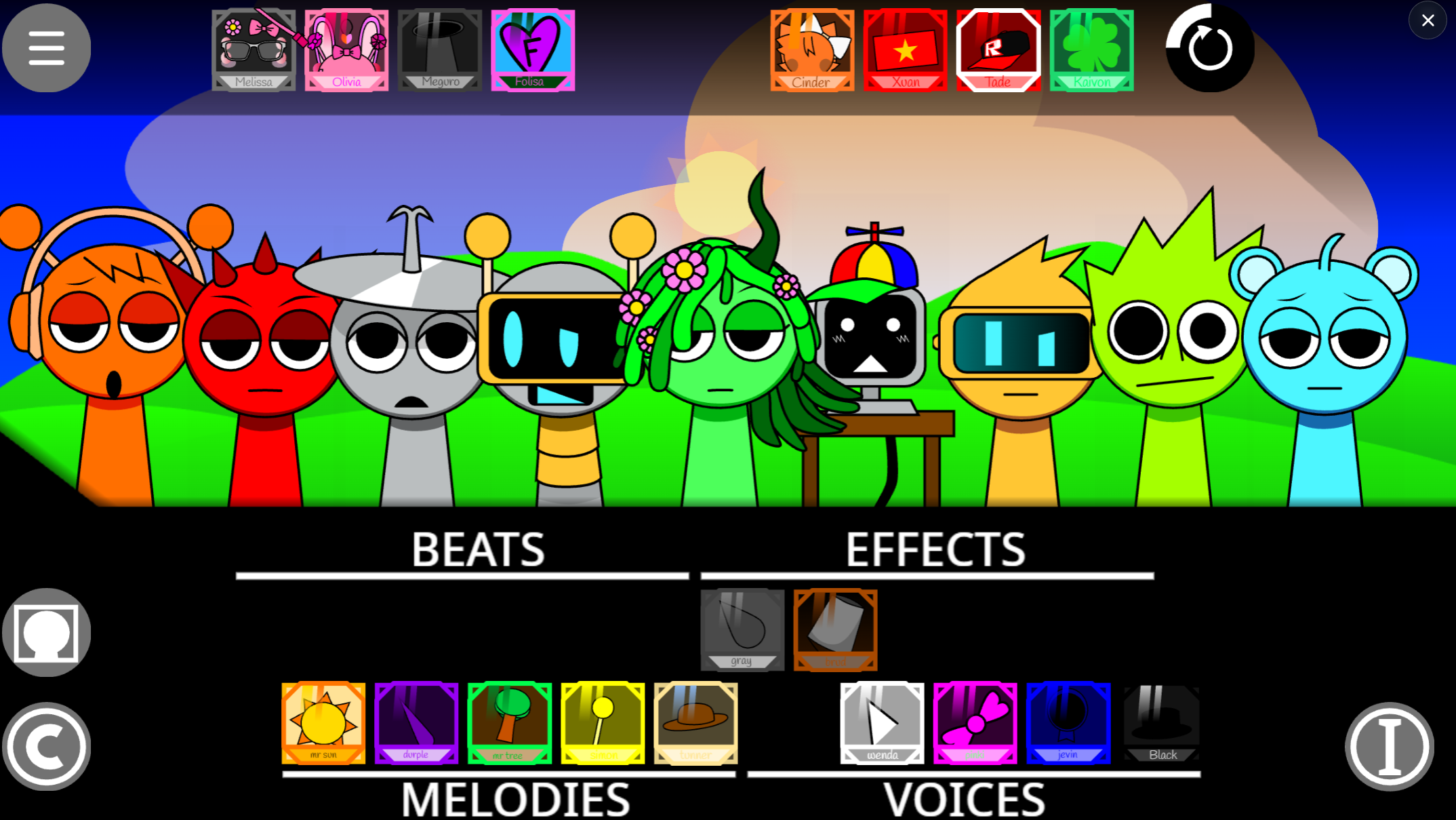
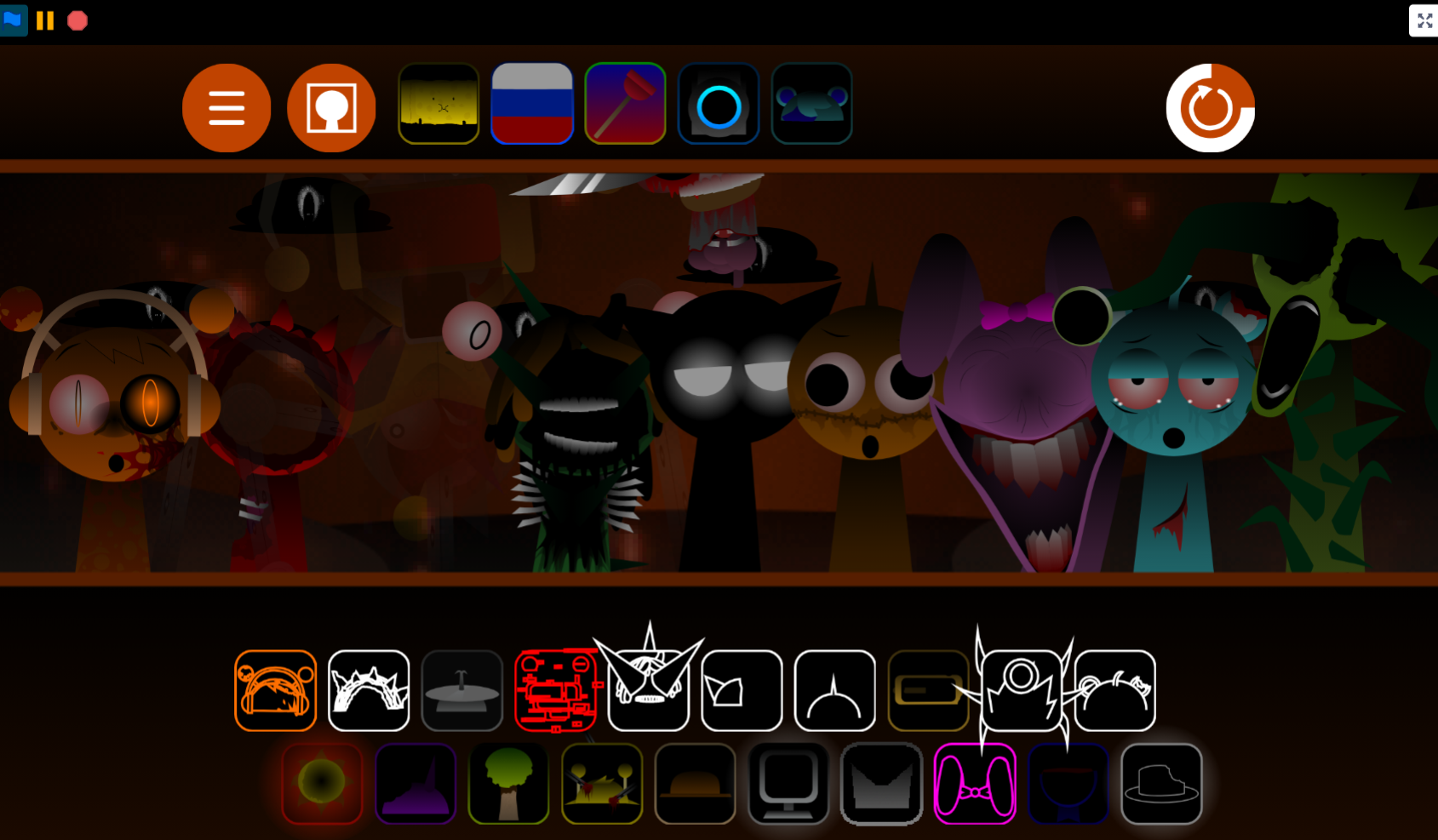
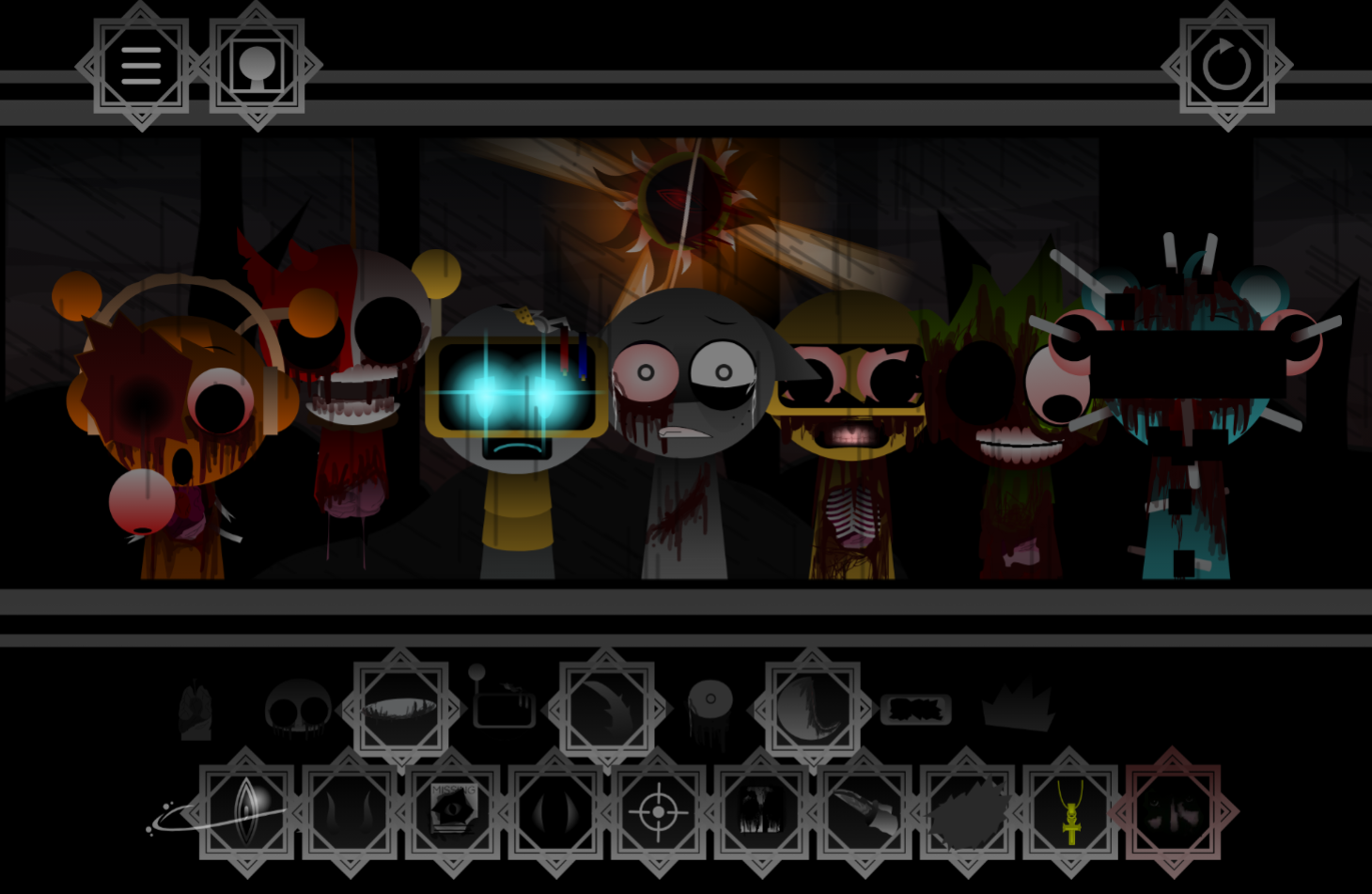
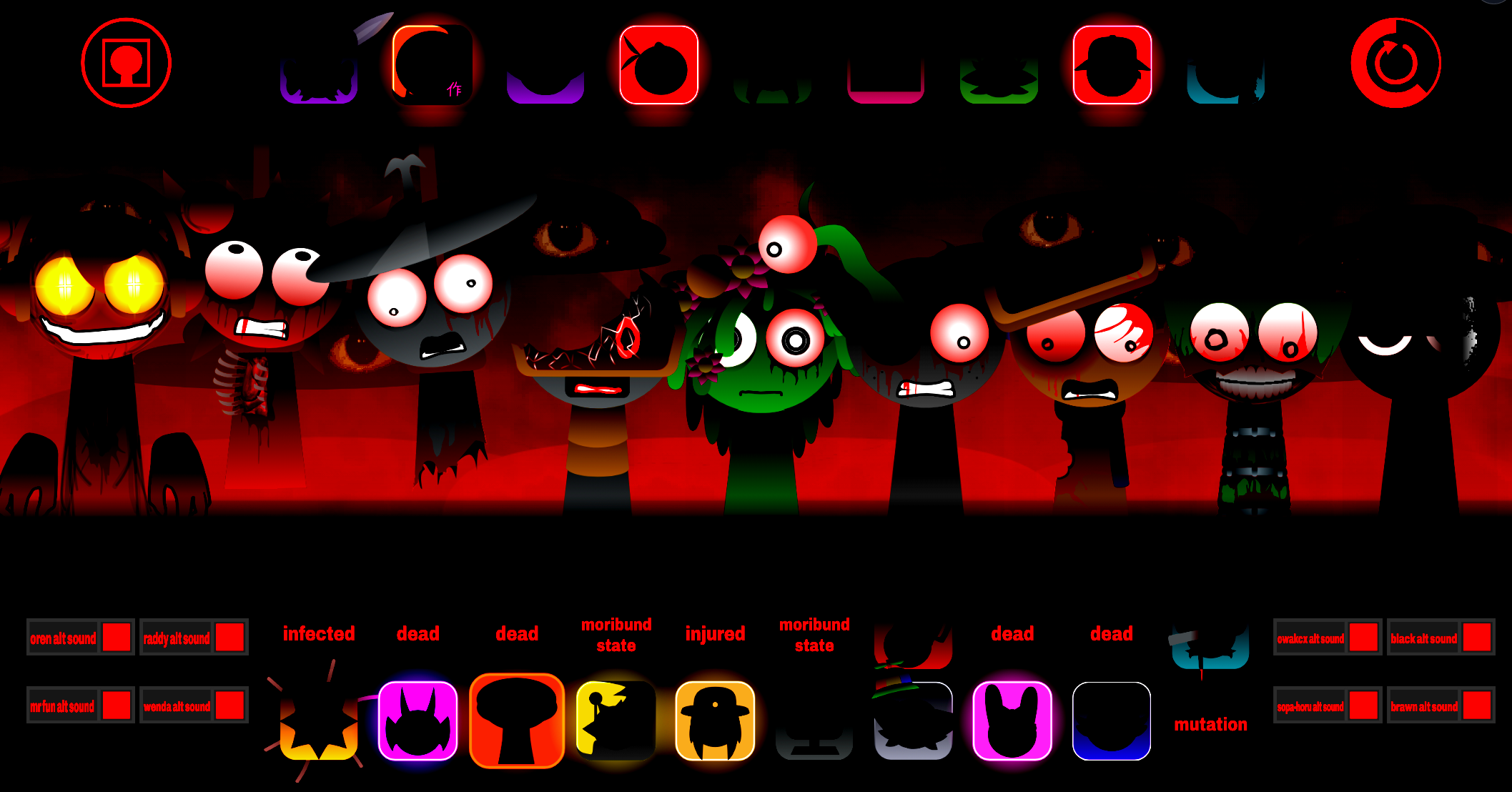
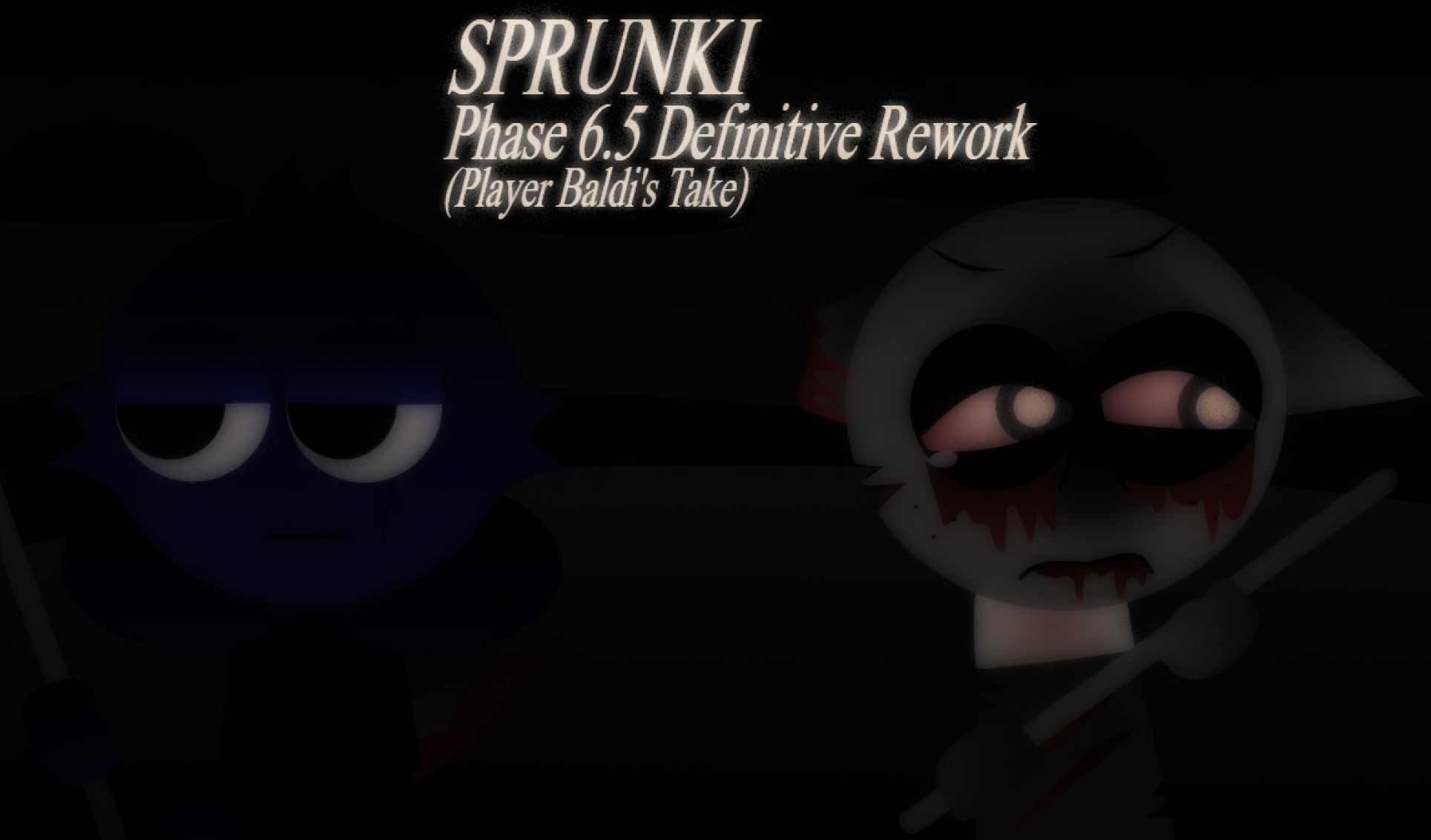
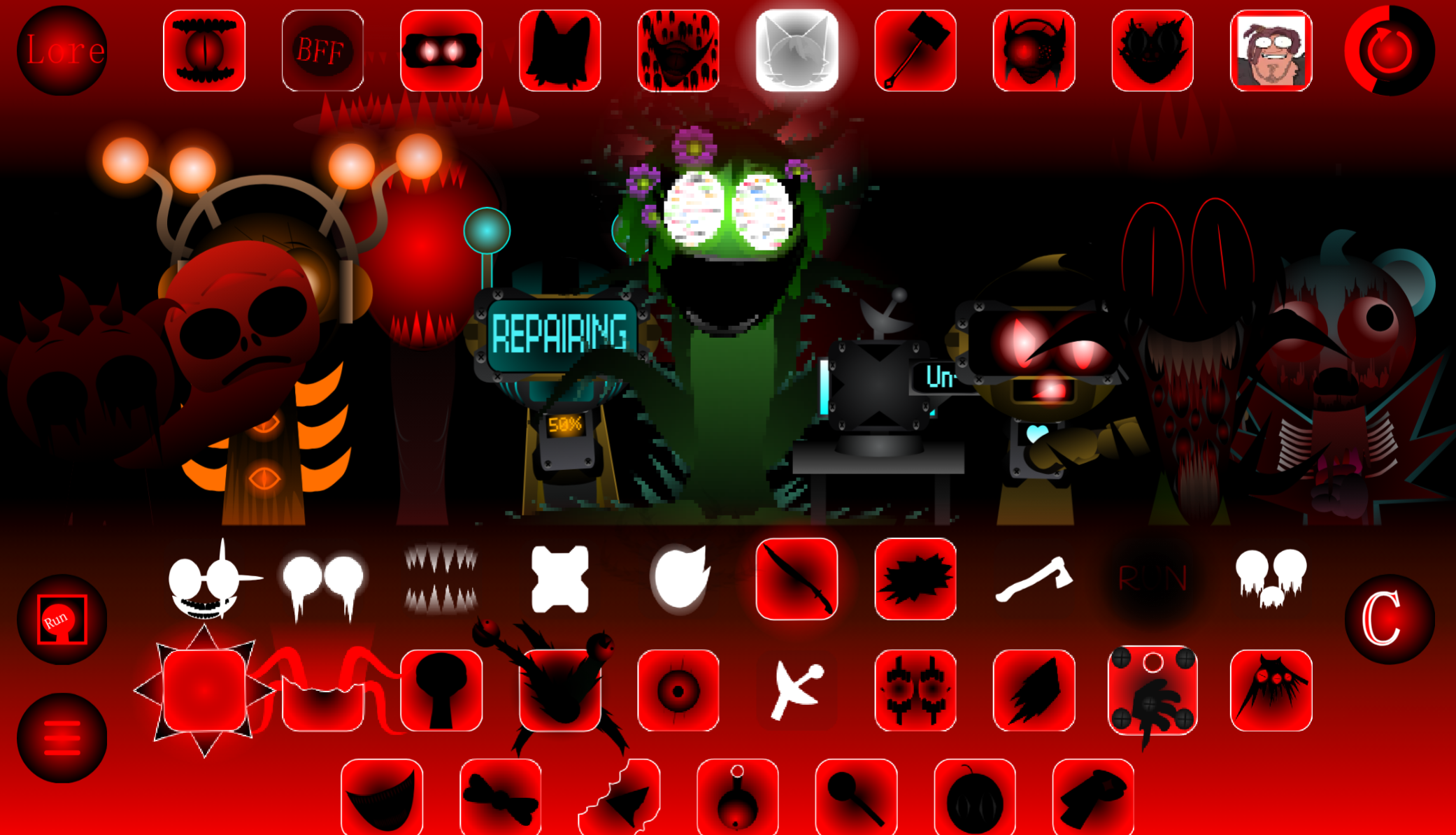
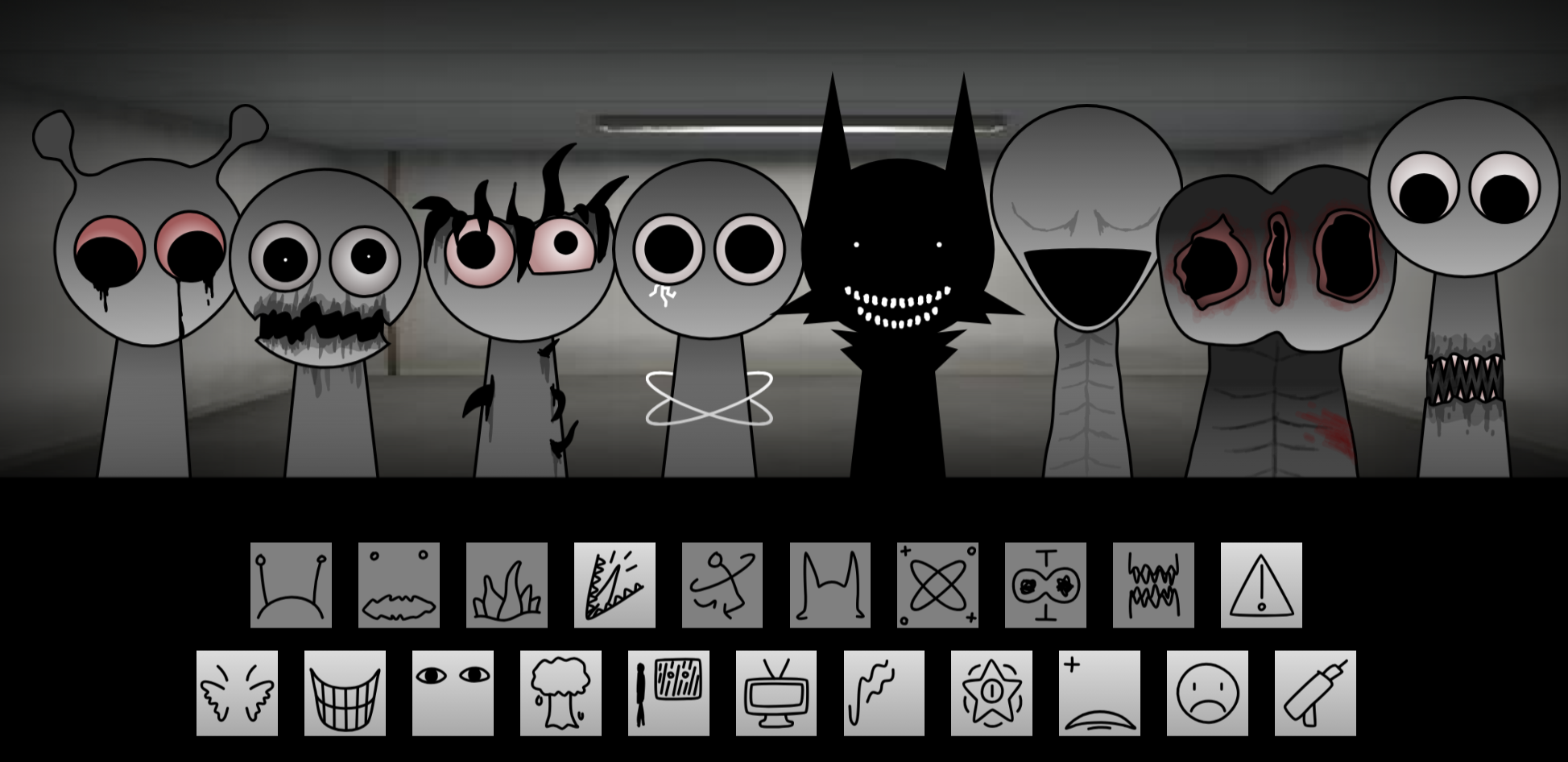
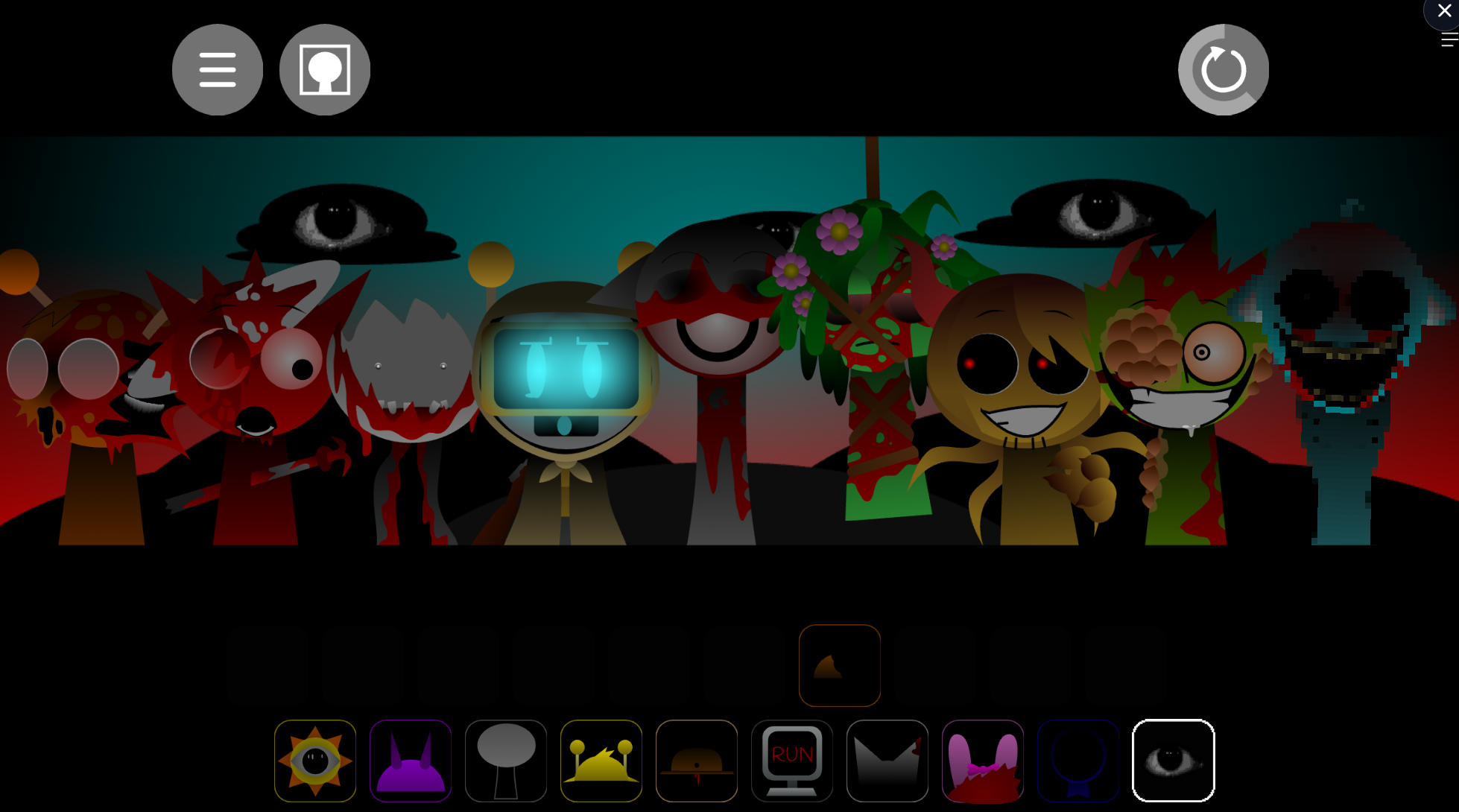
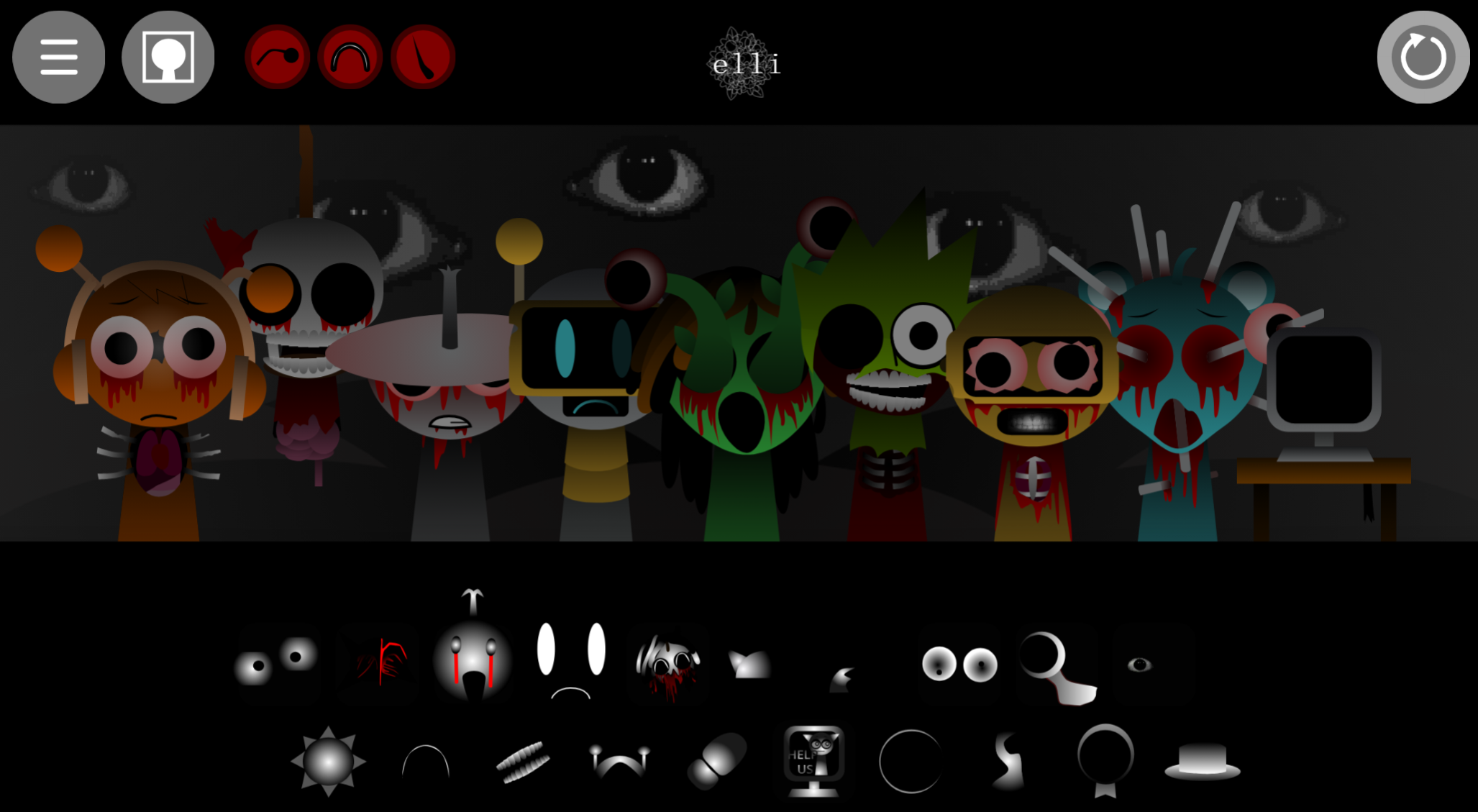
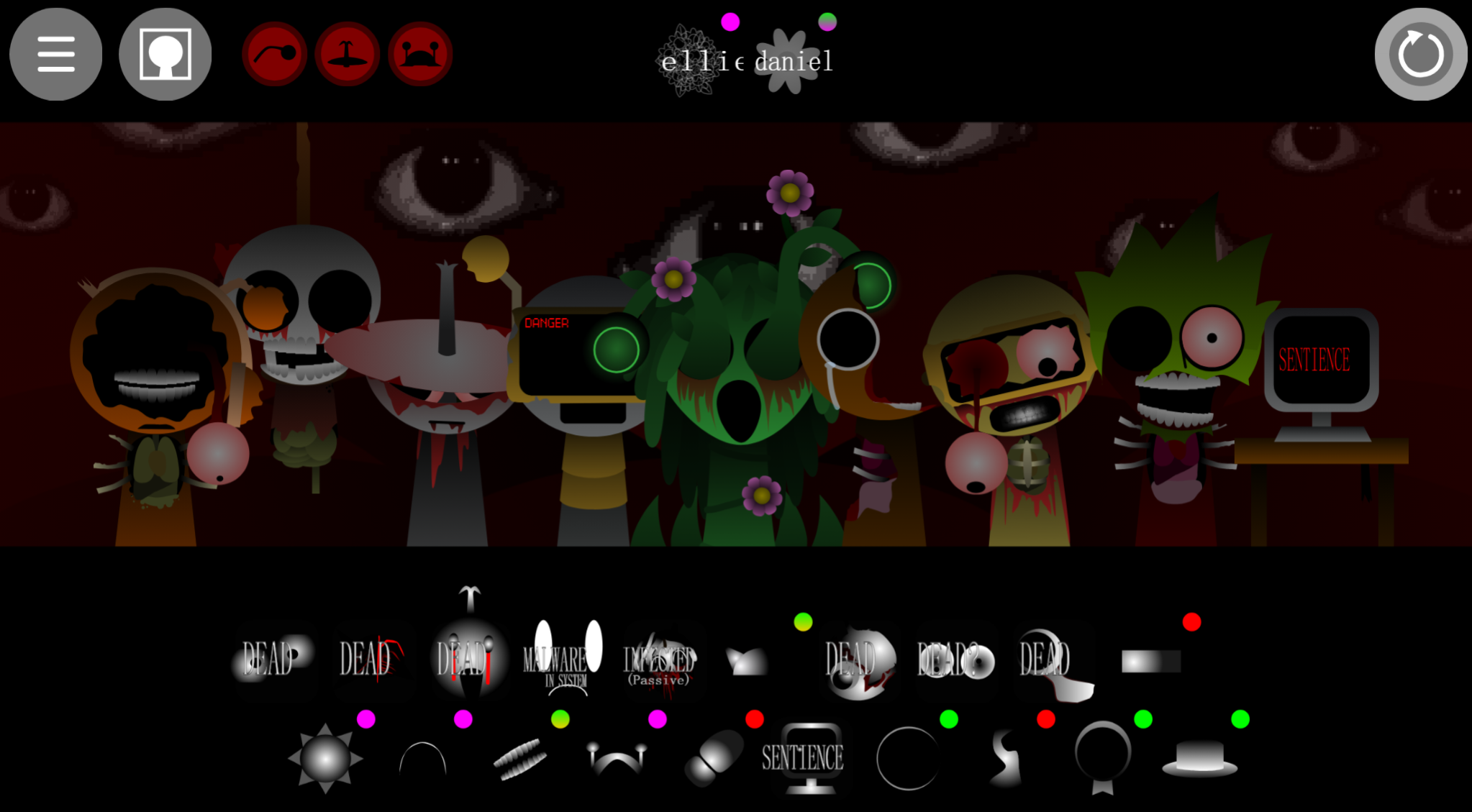
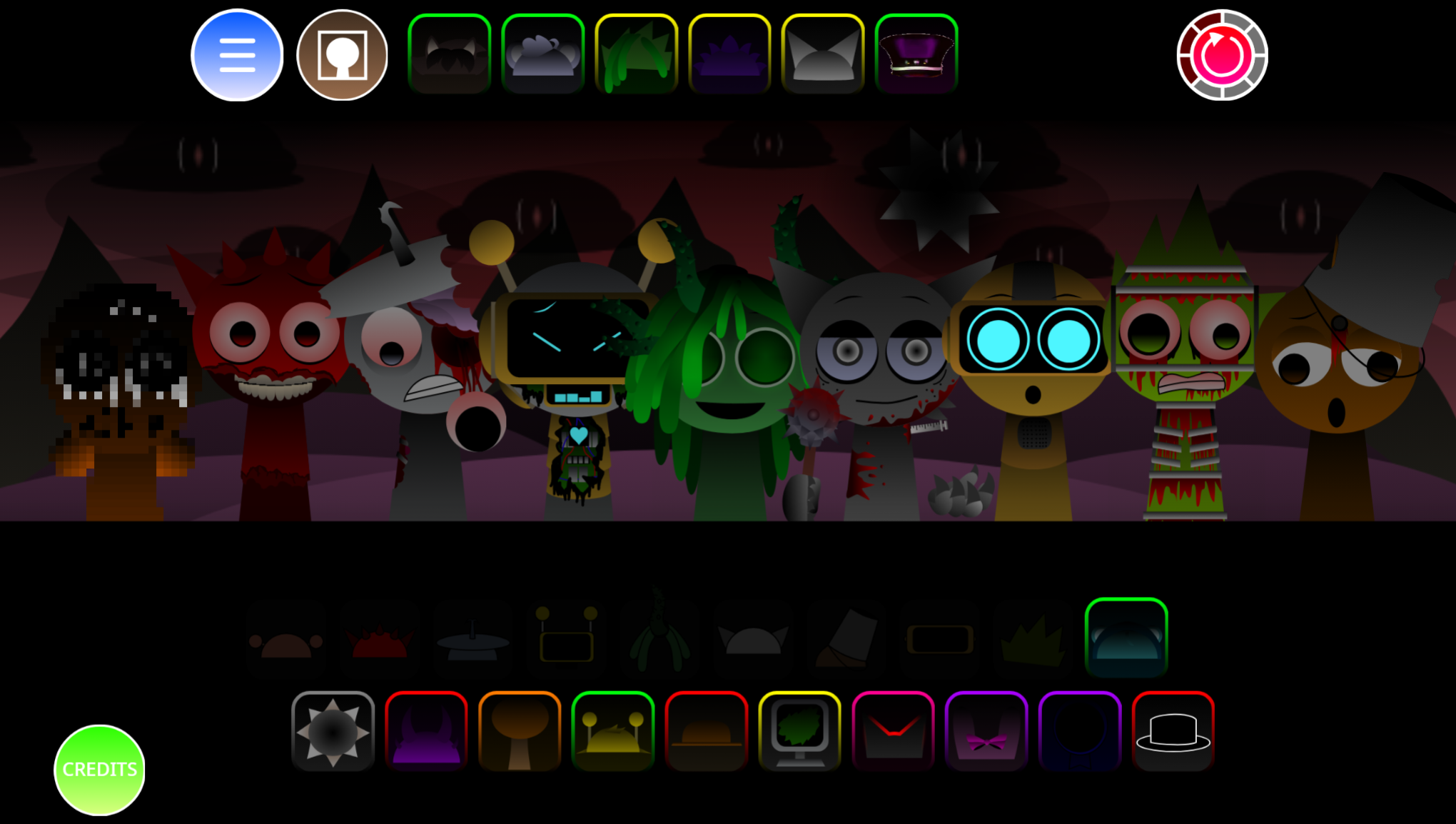
Sprunki Pink Eye Treatment isn’t your typical rhythm game mod—it’s a full-blown audio-visual nightmare that turns music creation into a survival story. This fan-made Incredibox modification plunges players into a contaminated soundscape where every beat pulses with infection, and every character becomes a vessel for something deeply wrong.
What started as a simple concept has evolved into one of the most talked-about horror mods in the community, attracting over 886 votes and countless players who crave something darker than standard music games. The treatment isn’t about healing—it’s about managing chaos as pink-eyed characters leak corrupted audio and glitchy visuals across your screen.
What Makes This Mod Stand Out:
- Bio-digital horror aesthetic that transforms cheerful characters into twitching, fluid-leaking entities
- Reactive sound design where infection spreads through your composition itself
- Cinematic transformation sequences triggered by specific character combinations
- Industrial glitch soundscapes featuring heart monitor beats, static bursts, and distorted vocals
- Hidden narrative layers that suggest music is both disease vector and potential cure
This isn’t just about making beats—it’s about witnessing a quarantine zone collapse in real-time, where your creative choices determine how fast the outbreak spreads.
The mod challenges players to balance musical quality with mounting horror, creating tracks that are simultaneously catchy and deeply unsettling.
Sprunki: Pink Eye Treatment
Sprunki Pink Eye Treatment drops you into a world where music becomes contagion. This isn’t your typical rhythm game—it’s a full-blown medical horror experience wrapped in glitchy beats and distorted vocals. The mod transforms the cheerful Sprunki universe into something far more sinister, where every sound you layer feels like watching an outbreak spread in real time.
What sets this version apart is how it treats infection as a narrative device. You’re not just making music—you’re navigating a quarantine zone where corrupted audio files leak into reality. Characters don’t simply sport red eyes; they convulse, weep pink tears, and emit vocals that sound broken. The setting pulses with tension, like a hospital ward where the cure might be worse than the disease itself.
The drag-and-drop system stays familiar, but everything else twists into something darker. You assign beats that thump like heart monitors, effects that crackle with static, and melodies that feel contaminated. As you add more infected characters, the track spirals into chaos—mirroring how quickly the outbreak consumes everything. It’s unsettling, immersive, and strangely addictive. The game asks: can you create harmony from horror?
How to Play Sprunki Pink Eye Treatment
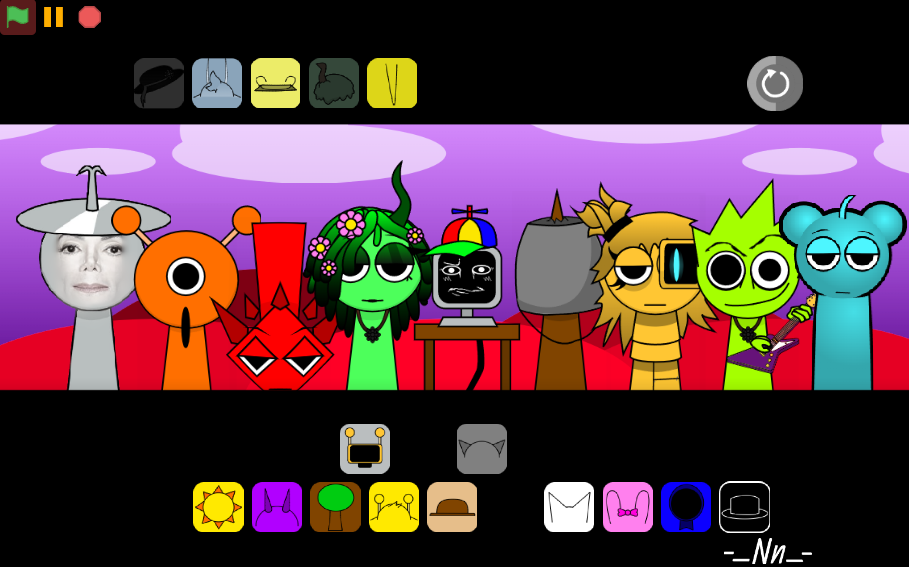
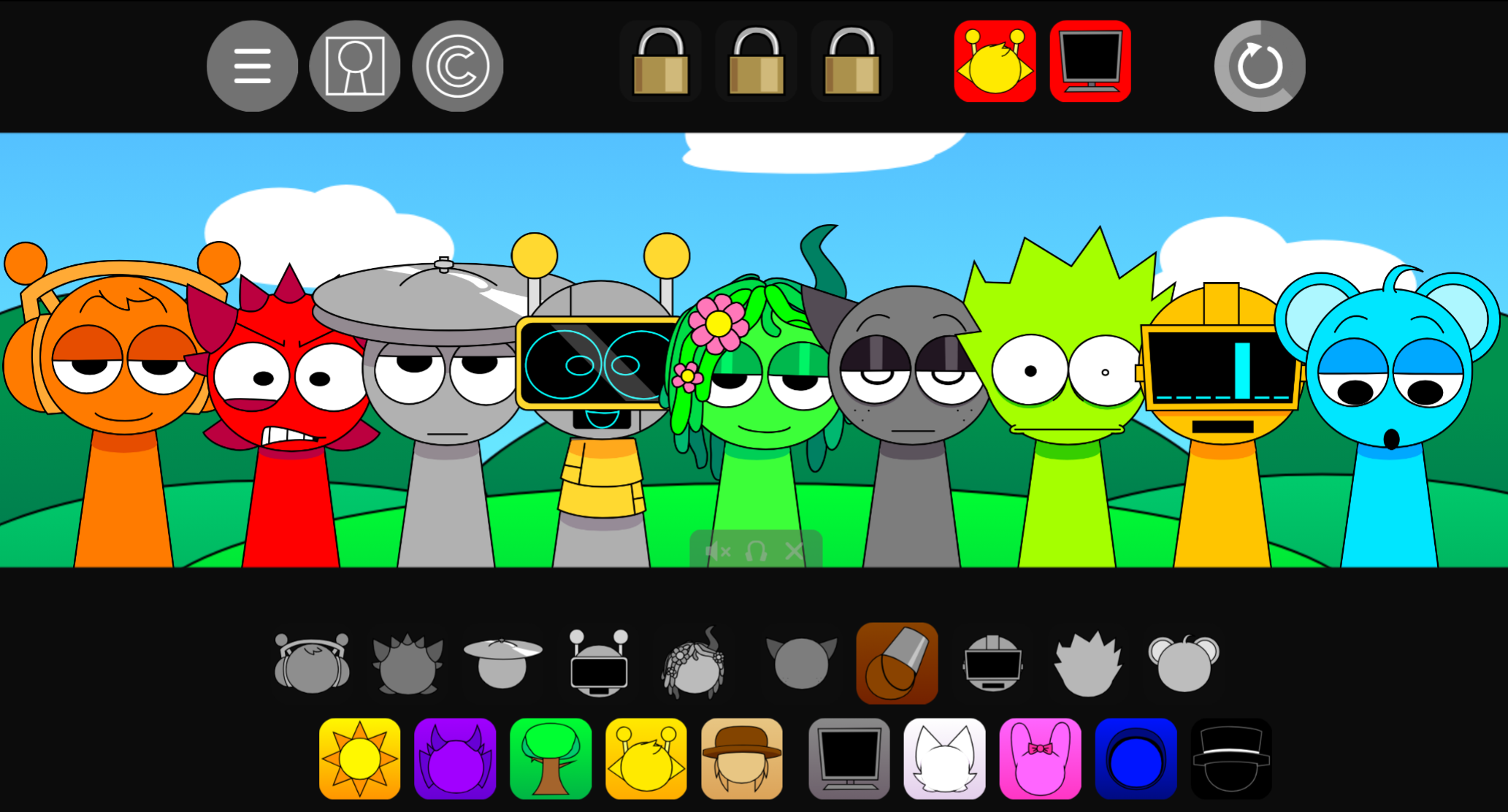
The drag-and-drop system forms your foundation—click a character, drag them to a slot, and they contribute their sound to the mix. But Sprunki Pink Eye Treatment adds layers of complexity through its infection mechanics and horror transformations.
Basic Steps:
- Select your first character from the infected lineup
- Drag them to an empty slot on the stage
- Listen to their contribution—beats, effects, or vocals
- Layer additional characters to build your track
- Watch for visual cues indicating infection spread
- Trigger the Treatment Shift when ready for transformation
Sound layering demands careful attention. Too many distorted elements create overwhelming noise rather than music. Start with a solid beat foundation—those heart monitor pulses work well. Add effects sparingly; static bursts and squelching sounds pack more punch when used strategically. Vocals should complement, not compete, with your base layers.
The Treatment Shift mechanic serves as your climax trigger. Once you’ve built sufficient tension through your mix, activate it to watch the horror transformation unfold. Characters morph into more disturbing versions, their animations becoming more erratic. The audio shifts dramatically, introducing new glitch harmonies and aggressive distortions. This moment separates casual players from those who master the chaos.
Experimentation rewards curiosity. Try different character combinations to discover hidden bonus triggers. Some pairings unlock special transformation scenes or unique audio effects.
The game doesn’t hold your hand—you’ll need to explore, fail, and adapt. That trial-and-error process mirrors the desperate search for a cure within the game’s narrative.
Gameplay & Mechanics
The mechanical depth surprises most players. While the interface looks simple, the systems underneath create complex interactions. Each character represents a specific audio element—percussion, bass, melody, or vocals. How you combine them determines whether you create harmony or cacophony.
Beats form your rhythmic backbone. They often mimic medical equipment—heart monitors beeping, ventilators hissing, IV drips clicking. These sounds ground your track in the medical horror theme while providing steady tempo. Layer multiple beat characters to create polyrhythms that feel like competing vital signs.
Effects add texture and atmosphere. Static bursts simulate equipment failure. Squelching sounds evoke biological processes gone wrong. Metallic clangs suggest surgical tools or containment breach. Use these sparingly—they’re spices, not main ingredients. Too much effect layering muddies your mix and loses impact.
Vocals present the biggest challenge. Infected characters produce eerie whispers, distorted screams, and glitch harmonies that shift unpredictably. Finding the right vocal balance requires patience. Some vocals work as lead elements, others as haunting background layers. The key is matching vocal intensity to your track’s overall chaos level.
The infection spread mechanic adds strategic depth. As you add more infected characters, visual corruption increases. The screen glitches, colors bleed, and animations stutter. This visual feedback mirrors your audio’s descent into chaos. Push too far and you risk losing coherence entirely. Pull back and you might miss hidden transformations.
Hidden triggers reward exploration. Certain character combinations unlock bonus scenes where the infection reaches critical mass. These moments feature unique animations and exclusive audio elements. Finding them requires experimentation and attention to subtle visual cues. The game never explicitly tells you they exist—discovery feels earned.
Features of Sprunki Pink Eye Treatment
Core Gameplay Elements:
- Drag-and-drop interface for intuitive sound layering
- Treatment Shift mechanic triggering dramatic transformations
- Infection spread system affecting visuals and audio
- Hidden bonus triggers rewarding exploration
- Multiple character types offering diverse audio elements
Audio Design:
- Heart monitor beats creating medical atmosphere
- Static bursts and squelches adding textural depth
- Eerie whispers and screams for vocal variety
- Glitch harmonies that evolve with infection level
- Industrial soundscapes reinforcing horror themes
Visual Features:
- Smooth character animations synced to audio
- Progressive corruption effects showing infection spread
- Pink fluid dynamics that pool and drip realistically
- Screen glitches and distortions breaking the fourth wall
- Transformation scenes with unique animations
Narrative Elements:
- Quarantine zone setting establishing medical horror context
- Bio-digital outbreak merging biological and technological threats
- Music as symptom and cure creating thematic duality
- Contamination progression driving urgency and tension
The popularity stems from how these features combine. It’s not just one strong element—it’s the synergy between disturbing visuals, unsettling audio, and engaging mechanics. Players return because each session feels different. The chaos you create varies based on character selection, layering choices, and when you trigger transformations.
The cinematic quality elevates it beyond typical rhythm games. Moments feel directed, like scenes from a horror film. The Treatment Shift doesn’t just change the music—it creates a narrative climax. Characters don’t simply stand and sing—they perform their infection, making you complicit in their suffering.
This emotional weight, combined with catchy yet disturbing tracks, creates an experience that lingers long after you stop playing.
Similar Games
Final Words
Sprunki Pink Eye Treatment transforms rhythm gaming into something far more visceral—a bio-digital nightmare where your creative choices fuel an outbreak you can’t fully control. This mod succeeds because it refuses to play safe, merging medical horror with glitch aesthetics to create tracks that pulse with genuine dread. The infection mechanics aren’t just window dressing; they’re woven into every beat, every distorted vocal, every pink tear streaming down corrupted faces.
What makes this experience stick is how it weaponizes music itself. You’re not building cheerful melodies—you’re conducting a symphony of system failure, where heart monitor beats clash with static bursts and broken harmonies. The Treatment Shift mechanic delivers those cinematic payoffs that make experimentation feel rewarding, while hidden triggers keep you hunting for darker secrets buried in character combinations.
This isn’t background noise for casual play. It demands attention, rewards risk-taking, and punishes complacency. The 886+ votes reflect a community hungry for rhythm games that challenge comfort zones.

Discuss Sprunki