
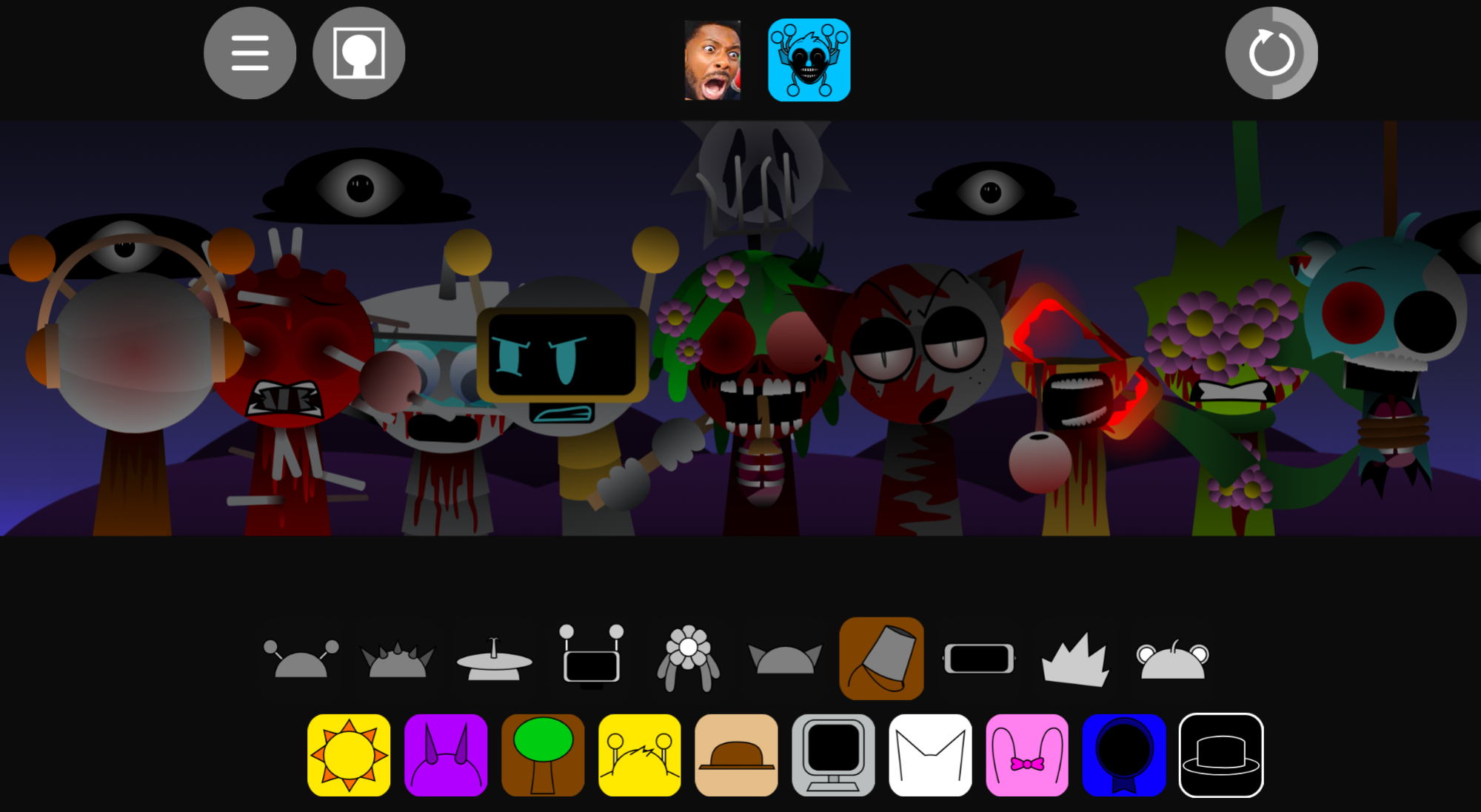
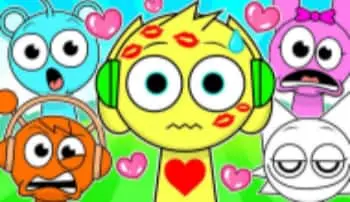
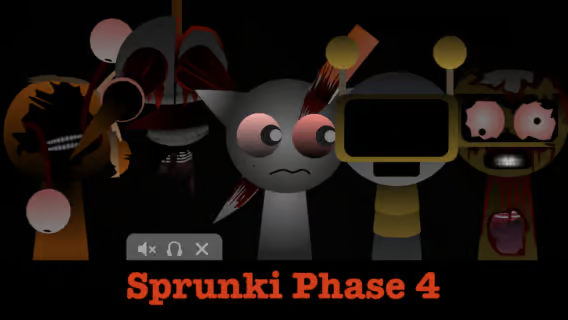
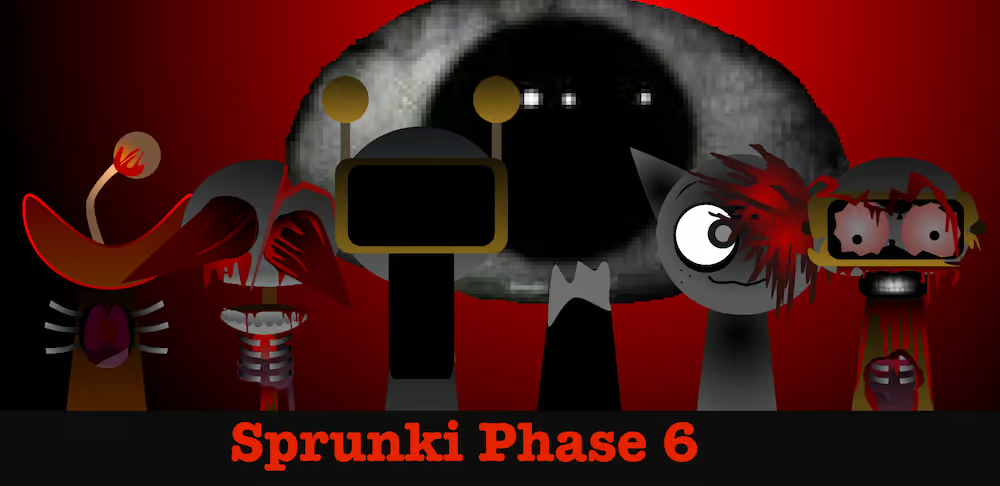
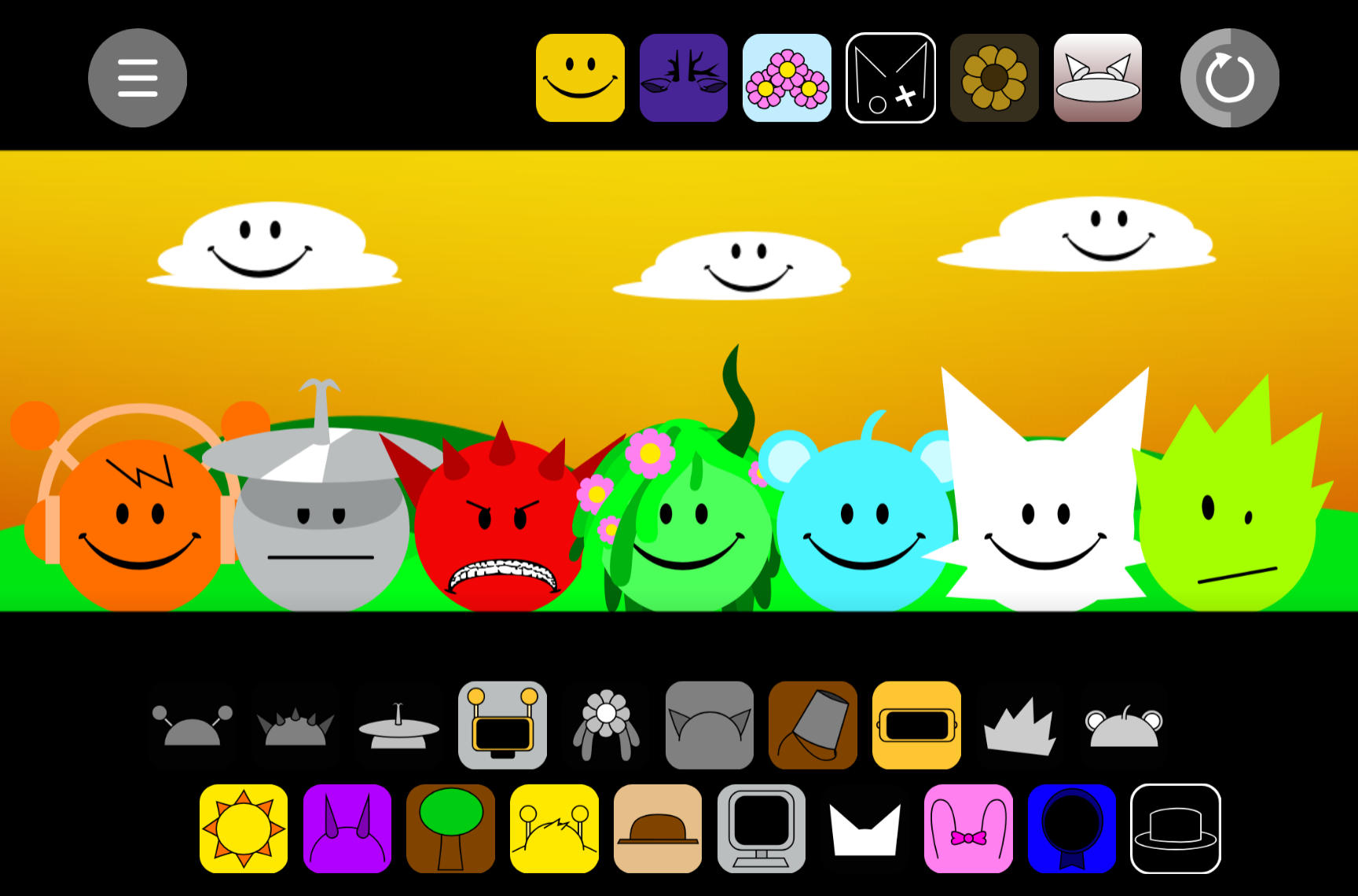
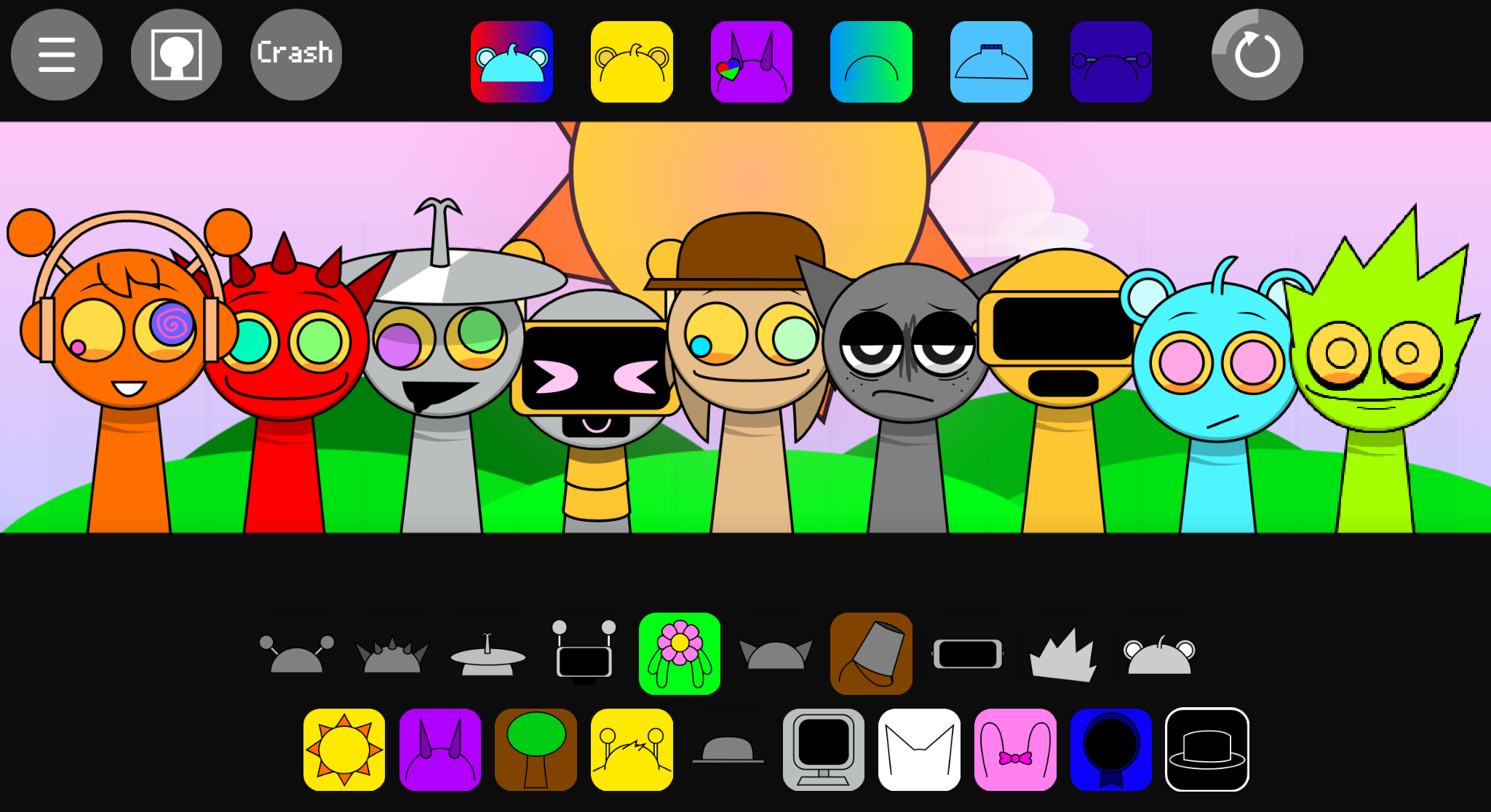
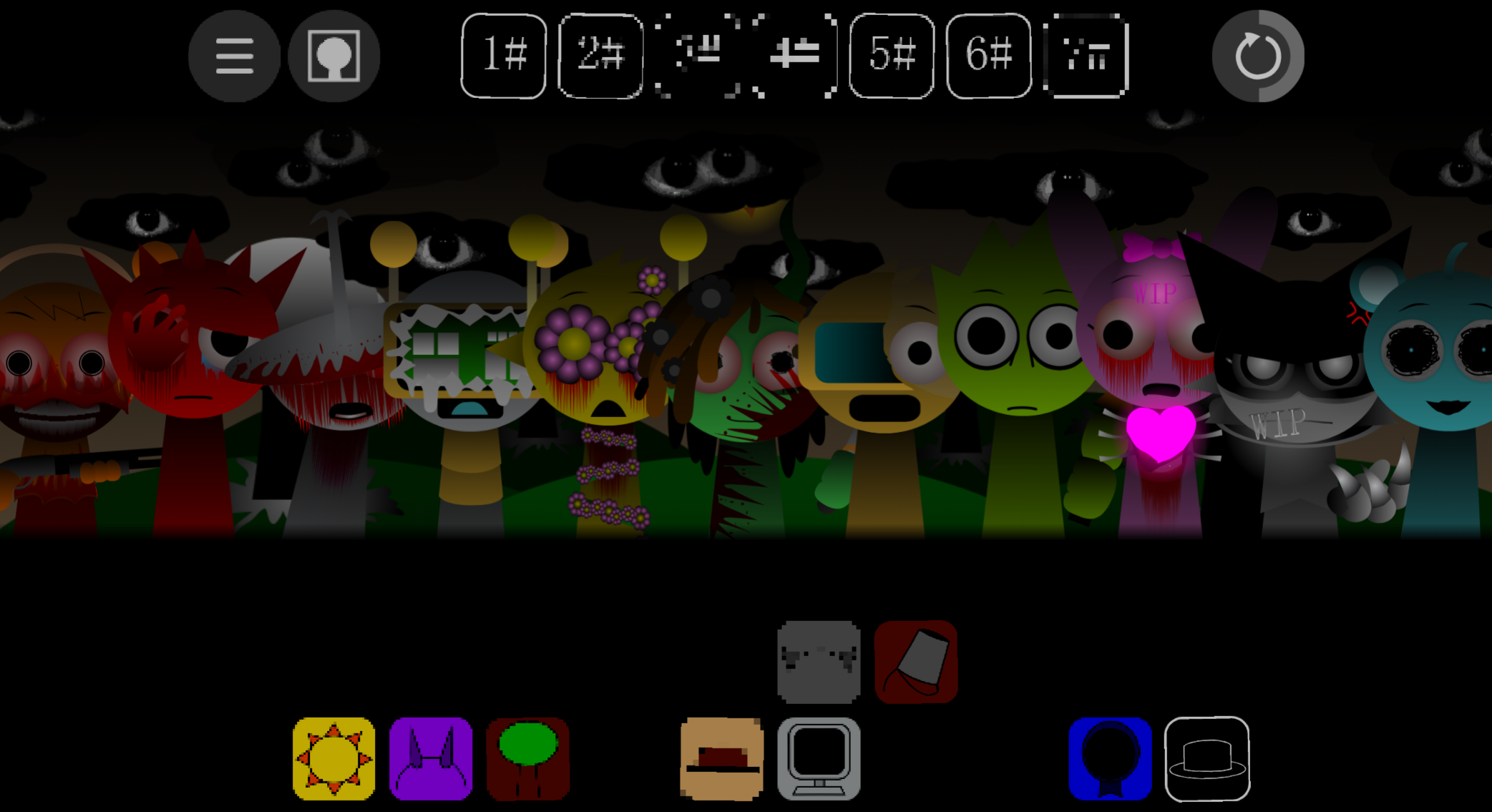
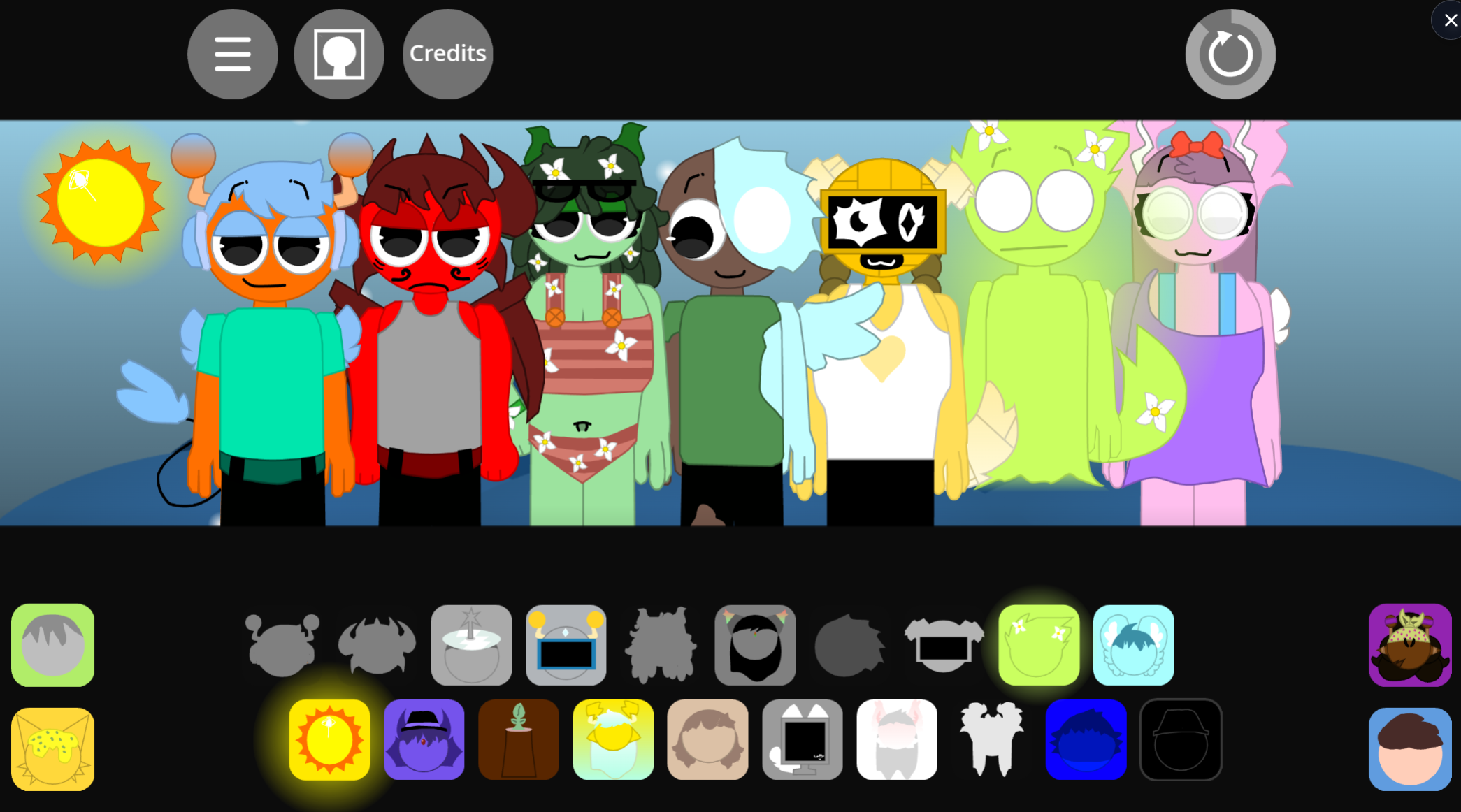
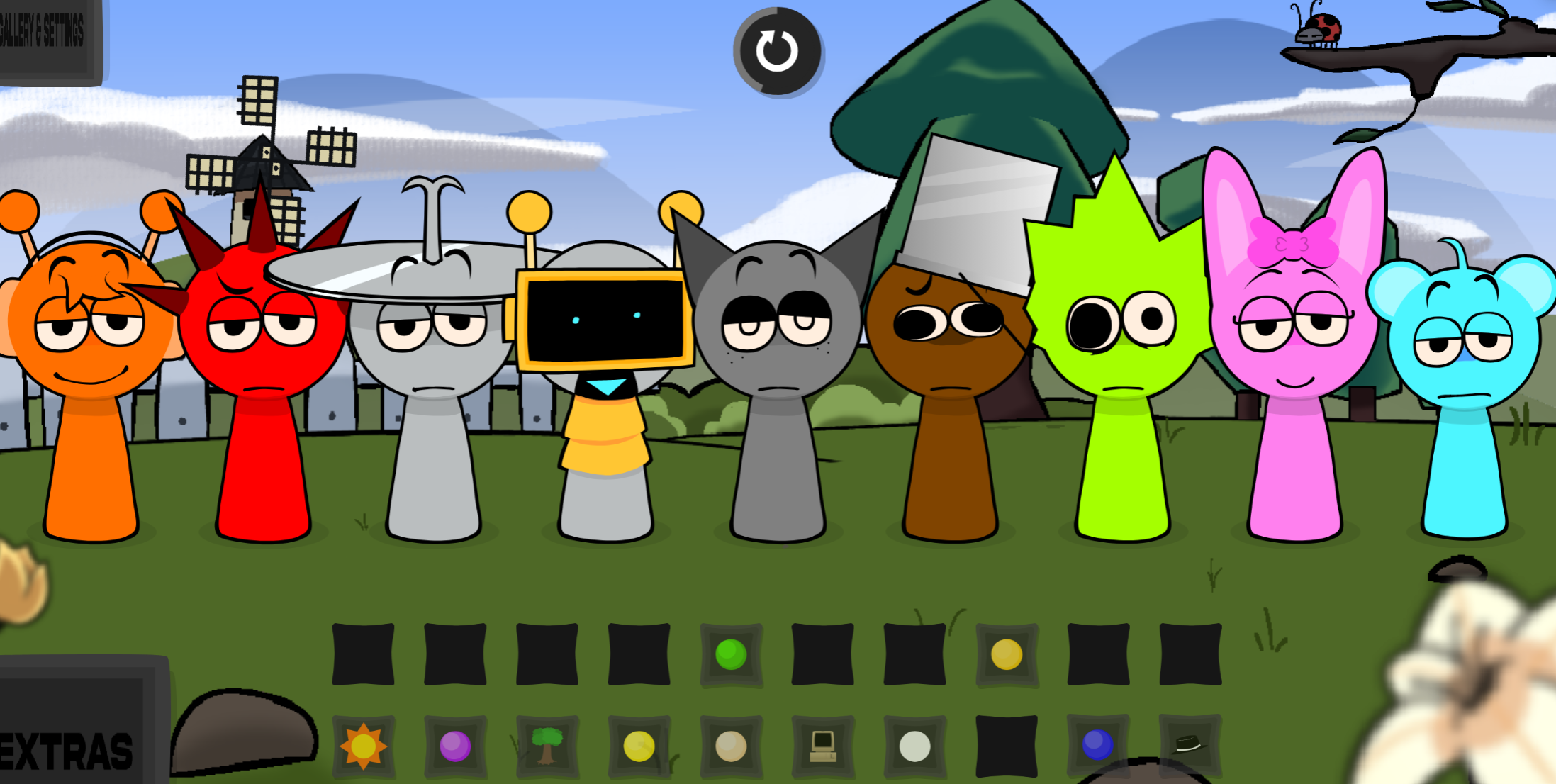

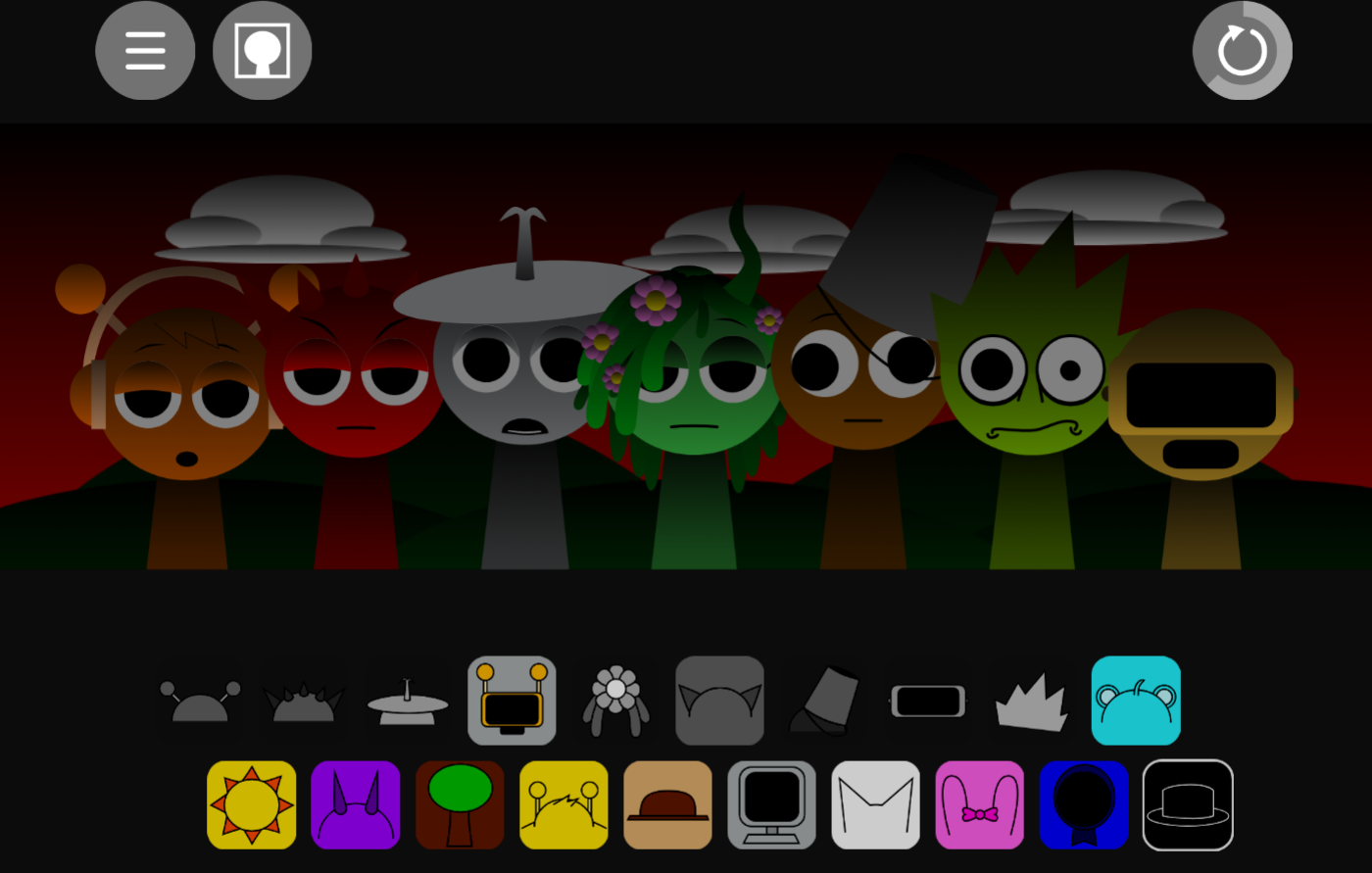
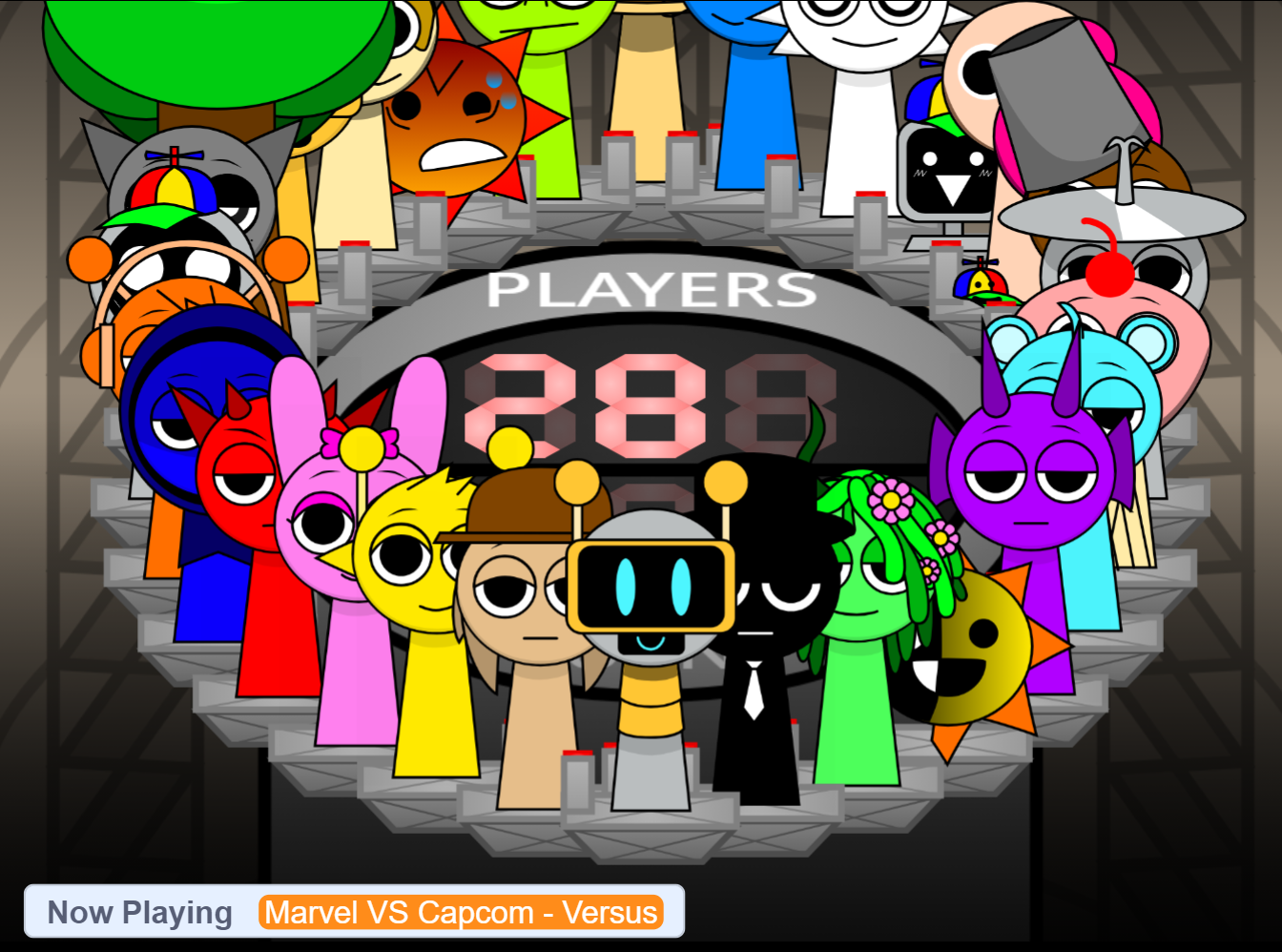
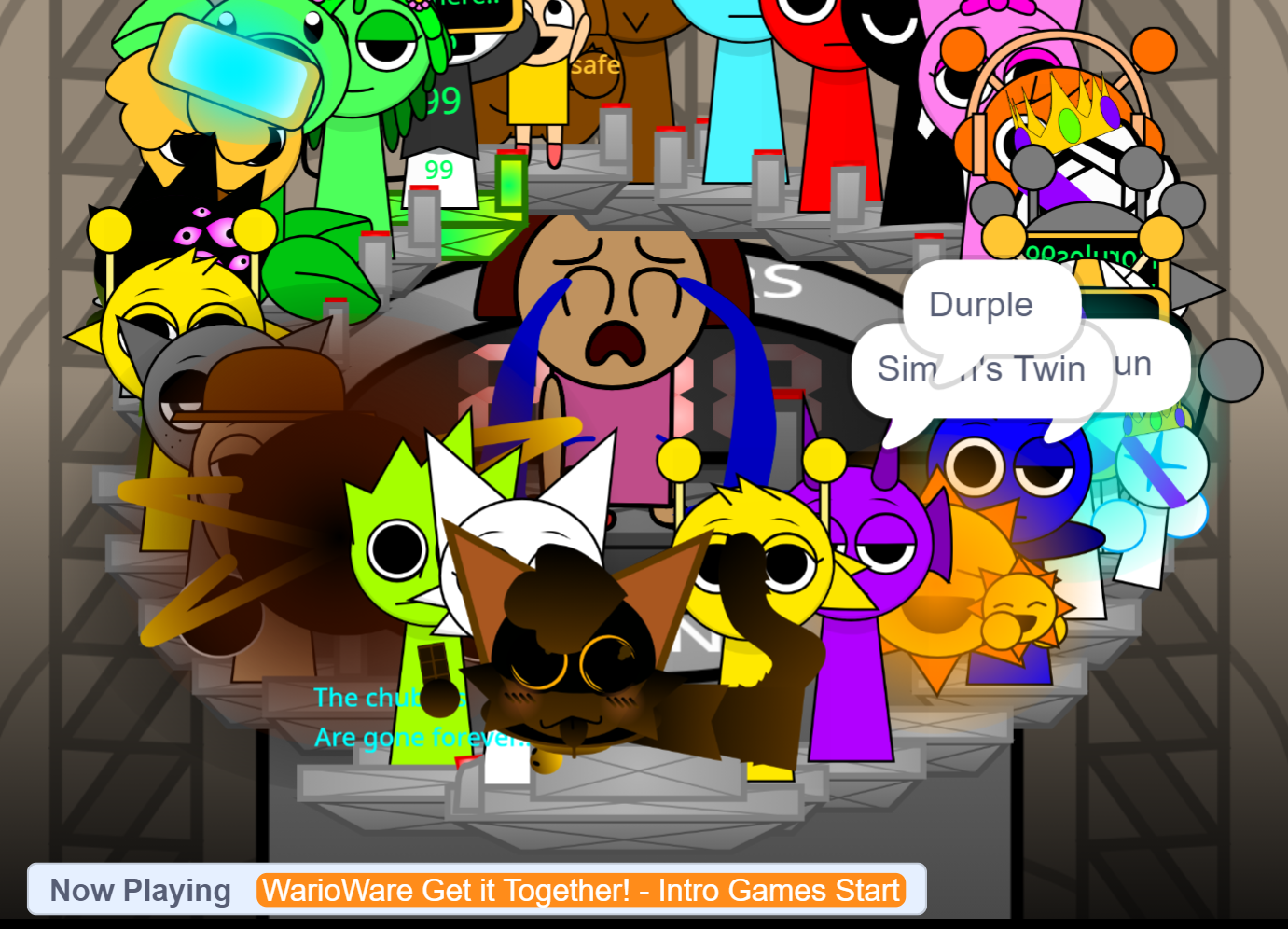
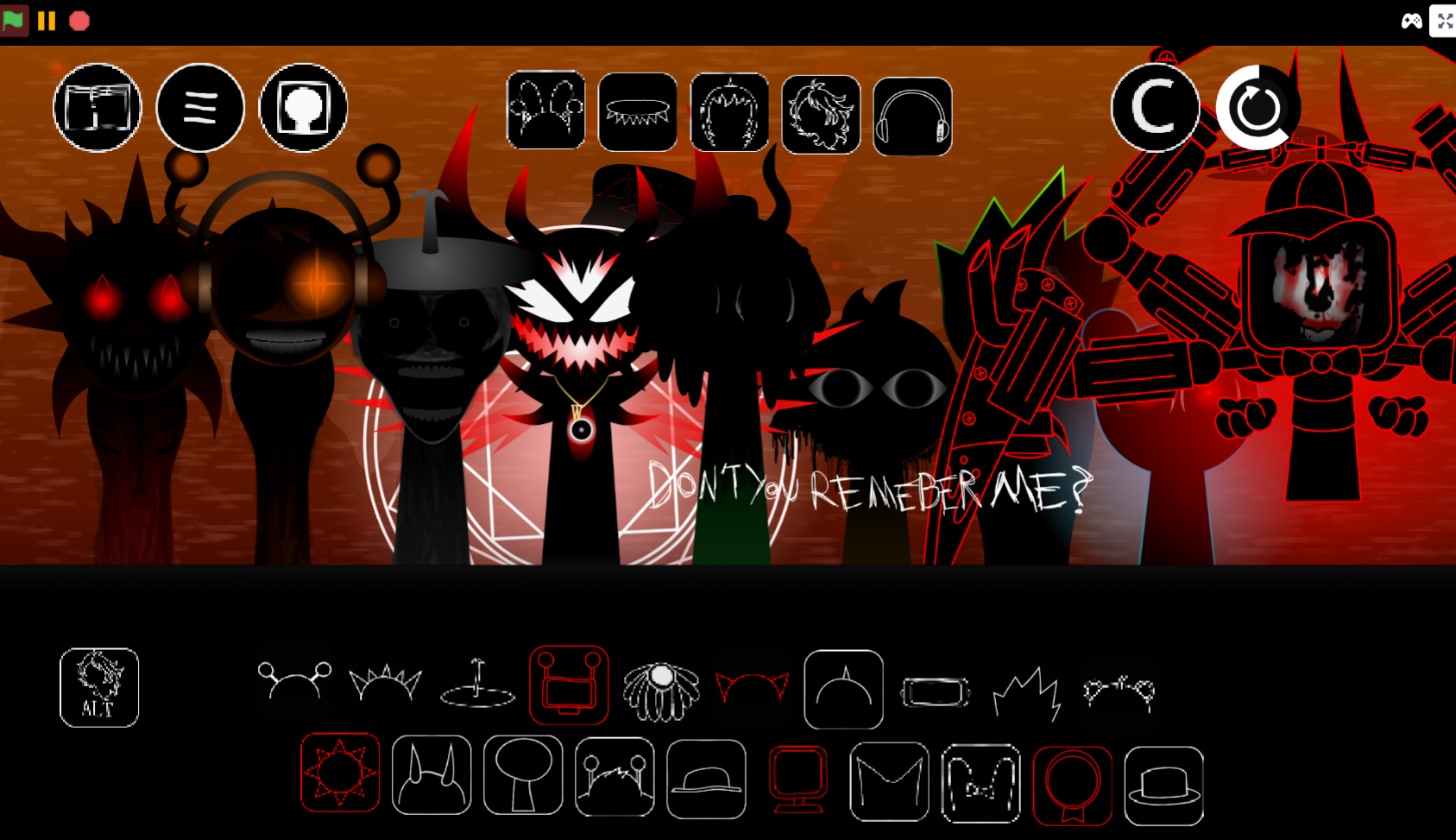
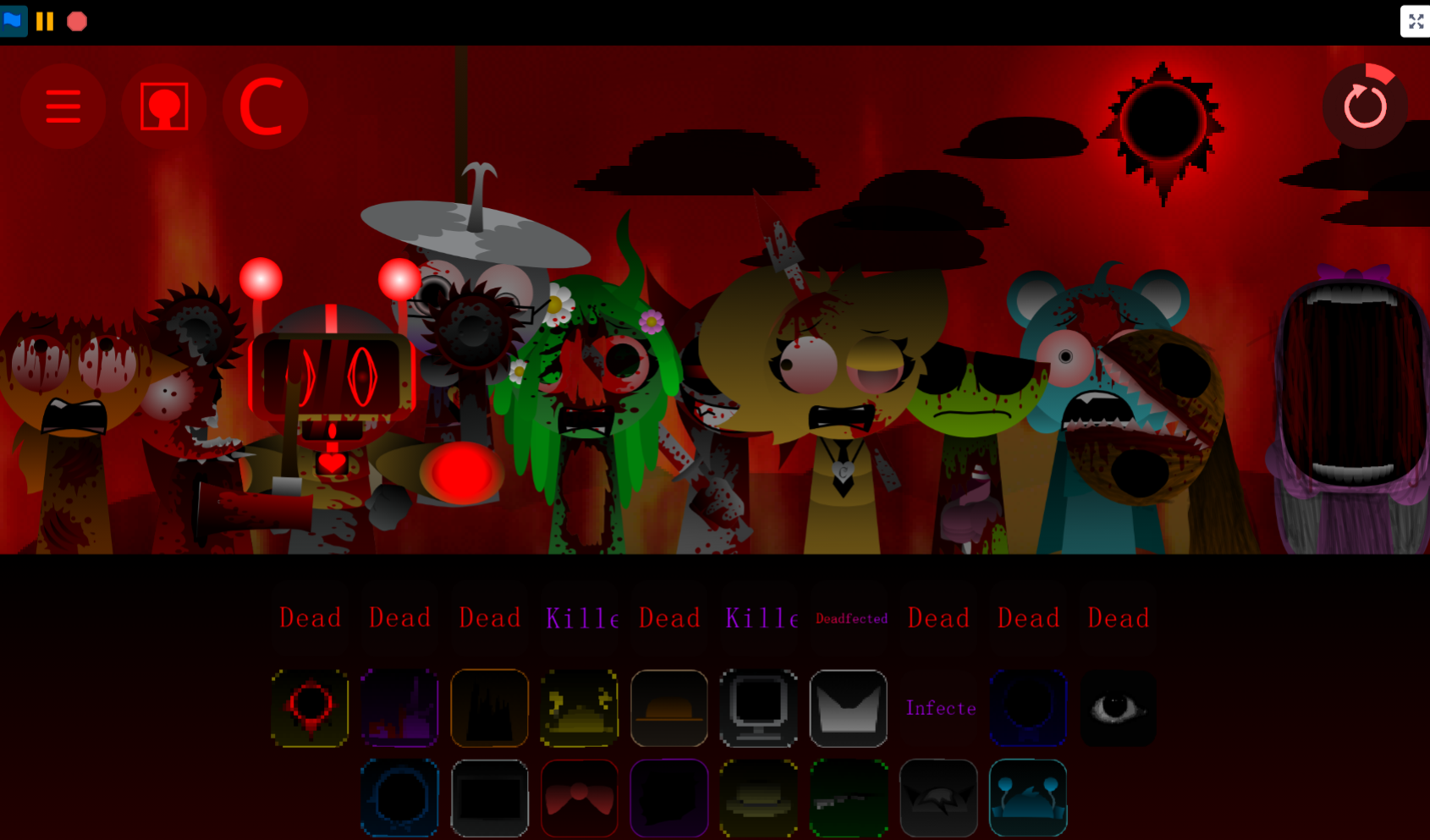
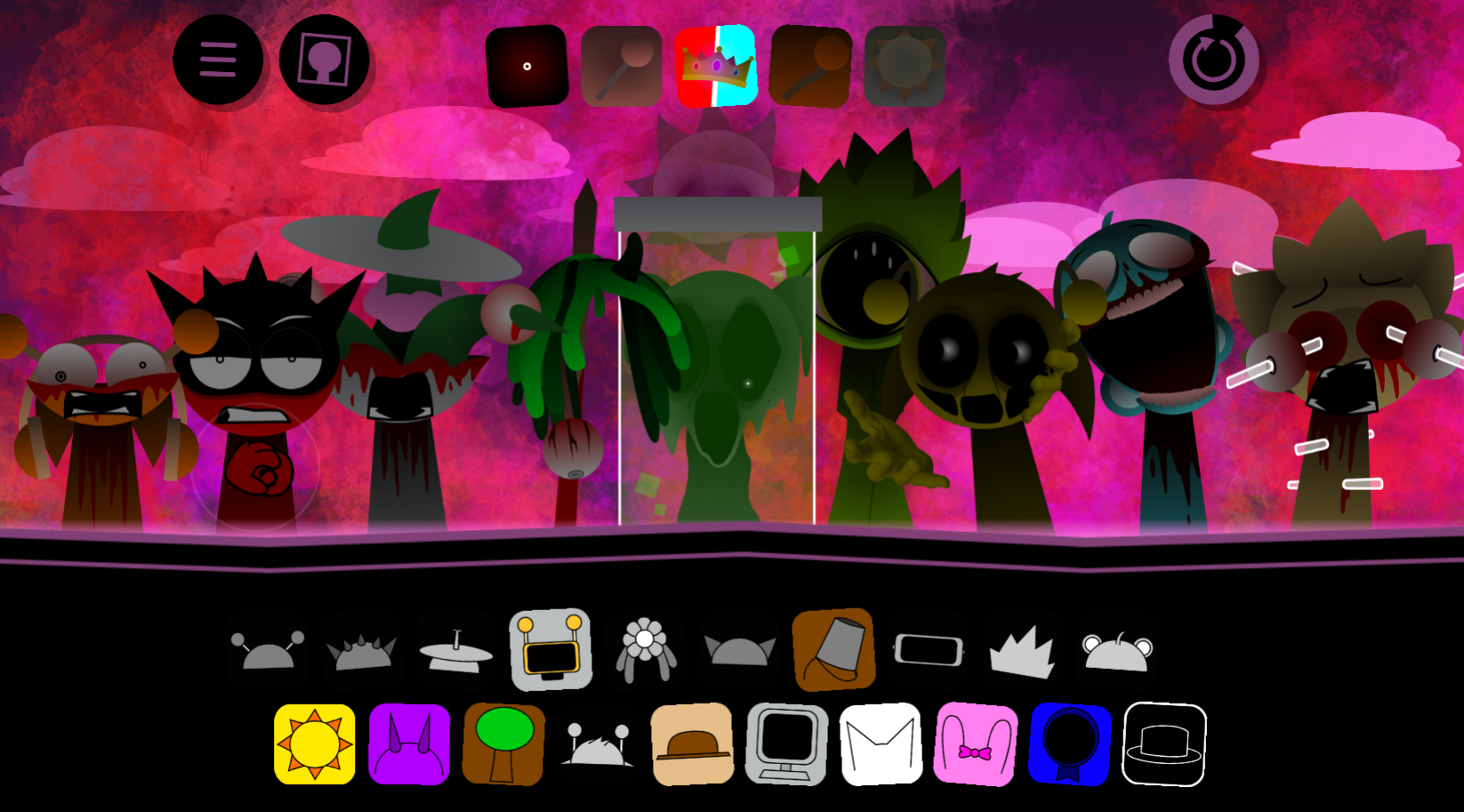
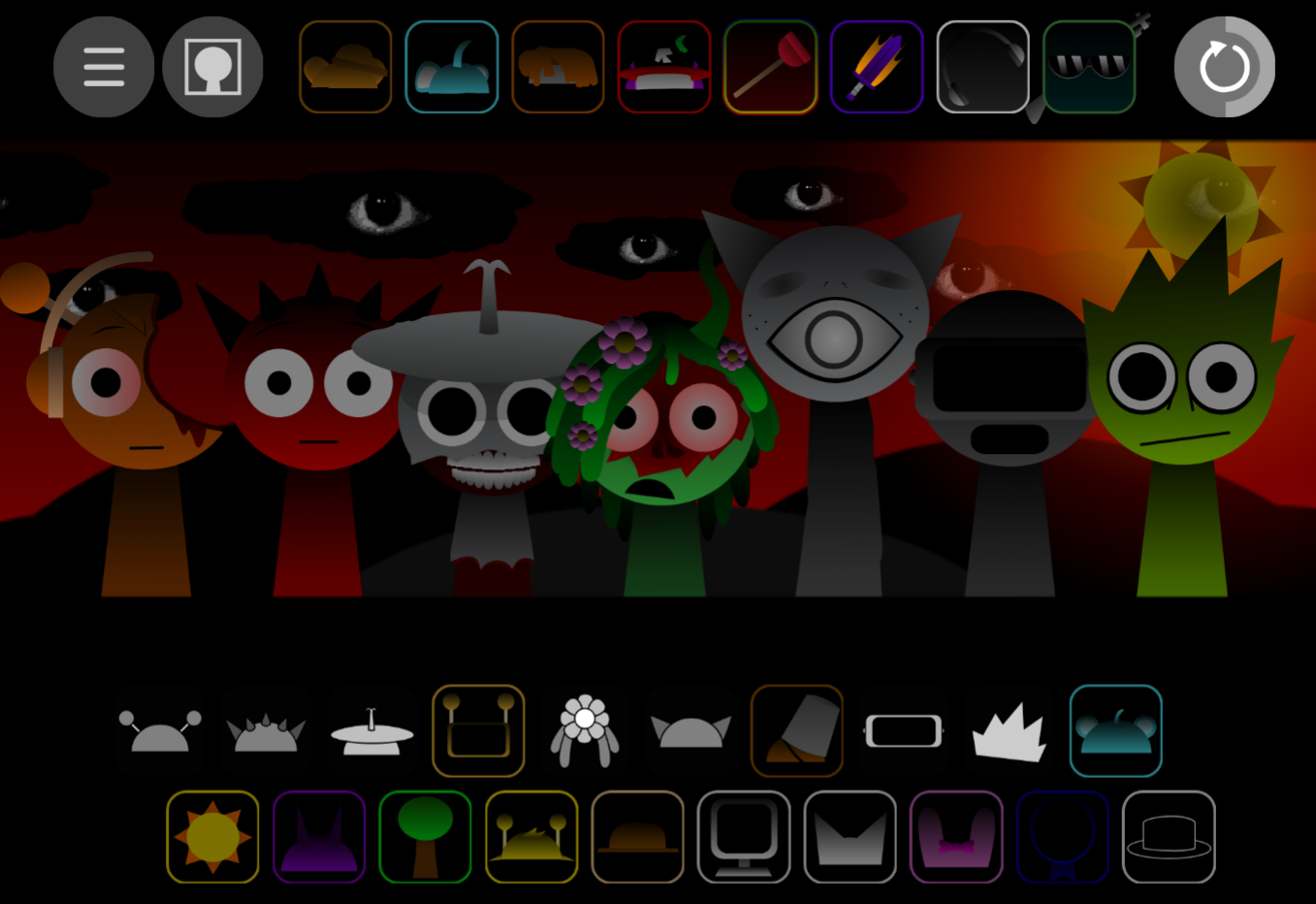
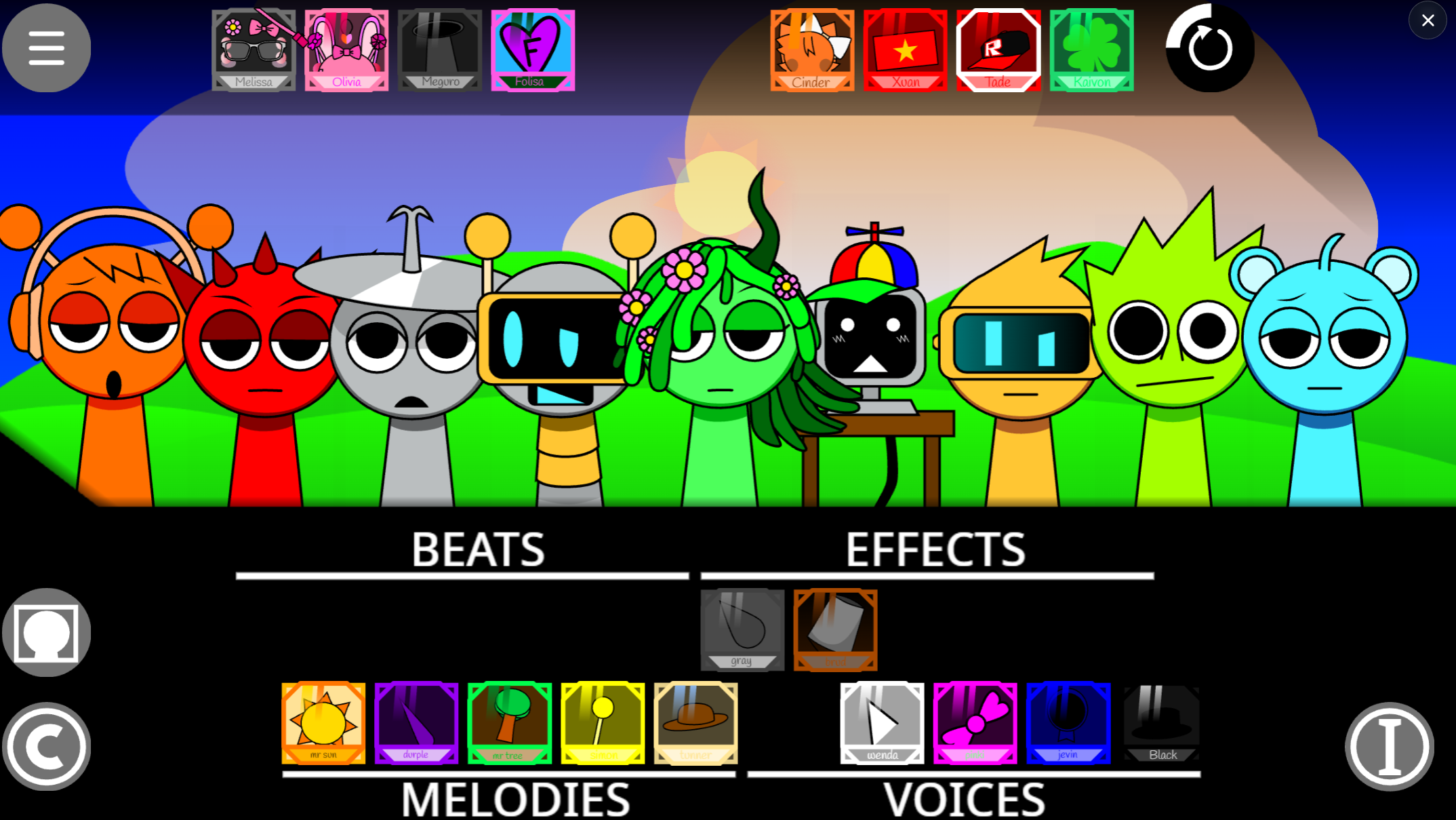
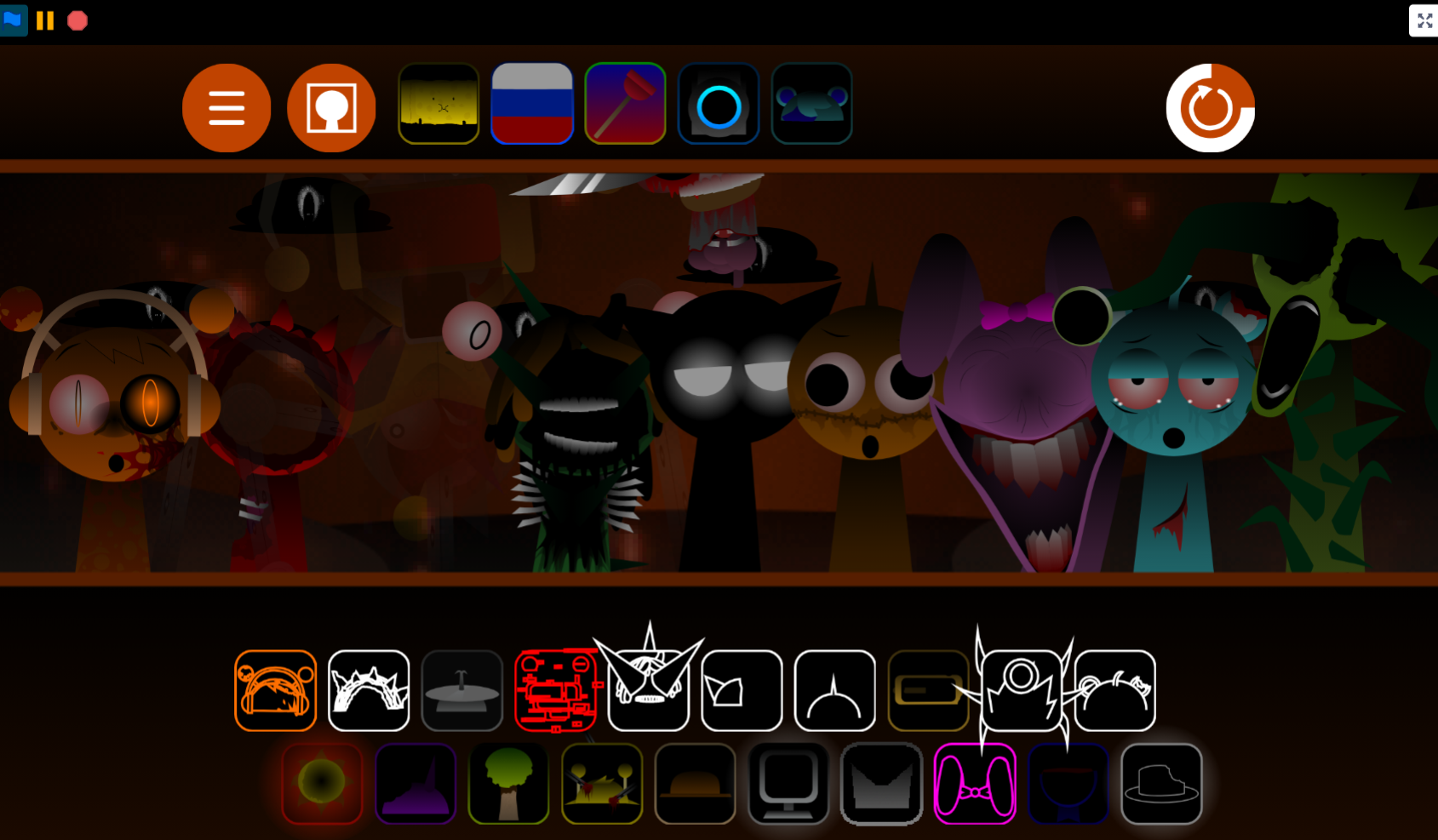
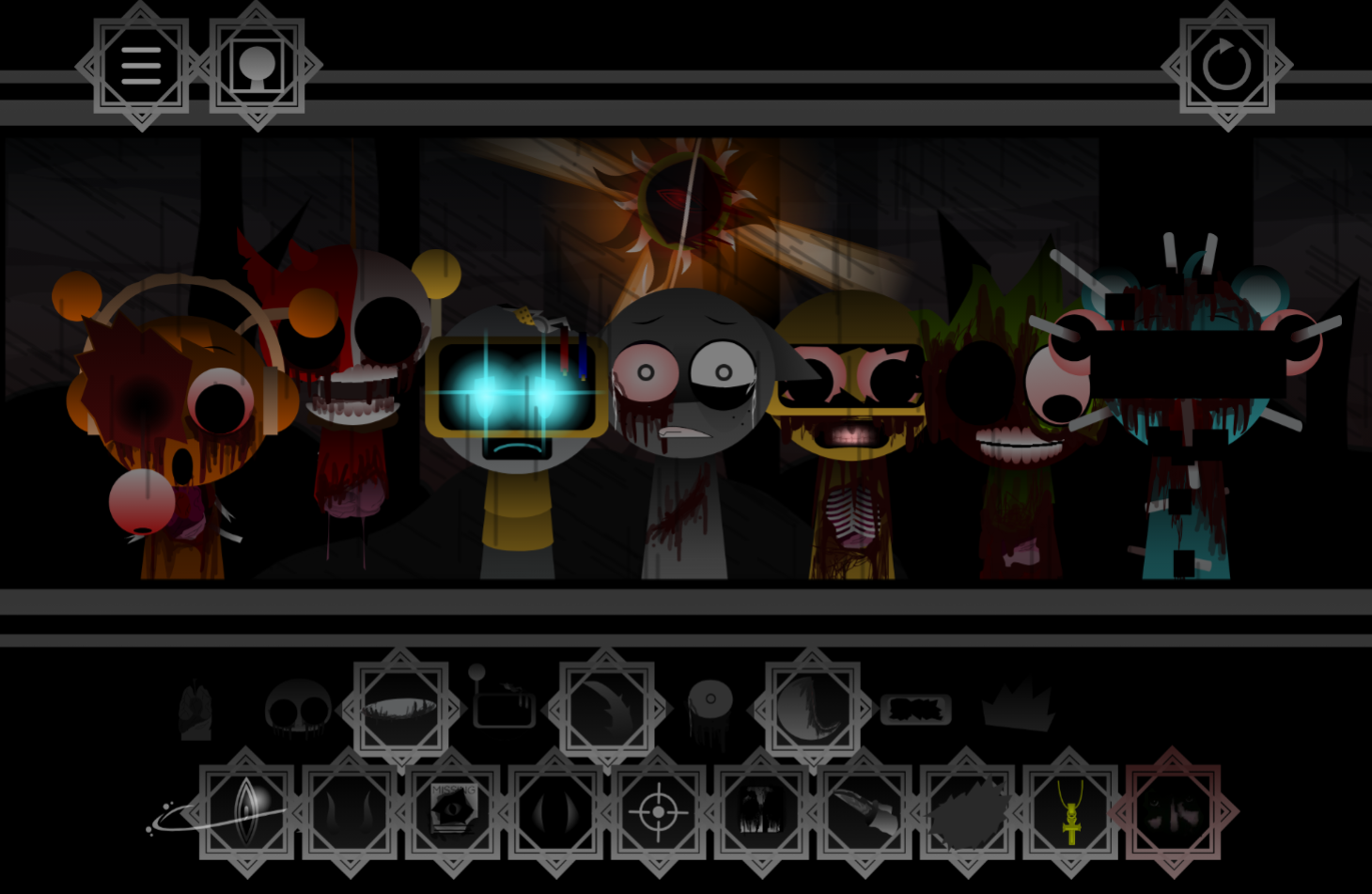
Sprunki Swapped Phase 3 is a fan-made Incredibox mod that shuffles character sound assignments to create unexpected musical combinations through the same drag-and-drop interface players already know.
This Phase specifically swaps beats, melodies, and effects across the Sprunki cast, letting you discover fresh sonic layering patterns while keeping the accessible gameplay intact. The result is a remix experience that rewards experimentation without requiring you to learn new controls.
This article walks through how the swapped mechanics work, which character changes produce the most striking musical shifts, and how to play Phase 3 effectively once you understand the reassignments.
Sprunki Swapped Phase 3
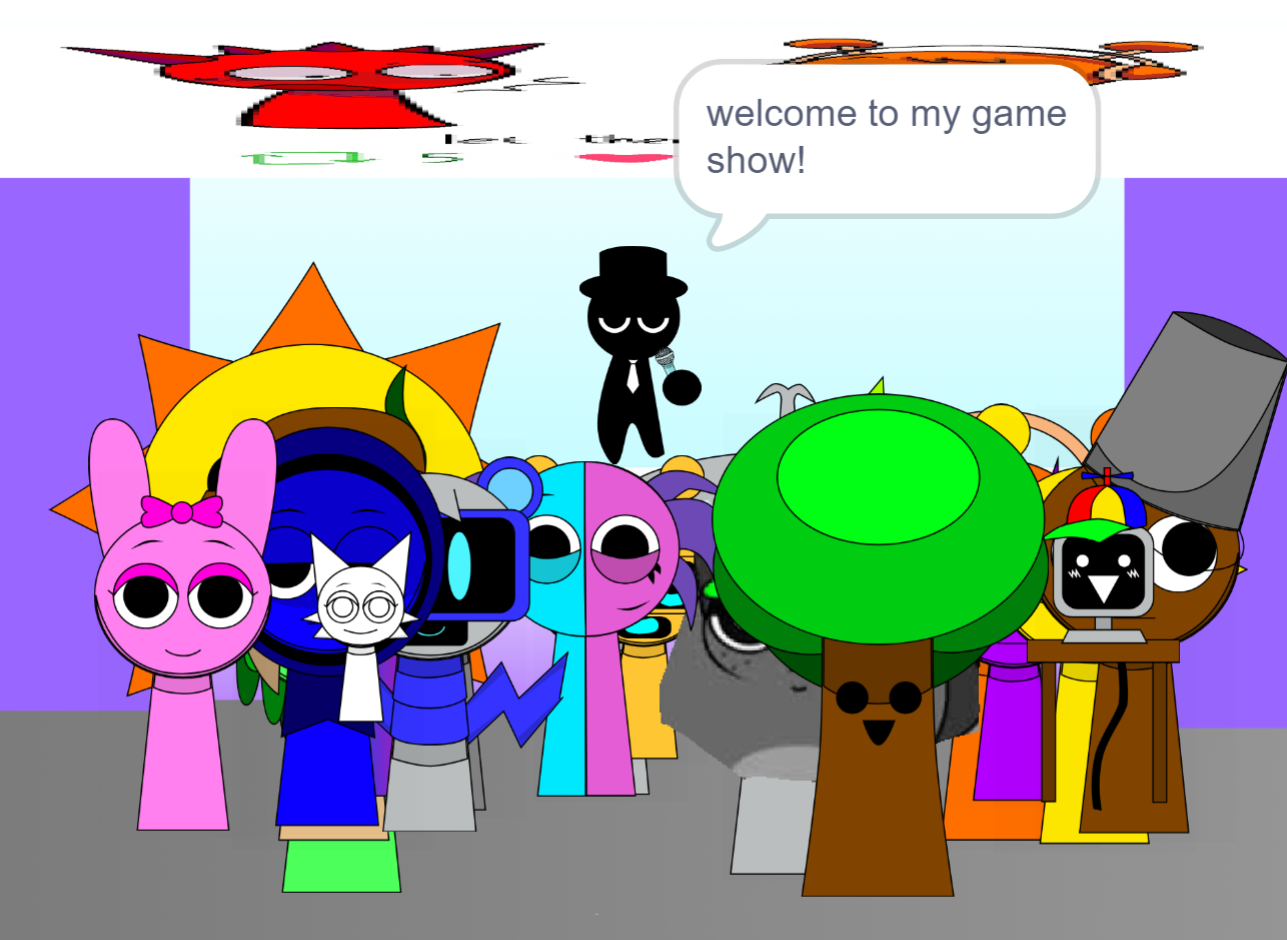
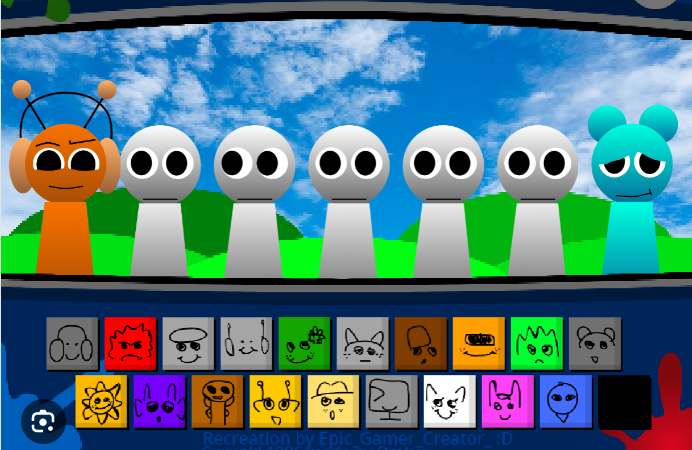
Sprunki Swapped Phase 3 is a fan-made Incredibox mod where character roles and sounds are reversed from their original functions. A character that typically delivers melody might instead provide bass or percussion, while an expected beat source may become an atmospheric effect. This reversal forces players to listen rather than rely on memory, turning each session into an experiment in layering swapped audio loops.
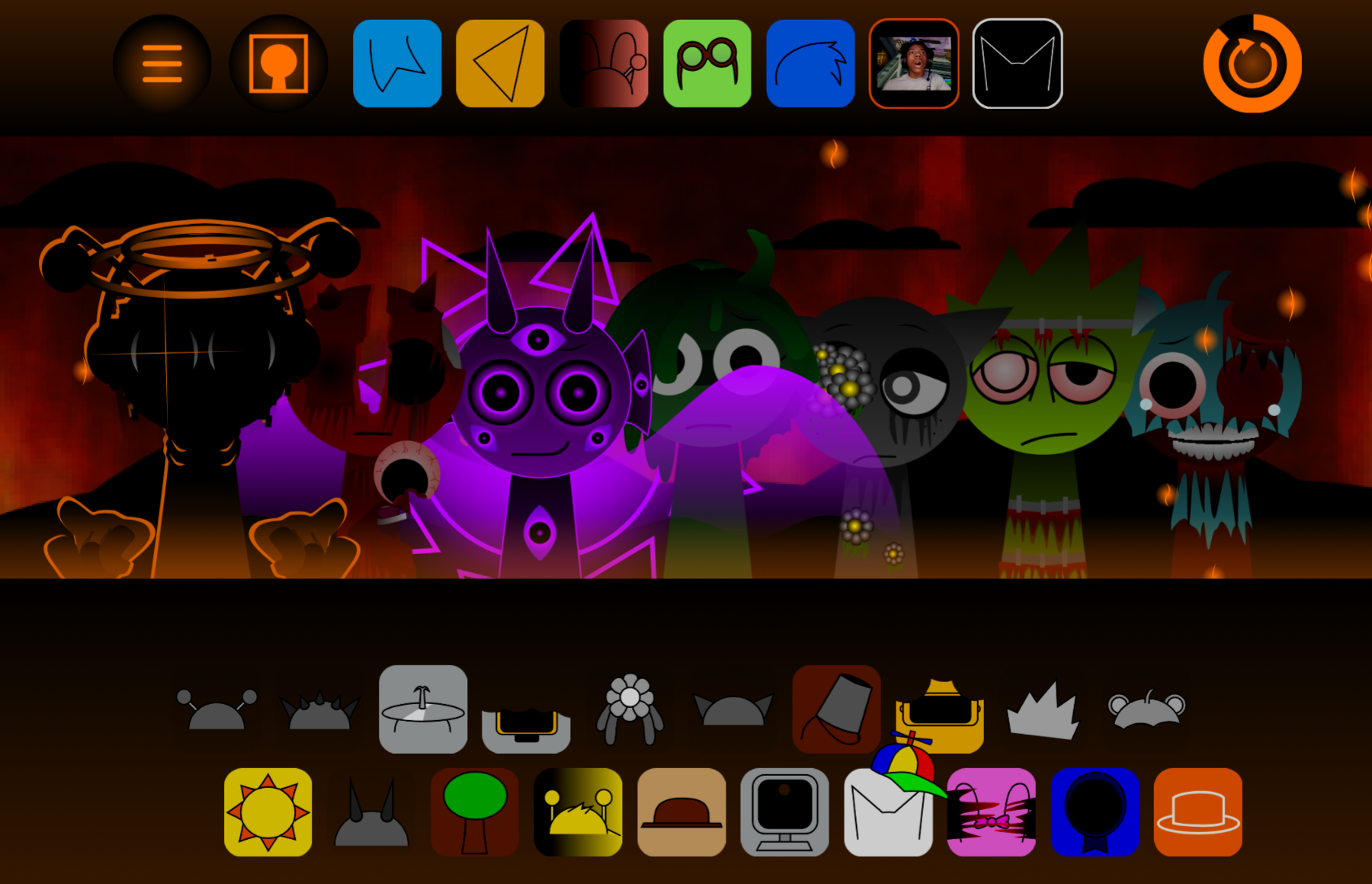
The Gameplay follows the drag-and-drop format: select a sound icon, assign it to a character, and that performer adds a repeating loop to your mix. As you fill slots, the track can shift from clean rhythm into eerie ambience, glitch tension, or distorted industrial composition. The challenge is arranging these reversed sounds so they complement rather than clash.
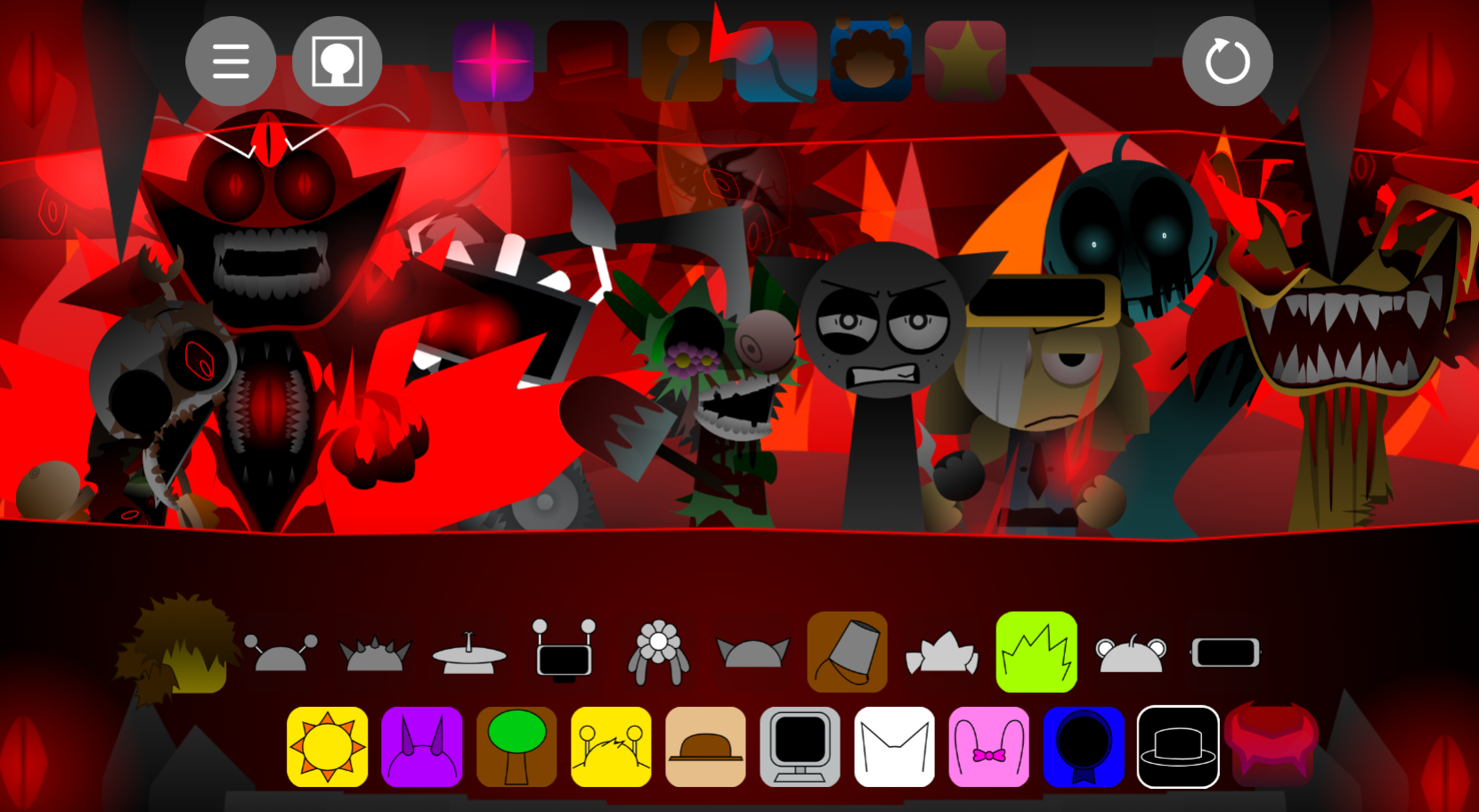
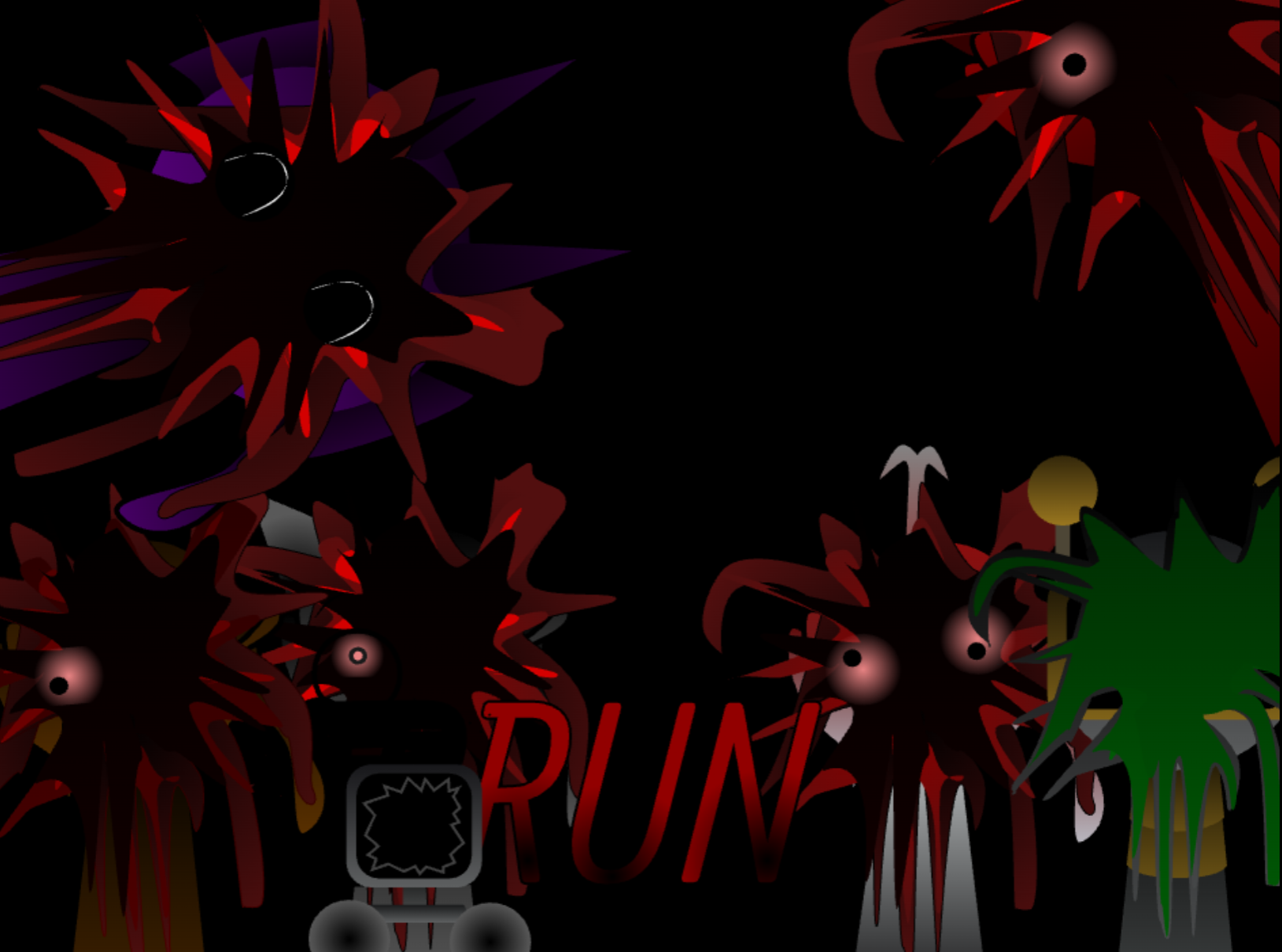
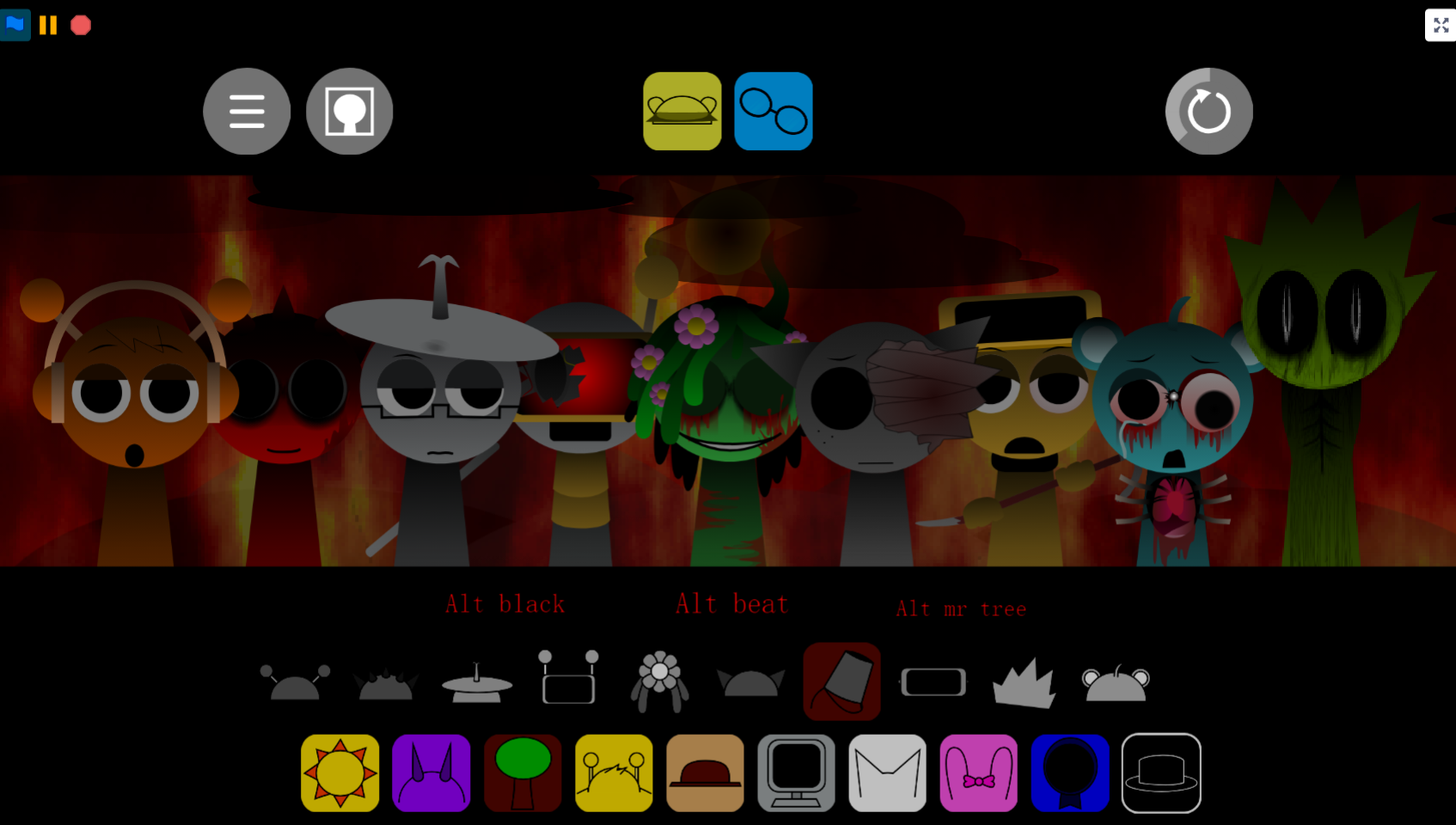
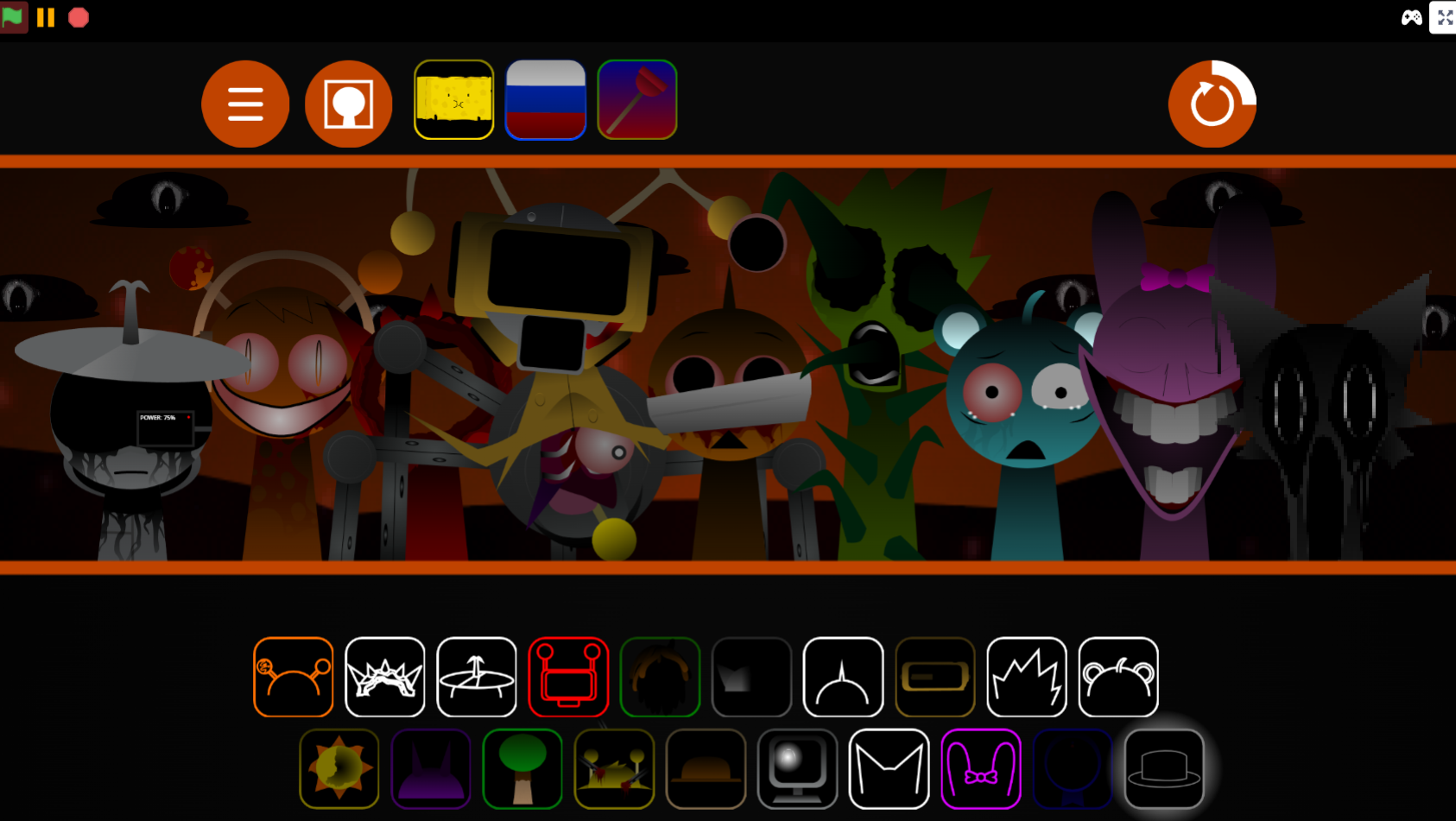
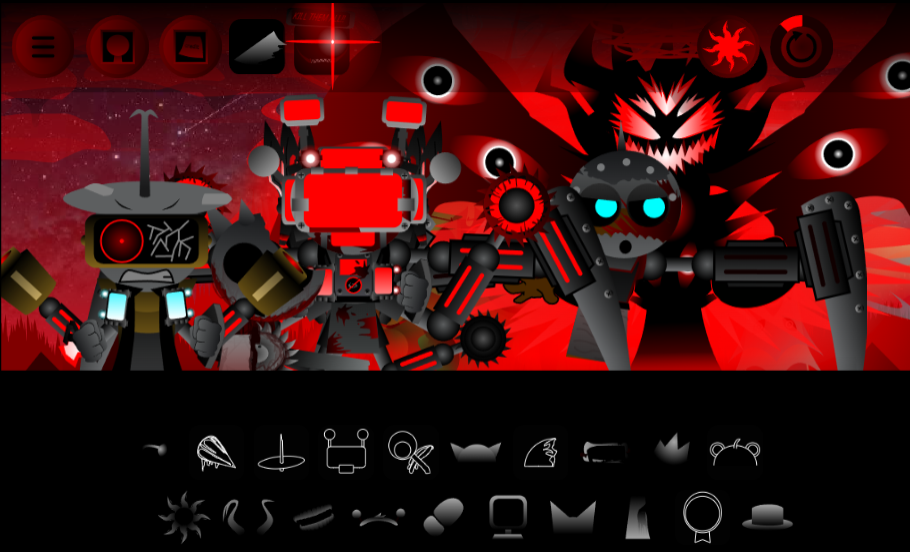
Visually, the game adopts a darker Phase 3 aesthetic. Active characters animate and transform the screen as your composition develops, reinforcing the altered timeline’s tone.
How to Play Sprunki Swapped Phase 3
The Mechanics are straightforward but reward careful listening:
- Choose a sound icon from categories like beats, effects, melodies, and vocals. Categories still guide you, but the Swapped Phase alters which character delivers each type.
- Start with rhythm. Add a beat-focused layer first to establish pulse. A strong foundation makes it easier to judge whether later additions support the track.
- Layer gradually. Drag sounds onto characters one at a time. Listen before adding the next part—filling every slot immediately obscures each sound’s personality.
- Add melody, atmosphere, vocals. Introduce a melodic phrase for direction, effects for space or tension, vocal textures for identity. Because roles are swapped, unexpected combinations often produce the most distinctive results.
- Refine the arrangement. Mute a layer to hear what’s underneath, solo a strange sound to understand its role, or remove a character if its loop overwhelms the mix.
- Test combinations. There’s no single correct track. Replace one layer at a time, compare different relationships, and build toward the atmosphere you want—clean and rhythmic, ominous and sparse, or dense and glitchy.
Features of Sprunki Swapped Phase 3
-
Swapped sound design: Familiar expectations are reversed. A combination that works predictably elsewhere may create an entirely different mood here.
-
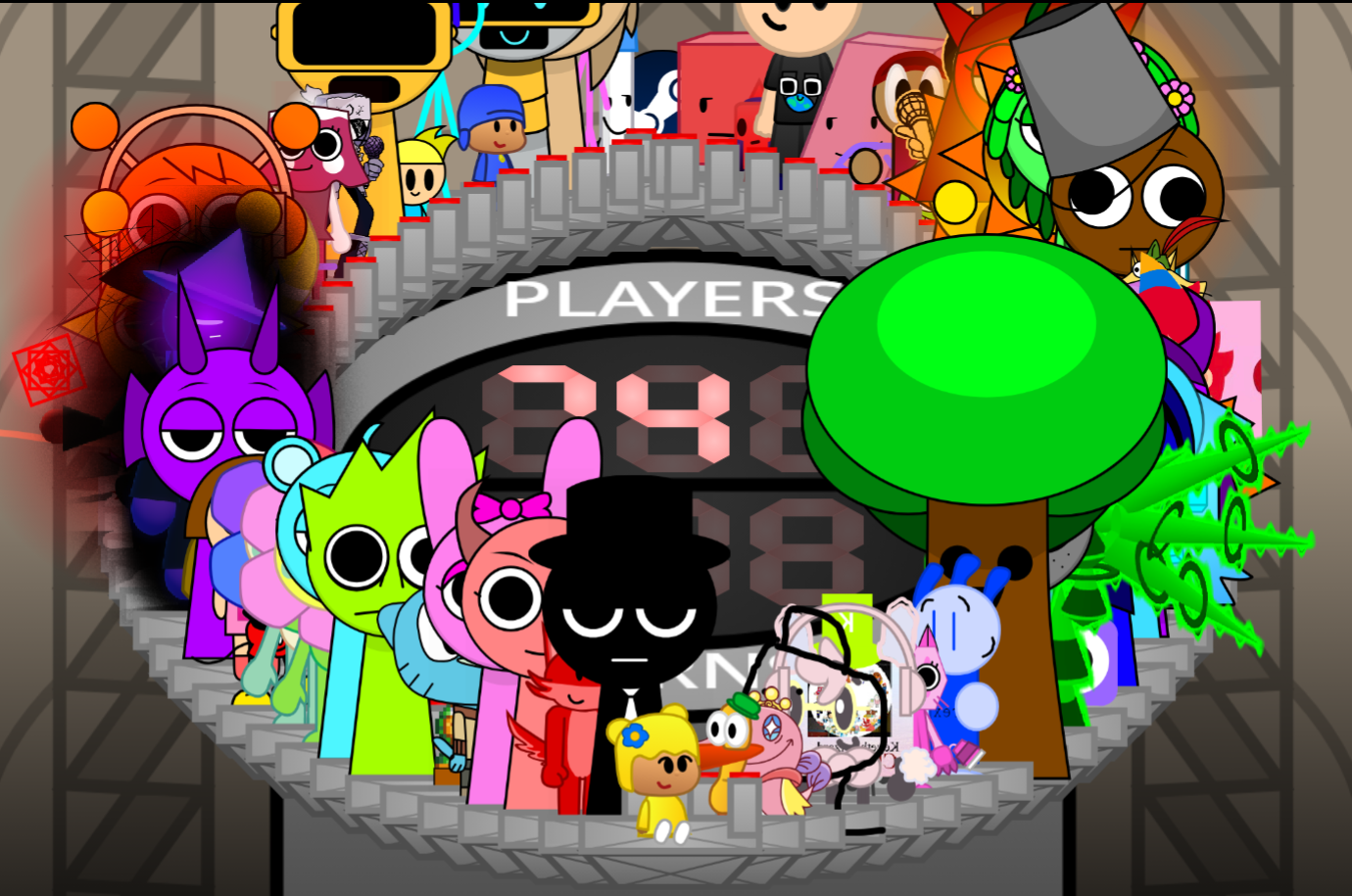
Reimagined character roster: The cast remains recognizable, but altered audio identities require reassessing every character’s role.
-
Phase 3 visuals: Changed character designs and darker visual treatment reinforce the experimental tone of the swapped timeline.
-
Character-based building: Every character acts as a sound source, contributing a beat, effect, melody, or vocal loop rather than simple decoration.
-
Experiment-first approach: No production experience needed. The interface rewards listening, layering, muting, replacing, and discovering how unexpected parts fit together.
Understanding the Swapped Roster
The Character roster functions as a collection of musical building blocks where familiar assumptions no longer apply. Exact one-to-one swaps aren’t confirmed; what matters is how the altered roster changes recognizable characters’ functions.
Every swapped character serves three connected roles:
- Sound role: Provides a rhythmic beat, bass phrase, atmospheric effect, melody, or vocal texture.
- Visual role: Altered design supports the current emotional tone—bright, strange, tense, corrupted, or ominous.
- Mixing role: Their loop changes how every active layer is perceived. A harsh effect can darken a melody; a new rhythm can transform a calm vocal’s energy.
To learn the roster efficiently:
- Identify a character creating a stable rhythmic base.
- Add one effect character for atmosphere, glitch detail, or tension.
- Bring in melody or vocals to establish emotional direction.
- Swap individual characters out when the mix grows crowded or loses focus.
This process reveals the main appeal: characters aren’t fixed labels with predictable jobs. They’re surprises to uncover through sound.
Related Games
- Sprunki Swapped Horror — This is the most direct follow-up for players who want more role-reversed character designs, corrupted sound loops, and the unsettling swapped-universe horror central to Phase 3.
- Sprunki Phase 3 Reimagined New Start — Its reworked Phase 3 premise makes it a strong companion for exploring another reinterpretation of the same glitchy, character-driven music-horror era.
- Sprunki 1996 Horror Mode — Players drawn to Phase 3’s hidden horror transformation can continue with this darker mod’s retro-styled presentation and horror-focused mixing experience.
What Makes This Version Distinct?
Where standard Sprunki phases build on established character functions, Swapped Phase 3 deliberately disrupts them. A character’s appearance no longer reliably predicts its sound contribution. This forces active listening over pattern recognition and makes experimentation more valuable than memorization.
The Phase 3 visual treatment intensifies this disorientation. Darker designs and altered aesthetics signal that familiar rules don’t apply, encouraging players to approach each session as discovery rather than repetition.
Discuss Sprunki