
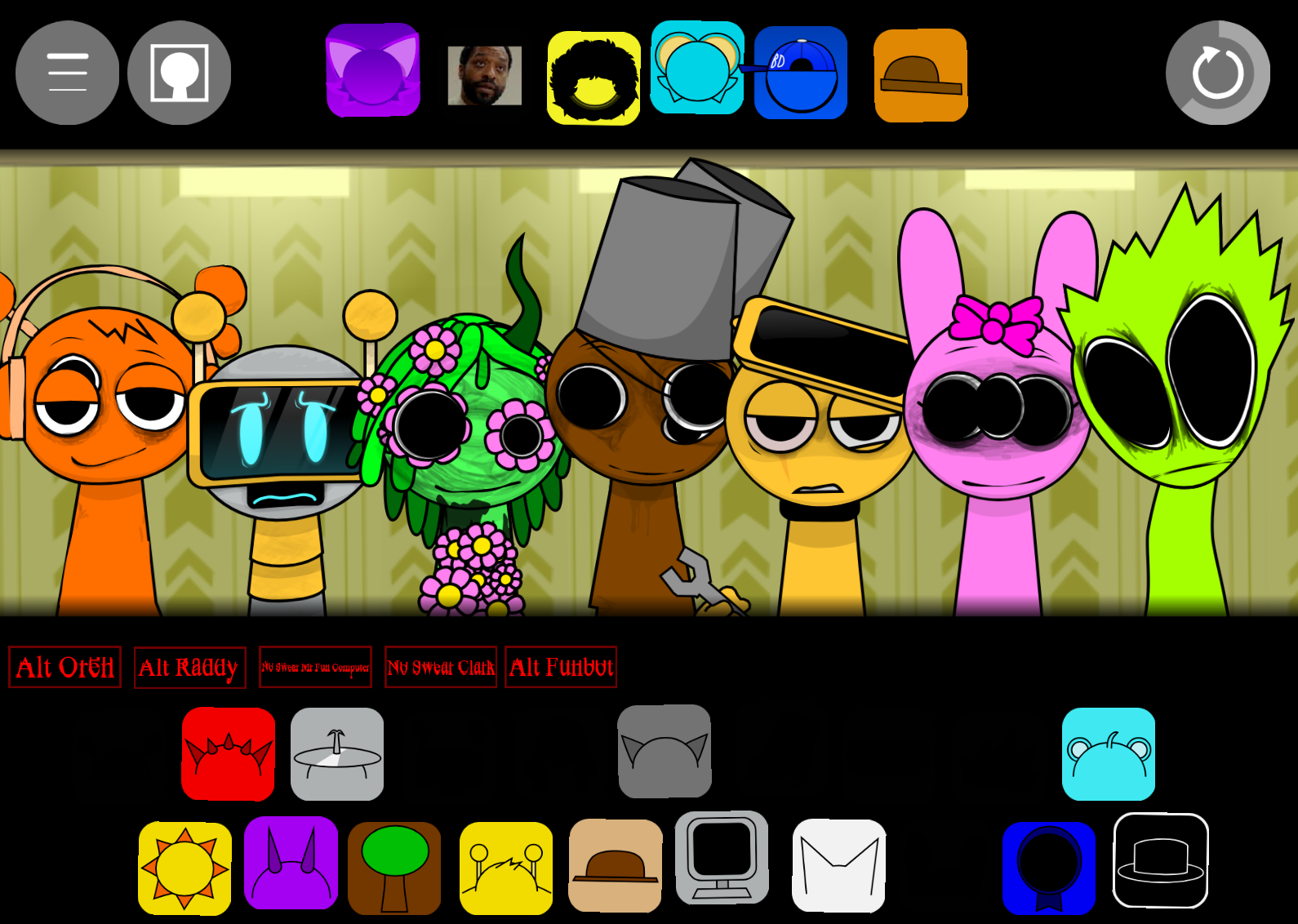
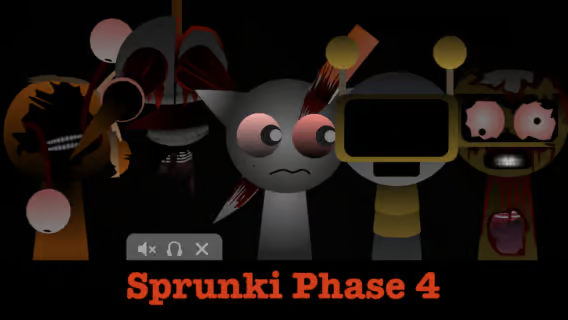
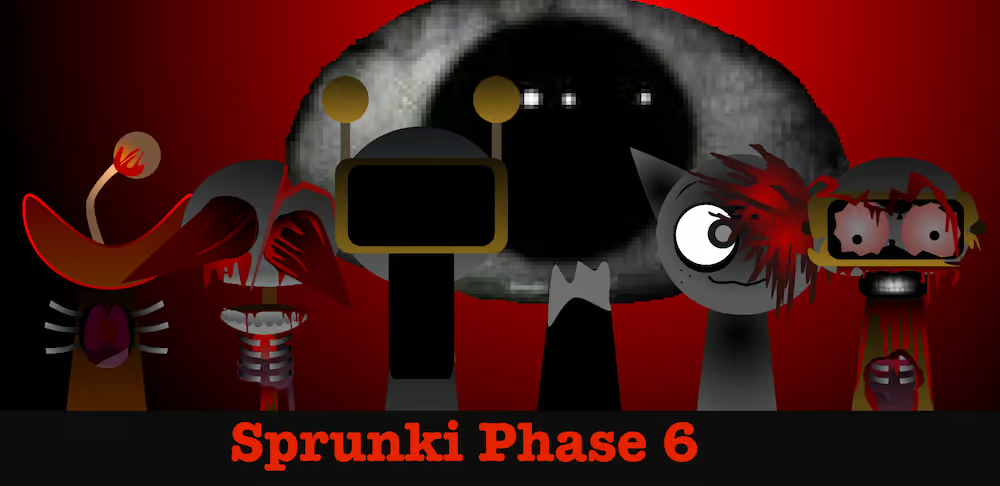
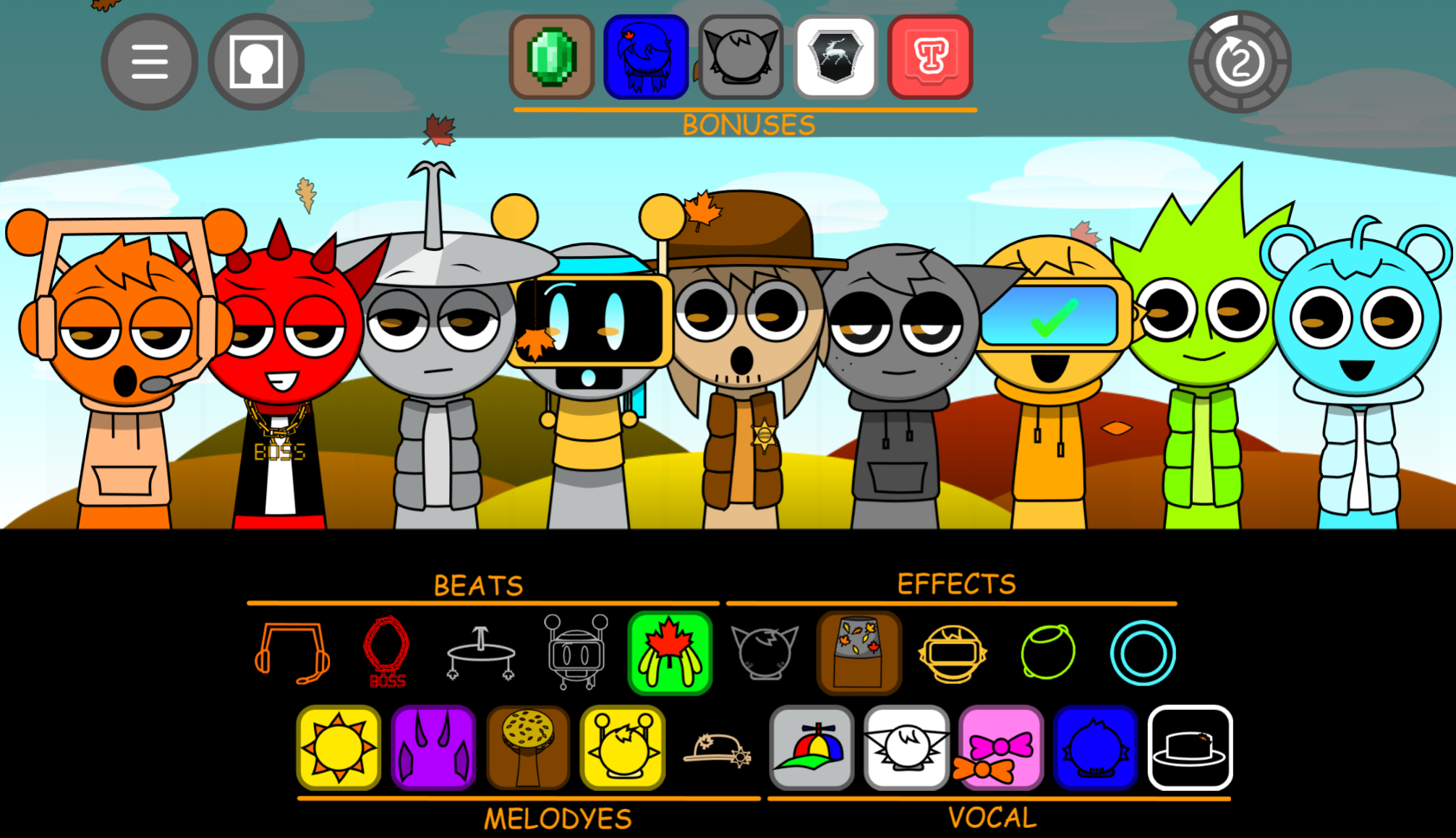
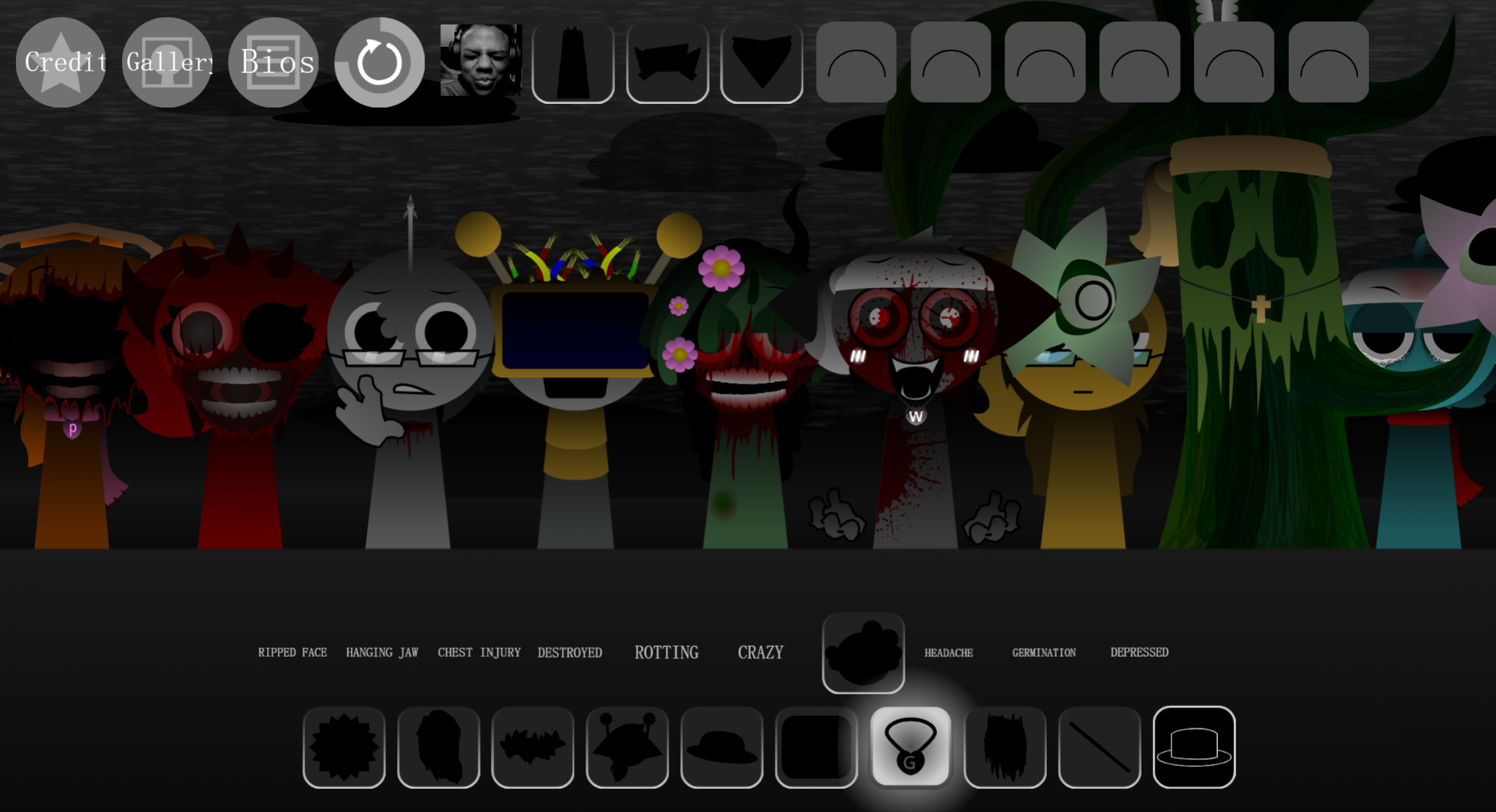
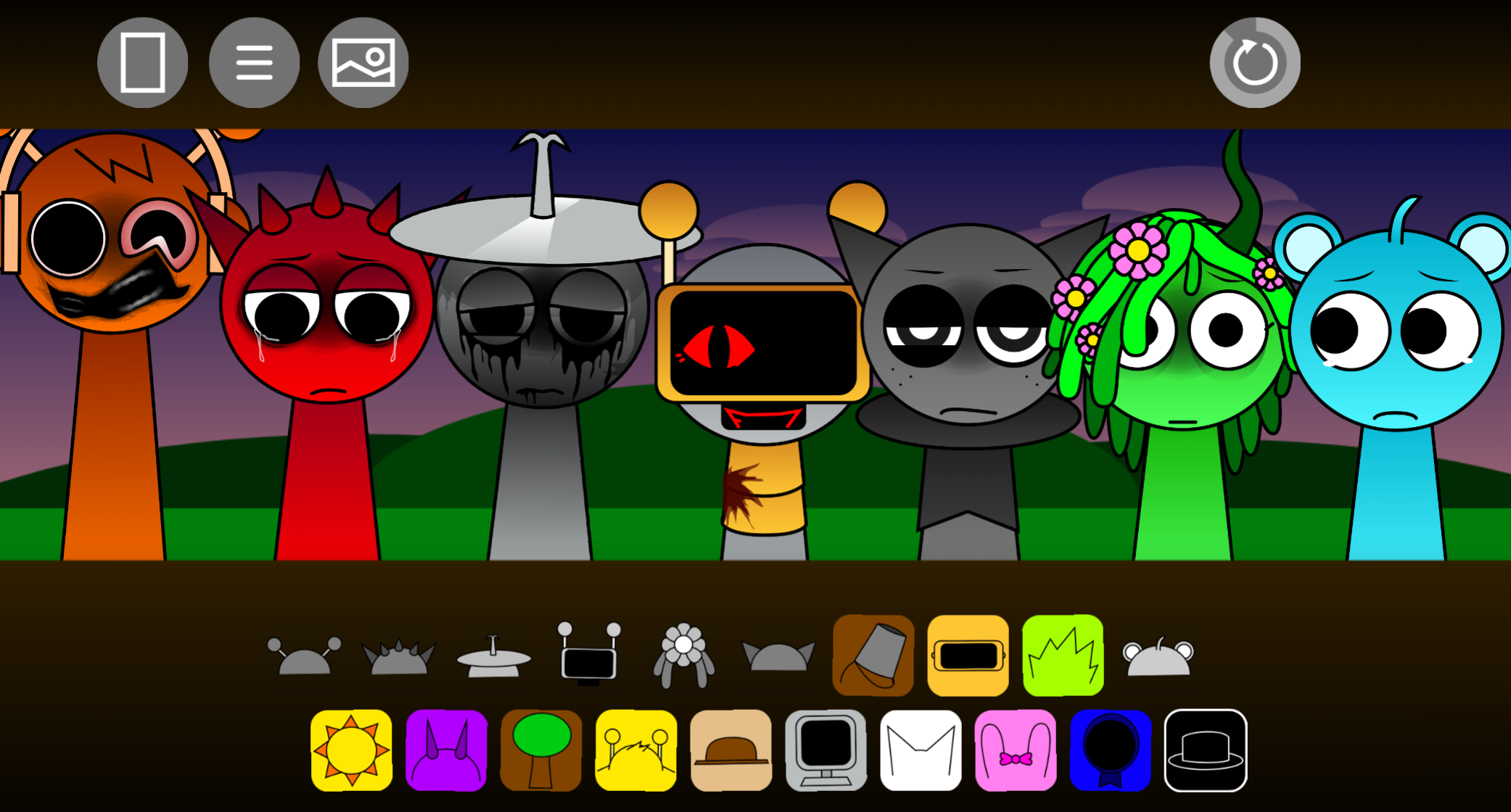
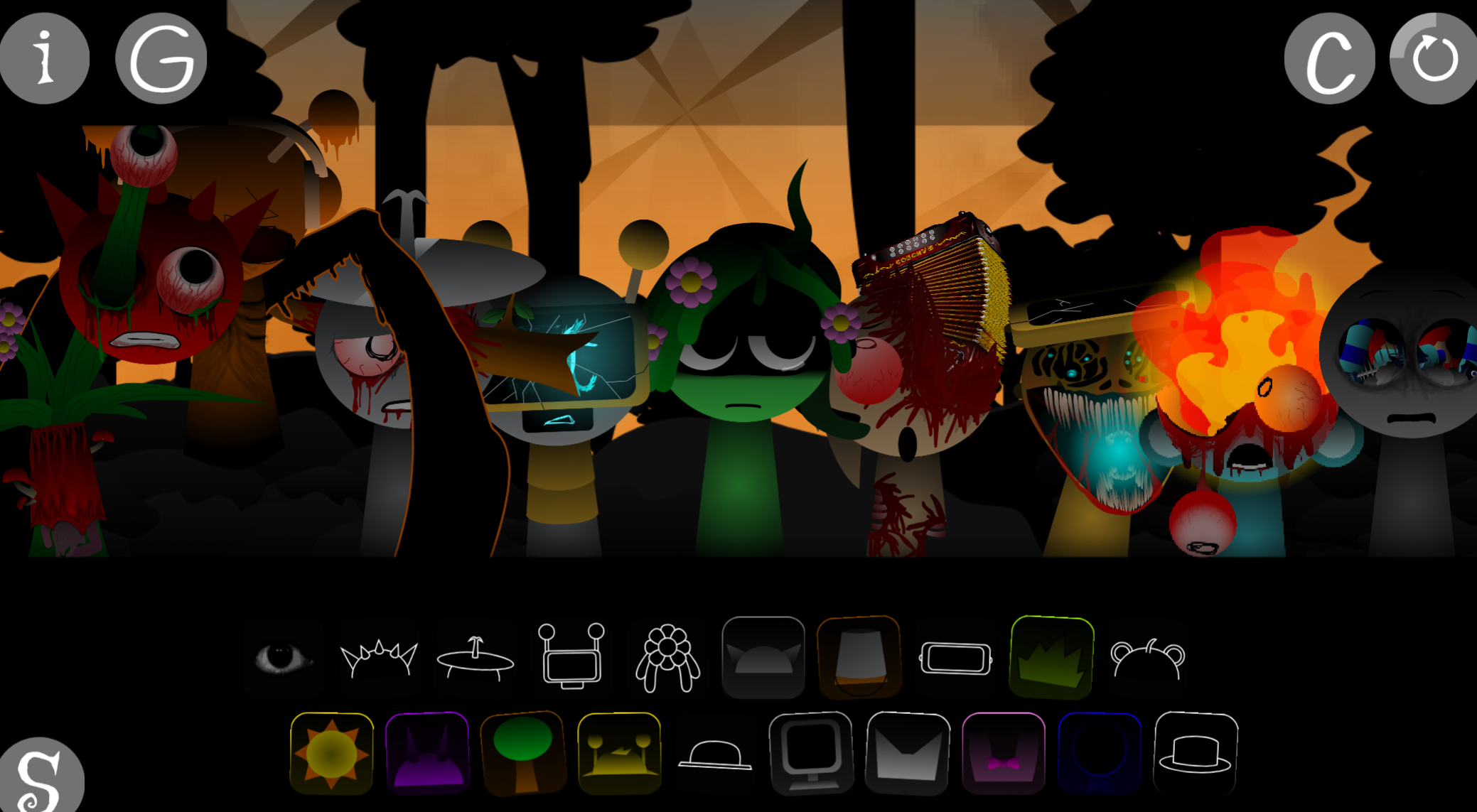
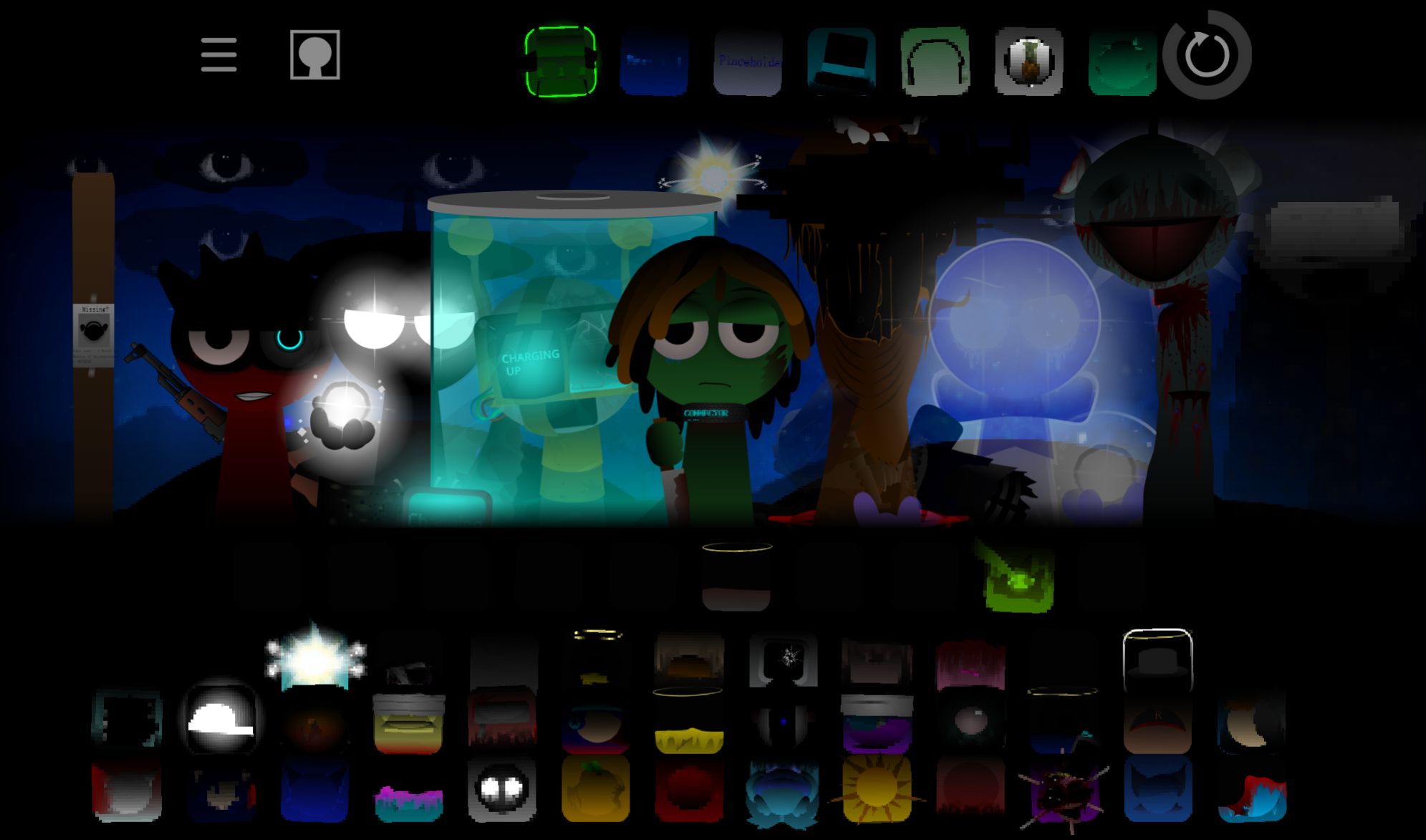
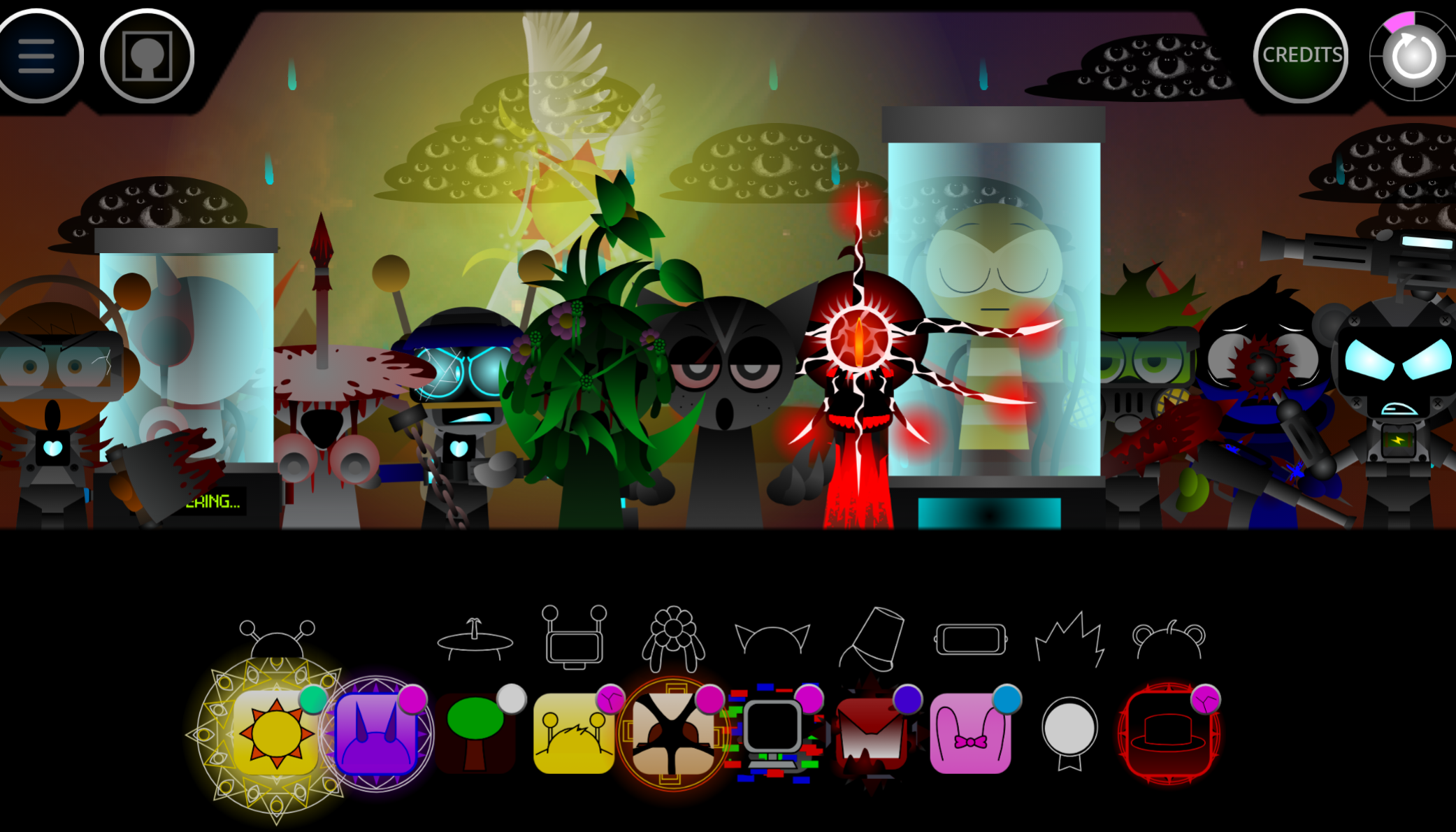
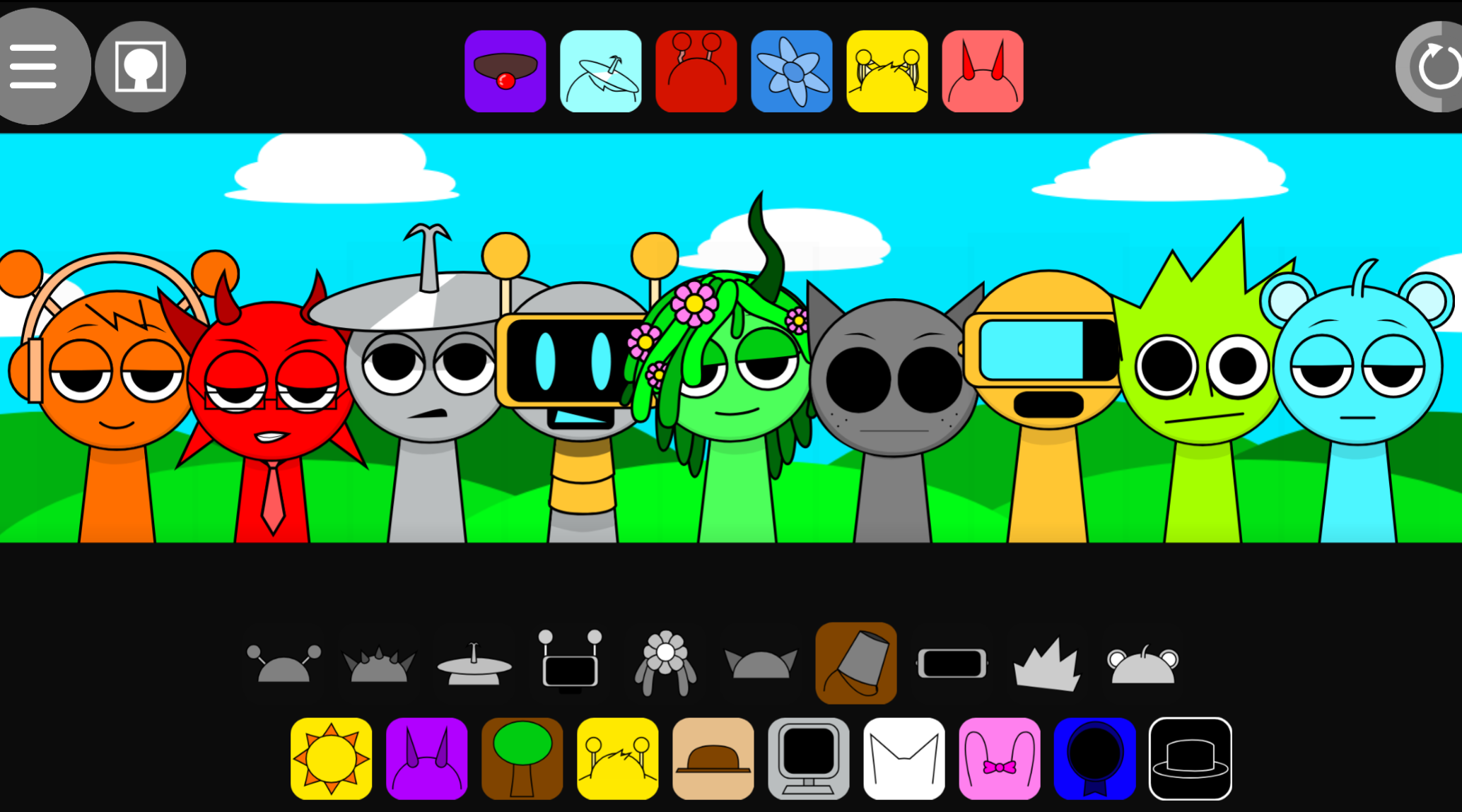
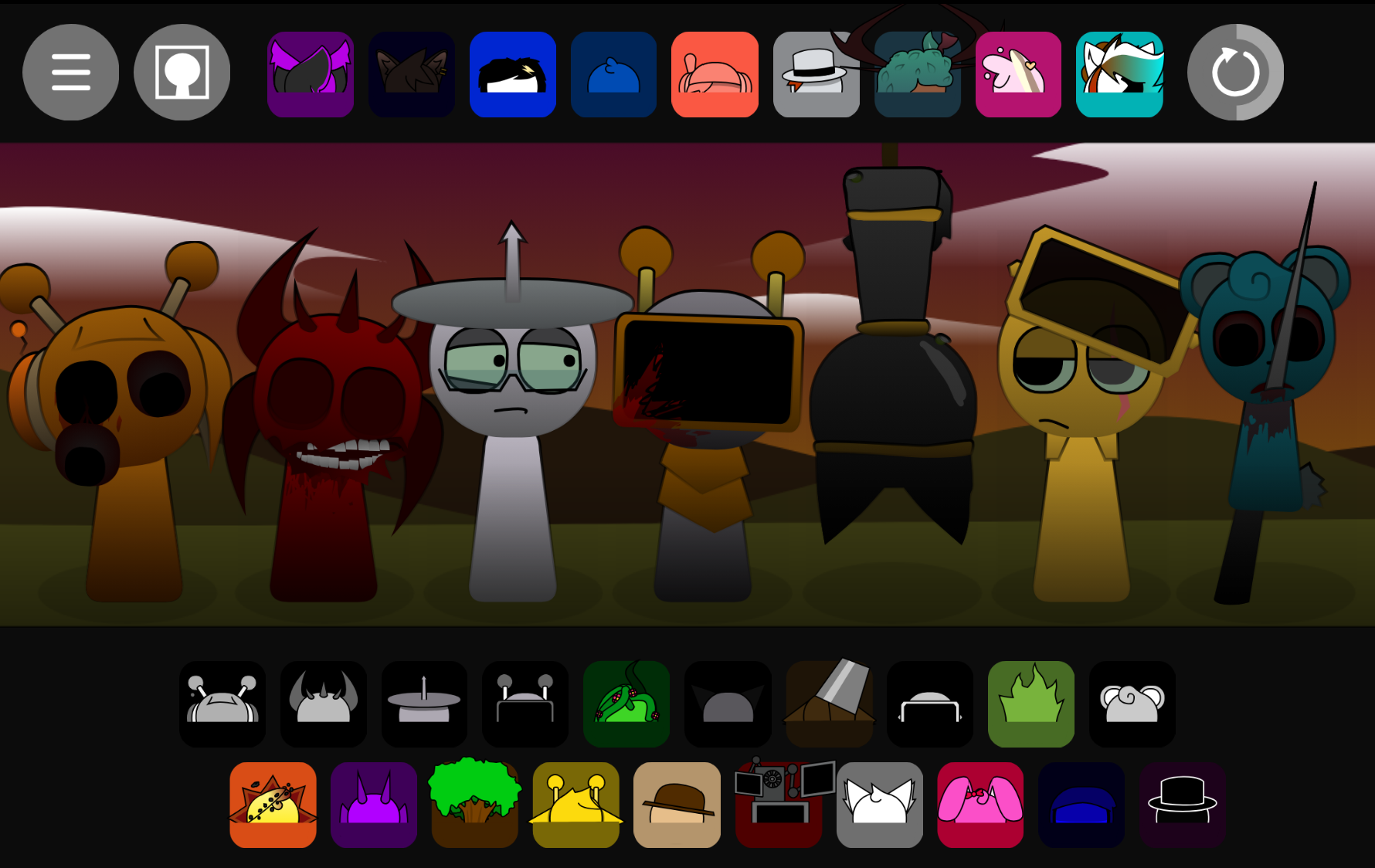
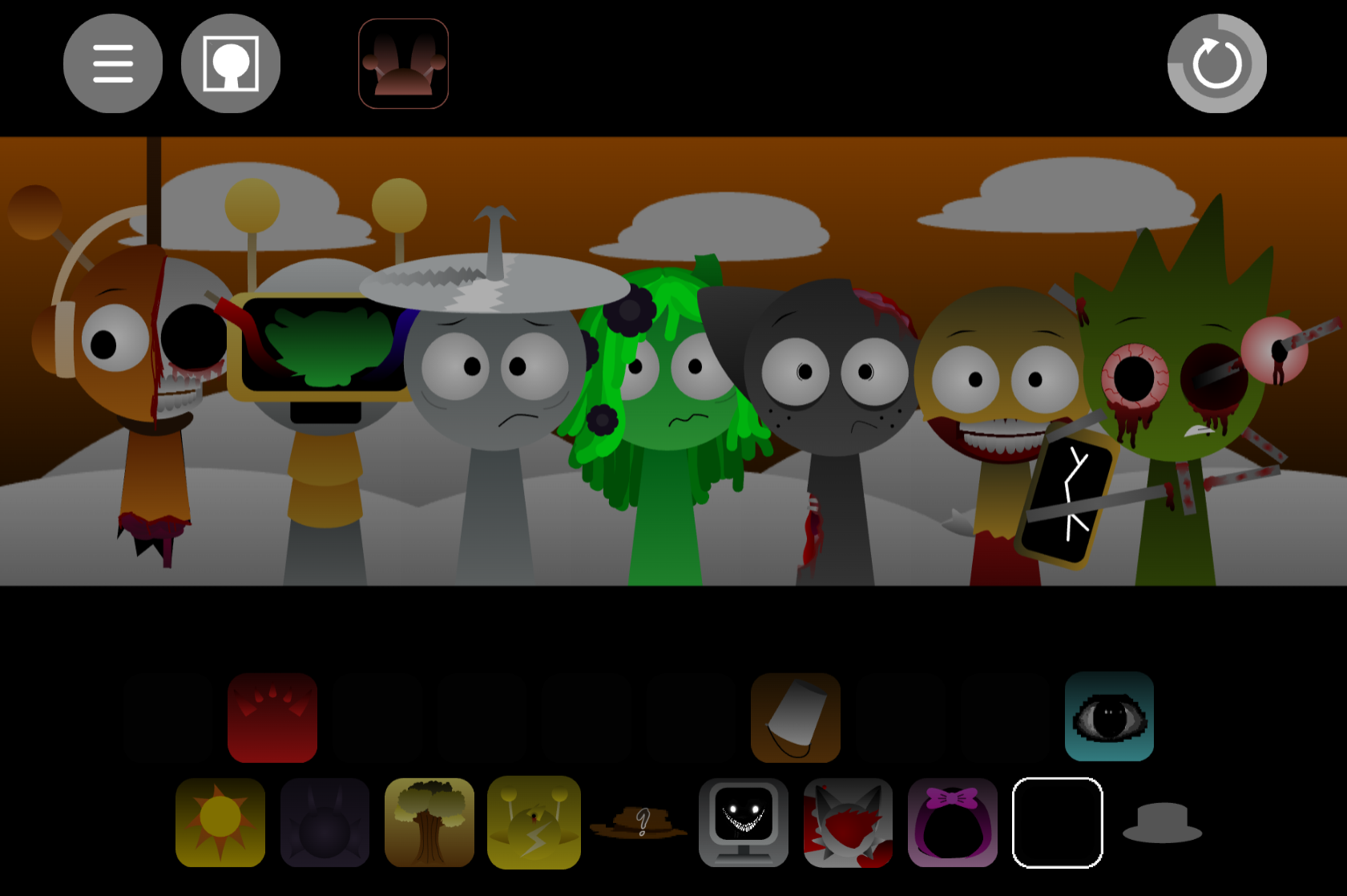
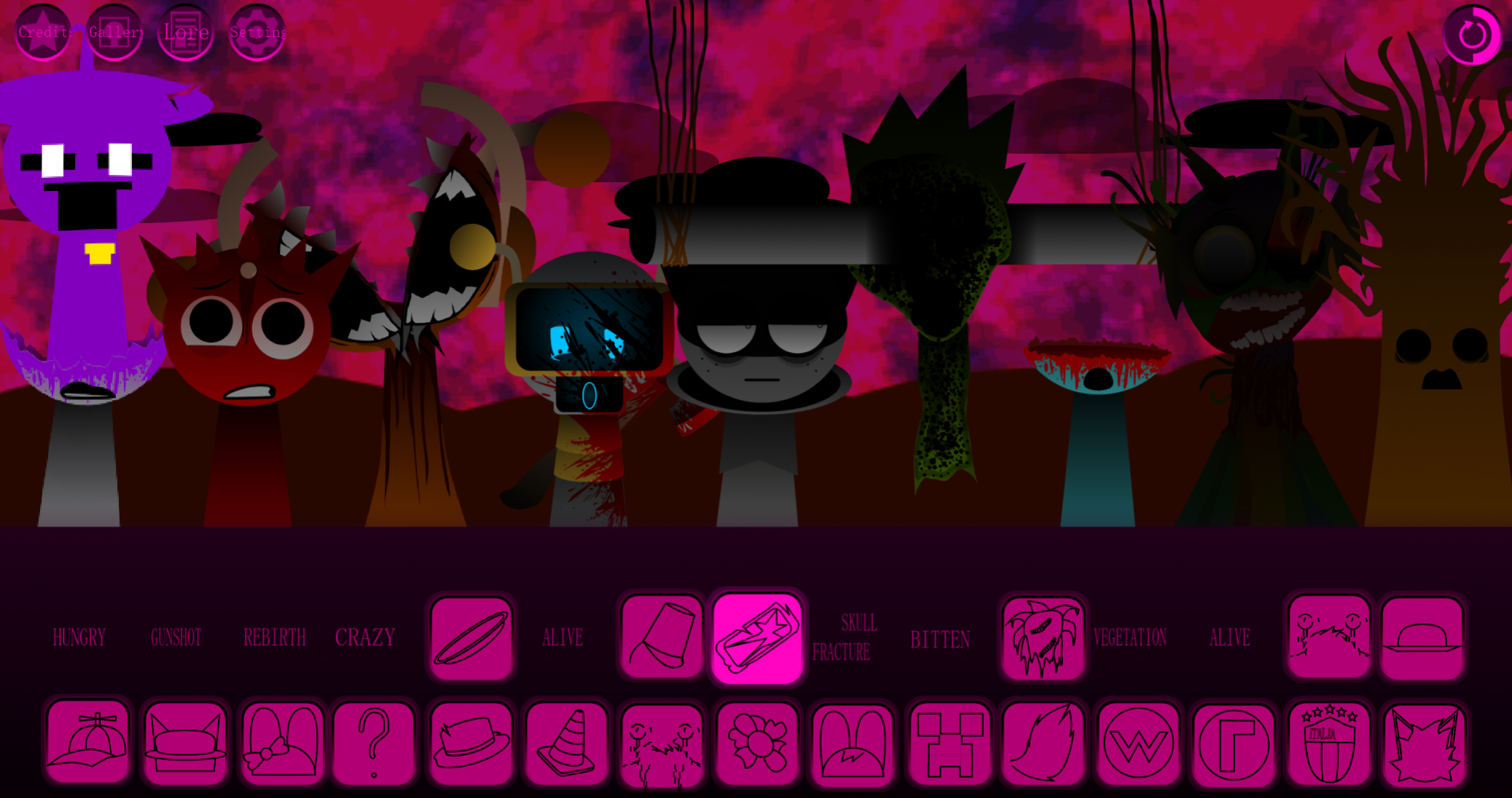
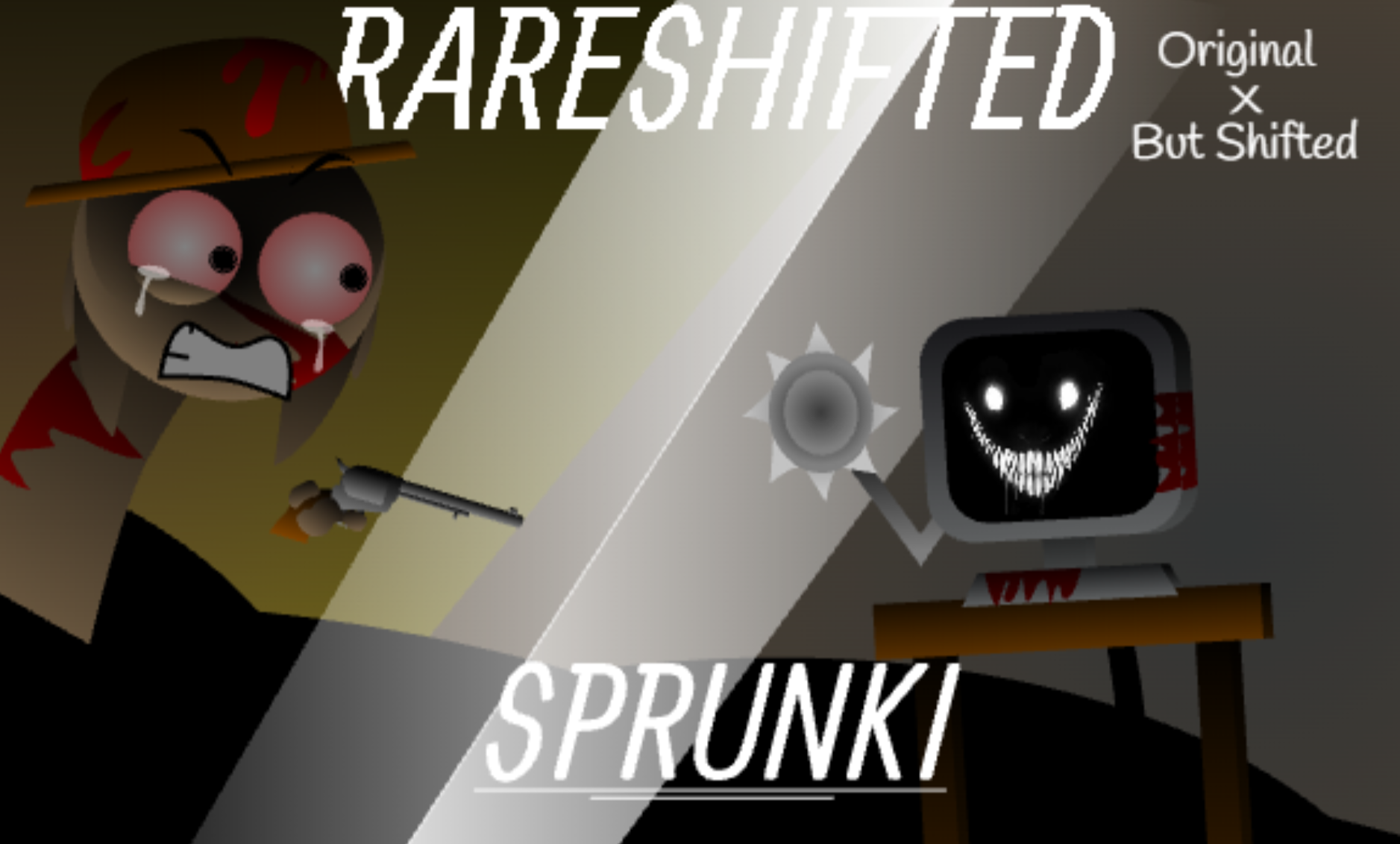

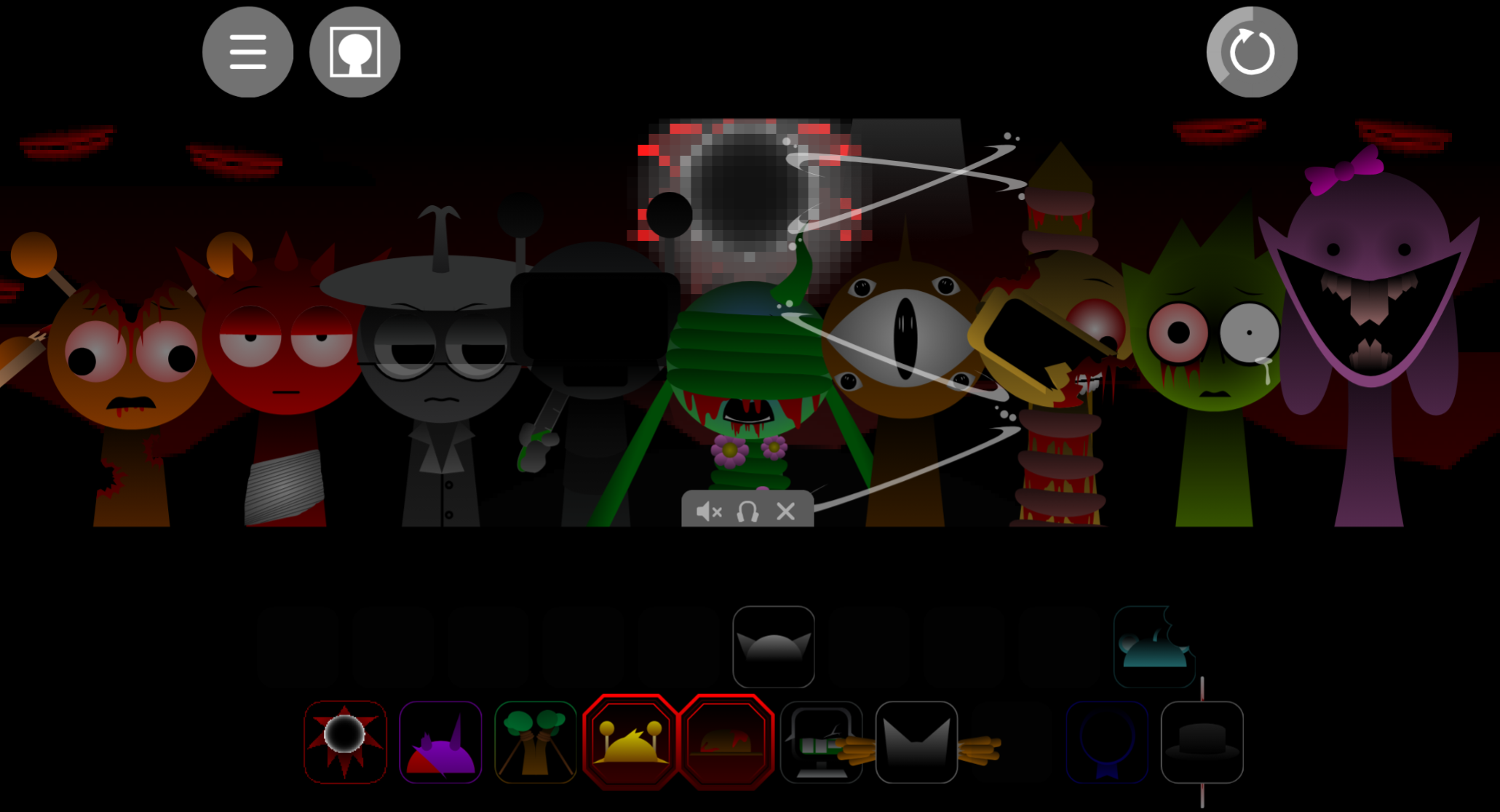
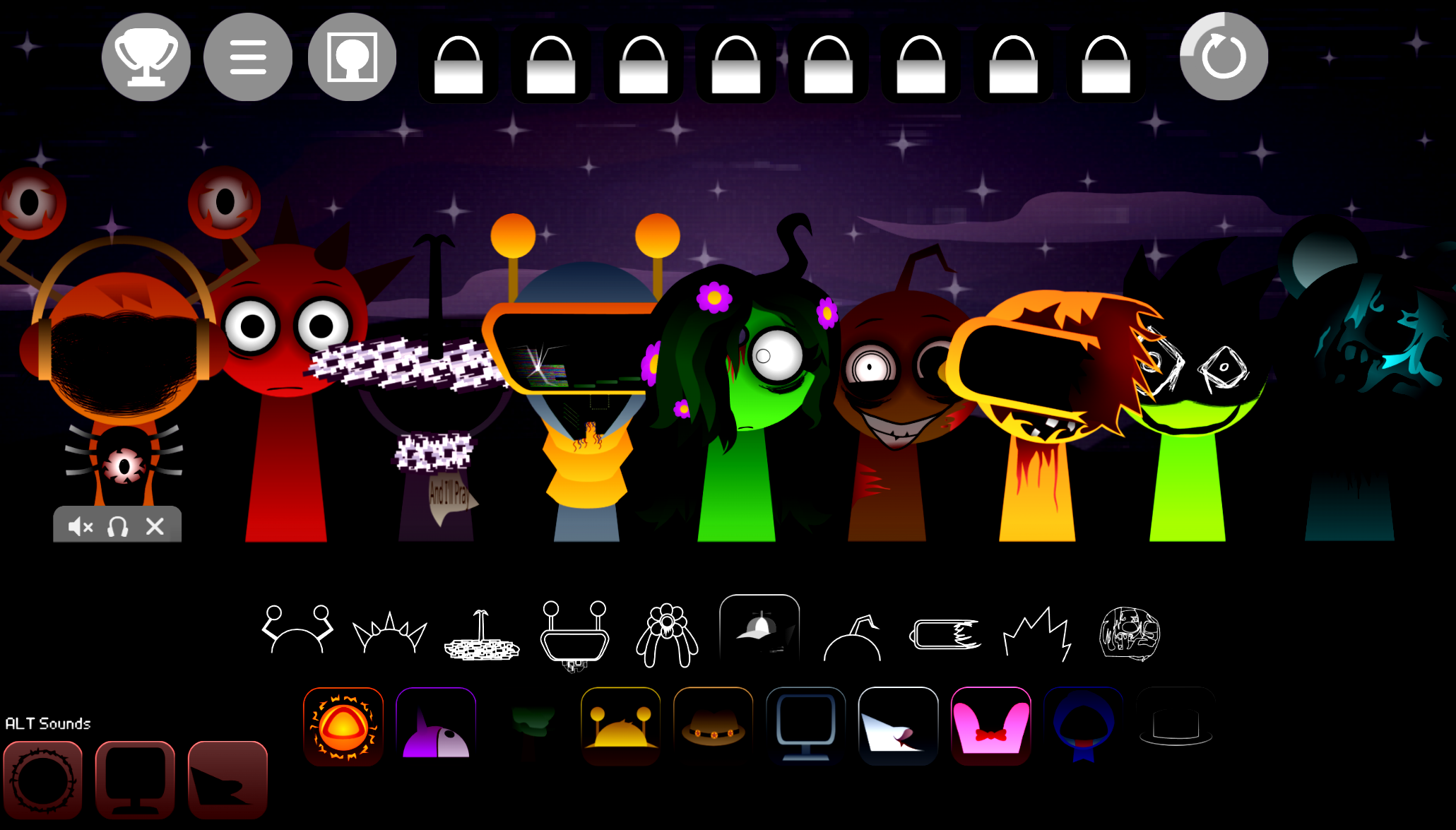
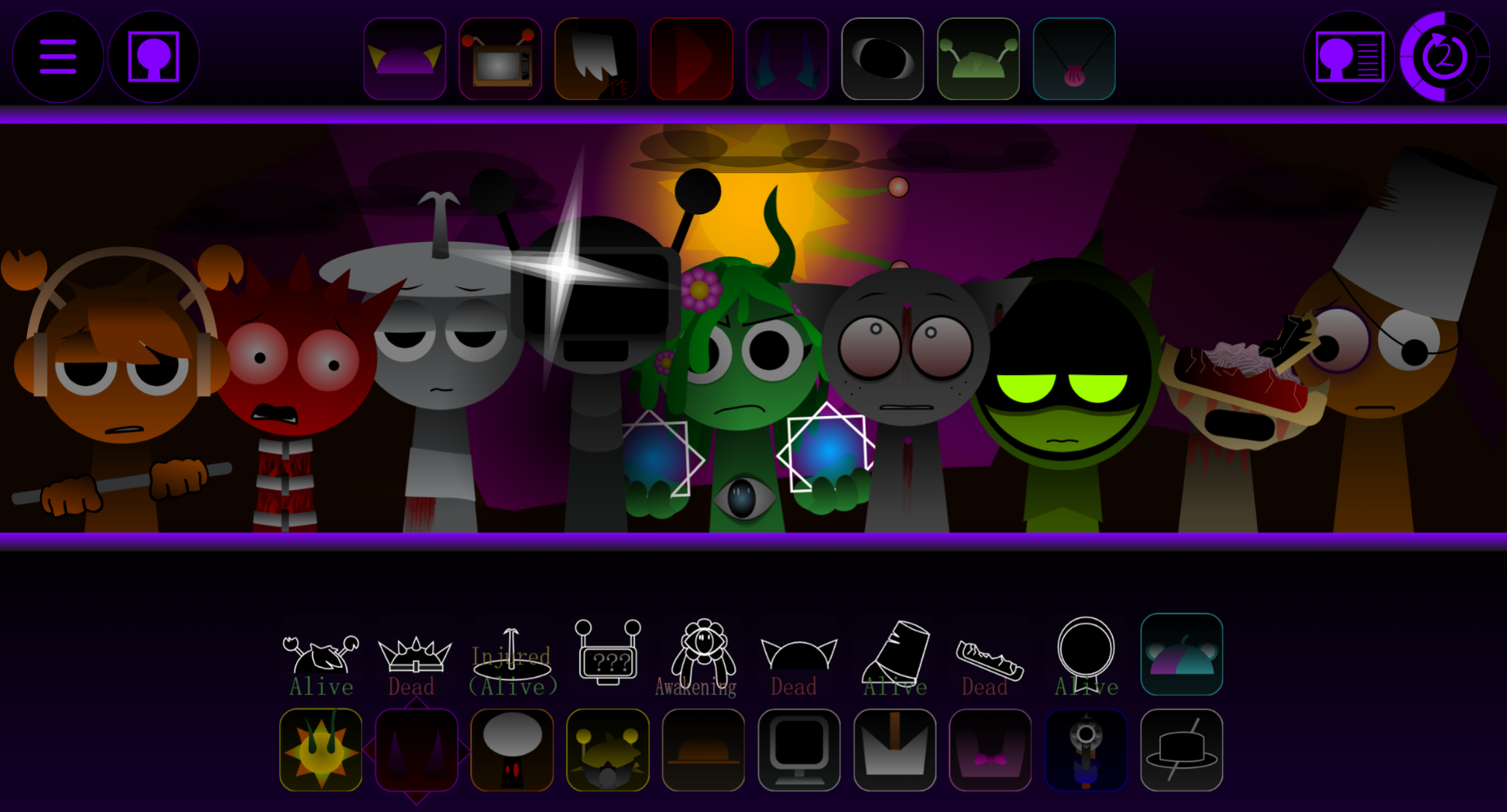
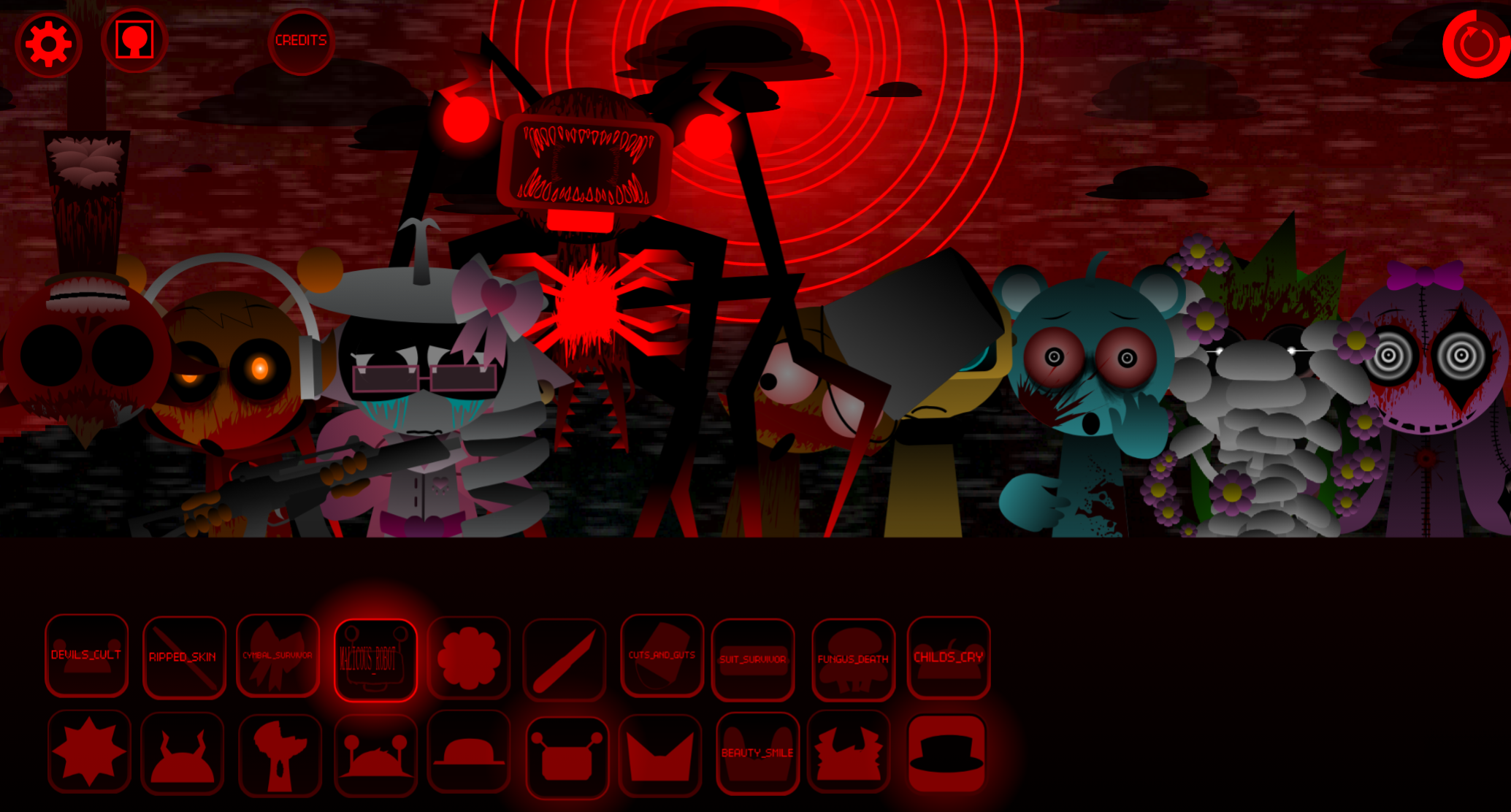


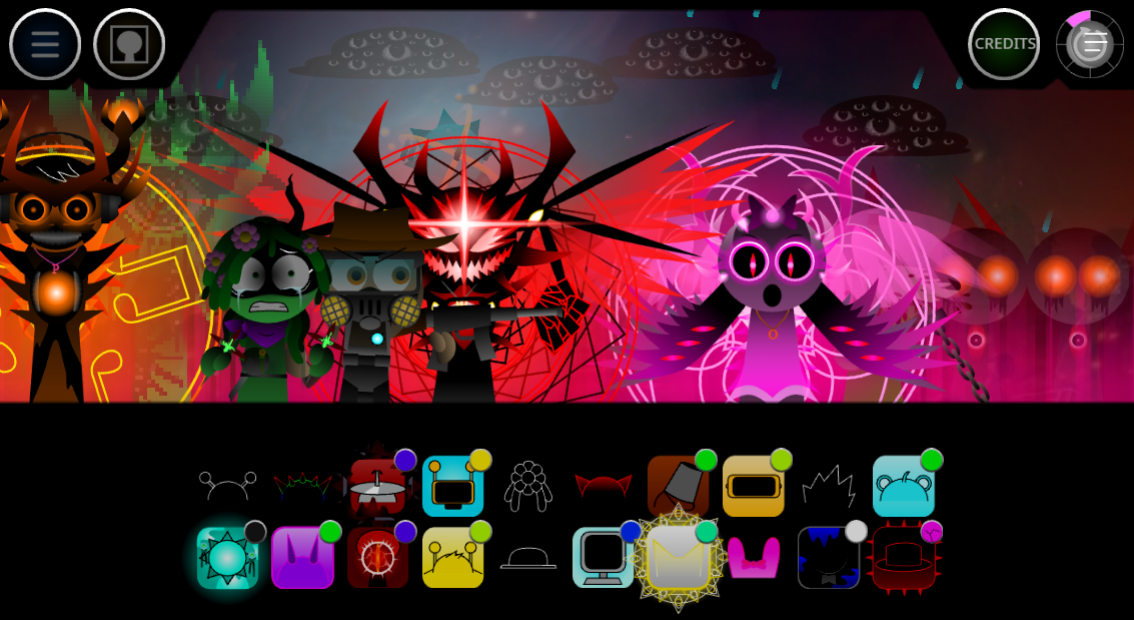
Backrooms Sprunki by Niki drops you into a horror remix of the Sprunki music-mixing format, replacing cheerful loops with glitched visuals, erie Backrooms aesthetics, and distorted sound design.
Created by Niki, this fan mod keeps the drag-and-drop character system from Incredibox-style games but wraps it in liminal-space dread—flickering hallways, corrupted avatars, and unsettling ambient layers replace the usual playful vibe.
You still build tracks by layering character sounds, but every choice leans into psychological unease rather than melody.
This article walks through what makes Backrooms Sprunki by Niki different from standard Sprunki mods, how the Backrooms theme reshapes gameplay and audio design, where to play it, and what to expect if you’re used to brighter musicods.
Backrooms Ś̶̯̪P̸̰͘R̷̟̩͋U̷͙͜͝͠N̵̟̬̓K̷̫̓I̶̼͗̚ͅ - by Niki: The Ultimate Corrupted Sprunki Guide
Backrooms Sprunki by Niki is a horror-styled Sprunki/Incredibox fan mod that turns character-based music mixing into a glitch-ridden Backrooms descent.
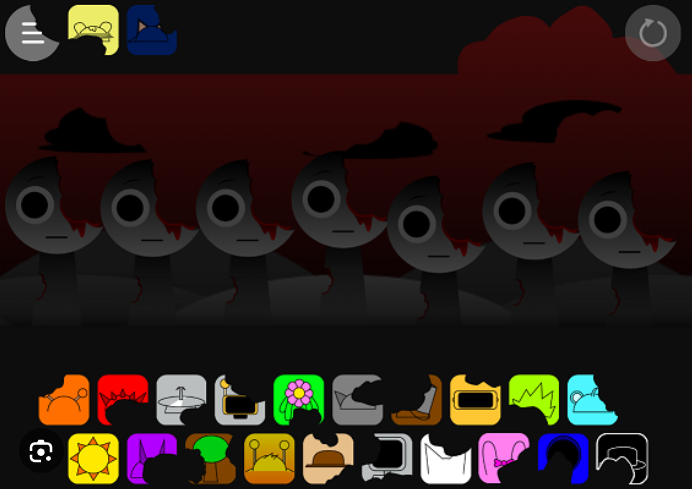
Players assign looping sounds to characters and build tracks layer by layer, but the playful energy is replaced by distorted designs, static-heavy sound effects, and an atmosphere suggesting the game file itself has been damaged. The mod’s mangled Zalgo-style title reinforces that identity—a corrupted program struggling to display its own name.
Niki’s version uses that “broken file” aesthetic to blend classic Sprunki mechanics with creepypasta, analog-horror, and Backrooms imagery.
The contrast between accessible music-making and unsettling presentation defines the experience:
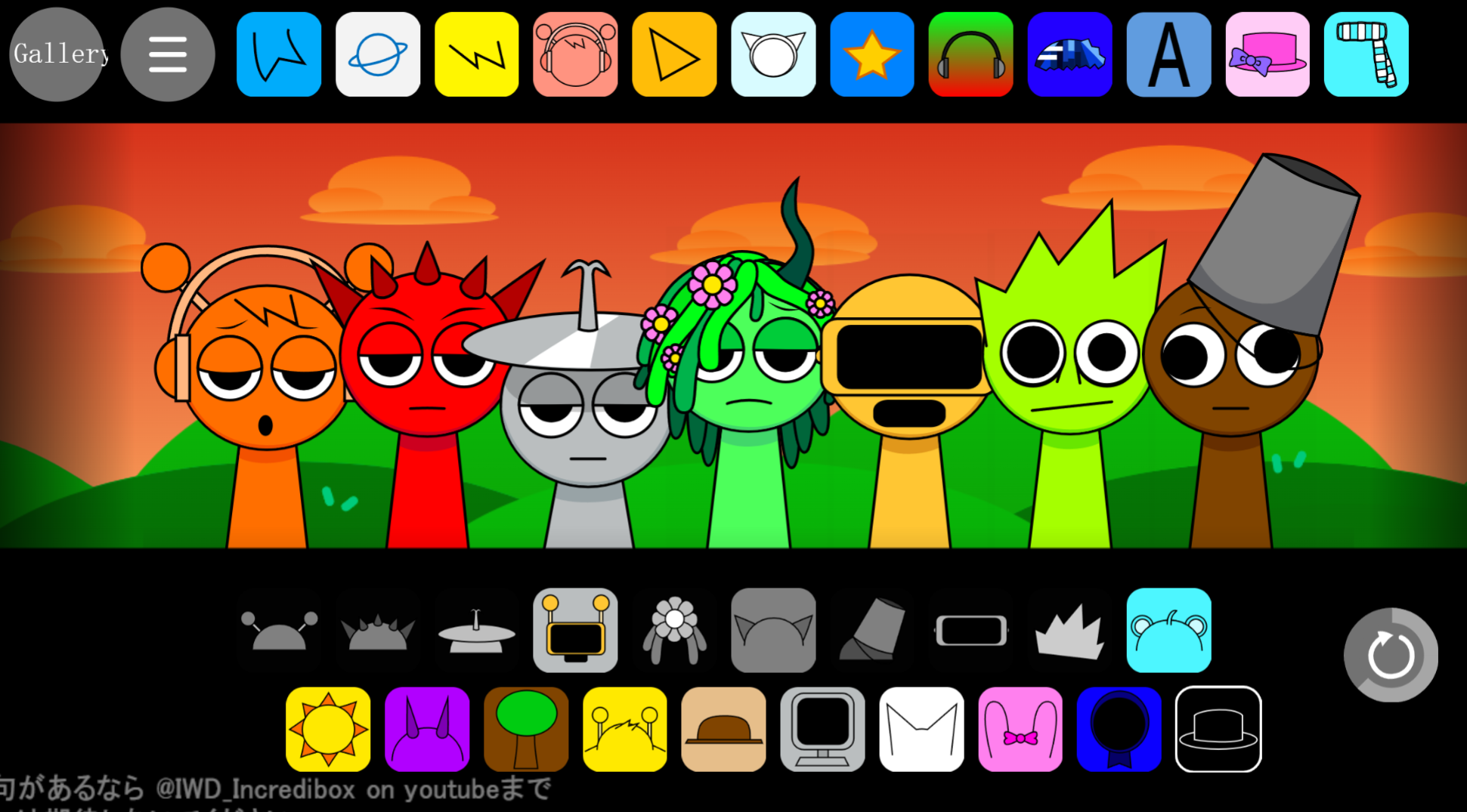
- Classic Sprunki mix-building: Drag sound icons onto the cast to activate repeating beats, effects, melodies, and voices.
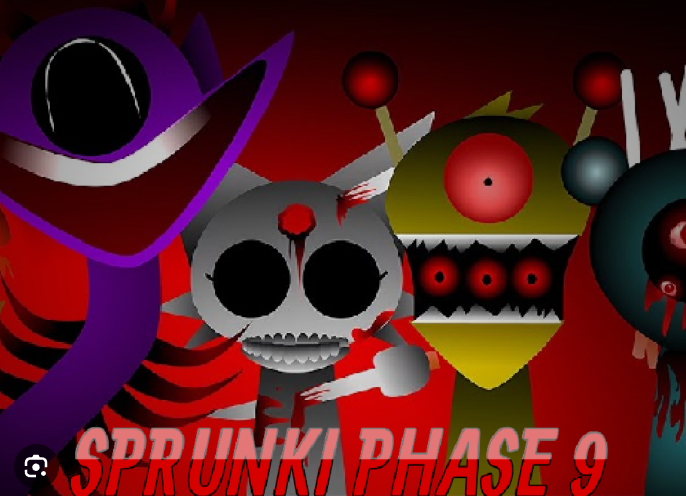
- Corrupted character redesigns: Familiar performers become damaged-looking digital entities with uncanny expressions, jittering movement, and glitch-like details.
- Unsettling sound construction: Rhythmic loops are joined by warped bass, stuttering effects, harsh textures, and ominous vocal fragments.
- Backrooms-flavored atmosphere: Static, interference, and visual instability make the interface itself feel unsafe.
- Zalgo-styled visual identity: Fractured lettering reinforces the idea that something has infected the world at the code level.
The horror is not separate from the music. Every new sound can feel like another piece of a damaged soundtrack being activated.
How to Play Backrooms Ś̶̯̪P̸̰͘R̷̟̩͋U̷͙͜͝͠N̵̟̬̓K̷̫̫̓I̶̼͗̚ͅ - by Niki
Use it as a browser-based rhythm mixer: select a sound icon, drag it onto an available character, and build your composition one loop at a time. The controls remain simple even as the mood becomes increasingly hostile.
Start with a stable beat.
Place a percussion or bass-focused icon first to give the mix a foundation. A steady rhythm makes it easier to judge whether later effects create deliberate tension or simply overwhelm the track.
Add melodies, effects, and vocals gradually.
Test eerie melodies over the beat, then introduce static-filled effects or fragmented voices. Strong mixes use contrast: a controlled rhythm beneath sounds that feel distorted, hollow, or damaged.
Swap character parts to refine the mood.
Different sound combinations can create a slow, empty Backrooms ambience, a tense glitch track, or a full corrupted breakdown. Remove parts that crowd the arrangement and replace them with sounds that leave room for the most unsettling details.
Watch for the horror shift.
The presentation may become more unstable as the corrupted phase takes hold, with harsher sounds, visual glitches, and increasingly disturbing character transformations.
There is no single correct arrangement. The objective is to experiment until the mix sounds cohesive—even if it feels as though it escaped the Backrooms carrying The Glitch with it.
Lore and Story: The Glitch That Consumed the Music
The central lore is not merely that the cast receives darker designs. The Glitch consumes the music itself. What begins as a recognizable Sprunki-style sound world is framed as a damaged digital environment in which beats, voices, and melodies have been infiltrated by a virus-like corruption.
This distinction gives the mod much of its unease. In a conventional horror transformation, characters change appearance and the soundtrack follows. Here, the sound is evidence of the disaster. Cheerful musical roles are not simply replaced with spooky alternatives; they seem to fracture into stuttering fragments, harsh distortion, static, and broken vocal textures. The original music appears to remain underneath, trapped inside its corrupted version.
Community interpretations commonly treat the corruption as an entity-like force rather than a visual filter. That reading is not confirmed as formal story canon, but it fits the presentation: each loop suggests that The Glitch has spread deeper into the game’s reality. The player is not only arranging a track, but activating pieces of a soundtrack that has already been damaged beyond repair.
Features of Backrooms Sprunki by Niki
Niki’s mod keeps the recognizable character-and-sound format while making digital decay part of every visual and audio choice.
-
Corrupted character designs: The colorful Sprunki cast appears in distorted forms with damaged details, strange expressions, and unstable movement. Added performers feel less like band members and more like figures emerging from a broken screen.
-
Music built from discomfort: Beats, melodies, effects, and vocals still function as complementary parts of a composition, but their textures lean toward metalic edges, warped low end, interruption, and noise. The challenge is shaping intentional rhythm from sounds that seem designed to destabilize it.
-
Backrooms horror presentation: Empty-space unease, flickering interference, and static-filled visuals create the sense that the music interface has become a corrupted digital location. The Backrooms setting is not just a label; it frames the act of mixing as exploration of an unsafe space.
-
A corrupted-file aesthetic: The stylized title, glitches, and damaged presentation connect the mod to creepypasta and analog-horror traditions, where a familiar game or file reveals a hidden, hostile state.
Character Guide: Faces of the Corruption
The roster makes the mod’s infection theme tangible. These characters preserve recognizable musical functions while their appearances and sounds are pushed into darker forms.
-
Black — the Catalyst: Often interpreted by fans as a force behind the corruption, Black carries some of the mod’s heaviest distorted beats. His sound can act as the pulse of a broken system, taking a mix from uneasy atmosphere to full instability.
-
Wenda — the Hollow Voice: Wenda’s corrupted design replaces familiar warmth with ring-like eyes and a vacant expression. Her vocal element is commonly described as a reversed, static-choked plea, making her especially useful for haunted or mournful arrangements rather than purely aggressive ones.
-
Simon — the Aggressive Glitch: Simon’s altered design is sharp, frantic, and visibly unstable, matching the biting metallic quality of his sound. Fan lore often treats him as a victim twisted into something dangerous, although that interpretation should be understood as community theory rather than confirmed narrative.
-
Gray and Durple — the Mourning Layer: Gray and Durple bring quieter emotional weight to the corruption. Their slouched postures, dreary expressions, and somber melodic roles can add a feeling of digital grief beneath Black’s heavier distortion and Simon’s harsher effects.
Together, these characters show why the horror works: their musical roles are not erased. They are warped until every face, beat, and voice seems trapped inside the same damaged file.
Related Games
- Sprunki 1996 Horror Mode — Its retro-styled horror treatment is a natural follow-up for players who want more corrupted Sprunki sound mixing paired with unsettling visuals and analog-horror atmosphere.
- Sprunki 2004 Horror Mode — This horror-mode variation extends the article’s focus on glitchy, distorted Sprunki transformations by framing the music experience through a different eerie era.
- Sprunki dark mode treatment — Its darker presentation directly suits readers interested in the Black-entity corruption, ominous soundscapes, and nightmare aesthetic of Backrooms Sprunki.
Enjoy!

Discuss Sprunki